
Gorilla Trekking vs Gorilla Habituation Experience: Which One Should You Choose?
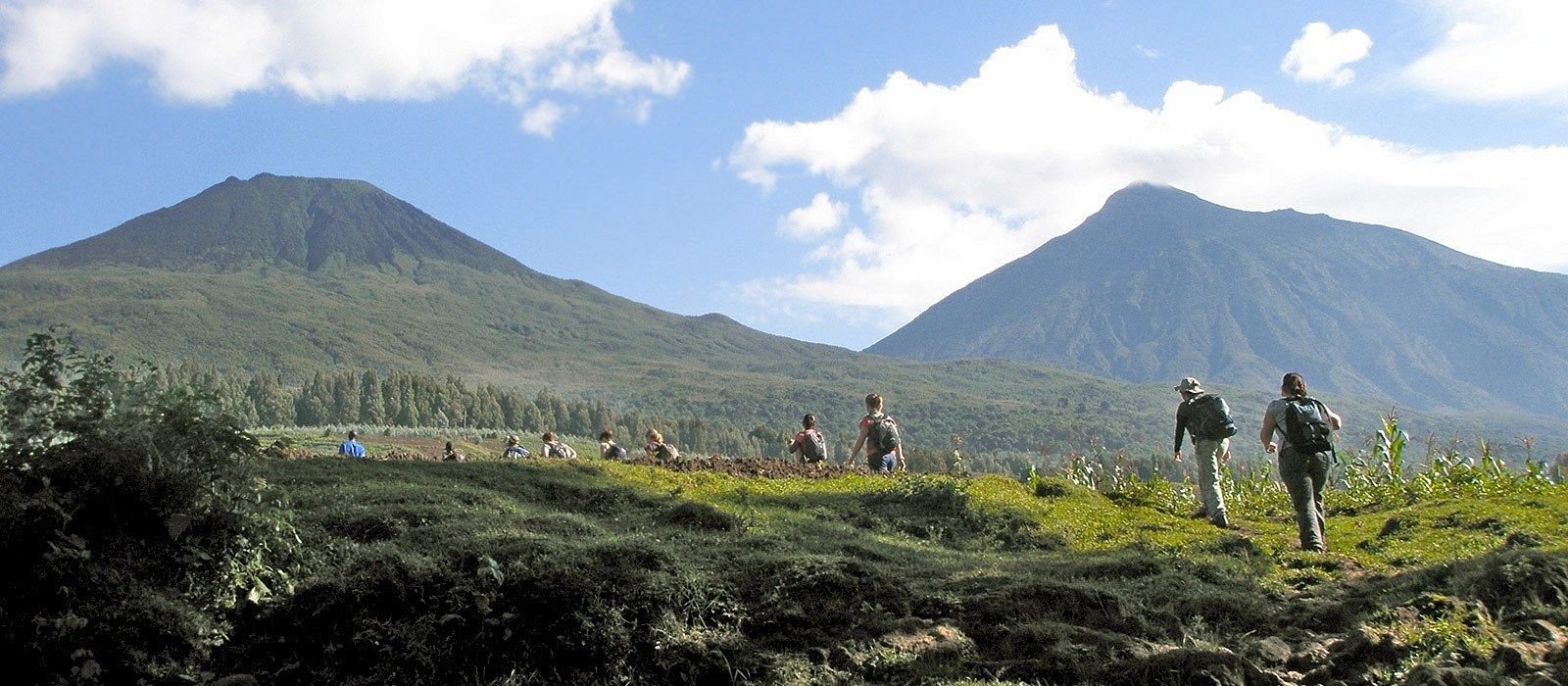
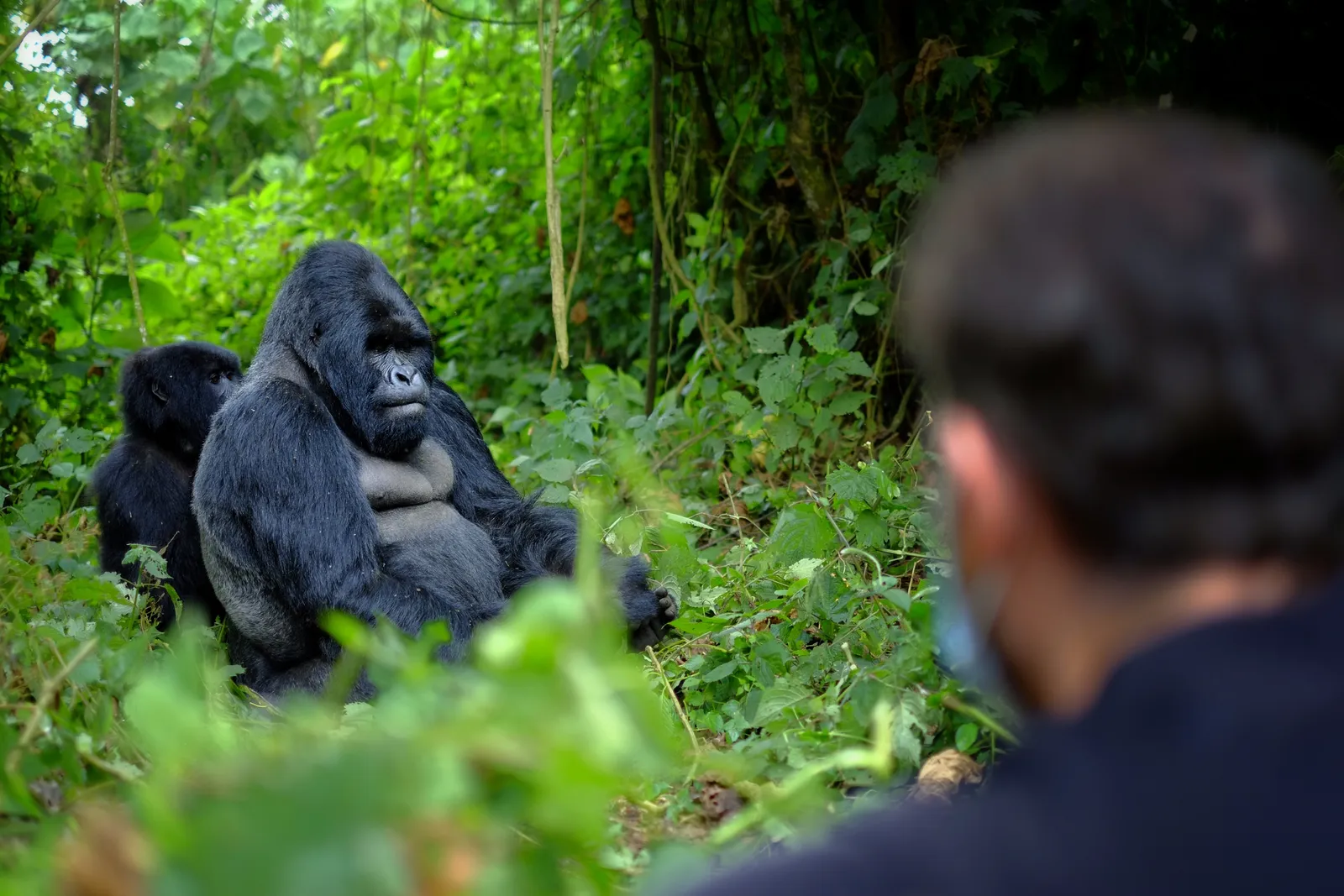
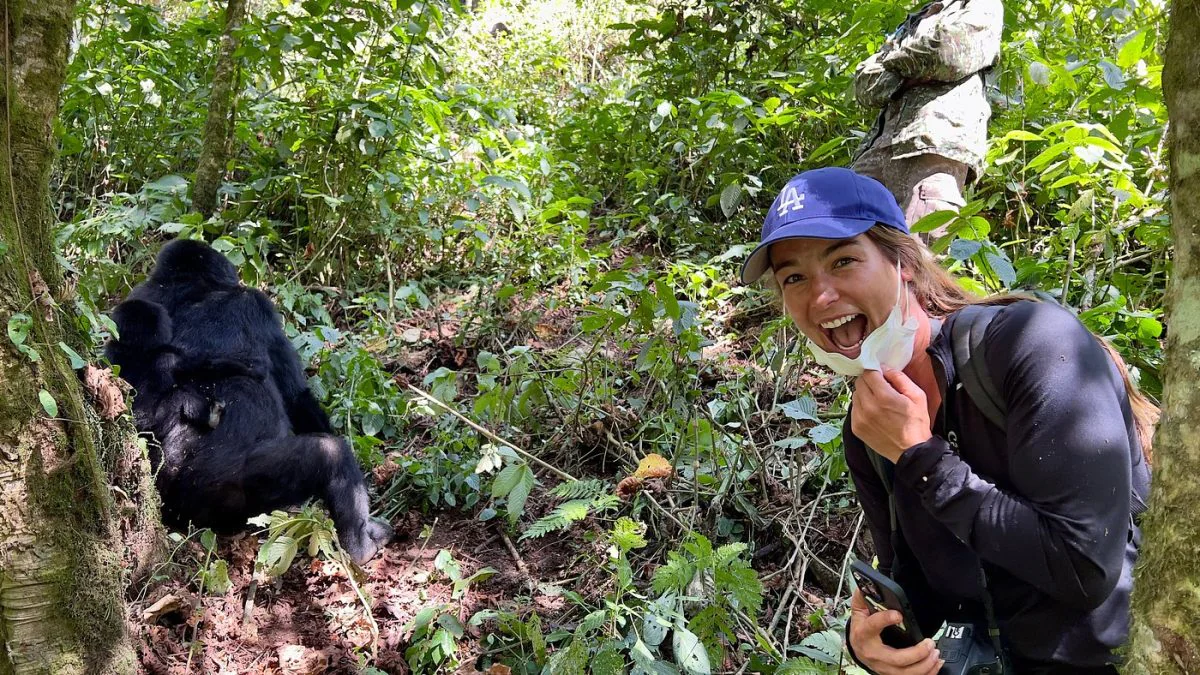
When planning a once-in-a-lifetime encounter with mountain gorillas, one of the most important decisions you’ll make is choosing between gorilla trekking vs gorilla habituation experience. Both offer extraordinary opportunities to observe gorillas in their natural habitat, yet they differ significantly in depth, duration, exclusivity, and overall experience.
For luxury travelers seeking a highly immersive and personalized safari, understanding the difference between these two experiences is essential. Gorilla encounters are not just about seeing wildlife—they are about connection, emotion, and immersion in one of the last truly wild ecosystems on Earth. The choice you make will influence how long you spend with the gorillas, how close you feel to the experience, and how exclusive your journey becomes.
While both experiences take place in protected rainforest environments and are led by highly trained rangers and trackers, they are designed for different types of travelers. Some visitors prefer a structured, iconic encounter that fits seamlessly into a broader safari itinerary, while others seek a deeper, slower, and more intimate wildlife interaction that goes beyond observation into understanding behavior and conservation.
This guide is designed to help you clearly understand gorilla trekking vs gorilla habituation experience, so you can confidently choose the option that aligns with your expectations, travel style, and level of adventure.
What is Gorilla Trekking?
Gorilla trekking is the most well-known and widely accessible way to see mountain gorillas in the wild. It is a carefully managed experience that allows visitors to track and observe fully habituated gorilla families that are accustomed to human presence.
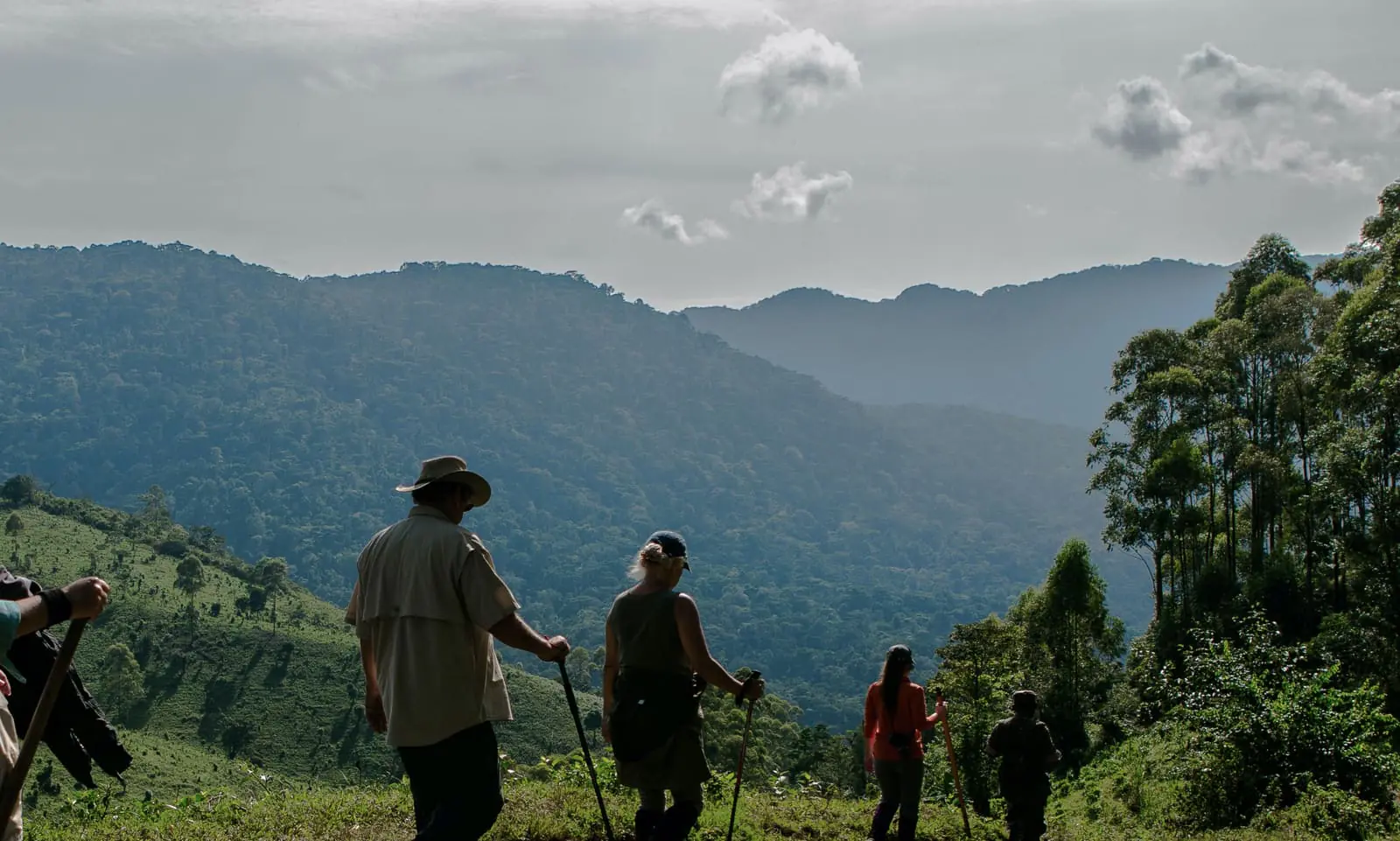
In destinations like Bwindi Impenetrable National Park and Volcanoes National Park, the experience begins early in the morning with a detailed briefing at the park headquarters. During this session, visitors are guided on trekking rules, safety protocols, and what to expect in the forest. You are then grouped into small teams and assigned to a specific gorilla family based on factors such as fitness level and location.
The trek itself is an adventure through dense rainforest, steep slopes, and thick vegetation. Depending on where the gorillas are located on that particular day, the trek can last anywhere from one hour to several hours. Rangers and trackers move ahead to locate the gorillas using signs such as fresh nests, broken vegetation, and vocal communication.
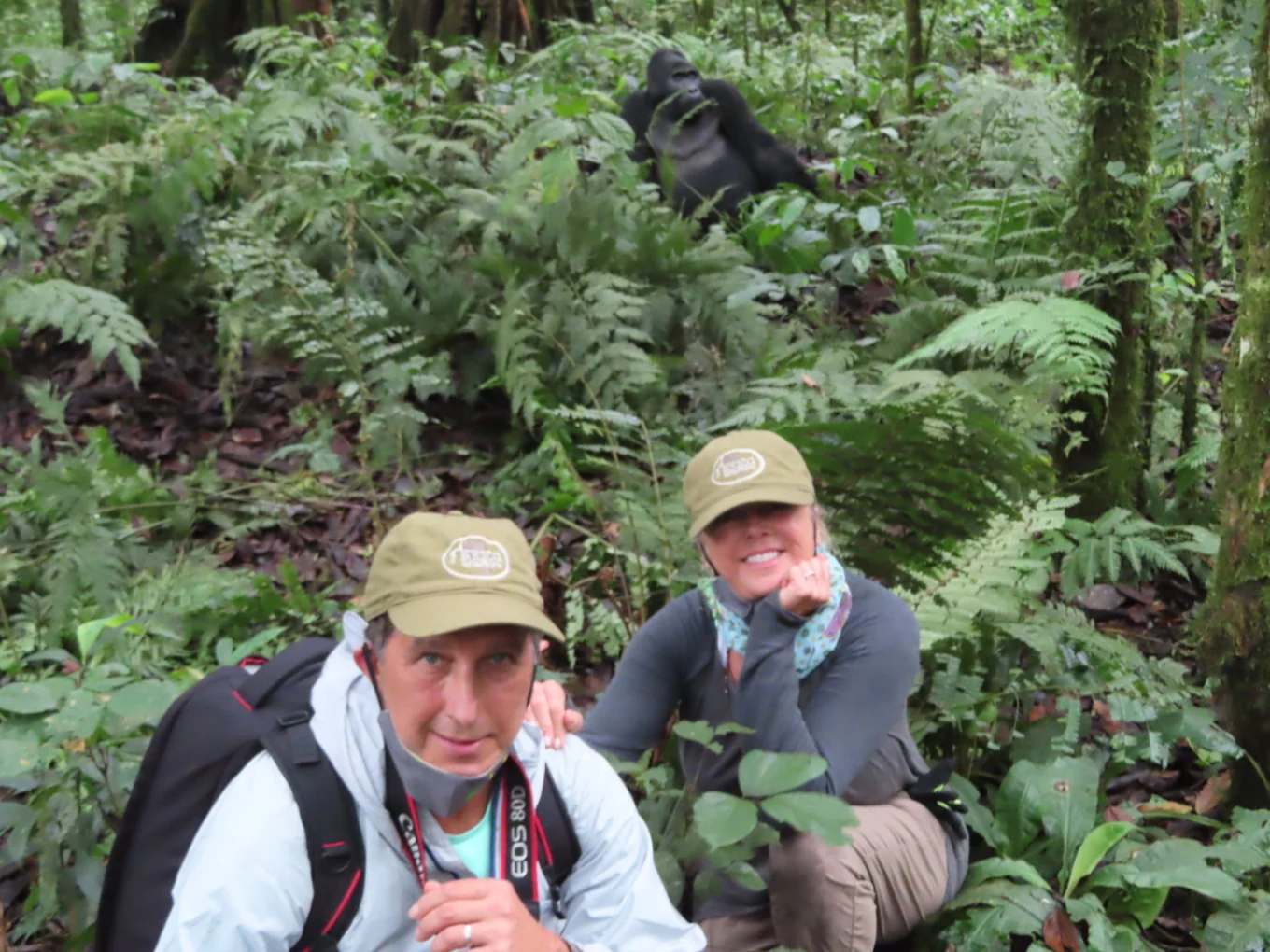
Once the gorillas are found, the experience shifts into its most powerful moment. Visitors are allowed exactly one hour in the presence of the gorilla family. This time is strictly regulated to protect the animals, yet it is more than enough to create a profound connection. During this hour, you may observe gorillas feeding, playing, grooming, or simply resting. The dominant silverback often commands attention, while juveniles bring energy and curiosity to the group.
Gorilla trekking is ideal for travelers who want a deeply moving wildlife encounter that is both structured and time-efficient. It fits perfectly into broader itineraries that may include other safari experiences such as wildlife viewing or cultural visits. From a luxury perspective, it also pairs seamlessly with high-end lodges, private guiding, and customized logistics, making it accessible without compromising comfort.
What is Gorilla Habituation Experience?
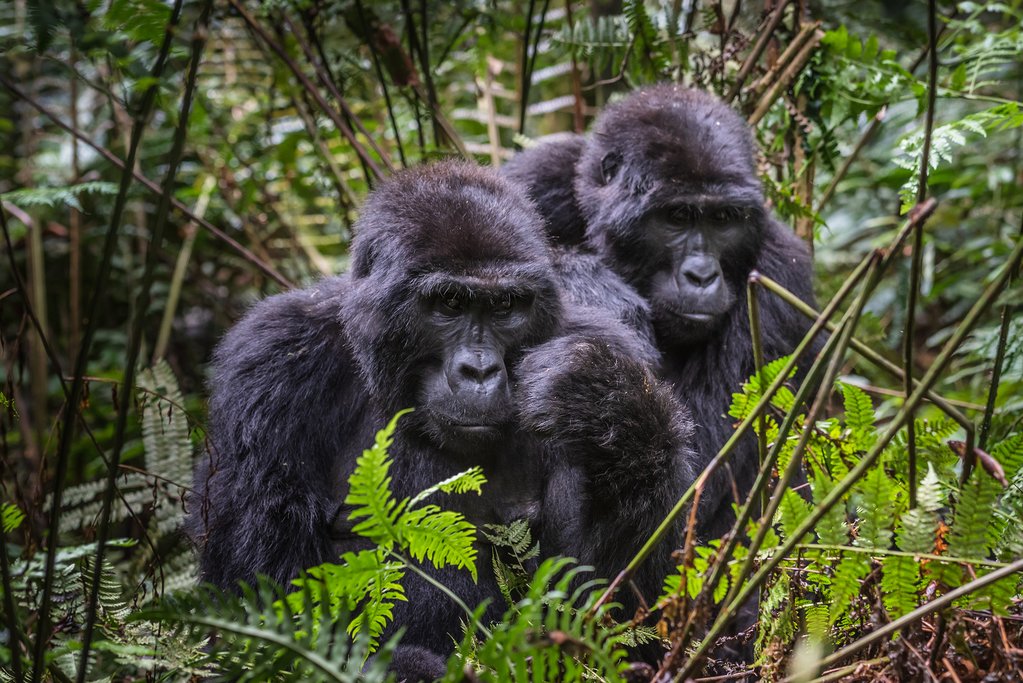
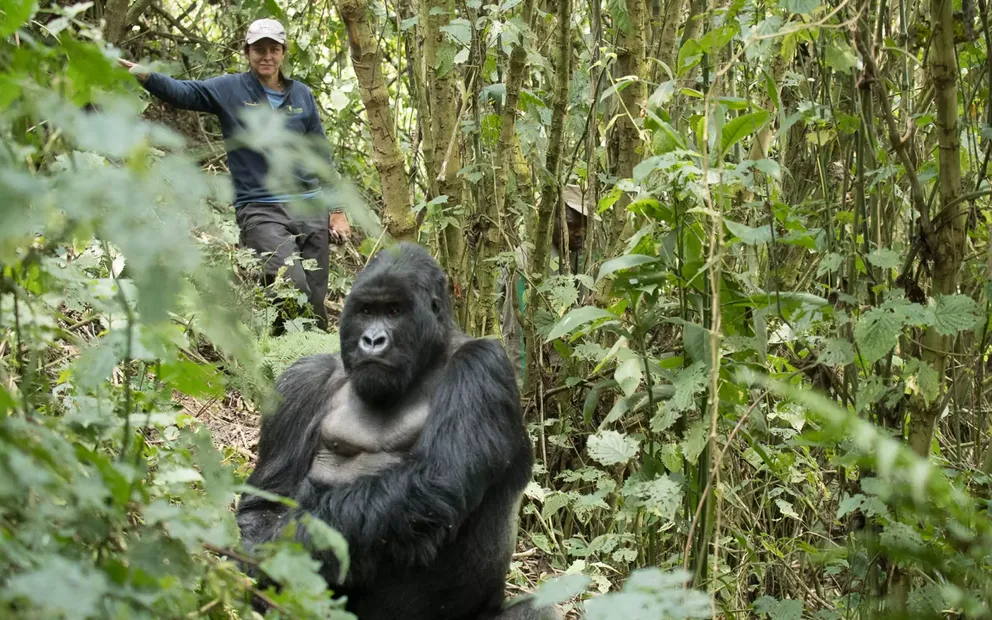
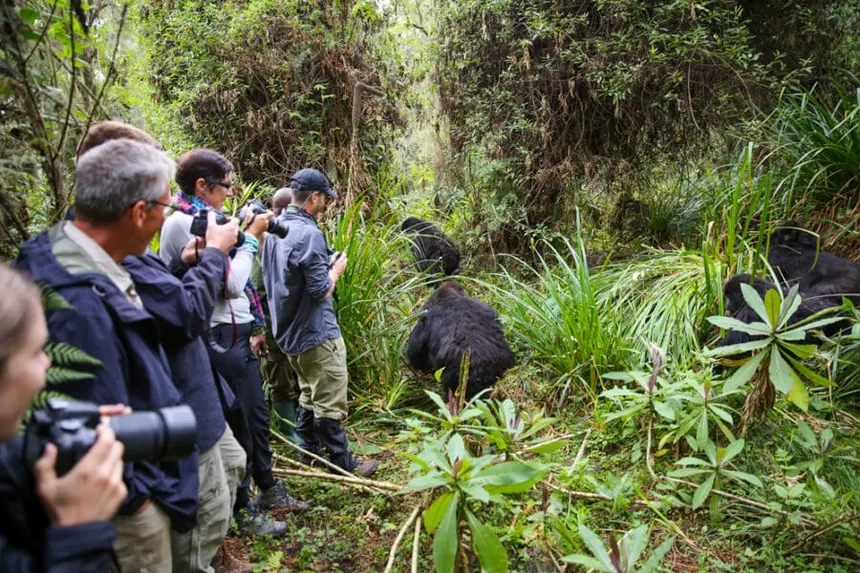
The gorilla habituation experience offers a far more immersive and extended encounter compared to standard trekking. It is designed for travelers who want to go beyond observation and gain a deeper understanding of how gorillas are gradually accustomed to human presence.
This experience is only available in Bwindi Impenetrable National Park, specifically in the Rushaga sector. Unlike gorilla trekking, which focuses on already habituated families, this experience involves visiting gorillas that are still undergoing the habituation process. This means the gorillas are less accustomed to humans, making the encounter feel more raw, unpredictable, and authentic.
The day begins even earlier than a typical trek, as you join a team of researchers, trackers, and conservationists who are actively involved in monitoring the gorilla family. The trekking itself can be more demanding, as these gorillas may move deeper into the forest and are not as easily located as fully habituated groups.
Once the gorillas are found, you are allowed to spend up to four hours with them. This extended time is what truly sets the habituation experience apart. Instead of a brief encounter, you have the opportunity to observe a wide range of behaviors over time. You may witness feeding patterns, social bonding, communication signals, and even subtle shifts in group dynamics.
Being part of this process offers a rare insight into conservation efforts and the gradual process of building trust between humans and gorillas. It is not just a wildlife experience; it is an educational and emotional journey into the lives of these incredible primates.
Because of its exclusivity, the habituation experience is limited to very small groups, usually no more than four visitors per day. This creates a highly private and intimate setting, ideal for travelers who value depth, exclusivity, and extended engagement with nature.
For luxury travelers, this experience represents the pinnacle of gorilla encounters. It is more demanding, more immersive, and far more exclusive, making it perfect for those who want something truly extraordinary and beyond the traditional safari experience.
Gorilla Trekking vs Gorilla Habituation Experience: Key Differences
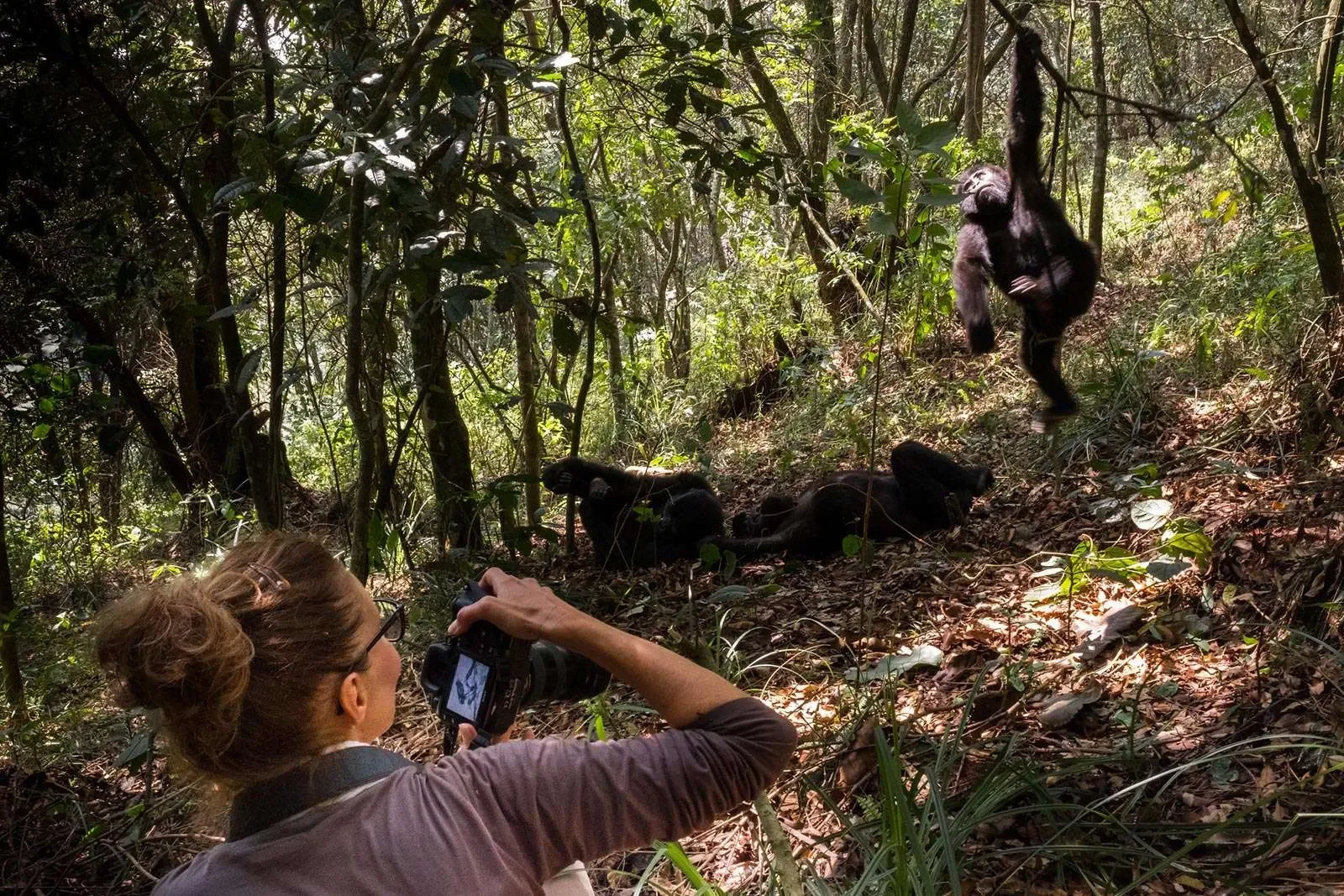
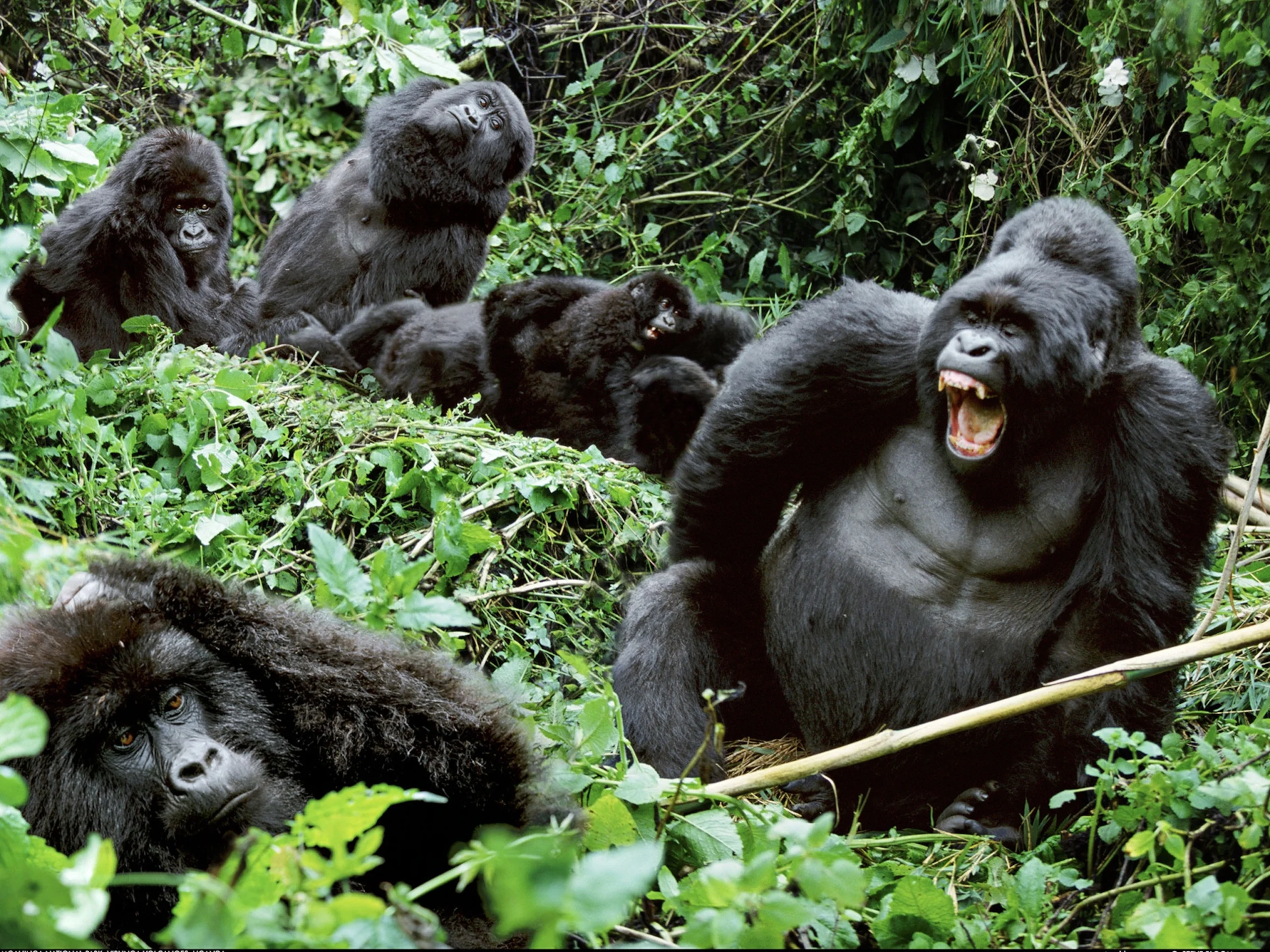
Understanding gorilla trekking vs gorilla habituation experience comes down to a deeper appreciation of how each experience is structured and what it offers beyond the surface. While both bring you face-to-face with mountain gorillas, the way you interact with them, the time you spend, and the level of immersion you achieve are fundamentally different.
Gorilla trekking is designed to be a balanced and accessible wildlife encounter. It follows a well-organized system where visitors track fully habituated gorilla families that are already comfortable with human presence. Once located, the interaction is limited to one hour, a timeframe carefully regulated to protect the gorillas while still allowing a meaningful and emotional experience. This structure makes gorilla trekking efficient and ideal for travelers who want a powerful encounter without dedicating an entire day to a single activity.
In contrast, the gorilla habituation experience is far more immersive and less structured. It is centered around gorilla families that are still in the process of becoming accustomed to humans. Because of this, the experience feels more natural, unpredictable, and deeply engaging. Spending up to four hours with the gorillas allows you to move beyond observation into understanding. You begin to notice behavioral patterns, subtle communication, and the dynamics within the group that are often missed in a shorter visit.
Exclusivity is another defining factor. Gorilla trekking is widely available in both Bwindi Impenetrable National Park and Volcanoes National Park, with multiple gorilla families visited daily. This makes it more accessible and easier to fit into different travel plans. The habituation experience, however, is limited to a very small number of visitors and only takes place in select areas of Bwindi. This limited access creates a more private, almost expedition-like atmosphere.
The physical aspect also differs. While both experiences require trekking through forest terrain, habituation often demands more patience and endurance. The gorillas are not as predictable in their movements, and the time spent in the forest is longer. For travelers who enjoy deeper exploration and are comfortable with a more demanding adventure, this becomes part of the appeal.
Cost naturally reflects these differences. Gorilla trekking permits are more affordable and widely available, making them suitable for a broader range of travelers. The habituation experience, due to its extended time, smaller group size, and exclusivity, comes at a premium. However, for those seeking a richer and more in-depth encounter, the value lies in the quality and depth of the experience rather than the duration alone.
Which One Should You Choose?
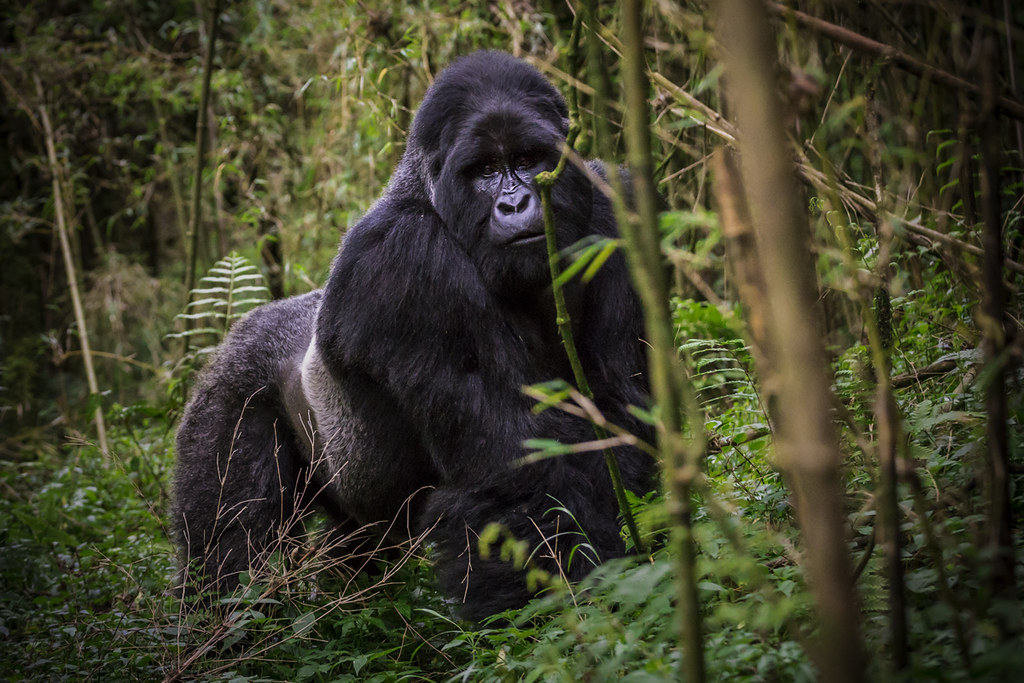
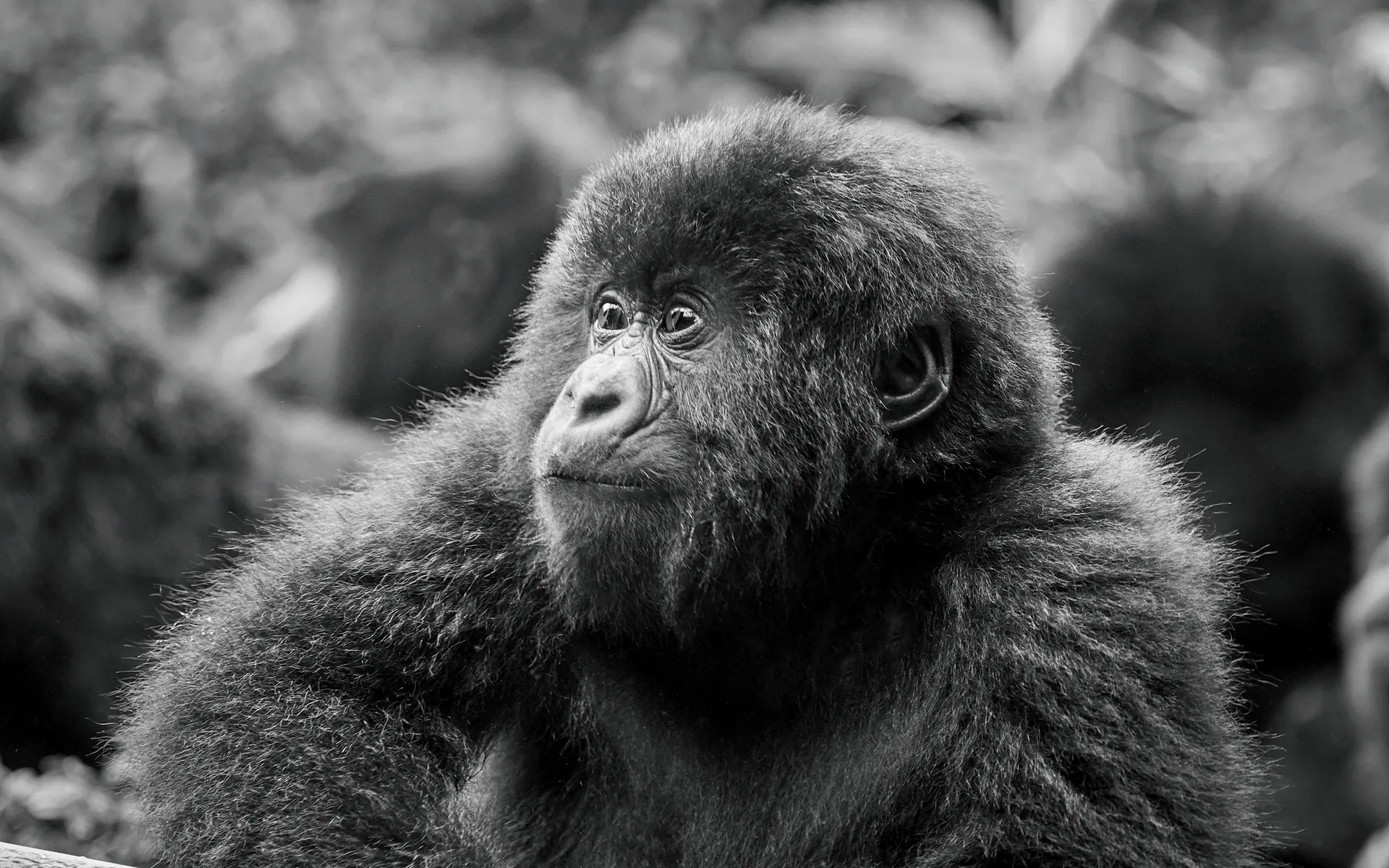
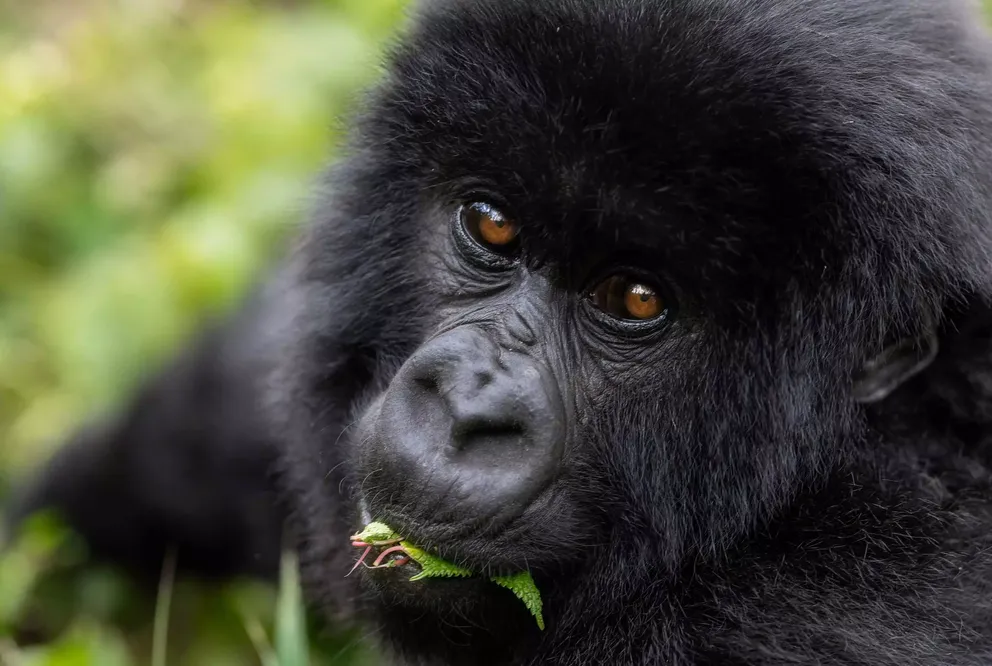
Choosing between gorilla trekking vs gorilla habituation experience ultimately comes down to what you want to feel, not just what you want to see. Both experiences are extraordinary, but they serve different types of travelers and expectations.
If your goal is to witness mountain gorillas in a way that is iconic, efficient, and seamlessly integrated into a broader safari itinerary, gorilla trekking is the ideal choice. It delivers a deeply emotional encounter within a well-managed framework, allowing you to combine it with other experiences such as wildlife safaris, cultural visits, or relaxation at luxury lodges. It is especially suited for travelers who want the highlight of seeing gorillas without committing an entire day or additional physical effort.
On the other hand, if you are drawn to depth, exclusivity, and a stronger sense of connection, the habituation experience offers something far more profound. Spending extended time with the gorillas changes the nature of the encounter. It becomes less about ticking off a bucket-list experience and more about truly understanding and feeling part of their world. For photographers, wildlife enthusiasts, and luxury travelers seeking something rare and deeply personal, this experience is unmatched.
The decision is not about which is better, but about which aligns with your expectations. Some travelers even choose to do both, starting with trekking and then progressing to habituation for a more layered and complete experience.
Luxury Perspective: Elevating Your Experience
From a luxury perspective, both gorilla trekking and the habituation experience can be transformed into extraordinary journeys with the right level of planning and attention to detail. With a brand like Elevana Luxury Gorilla Holidays, every element of your safari is curated to ensure comfort, exclusivity, and seamless execution.
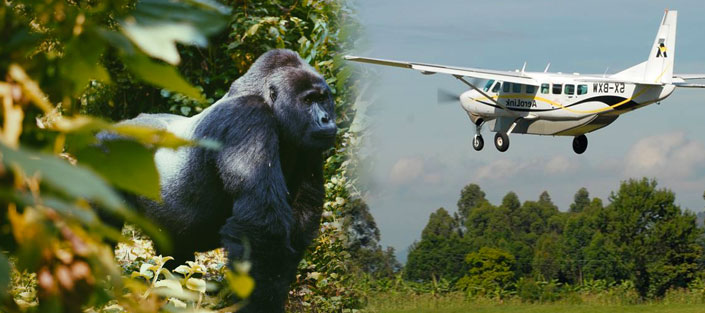
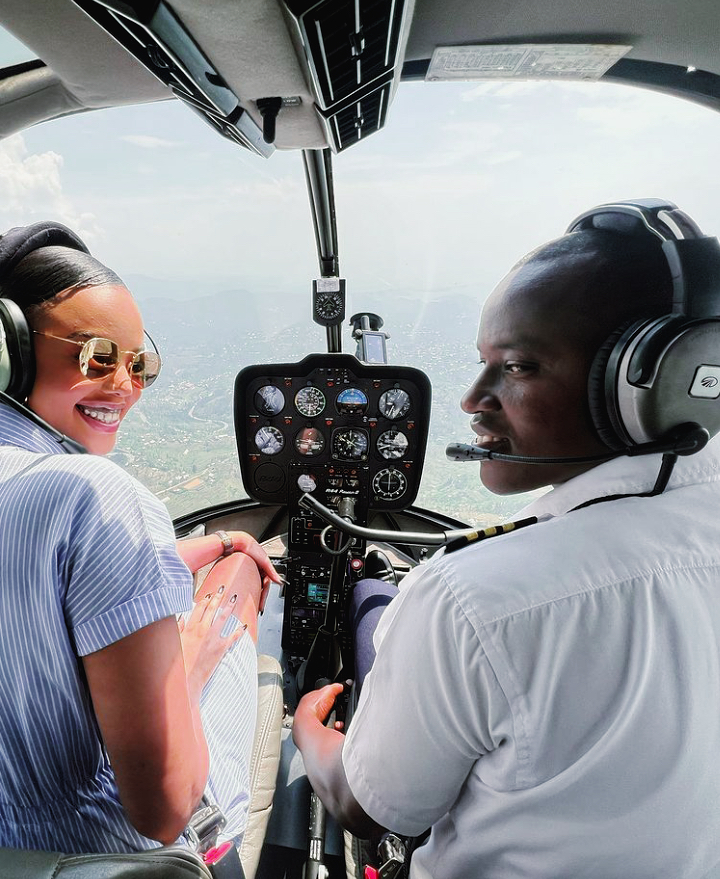
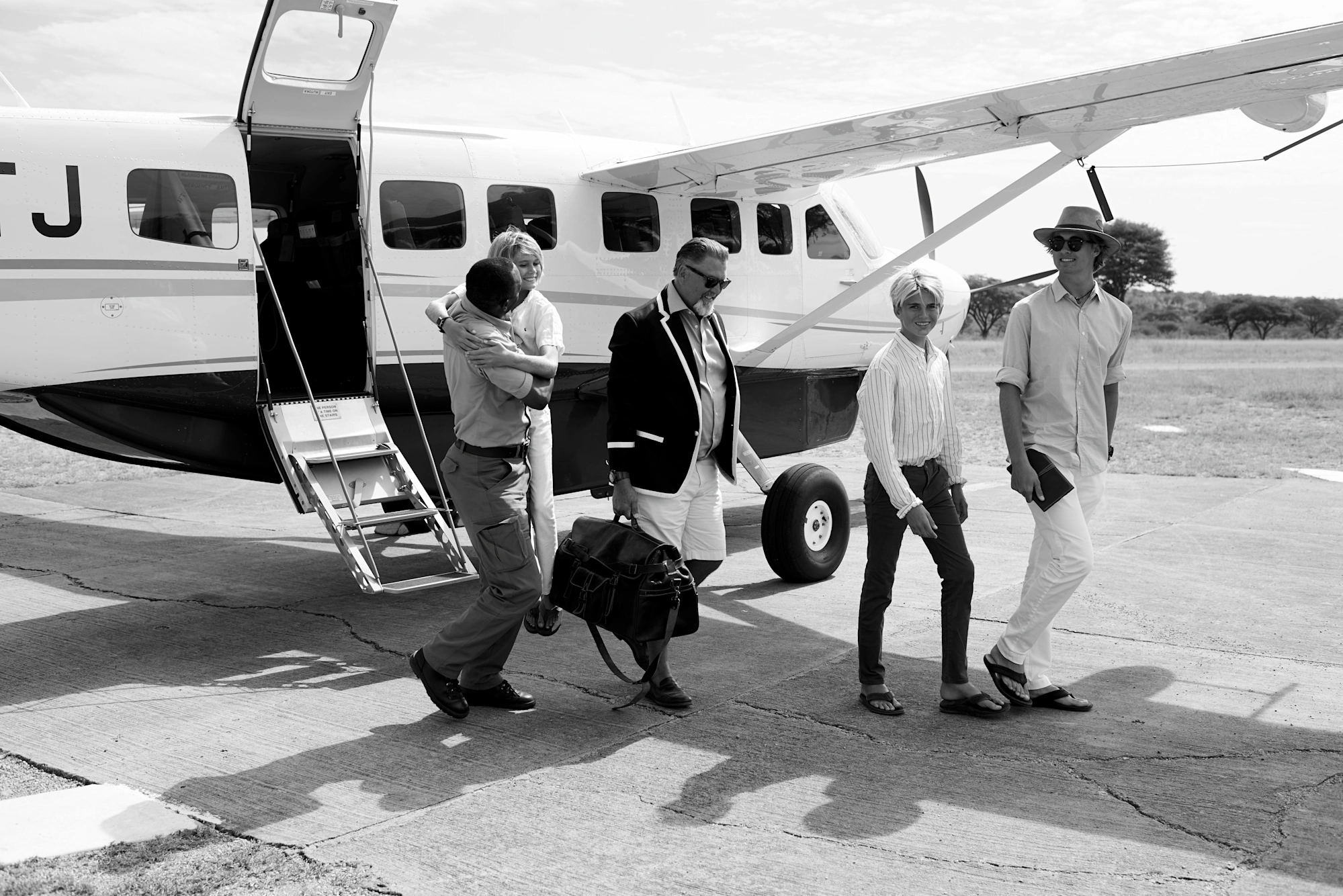
In destinations like Bwindi Impenetrable National Park and Volcanoes National Park, luxury is not just about accommodation—it is about how the entire experience flows. Private guides ensure that your journey is personalized from the moment you arrive. Helicopter transfers can replace long road journeys, offering breathtaking aerial views while maximizing your time and comfort. Every transition is smooth, every detail considered.
Gorilla trekking pairs naturally with high-end lodges that focus on relaxation and refinement. After your trek, you return to spaces that offer spa treatments, fine dining, and panoramic views of the forest. The experience becomes a balance between adventure and indulgence, where the intensity of the trek is complemented by comfort and tranquility.
The habituation experience, however, aligns perfectly with ultra-exclusive itineraries designed for travelers who seek something beyond the ordinary. It fits into journeys where privacy, depth, and uniqueness are the defining elements. Longer stays, fewer movements, and highly personalized service allow you to fully immerse yourself in the environment. Every moment feels intentional, unhurried, and deeply connected to nature.
In both cases, luxury enhances the experience without taking away its authenticity. Instead, it allows you to engage more deeply by removing logistical stress and adding comfort, privacy, and expert guidance. Whether you choose gorilla trekking or the habituation experience, the right planning transforms it from an incredible activity into a truly life-defining journey.
Best Time to Go for Both Experiences
The best time to visit for both gorilla trekking and the gorilla habituation experience is during the dry seasons, which run from June to September and December to February. During these months, the forest trails are more manageable, with less mud and reduced rainfall, making trekking significantly easier and more comfortable. The improved ground conditions allow for smoother movement through the dense rainforest, which is especially important when navigating steep or uneven terrain.
In both Bwindi Impenetrable National Park and Volcanoes National Park, the dry season also enhances visibility within the forest. With lighter vegetation cover and clearer skies, spotting gorillas becomes more rewarding, and photography conditions are far better. The overall experience feels more relaxed, as weather disruptions are minimal and trekking durations tend to be more predictable.
That said, both experiences are available throughout the year, and the low season brings its own unique advantages. Traveling during the wetter months, particularly from March to May and in November, offers a quieter and more intimate atmosphere. With fewer visitors in the parks, the entire experience feels more private and exclusive. The forests are also at their most vibrant during this time, with lush greenery creating a dramatic and beautiful setting.
While the rain can make trails more challenging and conditions less predictable, travelers who are flexible and well-prepared often find the low season deeply rewarding. The sense of solitude, combined with fewer crowds and a more untouched environment, can elevate the emotional connection with the gorillas even further.
Budget and Pricing Comparison for Gorilla Trekking and Gorilla Habituation in Uganda and Rwanda
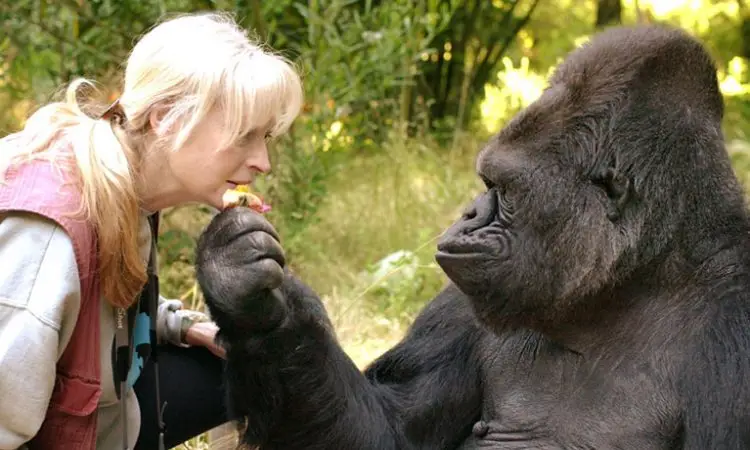

When comparing gorilla trekking vs gorilla habituation experience, budget is one of the most important factors. The price difference between Uganda and Rwanda is significant, and the experience you choose will directly shape the overall cost of your safari.
In Uganda, gorilla trekking is generally the more accessible option from a pricing perspective. According to the Uganda Wildlife Authority tariff currently in effect through June 2026, a foreign non-resident gorilla trekking permit in Bwindi or Mgahinga costs US$800, while the gorilla habituation experience costs US$1,500 for foreign non-residents. The same tariff notes that the habituation experience includes guide fees, park entrance fees for the day, and a community development contribution.
In Rwanda, gorilla trekking in Volcanoes National Park costs US$1,500 per person per day, according to Visit Rwanda. Rwanda does not offer a mountain gorilla habituation experience equivalent to Uganda’s Rushaga-based program, so travelers choosing Rwanda are comparing standard trekking only, usually at a higher permit entry point than Uganda’s trekking product.
From a budget standpoint, this makes Uganda the stronger choice for travelers who want more flexibility. Uganda gives you three price-positioned ways to experience gorillas: standard trekking at a lower permit cost, habituation at the same permit price as Rwanda’s standard trek, and the ability to build either midrange or ultra-luxury itineraries around those permits. Rwanda, by contrast, starts at a premium permit level, which often pushes the total safari budget higher even before accommodation and private transfers are added. That conclusion follows directly from the official permit rates above.
For luxury travelers, the total trip cost is usually shaped by four major elements: the permit itself, the lodge category, how many nights you stay near the park, and whether you use road transfers, scheduled flights, or helicopter transfers. In practical terms, the permit is the foundation price, while the style of accommodation and transport determines how exclusive the full experience becomes. Rwanda tends to suit travelers who prioritize ease of access and premium short stays, while Uganda often delivers stronger value for travelers who want either classic trekking or the more immersive habituation experience. This is an inference based on the official permit differences and the fact that habituation is only offered in Uganda.
Frequently Asked Questions (FAQs) About Gorilla Trekking vs Gorilla Habituation Experience
1. What is the main difference between Gorilla trekking vs gorilla habituation?
The key difference in Gorilla trekking vs gorilla habituation lies in the time spent with the gorillas and the level of immersion. Gorilla trekking allows one hour with a fully habituated gorilla family, while the habituation experience offers up to four hours with a semi-habituated group, creating a deeper and more extended encounter that goes beyond simple observation.
2. Which experience is better for first-time visitors?
When comparing Gorilla trekking vs gorilla habituation, most first-time visitors choose gorilla trekking. It is more accessible, less physically demanding, and still delivers a powerful and unforgettable wildlife encounter. The habituation experience is better suited for travelers seeking a more immersive and exclusive journey into the gorilla world.
3. Is gorilla habituation more difficult than gorilla trekking?
Yes, within the context of Gorilla trekking vs gorilla habituation, the habituation experience is generally more demanding. It involves longer trekking hours and requires patience, as the gorillas are less accustomed to human presence. Gorilla trekking is more structured, with clearer tracking patterns, making it slightly easier in comparison.
4. How much time do you spend with the gorillas in each experience?
In Gorilla trekking vs gorilla habituation, time is one of the biggest differences. Gorilla trekking allows one hour with the gorillas once they are located, while the habituation experience allows up to four hours, giving you more time to observe behavior, movement, and interactions within the group.
5. Where can I do gorilla trekking and habituation?
Gorilla trekking is available in Bwindi Impenetrable National Park and Volcanoes National Park. The gorilla habituation experience is only available in the Rushaga sector of Bwindi Impenetrable National Park, making location another important factor when choosing between Gorilla trekking vs gorilla habituation.
6. Which experience is more exclusive?
In the comparison of Gorilla trekking vs gorilla habituation, the habituation experience is more exclusive. It is limited to very small groups, typically four visitors per day, while gorilla trekking groups can include up to eight visitors per gorilla family. This smaller group size creates a more private and intimate experience.
7. How much do gorilla trekking and habituation permits cost?
Cost is a major factor in Gorilla trekking vs gorilla habituation. Gorilla trekking permits in Uganda cost around US$800 per person, while the gorilla habituation experience costs approximately US$1,500 per person. In Rwanda, permits are priced at about US$1,500 per person, making Uganda more flexible in pricing options.
8. What is the best time to visit for both experiences?
The best time to visit when considering Gorilla trekking vs gorilla habituation is during the dry seasons from June to September and December to February. These months provide better trekking conditions, easier trails, and a more comfortable overall experience.
9. Can I do both gorilla trekking and habituation in one trip?
Yes, combining both is possible and highly recommended when exploring Gorilla trekking vs gorilla habituation. Doing both allows you to experience the classic one-hour encounter as well as the deeper, extended immersion, giving you a complete understanding of gorilla behavior and conservation.
10. Which experience is better for photography?
When evaluating Gorilla trekking vs gorilla habituation for photography, the habituation experience stands out. The extended time with the gorillas allows for better lighting, more angles, and the opportunity to capture a wider range of natural behaviors.
11. Are sightings guaranteed in both experiences?
Although not 100% guaranteed, both experiences in Gorilla trekking vs gorilla habituation have a very high success rate, often above 95%. This is due to experienced trackers who monitor gorilla movements daily and guide visitors effectively.
12. Is gorilla trekking safe?
Yes, both options in Gorilla trekking vs gorilla habituation are very safe when conducted under the guidance of trained rangers. Visitors receive a full briefing before the trek and are always accompanied by armed guides to ensure safety throughout the experience.
13. Which experience is more suitable for luxury travelers?
Both options in Gorilla trekking vs gorilla habituation can be tailored for luxury travelers. Gorilla trekking suits those who prefer a refined and efficient experience, while the habituation experience is ideal for travelers seeking exclusivity, depth, and a more personalized and immersive safari.
14. What should I pack for gorilla trekking or habituation?
When preparing for Gorilla trekking vs gorilla habituation, it is important to pack appropriately. Essential items include sturdy hiking boots, long-sleeved clothing, a waterproof jacket, gloves, insect repellent, and a camera. The forest environment can be dense and влаж, so proper gear ensures comfort and ease during the trek.
Book Your Experience with Elevana Luxury Gorilla Holidays
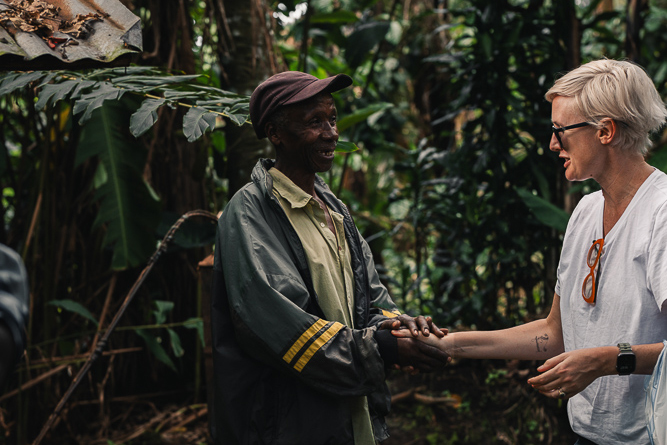
Your journey into the world of mountain gorillas deserves expert planning, seamless logistics, and a level of detail that matches the exclusivity of the experience itself. With Elevana Luxury Gorilla Holidays, every aspect of your safari is carefully curated to deliver comfort, privacy, and authenticity at the highest level.
From securing limited gorilla permits to arranging stays in world-class lodges near Bwindi Impenetrable National Park or Volcanoes National Park, every step is handled with precision. Private guides, tailored itineraries, and optional helicopter transfers ensure that your journey is not only smooth but also deeply personalized.
Whether you choose gorilla trekking or the gorilla habituation experience, you can expect a safari that is thoughtfully designed around your preferences, allowing you to focus entirely on the experience itself.
Start planning your unforgettable safari today and discover what it truly means to experience luxury in the wild with Elevana Luxury Gorilla Holidays.