
The Ethical Side of Luxury Gorilla Trekking: Responsible Wildlife Tourism
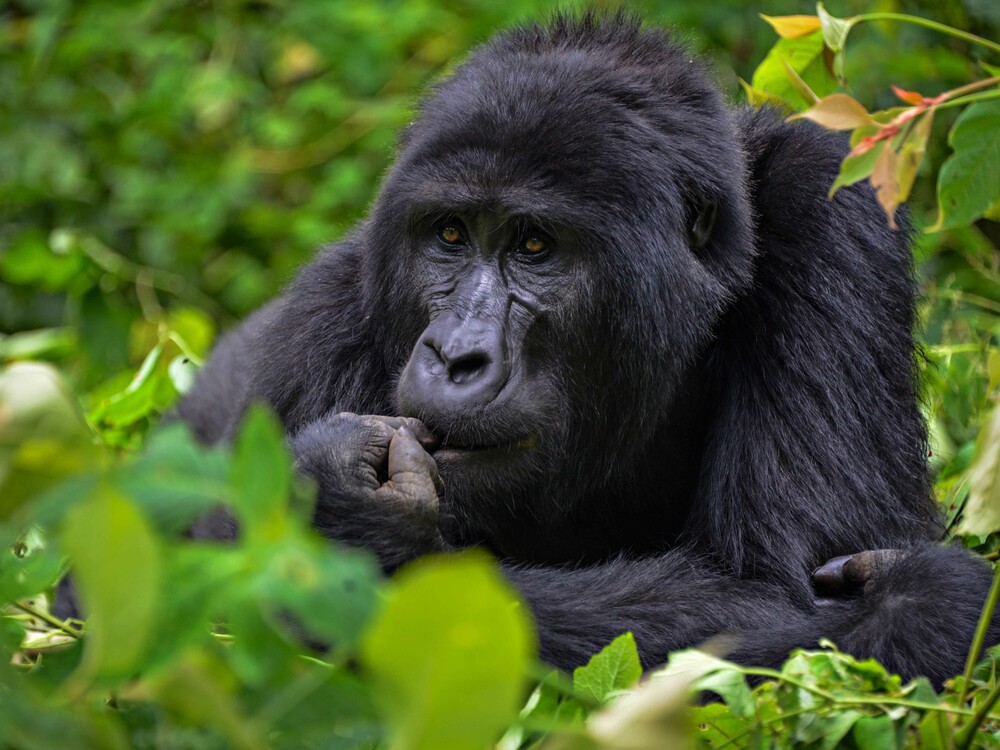
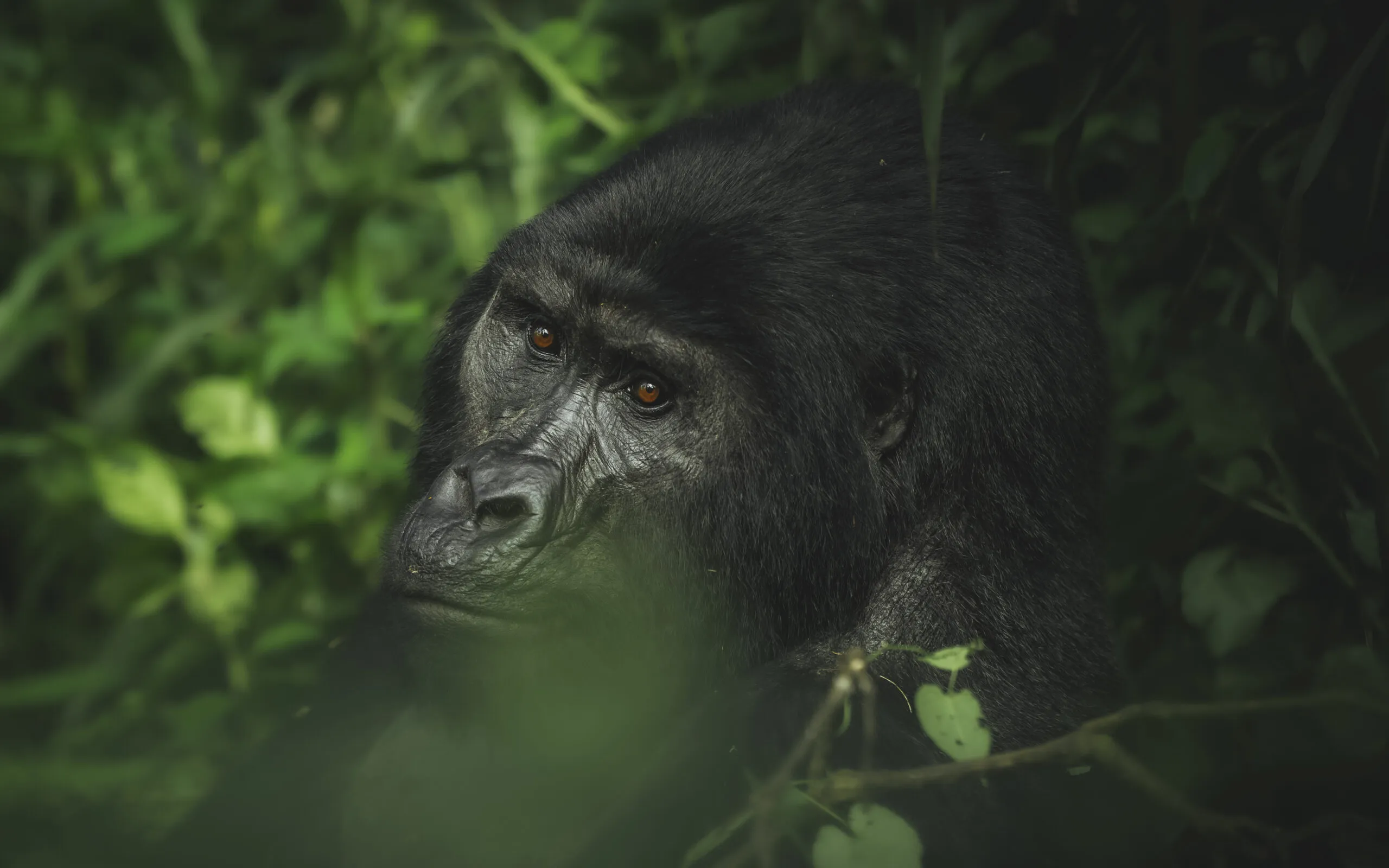
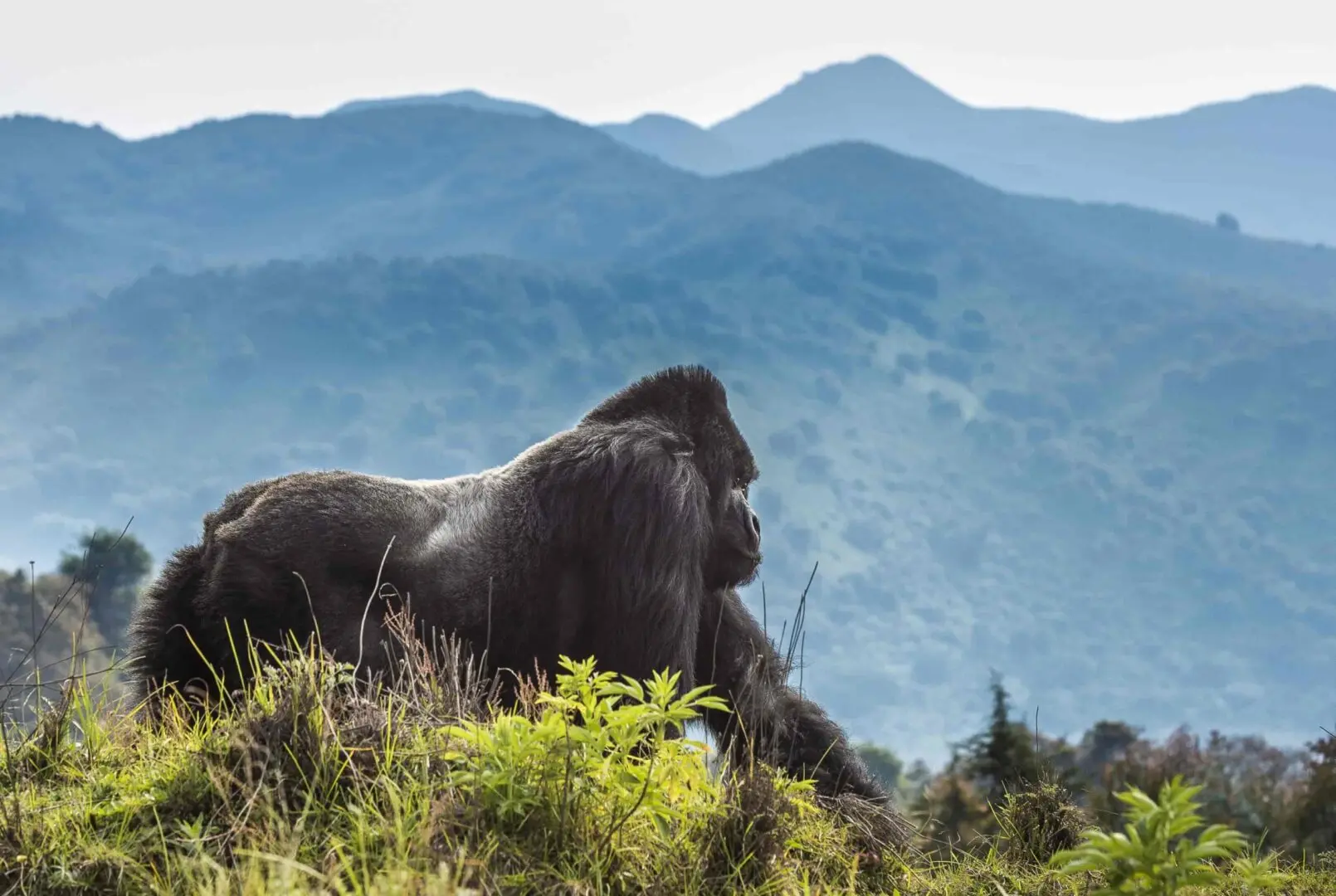
When planning a luxury gorilla trekking adventure, it’s crucial to consider the ethical implications of your journey. As the popularity of gorilla trekking grows, so does the responsibility of both travelers and operators to ensure that tourism benefits local communities and protects wildlife. This guide delves into the ethical side of luxury gorilla trekking, focusing on responsible wildlife tourism practices that prioritize sustainability, conservation, and respect for local cultures.
With increasing numbers of visitors wanting to see these magnificent creatures in their natural habitats, there is an urgent need for ethical practices that minimize the negative impact on both the gorillas and the environment. The luxury nature of some trekking experiences brings additional opportunities for conservation and community benefits, but it also requires greater responsibility and thoughtful engagement with the region’s ecosystems and people. Understanding the ethical side of luxury gorilla trekking ensures that your adventure not only offers a memorable experience but also leaves a positive impact on the area and its inhabitants.
Why Ethical Considerations Matter in Gorilla Trekking
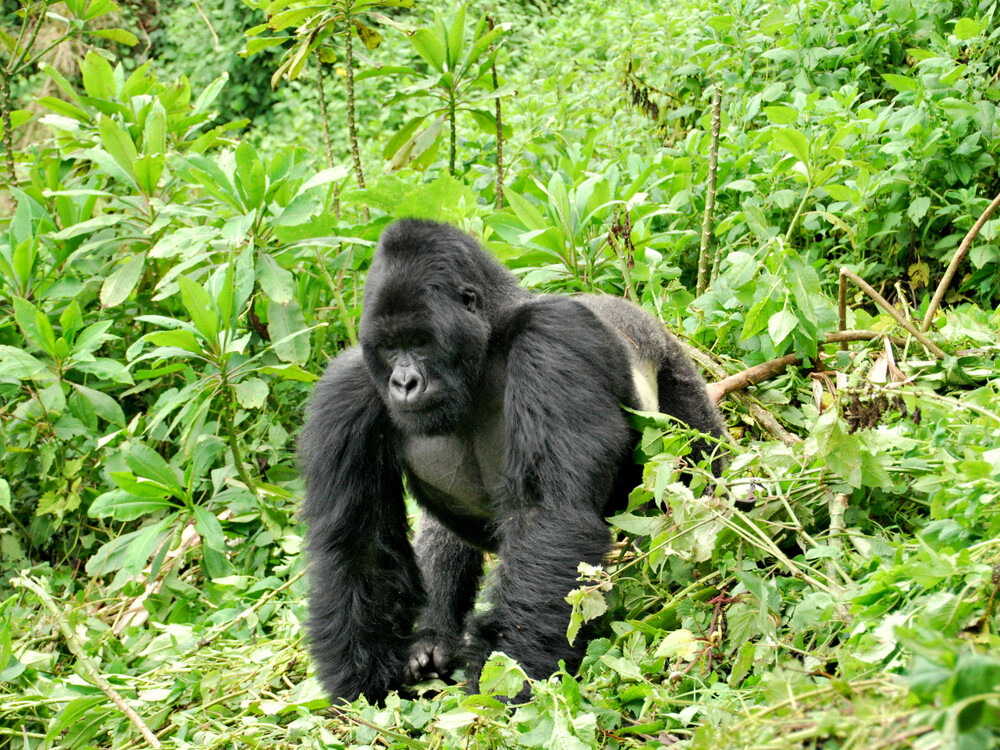
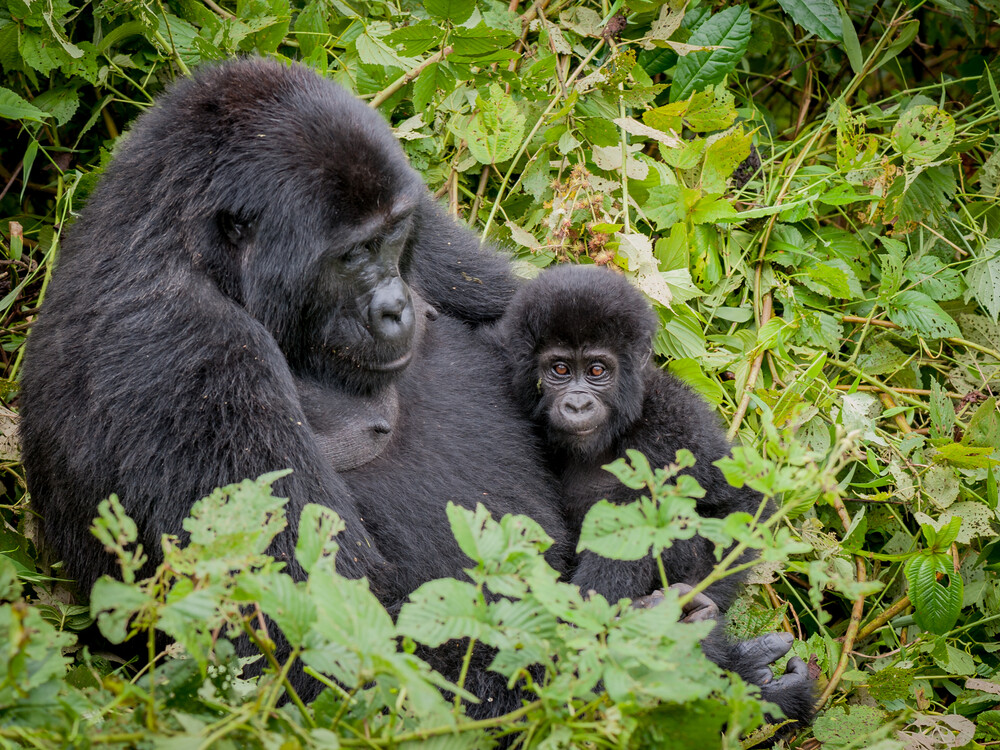
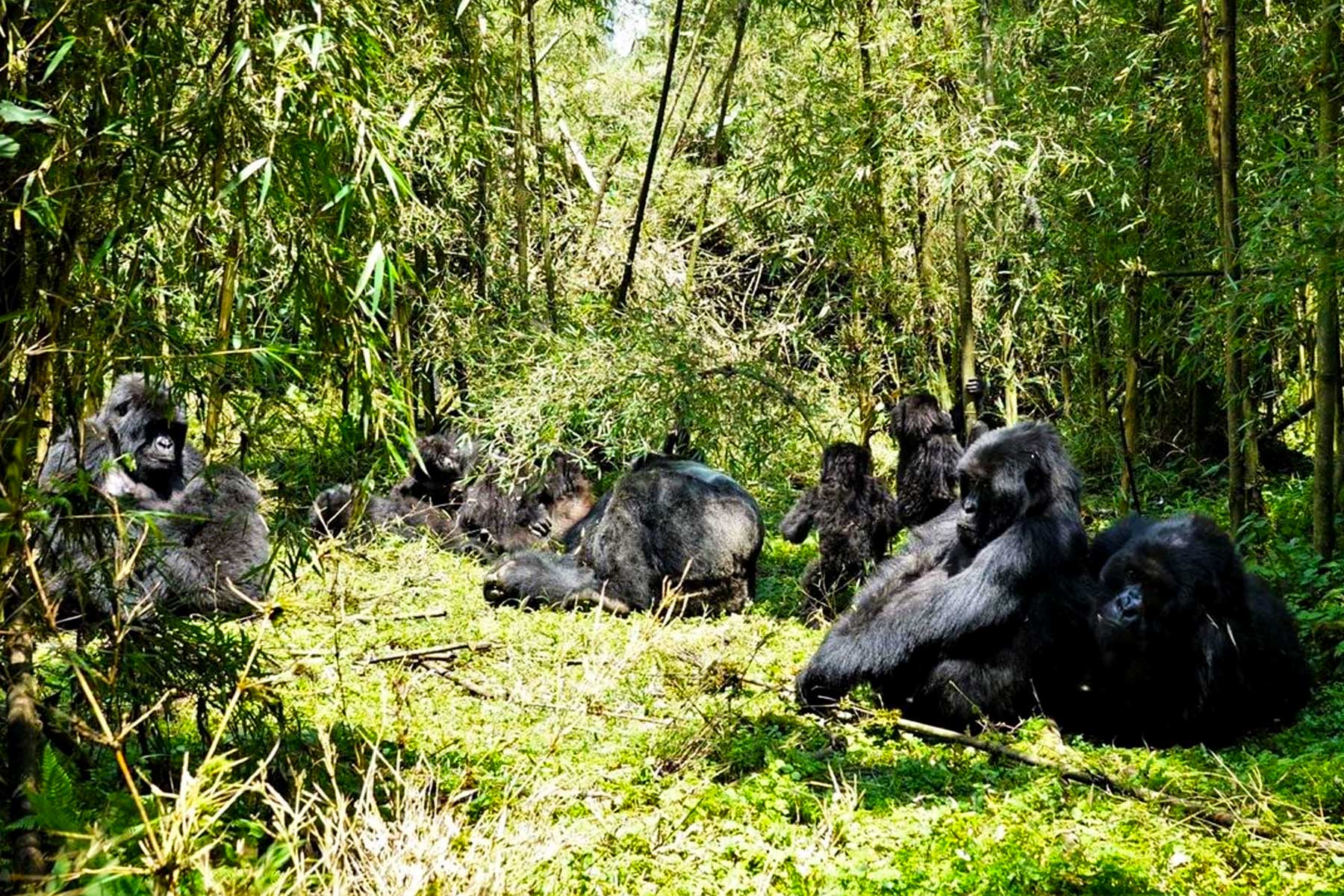
As you plan your luxury gorilla trekking experience, it’s essential to understand the broader impact that your visit may have on both the gorillas and the surrounding ecosystem. The global demand for gorilla trekking experiences has helped to fund conservation efforts, but it also brings with it a set of ethical challenges that must be addressed to ensure sustainable and responsible tourism. These challenges include protecting the gorillas from diseases, preventing environmental degradation, and ensuring that local communities benefit from tourism in a fair and equitable way.
Protecting the Gorillas from Diseases
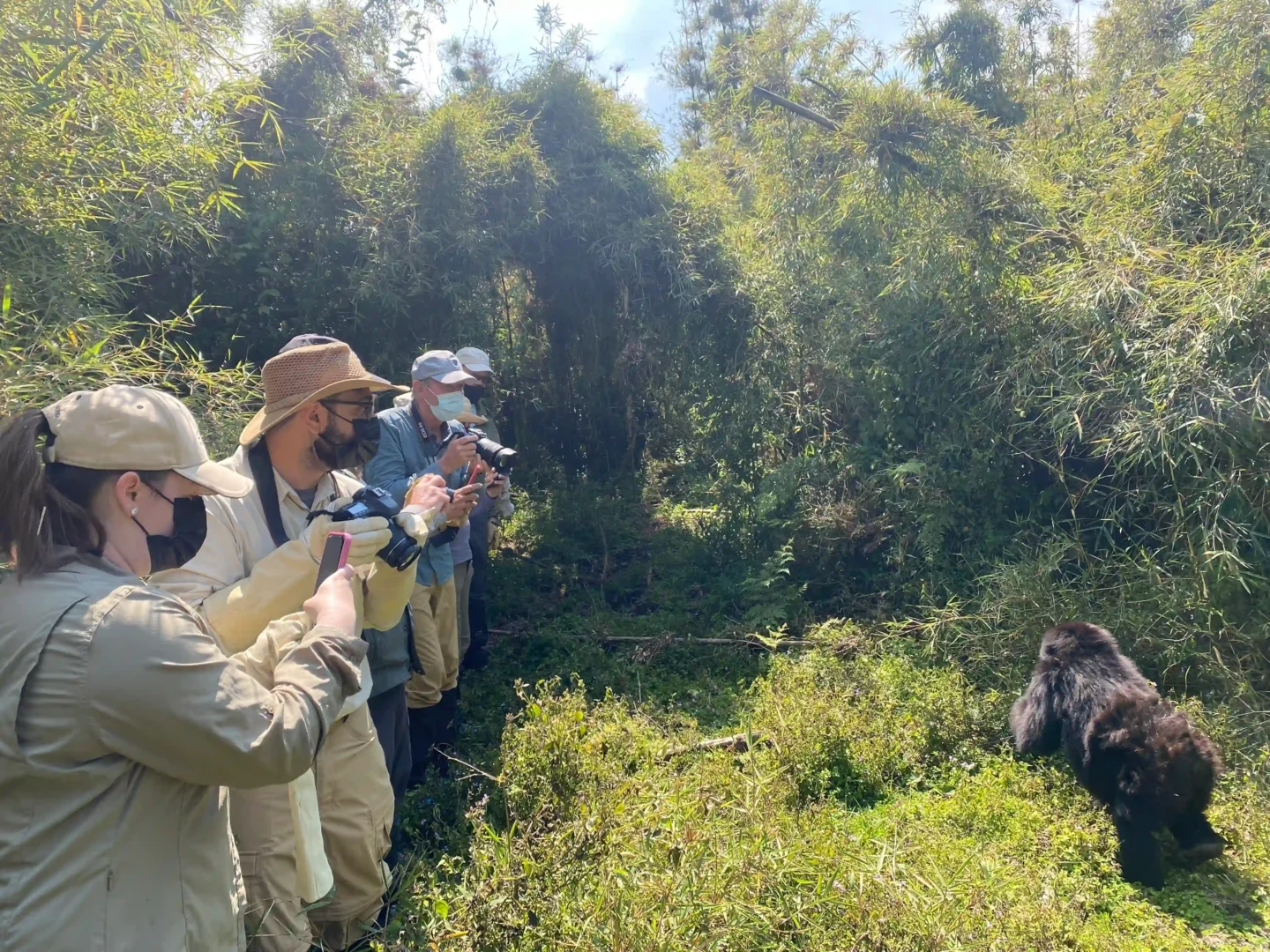
One of the key ethical concerns in luxury gorilla trekking is the potential transmission of diseases from humans to gorillas. Gorillas are highly susceptible to diseases such as the flu, cold, and other respiratory infections, which can be transmitted by humans. The risk is heightened by the close interaction between trekkers and gorillas during the trekking experience. Therefore, it is imperative to follow strict guidelines, such as maintaining a safe distance from the gorillas (typically 7 meters), limiting the number of trekkers in a group, and requiring trekkers to wear masks in certain conditions to minimize the risk of disease transmission. Ethical trekking operators follow these guidelines meticulously to safeguard the health of the gorillas.
Preventing Environmental Degradation
Another critical ethical consideration is the impact of trekking on the environment. While luxury gorilla trekking contributes significantly to conservation efforts through revenue from permits and donations, the activity itself can result in environmental degradation if not managed carefully. This includes damage to the delicate ecosystems where gorillas live, such as trampling on vegetation, disturbing wildlife, and contributing to waste accumulation. Responsible operators ensure that trekking groups are kept small to reduce environmental footprints, and that they use sustainable practices like maintaining designated paths, minimizing waste, and ensuring proper disposal of all waste materials.
Ensuring Local Communities Benefit
One of the most positive aspects of luxury gorilla trekking is its ability to provide economic opportunities for local communities. Ethical tourism practices make sure that a fair share of the revenue generated from tourism is reinvested into the local community. This can include direct employment in the tourism sector, such as hiring local guides and lodge staff, as well as contributions to local schools, healthcare, and infrastructure projects. Moreover, by encouraging communities to engage in sustainable tourism, operators can help shift local economies away from more destructive activities like poaching or logging, thereby fostering long-term economic development while also preserving the region’s natural resources.
Balancing Tourism and Conservation
By prioritizing the ethical side of luxury gorilla trekking, you can help ensure that your adventure contributes positively to the long-term preservation of these majestic animals and their habitats. This includes supporting eco-friendly trekking practices, staying at lodges that practice sustainable tourism, and working with tour operators who are committed to the ethical treatment of both animals and local communities. Ethical luxury gorilla trekking also emphasizes educating travelers about the importance of conservation and the role that tourism can play in protecting endangered species like the mountain gorilla.
Incorporating these ethical principles into your luxury gorilla trekking experience will help ensure that you not only have a fulfilling adventure but also contribute to the greater good. By respecting both the wildlife and the people who share their environment, you play a part in preserving these incredible creatures for future generations to experience.
Conservation Efforts: Protecting the Gorillas and Their Habitats
One of the primary reasons to choose luxury gorilla trekking is its significant contribution to conservation. The income generated from gorilla trekking permits, especially those for luxury experiences, plays a crucial role in funding gorilla conservation efforts. These funds support a variety of initiatives aimed at protecting the gorillas, ensuring the preservation of their habitats, and combating threats like poaching.
By participating in ethical luxury gorilla trekking, you support the work of reputable organizations dedicated to gorilla conservation. In Rwanda, the Rwanda Development Board (RDB) works diligently to protect mountain gorillas and their habitats. In Uganda, the Uganda Wildlife Authority (UWA) plays a similar role, overseeing the management of gorilla habitats and enforcing laws that safeguard these animals from illegal hunting and habitat destruction.
The funds generated from permits directly contribute to:
- Protecting Gorilla Habitats: The money raised helps maintain and protect the lush, tropical forests that gorillas call home. This ensures their environment remains intact, offering a safe space for gorillas to thrive.
- Combating Poaching: Poaching remains one of the biggest threats to gorillas. The funds help support anti-poaching patrols, which are essential in keeping these creatures safe from illegal hunting. These patrols are also responsible for monitoring the gorilla populations and reporting any illegal activities in the parks.
- Maintaining Conservation Programs: Ethical luxury gorilla trekking also supports the programs that assist in gorilla research, health monitoring, and breeding. These programs are vital to the long-term survival of the species.
Furthermore, ethical tourism ensures that trekking only takes place in designated areas where gorilla populations are closely monitored. These areas are chosen specifically to minimize human impact on the gorillas’ natural environment. By limiting the number of visitors and controlling the areas open for trekking, ethical tourism helps prevent habitat degradation and ensures the gorillas are not disturbed by excessive human activity. As part of the ethical side of luxury gorilla trekking, it’s vital to engage with tour operators who have strong partnerships with conservation organizations and commit to sustainable and responsible practices.
Guidelines for Responsible Gorilla Trekking
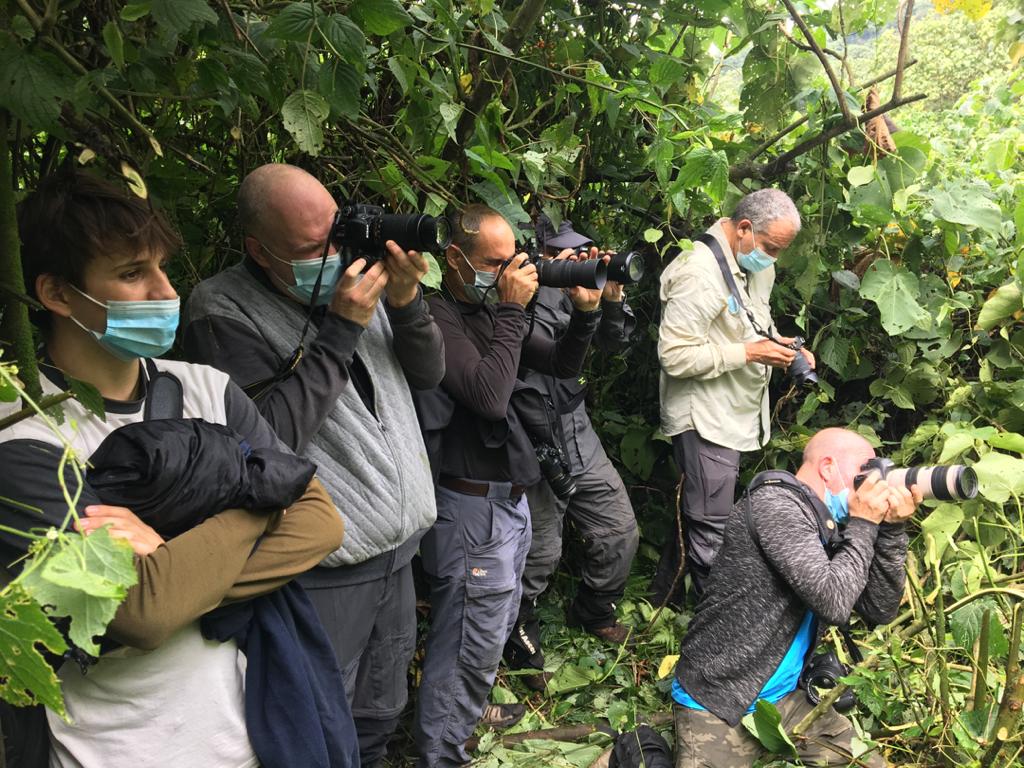
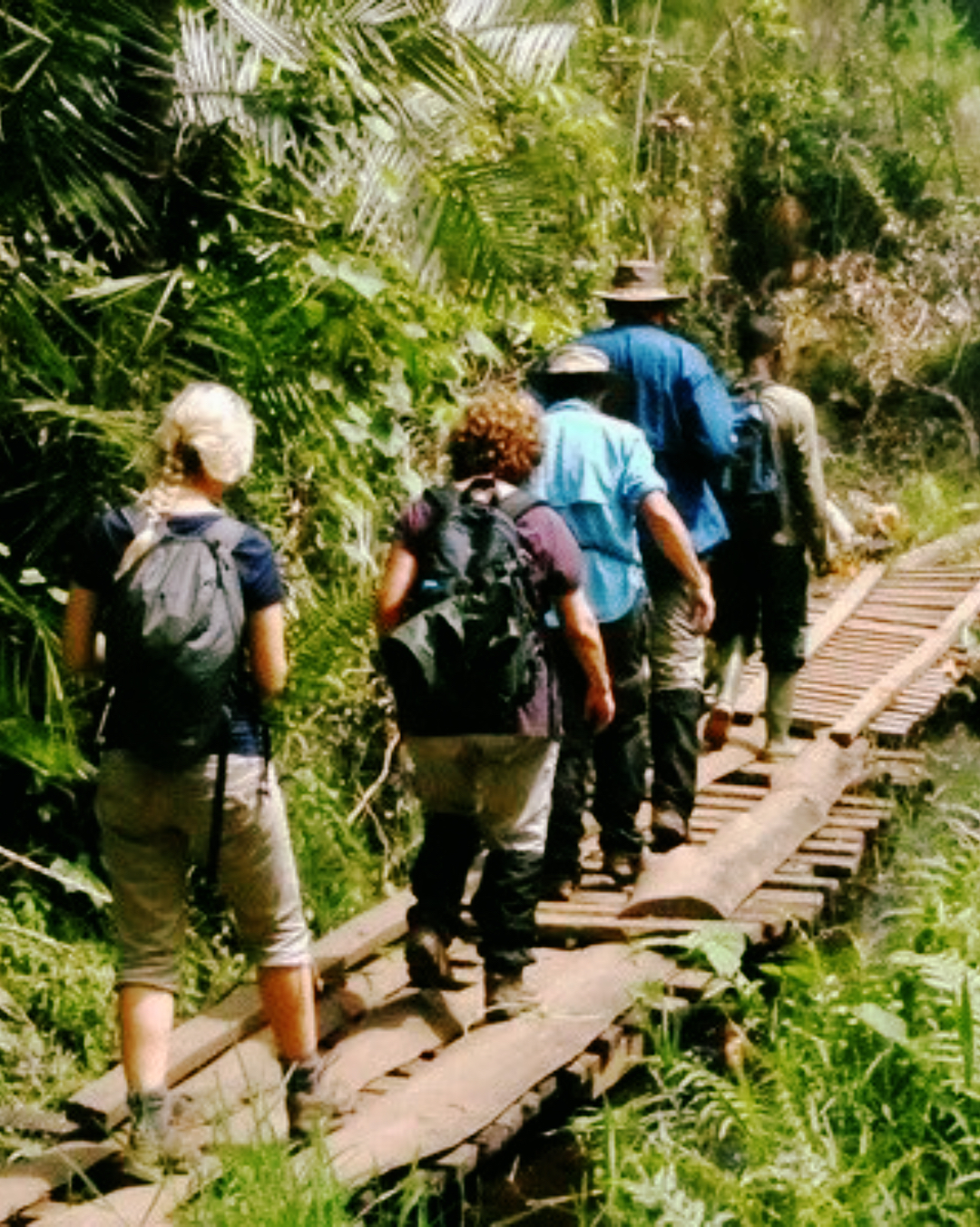

To fully enjoy a luxury gorilla trekking experience that prioritizes wildlife protection and conservation, it’s essential to follow the ethical guidelines set out by conservation authorities. These rules are designed to minimize stress on the gorillas and their environment while ensuring trekkers have a safe, enjoyable, and meaningful experience. Here are the key guidelines that responsible operators follow:
Limit the Number of Trekkers
Most ethical luxury gorilla trekking experiences place a cap on the number of trekkers who can visit a specific gorilla group on any given day. This limit ensures that the gorillas are not overwhelmed by too much human interaction and allows each trekker to have a more personal, intimate encounter with the gorillas. Limiting the number of trekkers also helps to reduce the overall human impact on the environment, making it a more sustainable experience for both the animals and the trekkers.
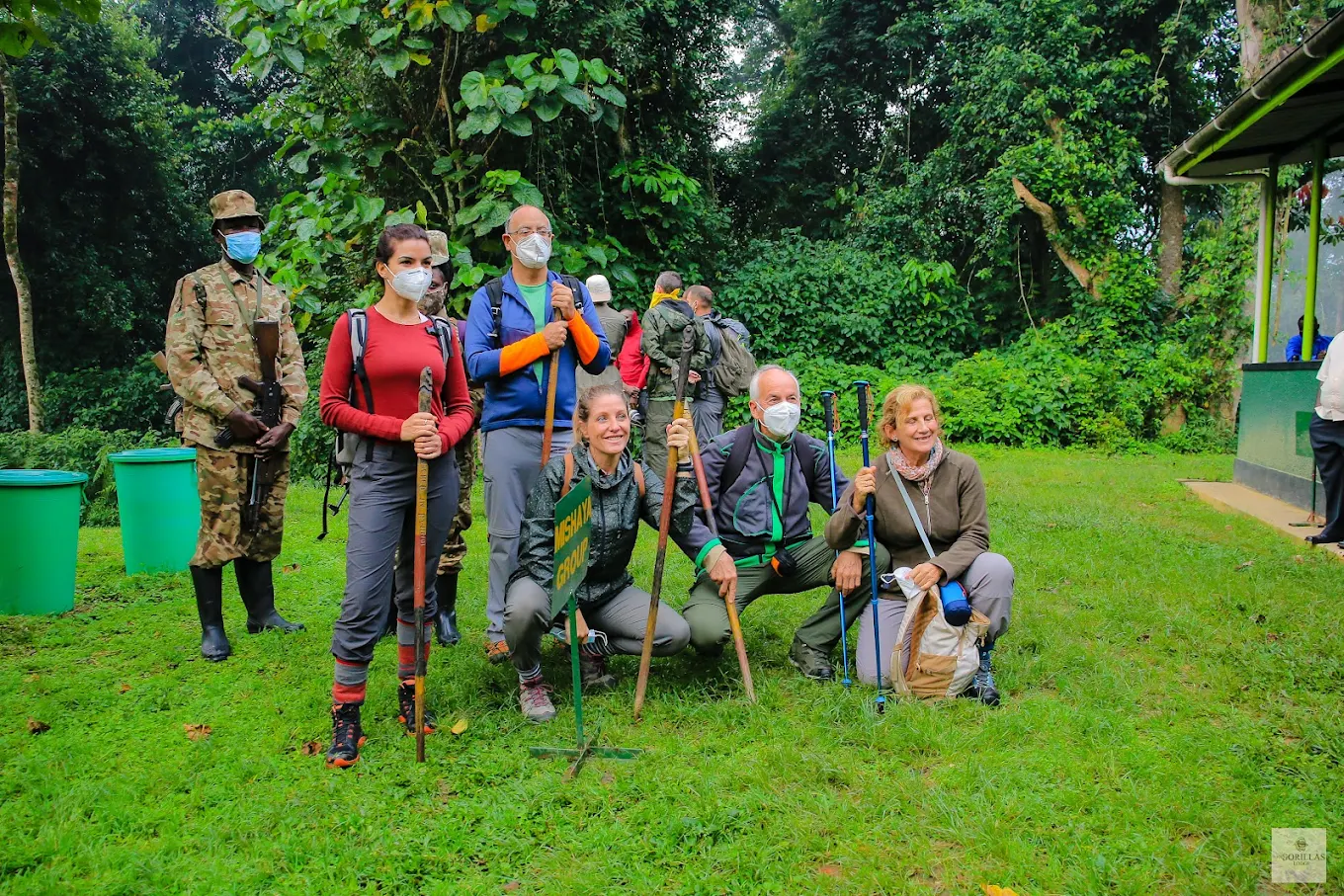
The Rwanda Development Board (RDB) and Uganda Wildlife Authority (UWA) limit the number of visitors to each gorilla group to a maximum of 8 trekkers per day. This ensures that the gorillas are not disturbed or stressed by large groups of people and that each trekker has the chance to appreciate the encounter without feeling rushed or overcrowded.
Maintain a Safe Distance
To protect both trekkers and the gorillas, a safe distance of at least 7 meters is required between visitors and the gorillas. This guideline is essential for several reasons:
- Disease Prevention: Gorillas are highly susceptible to diseases such as colds, flu, and respiratory infections, which can be transmitted by humans. Maintaining this safe distance minimizes the risk of cross-species transmission and helps protect the health of the gorillas.
- Stress Reduction: Gorillas are wild animals, and too much human interaction can cause them stress. By maintaining distance, trekkers help ensure that the gorillas can behave naturally without feeling threatened or alarmed by human presence.
Ethical luxury gorilla trekking operators enforce this rule, ensuring that trekkers respect the space needed by the gorillas to feel safe and comfortable.
Keep Trekking Groups Small
Smaller trekking groups are a key element in responsible luxury gorilla trekking. By keeping groups small, ethical operators ensure that the experience remains personal and intimate, without overcrowding the gorillas or disturbing their natural behavior. Small groups are also easier to manage, ensuring that the trekkers can follow guidelines more effectively, particularly in areas where the terrain is challenging.
Smaller groups also reduce the environmental footprint left on the trail. Fewer trekkers means less wear and tear on the natural surroundings, including vegetation and wildlife. This contributes to sustainable tourism practices, which are critical for preserving the habitats of these endangered animals.
No Touching or Feeding the Gorillas
One of the core principles of ethical luxury gorilla trekking is that trekkers are prohibited from touching or feeding the gorillas. This rule helps to preserve both the physical and behavioral health of the gorillas. Human interaction can cause stress to the animals and may interfere with their natural behaviors.
Feeding the gorillas is also discouraged because it can alter their natural diet and cause them to become reliant on human food, which is not only unhealthy for them but could lead to behavioral changes that may negatively impact their survival in the wild. Additionally, touching the gorillas can cause them to associate humans with food, leading to problematic interactions in the future.
Ethical tourism ensures that trekkers are educated about the importance of not engaging in physical contact with the gorillas and following the guidelines set by conservation authorities. By adhering to this rule, trekkers contribute to the ethical side of luxury gorilla trekking, ensuring that their encounter with the gorillas is both respectful and beneficial for the animals.
Engaging with Local Communities: Supporting Sustainable Development
The ethical side of luxury gorilla trekking goes beyond conservation efforts to also include the communities that live near gorilla habitats. As the demand for gorilla trekking experiences continues to grow, it’s essential to ensure that the local populations benefit directly from tourism. Sustainable, responsible tourism practices not only provide economic opportunities but also contribute to the overall well-being of local communities.
Creating Economic Opportunities
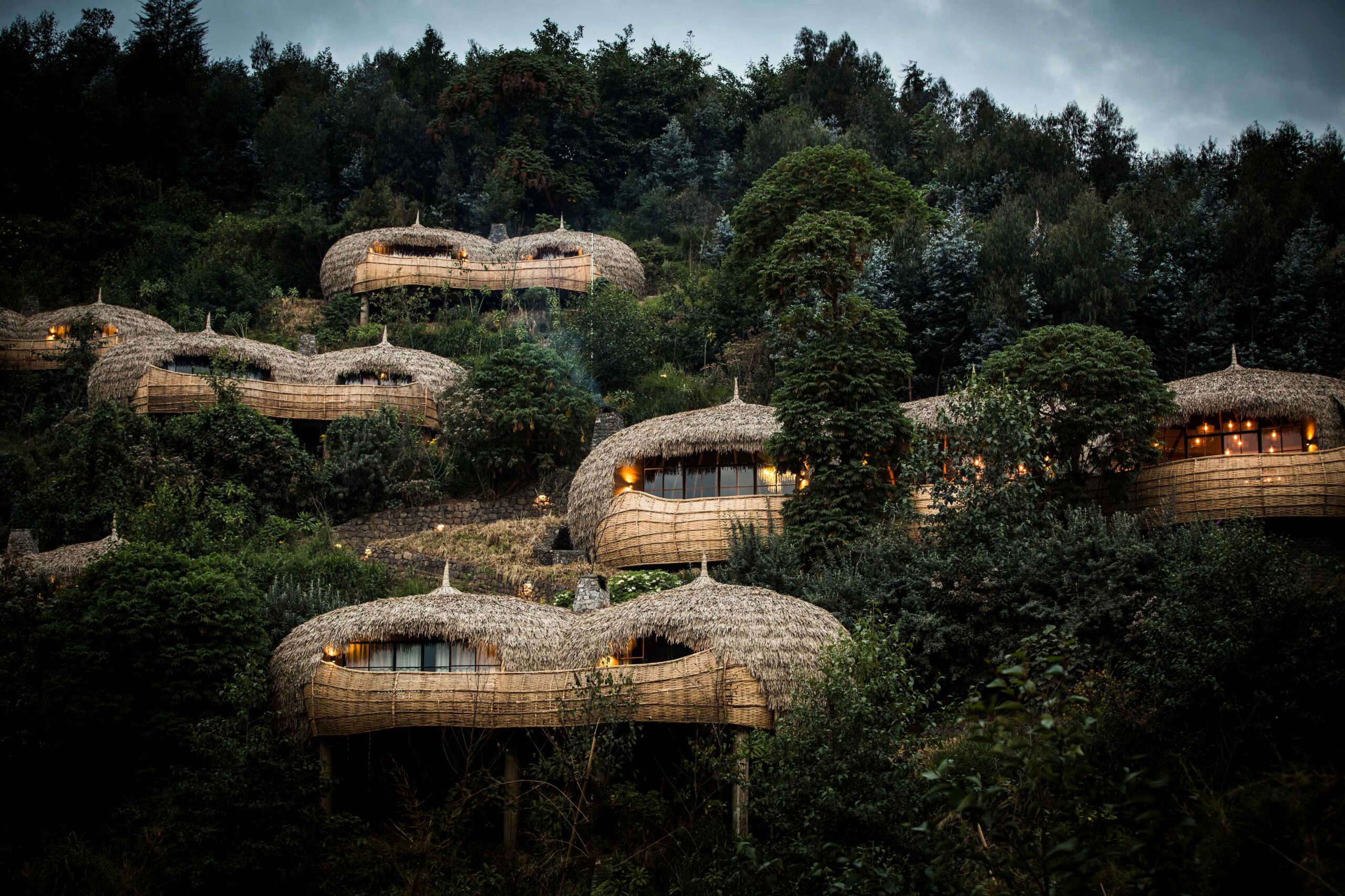
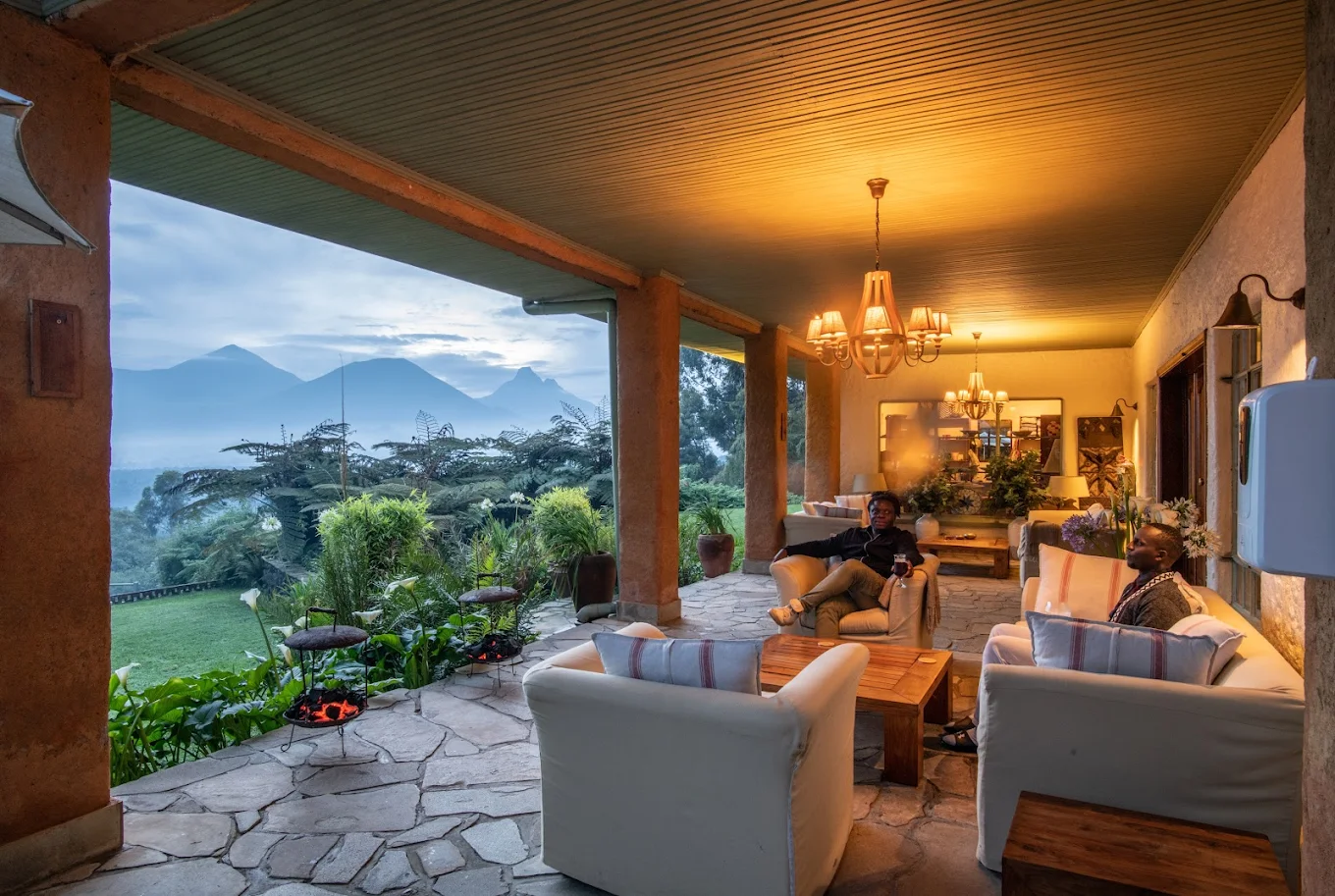
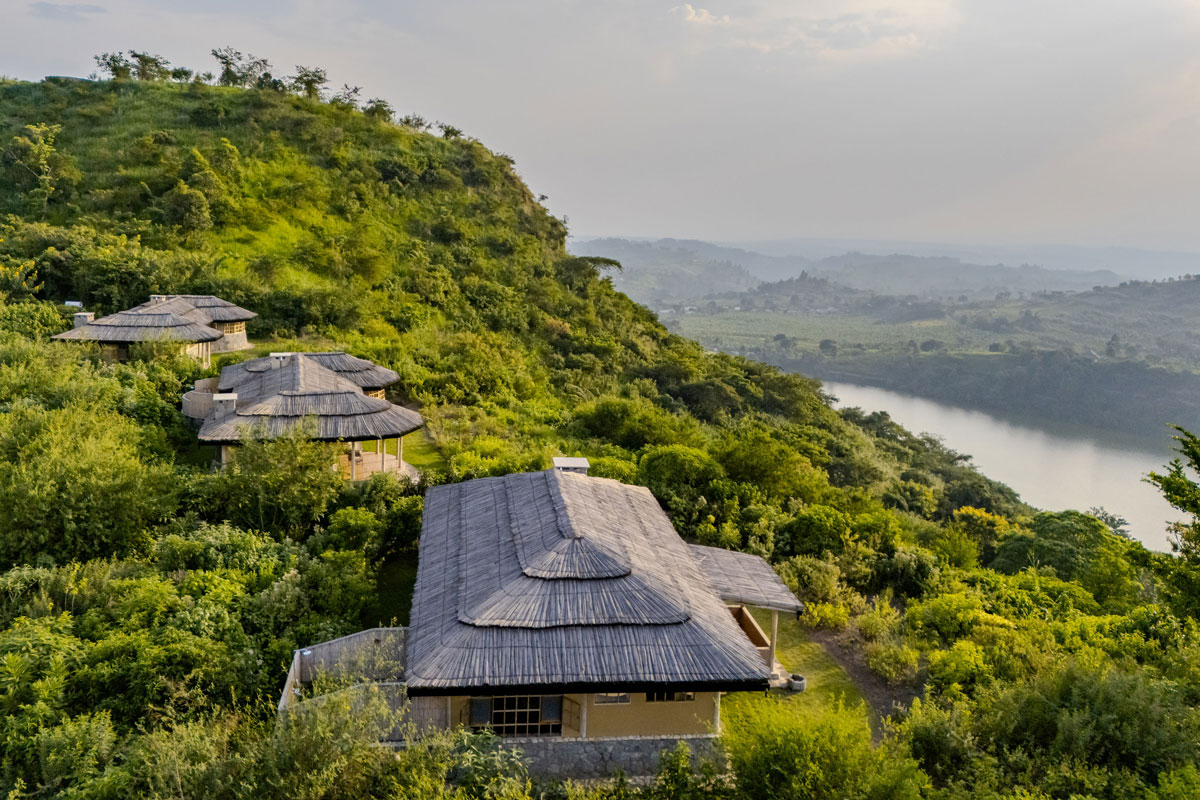
One of the most significant benefits of luxury gorilla trekking is the potential for creating jobs in the hospitality, guiding, and service sectors. Local communities are often employed as guides, porters, drivers, and in lodge operations, providing them with stable incomes that are derived from the tourism industry. This influx of income can help improve the livelihoods of many families living near the gorilla habitats, giving them opportunities to work in their own communities instead of migrating to urban areas for employment.
Infrastructure Development
Tourism revenues generated from luxury gorilla trekking contribute to the development of local infrastructure, including roads, schools, healthcare facilities, and clean water projects. Many of the funds collected from trekking permits and lodge stays are reinvested into local communities, creating a ripple effect that improves the quality of life for all residents. For instance, better roads make it easier for villagers to transport goods and access markets, while investments in healthcare and education contribute to long-term improvements in community well-being.
Improved Access to Education and Healthcare
In many regions near gorilla trekking destinations, tourism has helped facilitate access to education and healthcare. Luxury gorilla trekking operators often collaborate with local schools to support educational programs, providing scholarships and supplies to local students. Similarly, tourism funds can be used to improve healthcare infrastructure, ensuring that both locals and trekkers have access to medical services when needed. By choosing ethical luxury gorilla trekking experiences, travelers help fund these essential community services, ensuring that the economic benefits of tourism are equitably shared.
Community-Based Tourism Initiatives
Many responsible tour operators engage in community-based tourism initiatives that provide direct support to the local populations. These initiatives may include community-run lodges, village visits, and cultural exchange programs that allow travelers to experience the authentic culture and way of life of local communities. By supporting such initiatives, travelers ensure that the local people are active participants in the tourism process, and that they receive a fair share of the economic benefits.
Additionally, local guides, many of whom come from nearby villages, gain valuable employment opportunities. This not only helps them earn a living but also gives them a vested interest in preserving the environment they live in. Ethical trekking companies that prioritize community engagement ensure that the benefits of luxury gorilla trekking are spread across the entire region, enabling local communities to thrive while preserving their natural surroundings.
How Ethical Luxury Gorilla Trekking Benefits Both the Traveler and the Environment
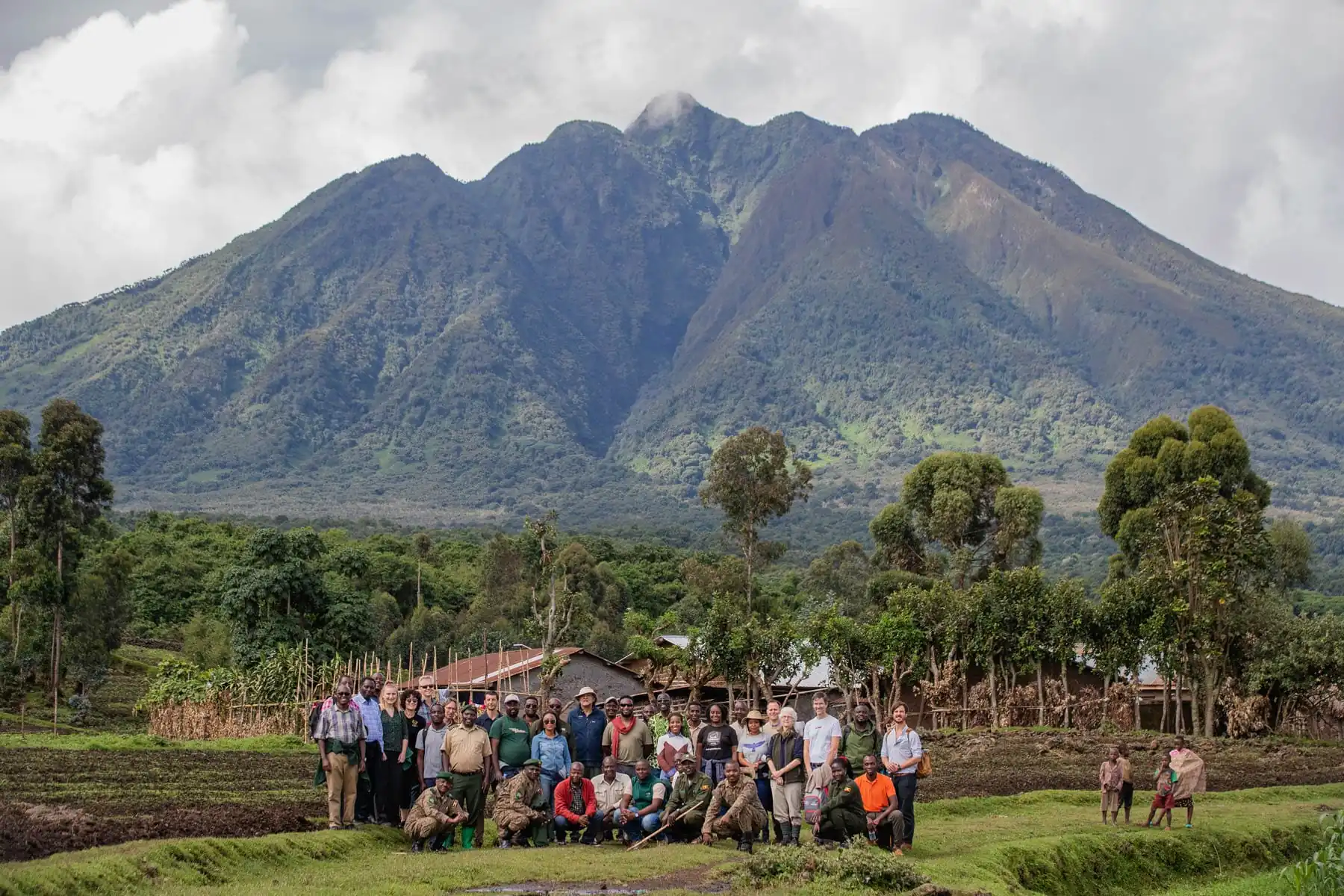
Choosing luxury gorilla trekking for its ethical considerations allows you to have a fulfilling adventure while simultaneously making a positive impact on both the local communities and the environment. By prioritizing ethical tourism, travelers contribute to the conservation of the gorillas and their habitats while also fostering a greater appreciation for wildlife.
Unique, Intimate Encounters with the Gorillas
Ethical luxury gorilla trekking provides travelers with intimate, once-in-a-lifetime experiences with the gorillas in their natural habitat. Unlike mass tourism, which can sometimes lead to overcrowding and a diminished experience, ethical trekking ensures that only small groups of trekkers are allowed to visit a gorilla group each day. This personalized experience allows travelers to get closer to the gorillas without overwhelming them, providing a deeper, more meaningful connection with these incredible creatures.
These intimate encounters also help foster a stronger connection between travelers and the natural world. Observing the gorillas in their habitat, watching their social interactions, and witnessing their daily activities creates a profound sense of responsibility for their conservation. Ethical trekking practices that limit human impact on the gorillas encourage travelers to be more mindful of the environment and the importance of preserving wildlife for future generations.
Contributing to Conservation Efforts
By choosing an ethical luxury gorilla trekking operator, you are directly contributing to gorilla conservation efforts. The funds generated from trekking permits, which are often higher for luxury experiences, provide financial support for anti-poaching patrols, habitat restoration, and research initiatives that help protect the gorillas. Additionally, luxury tourism can fund initiatives that combat the illegal wildlife trade, safeguard gorilla habitats from encroachment, and create long-term strategies for the survival of these endangered species.
Travelers who opt for luxury gorilla trekking also support the conservation education of local communities, teaching them the importance of protecting wildlife and the environment. By participating in responsible tourism, travelers help ensure that conservation remains a viable economic model for both wildlife protection and community development.
A Sustainable Tourism Model
Ethical luxury gorilla trekking is an example of a sustainable tourism model that benefits all stakeholders: the wildlife, local communities, and the travelers themselves. It creates a balance between human interest and environmental protection. By choosing an operator that adheres to responsible practices, travelers help maintain the integrity of the trekking experience while ensuring the long-term survival of the gorillas.
This sustainable tourism model ensures that gorilla trekking remains a viable conservation tool, generating income for local communities while simultaneously protecting the gorillas and their habitats. It also provides an alternative to harmful practices, such as poaching and habitat destruction, which can arise from unsustainable tourism or exploitation of natural resources.
FAQs About Gorilla Trekking in Rwanda and Uganda
1. What is the best time for gorilla trekking in Rwanda and Uganda?
The best time for gorilla trekking is during the dry season, from June to September. During this period, the trails are easier to navigate, and the weather is more favorable. However, be prepared for occasional rain showers even in the dry season.
2. How difficult is gorilla trekking?
Gorilla trekking can be physically demanding as it involves hiking through dense forests, uneven terrain, and sometimes steep slopes. The difficulty varies depending on the gorilla group you visit. However, luxury gorilla trekking experiences ensure that groups are kept small, and porters are available to assist trekkers, making the trek more manageable.
3. How far in advance should I book a gorilla trekking permit?
Due to high demand, it’s recommended to book your gorilla trekking permit at least 6-12 months in advance, especially during peak seasons. Luxury gorilla trekking experiences often have limited availability, so early booking guarantees your spot.
4. How many people can trek with a gorilla group?
For ethical reasons, each gorilla group is limited to 8 trekkers per day. This ensures minimal disturbance to the gorillas and provides a more intimate and personal experience.
5. Are there age restrictions for gorilla trekking?
Most trekking authorities require participants to be 15 years or older to join gorilla trekking. Some regions have a minimum age of 16. Always check with your operator for specific age restrictions.
6. What should I pack for gorilla trekking?
Your packing list for gorilla trekking should include comfortable, moisture-wicking clothing, durable hiking boots, a waterproof jacket, sunscreen, insect repellent, a camera, and personal items like medication or snacks. For luxury gorilla trekking, you’ll also want to pack luxury loungewear and high-end toiletries for after the trek.
7. Can I touch the gorillas during trekking?
No, touching the gorillas is strictly prohibited. Gorilla trekking guidelines require trekkers to maintain a safe distance of at least 7 meters to protect the gorillas from disease transmission and minimize disturbance to their natural behavior.
8. What happens if I don’t see any gorillas?
While sightings are highly likely, gorilla trekking is not guaranteed, as the gorillas roam freely in their natural habitat. However, if you do not encounter gorillas on your trek, you may be allowed to try again the following day, depending on availability and operator policies.
9. Is gorilla trekking safe?
Yes, gorilla trekking is generally safe, especially when trekking with licensed, experienced operators. Guides are trained in gorilla behavior and ensure your safety. Additionally, health and safety protocols, such as maintaining safe distances, are followed to protect both trekkers and gorillas.
10. How does my trek contribute to gorilla conservation?
The fees from gorilla trekking permits directly support conservation efforts such as habitat protection, anti-poaching patrols, and gorilla health monitoring. By choosing ethical luxury gorilla trekking experiences, you help fund these initiatives, contributing to the long-term survival of gorillas and their ecosystems.
Request Your Ethical Luxury Gorilla Trekking Experience with Elevana Luxury Gorilla Holidays
Are you ready to embark on a responsible and unforgettable luxury gorilla trekking adventure? At Elevana Luxury Gorilla Holidays, we are dedicated to providing you with a once-in-a-lifetime experience that not only showcases the beauty and majesty of the gorillas but also contributes to their preservation and the well-being of local communities.
Our ethical trekking practices ensure that your journey supports sustainable conservation efforts while respecting the gorillas’ natural habitat and the local people. From the moment you book your trip with us, we ensure that your experience will be both luxurious and responsible, with an emphasis on minimal impact and maximum benefit to wildlife and communities.
Let us guide you on an unforgettable journey that makes a real difference to conservation and local communities. Contact us now and start your luxury gorilla trekking experience with Elevana, where ethical practices and luxury meet in the heart of nature.