
Exploring the History and Conservation Efforts of Mountain Gorillas in Rwanda & Uganda
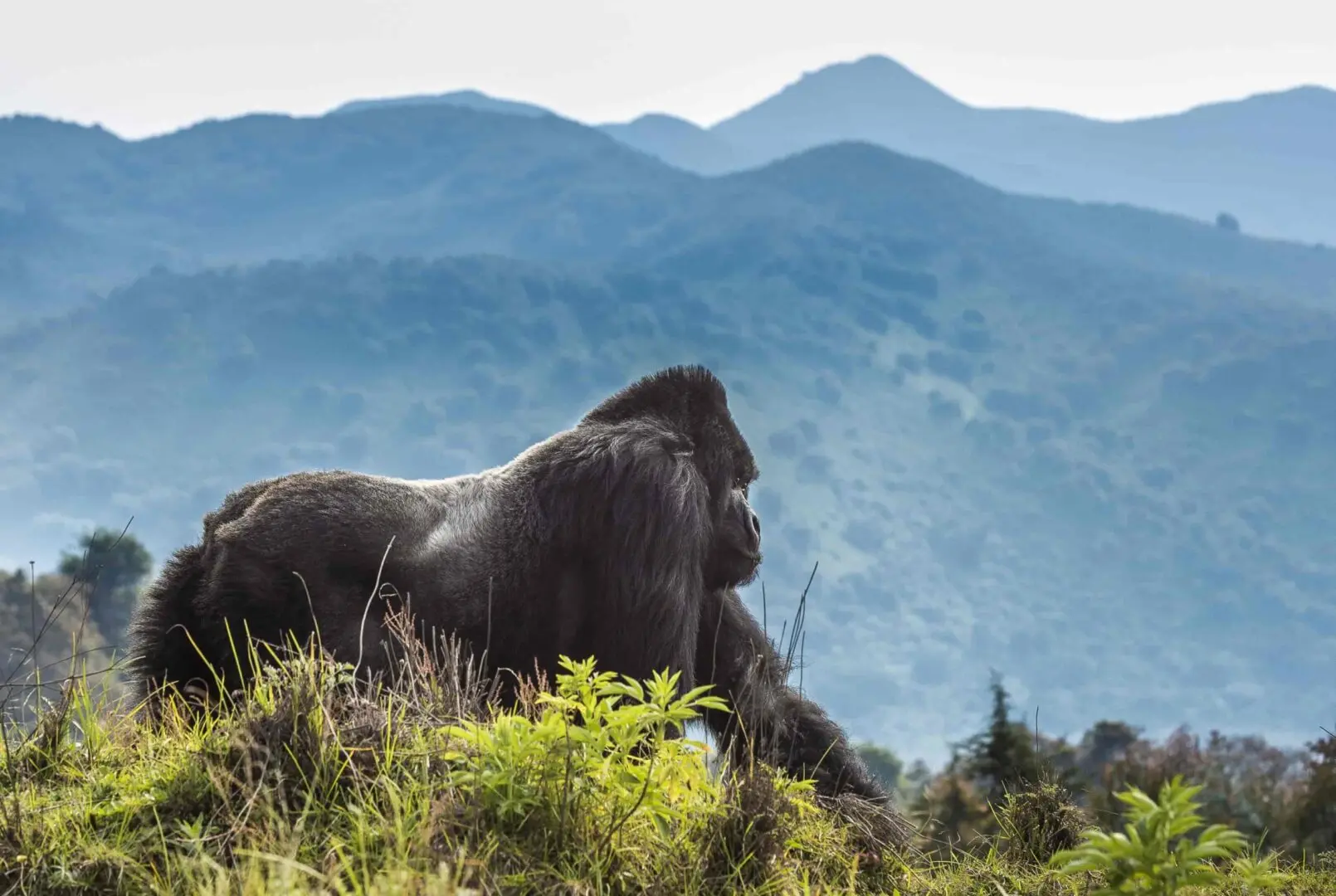
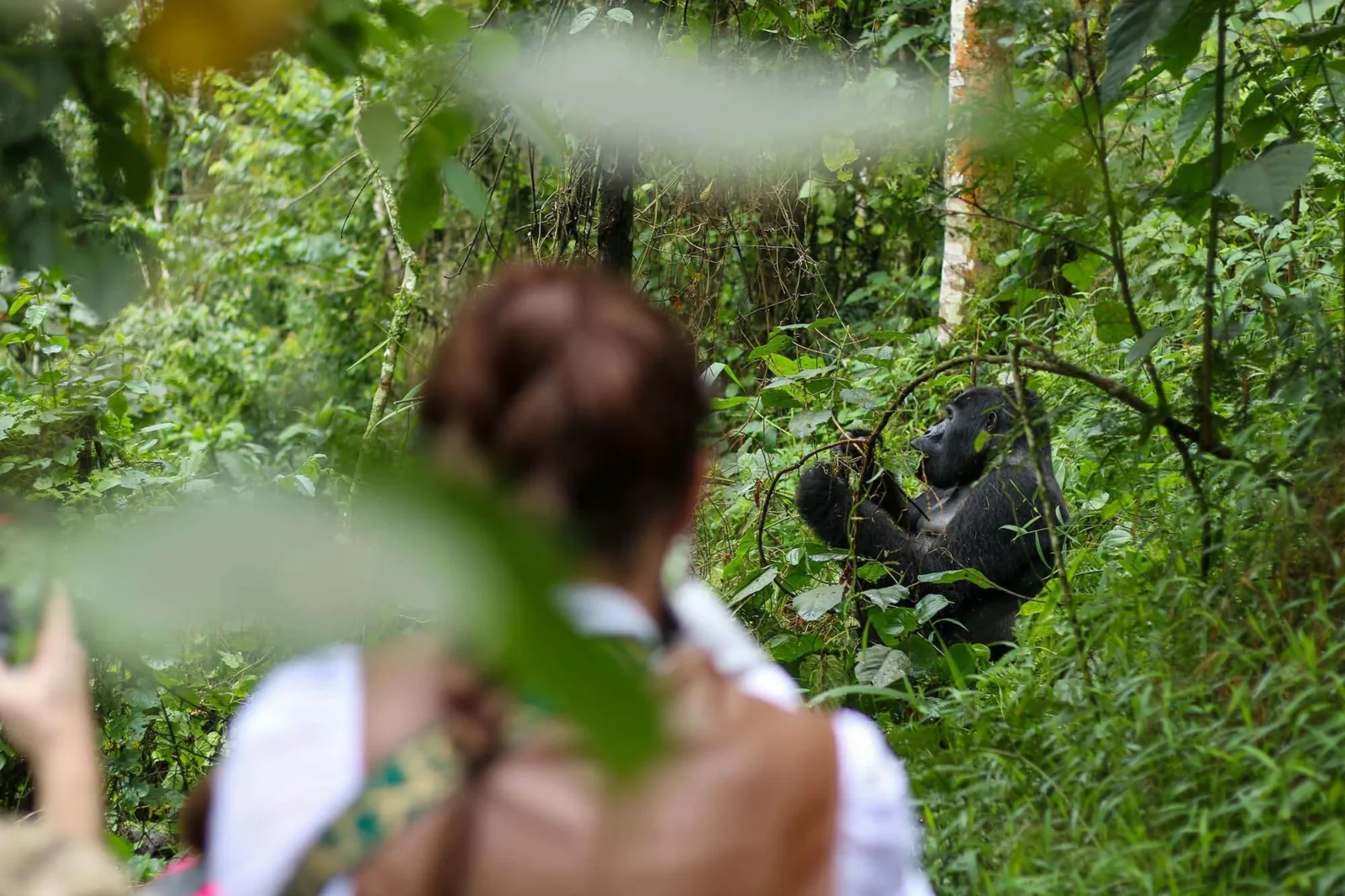
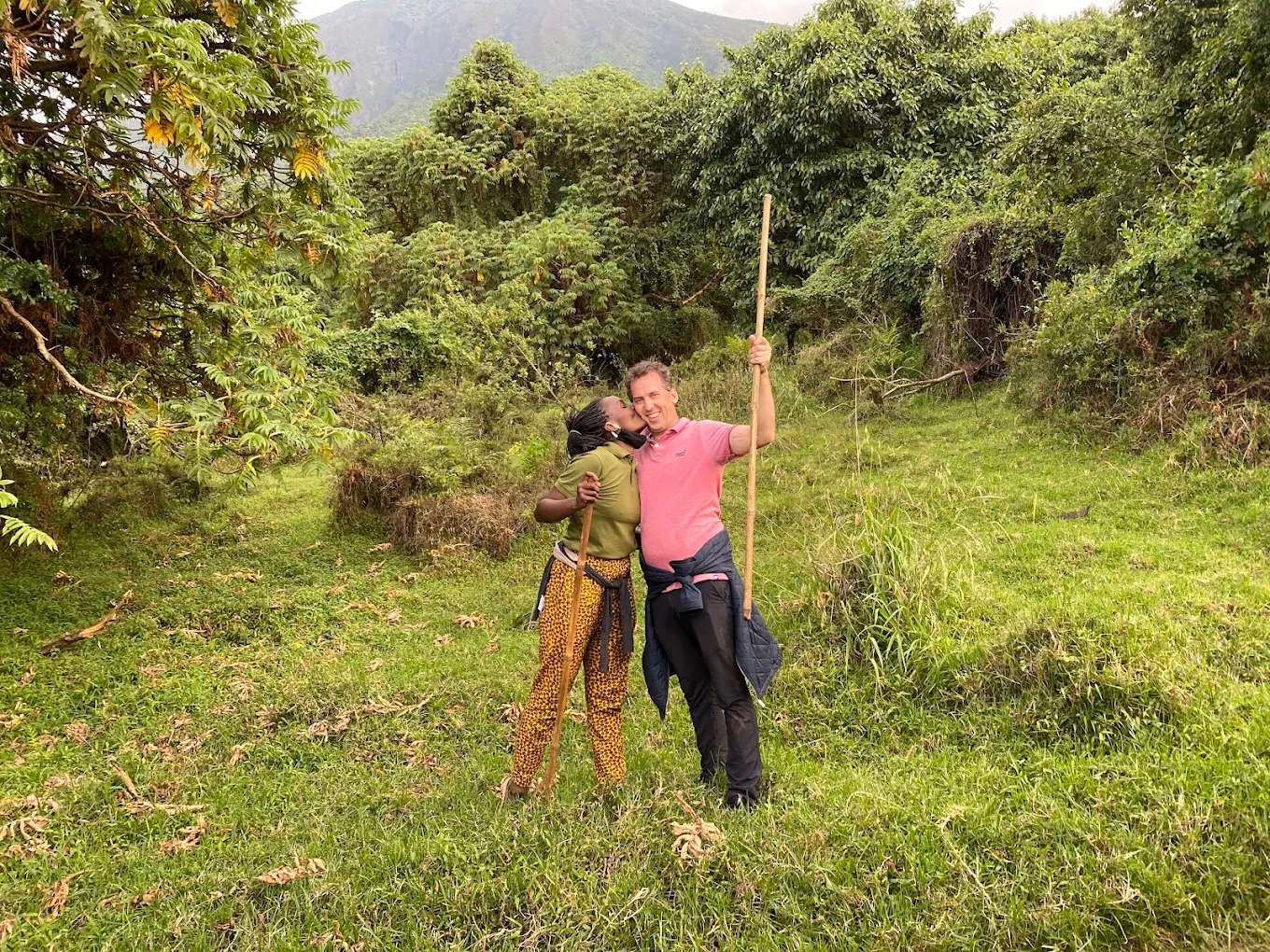
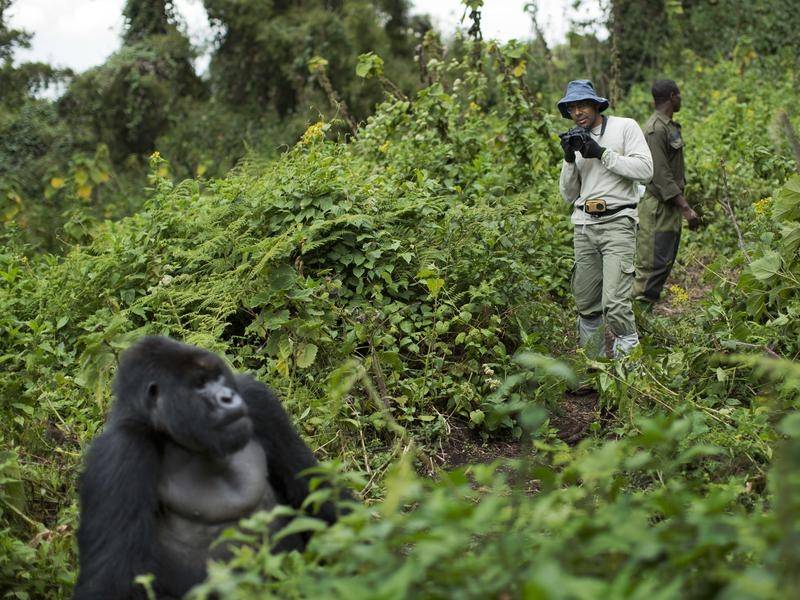
Mountain gorillas are one of the world’s most endangered species, and their survival owes much to the dedicated history and conservation efforts in both Rwanda and Uganda. These majestic creatures, once on the brink of extinction, have experienced a remarkable resurgence thanks to the tireless work of researchers, governments, and conservation organizations. This page delves into the history and conservation efforts that have played a pivotal role in this success, focusing on the key conservation areas of Volcanoes National Park in Rwanda and Bwindi Impenetrable Forest in Uganda.
The history and conservation efforts of mountain gorillas are a testament to what is possible when local communities, government agencies, and the international community work together to protect a species. From the pioneering research of Dian Fossey to the community-based conservation models in Uganda and Rwanda, this journey reflects both the challenges and triumphs of gorilla conservation over the decades.
The Early History of Mountain Gorillas in Rwanda & Uganda
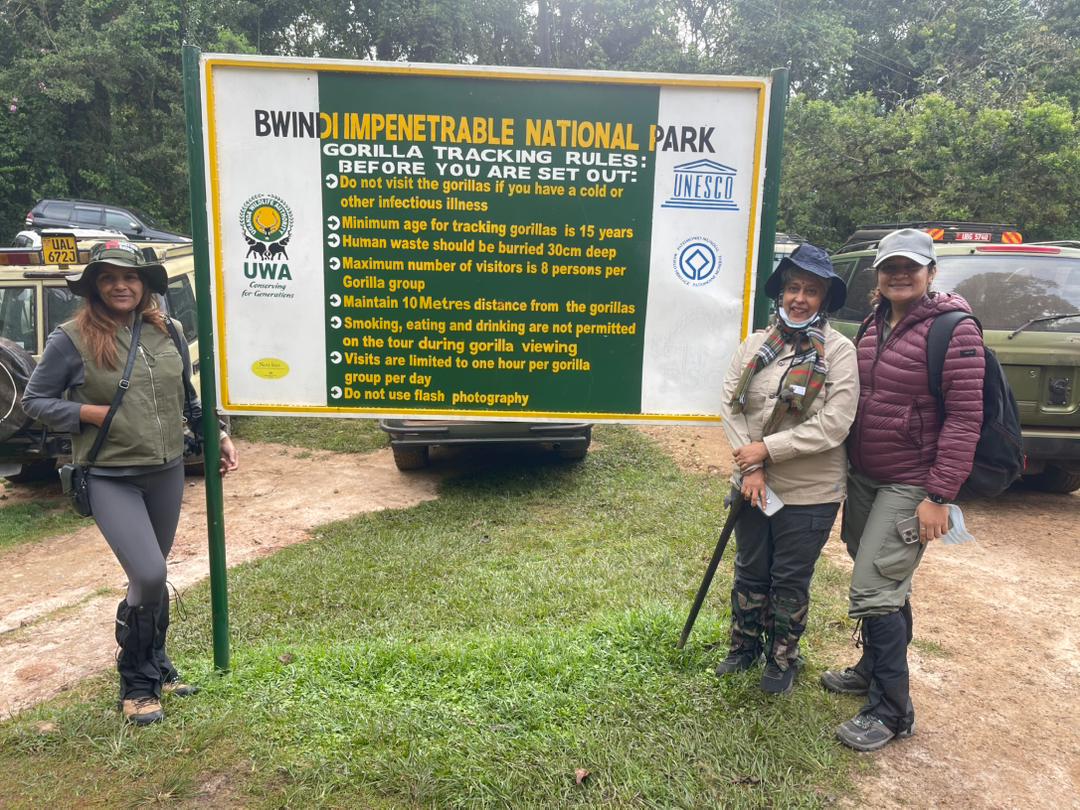
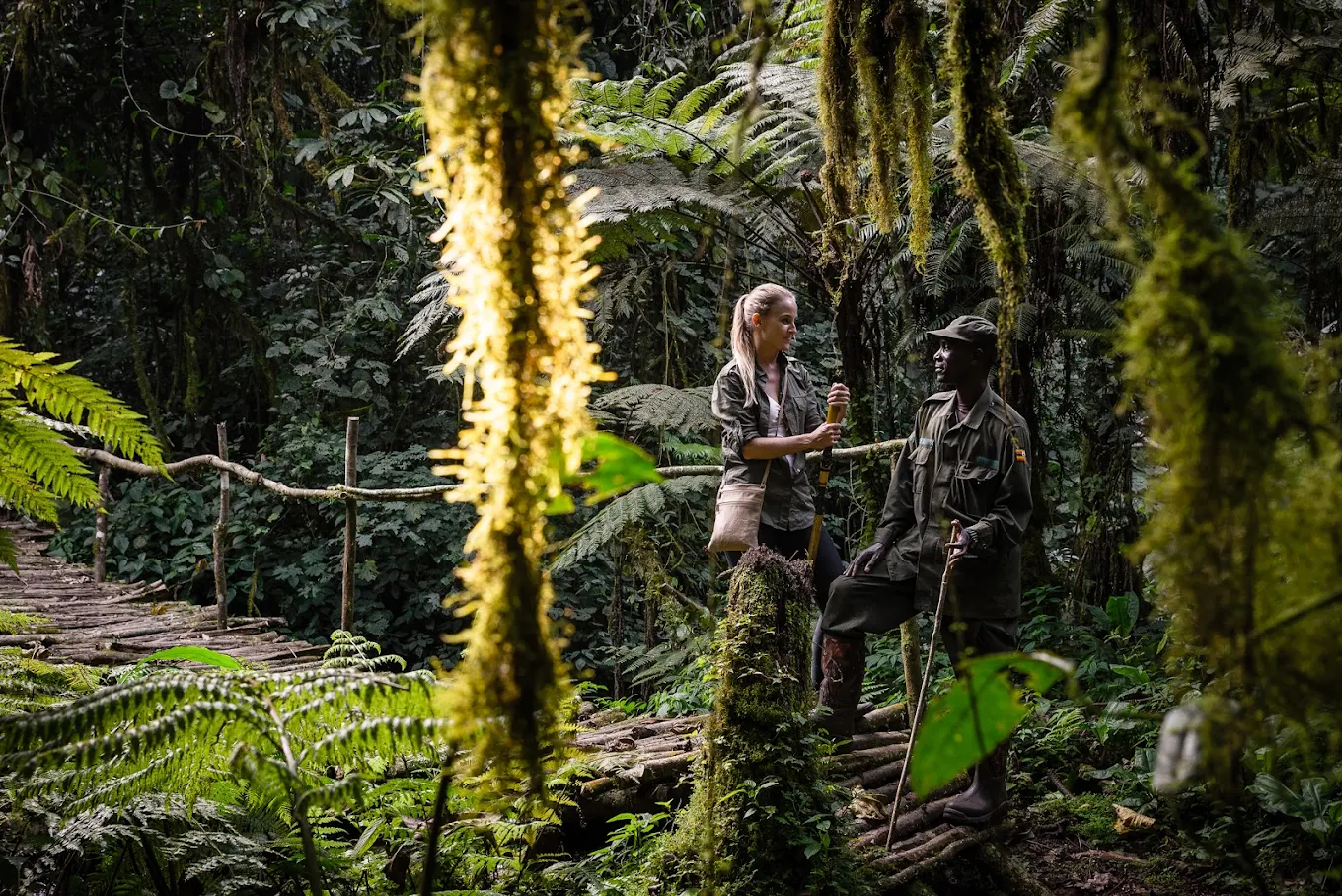
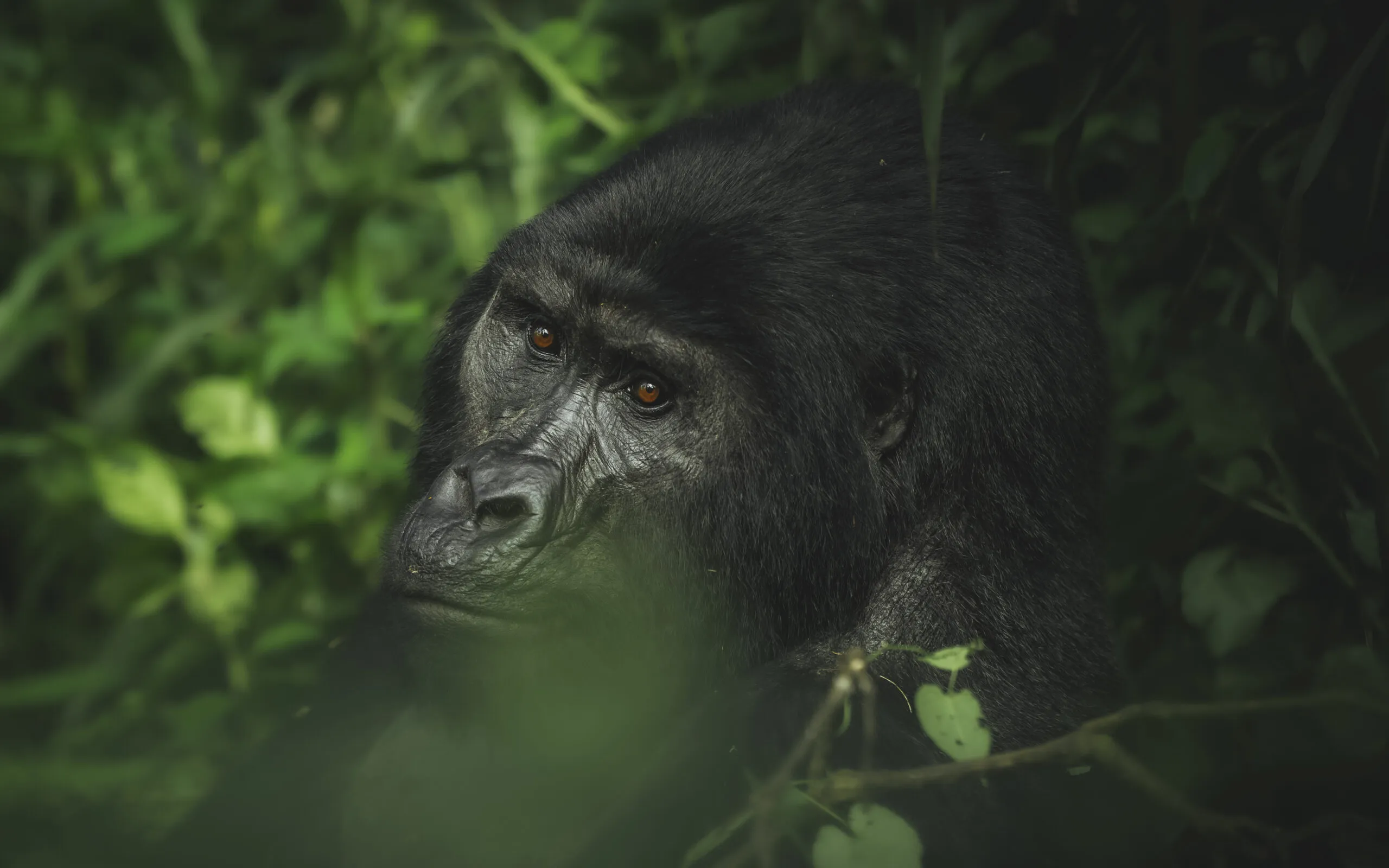
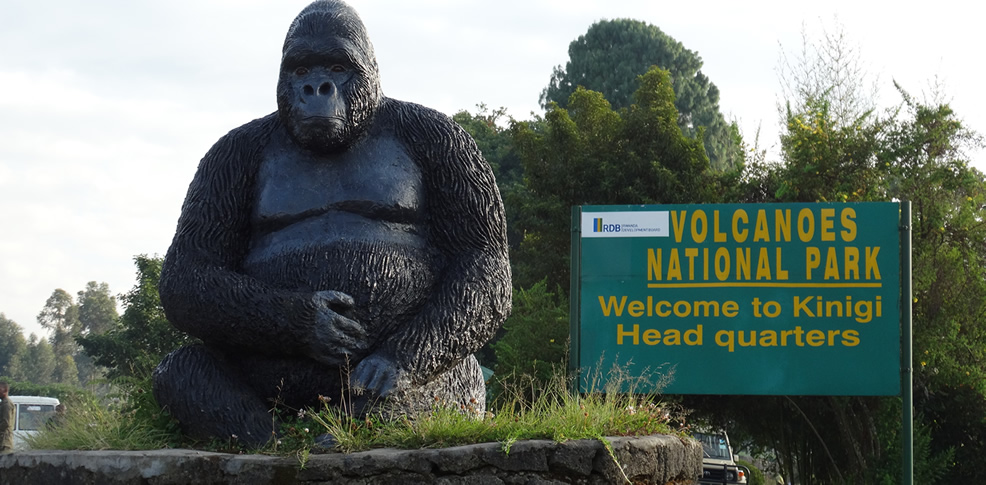
Mountain gorillas, once found across a much broader range that spanned Uganda, Rwanda, and the Democratic Republic of Congo (DRC), have faced severe population declines in recent centuries. The destruction of their natural habitats, largely due to deforestation, human settlement, and poaching, led to a dramatic reduction in their numbers. As human populations grew in these regions, forests were cleared for agriculture, leaving mountain gorillas with limited space to roam and breed.
The history and conservation efforts to protect these iconic animals formally began in the 1960s when pioneering researchers started studying their behavior and population. One of the most influential figures in the history and conservation efforts of mountain gorillas was the American primatologist Dian Fossey. Her groundbreaking research in Volcanoes National Park in Rwanda changed the way the world viewed mountain gorillas. Fossey’s dedication to studying and protecting gorillas led to the establishment of the Karisoke Research Center in 1967, where she conducted her famous long-term studies on the species.
Fossey’s efforts to document gorilla behavior, track their family groups, and ensure their safety helped to raise international awareness about the dire situation mountain gorillas were facing. But her conservation work also went beyond research. Fossey was vocal about the threats posed by poaching and habitat destruction and strongly advocated for the protection of gorillas through legal measures.
In 1985, Fossey was tragically murdered, but her legacy continues to shape history and conservation efforts in Rwanda and beyond. She inspired a generation of scientists, conservationists, and local communities to continue the fight for the survival of the species. Her work led directly to the establishment of protected areas in Rwanda and Uganda, which played a critical role in preserving the remaining mountain gorillas.
The history and conservation efforts of Fossey’s time were complemented by other notable conservationists and researchers, including those from the Dian Fossey Gorilla Fund and the Rwanda Development Board (RDB), who continued to expand upon her groundwork. Over the years, these efforts involved more sophisticated scientific monitoring, anti-poaching initiatives, and greater involvement from local communities, all of which played a crucial role in stabilizing the mountain gorilla population.
Rwanda’s Role in Gorilla Conservation
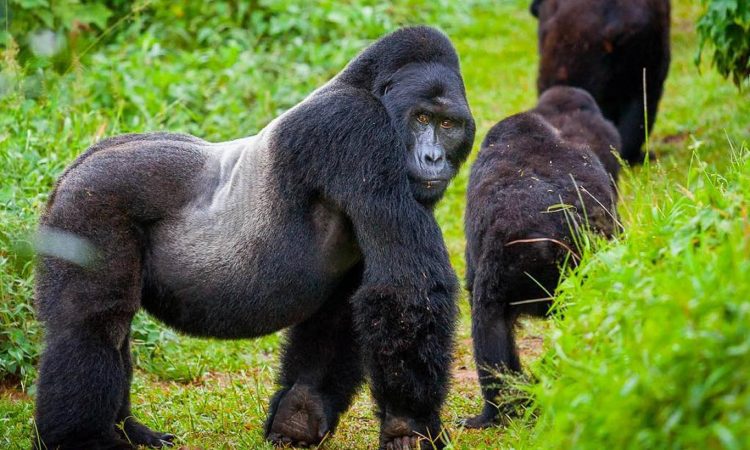
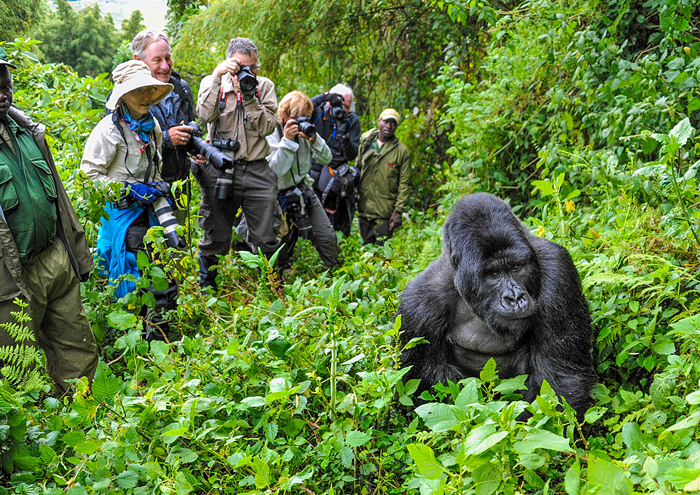
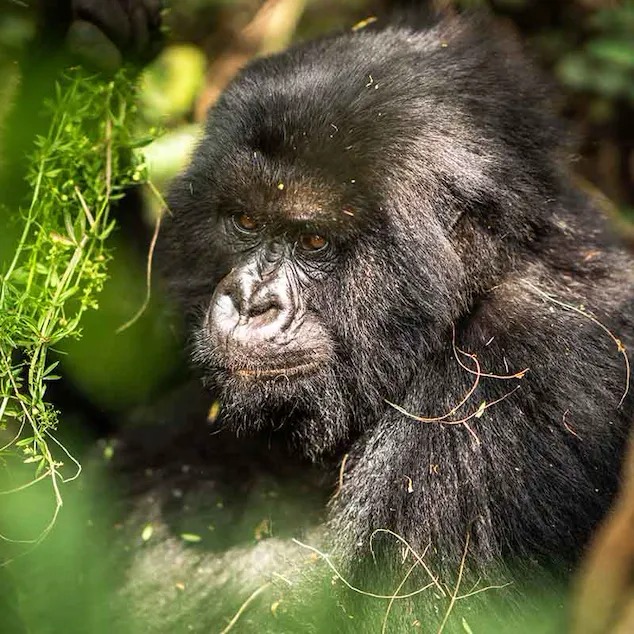
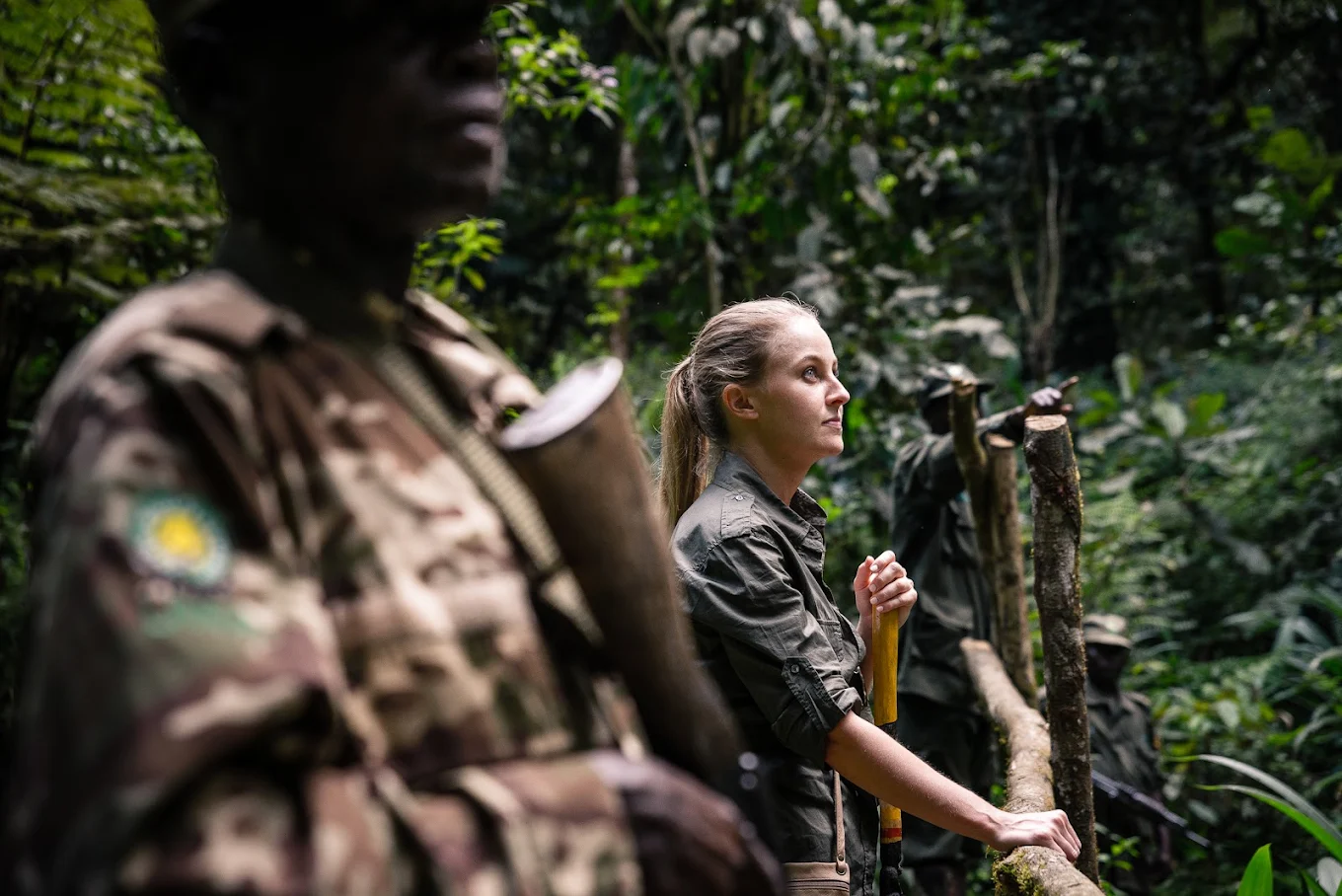
Rwanda, home to the famous Volcanoes National Park, has long been a leader in the history and conservation efforts for mountain gorillas. The country’s commitment to gorilla conservation began in the 1990s and has since evolved into a model of successful wildlife protection and eco-tourism integration. With its strong government backing, Rwanda quickly understood that the survival of mountain gorillas was intrinsically tied to the economic and cultural development of local communities. As a result, the country’s conservation efforts have not only focused on protecting gorillas but also on ensuring that the local population benefits from the tourism that gorillas attract.
Governmental Legislation and Poaching Prevention
In the early stages of gorilla conservation, Rwanda passed strict laws to protect mountain gorillas, making poaching and habitat destruction serious criminal offenses. The introduction of these laws was a key part of the history and conservation efforts in Rwanda, as they set the foundation for a more secure environment for gorillas to thrive. The government worked closely with international organizations and NGOs to enforce these laws, including by creating the Rwanda Development Board (RDB), which oversees the management of Volcanoes National Park.
One of the early successes of these efforts was the establishment of the Gorilla Guardians program, which employs local people as rangers to monitor the gorilla population and ensure that they remain safe from poaching or other threats. Rangers are crucial to the park’s ongoing protection and provide on-the-ground vigilance to track gorilla families.
Gorilla Tourism and Kwita Izina
One of the most innovative history and conservation efforts in Rwanda has been the development of eco-tourism programs, particularly the Gorilla Trekking experience. In collaboration with international partners, Rwanda has turned mountain gorillas into a central part of the country’s tourism strategy. The revenue generated from gorilla trekking permits, which cost a premium amount, has directly contributed to gorilla conservation and the preservation of their habitats.
In addition to tourism revenue, Rwanda introduced the Gorilla Naming Ceremony (Kwita Izina), a vibrant cultural event that has become one of the most significant and recognized celebrations of wildlife conservation in Africa. Held annually, Kwita Izina allows locals and tourists to witness the naming of newborn gorillas and celebrate the success of the country’s conservation efforts. The event raises significant funds for conservation programs, with proceeds directed towards anti-poaching efforts, park management, and local community projects. This annual tradition has become a global symbol of Rwanda’s ongoing history and conservation efforts, helping to reinforce the country’s dedication to mountain gorilla protection.
Collaborations and International Partnerships
Rwanda’s commitment to mountain gorilla conservation has led to strong partnerships with international conservation groups such as the Dian Fossey Gorilla Fund and the World Wide Fund for Nature (WWF). These collaborations have provided the technical expertise and financial support needed to develop sustainable conservation programs.
Moreover, Rwanda’s government has made it a priority to increase the visibility of mountain gorillas, positioning them as a key element of the country’s brand identity. This has led to an influx of tourists and conservation donors who want to be part of the efforts to protect these endangered animals. This growth in tourism and awareness has ensured the sustainability of history and conservation efforts in the region.
Uganda’s Role in Gorilla Conservation
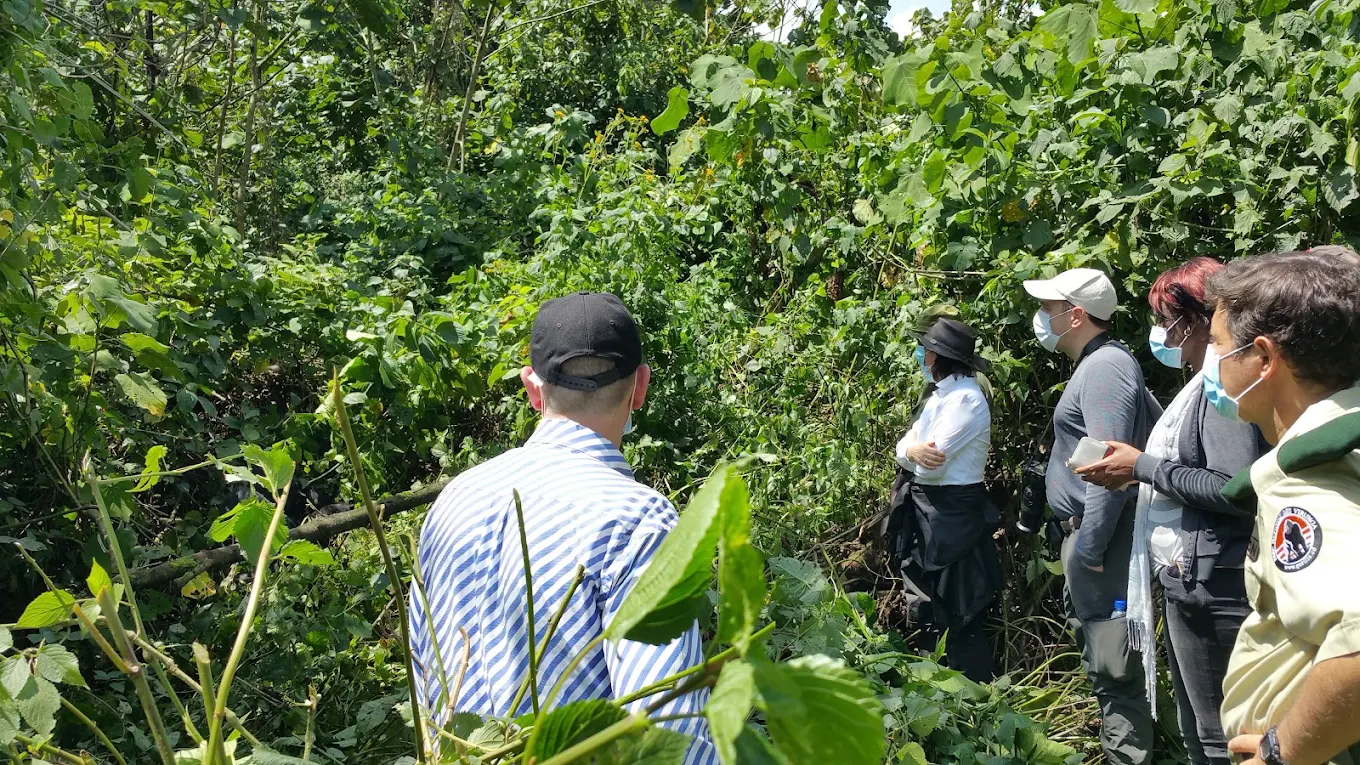
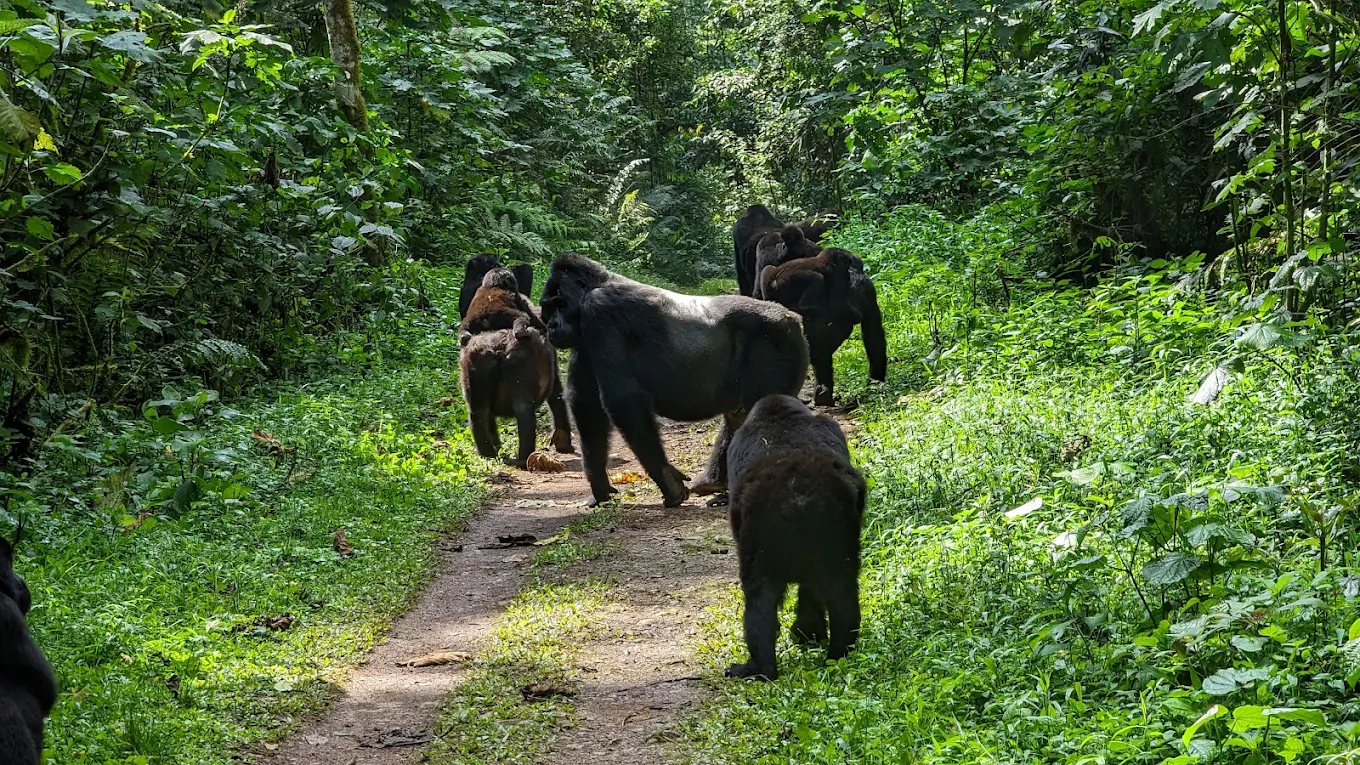
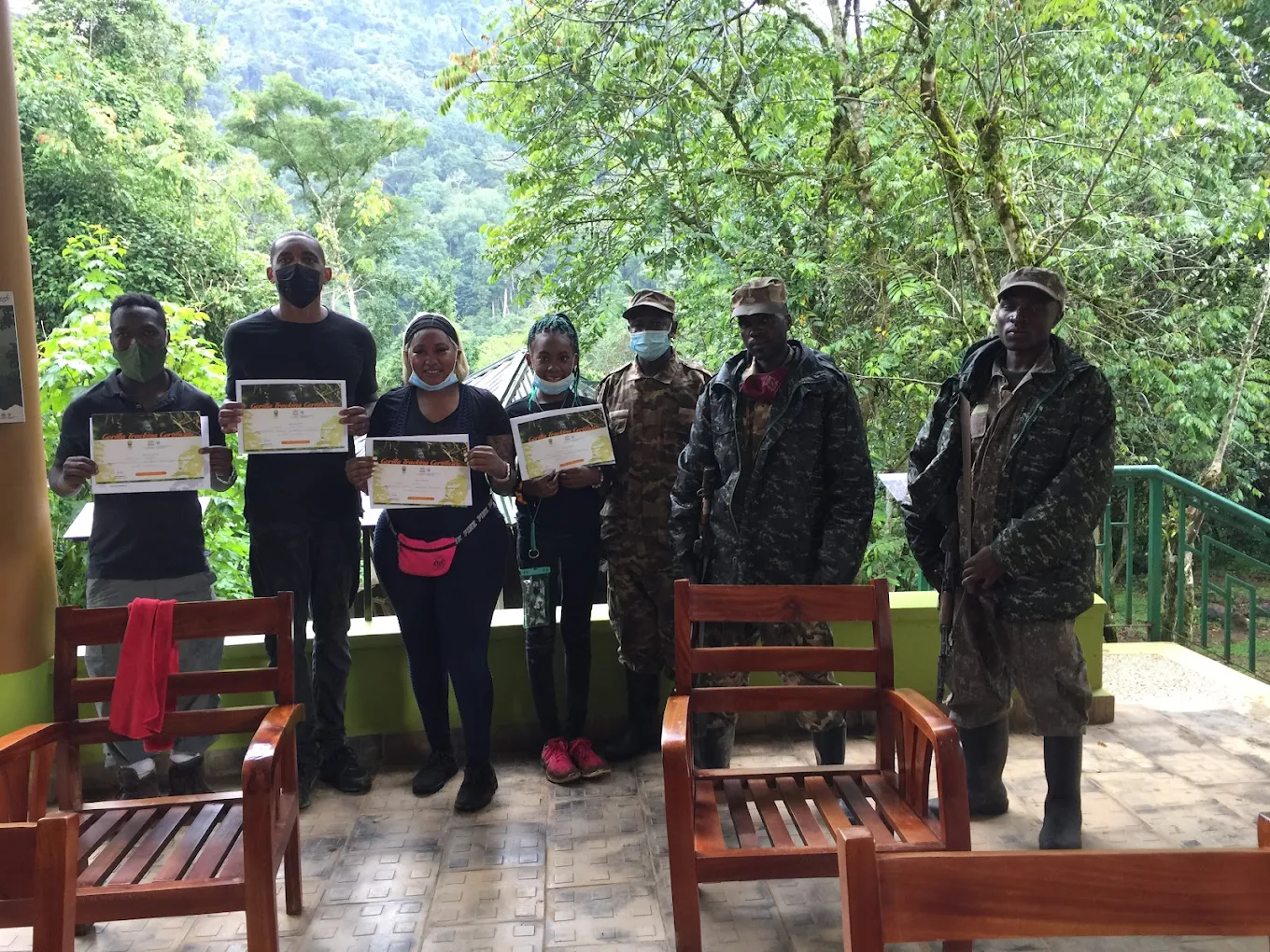
Uganda, like Rwanda, has made substantial contributions to the history and conservation efforts for mountain gorillas, focusing primarily on two key areas: Bwindi Impenetrable Forest and Mgahinga Gorilla National Park. Together, these two parks host more than half of the world’s remaining population of mountain gorillas. Uganda’s conservation journey began in earnest in the 1990s, shortly after Rwanda’s success with its conservation programs, and Uganda has since become a leading example of how to successfully integrate gorilla conservation with sustainable tourism.
Uganda Wildlife Authority (UWA) and Anti-Poaching Efforts
The Uganda Wildlife Authority (UWA) has played an instrumental role in developing and implementing strategies to protect mountain gorillas in Uganda. The UWA’s comprehensive approach to conservation has involved the creation of several anti-poaching units, which patrol Bwindi and Mgahinga to prevent illegal hunting and trafficking of gorillas. These teams are highly trained in detecting and removing snares, tracking poachers, and managing human-wildlife conflict, which has historically been one of the most significant challenges to mountain gorilla conservation.
Furthermore, UWA has worked with the local population, educating communities on the importance of gorilla protection and how they can participate in the conservation process. UWA’s history and conservation efforts have focused not only on the safety of the gorillas but also on providing jobs and training for local people, giving them an incentive to protect the gorillas rather than exploit them.
Community Engagement and Eco-Tourism
One of the standout features of Uganda’s history and conservation efforts is the focus on integrating conservation with community benefits. In Uganda, tourism generated from gorilla trekking permits is shared with local communities. This provides a direct incentive for locals to protect gorillas and their habitats.
Uganda has adopted a community-based conservation approach, where communities living near gorilla habitats are involved in wildlife management, guiding, and hospitality industries related to gorilla tourism. This model has created a sense of ownership and responsibility, ensuring that local populations have a vested interest in maintaining the health of the gorilla populations and their environments.
The revenue from gorilla permits has funded local schools, health services, and infrastructure projects, making history and conservation efforts directly relevant to the communities that live closest to the gorillas. This model has proven effective in fostering a positive relationship between conservation authorities and the people who live in the same areas as the gorillas.
Research and Monitoring Programs
Research has played a pivotal role in Uganda’s history and conservation efforts, providing insights into gorilla behavior, health, and population trends. Long-term research projects, such as those conducted by the Gorilla Doctors (a veterinary program dedicated to monitoring and treating mountain gorillas), have helped to keep track of the gorillas’ health, preventing the spread of diseases like respiratory infections and ensuring the survival of young gorillas.
In Bwindi, researchers from the Uganda Wildlife Authority and partner organizations regularly monitor gorilla families to track their movements and assess their health. This is essential for understanding the dynamics of the gorilla population and how they interact with their environment.
The Contribution of Gorilla Tourism
Gorilla tourism in Uganda has also been a key element in the success of history and conservation efforts. The country’s tourism infrastructure has been developed to accommodate the increasing demand for gorilla trekking experiences while maintaining a low environmental impact. With permits for gorilla trekking being strictly controlled, the number of visitors to the gorillas is regulated to ensure that the animals are not disturbed.
Revenue from gorilla trekking permits has enabled Uganda to continue its efforts to protect the species while supporting the local economy. In addition, the increase in tourism has spurred the development of better accommodations, roads, and services for visitors, contributing to the overall development of the area.
Population Growth and Future Prospects
Thanks to the history and conservation efforts in Uganda, the mountain gorilla population has grown steadily over the past few decades. The latest estimates indicate that there are now over 1,000 mountain gorillas in the wild, with more than half residing in Uganda’s Bwindi Impenetrable Forest and Mgahinga Gorilla National Park.
The success of Uganda’s conservation efforts, in partnership with Rwanda, has led to a stable population of mountain gorillas in both countries. Continued vigilance, funding, and community involvement will be essential to ensuring that this success continues and that mountain gorillas are preserved for future generations.
The Role of Anti-Poaching Measures in Gorilla Conservation
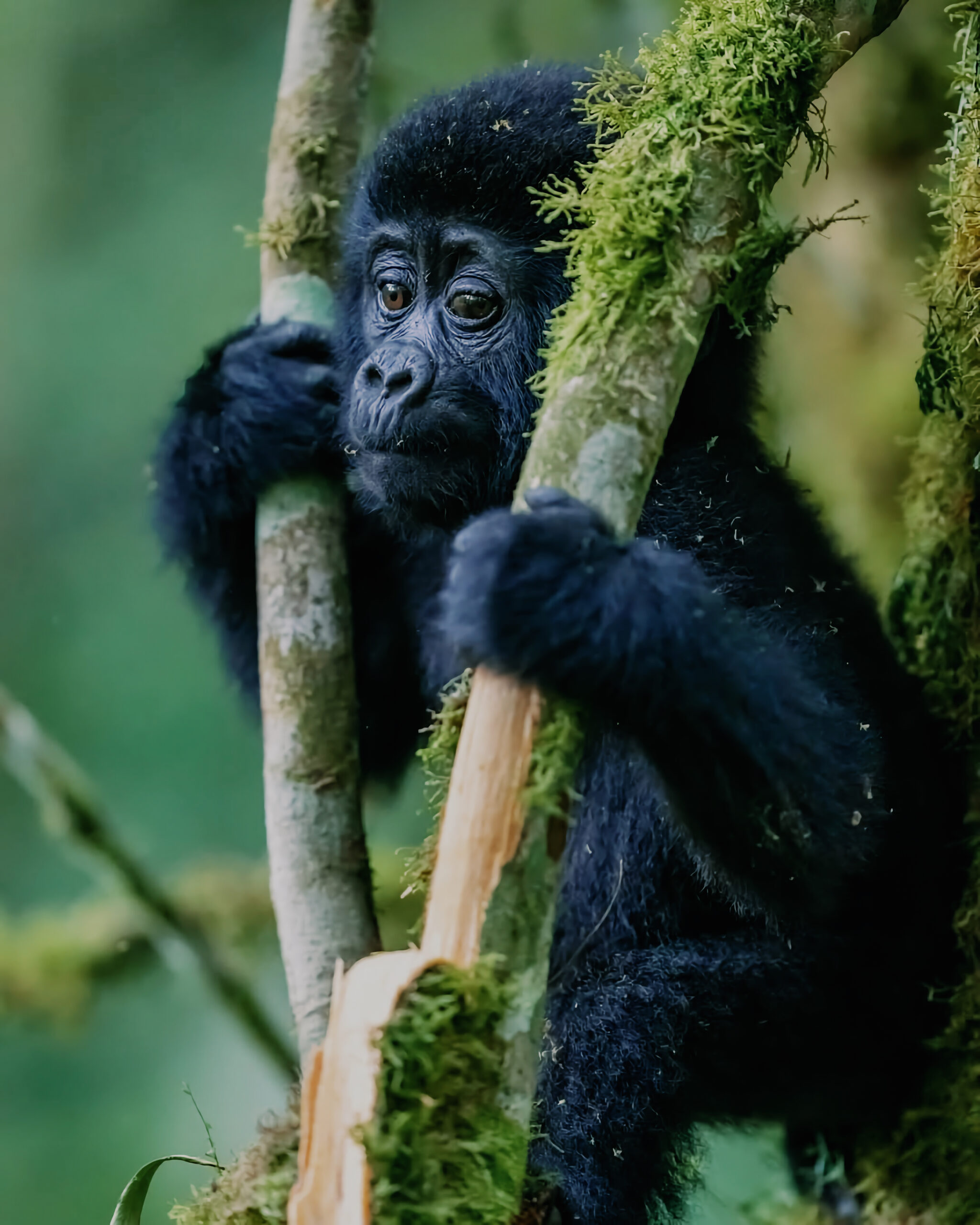
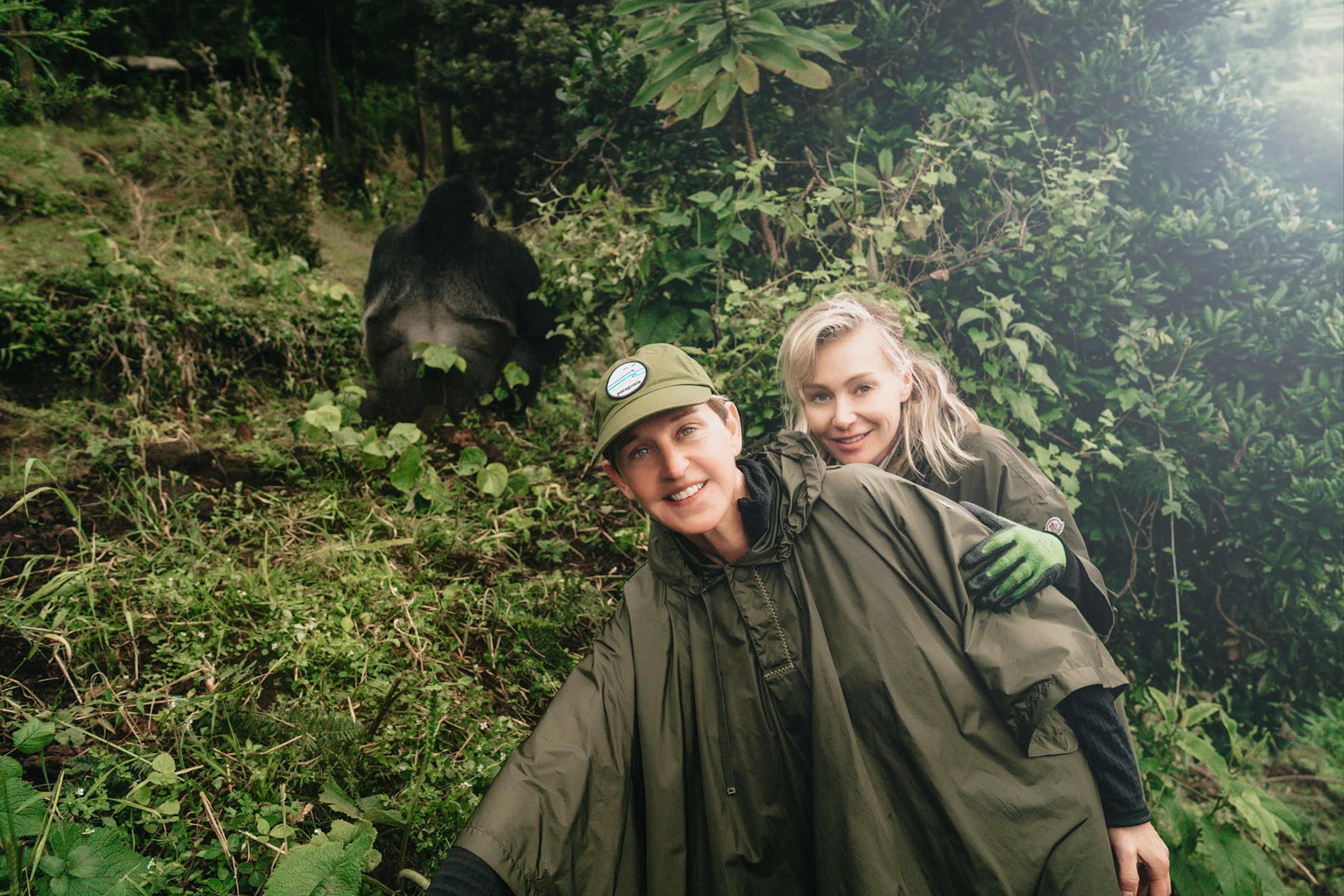
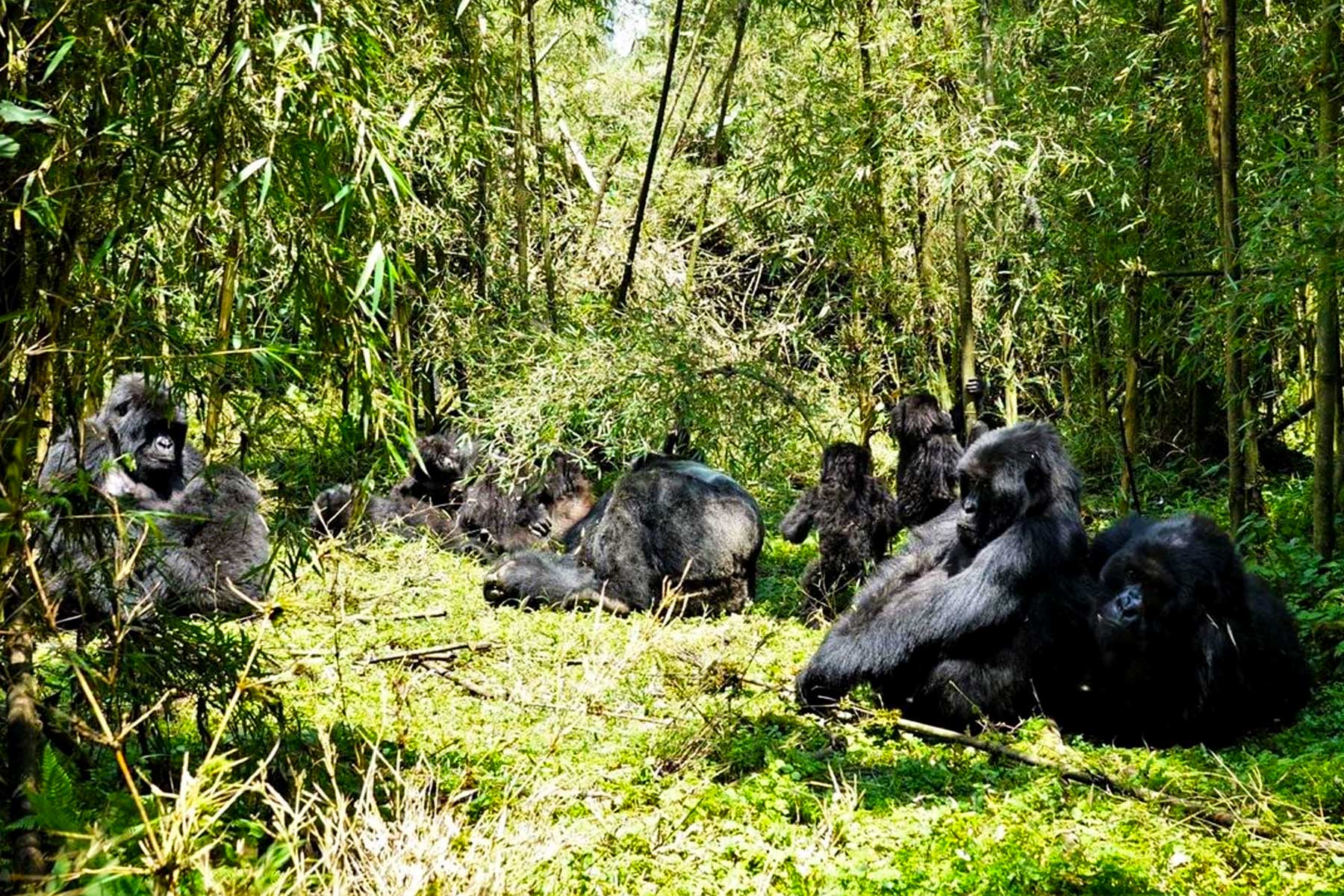
Anti-poaching efforts have been among the most crucial components in the history and conservation efforts for mountain gorillas. Due to their high value as trophies or for the illegal wildlife trade, mountain gorillas have long been vulnerable to poaching. Over the years, a series of comprehensive anti-poaching laws, strategies, and units have been established in both Rwanda and Uganda to ensure the protection of these endangered animals.
Creation of Protected Areas and Legislation
In response to the growing threats to mountain gorillas, both Rwanda and Uganda have implemented national legislation designed to protect gorillas and their habitats. Key national parks like Volcanoes National Park in Rwanda and Bwindi Impenetrable Forest and Mgahinga Gorilla National Park in Uganda have been designated as protected areas, where hunting, logging, and other forms of habitat destruction are strictly prohibited. This step in the history and conservation efforts has ensured that gorillas have safe spaces to live and breed, reducing the direct threats from human encroachment.
Furthermore, the legal framework in both countries has been reinforced with regulations that provide severe penalties for poaching or disturbing wildlife, including mountain gorillas. This legal structure has created a deterrent to illegal activities, signaling the governments’ commitment to ensuring the survival of the gorillas.
Anti-Poaching Units and Ranger Training
One of the cornerstones of anti-poaching strategies in Rwanda and Uganda has been the establishment of highly trained anti-poaching units. These teams of rangers play an essential role in safeguarding mountain gorillas from threats such as poaching, human-wildlife conflict, and habitat destruction. In Rwanda, the Gorilla Guardians program and in Uganda, the UWA Anti-Poaching Unit work around the clock to monitor gorilla habitats, detect illegal activities, and take immediate action if any poaching attempts are made.
Rangers are trained in various anti-poaching tactics, including tracking poachers, removing snares, and conducting surveillance in gorilla habitats. Their training also includes knowledge of mountain gorilla behavior and health, allowing them to identify any signs of distress, injury, or illness in the gorillas. This vigilance ensures that the gorillas are not only protected from poachers but also from potential diseases that could threaten their population.
Combating Human-Wildlife Conflict
One of the ongoing challenges in the history and conservation efforts for mountain gorillas has been managing human-wildlife conflict. As human populations grow around gorilla habitats, the chances of encounters between humans and gorillas also increase. For example, gorillas sometimes venture into local agricultural lands, causing crop damage, which in turn results in resentment from local farmers.
To address this, both Rwanda and Uganda have initiated programs to mitigate human-wildlife conflict. These efforts include building barriers, such as fences or guard posts, to keep gorillas away from farmlands. Additionally, the local communities have been educated on how to live alongside gorillas, fostering a culture of tolerance and cohabitation. These initiatives have helped reduce negative interactions between humans and gorillas, further strengthening the history and conservation efforts for the species.
Success in Curbing Illegal Hunting and Habitat Encroachment
The anti-poaching measures in both Rwanda and Uganda have been incredibly successful. Illegal hunting of mountain gorillas has decreased significantly over the past few decades, with fewer incidences of poaching and killing. Additionally, the creation of protected zones has effectively reduced habitat encroachment, ensuring that gorillas have large areas to roam without the threat of deforestation or land conversion for agriculture.
Overall, these history and conservation efforts have proven to be highly effective, contributing to a steady increase in the population of mountain gorillas. Anti-poaching programs and ranger patrols have helped create a secure environment where gorillas can thrive, and the support from local communities has made these efforts sustainable over the long term.
Community Involvement in Gorilla Conservation
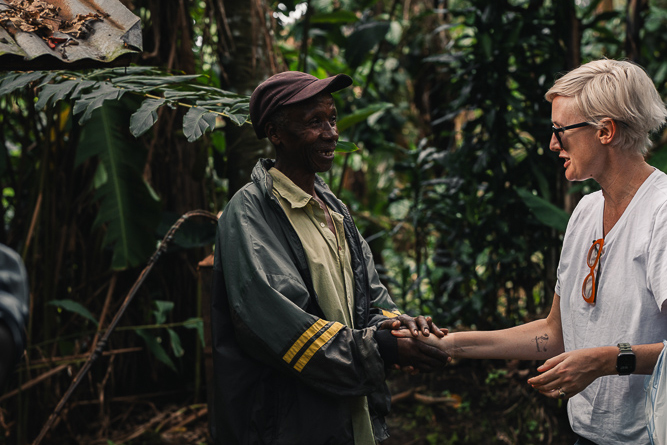
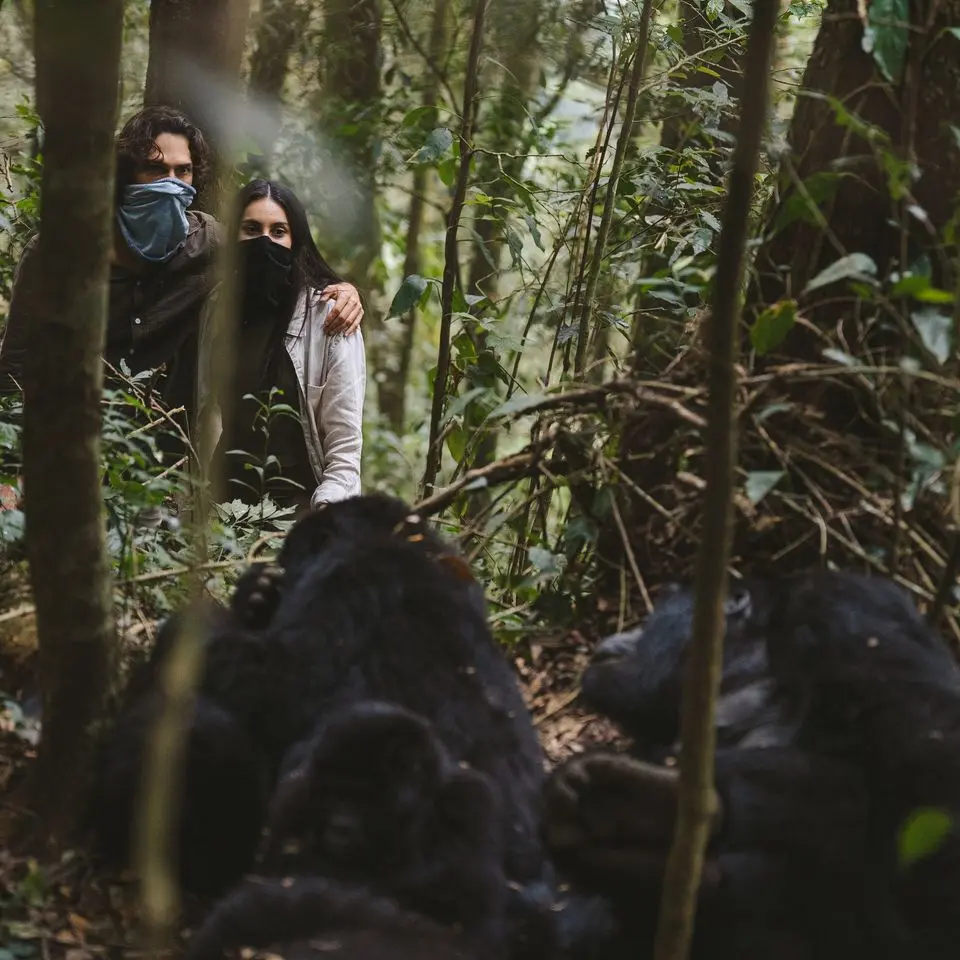
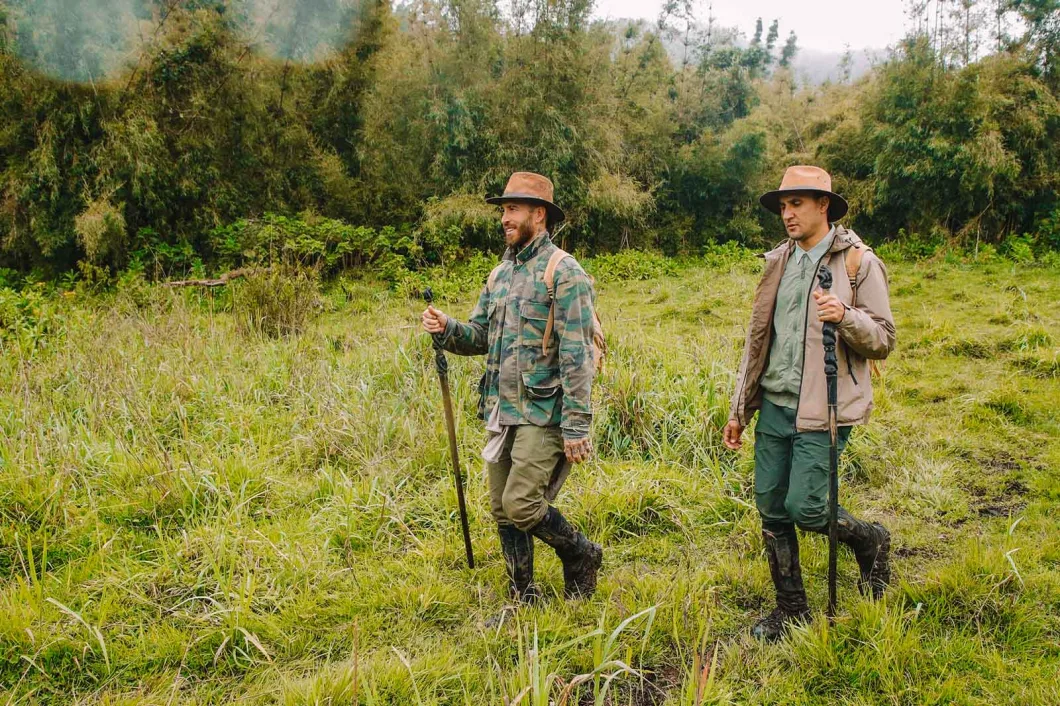
A major shift in the history and conservation efforts for mountain gorillas has been the increasing involvement of local communities. Initially, many local people viewed gorillas as a threat to their livelihoods, particularly due to crop damage and perceived competition for resources. However, through education, engagement, and economic incentives, conservationists have successfully turned local communities into key allies in the effort to protect mountain gorillas.
Community-Based Conservation Initiatives
In both Rwanda and Uganda, community-based conservation initiatives have played an essential role in ensuring the long-term success of gorilla conservation. Local communities are not only the closest to the gorillas but also the most affected by conservation policies. As such, empowering local people has been a cornerstone of these programs.
In Rwanda, for example, the Gorilla Guardians program employs local people as part of anti-poaching units and park rangers. These guardians are often the first to notice changes in the behavior of gorillas or signs of poaching, making them critical partners in conservation. Similarly, Uganda’s Wildlife Clubs of Uganda works with local schools and communities to raise awareness about wildlife protection and the importance of conserving gorillas.
By involving communities in wildlife protection efforts, both countries have ensured that local people feel responsible for the survival of the gorillas. Community engagement has also led to a shift in attitudes toward gorillas, from seeing them as threats to viewing them as valuable assets to be protected for future generations.
Economic Benefits through Eco-Tourism
One of the most significant ways in which local communities benefit from gorilla conservation is through eco-tourism. Gorilla trekking, the most popular eco-tourism activity in both Rwanda and Uganda, has become a vital source of income for local people. The revenue generated from gorilla permits is often reinvested into local infrastructure, such as schools, healthcare, and roads, benefiting the community as a whole.
For example, in Rwanda, revenue from gorilla permits is directly invested into the local communities surrounding Volcanoes National Park. This money helps fund community development projects and create jobs in the tourism sector, including positions as guides, porters, and hospitality staff. In Uganda, the integration of gorilla tourism into the local economy has been similarly impactful, with communities benefiting from jobs in lodges, transportation, and tourism-related services.
These community-based tourism programs also provide education and training, allowing local people to develop skills that are transferable across various sectors of the economy. This creates long-term economic sustainability for the region, further integrating conservation efforts into the local economic framework.
Sustainable Livelihoods and Conservation Support
Another important aspect of community involvement in conservation is the development of sustainable livelihoods. Through various programs, local communities are encouraged to adopt alternative sources of income that do not rely on poaching or habitat destruction. These alternatives include farming initiatives that promote sustainable agriculture, beekeeping, and handicraft production.
By offering viable, alternative livelihoods, communities become less reliant on destructive practices that harm wildlife and their habitats. The integration of sustainable agriculture practices helps reduce the pressure on natural resources, allowing both local people and wildlife to thrive. The economic benefits from gorilla tourism and sustainable practices have further strengthened the history and conservation efforts by ensuring local people have a vested interest in preserving the gorillas.
Cultural Engagement and Education
Both Rwanda and Uganda have also focused on educating local communities about the importance of gorilla conservation. Cultural events, such as Rwanda’s Kwita Izina Gorilla Naming Ceremony, involve the local community and celebrate the success of the country’s conservation efforts. These cultural initiatives raise awareness about gorillas and their importance to Rwanda’s identity and economy.
In Uganda, the government, along with conservation groups, has implemented education programs that focus on the role of mountain gorillas in the ecosystem and the benefits of conservation to local communities. Schools and community groups are taught about the environmental, social, and economic value of mountain gorillas, ensuring that future generations are equipped with the knowledge and skills to continue the conservation effort.
Scientific Research and Monitoring as Key Components of Conservation
Scientific research and continuous monitoring of mountain gorilla populations are crucial pillars in the history and conservation efforts that have helped protect these incredible animals. Understanding the health, behavior, and movements of mountain gorillas enables conservationists to adapt and refine strategies, ensuring the species’ long-term survival. This research not only helps us monitor gorilla populations but also provides critical insights into their ecology, social dynamics, and the challenges they face.
Tracking Gorilla Movements, Health, and Behavior
In both Rwanda and Uganda, researchers regularly track the movements, health, and behavior of mountain gorillas. This is achieved through a combination of field observations, GPS tracking, and direct contact with the gorillas. The detailed data collected is instrumental in understanding how gorillas use their habitats, their dietary habits, and how they interact with each other.
Scientists also monitor specific health indicators, including the presence of diseases that could potentially threaten the population. For example, respiratory infections are a major concern for mountain gorillas, particularly as they share habitats with humans. By tracking these health metrics, conservationists can act quickly to prevent the spread of disease, which could otherwise have devastating effects on the gorilla population.
Behavioral research has also provided insights into the complex social structures of mountain gorillas, helping to better understand their family dynamics, leadership roles, and how they interact with their environment. These insights inform conservationists about how gorillas respond to disturbances, both natural and human-made, which is vital for managing their habitats and minimizing disruptions.
Gorilla Doctors and Veterinary Care
One of the most impactful scientific initiatives is the work of the Gorilla Doctors, a team of veterinarians and scientists in Uganda and Rwanda who specialize in mountain gorilla health. The Gorilla Doctors program was established to provide medical care and monitoring for wild gorillas in both countries. Their work is especially important in preventing the transmission of diseases from humans to gorillas.
The veterinarians and scientists involved in this initiative provide direct care to injured gorillas, treat illnesses, and respond to emergencies such as the detection of diseases that might threaten the population. They also monitor the health of gorilla groups over time, assessing the overall health of individuals and tracking birth and mortality rates. By conducting routine health checks, the Gorilla Doctors help ensure that mountain gorillas are not suffering from treatable conditions or diseases that could potentially decimate their populations.
Another key aspect of the research is genetic monitoring, which helps to assess the genetic diversity of the population. By tracking the genetic makeup of different gorilla groups, researchers can identify any risks associated with inbreeding and ensure that conservation efforts focus on maintaining a healthy gene pool.
Understanding Challenges Facing Mountain Gorillas
Through scientific research, we gain a deeper understanding of the many challenges that mountain gorillas face in the wild. One of the biggest threats to their survival is habitat loss. As human populations grow, forests are cleared for agriculture and infrastructure, which reduces the amount of land available for gorillas to live and thrive. Monitoring these habitat changes allows conservationists to implement strategies to protect the gorillas’ critical habitats and ensure their ecosystems remain intact.
Human-wildlife conflict also poses a significant challenge. As more people move into areas near gorilla habitats, the likelihood of human-gorilla interactions increases. This can lead to crop damage and sometimes even conflict, with locals seeking to kill or capture gorillas. Scientific research helps conservationists develop solutions to mitigate this conflict, such as creating buffer zones between human settlements and gorilla habitats, as well as educating communities on the importance of gorilla protection.
Finally, the issue of disease transmission—both from humans and domestic animals—is a persistent threat. Scientific research has been key to developing guidelines for responsible tourism and managing the risks associated with human-gorilla interactions. Without this ongoing research and monitoring, the history and conservation efforts to protect mountain gorillas would be less effective, and the species’ survival would be uncertain.
Shaping Effective Conservation Strategies
Ongoing scientific research and monitoring are fundamental in refining and evolving the conservation strategies used to protect mountain gorillas. From health assessments to behavioral observations, the data collected by researchers guides decision-making and helps shape conservation policies that are responsive to the changing needs of the gorillas. Without this crucial research, conservation efforts would lack the necessary insights and adaptations needed to address new and emerging threats.
Tourism and Its Role in the Future of Gorilla Conservation
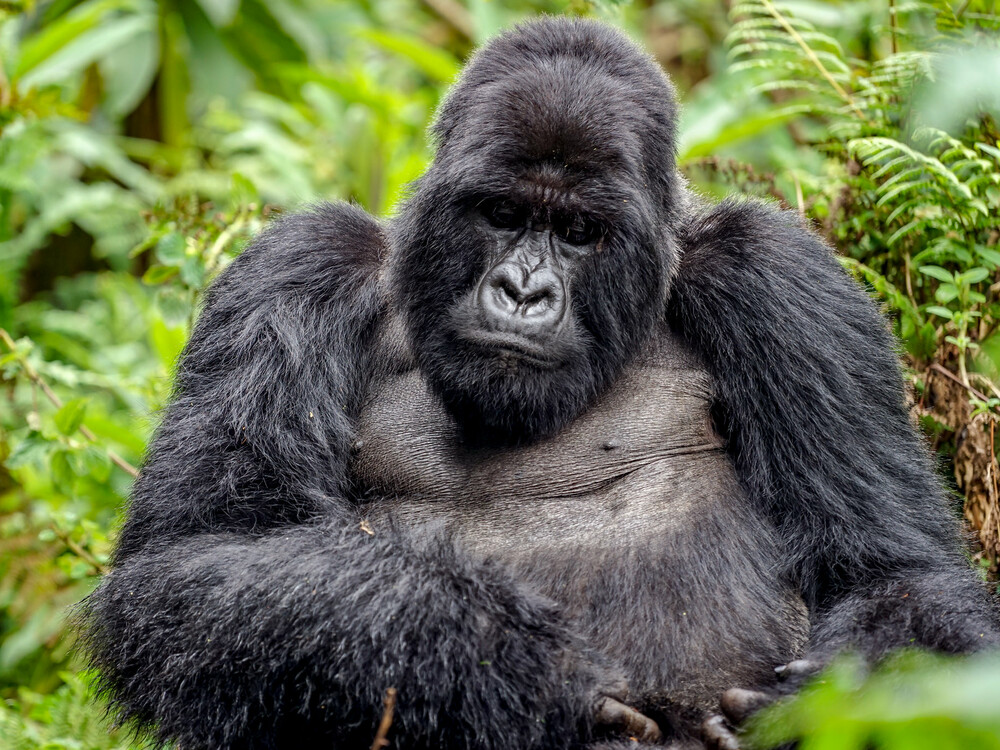
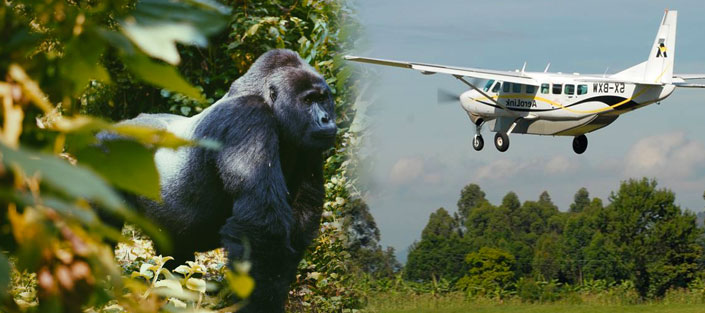
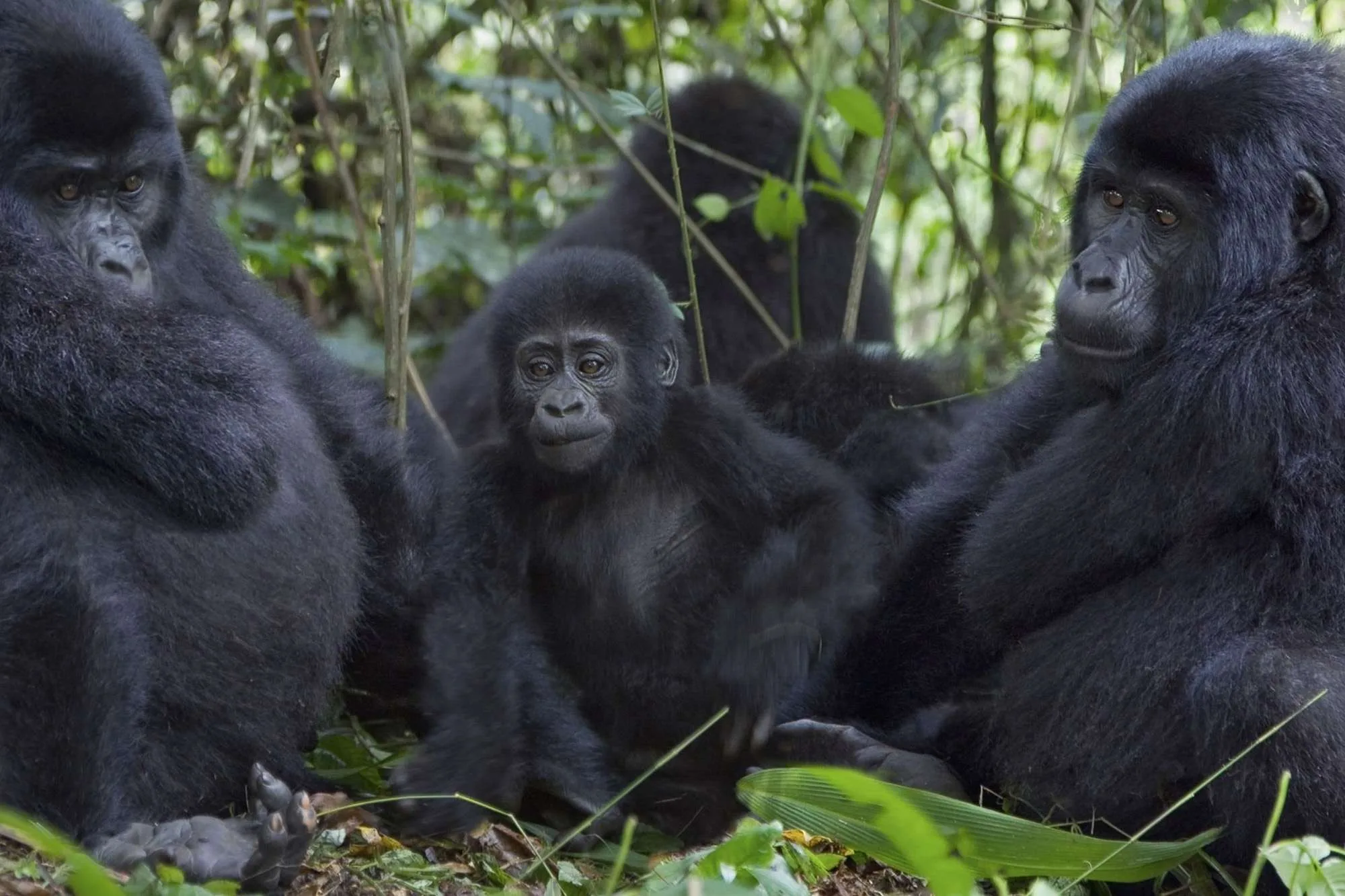
Eco-tourism has played an indispensable role in the history and conservation efforts for mountain gorillas. By offering controlled, sustainable gorilla trekking experiences, both Rwanda and Uganda have created a model for wildlife tourism that directly benefits conservation programs. The revenue generated through eco-tourism has become one of the primary sources of funding for gorilla conservation initiatives, including anti-poaching measures, habitat restoration, and community development projects.
Sustainable Gorilla Trekking Experiences
Gorilla trekking, which allows visitors to observe gorillas in their natural habitat, is a major attraction in both Rwanda and Uganda. Both countries have developed strict guidelines to ensure that gorilla trekking is done in a way that minimizes disturbance to the animals while maximizing conservation benefits. Visitors are required to pay for a gorilla permit, which grants them a limited and regulated opportunity to trek and observe gorillas.
These permits are priced at a premium, making them a significant source of revenue for the local governments and conservation programs. In Rwanda, the cost of permits has increased over the years, and the funds generated are used to support park management, anti-poaching patrols, and research programs like the Gorilla Doctors. In Uganda, the revenue from trekking permits similarly goes toward sustaining conservation efforts, including ranger salaries, habitat protection, and community engagement initiatives.
The careful management of trekking activities ensures that the gorillas are not overcrowded or stressed by the presence of tourists. Trekking groups are kept small, and visitors are required to maintain a respectful distance from the gorillas, reducing the risk of disease transmission and ensuring that the gorillas’ natural behavior is not disturbed.
Economic Incentives for Local Communities
One of the most significant aspects of eco-tourism is its ability to provide local communities with economic incentives to protect rather than exploit wildlife. Both Rwanda and Uganda have incorporated local communities into the tourism process, creating jobs in areas like guiding, hospitality, and transportation. These jobs are essential for local economies, as they provide a stable income for people who might otherwise rely on agriculture or other activities that could threaten wildlife.
In Rwanda, for example, communities surrounding Volcanoes National Park are directly involved in the tourism sector. The revenue from trekking permits is shared with local communities, funding projects like schools, healthcare centers, and infrastructure improvements. In Uganda, similar programs have helped to reduce the pressure on gorilla habitats by providing alternative livelihoods for local people.
These community-based tourism initiatives have created a strong partnership between conservation organizations and local communities. As people see the direct benefits of protecting gorillas through eco-tourism, they are more likely to support conservation efforts and become active participants in protecting the gorillas’ habitats.
Funding for Anti-Poaching and Park Management
The revenue from eco-tourism plays a critical role in funding the operational costs associated with gorilla conservation. The money generated from gorilla trekking permits is used to support anti-poaching operations, including the salaries of rangers who patrol the gorillas’ habitats. It also helps fund infrastructure development within national parks, such as the construction of roads, bridges, and eco-friendly accommodations for tourists.
The sustainable tourism model has allowed Rwanda and Uganda to maintain high standards for park management, ensuring that gorilla populations remain safe from poaching and other threats. The long-term success of mountain gorilla conservation is heavily reliant on the continued success of eco-tourism, which provides the necessary financial resources for maintaining these efforts.
Balancing Tourism, Conservation, and Local Benefits
The key to the future success of mountain gorilla conservation lies in balancing tourism with conservation and local benefits. Both Rwanda and Uganda have worked hard to ensure that tourism does not have a negative impact on the gorillas or their habitats. By regulating visitor numbers, setting strict guidelines for behavior, and reinvesting tourism revenue into conservation efforts, both countries have managed to create a sustainable model where tourism supports conservation and provides tangible benefits to local communities.
The long-term viability of mountain gorillas depends on the continued success of this balance. As both countries continue to grow their eco-tourism industries, it will be essential to maintain the delicate equilibrium between attracting visitors, protecting the gorillas, and ensuring that local people benefit from the tourism dollars that come from the preservation of the species.
Why Book with Elevana Luxury Gorilla Holidays
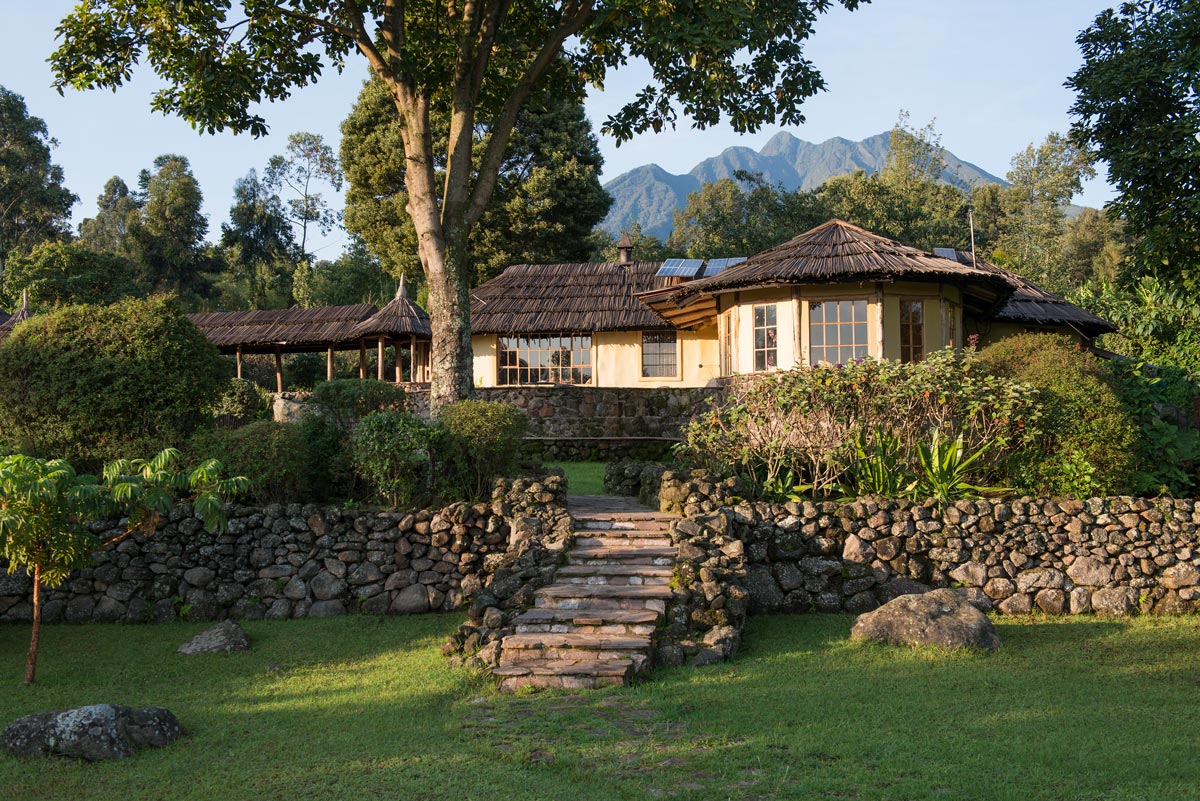
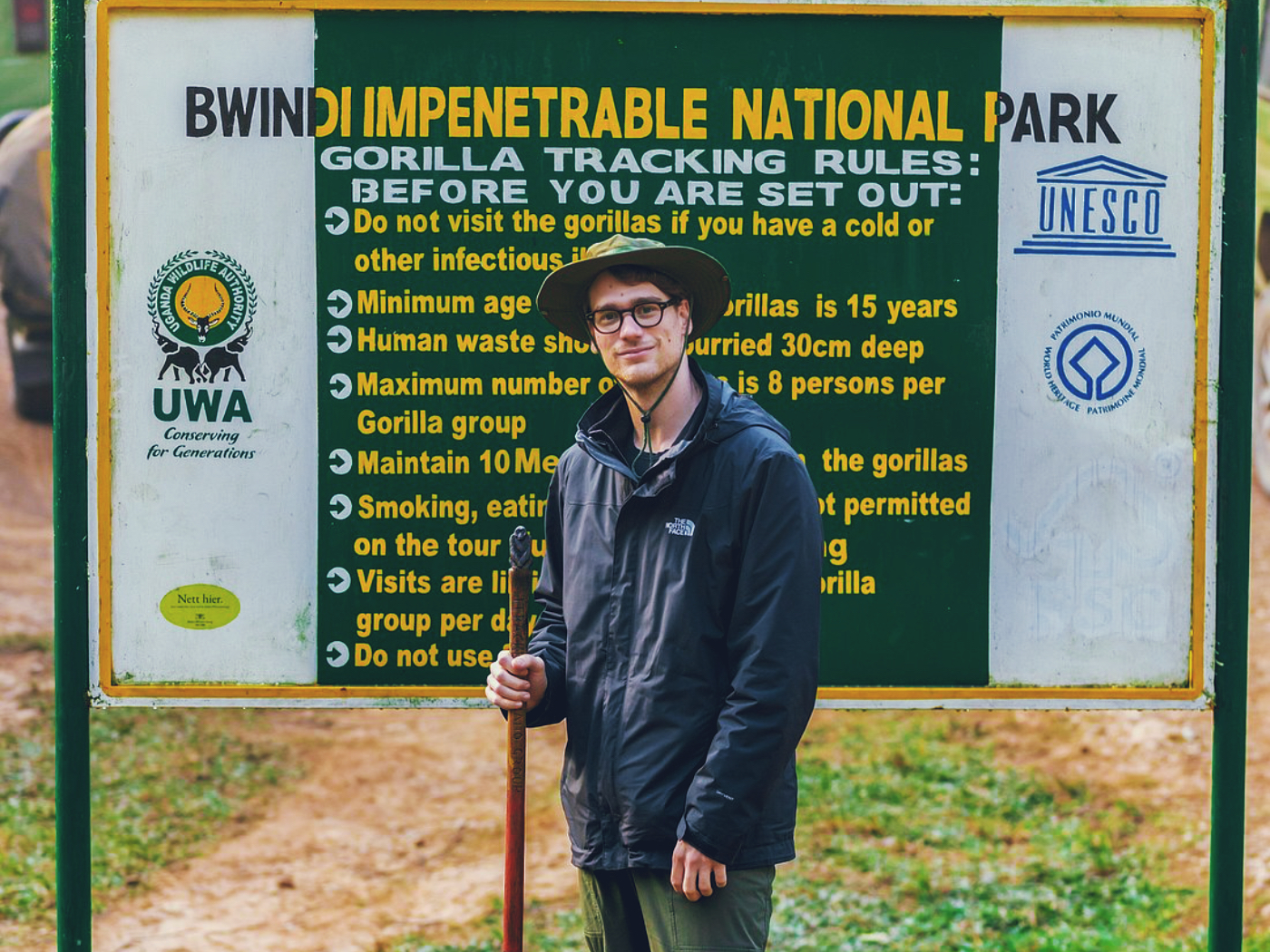
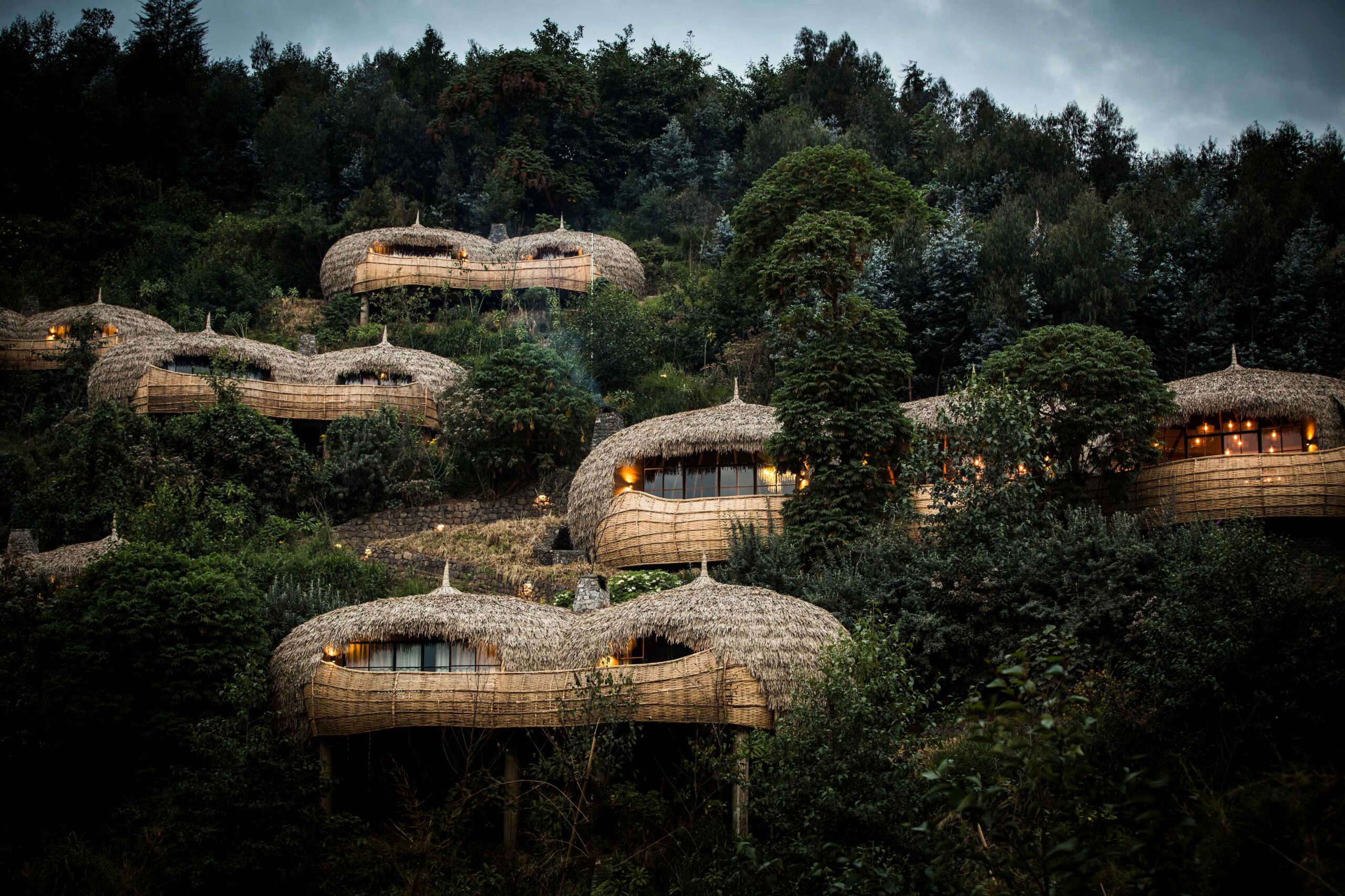
When you book with Elevana Luxury Gorilla Holidays, you’re not just embarking on a once-in-a-lifetime adventure, you’re also actively contributing to the vital history and conservation efforts that have ensured the survival of mountain gorillas. Elevana is deeply committed to providing you with a luxurious and intimate experience while supporting the ongoing conservation initiatives in both Uganda and Rwanda.
Exclusive, Luxury Gorilla Trekking Experiences
At Elevana, we offer an exclusive, high-end gorilla trekking experience, designed for travelers who seek both adventure and comfort. Whether you are in Uganda’s Bwindi Impenetrable Forest or Rwanda’s Volcanoes National Park, our expertly curated itineraries guarantee you a seamless, unforgettable experience. We specialize in private, small-group treks, ensuring that each guest has an intimate and personalized encounter with these incredible creatures.
Your trekking journey will be led by experienced, knowledgeable guides who are not only passionate about gorilla conservation but are also well-versed in the history, ecology, and behavior of the mountain gorillas. They will ensure you are always in the best possible position to observe the gorillas, while ensuring minimal disturbance to the animals and their environment. Elevana’s private trekking options mean you will have more flexibility with your trekking dates and be part of a unique, personal experience that ensures you get the most out of your time with the gorillas.
Top-Tier Accommodations
We understand that luxury is about more than just comfort; it’s about creating an experience that feels as authentic as it is indulgent. Elevana provides exclusive access to some of the most luxurious lodges and accommodations in the region, all strategically located near gorilla trekking sites. From elegant lodges overlooking breathtaking landscapes to luxury tented camps offering unparalleled privacy and tranquility, your stay with Elevana will be nothing short of extraordinary.
Our partners include renowned accommodations that focus on sustainability and conservation, aligning with Elevana’s commitment to eco-friendly practices. The places we partner with also support local communities, creating jobs and ensuring that the benefits of gorilla tourism are shared in a meaningful way. Your stay is not just about comfort; it’s also about supporting the future of gorilla conservation through responsible tourism.
Private, Personalized Service
When you choose Elevana, you receive a level of service that goes beyond the ordinary. Our expert safari planners will design an itinerary that is tailored specifically to your interests and needs, ensuring that your trip to Uganda or Rwanda is exactly what you’ve always dreamed of. Elevana’s services include private, luxury transportation, ensuring you are chauffeured in comfort throughout your trip.
Additionally, Elevana offers private guides who are seasoned professionals with deep knowledge of the gorillas, the parks, and the region. They will be with you every step of the way, ensuring that your experience is not only memorable but also educational and meaningful. From the moment you arrive until your departure, our team is dedicated to providing the highest level of service.
Support the Conservation of Mountain Gorillas
By booking with Elevana, you are directly contributing to the success of the history and conservation efforts that have led to the recovery of mountain gorillas. A significant portion of your trip cost goes toward funding conservation programs in both Rwanda and Uganda. These efforts include anti-poaching initiatives, park management, research, and community development projects that help ensure the gorillas’ habitat remains safe and sustainable for future generations.
Through Elevana, you’ll be part of something larger than just your safari; you’ll be part of a legacy of conservation. Your trip is a way to make a tangible difference in the future of mountain gorillas, supporting the ongoing efforts that have brought their population back from the brink of extinction.
More Than Just a Safari
At Elevana, we believe that a safari is not just about seeing animals in the wild; it’s about connecting with the legacy of these magnificent creatures and becoming part of a conservation story. When you trek with us, you’re immersing yourself in the ongoing journey of history and conservation efforts that protect mountain gorillas. You’ll be learning from the best conservationists, witnessing the fruits of decades of hard work, and experiencing firsthand the power of responsible tourism in preserving the natural world.
HoBook with Elevana Luxury Gorilla Holidays
When you book with Elevana Luxury Gorilla Holidays, you’re not just embarking on a once-in-a-lifetime adventure, you’re also directly contributing to the history and conservation efforts that have ensured the recovery of mountain gorillas. Elevana offers exclusive, luxury gorilla trekking experiences in both Uganda and Rwanda, providing top-tier accommodations, private guides, and unparalleled access to the parks where these incredible creatures roam.
By choosing Elevana, you’re not only experiencing the thrill of seeing mountain gorillas in their natural habitat but also playing an integral role in the ongoing conservation initiatives that protect these magnificent animals. A portion of your booking directly supports the critical conservation programs in Rwanda and Uganda, helping to sustain anti-poaching efforts, maintain protected habitats, and fund local community projects.
Elevana’s team is dedicated to offering a seamless and personalized experience from start to finish. Whether you’re looking for a private trek, luxury accommodation, or expert-guided tours, we curate each journey with your comfort, safety, and education in mind. Our customized itineraries ensure that you have the best possible experience while directly supporting the efforts that have brought mountain gorillas back from the brink of extinction.
Choosing Elevana means joining a legacy of conservation, connecting you to the history and conservation efforts that protect mountain gorillas for future generations. This is more than just a safari; it’s an immersive journey that lets you witness firsthand the results of decades of dedication to gorilla conservation in the heart of Africa’s most breathtaking landscapes.
Book with Elevana and be part of something larger—an unforgettable adventure and a vital contribution to the conservation of one of the world’s most endangered species.