
How Difficult Is Gorilla Trekking Really? An Honest Guide for First-Time & Luxury Travelers
For many travelers planning a gorilla safari, the question is not whether the experience is worth it, but how difficult is gorilla trekking really. The concern is understandable. Gorilla trekking takes place in remote rainforest environments, involves walking on uneven terrain, and is often described online using dramatic language that ranges from “easy” to “extremely hard.”
This uncertainty creates anxiety, especially for first-time travelers to Africa, older travelers, couples, and those used to comfort-focused travel. Some worry they are not fit enough. Others fear long, exhausting hikes or slowing down a group. Many simply do not know what to expect and assume the worst.
The truth is that how difficult gorilla trekking feels varies significantly from person to person and from day to day. It is not a single, fixed level of difficulty, and it is rarely as extreme as some descriptions suggest. Gorilla trekking is structured, guided, and adaptable, and it is designed to accommodate a wide range of fitness levels rather than reward only the strongest hikers.
This how difficult is gorilla trekking guide is intentionally honest. It does not exaggerate difficulty, but it does not minimize it either. By the end of this section, you will have a clear, realistic understanding of how difficult gorilla trekking is, why the answer is often misunderstood, and how the experience is designed to be manageable rather than overwhelming.
So, How Difficult Is Gorilla Trekking in Reality?
When people search how difficult is gorilla trekking, they are usually hoping for a simple answer. In reality, that simplicity does not exist. Gorilla trekking difficulty is variable, influenced by natural conditions, daily gorilla movement, and individual comfort levels rather than a predefined route or distance.
On one day, a trek may involve a relatively short walk through gentle forest terrain. On another day, it may require several hours of slow movement on steeper, muddier slopes. The key point is that difficulty is not predetermined, and it is not designed to push travelers to physical limits.
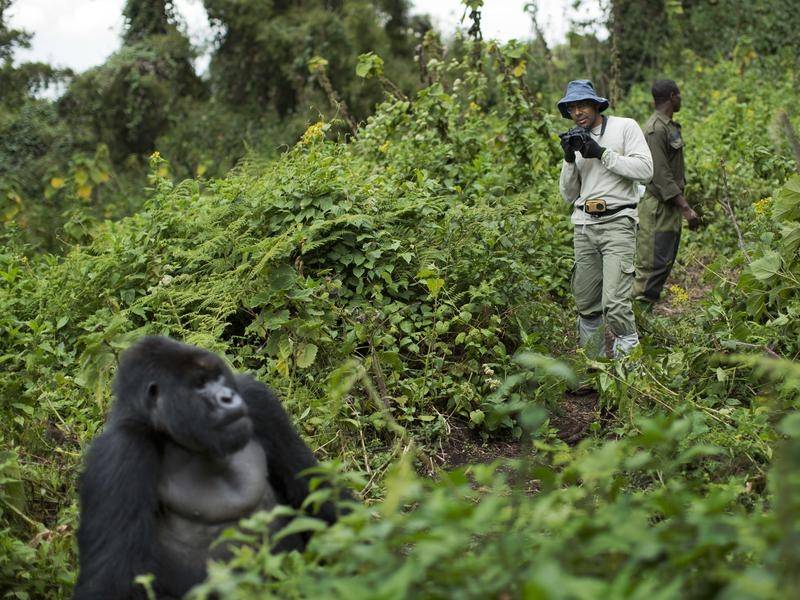
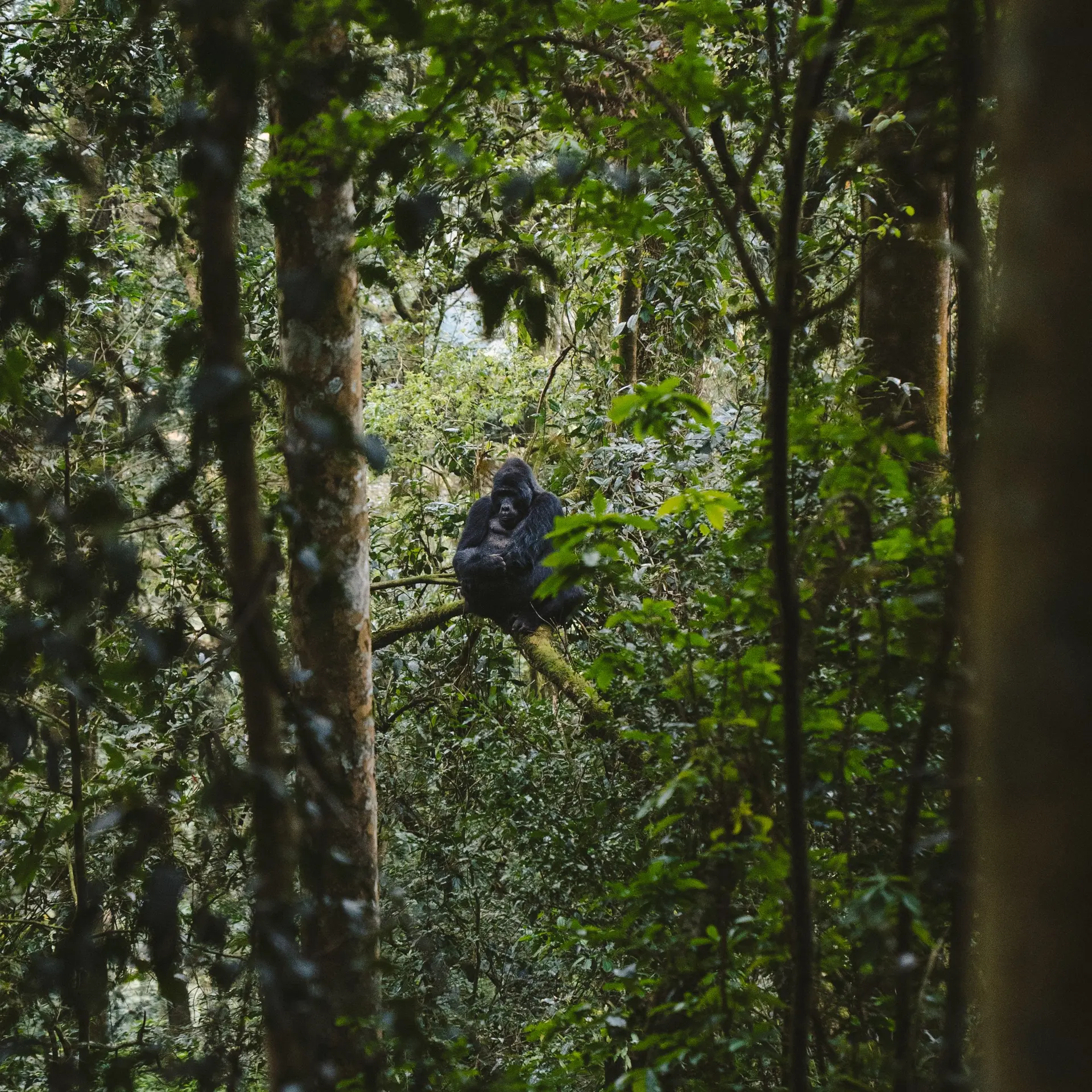
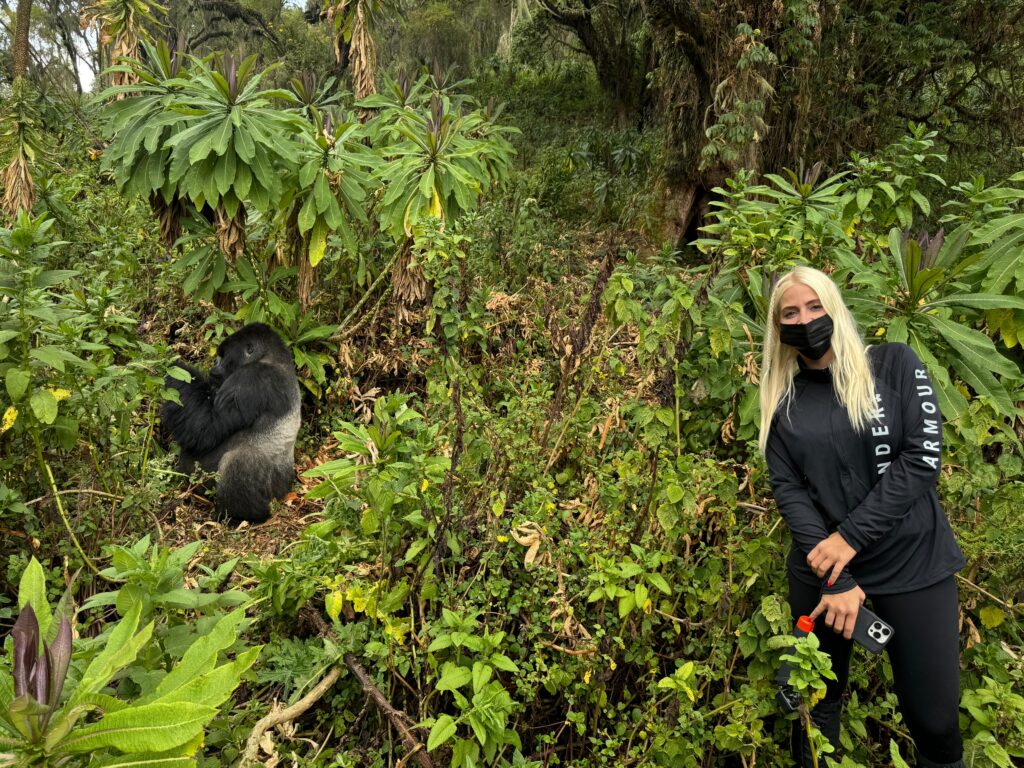
This variability is one of the reasons online answers feel contradictory. Some travelers describe gorilla trekking as surprisingly manageable, while others recall it as physically demanding. Both experiences can be true at the same time, depending on conditions and expectations.
Another reason confusion exists is that people often approach the question incorrectly. Asking whether gorilla trekking is “hard” or “easy” oversimplifies an experience that is intentionally flexible. Gorilla trekking is not a competitive activity, a timed hike, or an endurance challenge. It is a guided wildlife encounter where pacing, rest, and adaptation are built into the process.
In practical terms, how difficult gorilla trekking feels is shaped far more by planning and mindset than by raw fitness alone. When expectations are realistic and preparation is thoughtful, most travelers find the experience demanding but achievable rather than intimidating.
What People Mean When They Ask “How Difficult Is Gorilla Trekking”
When travelers ask how difficult is gorilla trekking, they are rarely asking only about physical exertion. More often, the question reflects a combination of concerns that are not always stated clearly.
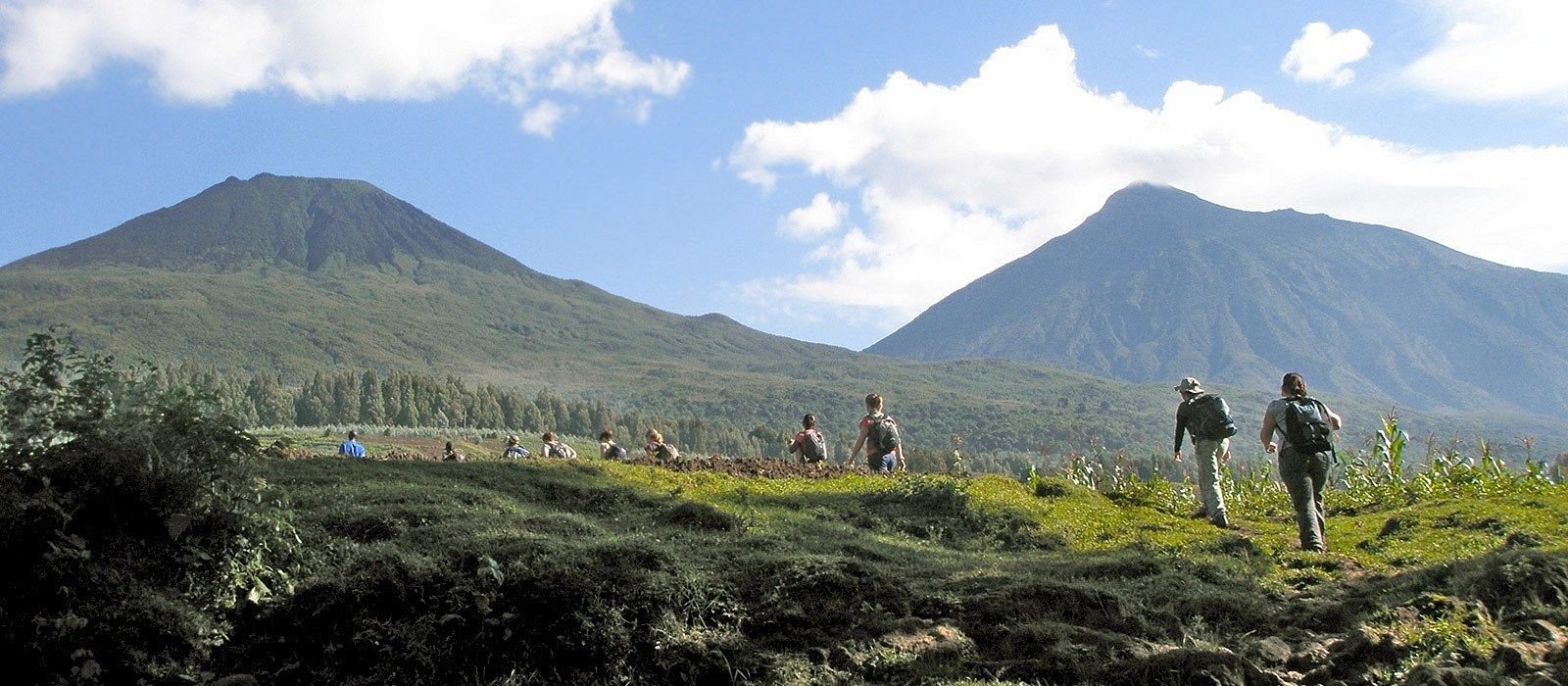
One common concern is terrain. Many people imagine near-vertical climbs, dangerous paths, or constant scrambling. While gorilla trekking does take place in forested and sometimes hilly environments, movement is slow and controlled. Trails are assessed daily, and guides choose routes based on safety rather than challenge.
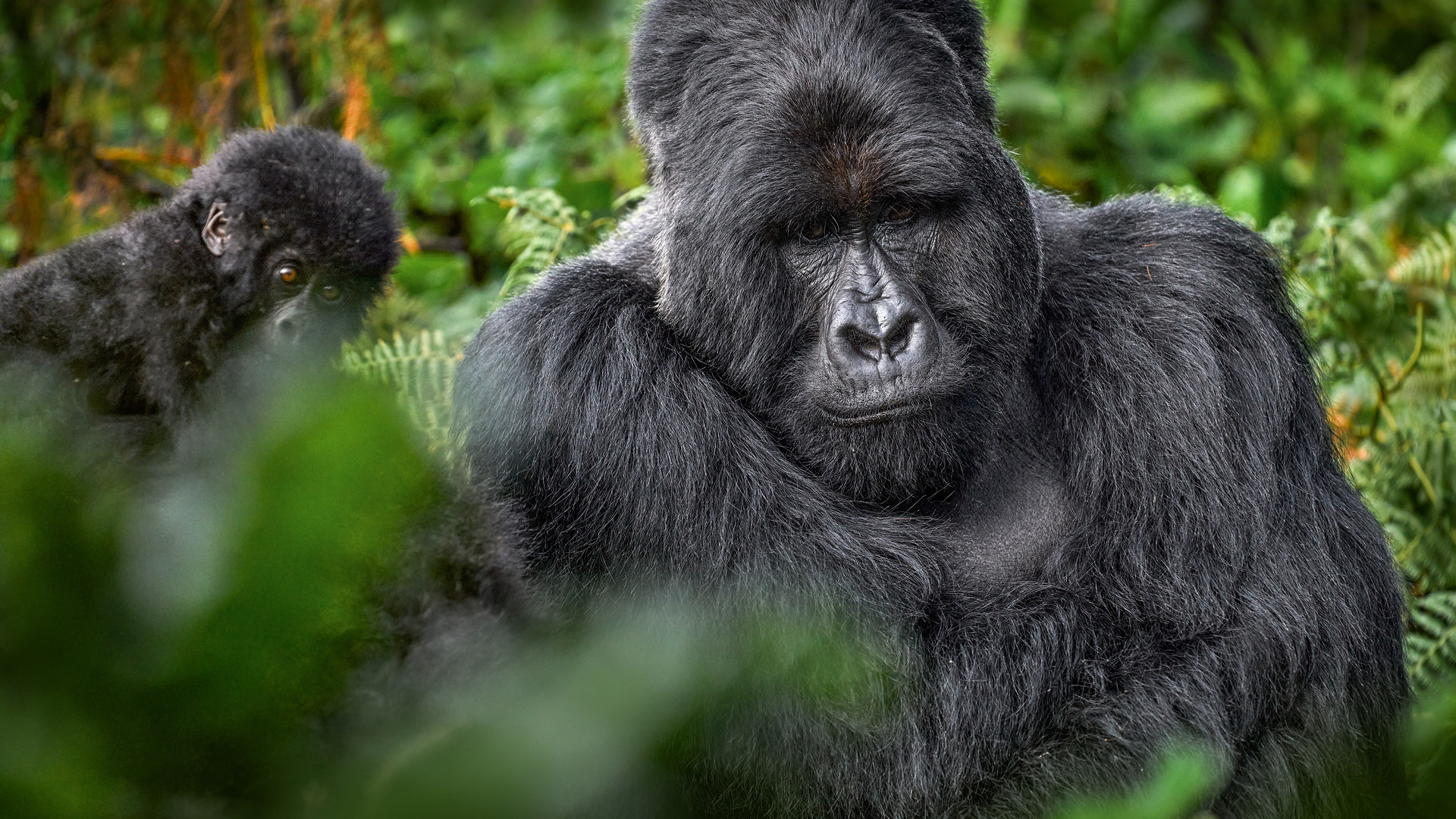
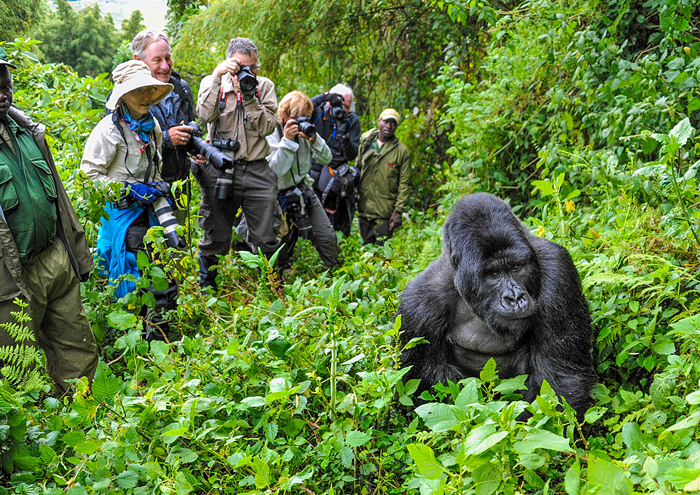
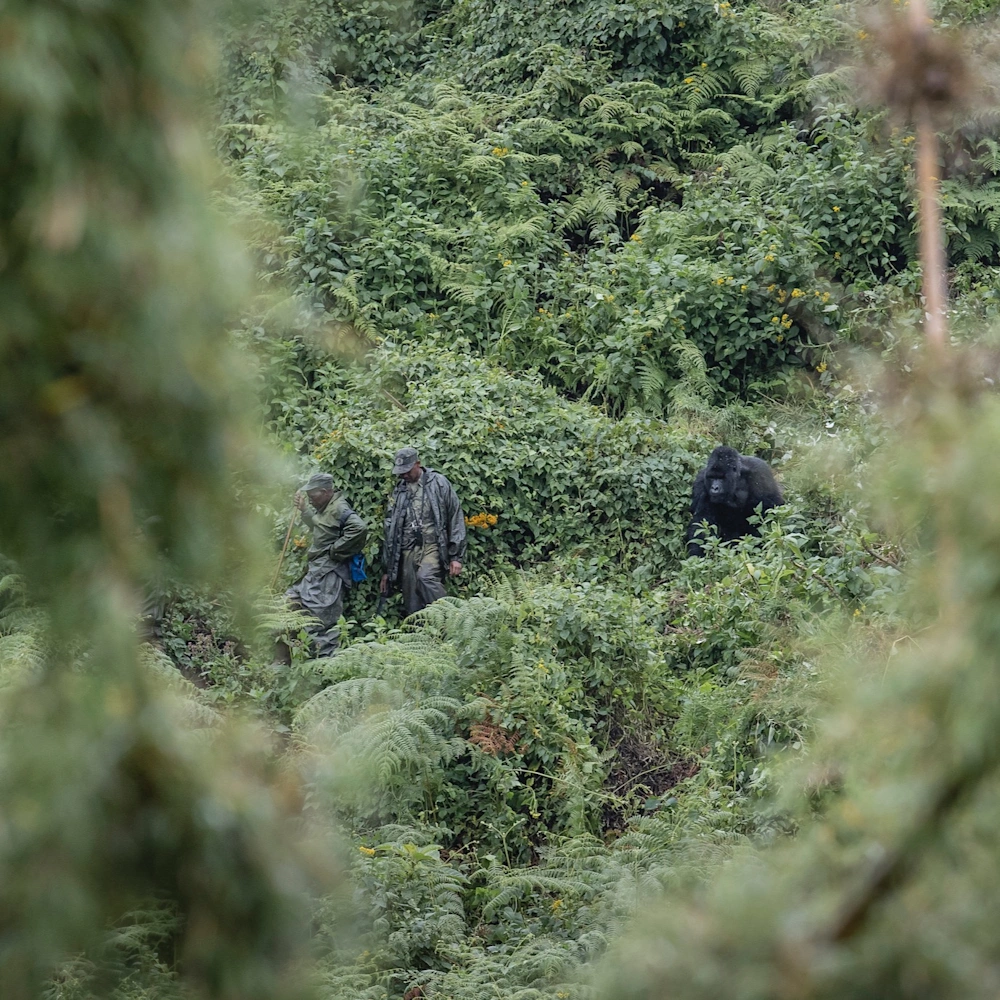
Another concern is distance. Some travelers fear walking for endless hours without breaks. In reality, trekking time varies, and breaks are frequent. The pace is set by the group and the guide, not by an arbitrary target. There is no expectation to push through discomfort for the sake of completion.
Fitness requirements are another major source of anxiety. Many travelers worry they are “not fit enough” or that they will be the weakest person in the group. Gorilla trekking groups are small, and guides are trained to manage mixed abilities. Being reasonably mobile matters far more than being athletic.
There is also an emotional element that is rarely discussed openly: the fear of embarrassment. Some travelers worry about holding others back or appearing incapable. In practice, this concern fades quickly once the trek begins. Gorilla trekking is cooperative, not competitive, and the environment is supportive rather than judgmental.
Understanding these underlying fears helps explain why how difficult gorilla trekking is can feel like such a loaded question. What people are really asking is whether they will feel safe, capable, and comfortable not whether the experience requires exceptional strength.
Gorilla Trekking Is Not a Hike — Here’s Why That Matters
One of the most important reasons gorilla trekking difficulty is misunderstood is that people imagine it as a traditional hike. This comparison is misleading and often increases unnecessary anxiety.
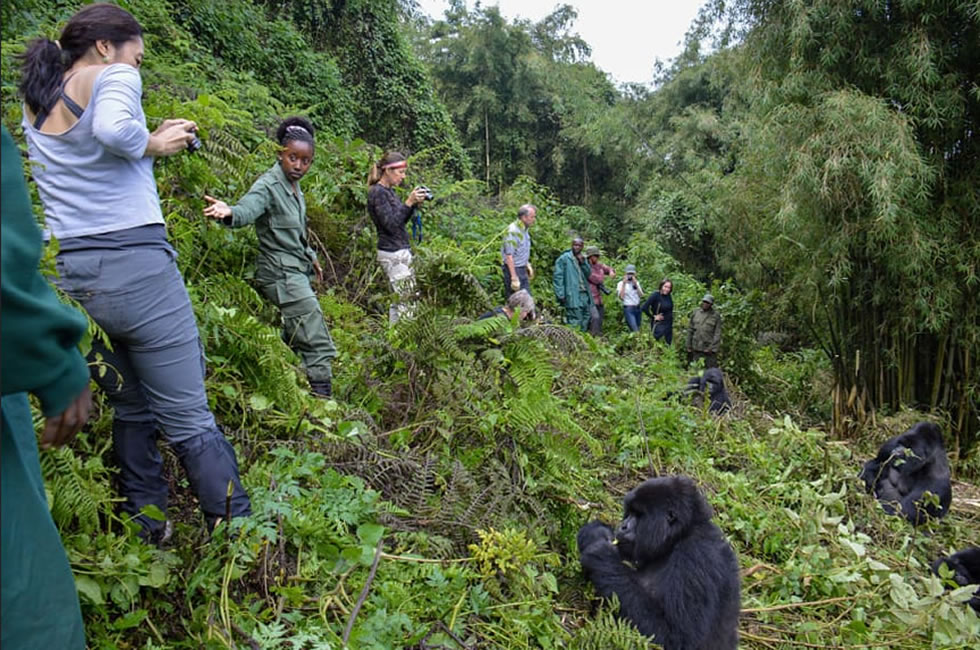
A hike implies self-navigation, fixed distances, and a goal defined by reaching a destination. Gorilla trekking works differently. You are fully guided from start to finish, accompanied by trained trackers, rangers, and guides whose sole responsibility is to manage pace, safety, and positioning.
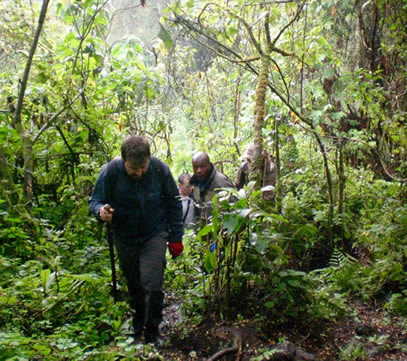
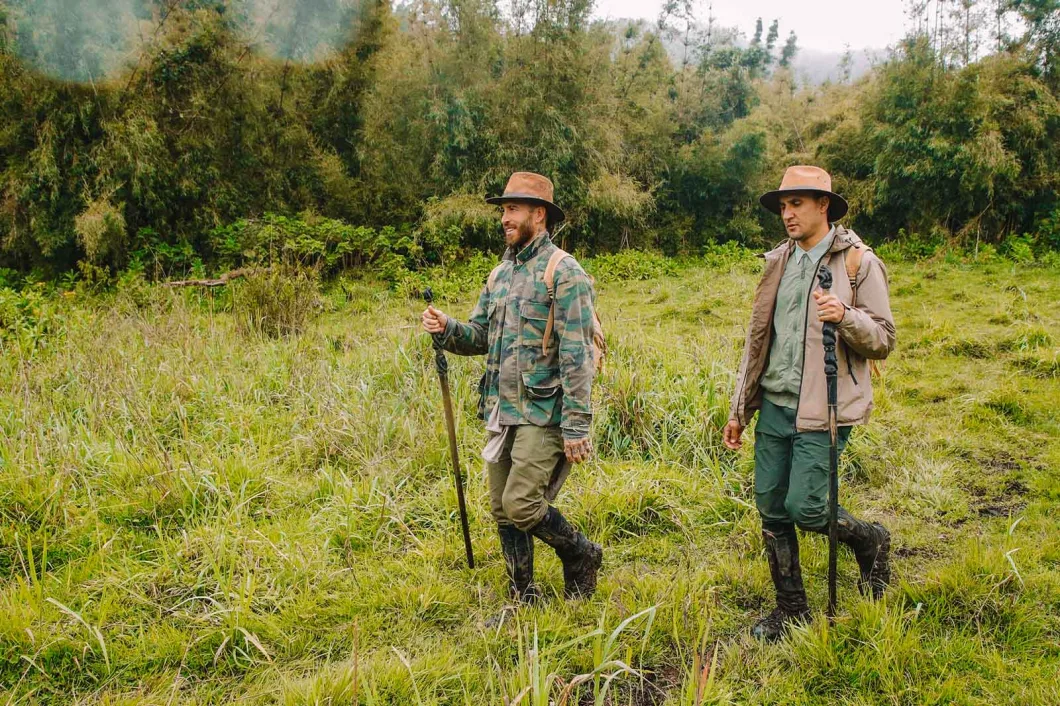
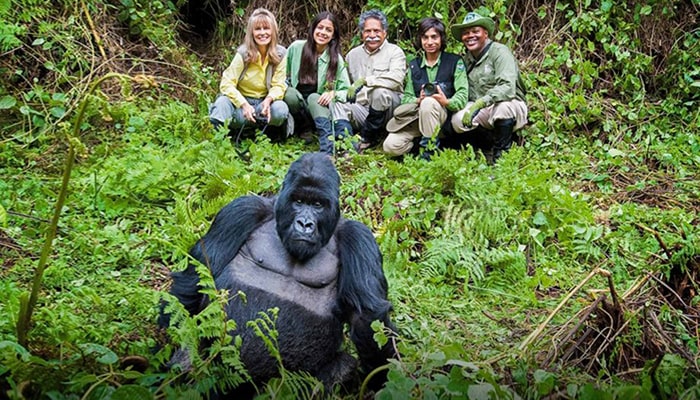
You do not navigate. You do not choose routes. You do not need to maintain a certain speed. If the group needs to stop, the group stops. If conditions require adjustment, the plan changes. The experience is responsive rather than rigid.
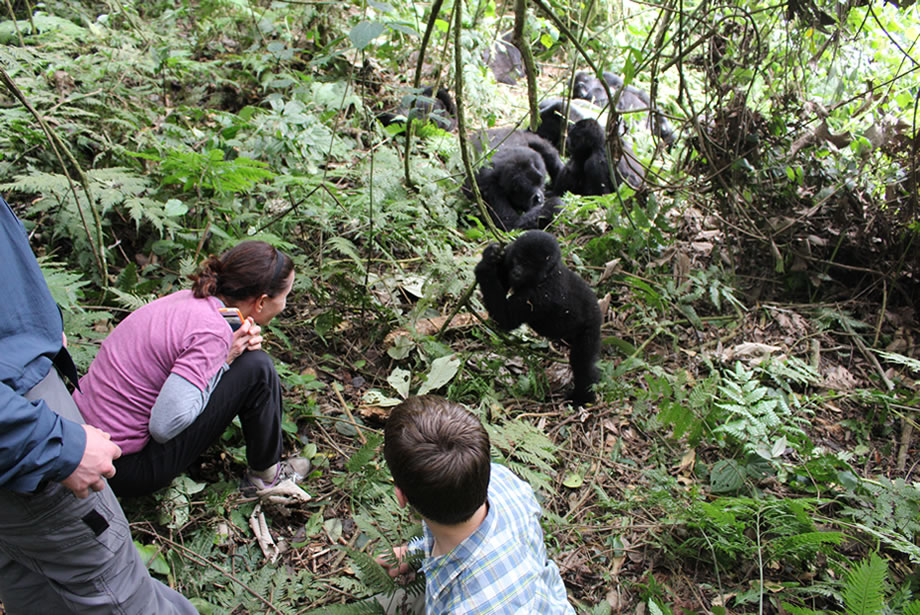
Another key difference is that the objective of gorilla trekking is not distance covered but the encounter itself. The trek ends when the gorilla family is reached, regardless of how long or short the walk has been. There is no reward for going farther or faster.
This distinction matters because it reframes how difficult gorilla trekking actually is. The experience is not about enduring discomfort; it is about moving carefully through a natural environment with professional support. Difficulty is managed continuously rather than imposed.
When travelers stop viewing gorilla trekking as a hike and begin to understand it as a guided wildlife experience, perceived difficulty often drops significantly. Expectations align with reality, and anxiety gives way to curiosity and focus.
Understanding Difficulty as Variable, Not Fixed
Perhaps the most important takeaway in understanding how difficult gorilla trekking is lies in accepting that difficulty is not fixed. It is shaped by daily conditions, personal comfort, and planning choices rather than by a single standard.
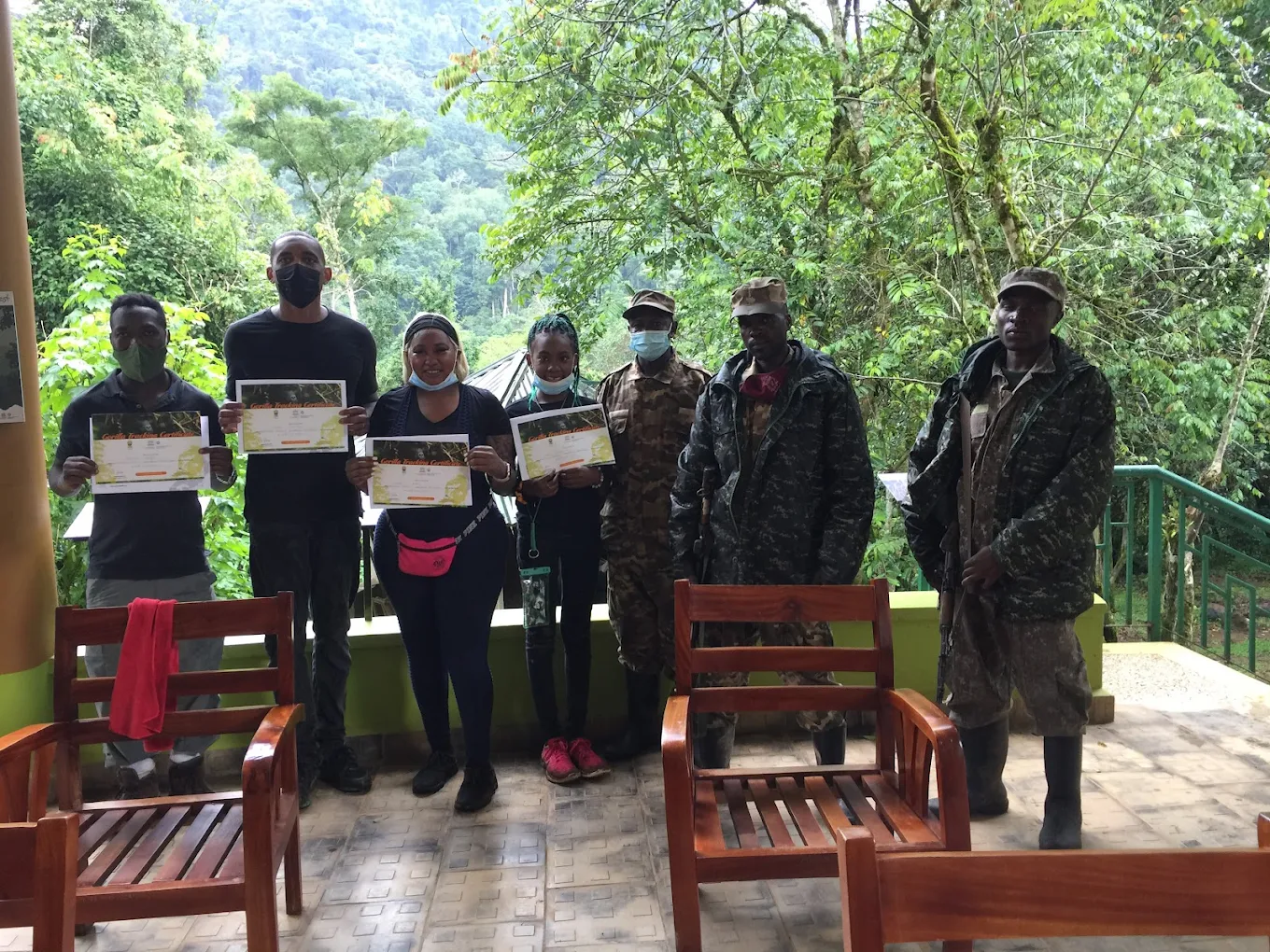
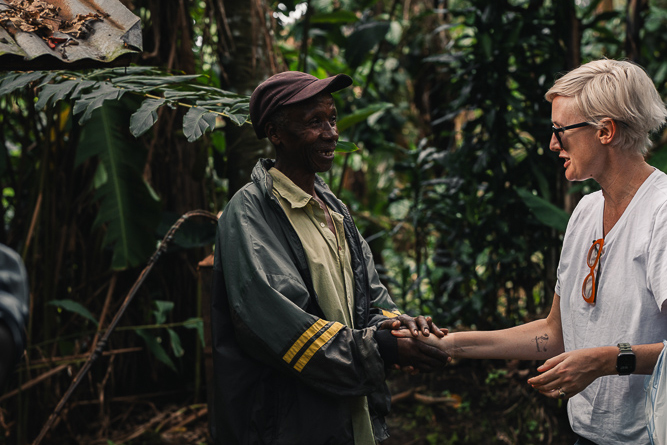
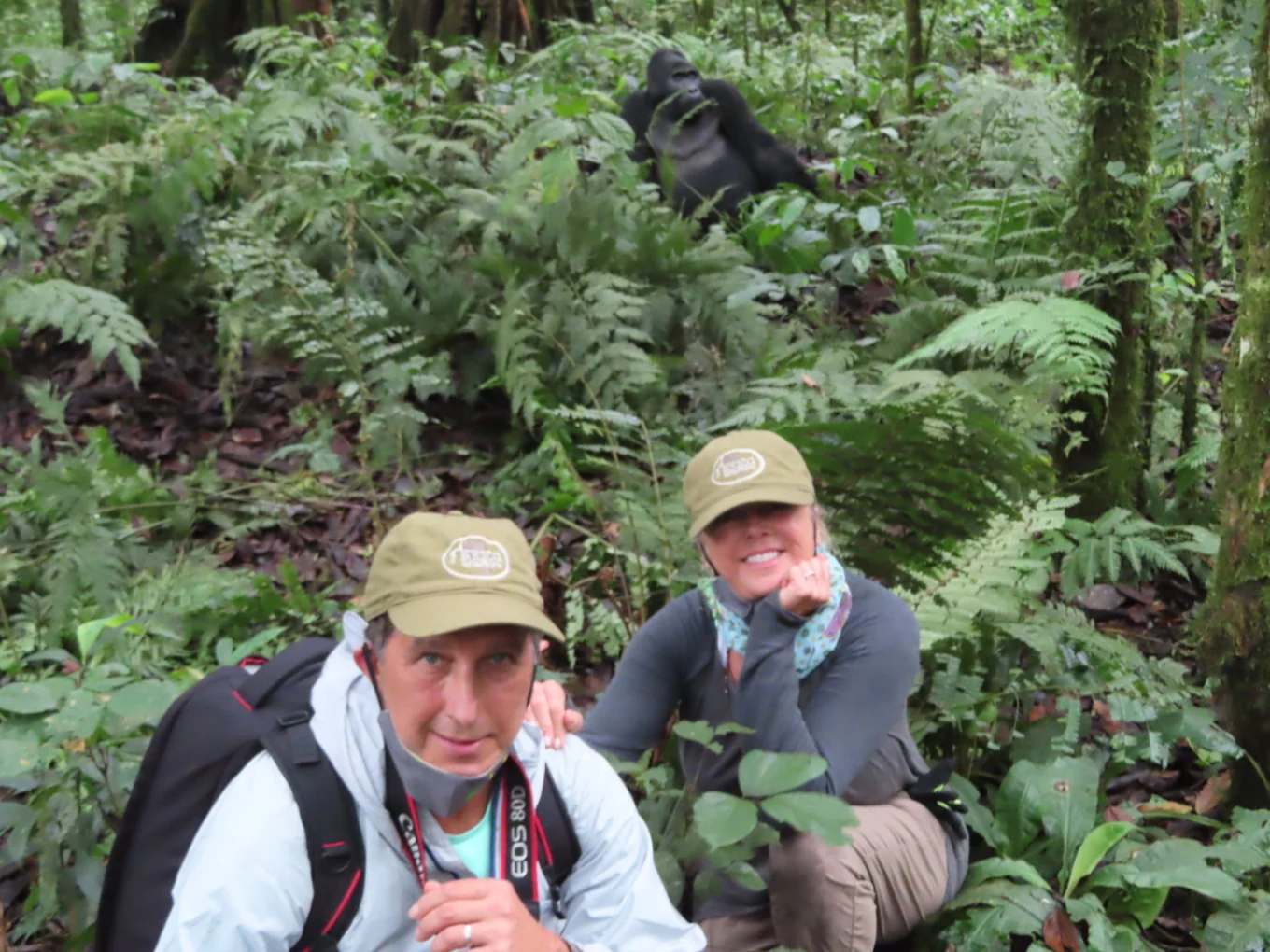
Some days are easier. Some are more demanding. Neither outcome reflects success or failure. The experience is designed to work within natural variability while keeping safety and accessibility at the forefront.
This is why two travelers can describe gorilla trekking very differently and still be telling the truth. It is also why relying on extreme stories or simplified answers rarely provides clarity.
By approaching gorilla trekking with realistic expectations and an understanding of how the experience is managed, most travelers discover that the difficulty is far more manageable than imagined and far less intimidating than online descriptions often suggest.
What Determines How Difficult Gorilla Trekking Will Be
When travelers try to understand how difficult gorilla trekking will be, they often look for a single factor: fitness, age, or distance. In reality, gorilla trekking difficulty is shaped by a combination of variables, most of which are predictable, manageable, and influenced by planning rather than chance.
Difficulty is not random, and it is not purely physical. It is the result of terrain, distance, weather, mindset, and location working together on a given day. Understanding these variables transforms gorilla trekking from an intimidating unknown into a realistic, assessable experience.
This is where many online explanations fail. They describe difficulty as either extreme or minimal, without explaining why experiences differ. The sections below break down the actual factors that influence gorilla trekking difficulty and explain how each one affects what travelers feel on the ground.
Terrain and Elevation: The Biggest Variable
Terrain is the single most important factor when people ask how difficult is gorilla trekking. Gorilla trekking does not take place on paved trails or established hiking paths. It happens in natural rainforest environments where the ground can be uneven, slopes can be steep, and vegetation can be dense.

In some areas, trekking involves gradual inclines and relatively open forest. In others, it can mean navigating steeper slopes, stepping over roots, or moving through thicker undergrowth. None of this is rushed. Movement is slow and deliberate, guided by rangers who prioritize footing and balance over speed.
Mud is another terrain-related factor that affects gorilla trekking difficulty. After rainfall, trails can become slippery, which requires more attention and careful movement. This does not make the trek dangerous, but it does make it more physically engaging. Guides adjust pace immediately in muddy conditions, and porters are available to assist where needed.
Elevation also plays a role. Gorilla trekking takes place at higher altitudes, which can affect breathing and stamina, particularly for those not used to mountain environments. The effect is usually subtle rather than overwhelming, but it can make climbs feel more demanding than they would at sea level.
The key point is that terrain and elevation vary daily. This variability is why how difficult gorilla trekking feels cannot be defined by a single description. What matters is that terrain challenges are expected, managed, and supported, not encountered without preparation.
Distance and Trek Duration: Often Misunderstood
Distance is one of the most misunderstood aspects of gorilla trekking difficulty. Many travelers worry that they will be required to walk for a fixed number of hours or cover a long, predetermined route. That is not how gorilla trekking works.
A trek can last as little as 30 minutes or as long as several hours, depending on where the gorilla family is located on that particular day. Gorilla families move constantly, and trackers locate them early each morning before assigning trekking groups.
This uncertainty is what causes anxiety. People assume that not knowing the distance in advance makes the experience harder. In practice, it does the opposite. Because the goal is not distance but encounter, there is no pressure to “complete” a route. The trek ends when the gorillas are found, regardless of how far you have walked.
This flexibility is central to understanding how difficult gorilla trekking actually is. You are not racing a clock or trying to reach a summit. The experience adapts to conditions, group ability, and safety considerations in real time.
Perceived difficulty often comes from imagining the longest possible trek rather than accepting the range of possibilities. Once travelers understand that duration is variable and not performance-based, anxiety drops and stamina improves naturally.
Weather and Trail Conditions
Weather is another factor that influences how difficult gorilla trekking feels, but it is often misunderstood. Rain does not make gorilla trekking unsafe. Instead, it changes how the trek is approached.
Rain can make trails muddier and vegetation heavier with moisture, which slows movement and requires more careful footing. Guides respond by adjusting pace, choosing alternative paths when possible, and increasing rest breaks. Trekking days do not become harder because of rain; they become slower and more deliberate.
Humidity can also affect comfort. Walking in warm, humid conditions requires steady pacing and hydration, both of which are closely managed by guides. These conditions are anticipated, not unexpected, and they rarely catch travelers off guard when properly briefed.
Weather is one of the reasons gorilla trekking difficulty cannot be standardized. Two treks of the same distance can feel very different depending on trail conditions. The critical factor is not the weather itself, but how the trek is adapted in response to it.
Fitness Level Versus Mental Readiness
One of the most revealing aspects of how difficult gorilla trekking feels is the role of mindset. Physical fitness matters, but mental readiness often matters more.
Gorilla trekking does not require athletic training or exceptional endurance. Most people with average mobility and general fitness are capable of completing a trek comfortably. What often increases perceived difficulty is tension, fear, or overthinking before the trek even begins.
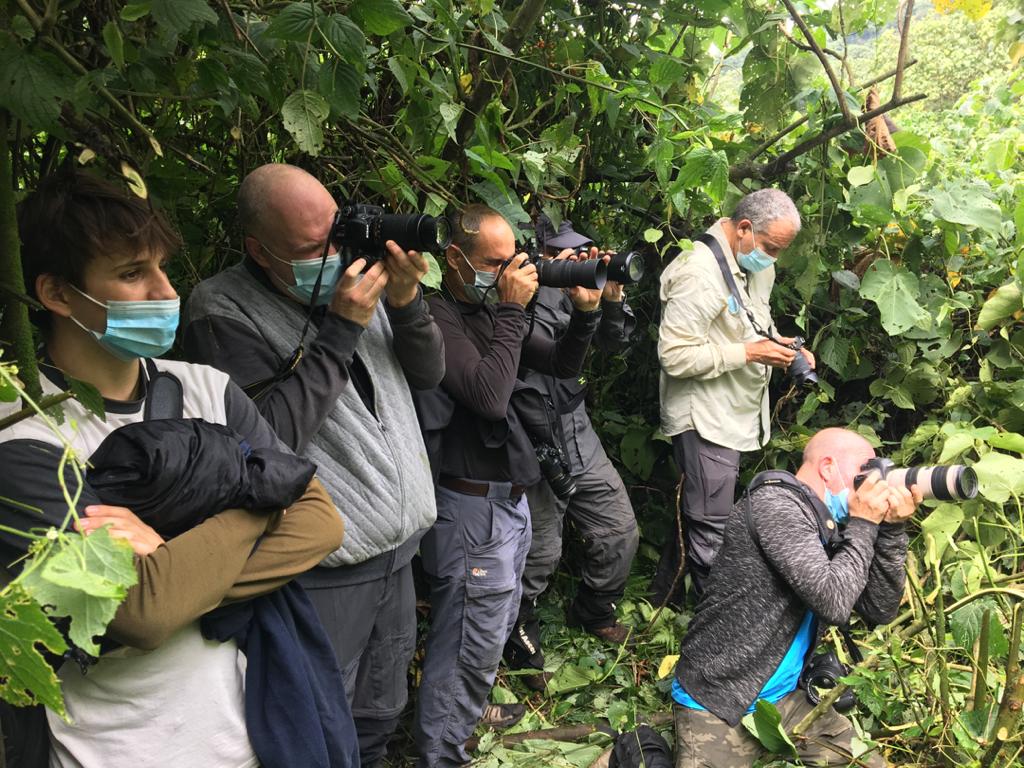
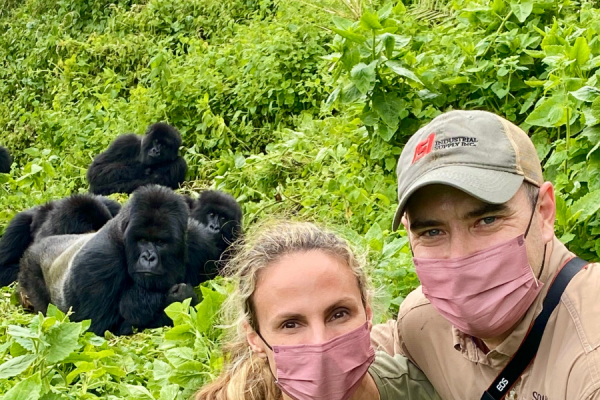
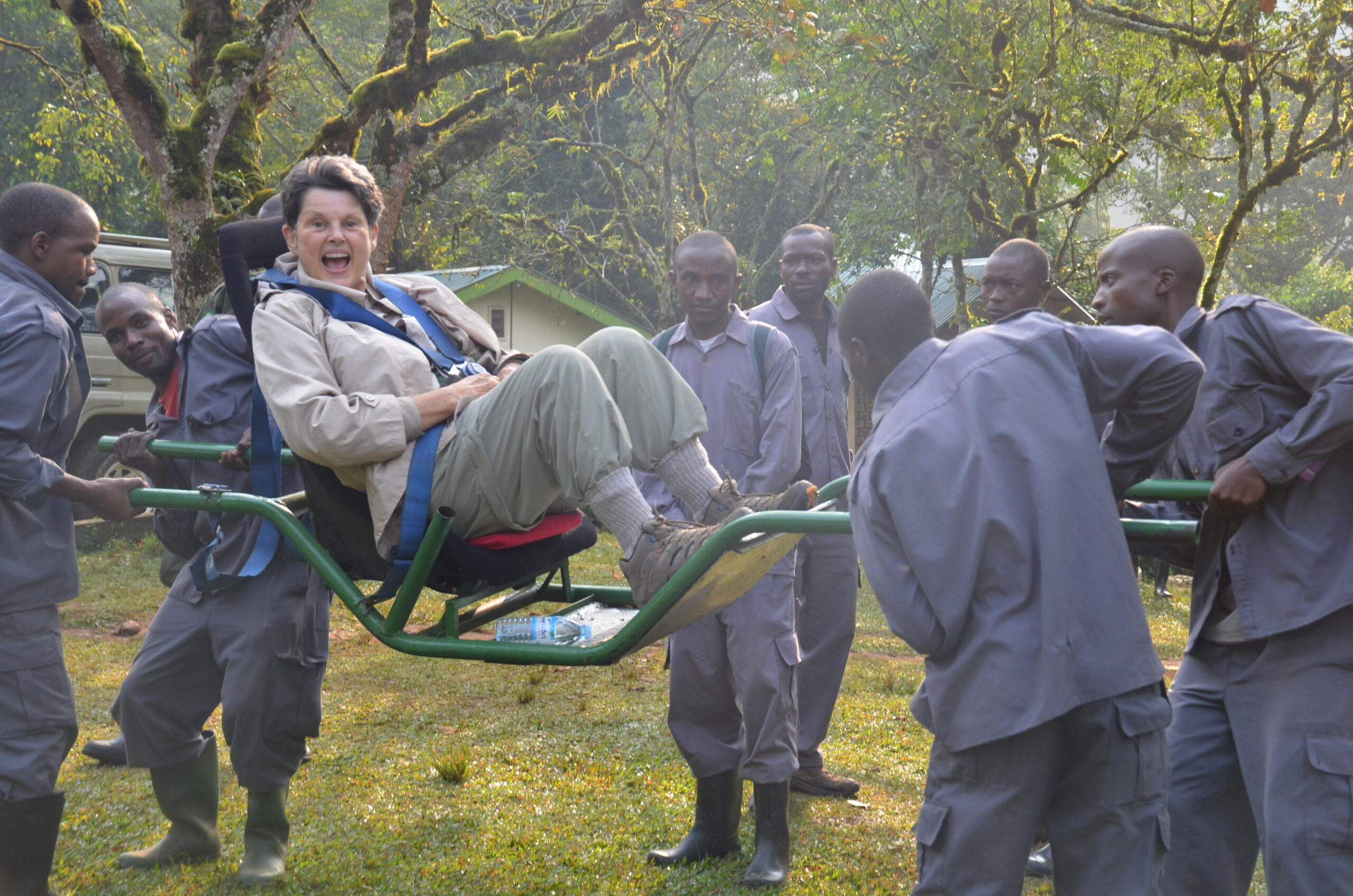
Anxious travelers tend to conserve energy unnecessarily, tighten their movements, and interpret normal exertion as a sign of failure. Calm travelers move more fluidly, take breaks without guilt, and experience less fatigue even under similar physical conditions.
This is why two people with similar fitness levels can describe gorilla trekking difficulty very differently. One focuses on discomfort, the other on process. Guides play an important role here, setting expectations and reinforcing that there is no “right” pace or performance standard.
Understanding that gorilla trekking is cooperative rather than competitive reframes the experience. When travelers stop measuring themselves against imagined benchmarks, the trek often feels far more manageable.
Uganda Versus Rwanda: Does Difficulty Differ?
Another common question linked to how difficult gorilla trekking is involves destination choice. Travelers often ask whether trekking is easier in Uganda or Rwanda, hoping to choose the “less difficult” option.
In Uganda, trekking takes place primarily in Bwindi Impenetrable National Park, a dense rainforest with varied terrain and multiple trekking sectors. The forest can feel thick and immersive, with steeper sections in some areas and gentler slopes in others. Trek difficulty varies significantly depending on the sector and the gorilla family assigned.
In Rwanda, gorilla trekking occurs in Volcanoes National Park, which is characterized by more open slopes and volcanic terrain. Trails can feel less enclosed, and access from Kigali is faster, reducing overall travel fatigue before the trek.
Neither destination is inherently easier or harder. Uganda may feel more physically engaging due to forest density, while Rwanda may feel more exposed due to open terrain. Both countries use trek allocation systems that assign travelers to gorilla families based on fitness and comfort levels.
This allocation process is critical. It ensures that perceived difficulty aligns with individual capability rather than imposing a one-size-fits-all challenge. As a result, how difficult gorilla trekking feels is often similar in both destinations when planned correctly, even though the environments differ.
Why These Variables Matter More Than Labels
Understanding these five variables explains why labels like “easy” or “hard” fail to describe gorilla trekking accurately. Difficulty is contextual. It changes based on conditions, preparation, and expectations.
Travelers who approach the experience informed and supported rarely find gorilla trekking overwhelming. Those who rely on extreme anecdotes or vague online descriptions often overestimate difficulty before they arrive.
By breaking down how difficult gorilla trekking is into terrain, distance, weather, mindset, and location, the experience becomes understandable rather than intimidating. This clarity is what allows travelers to prepare realistically and enjoy the trek rather than endure it.
How Difficult Is Gorilla Trekking for First-Time Travelers?
For first-time travelers, the question how difficult is gorilla trekking is often shaped more by imagination than by reality. Without prior experience to draw on, it is easy to picture the trek as something extreme: long hours of hiking, steep climbs, and physical strain beyond what feels comfortable.
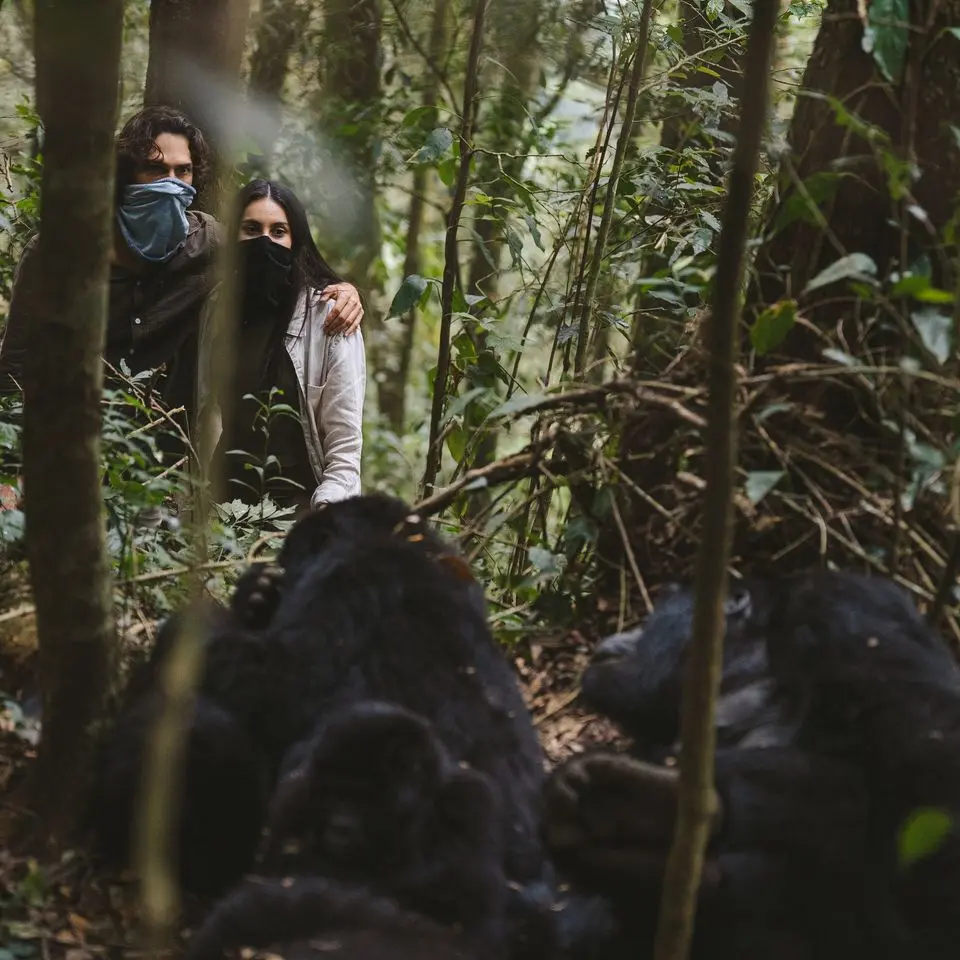
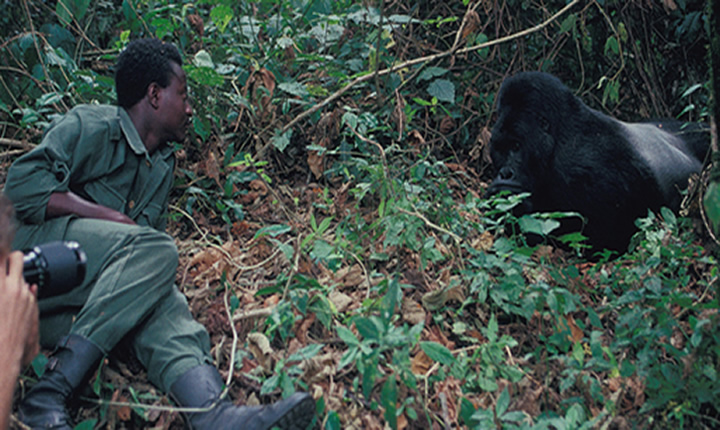
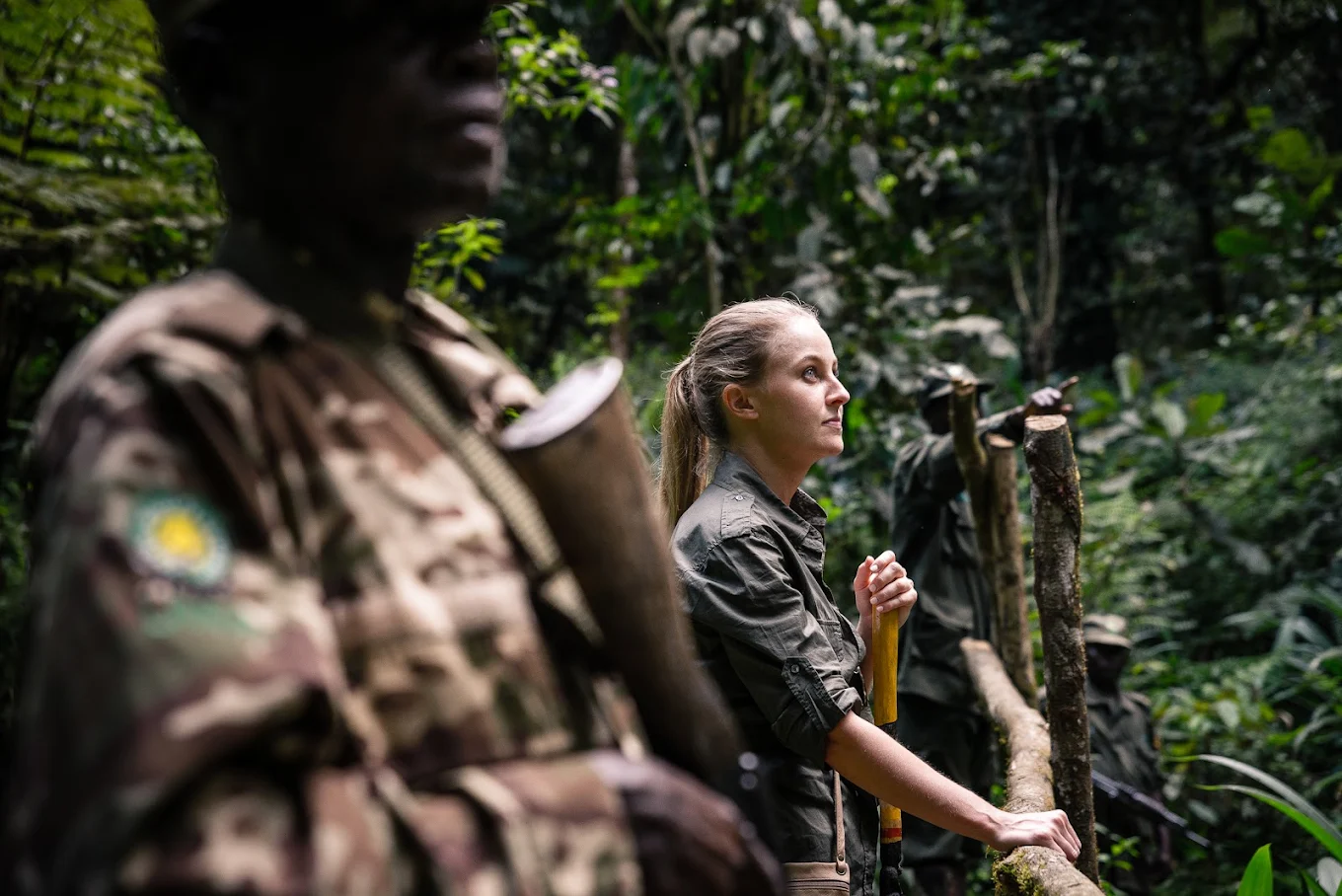
In practice, first-time travelers tend to overestimate difficulty because they lack context. Gorilla trekking is unfamiliar, and unfamiliar experiences often feel harder before they begin. Many first-time trekkers assume that everyone else in the group will be fitter, faster, or more confident, which increases anxiety and makes the idea of the trek feel more demanding than it usually is.
What changes this perception almost immediately is preparation and briefing. Once travelers understand that gorilla trekking is guided, paced, and flexible, fear gives way to focus. Knowing that you are not expected to rush, compete, or push through discomfort fundamentally changes how difficult the experience feels.
Preparation also reframes effort. When first-time travelers know what terrain might look like, how long a trek could last, and that breaks are normal, physical exertion becomes expected rather than alarming. As a result, many first-time trekkers finish their experience surprised by how manageable it felt, even if it was physically engaging.
For most first-time visitors, how difficult gorilla trekking feels is less about fitness and more about expectation. Once expectations align with reality, the experience becomes challenging in a positive, purposeful way rather than intimidating.
How Difficult Is Gorilla Trekking for Older Travelers?
Older travelers often approach the question how difficult is gorilla trekking with a practical mindset. They are less concerned with adventure and more focused on safety, pacing, and whether their age will work against them.
In reality, age alone is not a determining factor in gorilla trekking difficulty. What matters far more is mobility, comfort with walking on uneven ground, and the ability to communicate openly with guides about pace and rest. Gorilla trekking systems are designed to accommodate a wide range of ages, including travelers well into their 60s and 70s.
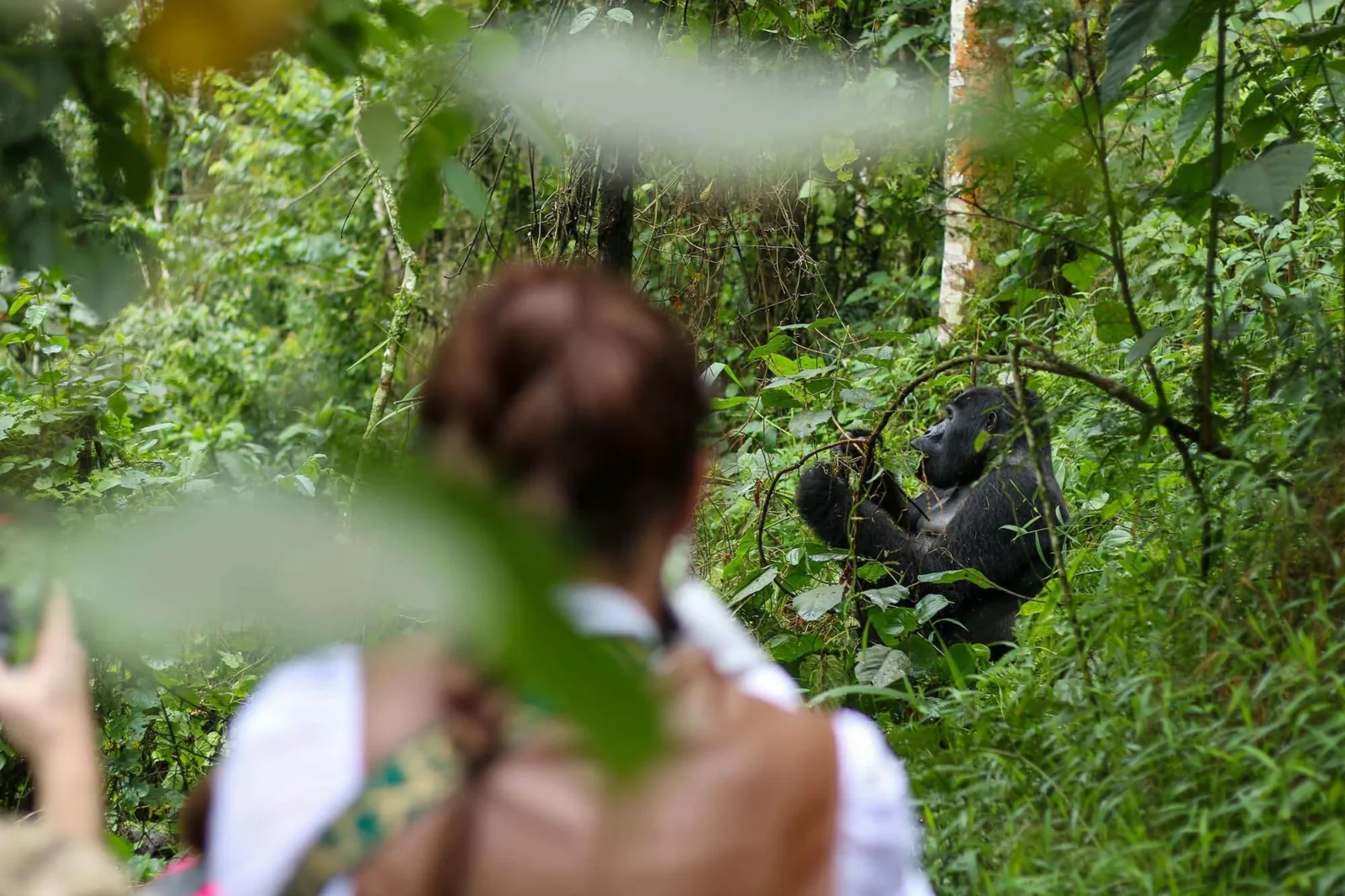
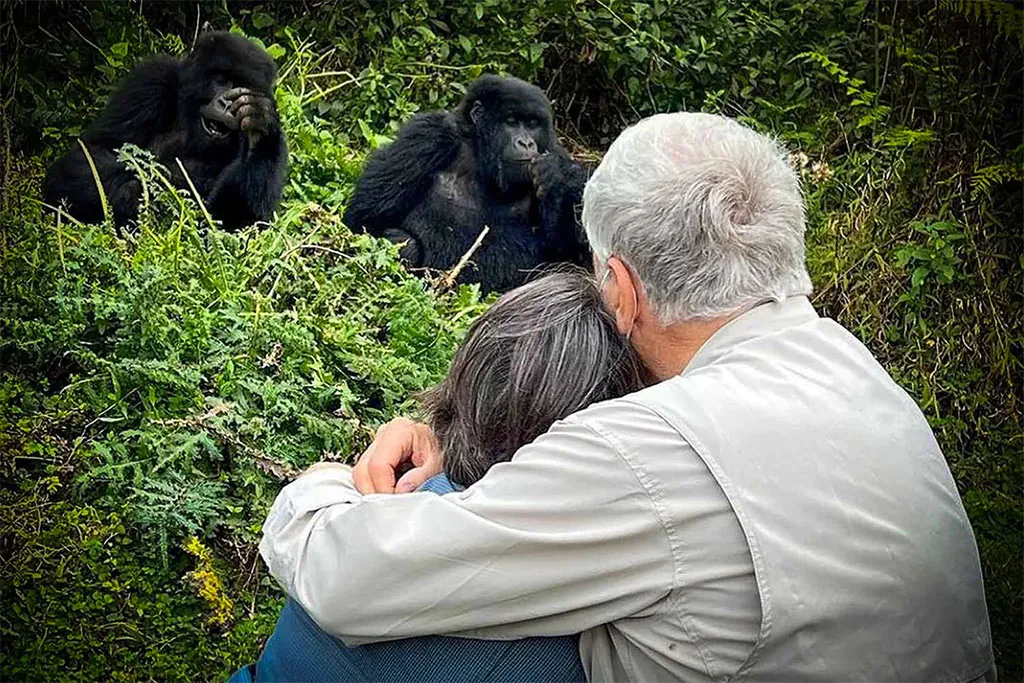
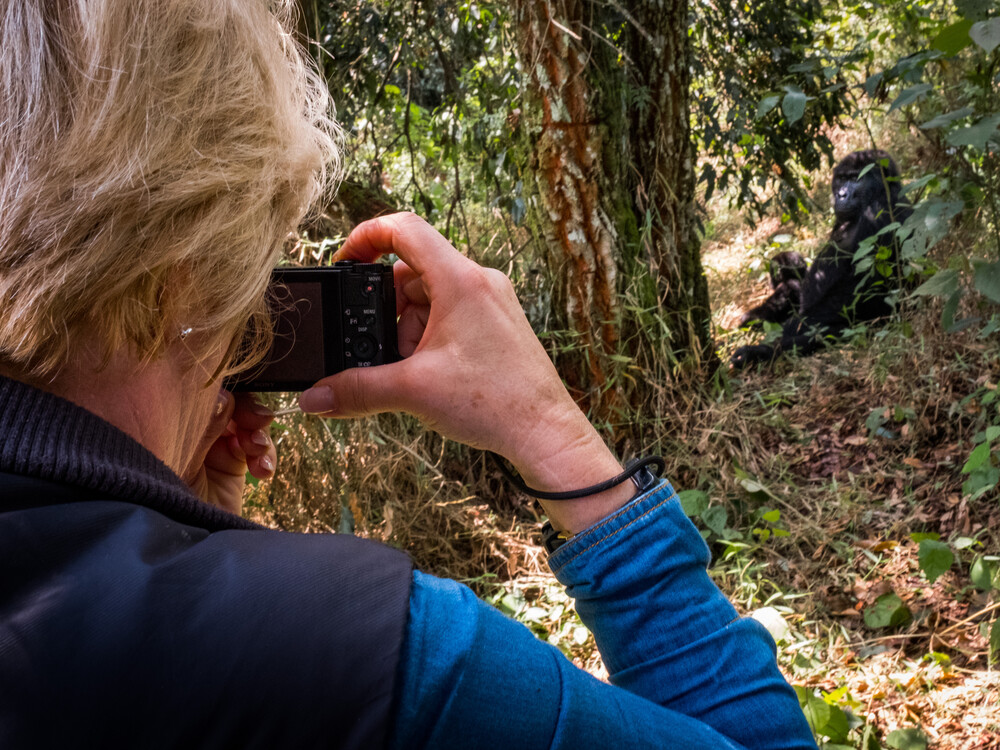
One of the most important support mechanisms for older travelers is the availability of porters. Porters assist with carrying daypacks and can offer physical support on steeper or slippery sections. Their presence reduces strain, improves balance, and conserves energy, which significantly lowers perceived difficulty.
Another critical factor is trek allocation. Rangers assign visitors to gorilla families based on fitness and comfort, not age labels. Shorter or less demanding treks are intentionally matched to those who prefer a gentler pace, which is why gorilla trekking remains safe and manageable for older travelers.
Pace control is equally important. Guides regulate speed and rest frequency continuously, adjusting the trek to the group rather than forcing the group to match a preset pace. This flexibility ensures that older travelers are not rushed or pressured.
When properly planned, how difficult gorilla trekking feels for older travelers is often far less than expected. The experience may be physically engaging, but it is not designed to test limits. It is designed to be completed comfortably, safely, and with dignity.
How Difficult Is Gorilla Trekking for Luxury Travelers?
For luxury travelers, how difficult is gorilla trekking is not just a physical question — it is a logistical one. Difficulty is closely linked to fatigue, comfort, and how much energy is spent navigating travel rather than enjoying the experience.
This is where luxury planning fundamentally changes perception. Luxury planning changes how difficult gorilla trekking feels, not by altering the trek itself, but by removing unnecessary strain around it.
Lodge proximity is one of the most important factors. Staying close to trekking sectors reduces early-morning travel, preserves energy, and allows travelers to arrive calm and rested. Less fatigue before the trek directly translates into lower perceived difficulty during the trek.
Luxury itineraries also prioritize reduced fatigue through smarter logistics. Private vehicles, efficient transfers, and well-spaced schedules ensure that trekking days are not stacked on top of exhausting travel days. This pacing allows travelers to focus physical effort where it matters, rather than arriving already depleted.
Private pacing further lowers difficulty. Luxury travelers are not constrained by group schedules outside the trek. Guides have the flexibility to adapt timing, rest breaks, and post-trek recovery based on individual needs. This autonomy removes pressure and allows effort to feel intentional rather than forced.
For luxury travelers, gorilla trekking rarely feels “easy,” but it often feels controlled, supported, and purposeful. That distinction is critical. Difficulty becomes part of the experience rather than an obstacle to it.
What Happens If You Struggle During the Trek?
One of the most reassuring aspects of gorilla trekking is what happens if a traveler struggles. Many people asking how difficult is gorilla trekking are really asking what happens if they cannot continue.
The answer is simple and calm: there is no penalty for stopping. You can pause, rest, or slow down whenever needed. Guides are trained to watch for signs of fatigue and will adjust pacing without waiting to be asked.
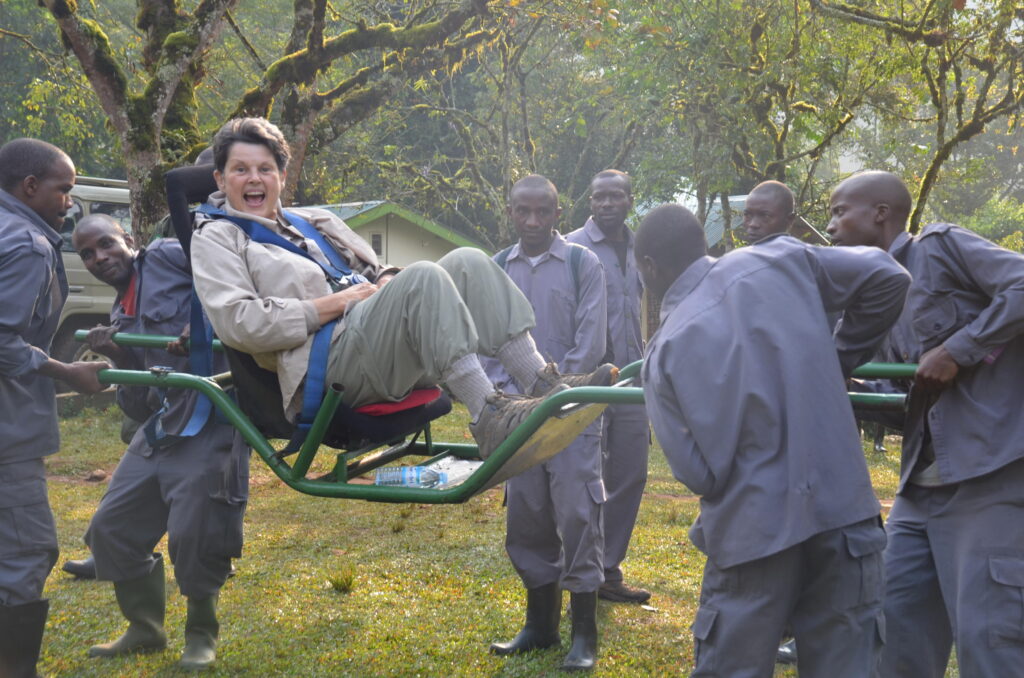
If a traveler needs to turn back, that option exists. There is no obligation to complete a trek at all costs. Safety and well-being always take priority over reaching the gorillas.
Importantly, there is no pressure to perform. Gorilla trekking is not a test, and no one is judged for needing assistance or choosing comfort over completion. This supportive environment removes much of the psychological weight that makes activities feel harder than they are.
Knowing that the experience is flexible and that help is always available often reduces anxiety enough that travelers end up completing the trek comfortably anyway.
So… How Difficult Is Gorilla Trekking Really?
After understanding who finds gorilla trekking challenging and how difficulty is managed, the answer becomes clearer. How difficult is gorilla trekking really? It is variable, guided, and manageable.
Gorilla trekking is harder than a casual walk and more physically engaging than many people expect. At the same time, it is far less extreme than the most dramatic descriptions suggest. Difficulty changes from day to day and from person to person, shaped by terrain, conditions, mindset, and planning rather than by a fixed standard.
The experience is structured to support success, not to create hardship. Guides, rangers, porters, and planners all play a role in ensuring that difficulty remains within reasonable, safe limits.
When approached with realistic expectations and thoughtful preparation, most travelers discover that gorilla trekking feels challenging in a meaningful way, not overwhelming. It is an experience that asks for effort, but rewards it with perspective, connection, and a sense of achievement.
In that context, difficulty is not something to fear. It is part of what makes the encounter unforgettable.
Frequently Asked Questions — Gorilla Trekking Difficulty
How difficult is gorilla trekking really?
Gorilla trekking is physically engaging but manageable for most travelers. The difficulty varies depending on terrain, weather, and where the gorillas are located on the day of the trek. With professional guides, controlled pacing, and proper planning, most people find gorilla trekking challenging in a positive way rather than overwhelming.
Is gorilla trekking hard for beginners?
For beginners, gorilla trekking often feels less difficult than expected. First-time travelers tend to overestimate the challenge before arriving. Once they experience the guided pace, frequent breaks, and flexible routing, the trek usually feels achievable rather than intimidating.
How long do you walk during gorilla trekking?
A gorilla trek can last anywhere from 30 minutes to several hours. The duration depends on where the gorilla family is located that day. There is no fixed distance, and the trek ends once the gorillas are reached.
Do you need to be very fit to do gorilla trekking?
No, you do not need to be extremely fit. Average mobility and basic walking ability are usually sufficient. Mental readiness, pacing, and proper support play a bigger role than athletic fitness.
How difficult is gorilla trekking for older travelers?
Gorilla trekking is suitable for many older travelers when planned correctly. Trek allocation, porter assistance, and controlled pacing help ensure the experience remains safe and manageable regardless of age.
Is gorilla trekking more difficult in Uganda or Rwanda?
Neither destination is universally harder. Gorilla trekking in Bwindi Impenetrable National Park involves denser forest terrain, while Volcanoes National Park features more open volcanic slopes. Both countries use trek allocation systems to match difficulty with fitness levels.
What happens if I cannot finish the gorilla trek?
If you struggle during the trek, you can stop, rest, or turn back at any time. There is no pressure to continue, and safety always comes before completion.
Does luxury planning make gorilla trekking easier?
Yes. Lodge proximity, reduced travel fatigue, private pacing, and experienced guides significantly reduce how difficult gorilla trekking feels. Luxury planning focuses on managing effort, not eliminating the experience.
Plan Your Gorilla Trekking Journey with Confidence
Gorilla trekking does not need to feel intimidating. With realistic expectations, thoughtful preparation, and experienced guidance, the difficulty becomes manageable and the experience deeply rewarding.
If you would like honest advice on what to expect and how to plan a gorilla trekking journey that matches your comfort level, a private consultation is the best place to begin.