
How Fit Do You Need to Be for Gorilla Trekking?
A Complete Luxury Traveler Guide
For many travelers planning a luxury gorilla safari, one of the most common and quietly pressing questions is not about permits, lodges, or pricing, but about personal fitness. How fit do you need to be for gorilla trekking? Is it an extreme physical challenge reserved for hikers and athletes, or can it be adapted for comfort-focused, mature or less physically active luxury travelers?
This How fit do you need to be for gorilla trekking guide is written specifically for luxury travelers who want clarity, reassurance, and honest detail. It explores everything there is to know about fitness requirements for gorilla trekking, how treks are structured, how difficulty varies, and how high-end planning transforms what might seem intimidating into an achievable, deeply rewarding experience. Gorilla trekking is not a test of endurance; it is a managed, flexible wildlife encounter that can be shaped around individual capability when planned correctly.
Understanding What Gorilla Trekking Actually Involves
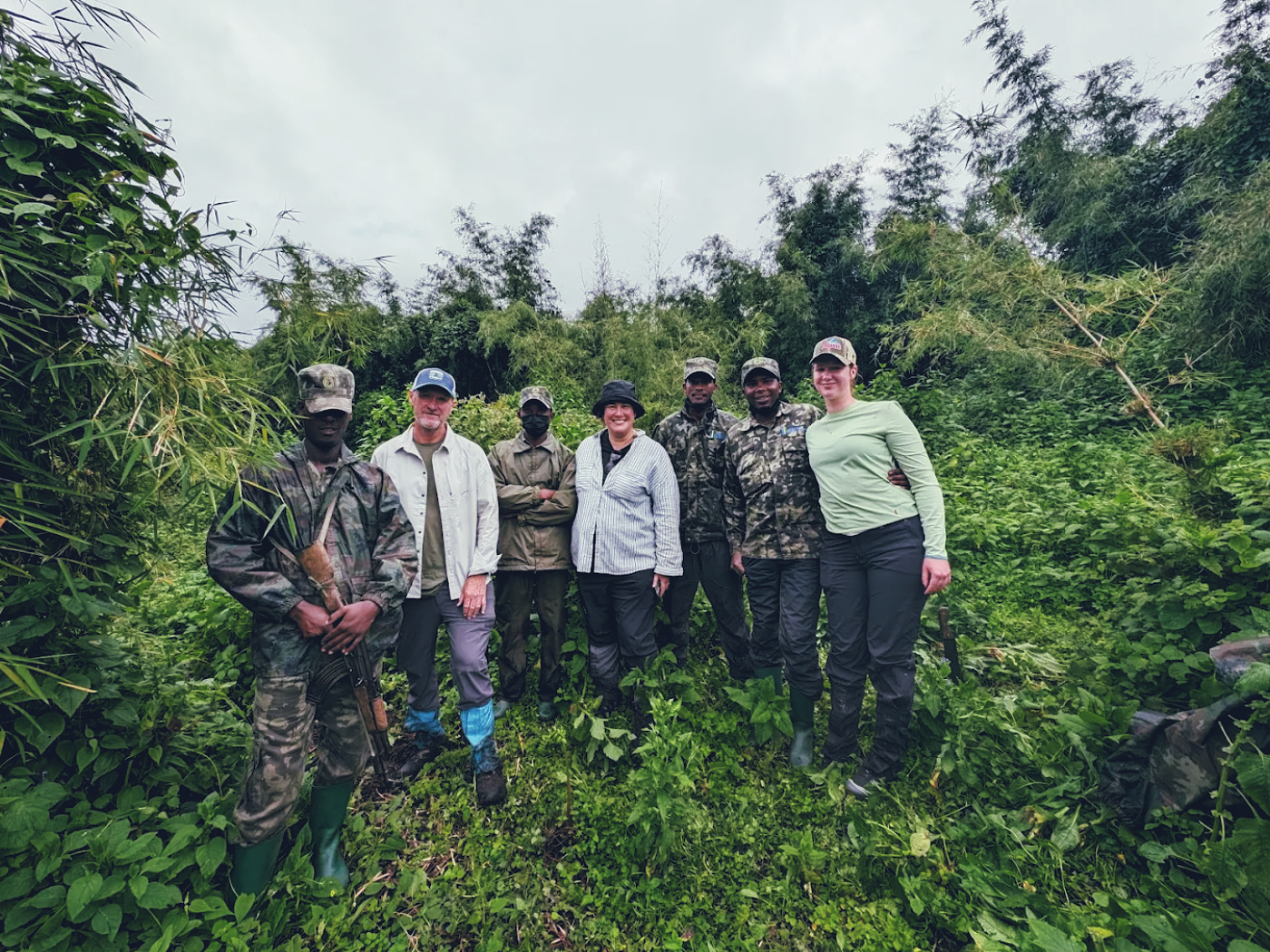
To understand fitness requirements, it is important to understand what gorilla trekking truly is. Gorilla trekking is not a single standardized hike. It is a guided forest walk led by professional rangers who track gorilla families daily. The distance, terrain, and duration of a trek depend entirely on where a particular gorilla family is located on that day.

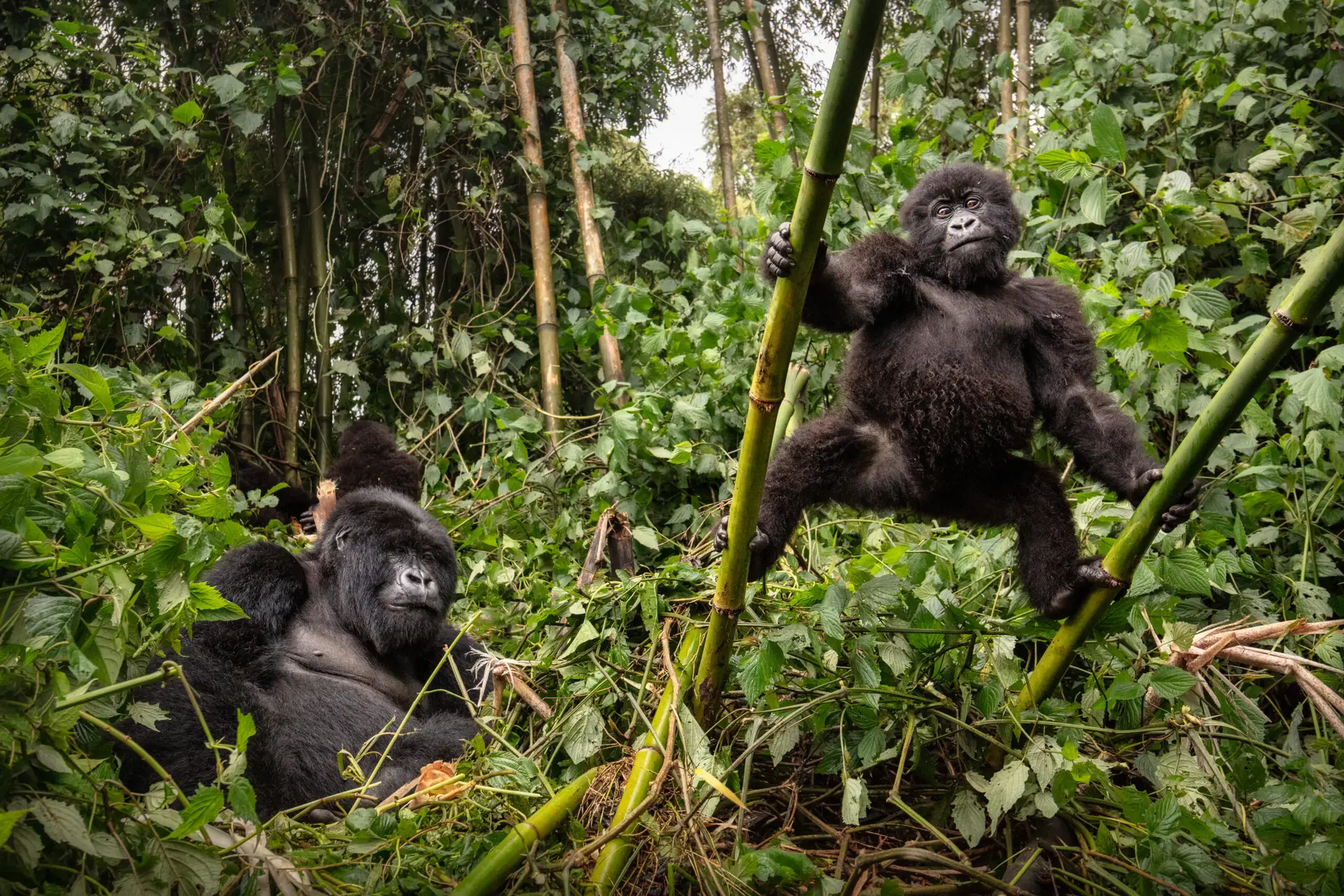
Some treks last less than an hour of walking in total. Others may take several hours. There are days when gorillas remain close to the park boundary and days when they move deeper into the forest. This variability is why gorilla trekking cannot be described accurately as either “easy” or “hard” in general terms.
For luxury travelers, the most important point is this: trek difficulty is not random. With proper planning, fitness considerations can be factored in well before the trek begins.
Fitness Is Relative, Not Absolute
One of the biggest misconceptions about gorilla trekking is that it requires high-level physical fitness. In reality, gorilla trekking requires moderate mobility rather than athletic conditioning. You do not need to be a runner, a hiker, or a gym regular to trek gorillas successfully.
What matters more than raw fitness is your ability to walk steadily, handle uneven ground, and remain comfortable outdoors for a few hours. Many travelers in their sixties and seventies complete gorilla treks every year. Some travelers with knee issues, previous injuries, or limited stamina also trek successfully with the right support.
Luxury gorilla trekking is about adaptation, not exclusion. The experience can be adjusted to suit a wide range of fitness levels.
Terrain and Elevation: What Your Body Experiences
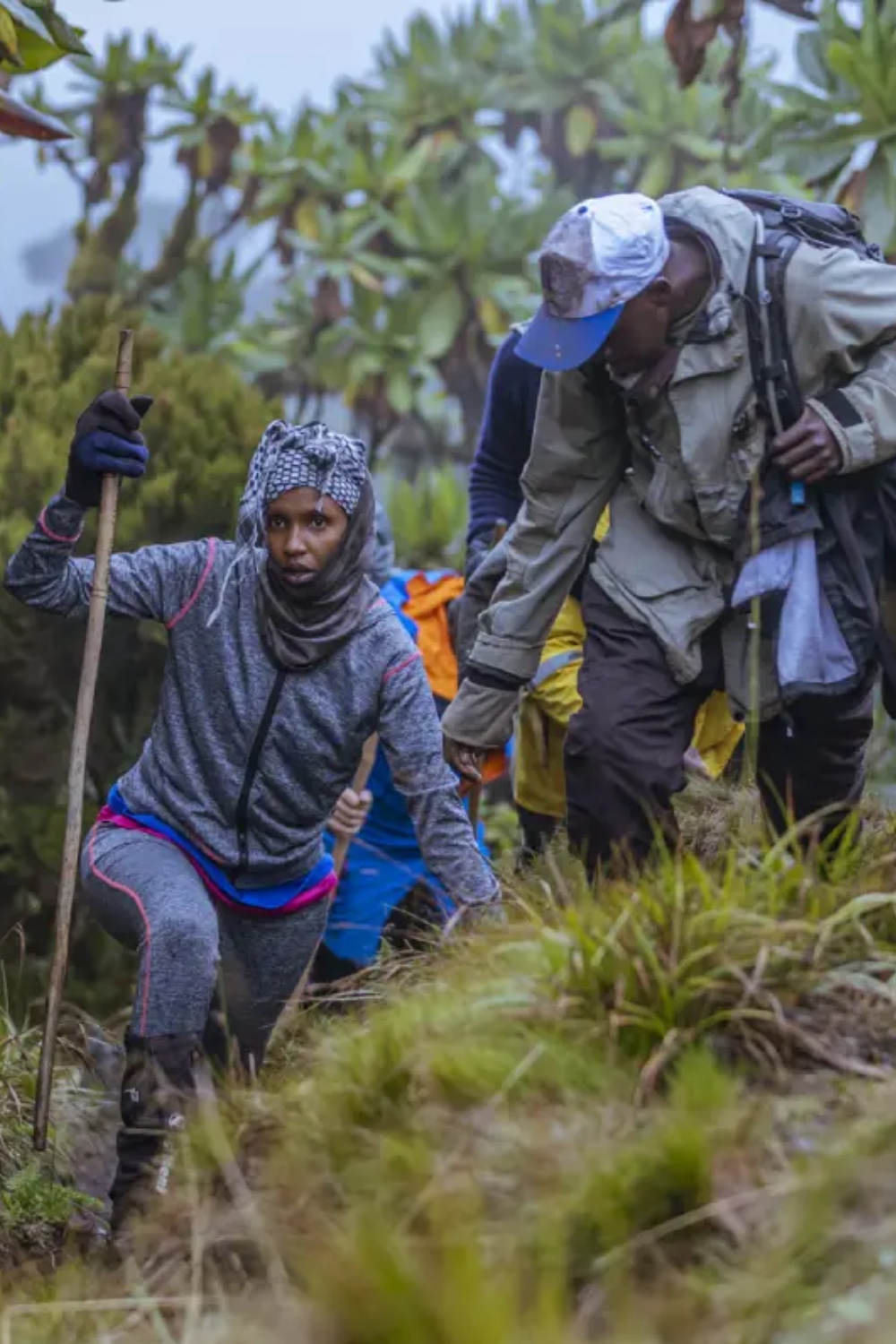
Gorilla trekking takes place in montane and rainforest environments, which means terrain is naturally uneven. Trails may include forest paths, muddy slopes, dense vegetation, and occasional steep sections. Elevation is another factor. Trekking areas are generally located between 2,200 and 2,600 meters above sea level, which can make exertion feel slightly more intense, particularly for travelers unaccustomed to altitude.
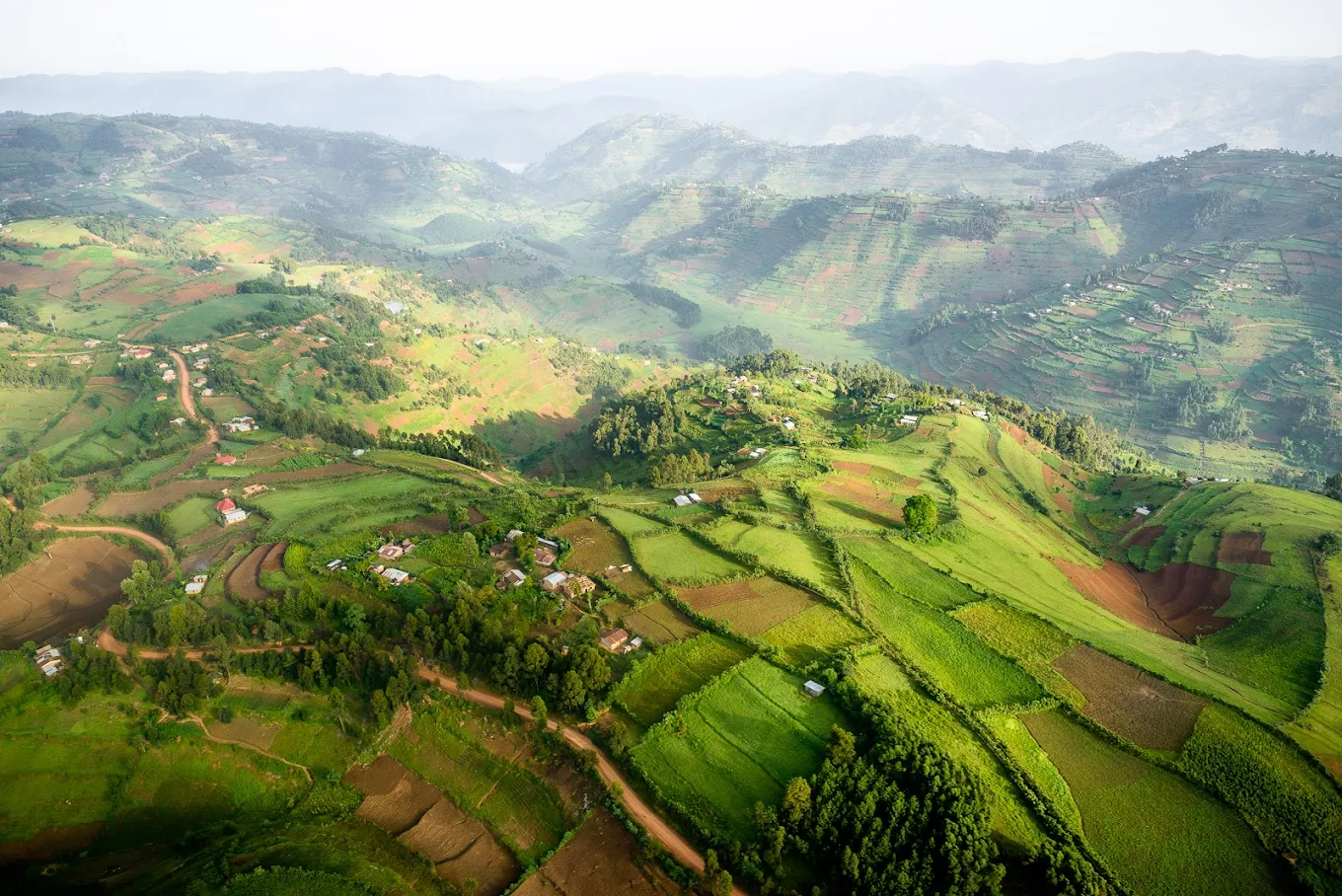
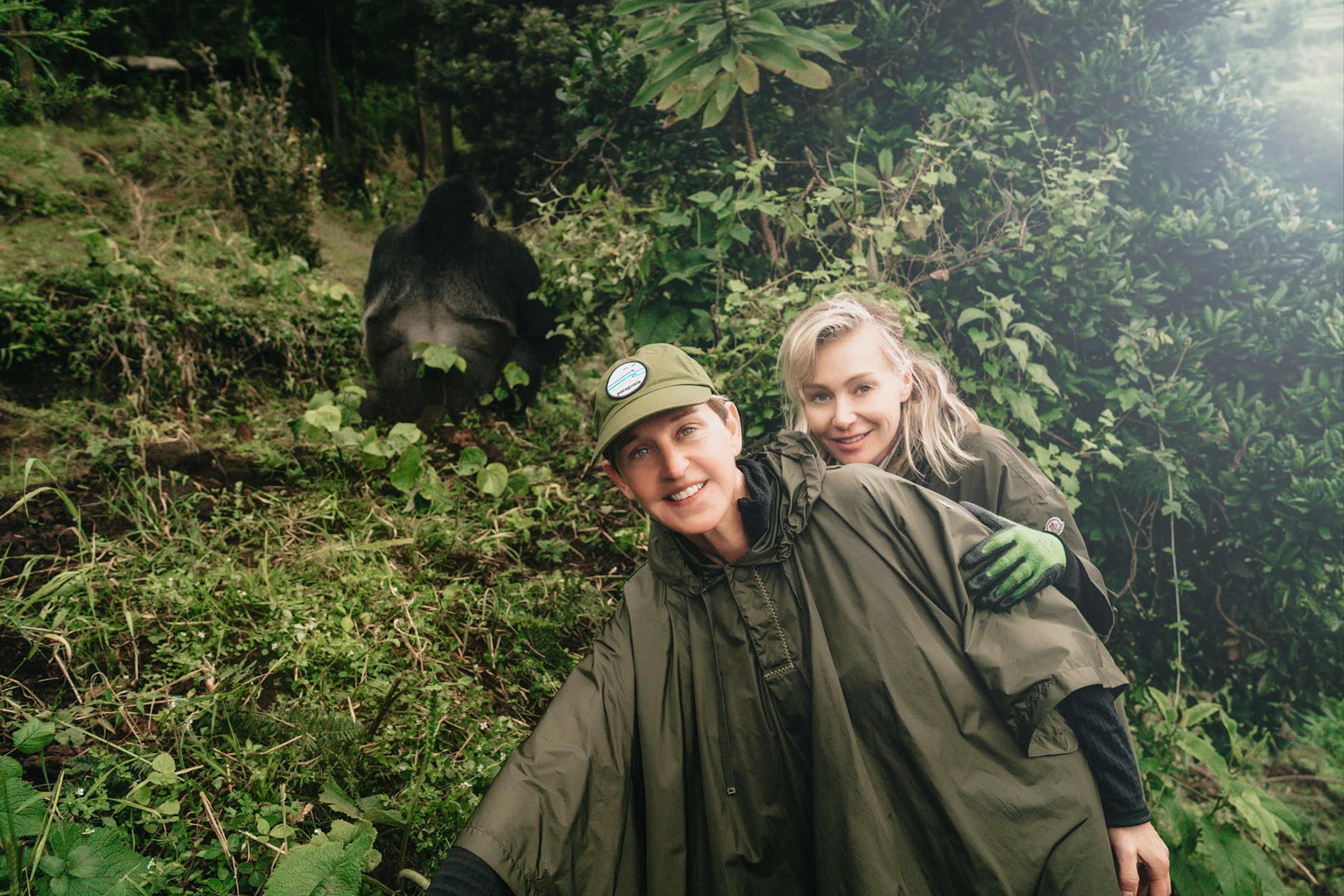
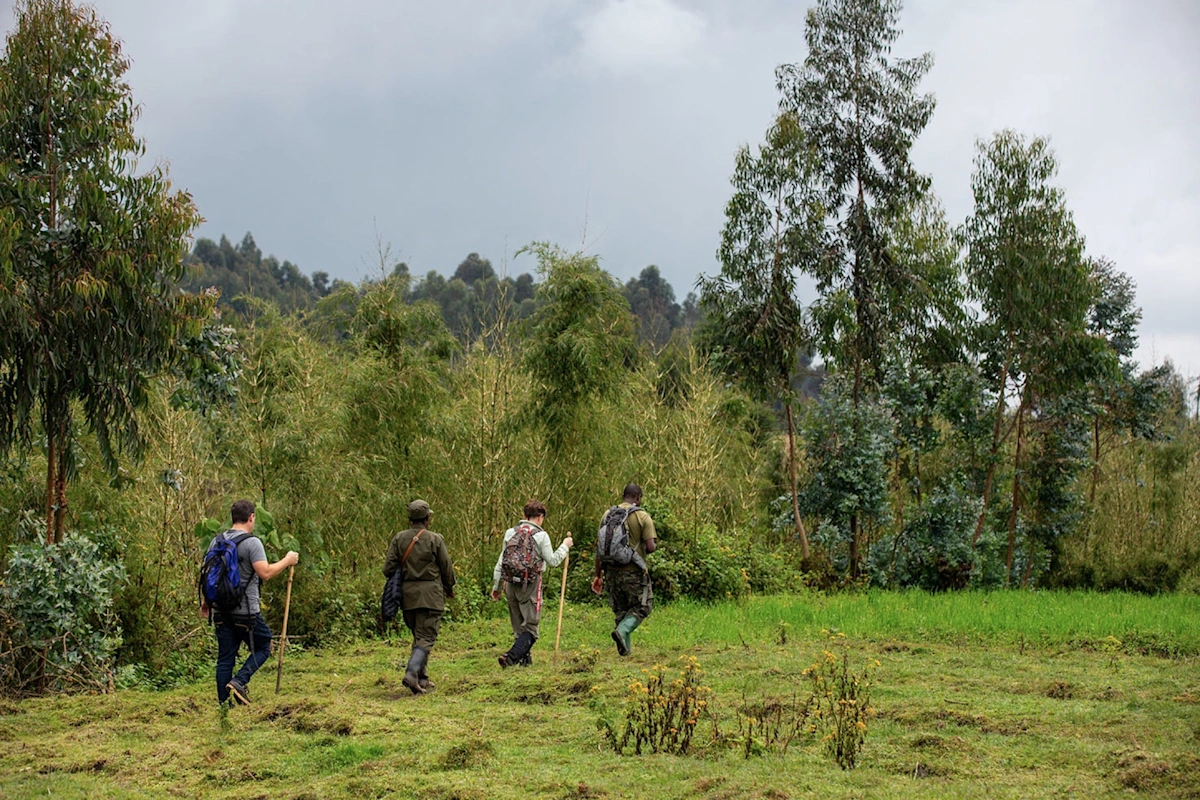
That said, the pace of a trek is not fixed. Rangers move slowly and stop often. There is no pressure to rush, and breaks are encouraged. Luxury travelers benefit from additional layers of support that make these conditions far more manageable than many expect.
How Luxury Planning Changes the Fitness Equation
For luxury travelers, fitness concerns are addressed long before arrival. The difference between a standard gorilla trek and a luxury gorilla trek is not the gorillas themselves, but how the experience is designed around the traveler.
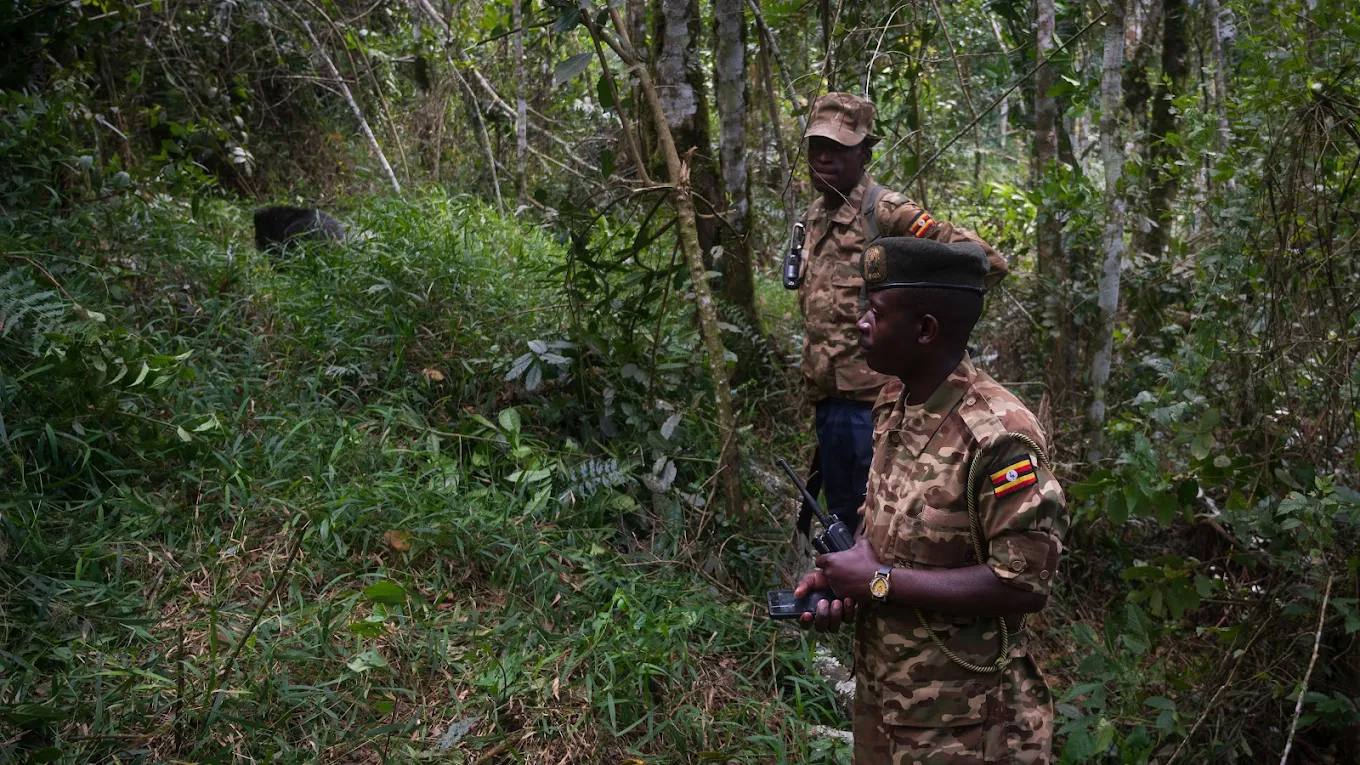
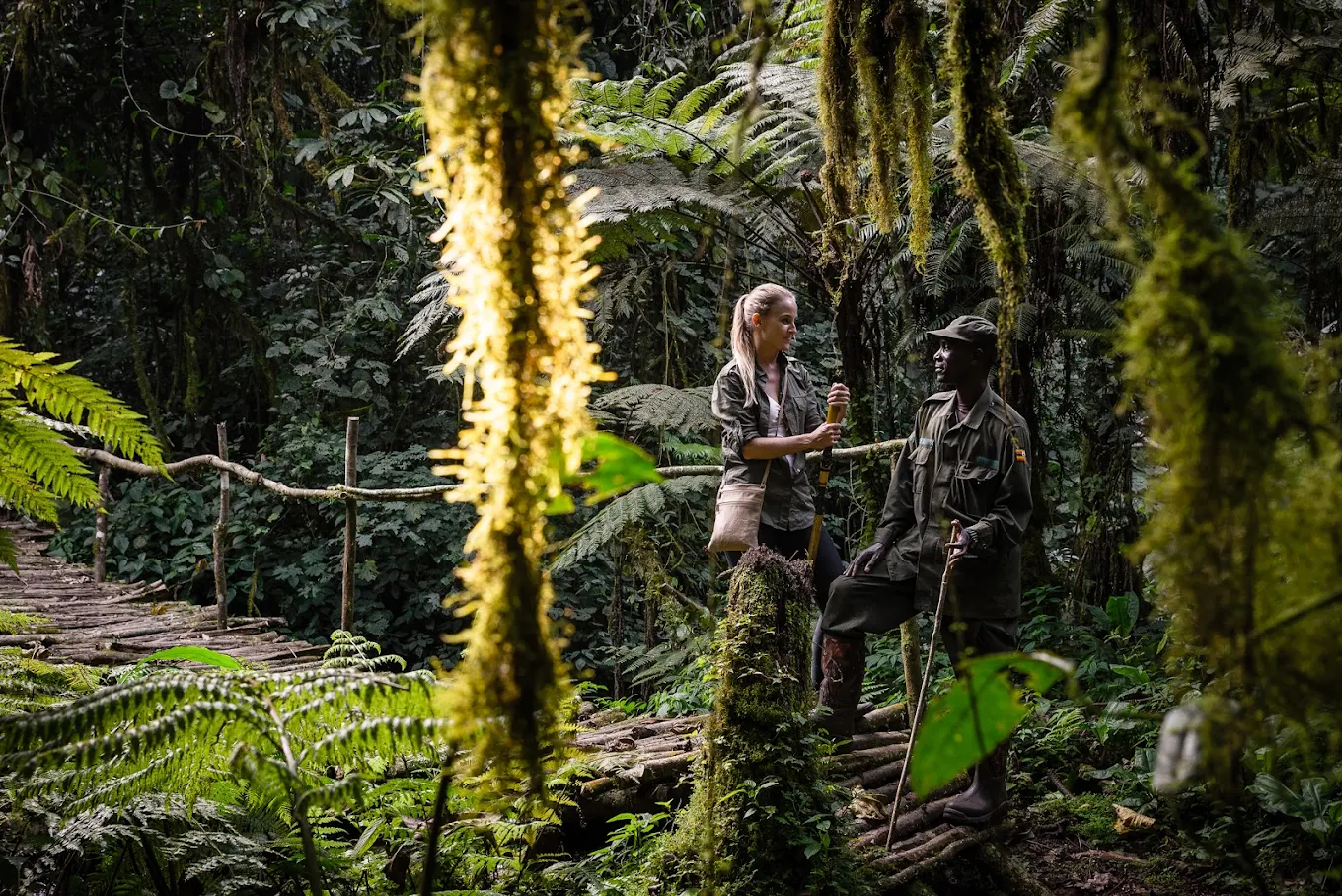
Luxury planning begins with selecting the right trekking sector and, where possible, the most accessible gorilla families. Some families are known to range closer to trailheads or inhabit gentler terrain. While gorilla movements cannot be guaranteed, experienced planners significantly increase the likelihood of a manageable trek by choosing the right location.
Luxury itineraries also prioritize minimizing fatigue before the trek. Short transfers, comfortable lodges close to park gates, and even fly-in or helicopter options ensure that travelers arrive rested rather than exhausted.
The Role of Porters in Reducing Physical Strain
One of the most important yet underappreciated elements of gorilla trekking is the availability of porters. Porters are local professionals who assist trekkers by carrying daypacks, offering physical support on steep or slippery sections, and helping with balance.
For luxury travelers, hiring a porter is not a sign of weakness. It is a strategic choice that dramatically reduces physical effort and increases confidence. Porters can offer a steady hand when climbing, help navigate muddy sections, and remove the strain of carrying water, cameras, or personal items.
Many travelers report that porters transform the trek from something physically demanding into something genuinely enjoyable. This is especially true for travelers with joint sensitivity, balance concerns, or limited hiking experience.
Age and Gorilla Trekking: What Really Matters
Age alone is not a limiting factor for gorilla trekking. Every year, travelers well into their seventies successfully complete treks. What matters is overall mobility, balance, and comfort with walking.
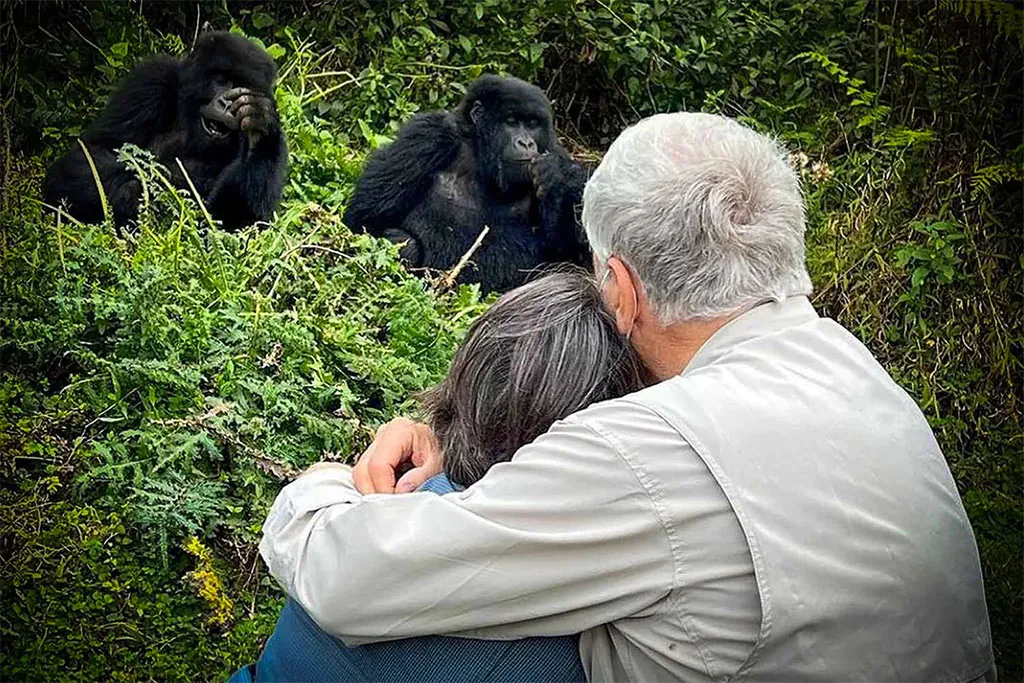

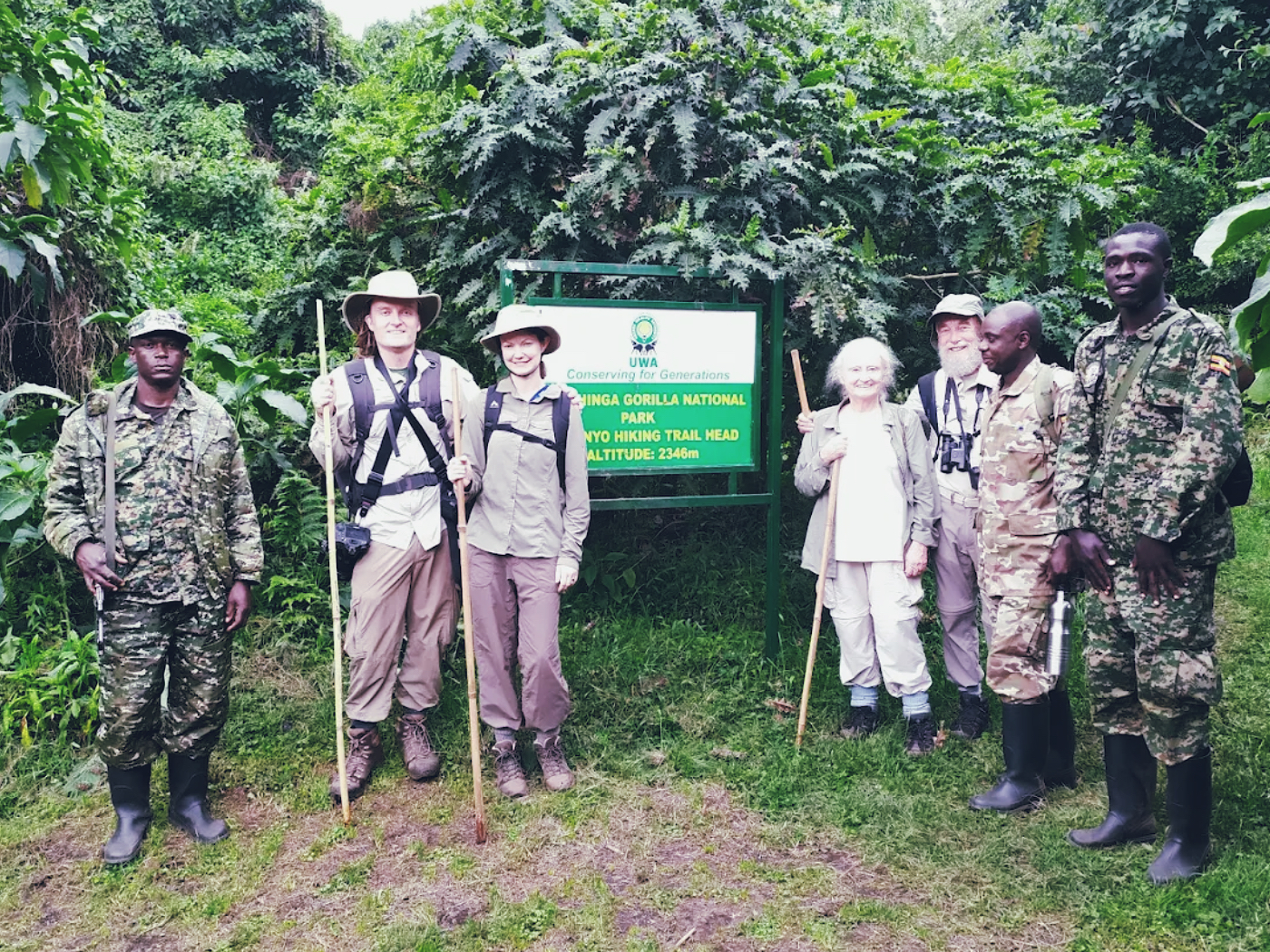
Luxury travelers often benefit from honest pre-trip conversations about physical condition. This allows planners to select appropriate trekking sectors, arrange porter support, and set expectations that reduce anxiety. When these factors are addressed, age becomes largely irrelevant.
For older travelers, the ability to pause, take breaks, and proceed at a comfortable pace is far more important than speed or stamina. Gorilla trekking allows for exactly this kind of flexibility.
Gorilla Trekking for Travelers with Physical Limitations
Travelers with knee issues, hip replacements, previous injuries, or limited stamina often worry that gorilla trekking may be beyond their reach. In practice, many of these travelers complete treks successfully with the right preparation.
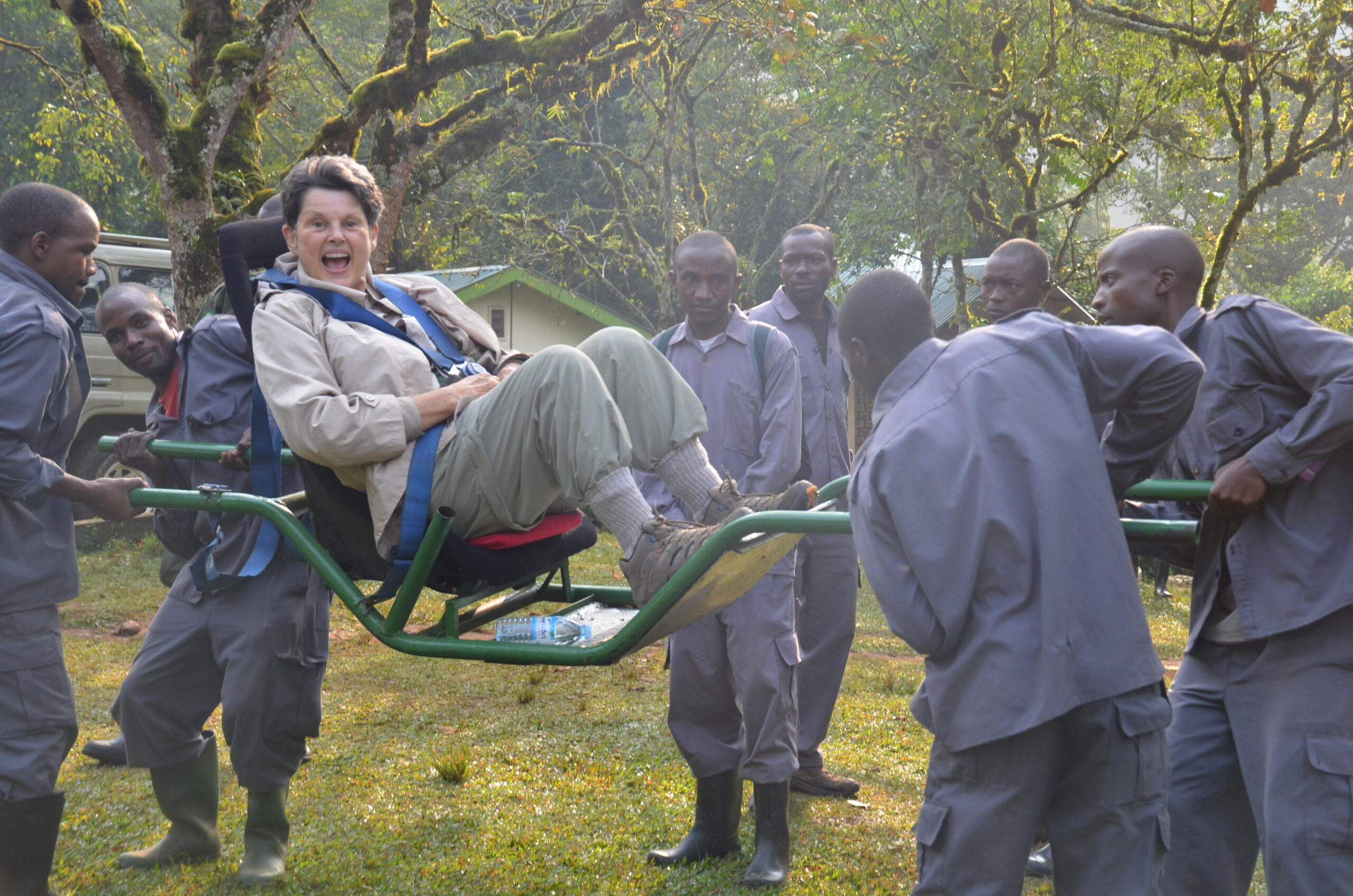
Luxury planning may include assigning additional porters, choosing trekking areas with gentler gradients, and ensuring private guiding support that allows for maximum flexibility. In some cases, specialized support options are available to assist travelers over particularly challenging sections.
It is essential to approach these considerations openly and honestly during planning. When expectations and limitations are clearly communicated, gorilla trekking can be adapted rather than avoided.
Mental Fitness and Confidence
Physical readiness is only one dimension of gorilla trekking. For many luxury travelers, mental fitness and emotional confidence play an equally important, and sometimes more decisive, role in how the experience is perceived. Travelers who approach gorilla trekking with anxiety or uncertainty often find the anticipation more challenging than the trek itself, while those who arrive informed, reassured, and calm tend to experience the forest as welcoming rather than intimidating.
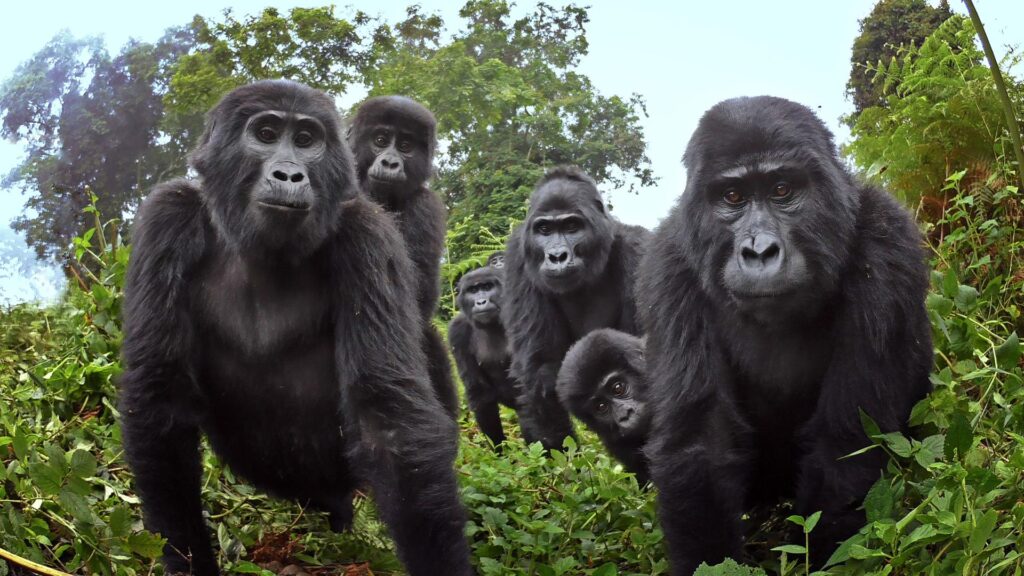
Luxury gorilla trekking places significant emphasis on mental preparation long before the trek begins. Detailed pre-trek briefings explain exactly what to expect, how the day will unfold, and how rangers adapt the pace to suit individual comfort. This transparency removes fear of the unknown, which is often the greatest source of stress. Travelers understand that there is no competition, no pressure to perform, and no expectation to push beyond personal limits.
On the day of the trek, the atmosphere is deliberately unhurried and supportive. Rangers and guides are trained not only in gorilla behavior and forest navigation, but also in reading human comfort levels. They encourage pauses, reassurance, and open communication. The absence of urgency allows travelers to settle into the rhythm of the forest rather than feel challenged by it.
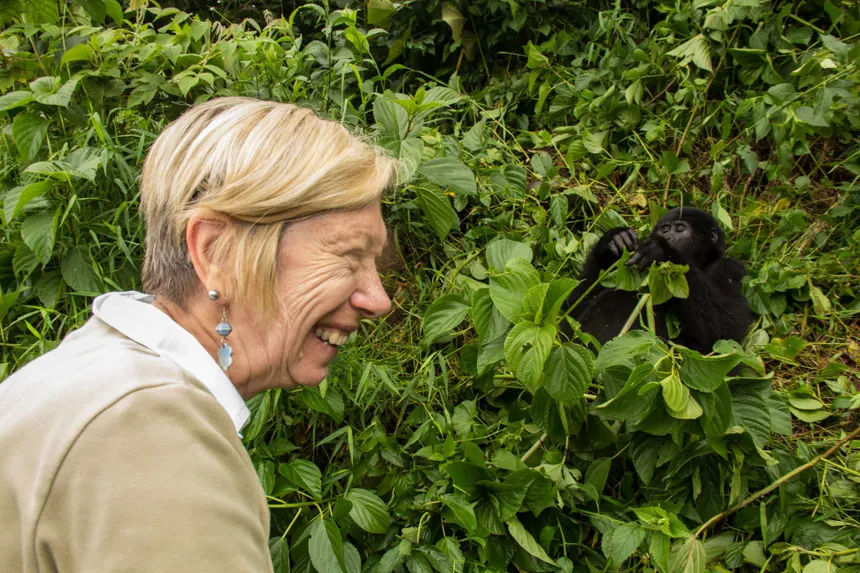
Confidence often builds rapidly once the trek begins. Many travelers who start the morning feeling uncertain or apprehensive report that within the first twenty or thirty minutes, their mindset shifts. The forest becomes quieter, movement becomes more natural, and focus moves away from physical effort toward anticipation. By the time gorillas are encountered, earlier concerns often feel distant, replaced by awe and emotional presence.
This mental transformation is one of the most profound aspects of gorilla trekking. Luxury travelers frequently describe a sense of personal accomplishment, not because the trek was extreme, but because it exceeded their expectations in gentleness and manageability.
How Long Are Gorilla Treks Really?
One of the most frequently asked questions by luxury travelers is how long a gorilla trek actually lasts. The most accurate answer is that there is no fixed duration. Gorilla trekking is inherently variable, as it depends on where a specific gorilla family has chosen to move on that particular day.
Some treks involve less than an hour of walking from the trailhead before gorillas are located. Others may take several hours, especially if gorillas have moved deeper into the forest or higher up the slopes. However, focusing solely on total time can be misleading and unnecessarily intimidating.
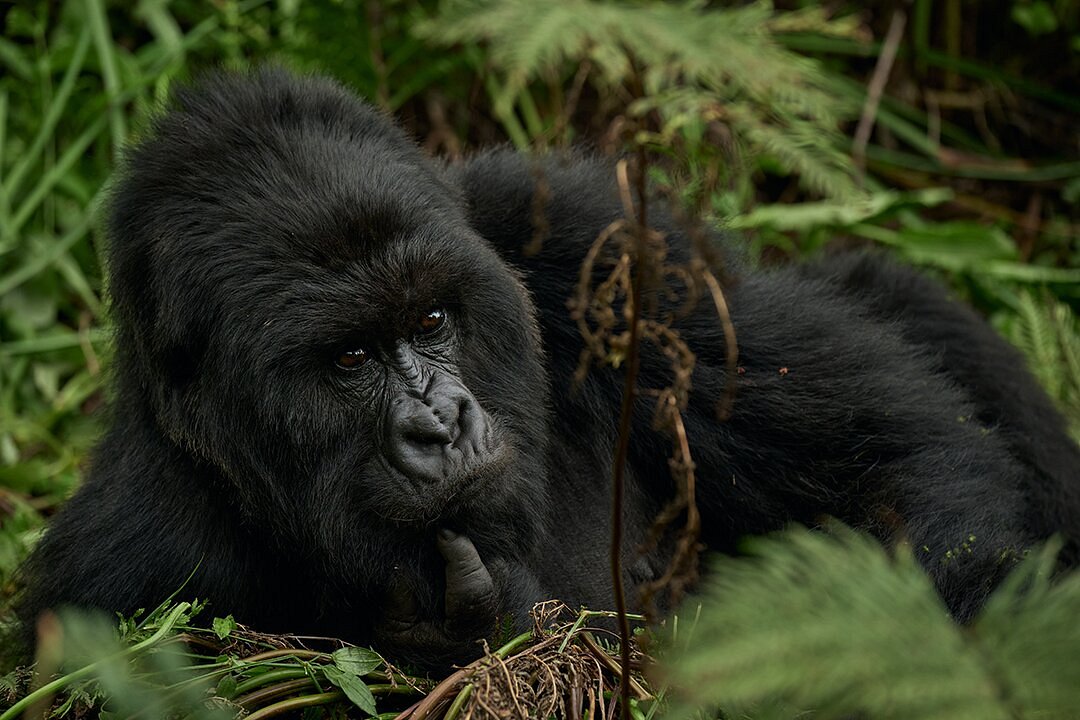
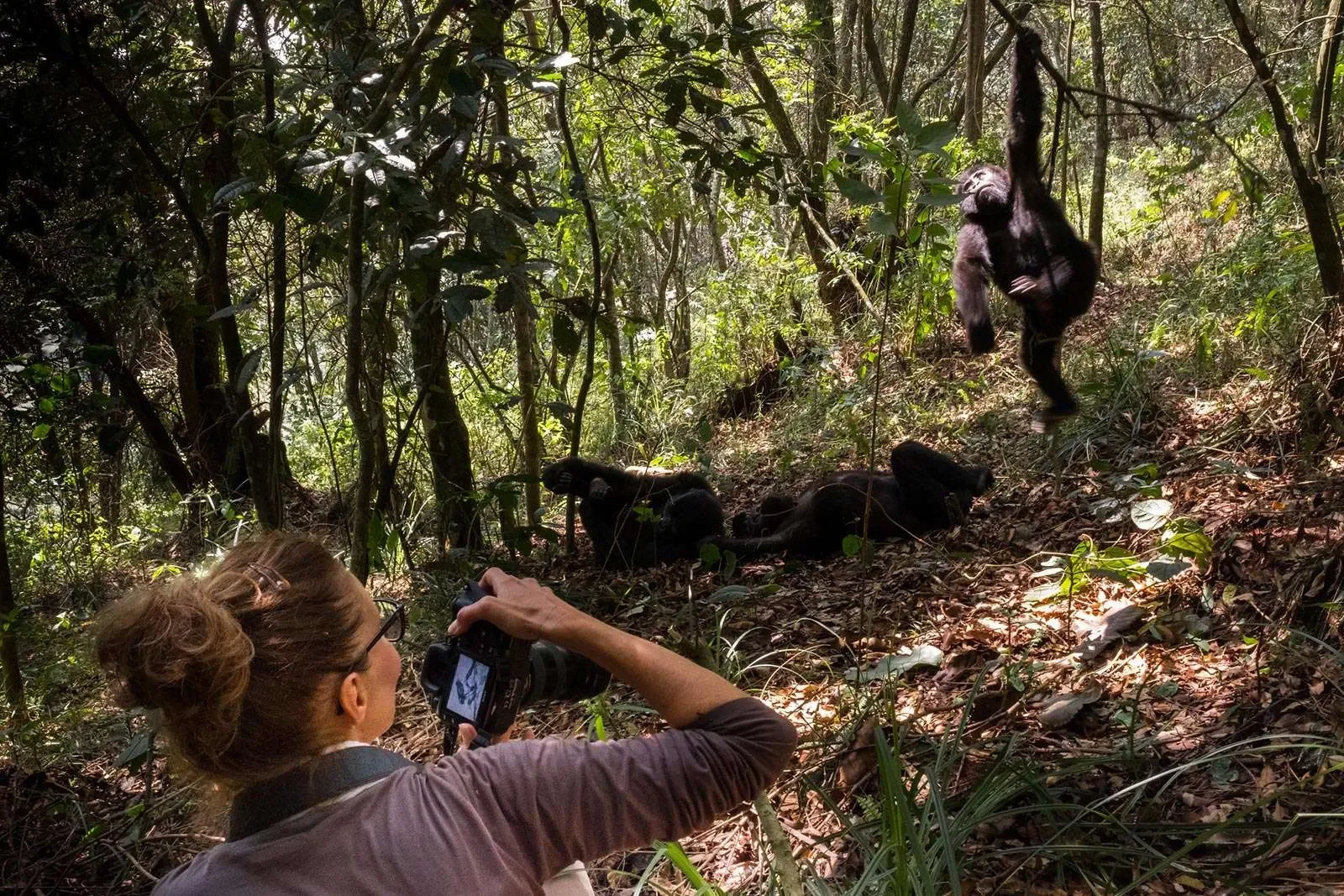
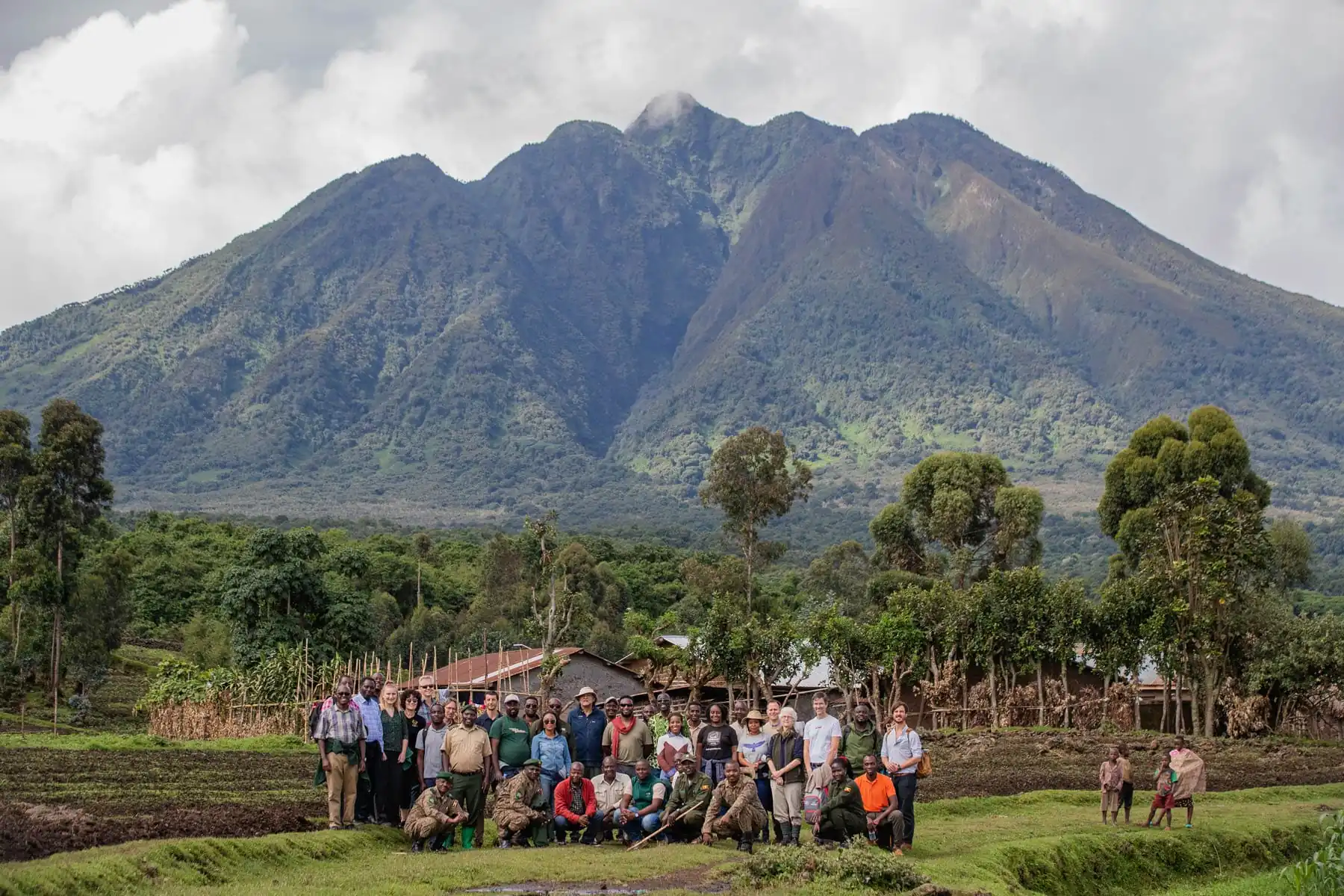
What matters more is how that time is structured. Gorilla trekking is not continuous walking. Progress is broken into manageable stages, with frequent stops to rest, adjust pace, or receive guidance from trackers. Rangers constantly assess the group’s comfort and adapt accordingly. There is no expectation to maintain a fixed speed or to walk without interruption.
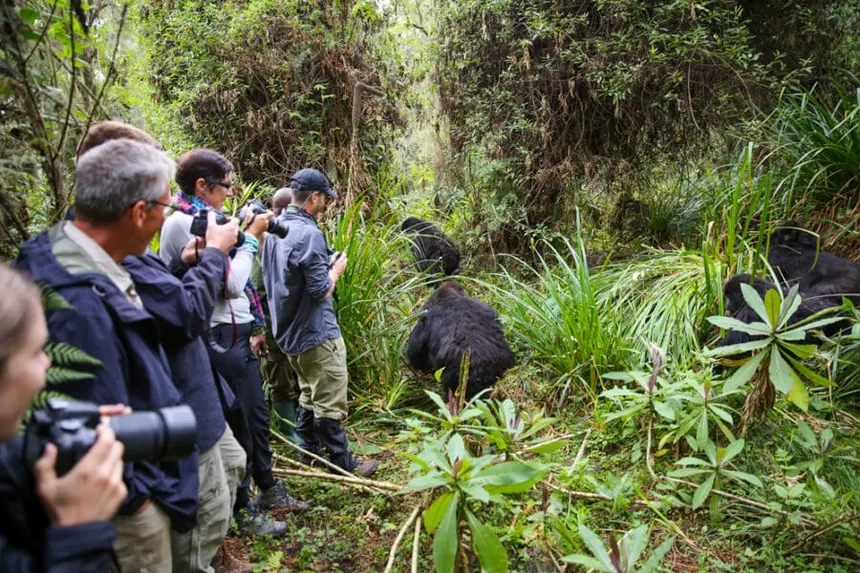
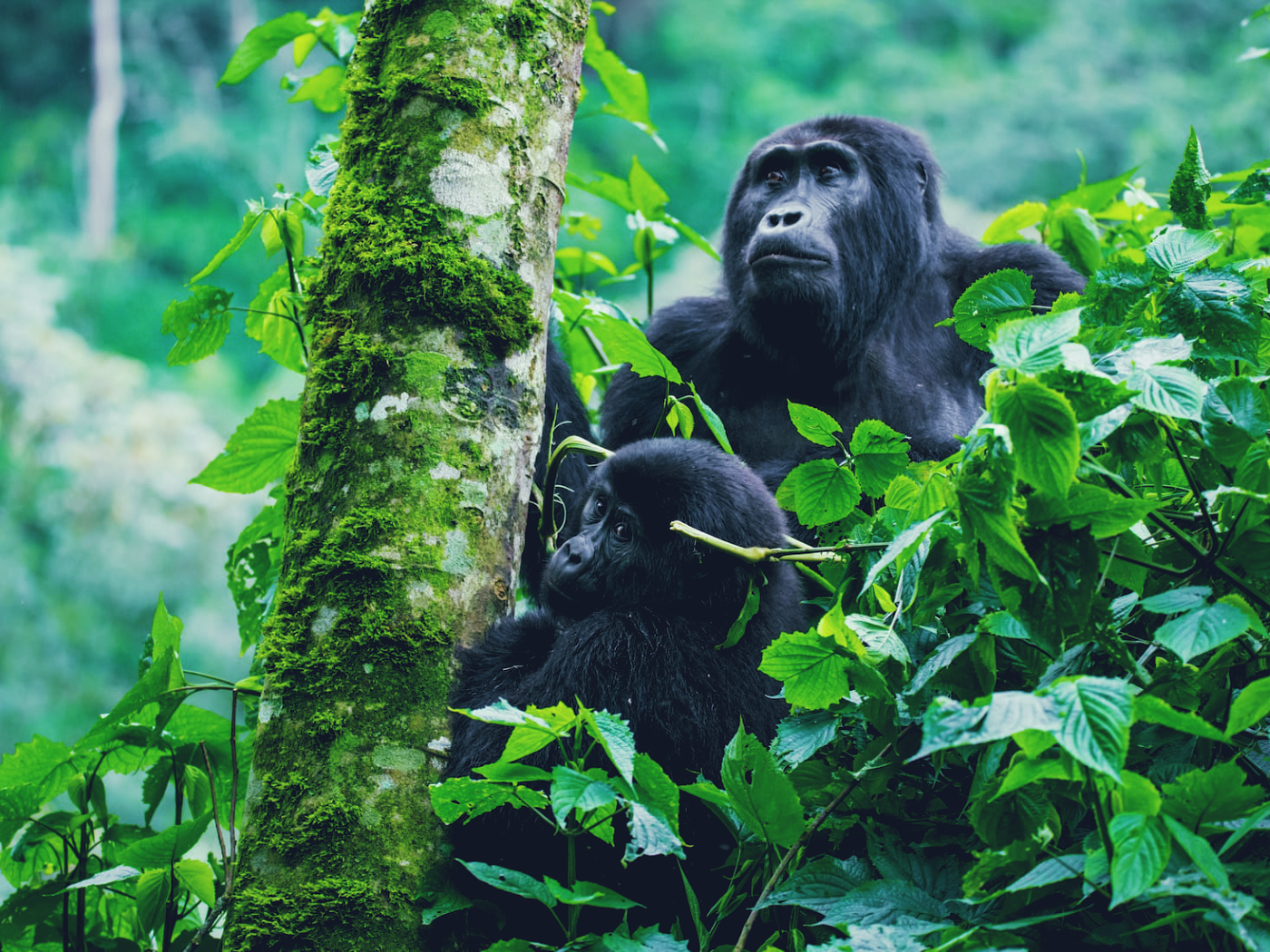
Once gorillas are found, the experience changes entirely. Walking stops, movement becomes minimal, and attention shifts to observation. Travelers spend a full hour in the presence of the gorillas, standing quietly, shifting position gently, or moving slowly within a small area. This hour is calm, immersive, and physically undemanding.
Luxury travelers often remark that while they expected the trek to feel long or strenuous, it instead felt measured and surprisingly gentle. The gradual unfolding of the experience makes it feel less like a hike and more like a guided immersion into the forest.
Preparation Before the Trip: What Actually Helps
Contrary to popular belief, preparing for gorilla trekking does not require intensive physical training or athletic conditioning. What helps most is maintaining basic mobility and confidence in walking on natural terrain. Simple habits such as regular walks, light stair use, or gentle balance exercises can make a noticeable difference, not by increasing strength dramatically, but by increasing familiarity with movement.
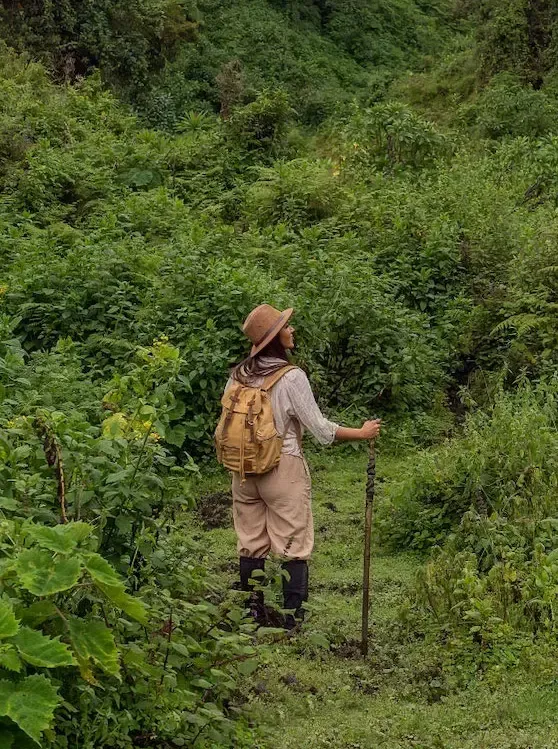
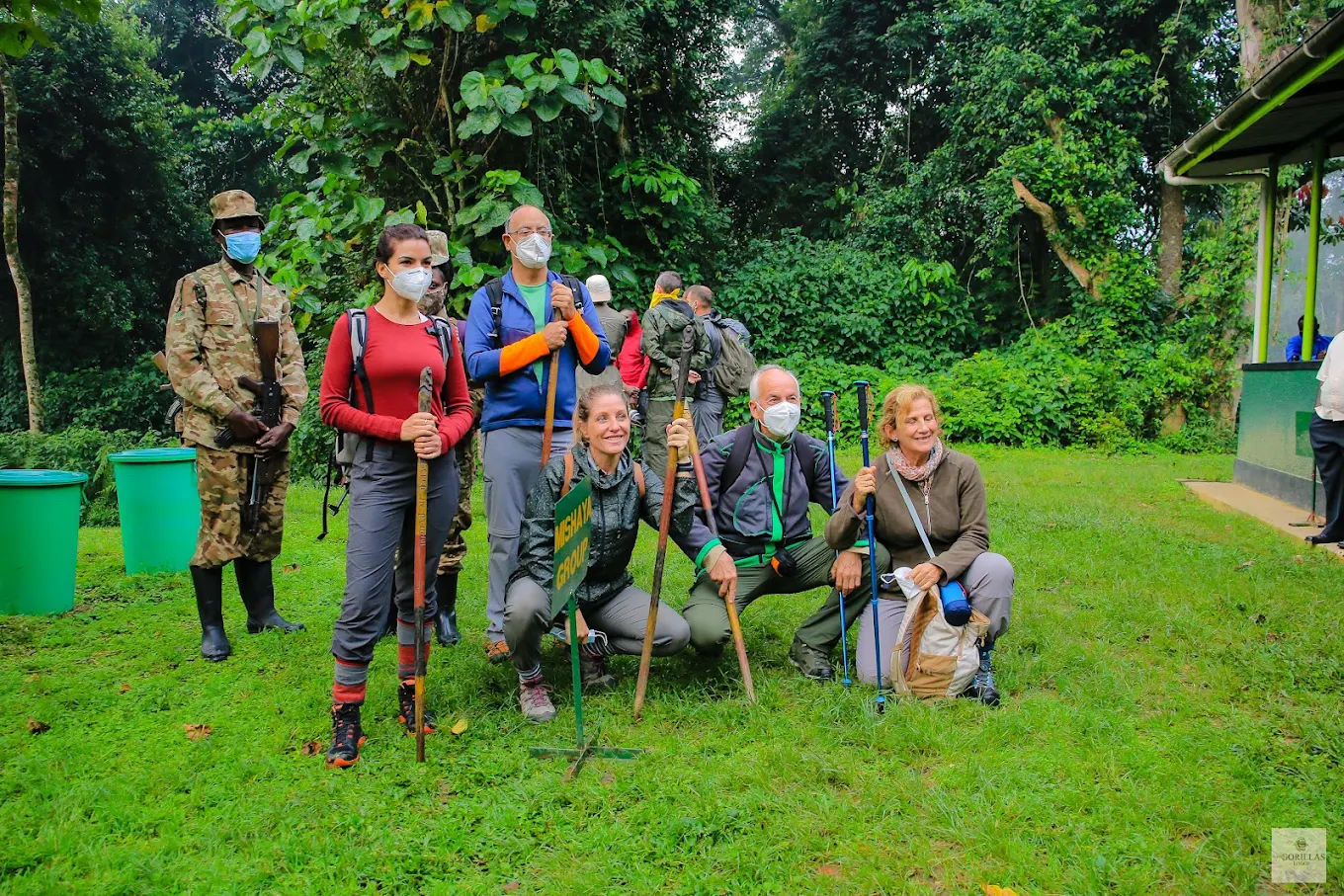
For luxury travelers, preparation is far more about thoughtful planning than physical exertion. Proper footwear with good grip, weather-appropriate clothing, and optional trekking poles contribute significantly to comfort and confidence. These practical details reduce strain, prevent slips, and allow travelers to focus on the experience rather than their footing.
Luxury travelers benefit from expert guidance on exactly what to bring and what to avoid. Overpacking or wearing inappropriate gear can increase discomfort far more than any lack of fitness. With the right equipment and preparation, the trek feels controlled and predictable rather than uncertain.
Mental preparation is equally important. Understanding that the trek will proceed at a comfortable pace, that help is available when needed, and that flexibility is built into the experience allows travelers to arrive relaxed rather than tense. This mindset often proves more valuable than any physical conditioning.
Recovery and Comfort After the Trek
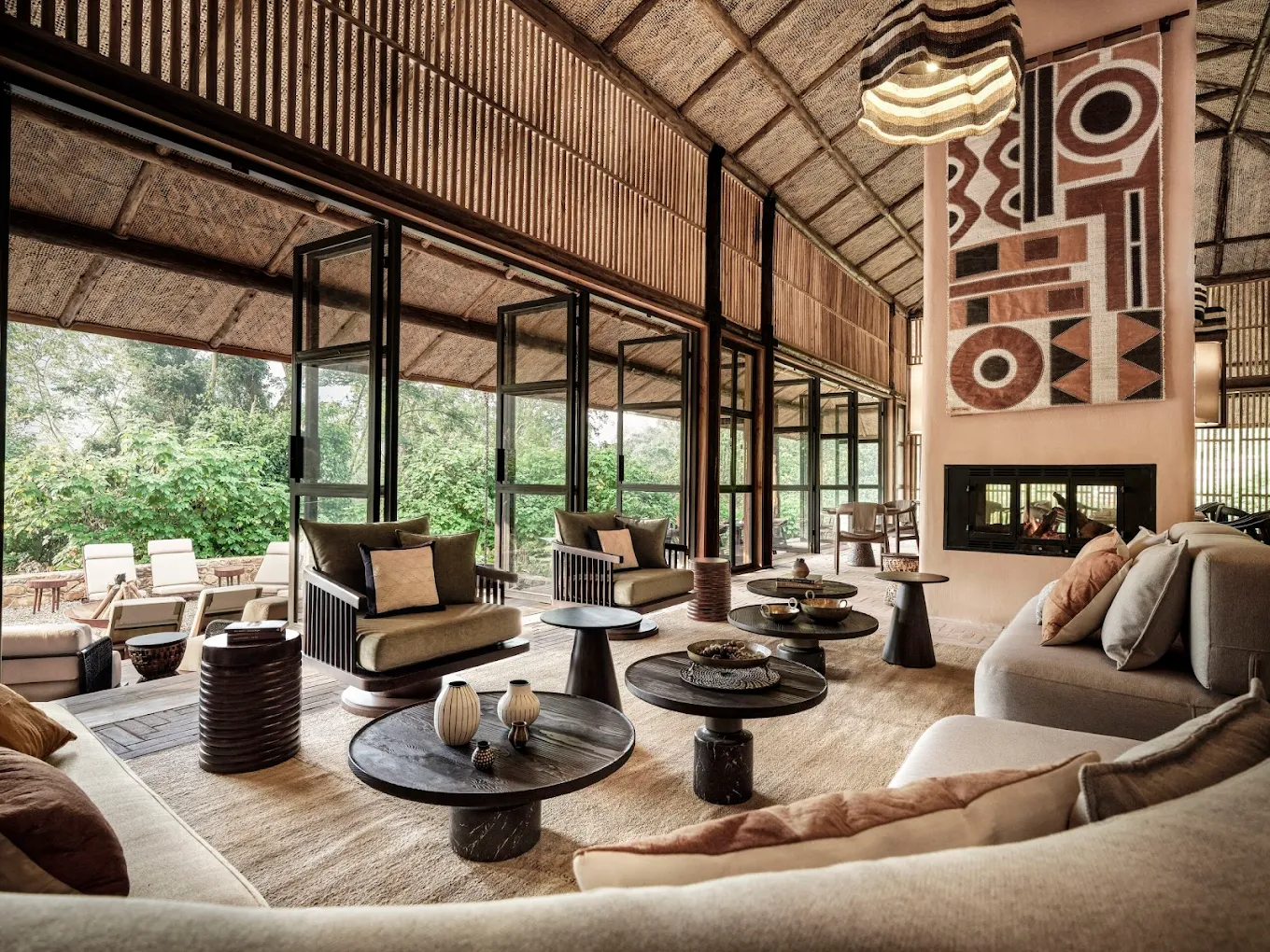
Fitness considerations do not end when the trek concludes. In luxury gorilla trekking, what happens after the trek is just as important as the trek itself. High-end lodges are intentionally designed to support recovery, reflection, and relaxation.
Upon returning from the forest, travelers are welcomed with warm towels, refreshments, and comfortable surroundings. Hot showers, fireplaces, and private suites allow muscles to relax and energy levels to restore naturally. Many luxury lodges offer massage treatments or wellness therapies specifically timed for post-trek recovery, helping to ease stiffness and promote relaxation.
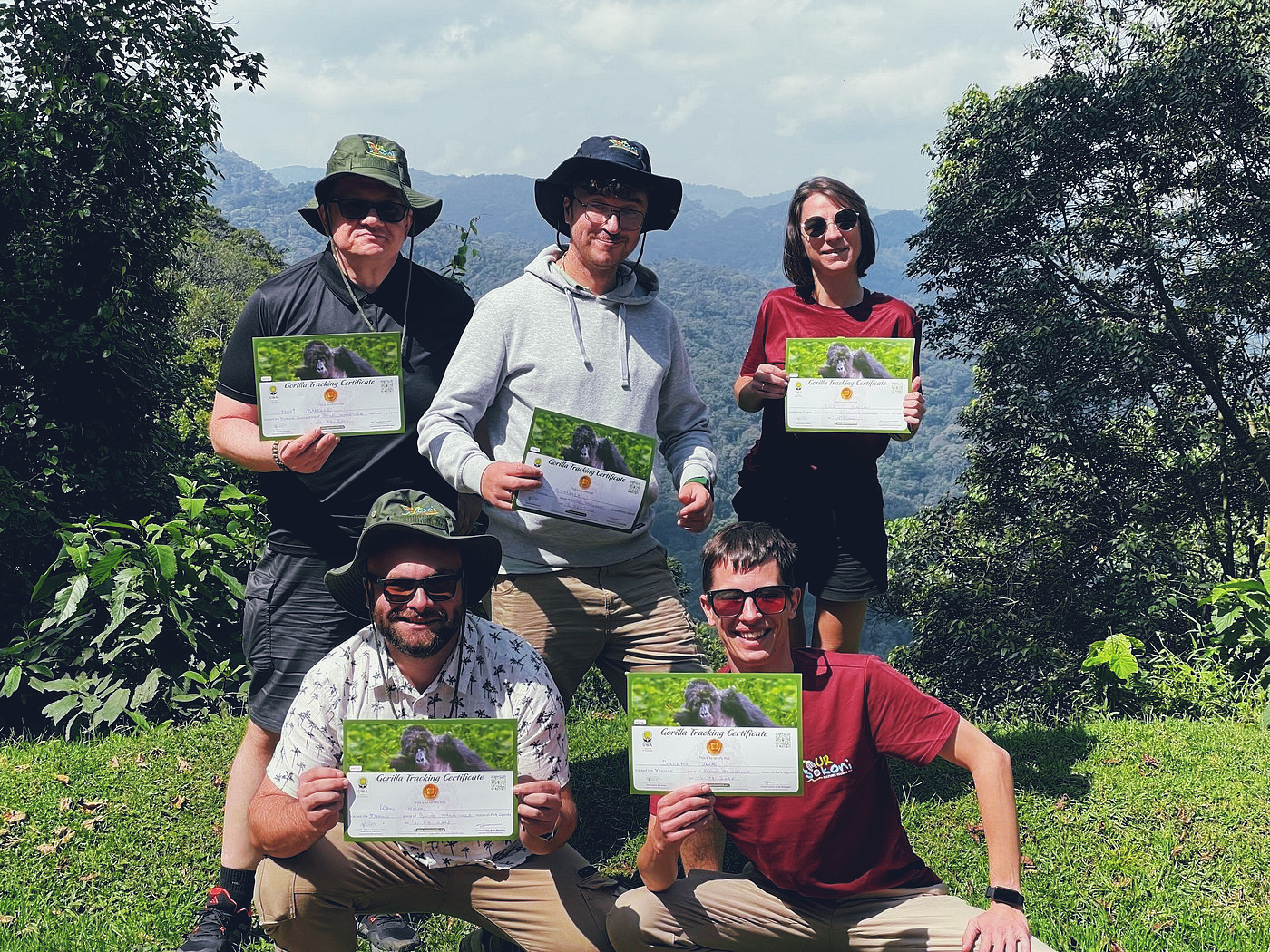
This attention to recovery transforms physical effort into a positive sense of achievement rather than fatigue. Instead of feeling drained, travelers often feel energized, calm, and emotionally fulfilled. The contrast between the raw forest experience and refined lodge comfort is a defining feature of luxury gorilla trekking.
For many travelers, the post-trek hours become a time of quiet reflection. Sitting by the fire, reviewing photographs, or simply absorbing the significance of the encounter allows the experience to settle deeply. This recovery phase is not an afterthought; it is an integral part of the luxury journey.
Fitness vs Experience: What Truly Matters
The most important message for luxury travelers is that gorilla trekking is not a measure of physical fitness, but a measure of how well the experience is curated. With expert planning, appropriate pacing, porter support, and thoughtful lodge selection, gorilla trekking becomes accessible to a wide range of travelers.
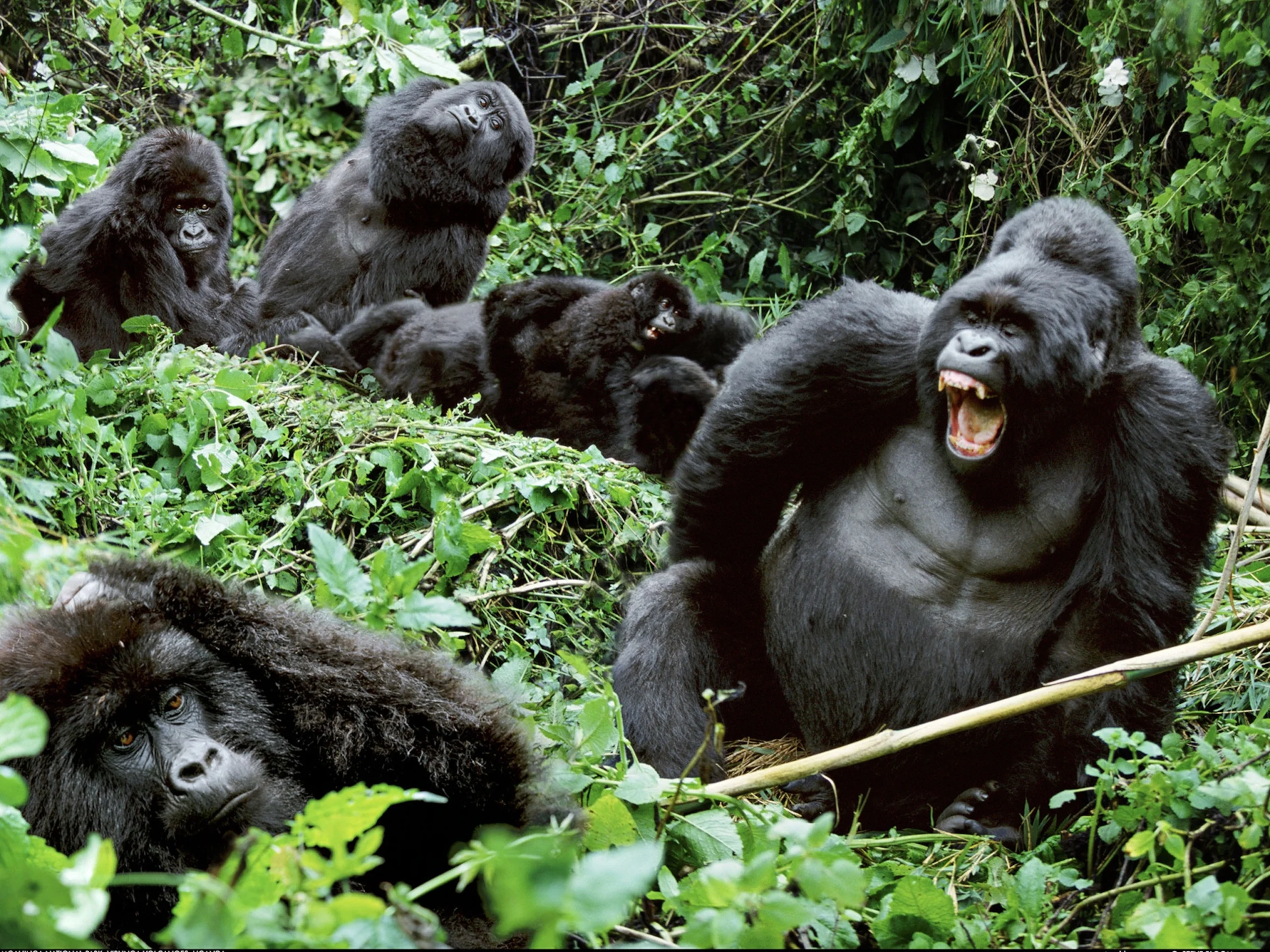
It is not an endurance challenge, nor is it designed to push physical limits. It is a conservation-led wildlife experience intended to be respectful to both gorillas and visitors. Luxury gorilla trekking prioritizes dignity, comfort, emotional presence, and personal confidence over physical performance.
Travelers who focus solely on fitness often underestimate how adaptable the experience truly is. Those who focus on experience design tend to be pleasantly surprised by how achievable and rewarding the trek feels.
When Gorilla Trekking May Not Be Advisable
While gorilla trekking is accessible to many, there are circumstances in which it may not be advisable. Travelers with severe mobility limitations, unstable medical conditions, or an inability to walk even short distances on uneven ground should approach the experience cautiously and seek professional guidance.
In these situations, responsible luxury travel planning becomes especially important. Rather than forcing an experience that may cause stress or discomfort, skilled planners can recommend alternative wildlife encounters, scenic experiences, or cultural activities that align more closely with individual needs and comfort levels.
The goal of luxury travel is not to complete a checklist, but to create meaningful, enjoyable journeys. Sometimes, the most refined decision is choosing the experience that best suits the traveler rather than the one that appears most iconic.
The Luxury Perspective: Redefining Fitness Expectations
Luxury travel reframes the entire question of fitness. Instead of asking whether you are fit enough for gorilla trekking, the more relevant question becomes whether the trek has been designed properly for you.
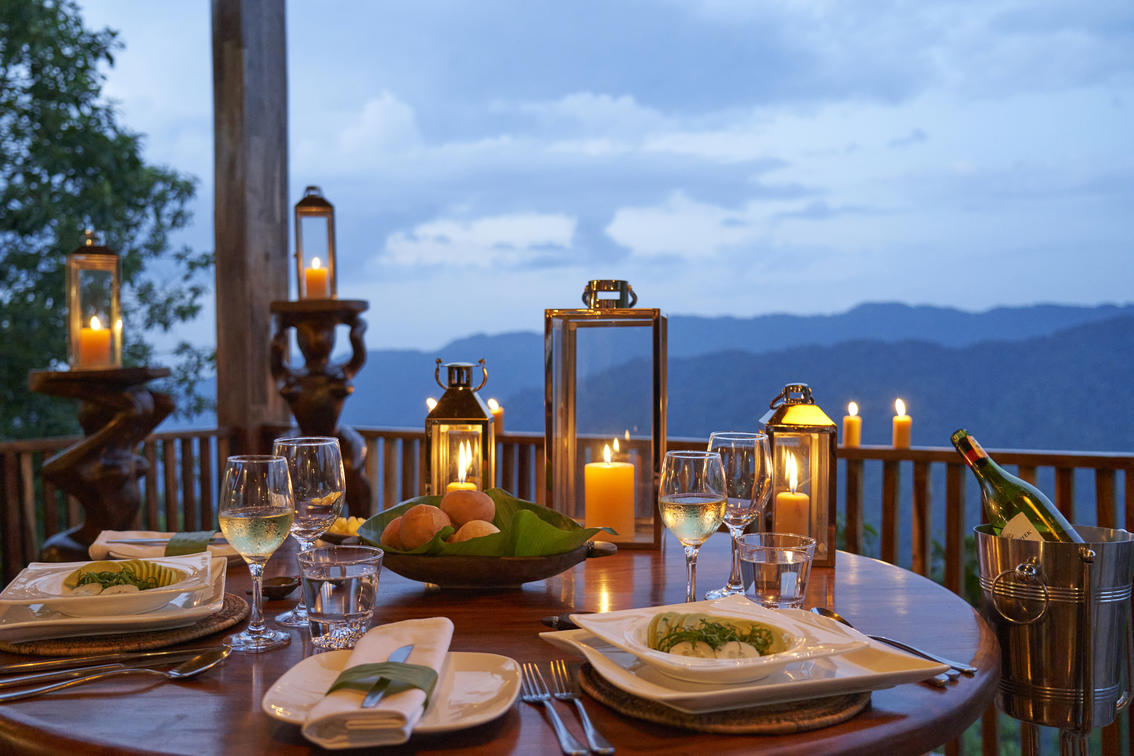
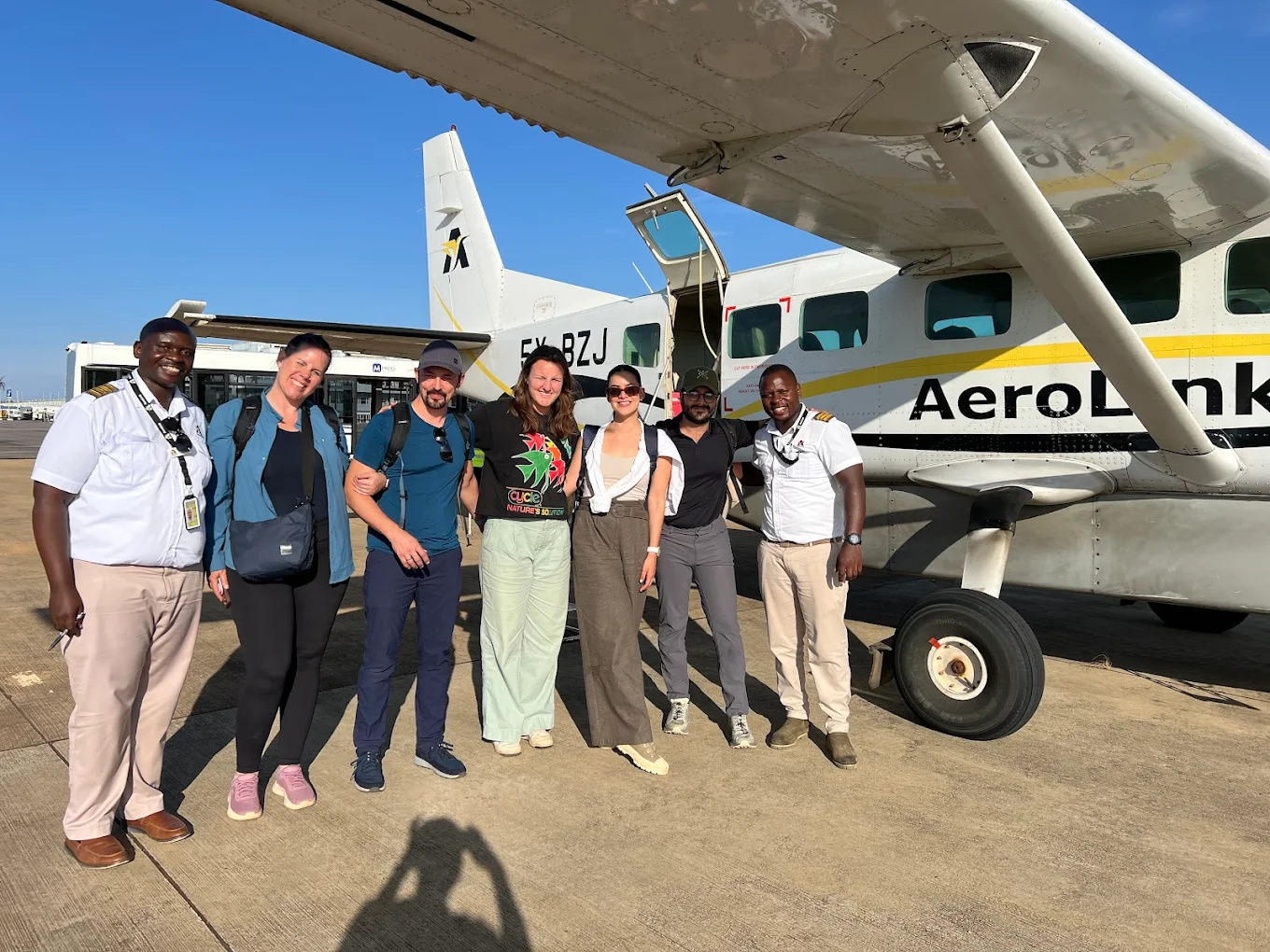
For travelers who value reassurance, thoughtful pacing, and emotional ease, gorilla trekking is far more accessible than its reputation suggests. With expert guidance, supportive rangers, and carefully selected lodges, the experience becomes less about physical capability and more about presence, curiosity, and connection.
In this context, fitness is no longer a barrier. It becomes simply one variable among many, managed through planning, support, and experience design.
Final Thoughts: How Fit Do You Really Need to Be?
You do not need to be exceptionally fit to go gorilla trekking. You need to be reasonably mobile, open to walking on natural terrain, and supported by expert planning.
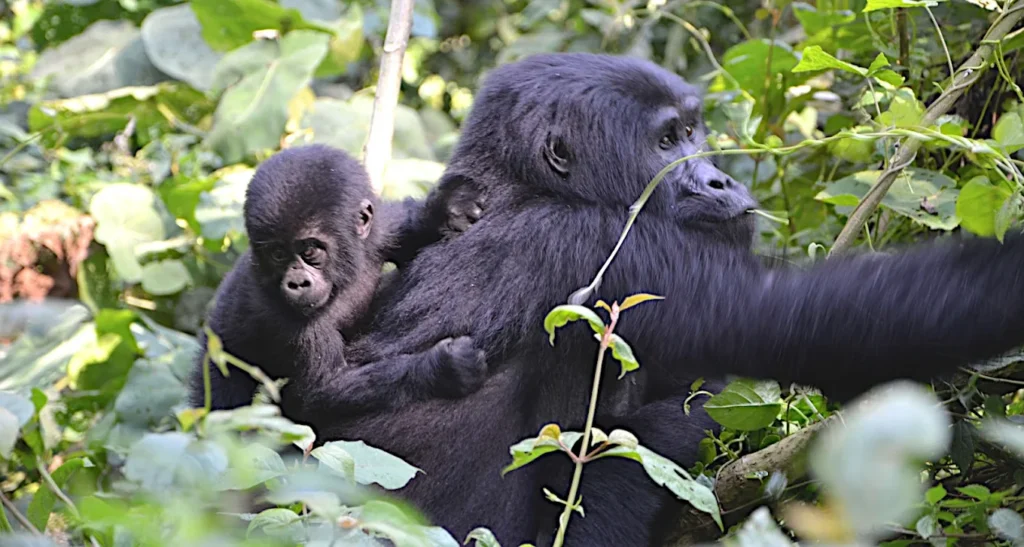
For luxury travelers, gorilla trekking is not a challenge to overcome, but an experience to be curated. When approached thoughtfully, it becomes one of the most profound, rewarding, and achievable wildlife experiences available anywhere in the world.
If you can walk, pause, and appreciate the moment, you are likely fit enough for gorilla trekking. With the right support, the forest meets you halfway.