
How Gorilla Trekking Contributes to Conservation: Why Luxury Travelers Matter
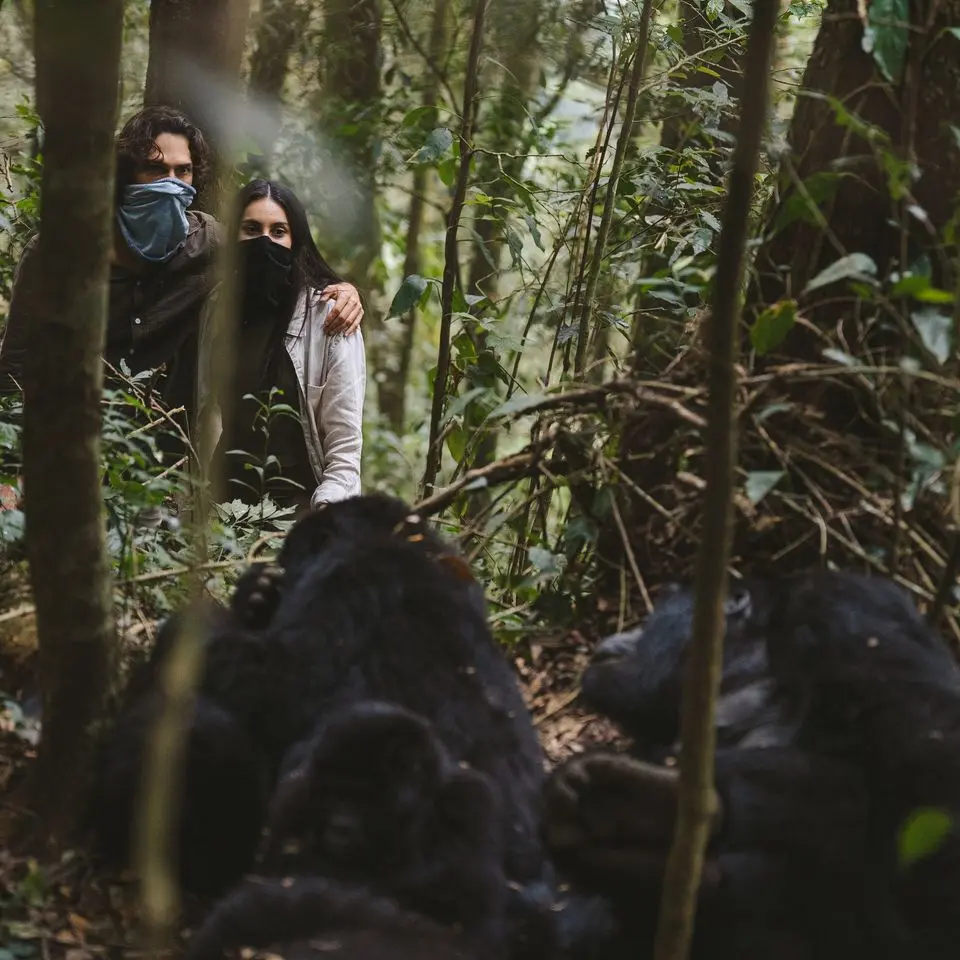
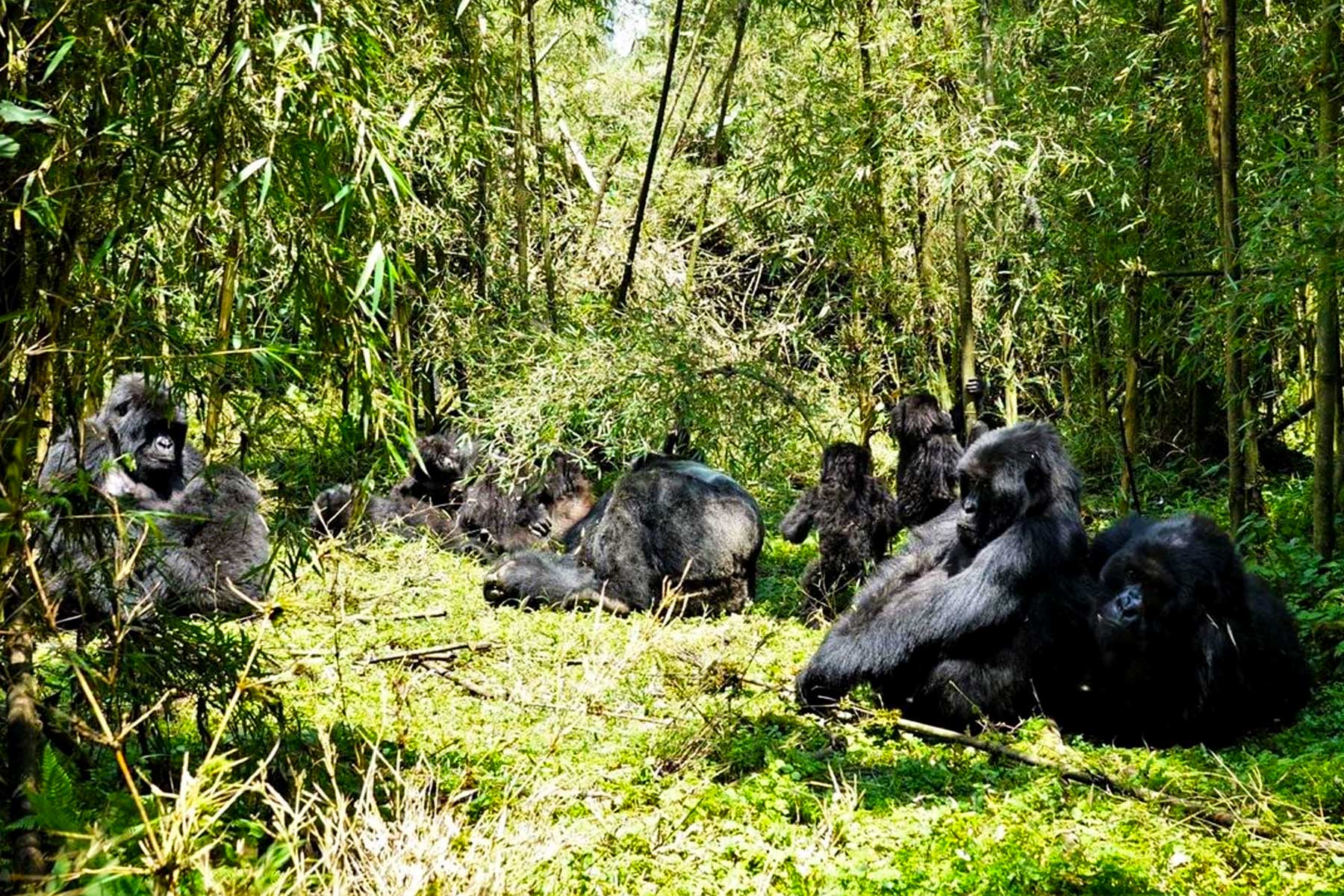
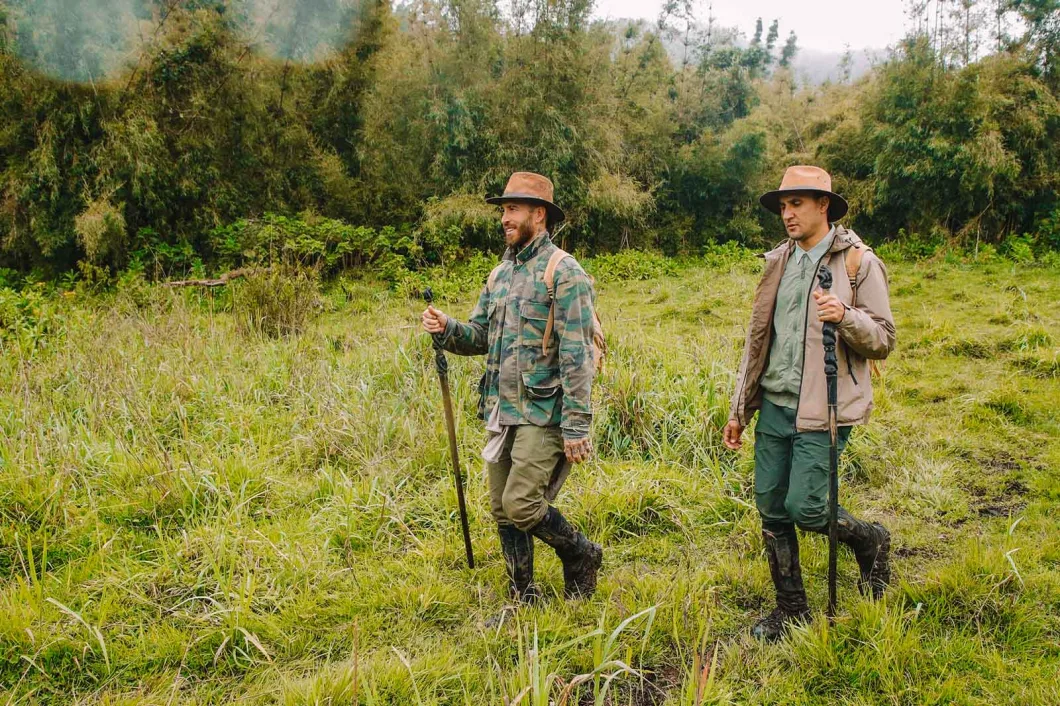
Gorilla trekkingis more than just an exhilarating adventure through the dense forests of East Africa—it’s a vital activity that plays a critical role in the conservation of one of the world’s most endangered species: the mountain gorilla. With fewer than 1,000 mountain gorillas remaining in the wild, their future hinges on active conservation efforts that involve both local communities and the global public. Among the most impactful supporters of these efforts are luxury travelers, whose participation in gorilla trekking directly contributes to the sustainability of conservation programs.
As the global population of mountain gorillas continues to face numerous threats—such as habitat loss, poaching, and disease—how gorilla trekking contributes to conservation becomes increasingly important. By participating in these treks, travelers provide the necessary financial support that funds vital wildlife protection measures, helps monitor and track gorilla populations, and assists in habitat restoration. These efforts are critical to ensuring the survival of the mountain gorilla and the preservation of the ecosystems they inhabit.
Luxury travelers play an essential role in how gorilla trekking contributes to conservation. The revenue generated by trekking permits supports ranger patrols, anti-poaching efforts, and healthcare for both gorillas and local communities. Funds from these activities are invested into protecting gorilla habitats, conducting health checks on the animals, and ensuring that their ecosystems remain intact and safe from human encroachment.
Furthermore, how gorilla trekking contributes to conservation is more than financial—it fosters a deeper connection between travelers and the natural world. The unique experience of encountering these magnificent creatures up close encourages travelers to become lifelong advocates for wildlife conservation. By supporting sustainable tourism and ethical trekking practices, luxury travelers ensure that the conservation efforts continue to thrive.
Through this collaboration, luxury travelers not only experience the magic of gorilla trekking but also play an essential role in protecting mountain gorillas for future generations. Their participation in how gorilla trekking contributes to conservation supports both the immediate and long-term sustainability of gorilla conservation, ensuring that these incredible creatures remain a part of our world for years to come.
1. Understanding the Importance of Gorilla Trekking for Conservation
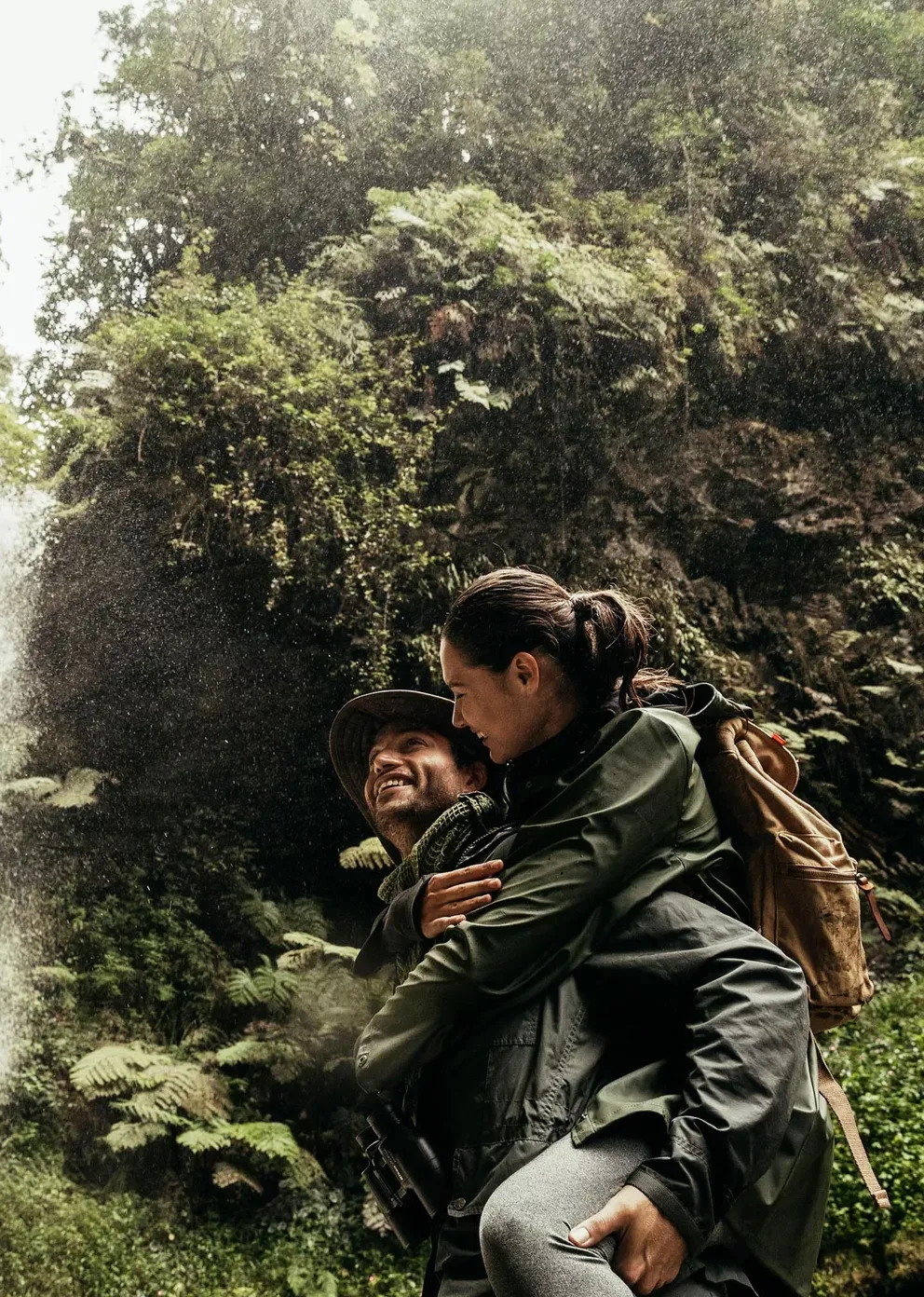
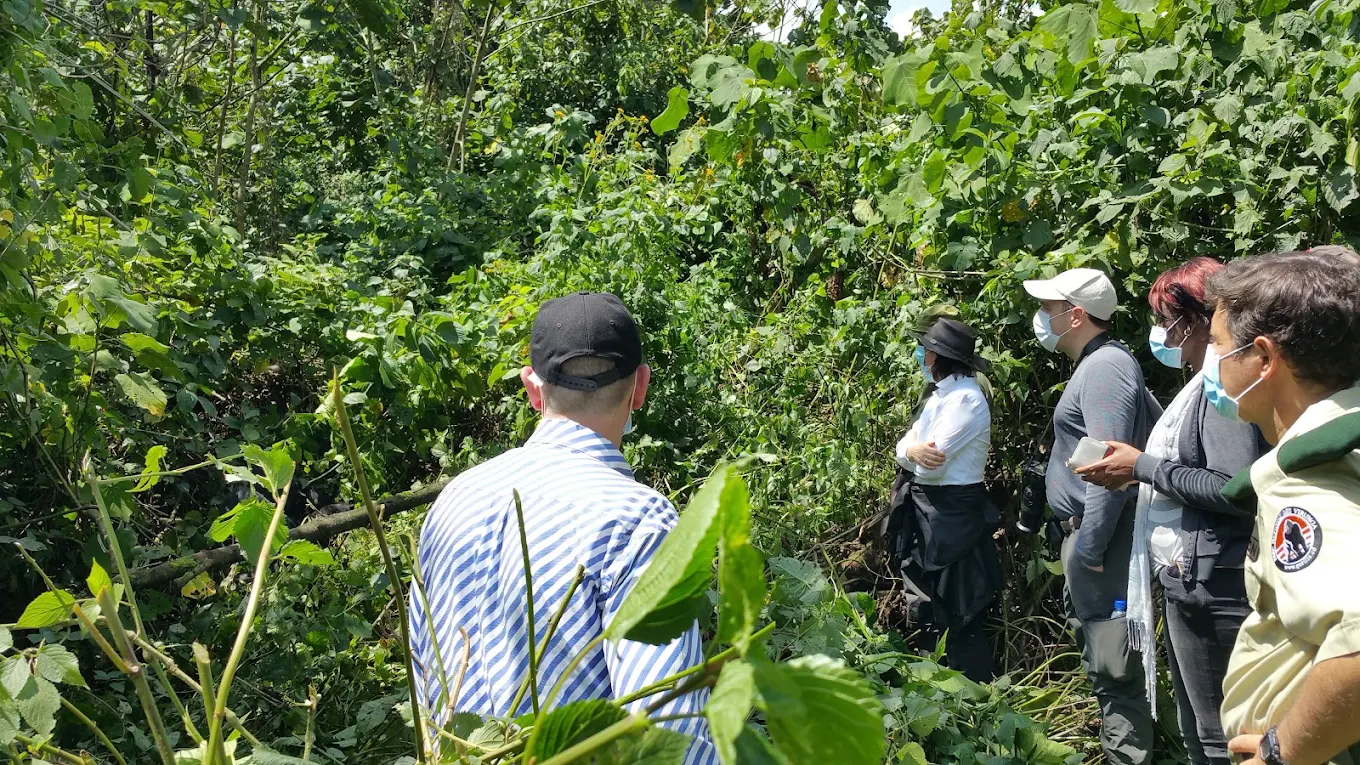
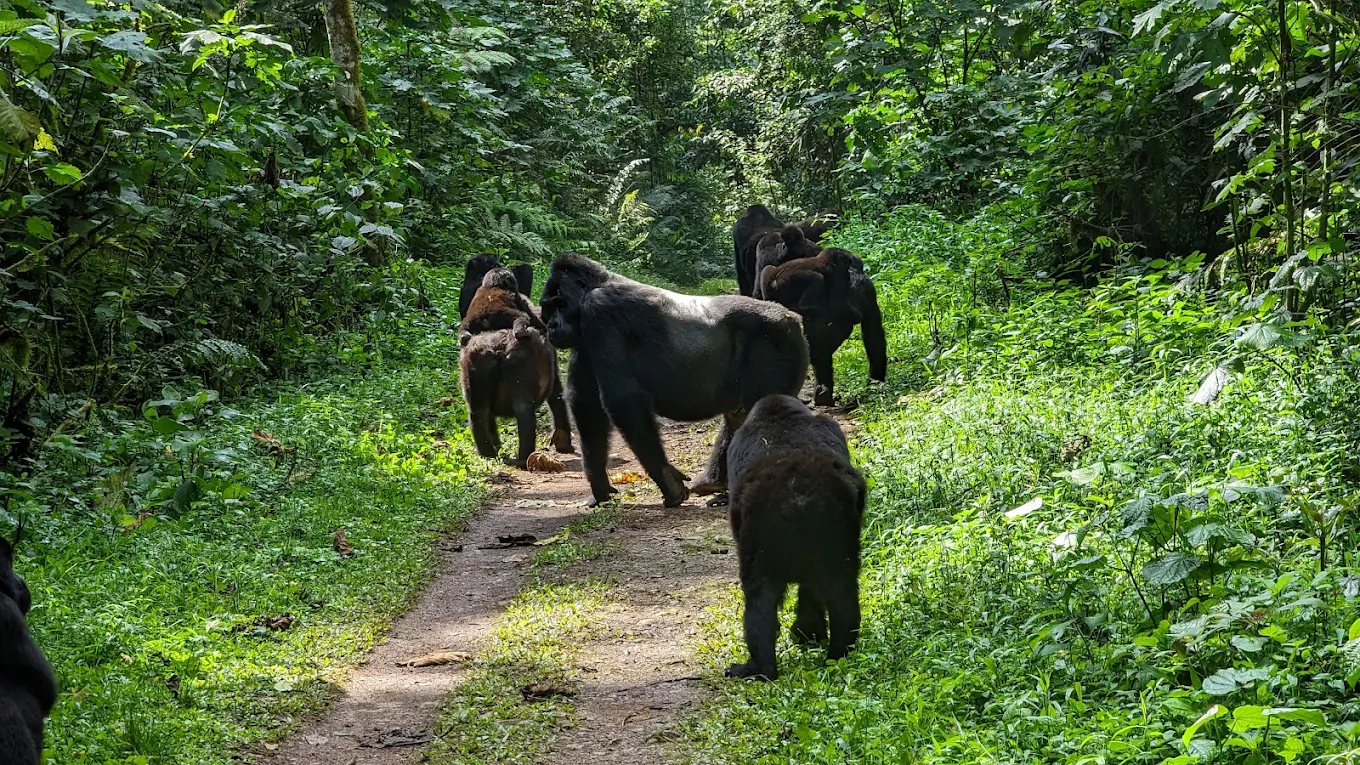
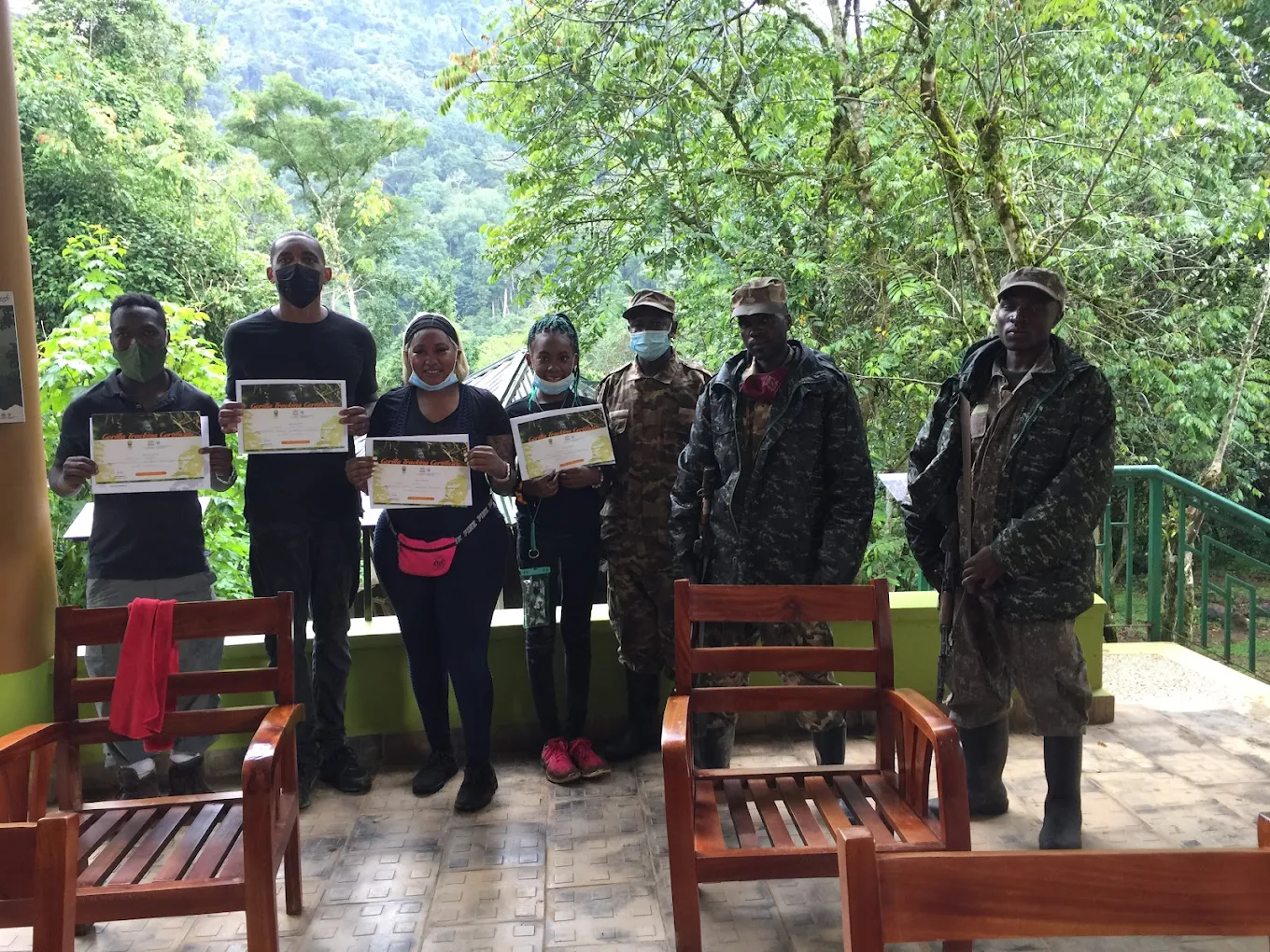
How gorilla trekking contributes to conservation is a multi-faceted process that intertwines tourism with essential environmental protection efforts. Gorilla trekking, a growing eco-tourism industry in countries like Uganda, Rwanda, and the Democratic Republic of Congo, has become one of the most effective ways to directly fund and support gorilla conservation.
Sustainable Tourism Funding Gorilla Conservation Efforts
The revenue generated from trekking permits, lodge stays, guided tours, and related services plays a pivotal role in sustaining national parks and maintaining the protected habitats of mountain gorillas. Trekking activities, which require tourists to purchase permits, directly fund conservation initiatives, including research and the safeguarding of the gorillas’ natural habitats. The tourism revenue also supports the larger ecosystem, benefiting not only the gorillas but the flora and fauna of the parks as well.
A key aspect of how gorilla trekking contributes to conservation is the creation of a sustainable funding model for national parks. The funds from trekking help the parks remain operational and continue to function as safe havens for wildlife, free from threats like poaching and illegal logging. Without the influx of funds from tourists, these protected areas could face serious challenges, risking the loss of habitats and the animals that depend on them.
Monitoring and Protecting Gorilla Populations
The funds generated by trekking directly support park rangers who are responsible for the safety and well-being of the gorillas. The money allows for more frequent and intensive monitoring of the gorilla populations, which is critical for their survival. Rangers use the funding to track the gorillas on a daily basis, ensuring that they are not threatened by poachers, human encroachment, or diseases that could harm their fragile populations.
Additionally, the funds are used to provide medical care for injured or sick gorillas. Mountain gorillas are highly susceptible to diseases from humans, and ensuring that they remain healthy requires constant monitoring and preventive health measures. Trekking funds help provide veterinary care and conduct regular health assessments, keeping the gorillas safe from the many diseases that pose a risk to their survival.
Anti-Poaching and Habitat Preservation
One of the most direct ways that how gorilla trekking contributes to conservation is by funding anti-poaching initiatives. Poaching is one of the biggest threats to gorillas, and the revenue from trekking permits is crucial in supporting efforts to combat this illegal activity. Anti-poaching teams use the funds to patrol the parks, enforce wildlife protection laws, and prevent the illegal hunting of gorillas and other wildlife species.
Additionally, the funds help preserve and restore the gorillas’ habitats. As human populations expand, gorillas face the constant threat of habitat destruction due to logging, agriculture, and urbanization. The income generated from trekking activities enables conservation organizations to buy land, reforest areas, and restore critical habitat that might otherwise be lost. By ensuring that these habitats remain intact, gorilla trekking plays an integral role in ensuring the long-term survival of these endangered animals.
Community Engagement and Support
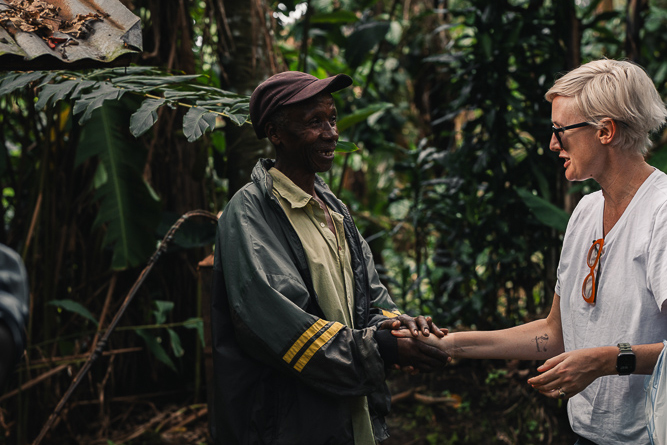
Another significant way how gorilla trekking contributes to conservation is through the positive impact on local communities. Tourism, driven by trekking, provides employment for local guides, rangers, and other staff. These jobs help raise local incomes and improve livelihoods, fostering a sense of community pride and investment in the conservation of the park and its wildlife.
In addition, many parks and conservation organizations use trekking revenue to fund educational programs, healthcare, and infrastructure projects that benefit local communities. By integrating local communities into the conservation process, the benefits of trekking are spread throughout the region, and local people become active participants in the protection of the gorillas. This collaborative approach not only provides economic benefits but also fosters greater support for conservation initiatives, reducing the likelihood of conflicts between humans and wildlife.
Raising Awareness and Advocacy for Gorillas
Trekking also helps to raise global awareness about the plight of the mountain gorilla. Every visitor who participates in how gorilla trekking contributes to conservation becomes an advocate for the species, spreading knowledge about their endangered status and the efforts needed to protect them. Many trekkers share their experiences on social media, in documentaries, and through word-of-mouth, amplifying the message of conservation to a wider audience.
Through this increased awareness, more people are encouraged to visit the parks, support eco-tourism initiatives, and contribute to the broader conversation about wildlife conservation. As more people participate in gorilla trekking and support conservation efforts, the likelihood of success in protecting these magnificent animals grows exponentially. The story of mountain gorillas, once teetering on the brink of extinction, has become a testament to the power of eco-tourism in conservation.
2. Luxury Travelers: Key Supporters of Gorilla Conservation
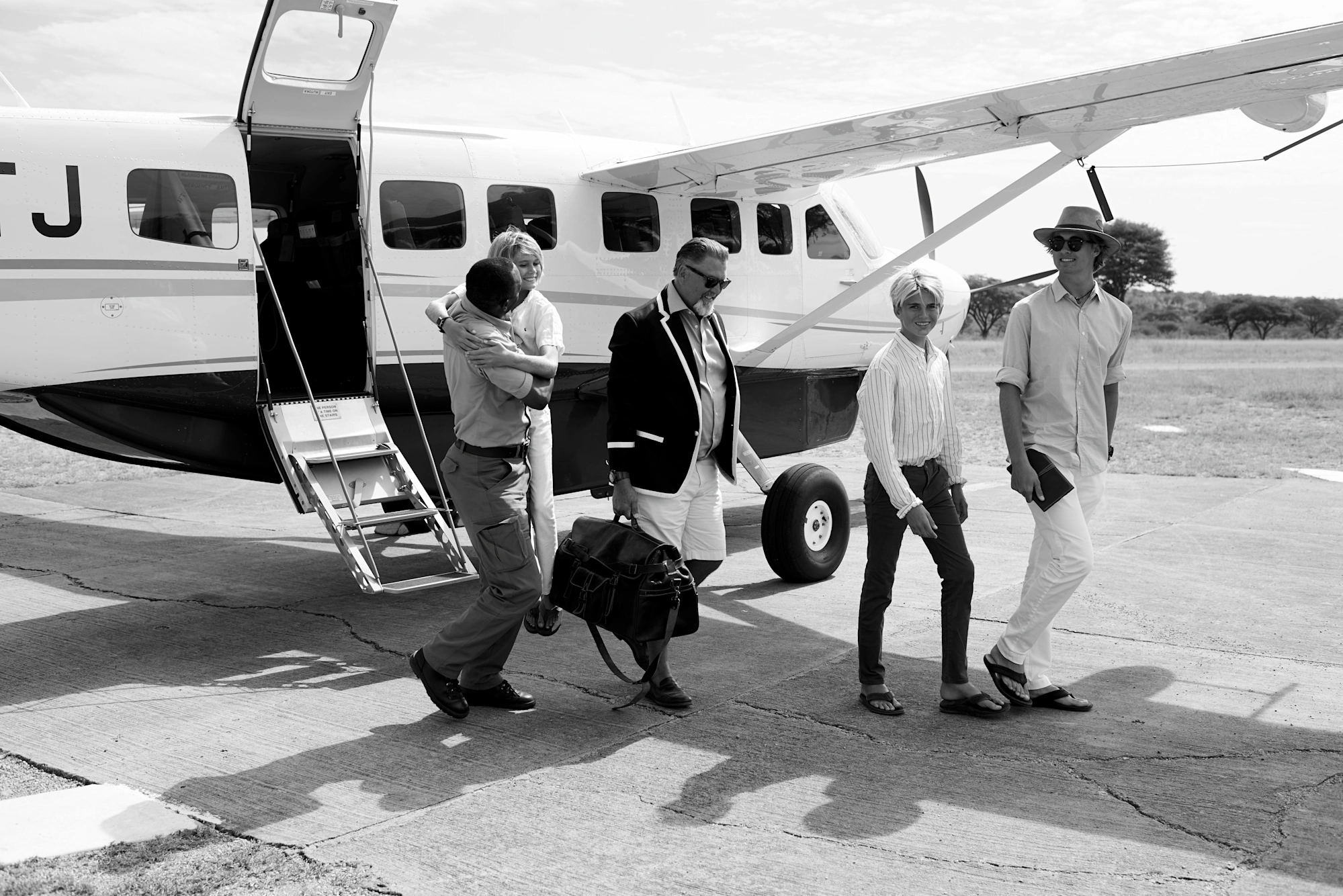
Luxury travelers play an indispensable role in the success of how gorilla trekking contributes to conservation. With their willingness to pay higher trekking fees, they provide vital funding for infrastructure and conservation programs that help protect gorilla habitats and sustain gorilla populations. The higher costs associated with luxury trekking experiences, such as private treks, accommodations in luxury lodges, and bespoke safari services, directly support the sustainability of conservation efforts. These funds are allocated towards ranger patrols, habitat restoration, medical care for injured or sick gorillas, and the development of anti-poaching measures.
Raising Awareness and Advocacy
The contributions of luxury travelers extend beyond monetary donations. Their involvement in gorilla trekking also raises awareness about the challenges facing mountain gorillas, both within their communities and globally. Through word-of-mouth and the sharing of personal experiences, luxury travelers help amplify the message of wildlife conservation, drawing attention to the need to protect endangered species like the mountain gorilla.
Many luxury travelers are also influential advocates for sustainable wildlife tourism. By supporting how gorilla trekking contributes to conservation, they encourage others to choose ethical, eco-friendly travel options that prioritize the well-being of wildlife and local communities. Their participation not only ensures the continuation of critical conservation work but also sets an example for other tourists, creating a ripple effect of positive influence on the industry.
Broader Global Impact
Luxury travelers often come from international markets where environmental awareness and ethical tourism are increasingly prioritized. Their engagement with gorilla trekking contributes to the global conservation movement by raising awareness of the gorilla’s endangered status and advocating for policies that protect them. These travelers help draw attention to the importance of protecting biodiversity and supporting wildlife conservation efforts worldwide, leveraging their platforms to spread the message of gorilla conservation on a global scale.
3. Eco-Tourism and Sustainable Practices in Gorilla Trekking
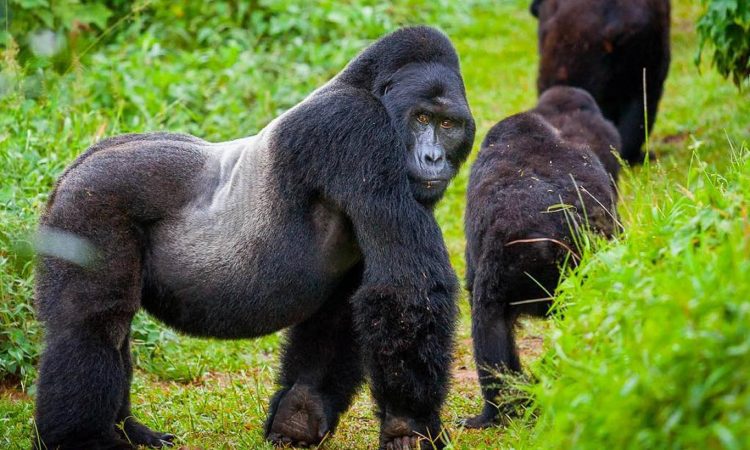
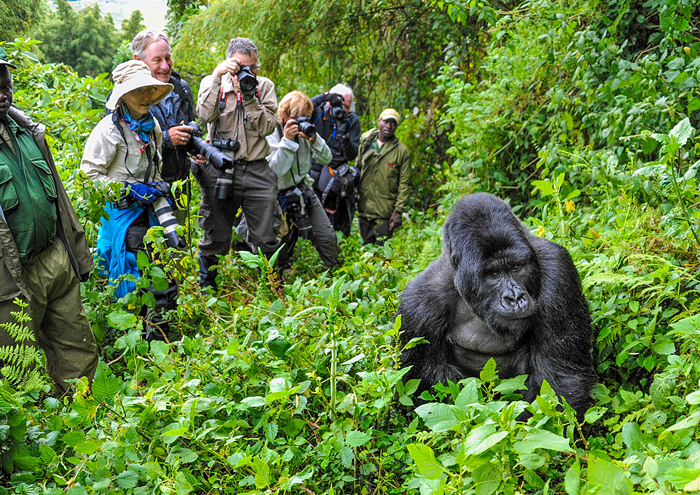
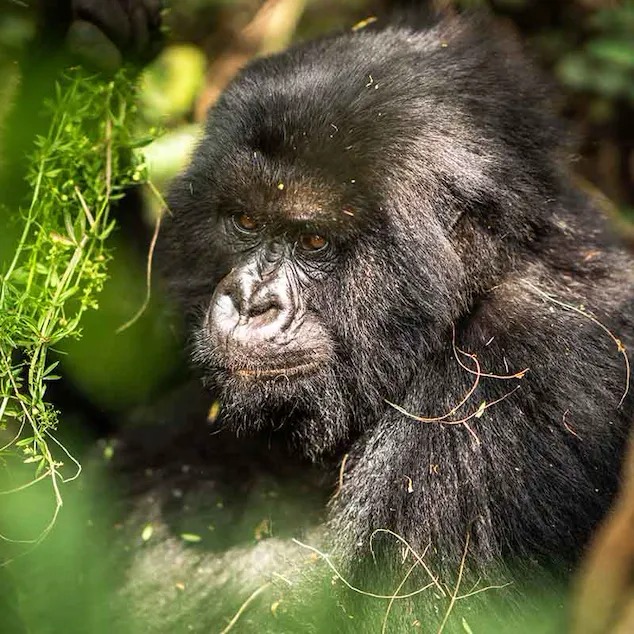
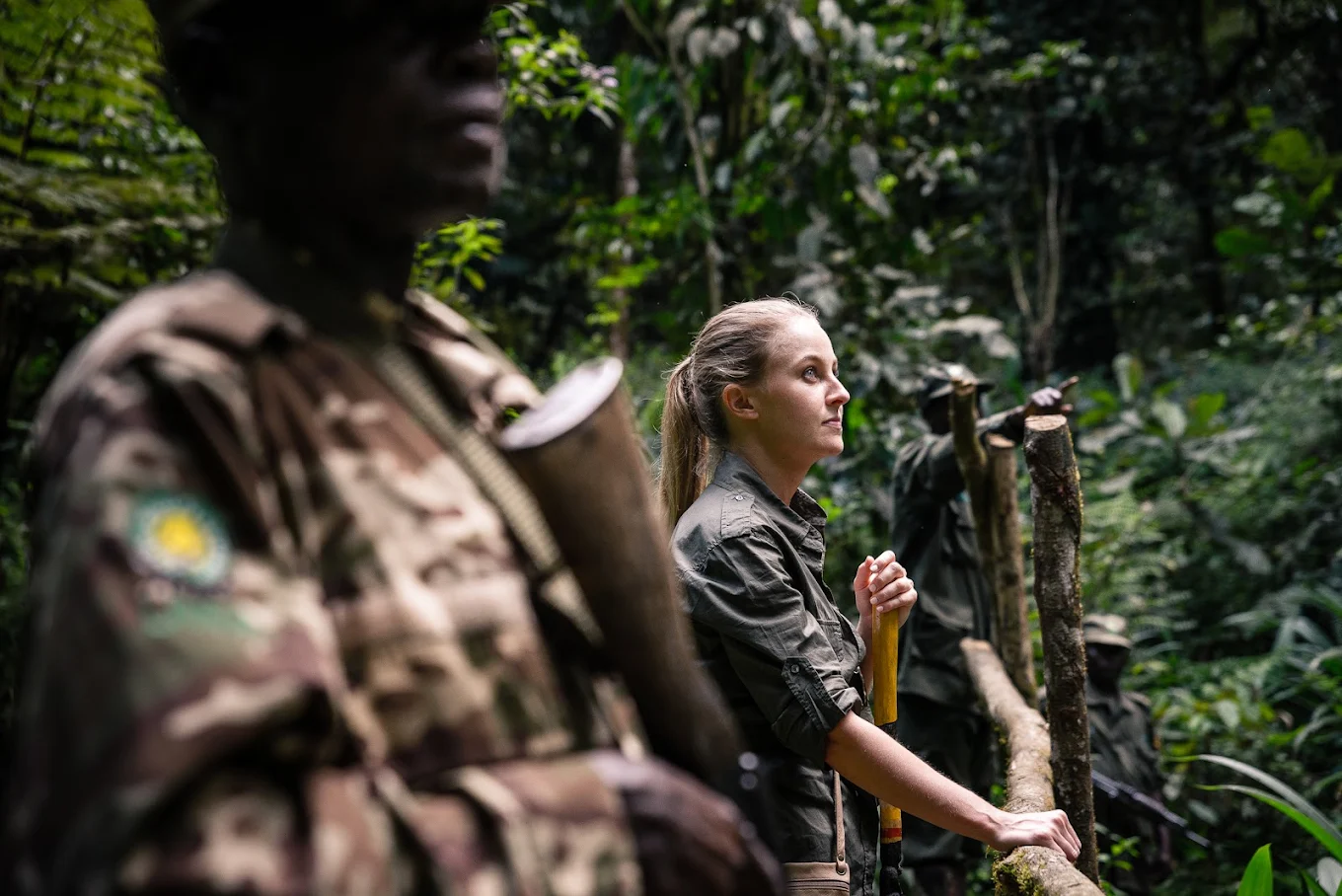
One of the most important aspects of how gorilla trekking contributes to conservation is the focus on sustainable tourism. Eco-tourism, which emphasizes low-impact, environmentally responsible travel, plays a key role in maintaining the balance between wildlife conservation and tourism. For luxury travelers, supporting eco-tourism initiatives means participating in experiences that contribute to the preservation of the gorillas’ natural habitats, while also benefiting local communities and ecosystems.
Limiting Environmental Impact
Luxury safari operators and trekking companies are increasingly adopting sustainable practices to minimize the environmental footprint of their operations. This includes limiting the number of trekkers allowed in the park per day. By controlling the number of tourists, operators ensure that the ecosystem is not overburdened, which helps maintain the delicate balance of the gorillas’ habitat. In addition, there are strict regulations on how close visitors can get to the gorillas during trekking to avoid disturbing their natural behavior. These measures are vital for preserving the animals’ well-being and ensuring that human interactions do not harm their natural way of life.
Luxury travelers who choose eco-friendly trekking operators help support these sustainable practices. Through their participation, they directly contribute to the continued success of these conservation strategies. By adhering to guidelines and respecting park rules, luxury travelers help protect the environment and wildlife, ensuring that how gorilla trekking contributes to conservation remains a sustainable practice.
Supporting Conservation Beyond the Gorillas
How gorilla trekking contributes to conservation is not only about protecting the gorillas but also about preserving the entire ecosystem. The Virunga Volcanoes, which serve as the home for the mountain gorillas, are part of a larger, fragile environment that includes diverse plant and animal species. Through eco-tourism practices, luxury travelers help preserve forests, plant life, and other wildlife that coexist with the gorillas in these protected habitats. This holistic approach to conservation ensures the long-term viability of the entire ecosystem, not just the gorillas.
4. Education and Local Community Involvement in Conservation Efforts
A significant part of how gorilla trekking contributes to conservation involves educating both the local communities and the visitors. Education is essential in fostering a deeper understanding of the challenges faced by mountain gorillas, the importance of wildlife protection, and the role local communities play in conservation. Luxury travelers, by engaging with local guides and park rangers, gain a deeper appreciation of the conservation challenges and the efforts being made to address them. This education fosters respect for wildlife and encourages tourists to take more conscious actions toward supporting conservation in their own countries and communities.
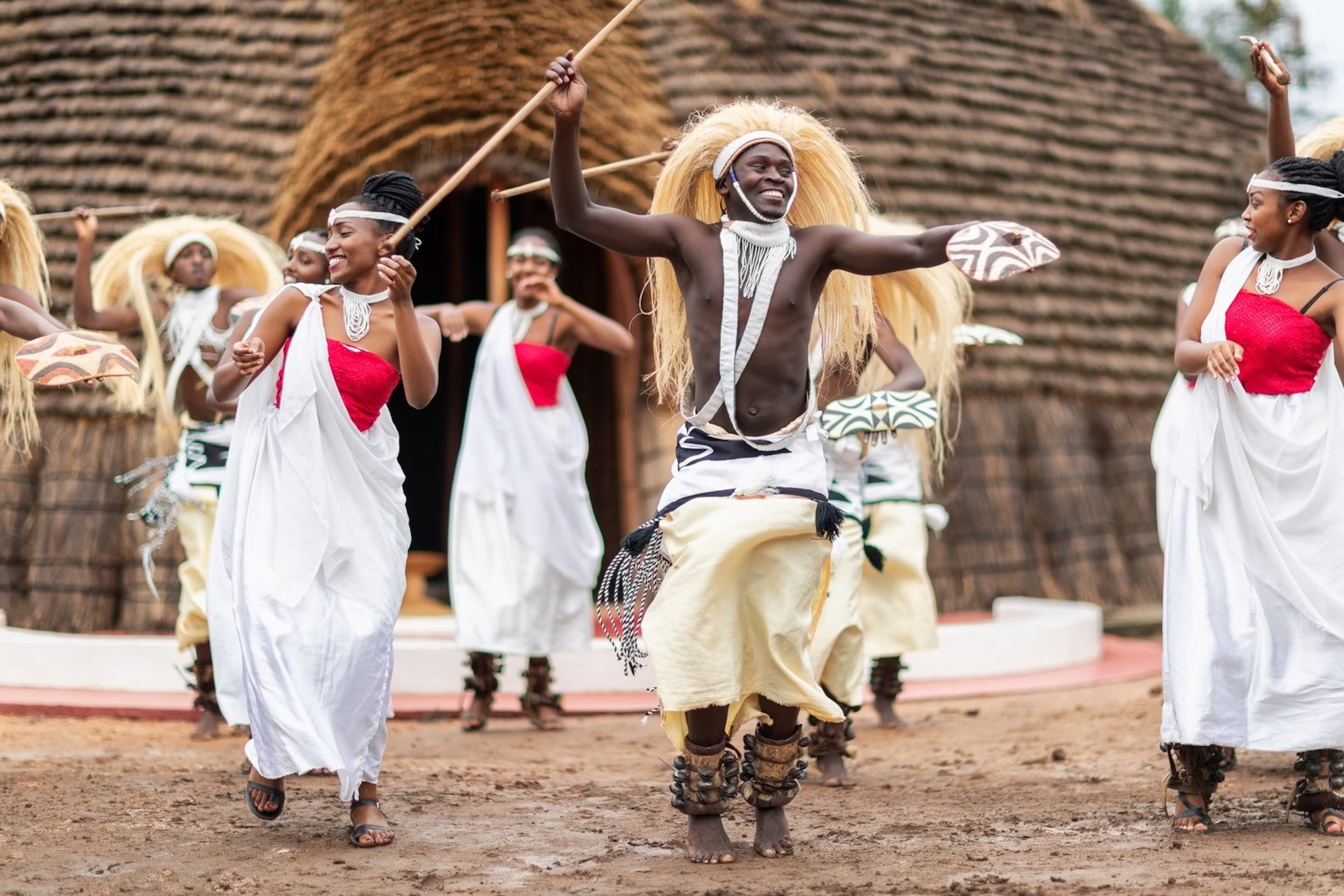
Engagement with Local Communities
In addition to benefiting the wildlife, how gorilla trekking contributes to conservation extends to the local communities surrounding gorilla habitats. The revenue generated by trekking permits and tourism activities helps fund vital community development programs, such as schools, healthcare services, and infrastructure improvements. These projects help improve the living standards of the communities, which in turn reduces the likelihood of conflicts between humans and wildlife. Local communities are provided with alternative livelihoods through employment in the tourism sector, such as guiding, hospitality, and park management.
Furthermore, many conservation programs incorporate local community members into the management and protection of the parks. By engaging with the local communities in conservation efforts, trekking activities help create a sense of ownership and responsibility for the preservation of the gorillas and their habitats. This involvement ensures that conservation is a shared goal between tourists, local residents, and park authorities, fostering long-term sustainability.
Reducing Human-Wildlife Conflict
By providing employment and development opportunities, trekking revenues help alleviate poverty, one of the root causes of human-wildlife conflict. Communities that benefit directly from eco-tourism are more likely to support conservation initiatives, as they see the direct benefits of preserving the park and its wildlife. This partnership between tourists, local communities, and conservationists creates a sustainable model for protecting the gorillas and ensuring that their habitats remain safe and intact for future generations.
5. Benefits of Gorilla Trekking to the Local Economy
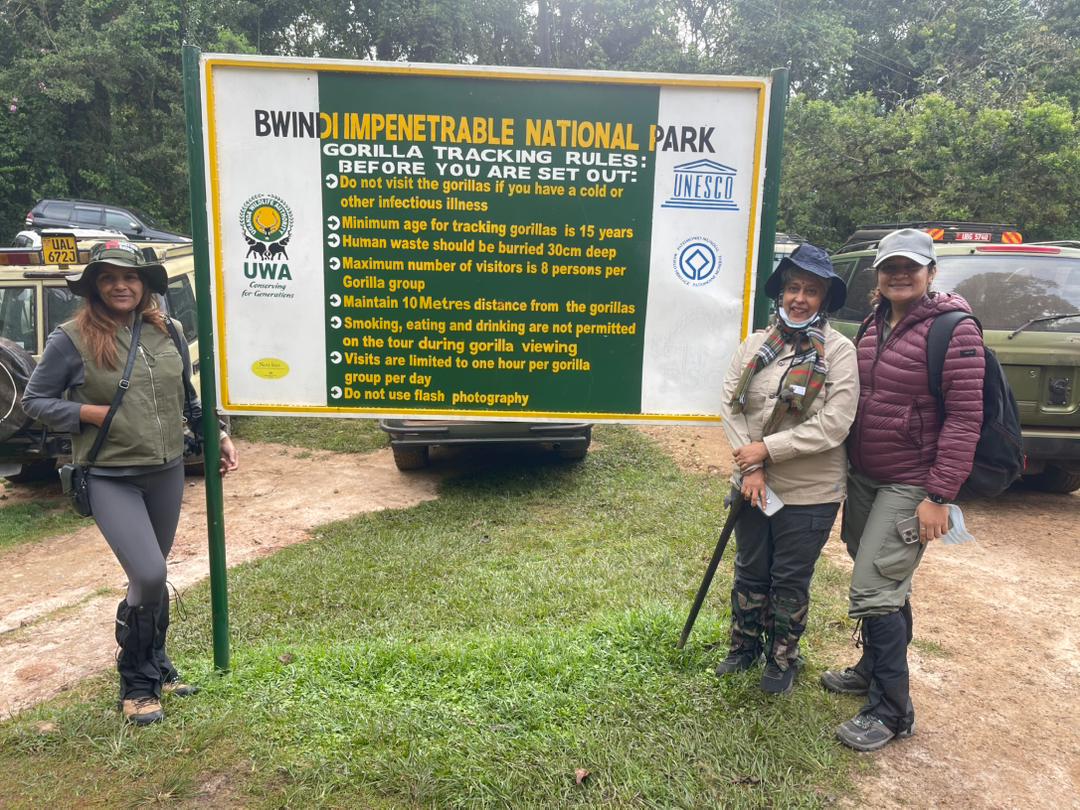
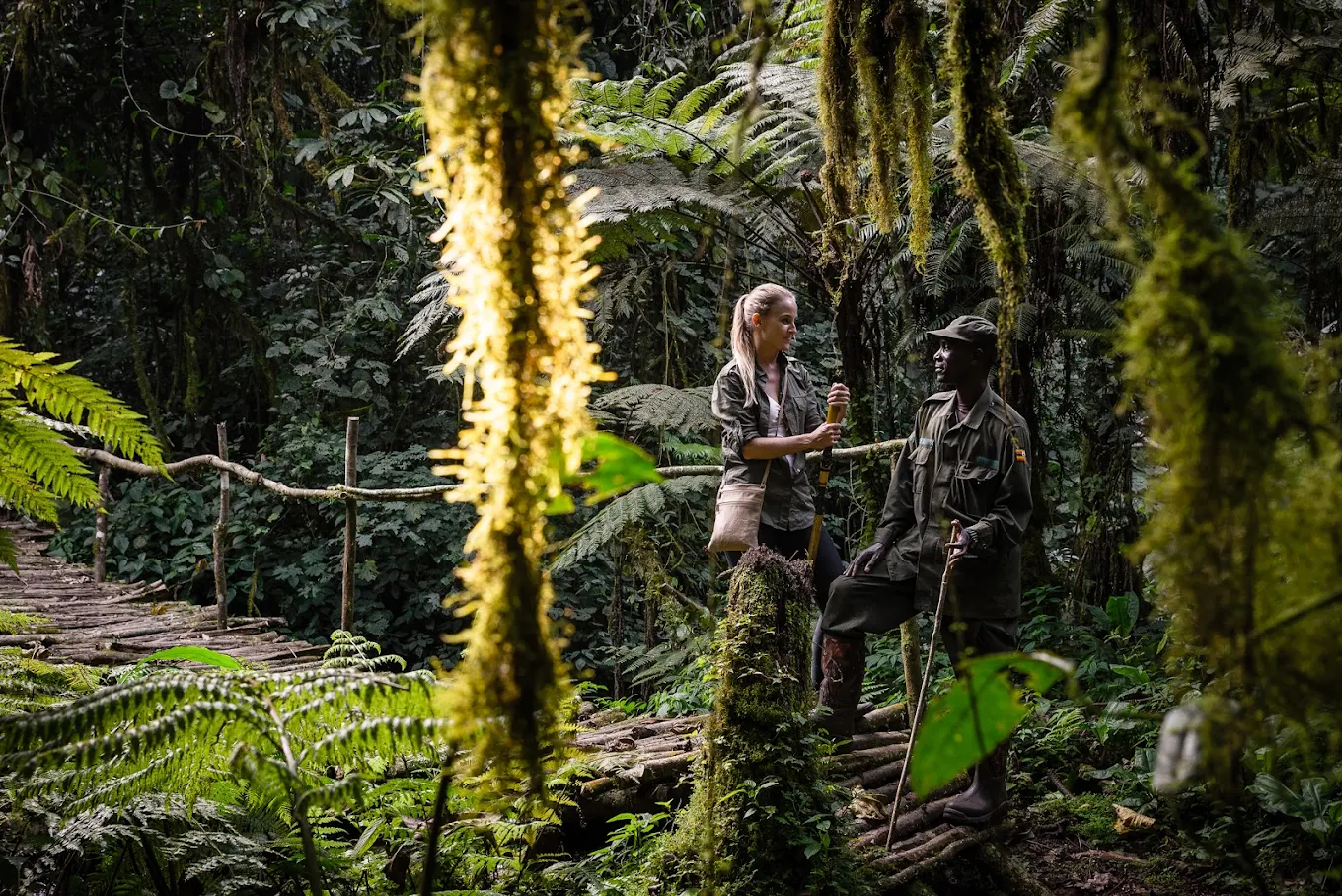
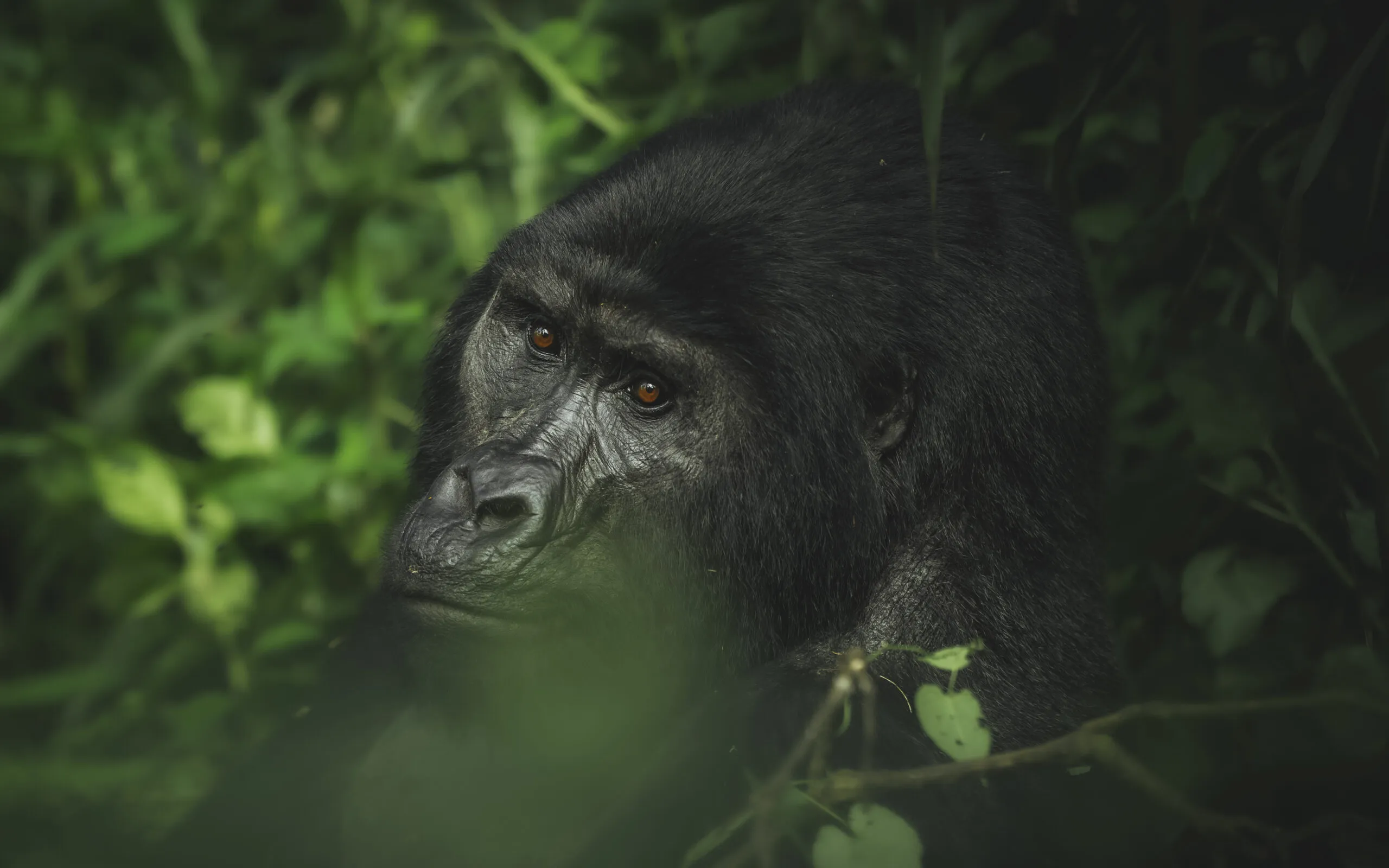
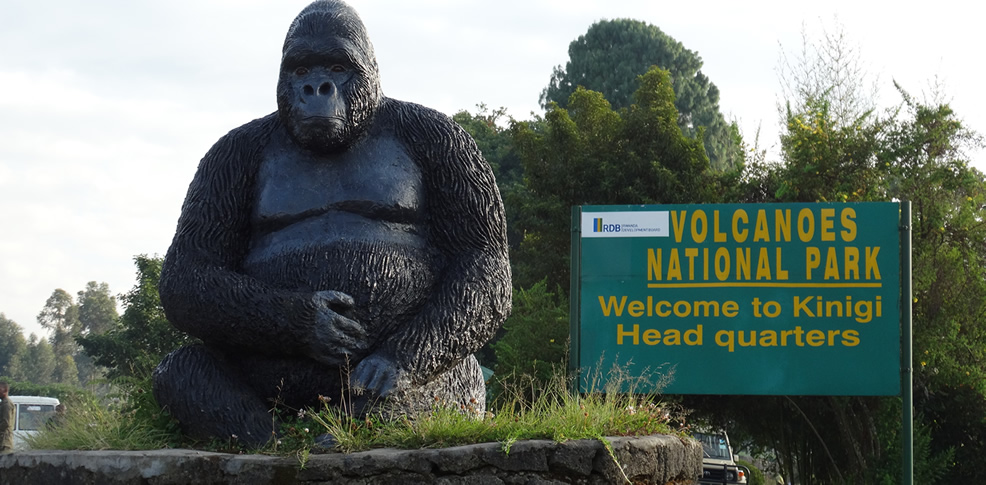
How gorilla trekking contributes to conservation extends beyond just the wildlife itself; it significantly impacts the local economy as well. The influx of tourists and the revenue generated from trekking activities create ripple effects that positively affect various sectors within the local community. By participating in gorilla trekking, luxury travelers are not only investing in conservation efforts but are also helping sustain the economic vitality of the surrounding areas.
Revenue Generation Through Tourism
Gorilla trekking generates substantial revenue through trekking permits, lodge bookings, transportation, and other services. The funds collected from trekking permits are one of the primary sources of income for national parks, and a significant portion of this money is reinvested into the conservation of gorilla habitats. But the benefits extend beyond the park’s gates, supporting local businesses in nearby towns and villages.
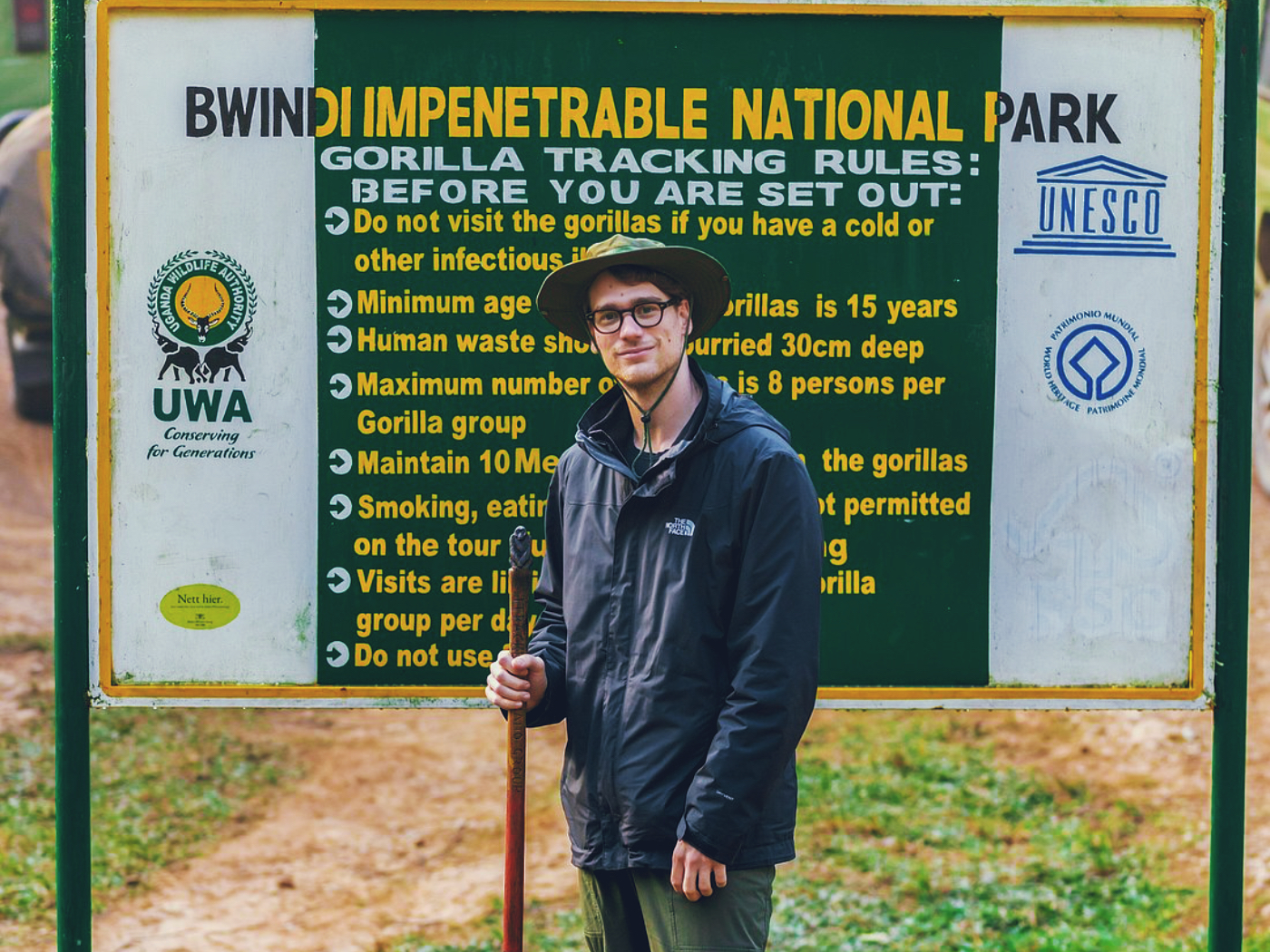
Local hotels, restaurants, transportation services, and souvenir shops all benefit from the influx of tourists. Small businesses thrive as tourists spend money on meals, accommodations, and goods, creating a diverse and sustainable local economy. In areas like Uganda’s Bwindi Impenetrable National Park or Rwanda’s Volcanoes National Park, where gorilla trekking is a major tourism draw, this economic boost is vital to local livelihoods.
Job Creation and Skills Development
Another key benefit of how gorilla trekking contributes to conservation is job creation. The tourism industry surrounding gorilla trekking provides employment for hundreds of locals, including guides, rangers, park staff, cooks, and hospitality workers. The tourism sector also creates opportunities in construction, transportation, and retail, fostering a diverse local workforce.
Luxury travelers who engage in responsible tourism directly support these jobs, which provide stable incomes and improve living standards in the area. Additionally, these jobs often come with training programs that enhance workers’ skills, increasing their future employment opportunities within the tourism sector or beyond.
Long-Term Economic Stability
As tourism continues to thrive in these regions, the economic stability generated by gorilla trekking provides a long-term solution to poverty in rural areas. The more visitors that come to experience the gorillas, the more resources are available to fund both conservation and community development. The symbiotic relationship between tourism and conservation ensures that the local communities continue to thrive, creating a sustainable cycle of economic growth and environmental protection.
Furthermore, the economic value of gorilla trekking incentivizes the local population to participate in conservation efforts. When communities see direct benefits from protecting the gorillas and their habitats, they are more likely to support anti-poaching initiatives and conservation policies. This creates a mutually beneficial relationship between wildlife protection and community well-being, making it a key driver for sustainable tourism.
6. Gorilla Trekking and the Fight Against Poaching
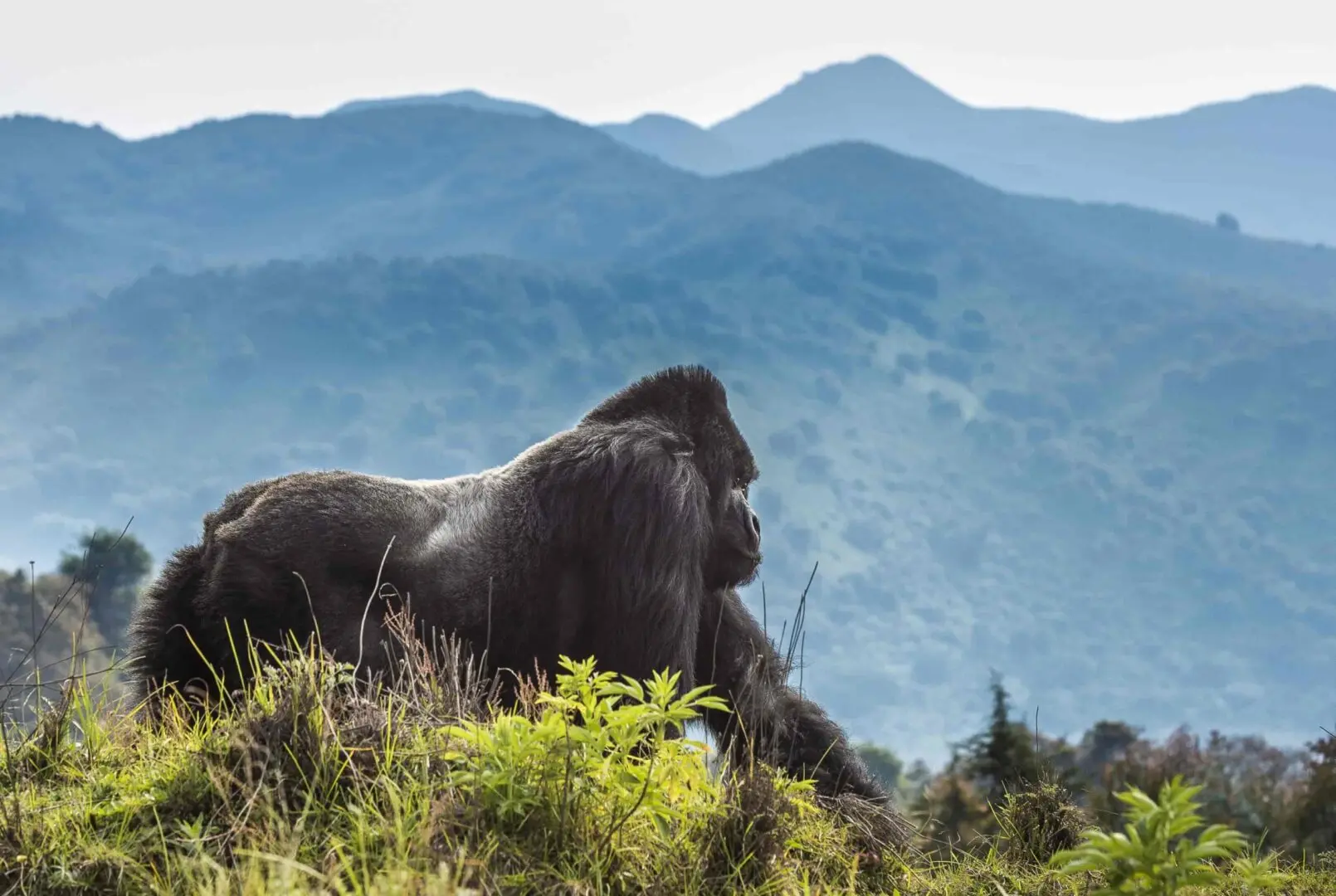
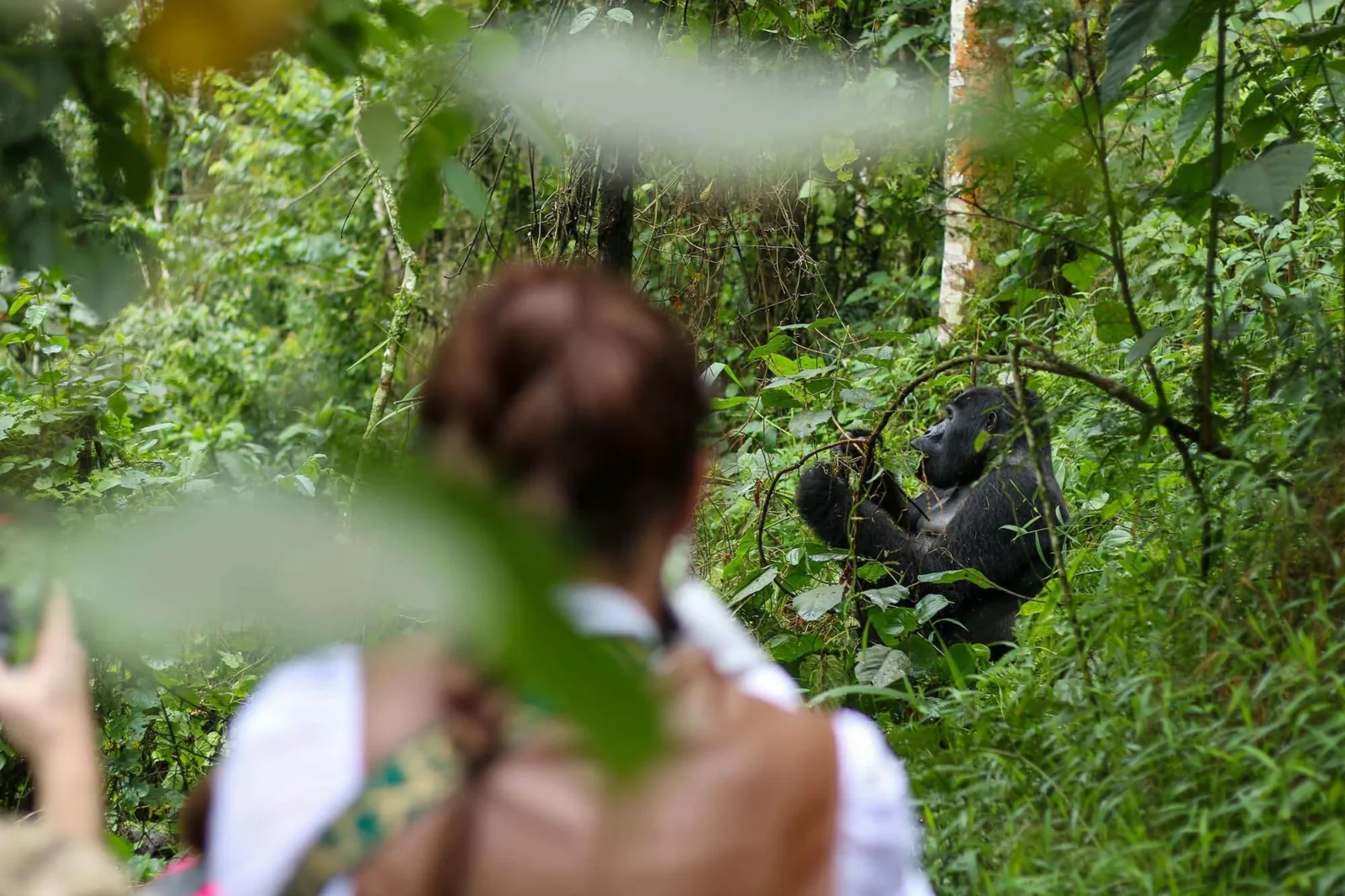
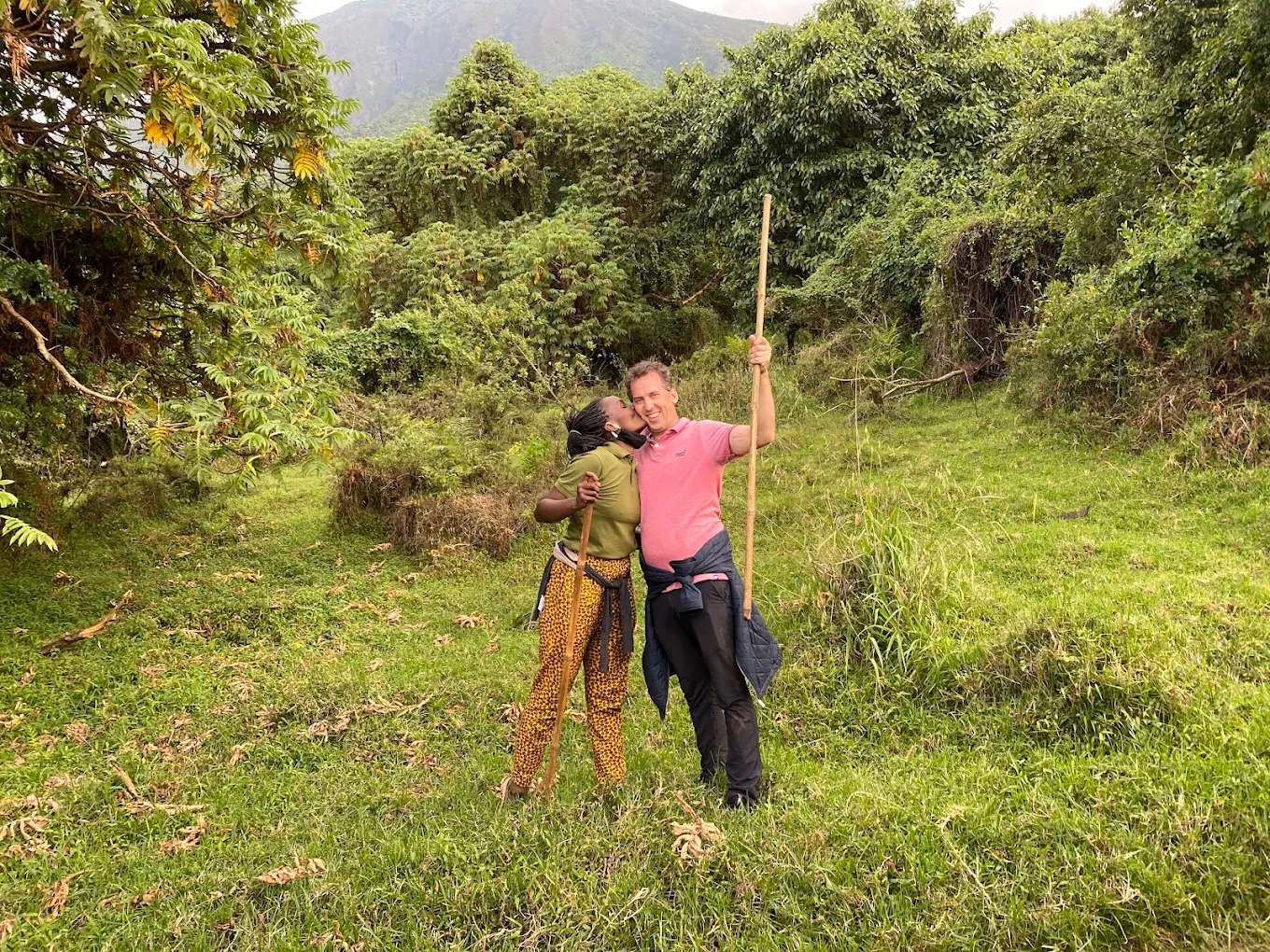
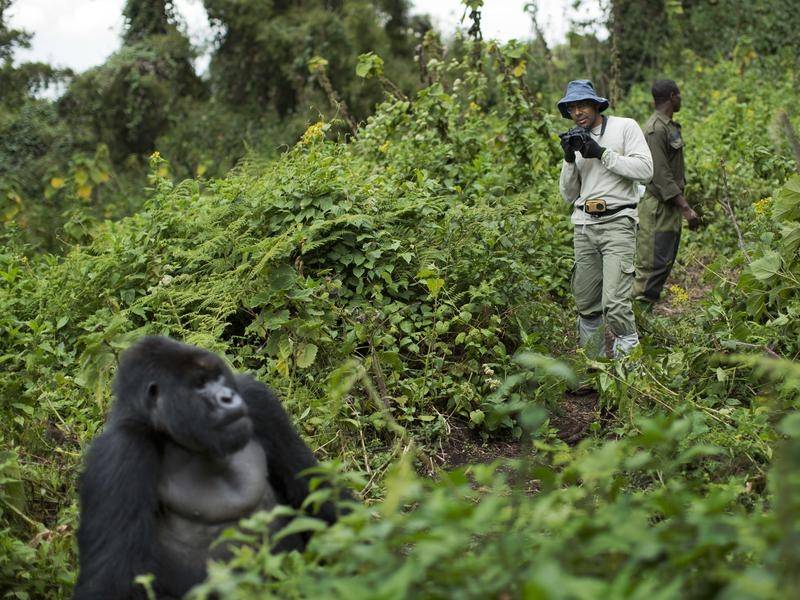
Poaching remains one of the greatest threats to the survival of mountain gorillas. How gorilla trekking contributes to conservation includes direct involvement in anti-poaching efforts that are essential to the long-term protection of these magnificent creatures. Through the revenue generated from trekking activities, funds are made available to combat poaching on multiple levels, from funding park ranger patrols to providing anti-poaching equipment.
Supporting Anti-Poaching Patrols
Trekking funds play a crucial role in equipping park rangers with the necessary tools to effectively combat poaching. These funds are used to purchase surveillance equipment, such as cameras and tracking devices, that help rangers monitor the gorillas’ movements and identify potential poaching threats. The money is also used to maintain patrol vehicles, which are essential for rangers to conduct regular patrols across vast and often rugged terrain, ensuring that the park remains secure.
Rangers and anti-poaching teams, funded through trekking revenues, are able to conduct more frequent and comprehensive patrols, thus increasing their chances of detecting and preventing poaching activities. These patrols help protect not only the gorillas but other endangered species within the park as well, ensuring that the entire ecosystem benefits from enhanced security measures.
Reducing the Demand for Gorilla Parts
One of the more subtle ways how gorilla trekking contributes to conservation helps fight poaching is by reducing the demand for illegal wildlife trade. Tourism, particularly eco-tourism, provides an alternative source of income for communities living near the park. When these communities benefit from sustainable tourism rather than poaching or the illegal trade of wildlife parts, it helps curb the market for gorilla body parts and other wildlife products.
Luxury travelers, by engaging in responsible tourism practices, provide a sustainable source of income that competes with the illegal trade in wildlife parts. This, in turn, reduces the profitability of poaching, helping ensure that gorillas remain safe in their natural habitats.
Encouraging Responsible Tourism
Luxury travelers play an essential role in promoting responsible tourism that helps safeguard wildlife and reduce poaching. By choosing to participate in ethical, eco-friendly activities like gorilla trekking, they send a strong message that wildlife conservation and sustainable practices are important. This type of tourism helps foster a culture of conservation and makes the act of protecting gorillas a priority for both travelers and local communities alike.
7. Conservation Success Stories from Gorilla Trekking
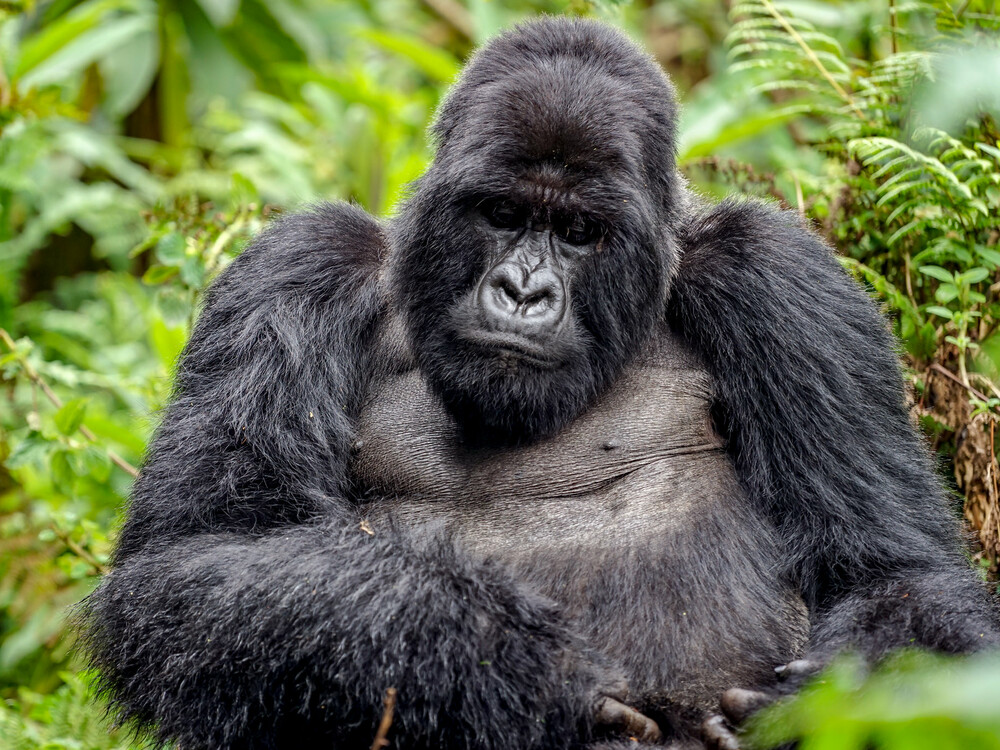
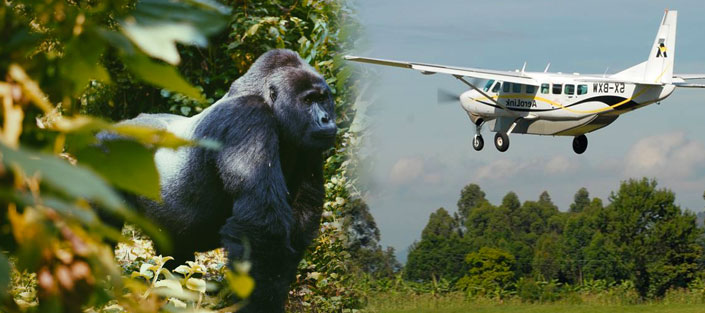
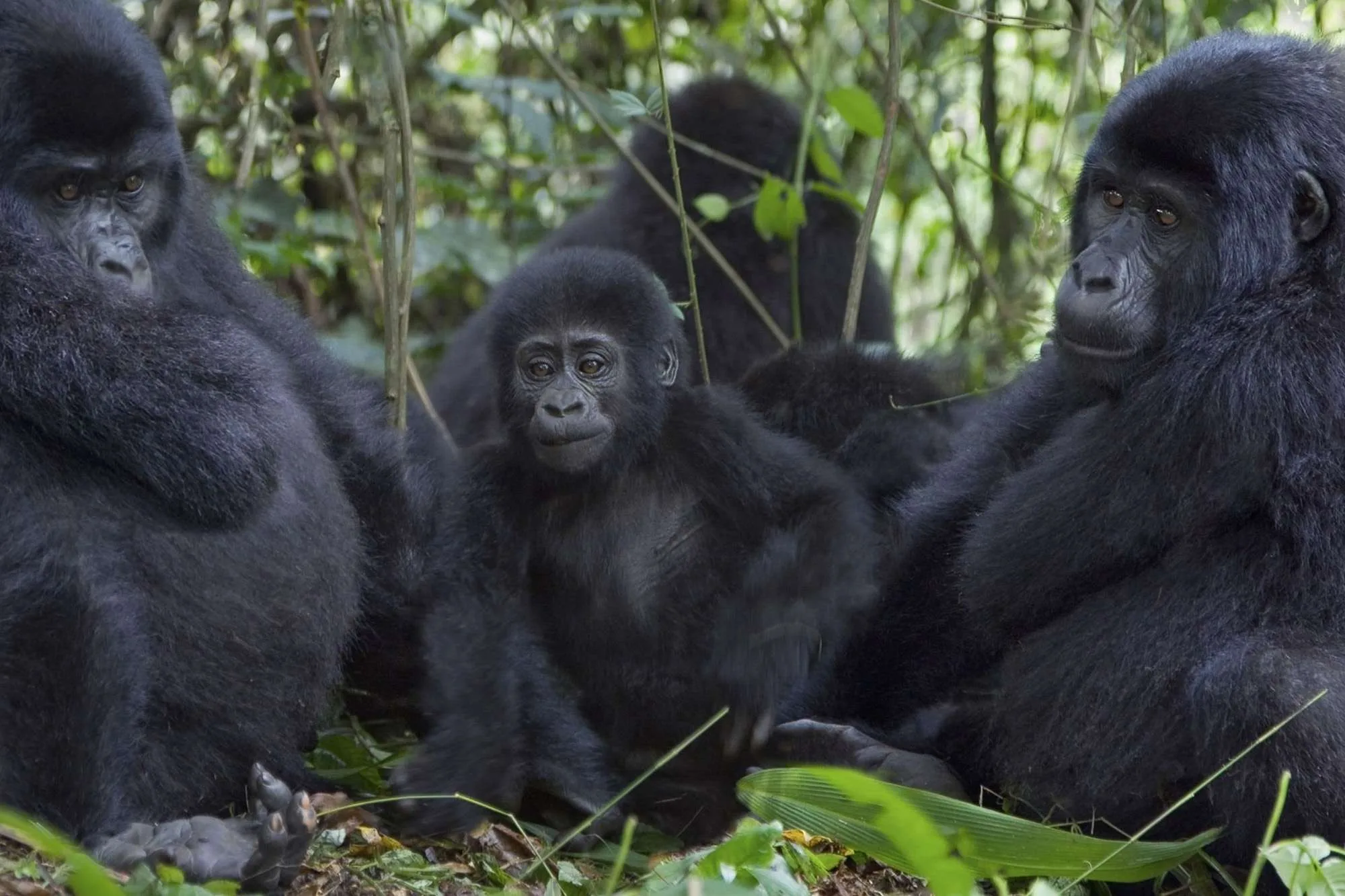
The success of how gorilla trekking contributes to conservation is evident in the remarkable recovery of mountain gorilla populations in both Uganda and Rwanda. Thanks to ongoing conservation efforts, fueled largely by eco-tourism revenues from activities like gorilla trekking, mountain gorillas have seen a steady increase in numbers, and their status has improved from “critically endangered” to “endangered.” This success is a direct result of the collaborative efforts between governments, conservation organizations, local communities, and tourists.
Population Growth in Uganda’s Bwindi Impenetrable National Park
One of the most inspiring success stories is from Uganda’s Bwindi Impenetrable National Park, home to half of the world’s remaining mountain gorillas. Over the past few decades, the population of mountain gorillas in Bwindi has more than doubled, thanks to the funding generated by trekking activities. Trekking permits have been instrumental in providing the financial support needed for ongoing conservation initiatives, such as habitat protection, research, and ranger patrols.
As a result of these efforts, the gorilla population in Bwindi has been able to grow steadily, and the park is now recognized as one of the most successful examples of wildlife conservation in the world. Tourism, especially gorilla trekking, has directly contributed to this achievement, providing a sustainable and ethical model for protecting the species.
Rwanda’s Volcanoes National Park and the Reintroduction of Gorilla Families
Rwanda’s Volcanoes National Park, another prime location for gorilla trekking, has also seen significant success due to tourism-based conservation efforts. The revenue generated from trekking has enabled the park to implement groundbreaking programs to reintroduce new gorilla families into the wild, helping to increase genetic diversity and the overall population of mountain gorillas. These conservation programs, supported by eco-tourism, have contributed to a steady increase in Rwanda’s mountain gorilla population.
Today, both Uganda and Rwanda can celebrate their conservation success, and how gorilla trekking contributes to conservation continues to play a pivotal role in preserving the mountain gorilla for future generations. Through eco-tourism, specifically gorilla trekking, both countries have seen remarkable progress in saving one of the world’s most iconic species from the brink of extinction.
Why Luxury Travelers Matter in Gorilla Trekking Conservation
How gorilla trekking contributes to conservation is not a simple one-way process. Luxury travelers play a vital and indispensable role in ensuring the continued success of these conservation efforts. By choosing to engage in responsible, eco-friendly trekking activities, they provide the financial backing and social support needed to maintain sustainable conservation practices, directly impacting the preservation of mountain gorillas and their habitats.
Financial Support for Conservation Initiatives
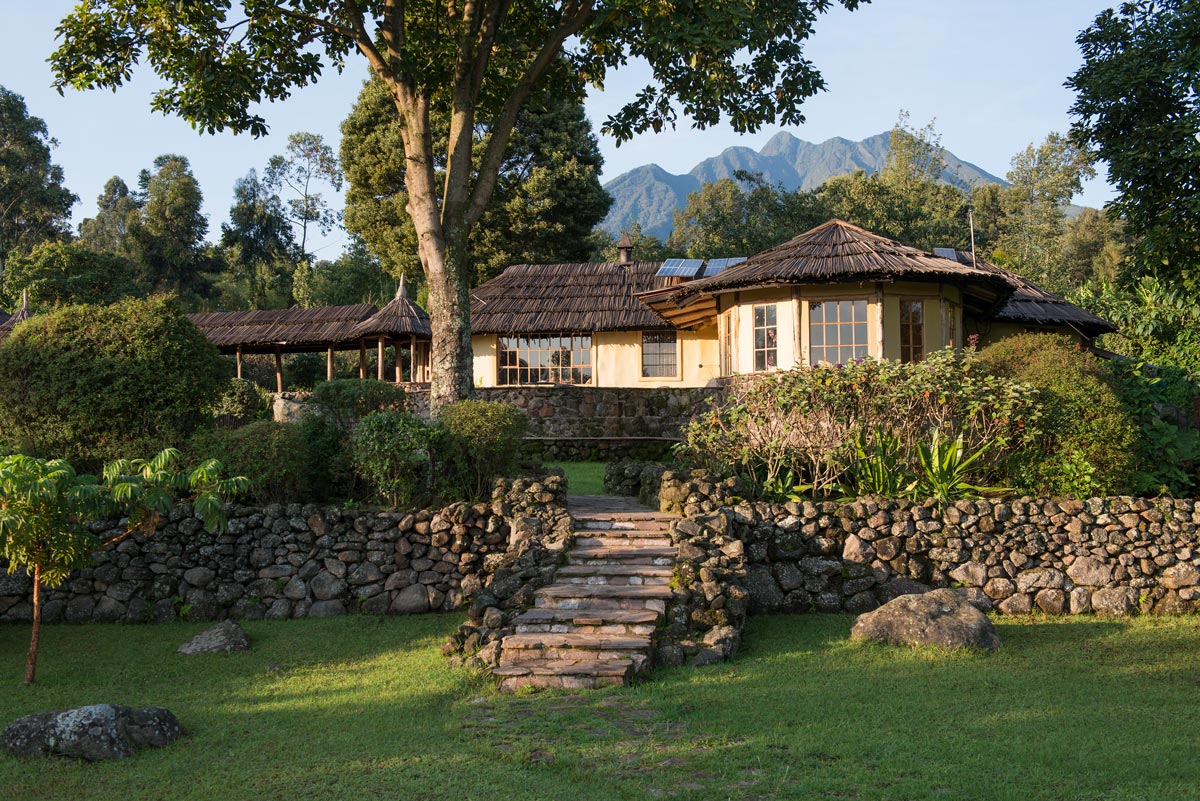
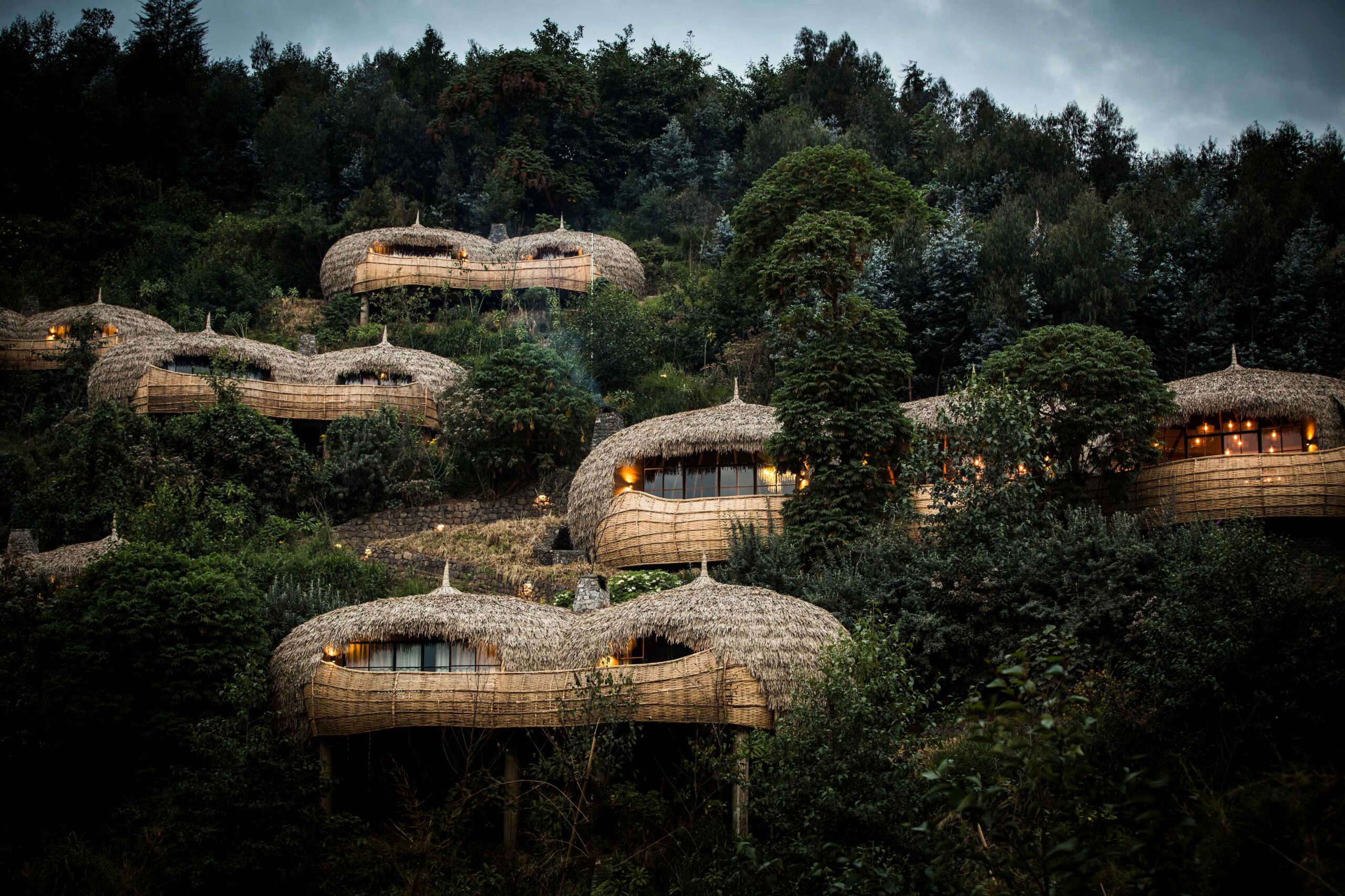
Luxury travelers are often willing to pay premium fees for exclusive trekking experiences, and these fees are pivotal in funding conservation efforts. The revenue generated from trekking permits, luxury accommodations, and guided tours supports vital initiatives such as ranger patrols, anti-poaching programs, and habitat restoration. Without the financial contributions from these travelers, it would be difficult to maintain the necessary infrastructure and support systems needed to protect gorillas in the wild.
Sustaining Anti-Poaching and Conservation Programs
One of the key aspects of how gorilla trekking contributes to conservation is its ability to fund anti-poaching efforts. Luxury travelers help fund surveillance systems, vehicles, and personnel that are vital in preventing illegal hunting activities that threaten the gorillas’ survival. Their financial contributions also help park rangers with equipment and resources to monitor gorilla families, ensuring that they are protected from external threats like poaching, encroachment, and disease transmission.
Promoting Education and Community Involvement
Luxury travelers also help fund educational programs for local communities surrounding the parks. By creating awareness about the importance of conservation, these programs foster a sense of shared responsibility between locals and tourists. Engaging with communities through responsible tourism practices also ensures that local populations see tangible benefits from wildlife protection, motivating them to become stewards of the environment.
Boosting Local Economies
The economic benefits of gorilla trekking extend far beyond park borders. The influx of luxury travelers contributes significantly to local economies. Jobs are created not only in the tourism sector but also in supporting industries like transportation, hospitality, and retail. This financial injection ensures that conservation efforts benefit local communities while promoting the sustainable use of natural resources. Through their presence, luxury travelers help ensure that both wildlife conservation and local economic development go hand in hand.
Sustaining Long-Term Conservation
Through their direct participation in how gorilla trekking contributes to conservation, luxury travelers ensure that these practices are sustainable in the long run. Their commitment to eco-tourism creates a lasting, positive impact that supports the conservation of mountain gorillas for future generations. By choosing to trek with operators who prioritize responsible tourism, luxury travelers contribute to preserving the natural environment, ensuring that both the gorillas and their habitats are protected for years to come.
FAQs: How Gorilla Trekking Contributes to Conservation: Why Luxury Travelers Matter
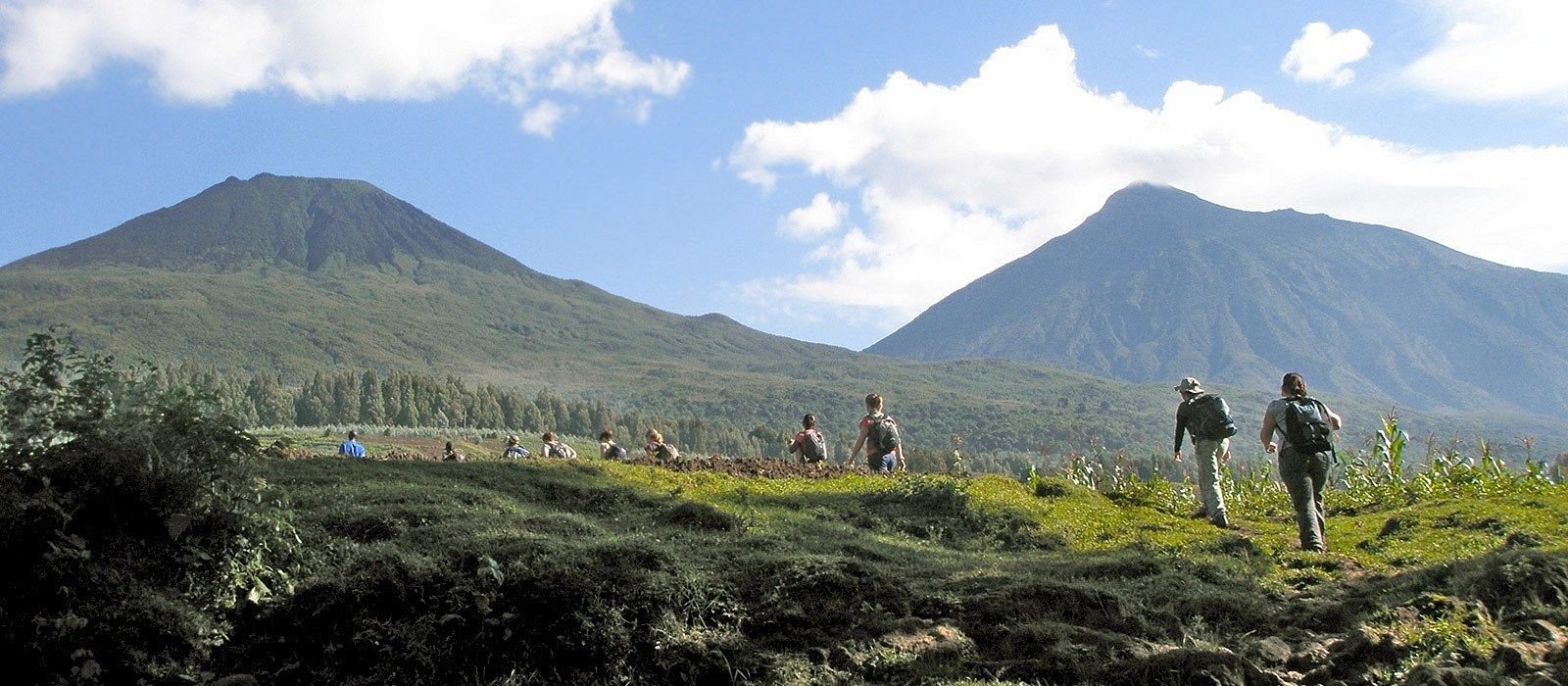
Here are some frequently asked questions about how gorilla trekking contributes to conservation and why luxury travelers play such a crucial role in preserving mountain gorillas.
1. How does gorilla trekking contribute to conservation efforts?
How gorilla trekking contributes to conservation is multifaceted. By generating revenue through trekking permits, lodge bookings, and guided tours, gorilla trekking directly funds conservation initiatives such as anti-poaching patrols, habitat preservation, and wildlife monitoring. These funds help protect gorillas and their ecosystems, ensuring their survival for future generations.
2. Why are luxury travelers important in gorilla conservation?
Luxury travelers are key to how gorilla trekking contributes to conservation. They often pay premium fees for exclusive trekking experiences, which provide substantial financial support for the national parks that protect gorillas. This revenue funds essential conservation activities, including anti-poaching programs and habitat restoration, making luxury travelers vital supporters of gorilla conservation.
3. What role does eco-tourism play in how gorilla trekking contributes to conservation?
Eco-tourism is central to how gorilla trekking contributes to conservation. Sustainable tourism practices, such as limiting the number of trekkers and ensuring minimal environmental impact, help preserve the gorillas’ habitats. Luxury travelers, by choosing eco-friendly options, ensure that their visit directly supports the long-term sustainability of the park and its wildlife.
4. How do luxury travelers contribute beyond financial support in gorilla conservation?
Beyond financial contributions, luxury travelers play an important advocacy role. Through their participation in how gorilla trekking contributes to conservation, they help raise awareness of the mountain gorillas’ endangered status and the conservation efforts required to protect them. Many share their experiences, amplifying the message of wildlife protection to a global audience.
5. Can luxury travelers influence local communities through their involvement in gorilla trekking?
Yes, how gorilla trekking contributes to conservation is not just about wildlife; it’s also about supporting local communities. Tourism revenue from luxury travelers funds education, healthcare, and infrastructure in local communities. By creating jobs and encouraging sustainable development, luxury travelers help reduce the likelihood of human-wildlife conflicts and promote conservation efforts at the local level.
6. How does gorilla trekking impact anti-poaching efforts?
How gorilla trekking contributes to conservation directly supports anti-poaching programs. The revenue from trekking activities provides funding for park rangers, surveillance equipment, and anti-poaching patrols. This helps to prevent illegal hunting and protect the gorillas from external threats, ensuring their safety and the sustainability of their populations.
7. How can luxury travelers help ensure that gorilla trekking remains a sustainable conservation effort?
Luxury travelers can help ensure that how gorilla trekking contributes to conservation remains sustainable by choosing eco-conscious operators and respecting park guidelines. Their support for responsible tourism ensures that gorillas are not disturbed by excessive human interaction and that their habitats are preserved for future generations. Their involvement also raises awareness, encouraging others to adopt similar conservation-minded practices.
8. What other conservation programs benefit from the revenue generated by gorilla trekking?
The revenue from gorilla trekking is used for a variety of conservation programs beyond gorilla protection. These funds support ecosystem-wide efforts such as habitat restoration, wildlife monitoring of other species, and the implementation of sustainable land-use practices. By supporting how gorilla trekking contributes to conservation, luxury travelers contribute to the preservation of the entire ecosystem in which the gorillas live.
9. How has gorilla trekking contributed to the recovery of mountain gorillas?
How gorilla trekking contributes to conservation is directly linked to the recovery of mountain gorillas. Thanks to funding from eco-tourism, the number of mountain gorillas has more than doubled in recent decades, largely due to enhanced protection and monitoring. Without the revenue from trekking, this success would not have been possible, highlighting the essential role of tourism in their recovery.
10. How can I participate in gorilla trekking and support conservation efforts?
You can participate in how gorilla trekking contributes to conservation by booking a trek with a responsible tour operator. Ensure that the company adheres to sustainable tourism practices and that your trek supports the local community and conservation initiatives. Your involvement directly supports the continued protection of mountain gorillas and their habitats.
Book Your Gorilla Trekking Experience Today
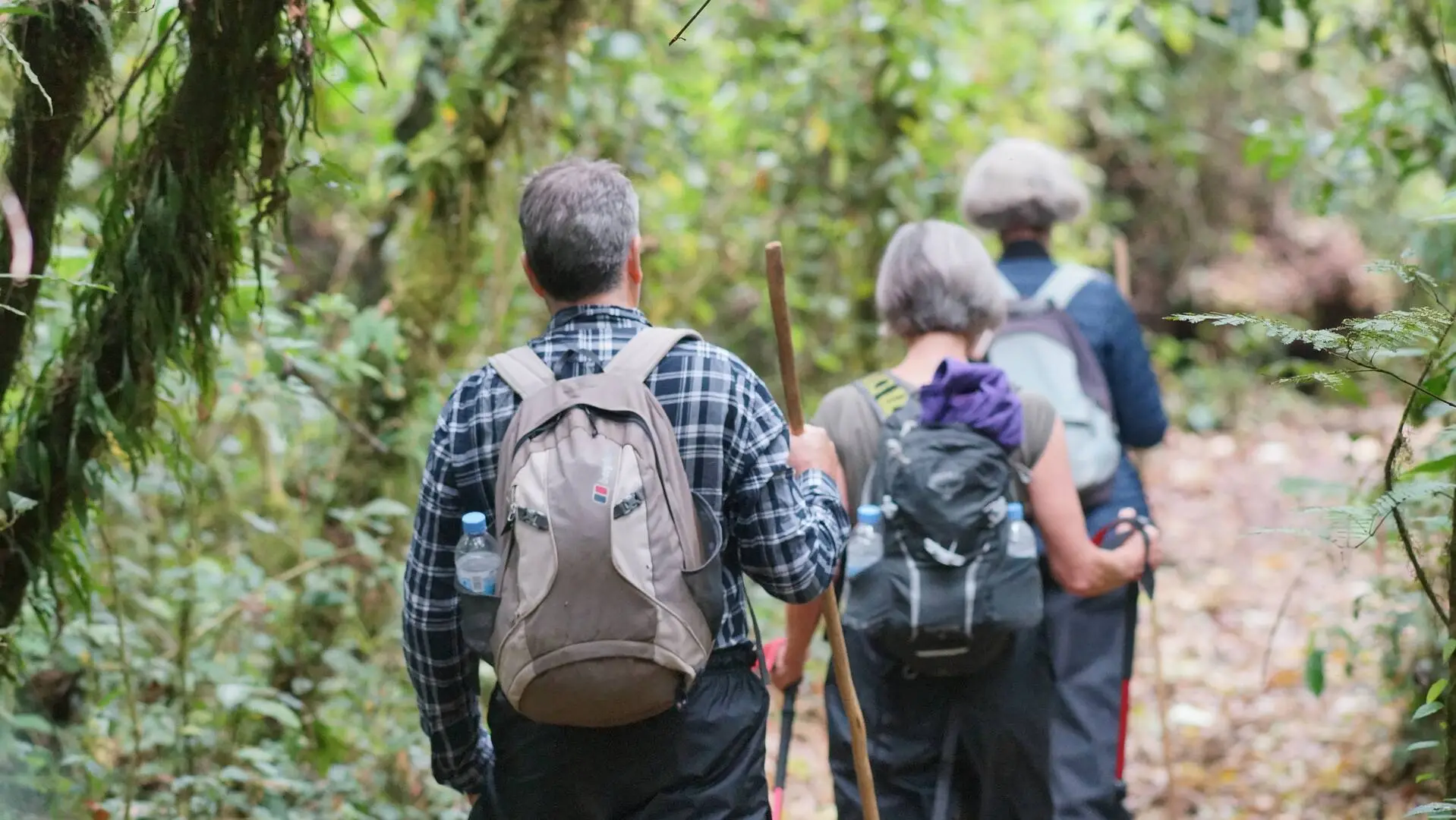
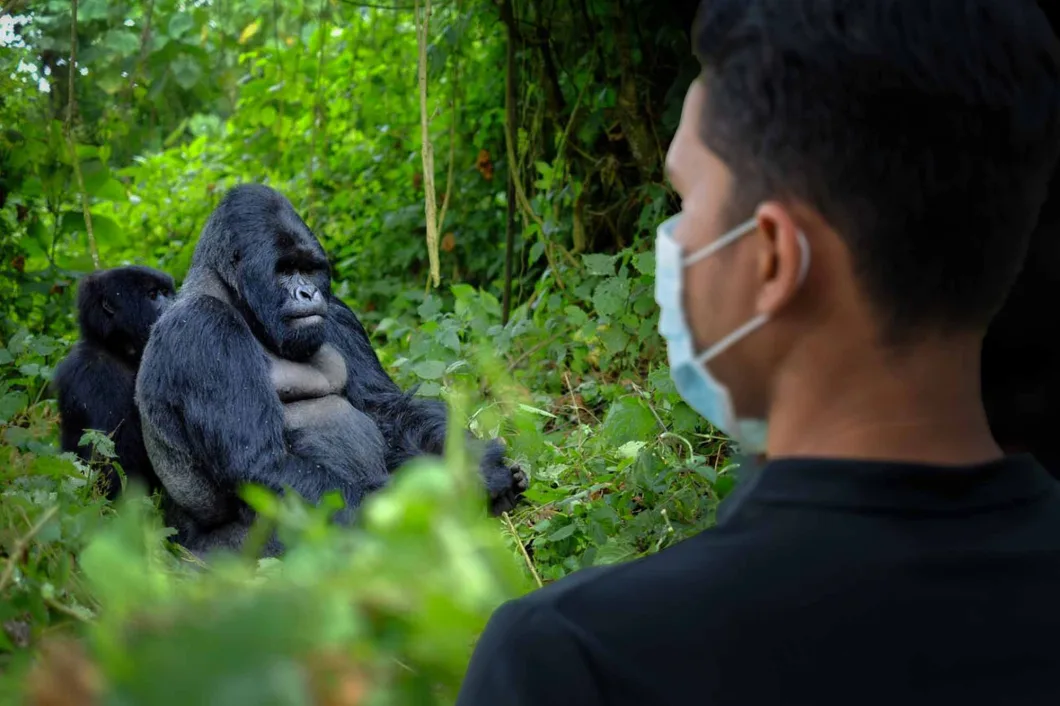
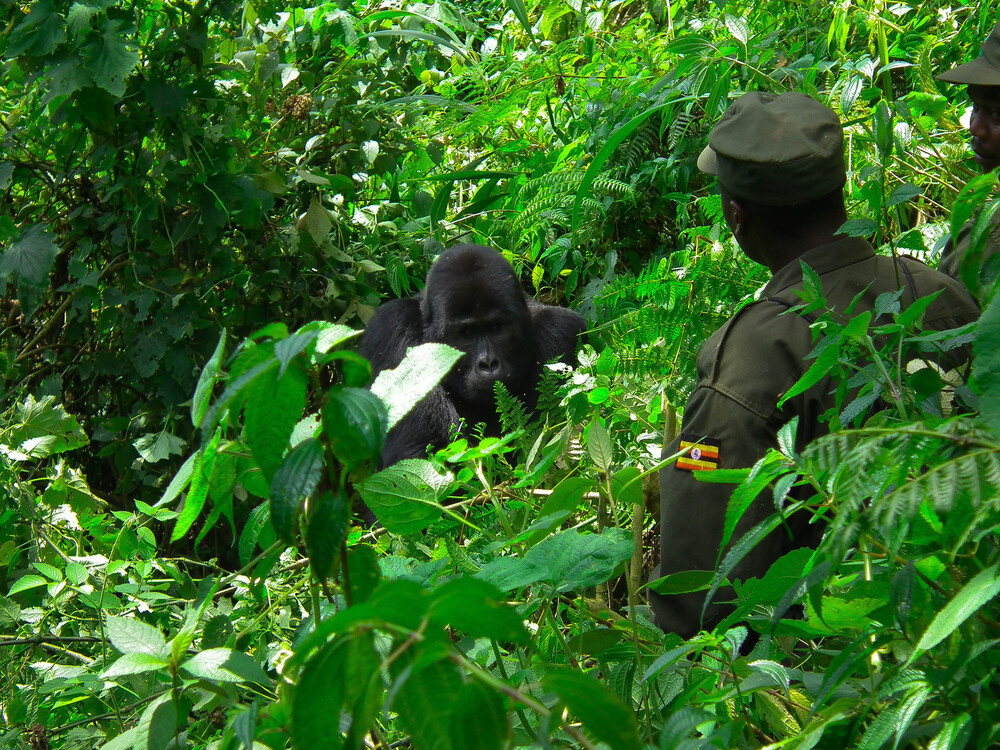
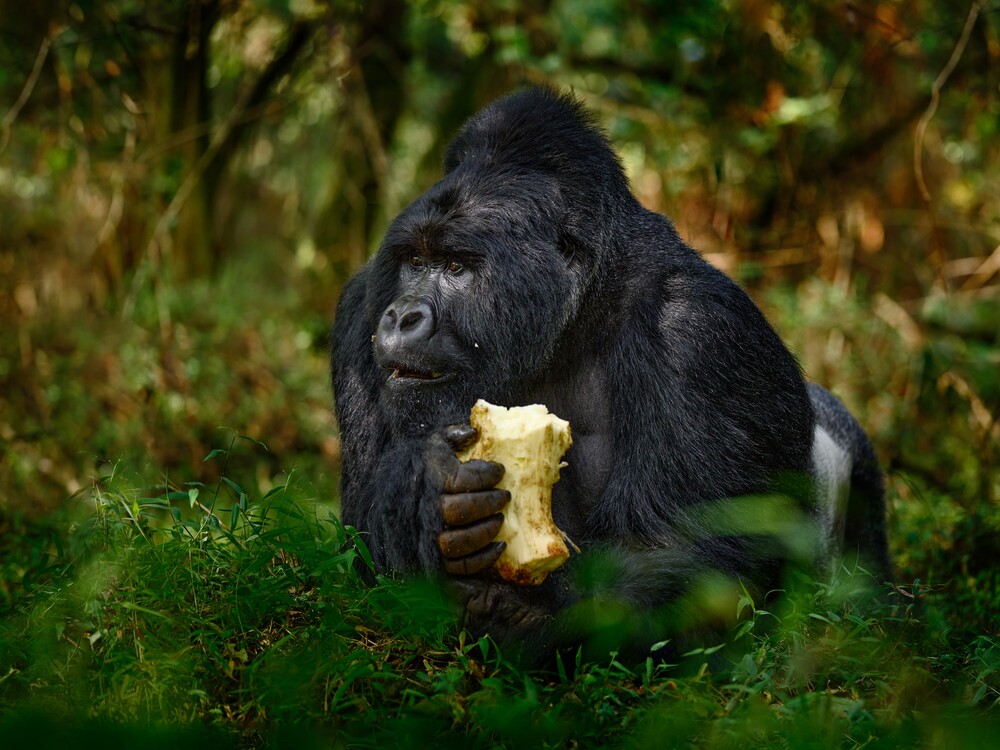
Ready to make a difference? Join us at Elevana Luxury Gorilla Holidays and experience firsthand how gorilla trekking contributes to conservation. Your participation in this extraordinary adventure will not only provide you with an unforgettable, once-in-a-lifetime experience but also contribute to the ongoing protection of mountain gorillas and their natural habitats.
By trekking with us, you become part of a global conservation effort that helps protect one of the world’s most iconic species. Book your exclusive trekking experience today and become a part of the solution to preserving these magnificent creatures for generations to come. Don’t just visit—make an impact.