
How Much Is a Luxury Gorilla Trekking Safari in Uganda or Rwanda?
Luxury gorilla trekking safaris do not have a single fixed price and that is exactly where many travelers feel confused.
Unlike standard wildlife safaris, the cost of a luxury gorilla trekking experience in Uganda or Rwanda is shaped by a combination of tightly regulated conservation permits, lodge location and exclusivity, the level of privacy involved, and the logistics required to access remote mountain forests.
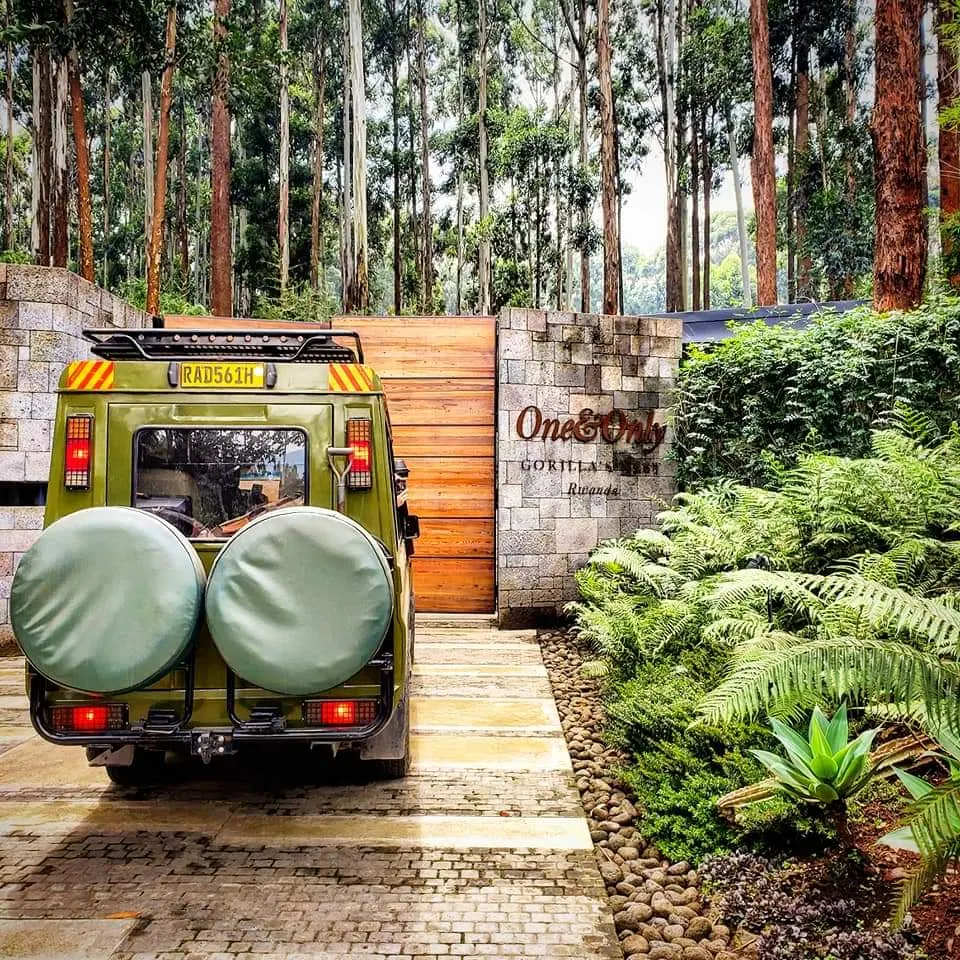
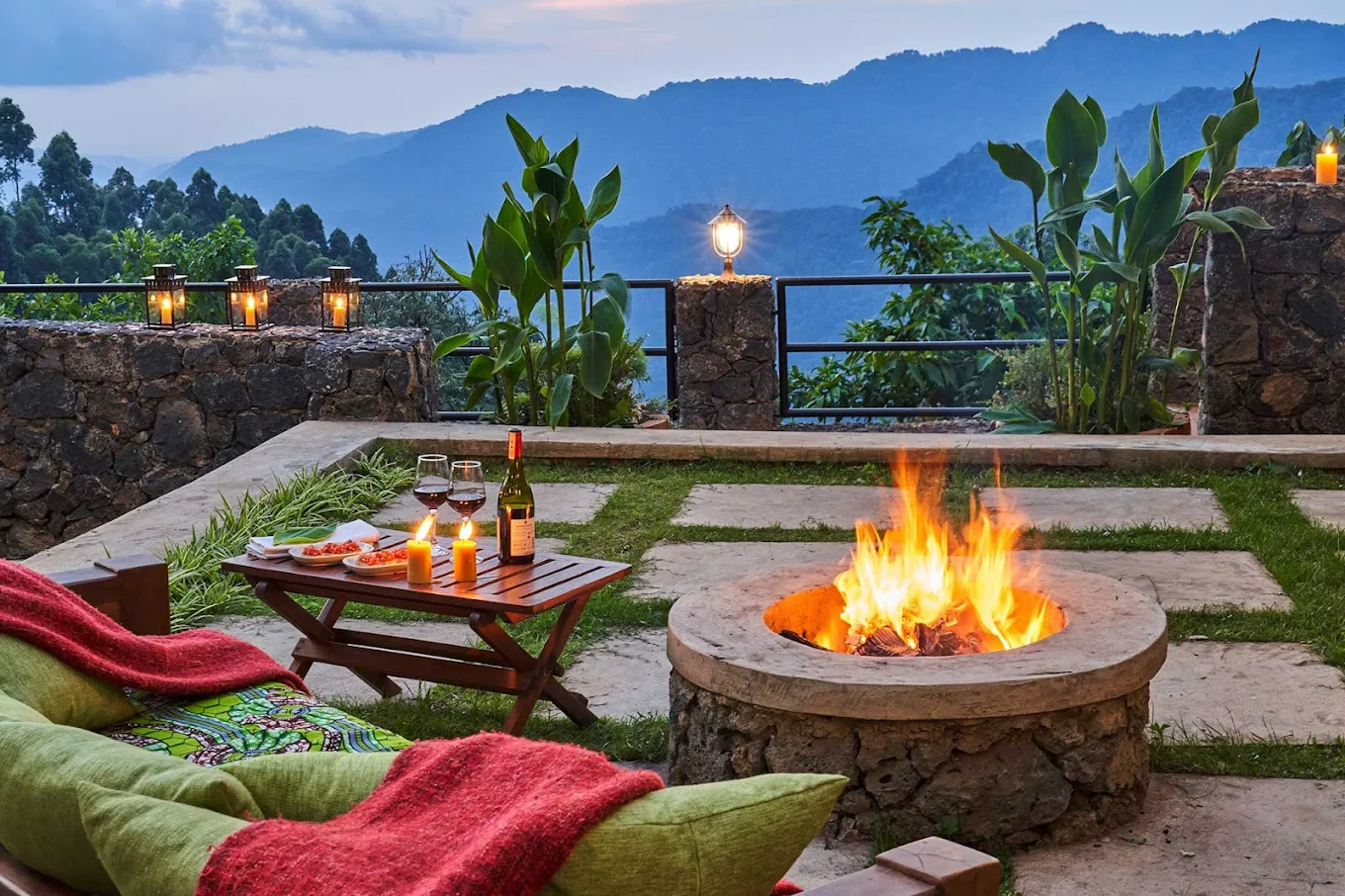
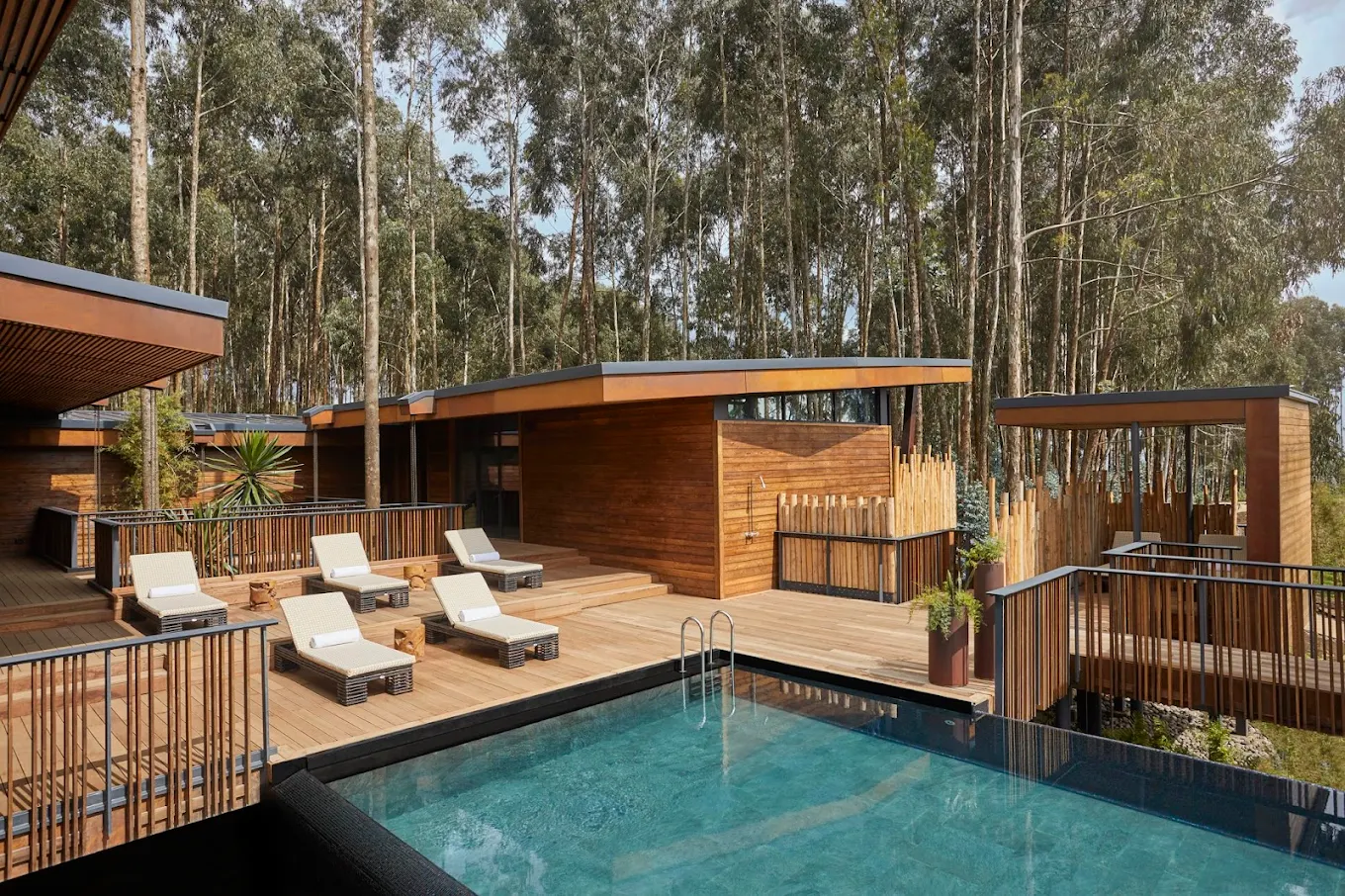
Two travelers may both book a “luxury gorilla safari” and pay very different amounts not because one is overpaying, but because the experiences themselves are fundamentally different.
This How Much Is a Luxury Gorilla Trekking Guide is designed to explain the real cost of luxury gorilla trekking, clearly and transparently. Rather than quoting marketing prices or headline figures, it breaks down what actually drives the cost, how Uganda and Rwanda compare, and what separates genuine luxury gorilla safaris from standard trekking packages labeled as “luxury.”
By the end of this guide, you will understand exactly what you are paying for, how to evaluate value beyond price alone, and how to choose a luxury gorilla trekking safari that truly matches your expectations, without guesswork or hidden compromises.
What Does a Luxury Gorilla Trekking Safari Cost?
A luxury gorilla trekking safari in Uganda or Rwanda generally costs between USD 3,500 and USD 9,500 per person, based on a 3–4 night private journey built around a single gorilla trek. This range reflects the true cost of accessing one of the most tightly protected wildlife experiences in the world while maintaining a high standard of comfort, privacy, and logistical ease.
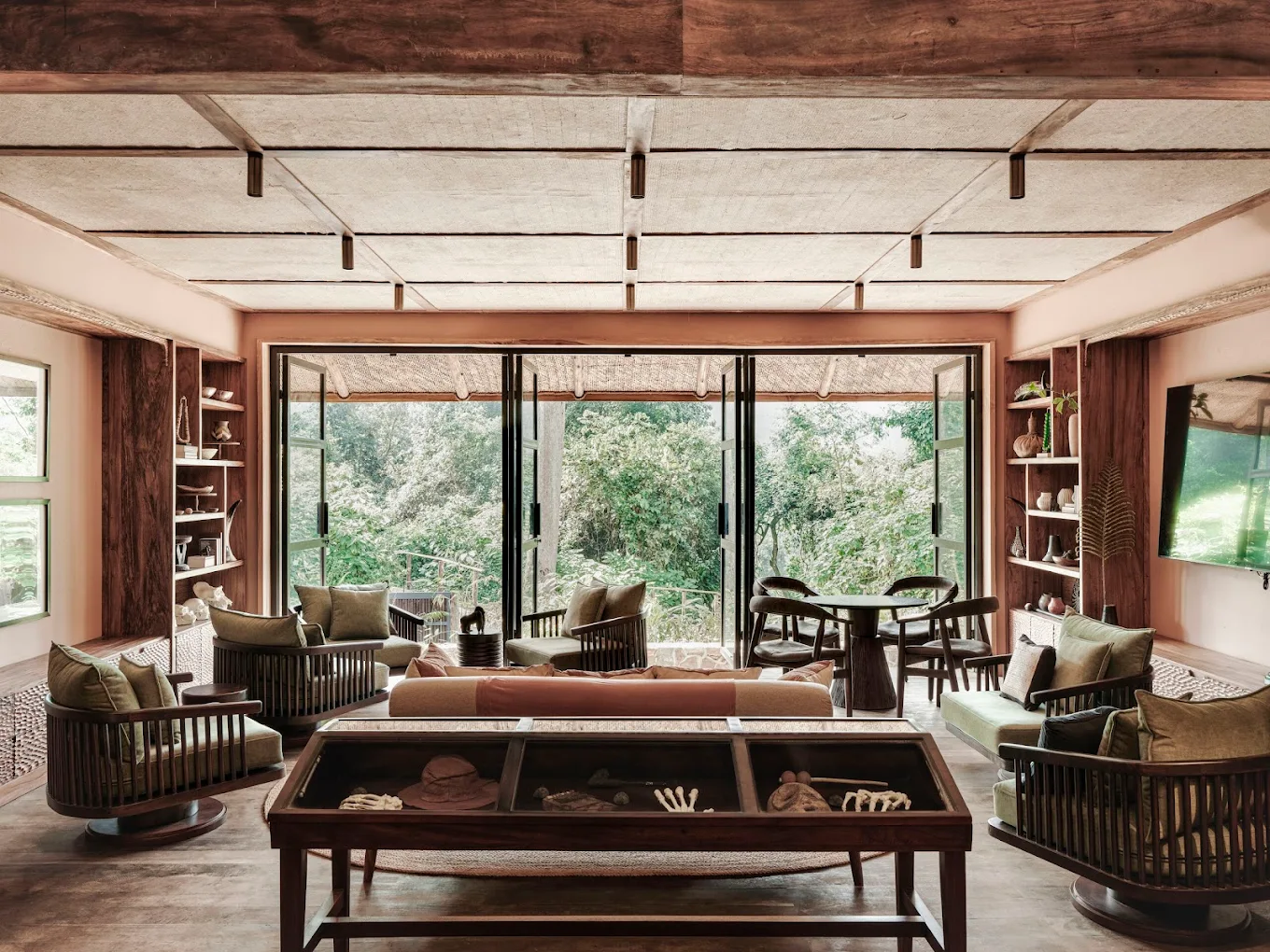
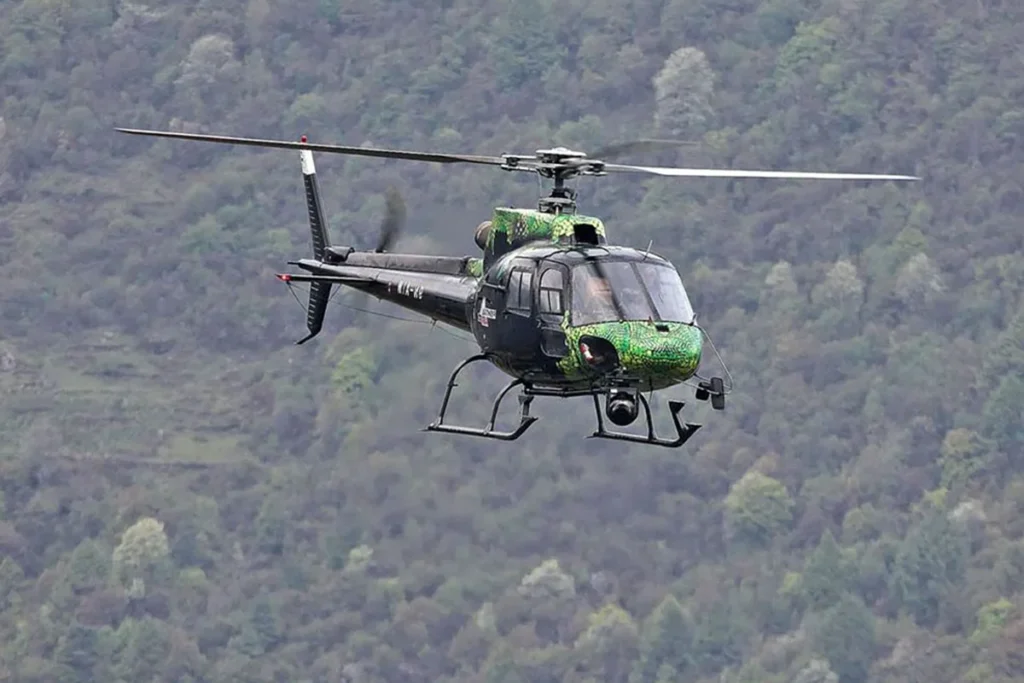
Unlike standard safari pricing, luxury gorilla trekking costs are not fixed or interchangeable. Two journeys described as “luxury” can differ substantially in quality and experience, which is why pricing varies so widely. The cost of a luxury gorilla safari is shaped primarily by conservation permit fees, the location and exclusivity of the lodge, the level of privacy provided throughout the journey, and the complexity of the logistics required to reach remote mountain forests.
Most luxury gorilla trekking safaris are designed as short, high-impact journeys rather than long itineraries. A typical experience includes three to four nights of accommodation positioned as close as possible to the trekking area, allowing travelers to minimize early-morning transfers and physical strain on trekking day. This proximity alone can significantly influence the overall cost, as lodges located near trekking start points are limited in number and operate under strict environmental regulations.
The quoted price for a luxury gorilla trekking safari usually includes the official gorilla permit, luxury or ultra-luxury accommodation on a full-board basis, private guiding and transportation, all park entry and conservation fees, and seamless ground or air transfers arranged specifically around the trek. These inclusions are essential to delivering a smooth and stress-free experience and are a defining factor that separates genuine luxury gorilla safaris from standard trekking packages marketed under a luxury label.
Items such as international flights, visas, gratuities, and personal expenses are typically excluded, allowing travelers to tailor their journey without artificially inflating the base cost. Optional enhancements, such as helicopter transfers or additional gorilla treks, can increase the final price considerably but are chosen based on personal preference rather than necessity.
Price differences between Uganda and Rwanda are most noticeable when comparing experiences in Bwindi Impenetrable National Park and Volcanoes National Park. While Rwanda generally commands higher permit fees and more compact logistics, Uganda offers greater lodge diversity and flexibility for extended luxury journeys. Neither destination is inherently “better value”; rather, each delivers a different balance of access, comfort, and exclusivity.
Understanding this cost range is less about identifying the lowest possible price and more about recognizing what level of comfort, privacy, and ease of access you expect. When evaluated in that context, luxury gorilla trekking pricing becomes a reflection of experience quality rather than a simple financial comparison.
Why Luxury Gorilla Trekking Is Expensive
Luxury gorilla trekking is expensive not because of branding or marketing, but because it operates within one of the most tightly regulated conservation environments in global tourism. Unlike classic wildlife safaris, where vehicle access and guest volumes can be scaled, gorilla trekking is deliberately limited, resource-intensive, and designed to prioritize the long-term protection of a critically endangered species. Every element of a luxury gorilla safari from permits to lodge placement and transport logistics — is constrained by conservation rules that cannot be bypassed or discounted.
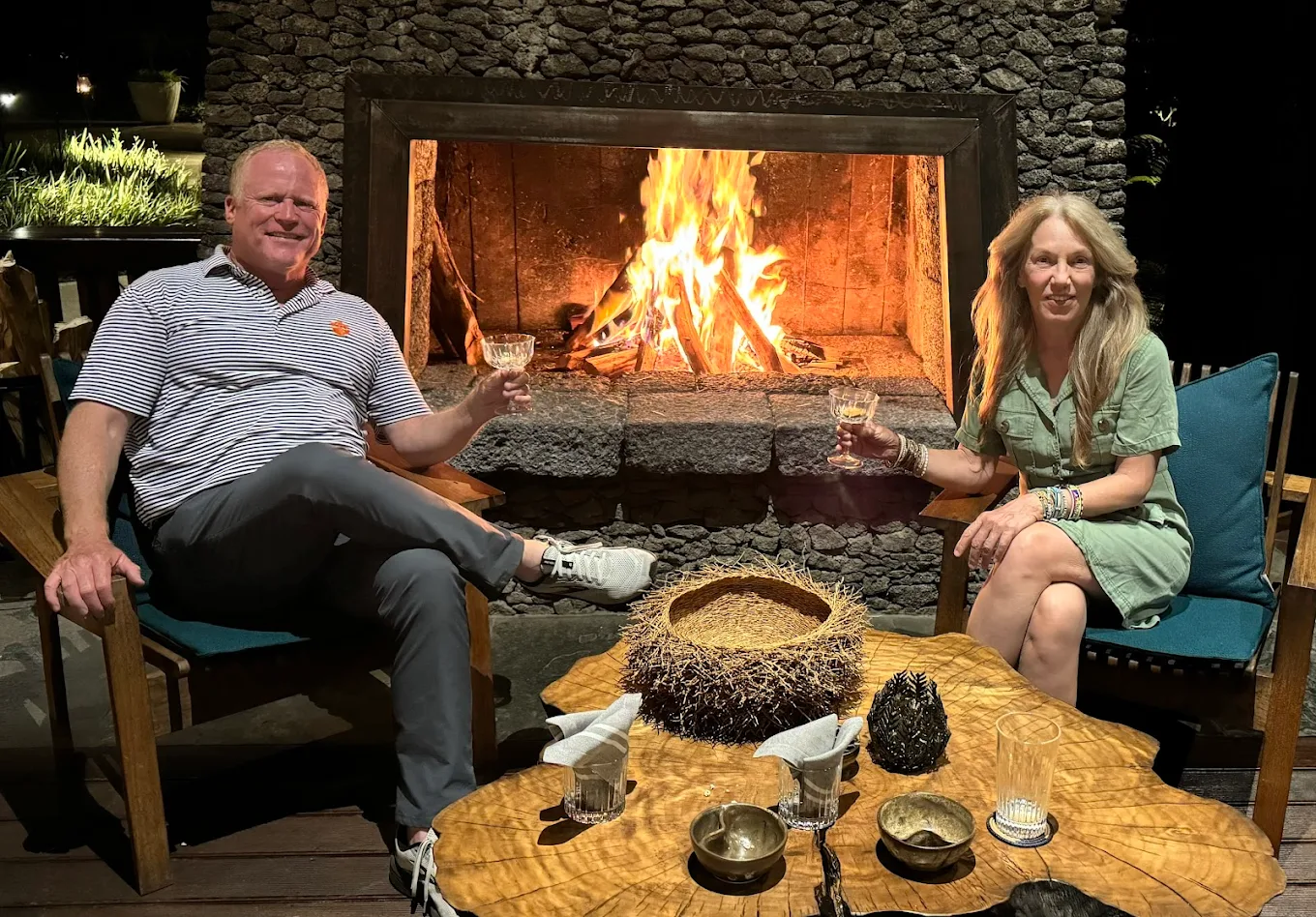
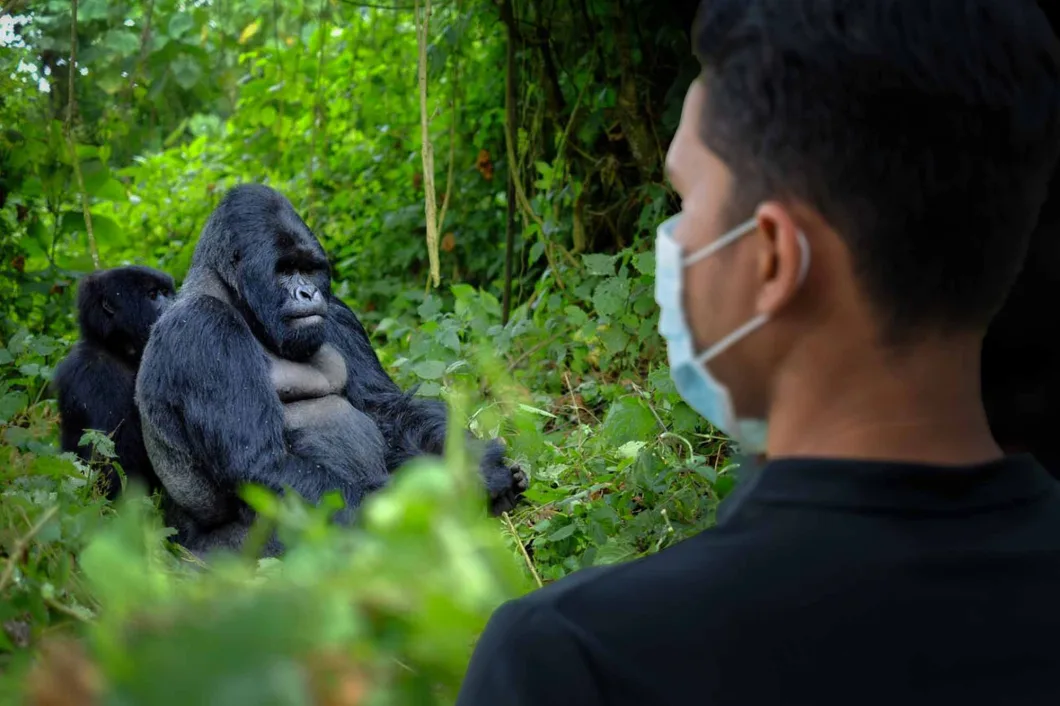
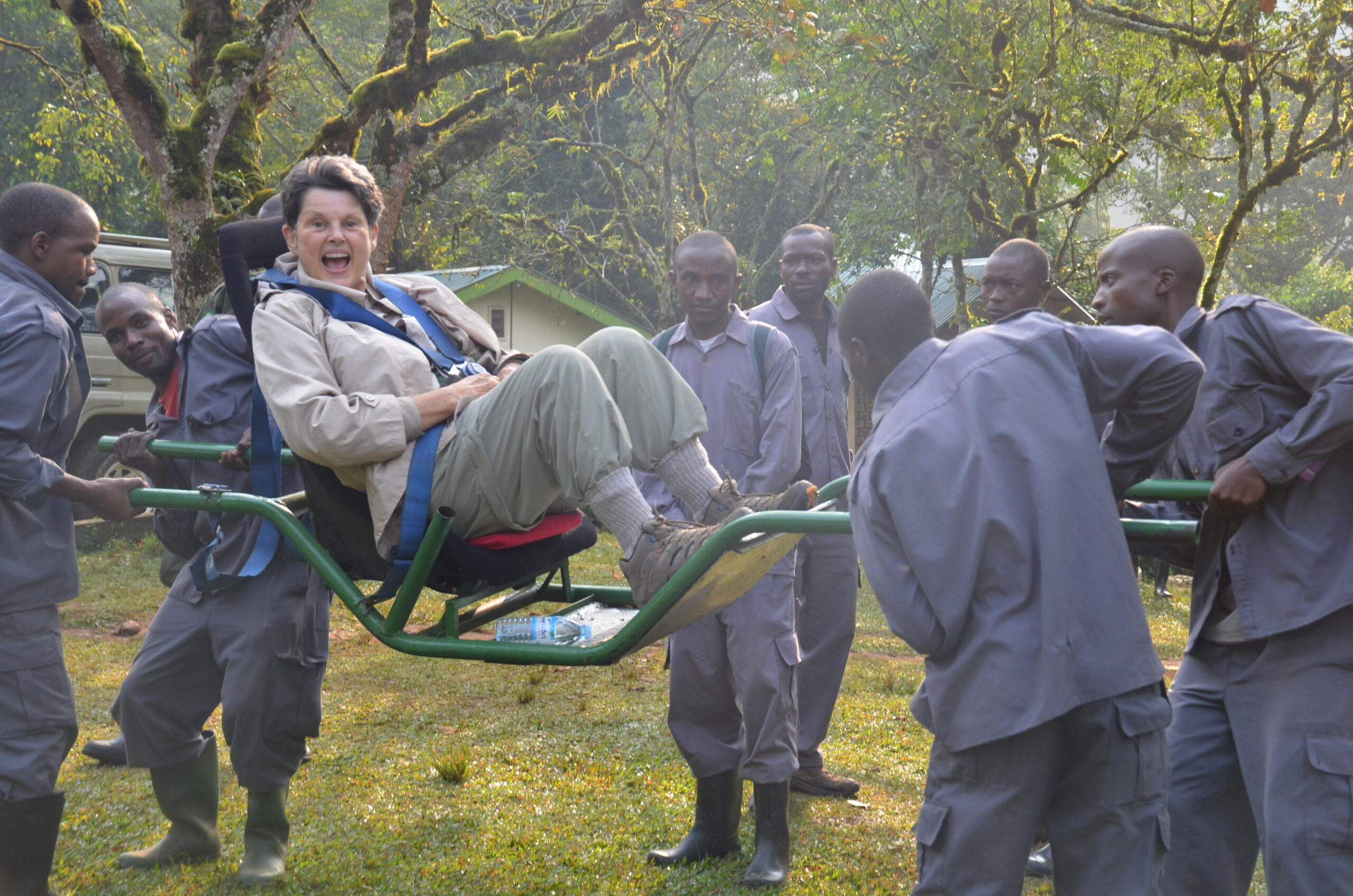
Understanding why luxury gorilla trekking costs what it does requires looking at the specific components that dominate pricing and define the quality of the experience.
Gorilla Permits: Fixed, Non-Negotiable, and Conservation-Driven
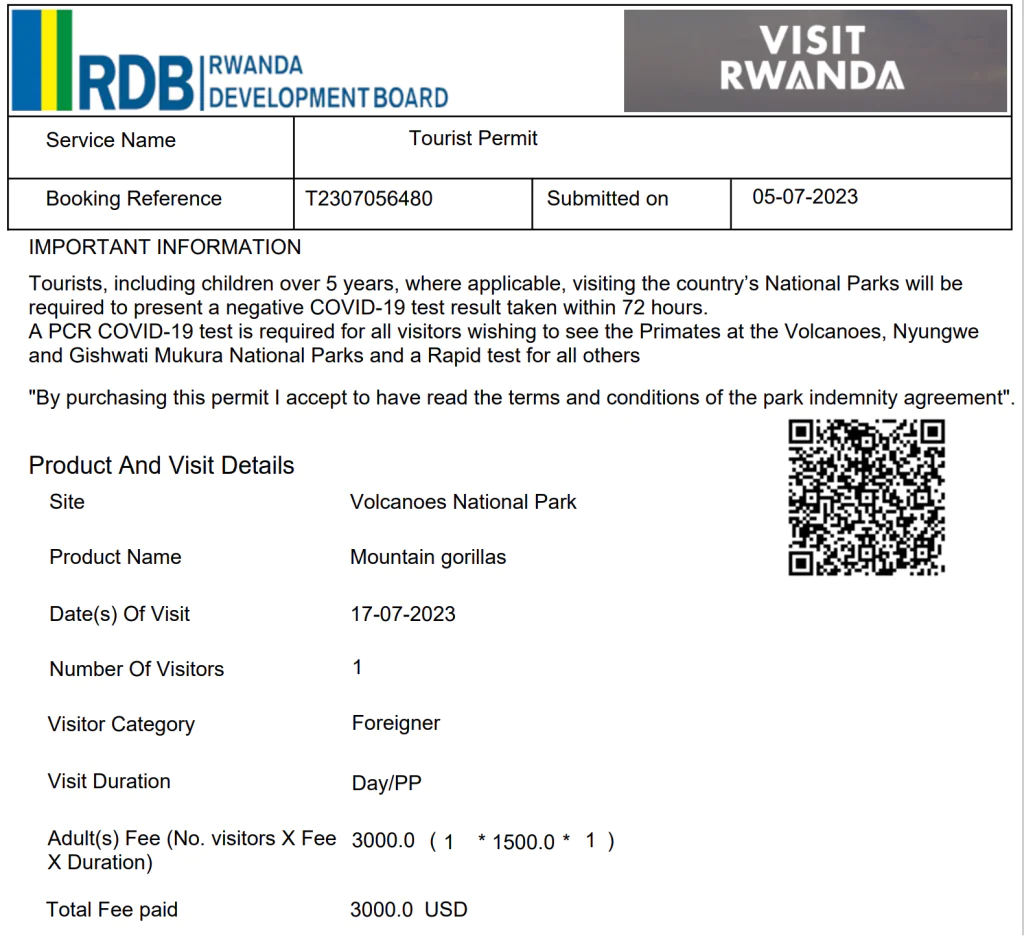
Gorilla trekking permits are the single most significant cost component of any luxury gorilla safari, and they are entirely fixed by government authorities. There are no wholesale rates, no seasonal discounts, and no operator markups that can meaningfully reduce this cost. Each permit grants a strictly regulated, one-hour encounter with a habituated gorilla family under the supervision of national park rangers.
Permit pricing differs between destinations, with Rwanda and Uganda adopting different conservation and tourism strategies. Rwanda positions gorilla trekking as a high-value, low-volume experience with premium permit pricing, while Uganda allows for a broader range of permit options within a more diverse lodge ecosystem. In both cases, permits are intentionally expensive to limit visitor numbers, reduce environmental pressure, and generate sustainable funding for conservation and community programs.
This is why permits dominate the overall cost of luxury gorilla trekking. Regardless of lodge choice or travel style, the permit fee forms the foundation of the price and ensures that gorilla tourism remains controlled, ethical, and conservation-led. Lower prices are not a sign of efficiency; they usually indicate compromises elsewhere in the experience.
Luxury and Ultra-Luxury Lodges: Location Matters More Than Brand
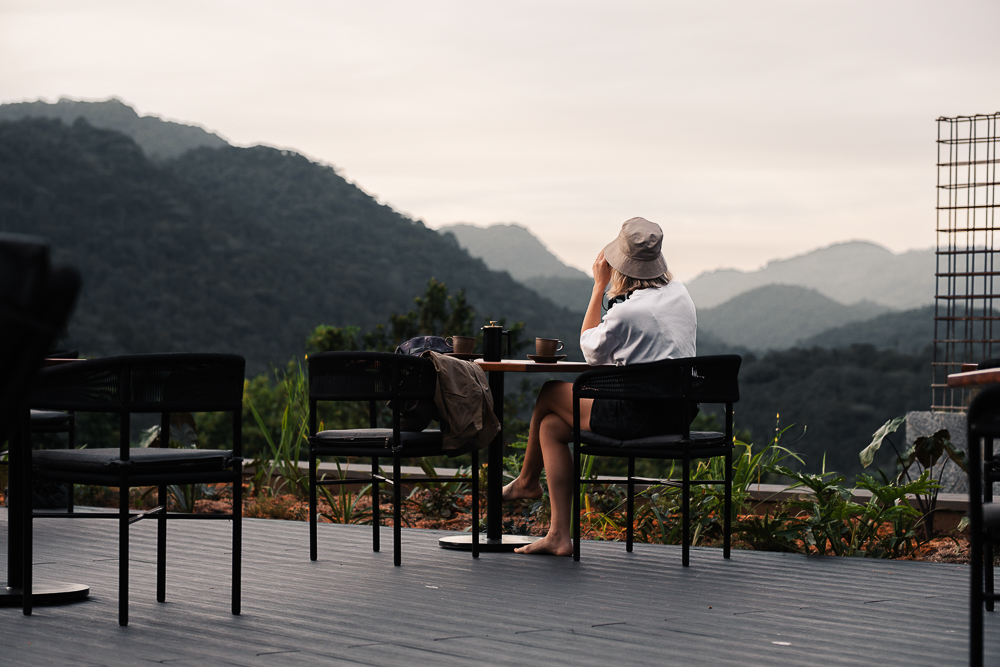
Accommodation is the second major cost driver, but not all luxury lodges contribute equally to the quality of a gorilla trekking experience. In gorilla trekking regions, location is often more important than brand reputation or room size. Lodges positioned close to trekking start points operate under strict land-use regulations and environmental limits, which significantly increases operating costs and limits supply.
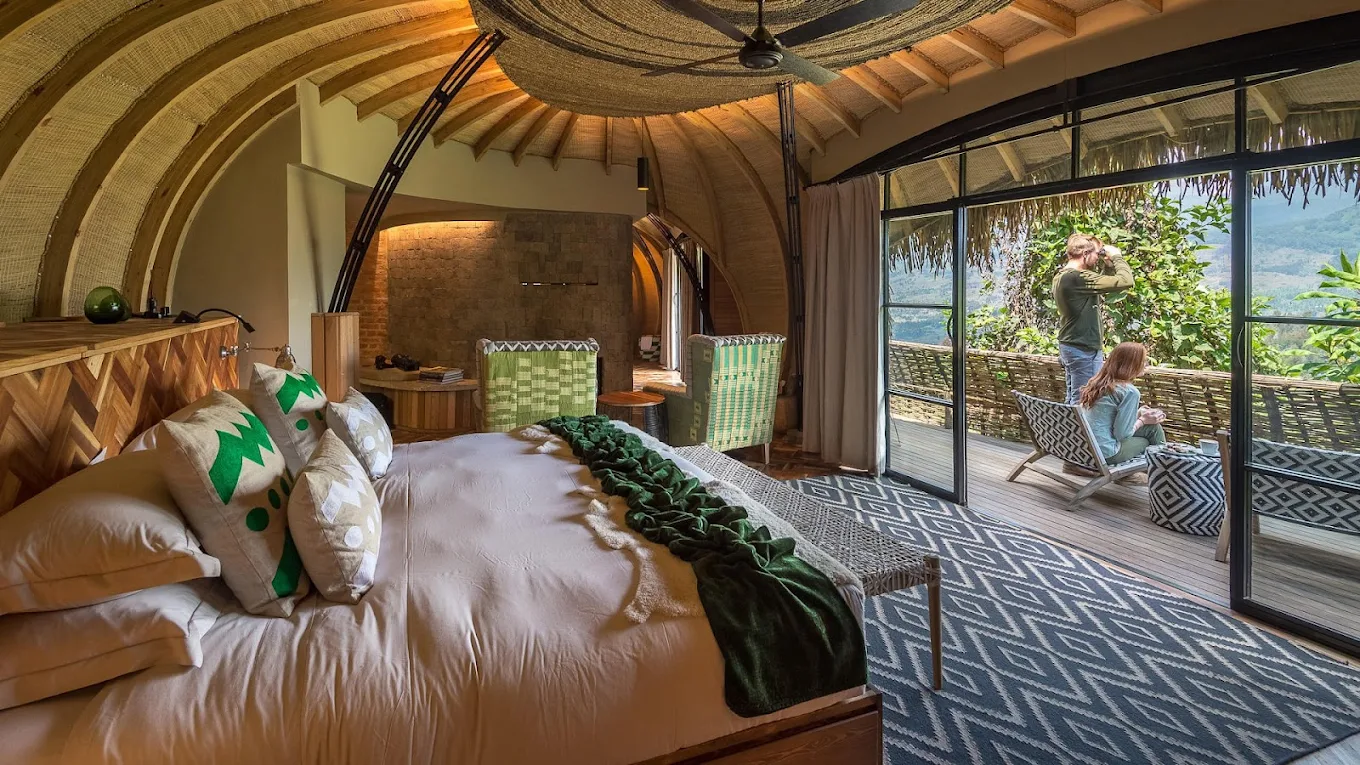
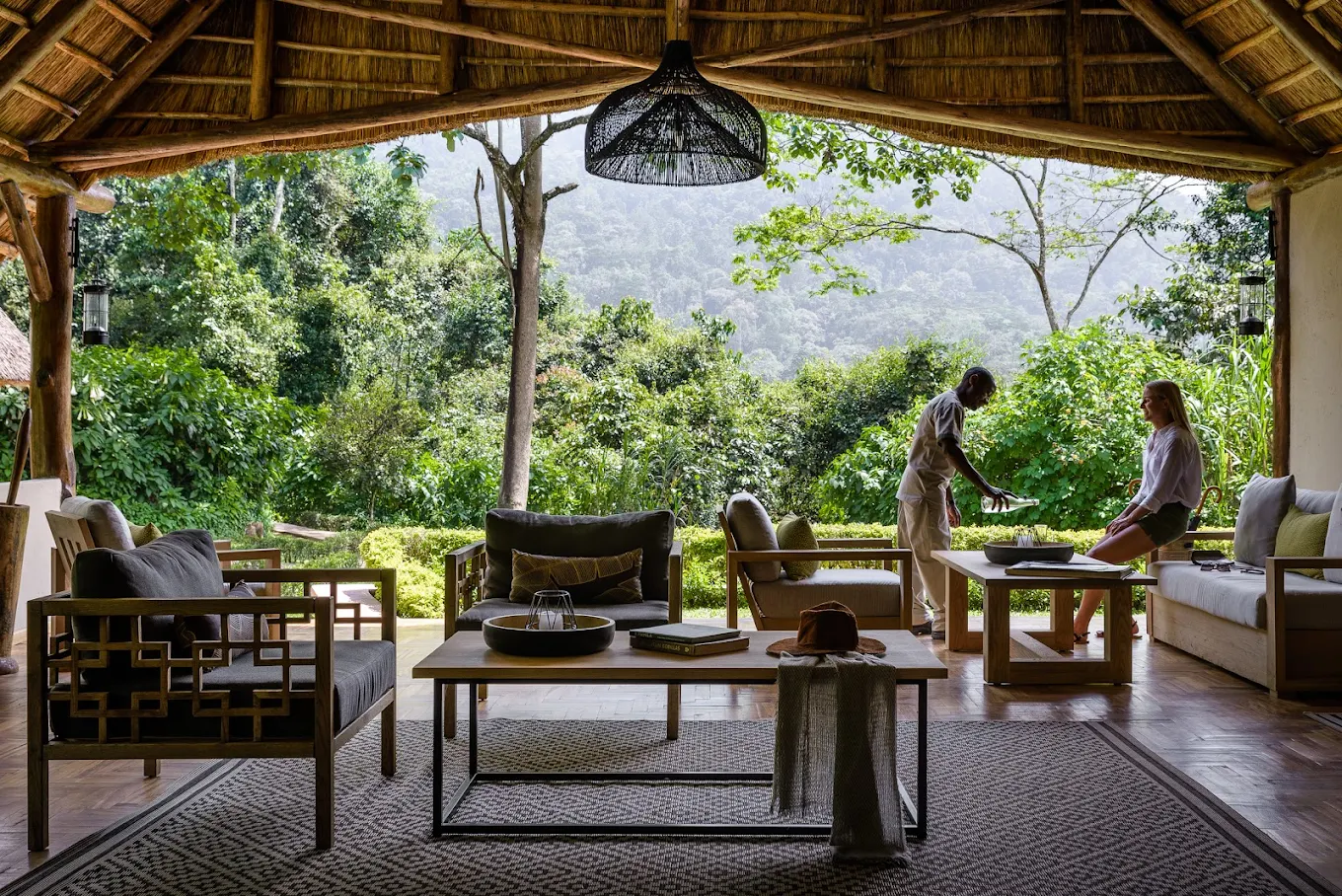
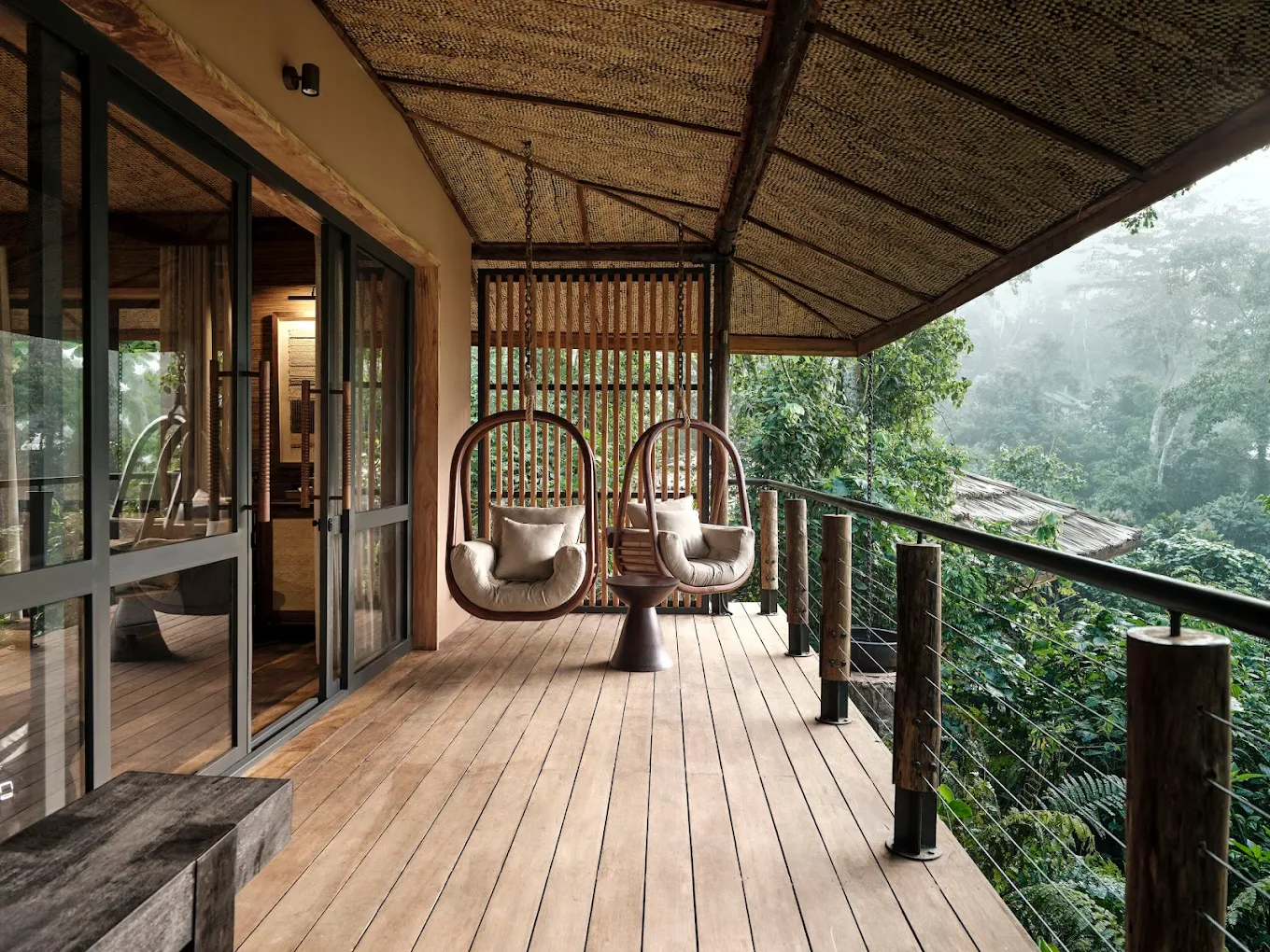
This is why two lodges with similar nightly rates can deliver very different experiences. A lodge located far from the park boundary may offer impressive amenities but require long, early-morning transfers on trekking day, increasing fatigue and reducing overall comfort. Conversely, a smaller, more discreet lodge within close proximity to the forest may command a higher price because it minimizes travel time and maximizes rest, privacy, and flexibility.
In luxury gorilla trekking, “expensive” does not automatically mean “better.” True value lies in how effectively a lodge supports the trekking experience itself through location, service levels, and the ability to adapt to trekking schedules rather than in visible luxury alone.
Private Guiding and Vehicles: Comfort, Control, and Flexibility
Luxury gorilla trekking is defined by privacy, and that privacy comes at a cost. Private guiding and dedicated vehicles ensure that travelers are not constrained by group schedules, shared pacing, or competing priorities. A private 4×4 safari vehicle and a dedicated professional guide allow for flexible departure times, personalized pacing, and immediate adjustments based on weather, trail conditions, or individual fitness levels.
This level of control is particularly important on gorilla trekking days, where comfort, calmness, and physical energy play a critical role in the overall experience. Private guiding also enhances interpretation, safety, and communication with park staff, creating a more seamless and respectful encounter with the gorillas.
Shared vehicles and group logistics may reduce costs, but they also reduce autonomy and comfort — trade-offs that are incompatible with genuine luxury travel.
Domestic Flights vs Road Transfers: Paying for Ease, Not Distance
Accessing gorilla trekking regions often involves challenging terrain and long overland journeys. While road transfers are feasible, they can be physically demanding, especially when combined with trekking the following day. Domestic flights, whether by light aircraft or chartered services, significantly increase the overall cost of a luxury gorilla safari but dramatically reduce travel fatigue and time spent in transit.
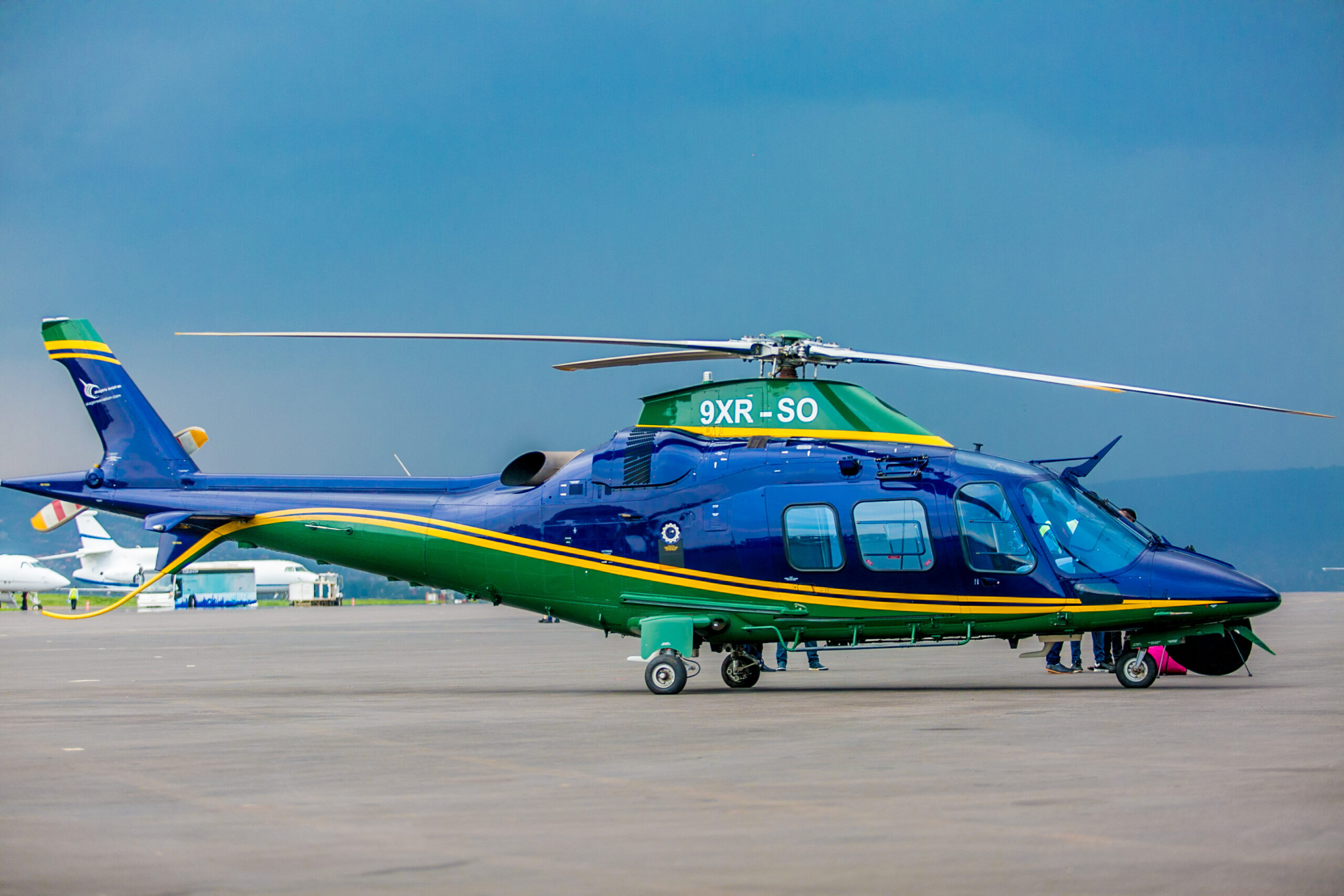
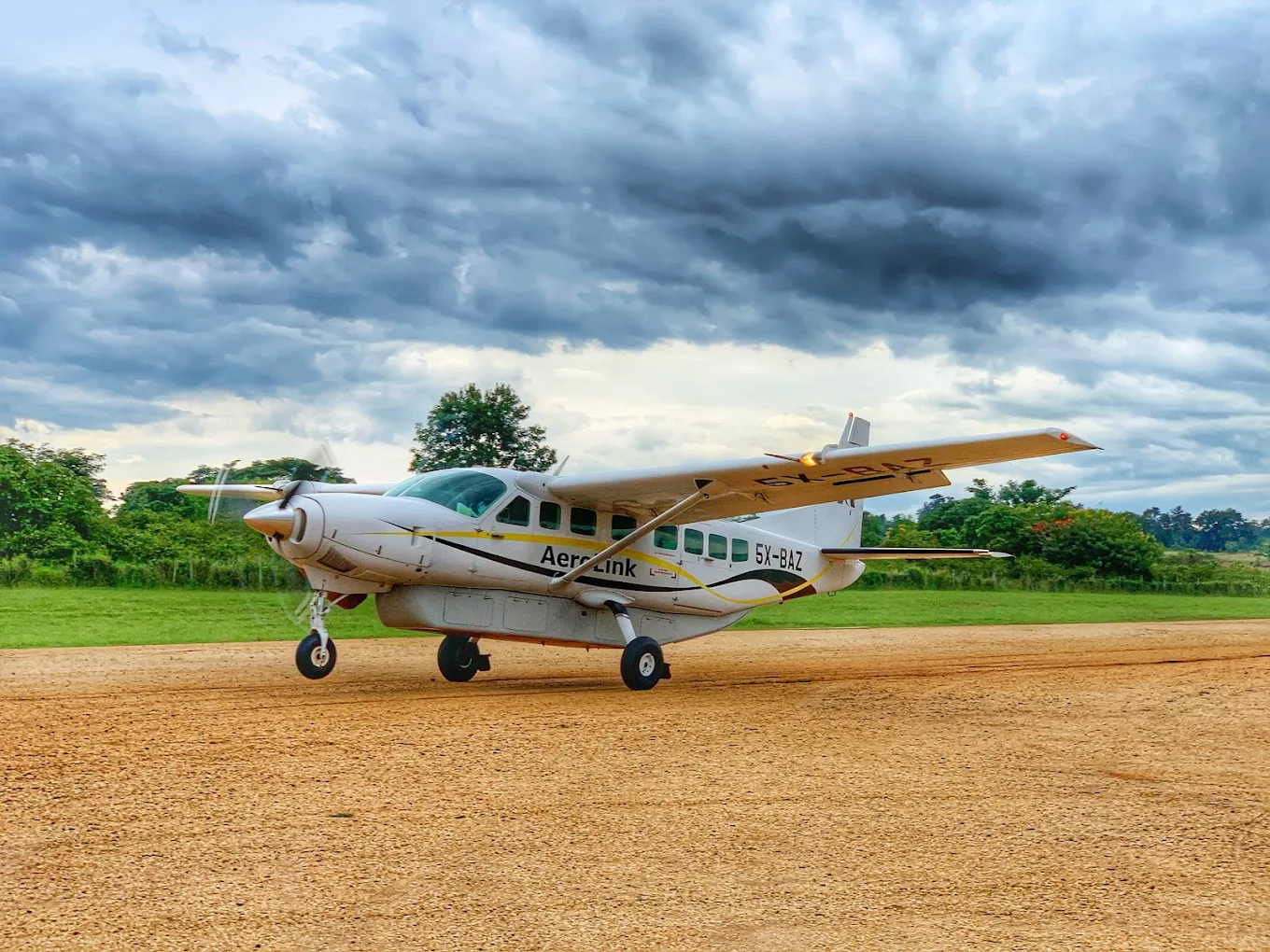
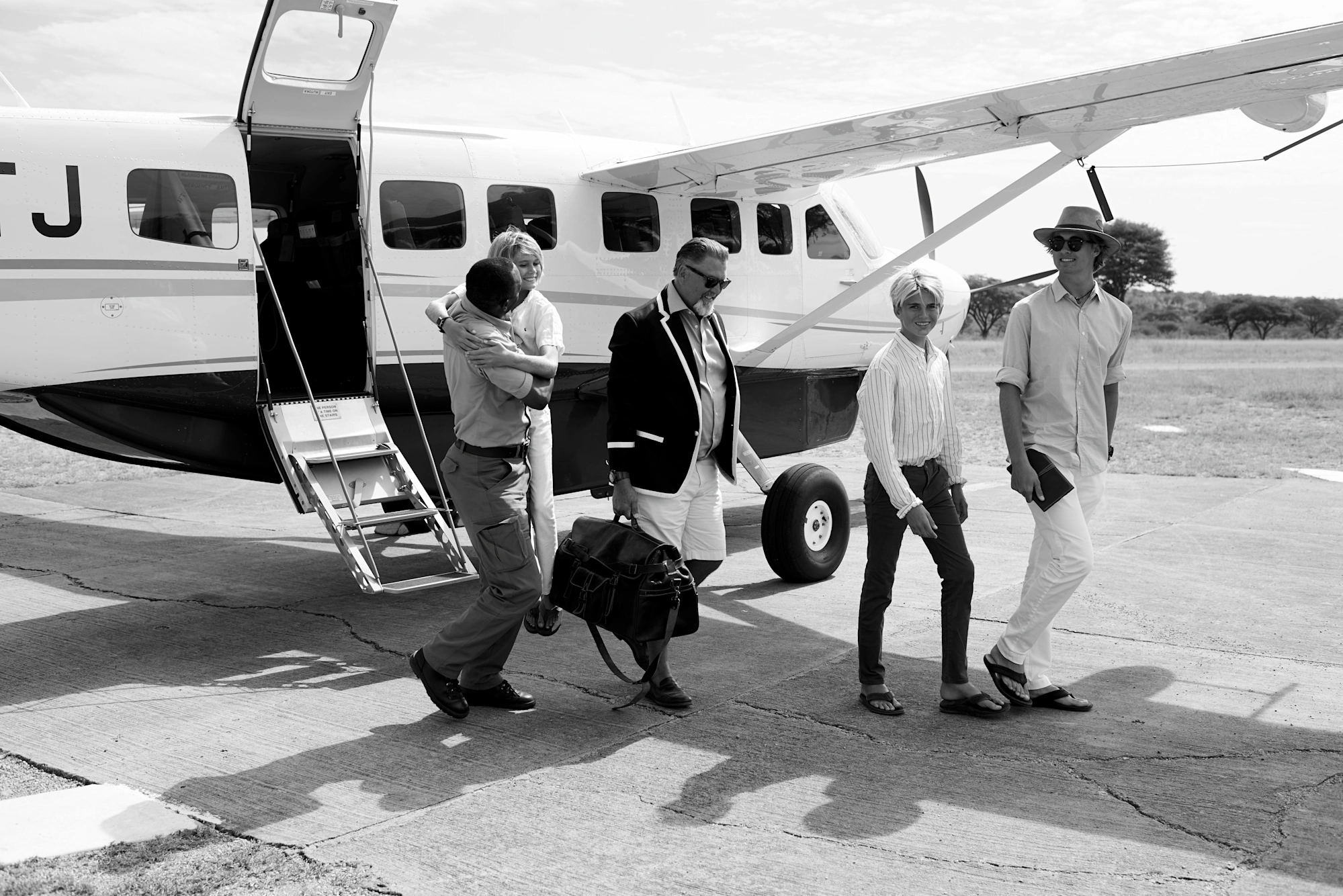
Luxury travelers consistently favor flying over driving because it preserves energy, enhances safety, and allows for smoother itinerary flow. Arriving rested and relaxed has a direct impact on the quality of the trekking experience, particularly in mountainous environments where physical exertion is unavoidable.
The higher cost of flying reflects convenience and well-being rather than distance alone, and it is one of the clearest distinctions between standard and luxury gorilla trekking experiences.
Why These Costs Are Not Optional
Luxury gorilla trekking pricing is not inflated; it is structured around non-negotiable conservation rules, limited infrastructure, and the physical realities of accessing remote mountain forests responsibly. Attempts to significantly reduce costs almost always result in compromises to comfort, privacy, or ethical standards.
Understanding these cost drivers allows travelers to evaluate luxury gorilla safaris based on value and experience quality, rather than headline prices. In this context, higher costs are not a premium for status, but an investment in access, protection and a genuinely refined experience.
Cost Breakdown — Uganda vs Rwanda Luxury Gorilla Trekking
While luxury gorilla trekking in Uganda and Rwanda follows the same conservation principles, the cost structure and value proposition differ meaningfully between the two destinations. Understanding these differences is essential for choosing the experience that best aligns with your travel style, expectations, and overall journey length.
Rather than asking which destination is cheaper, informed travelers focus on how value is delivered in each country through lodge diversity, logistics, privacy, and pacing.
Uganda Luxury Gorilla Trekking Cost
Luxury gorilla trekking in Uganda is centered around Bwindi Impenetrable National Park, a vast, mountainous rainforest that is home to the largest population of habituated mountain gorillas in the world. The sheer size and ecological diversity of Bwindi allow for a broader range of luxury and ultra-luxury lodges, spread across multiple trekking sectors.
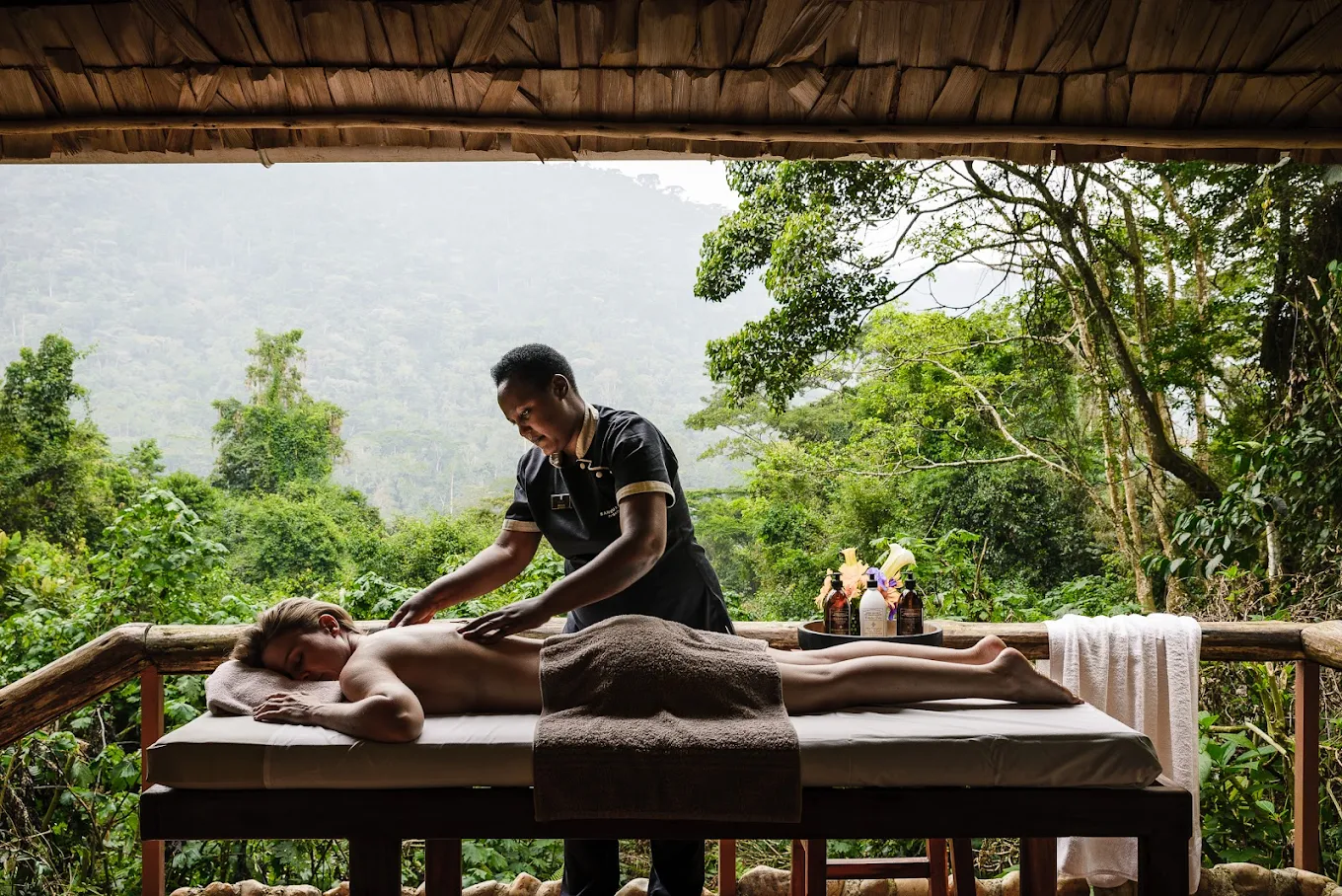
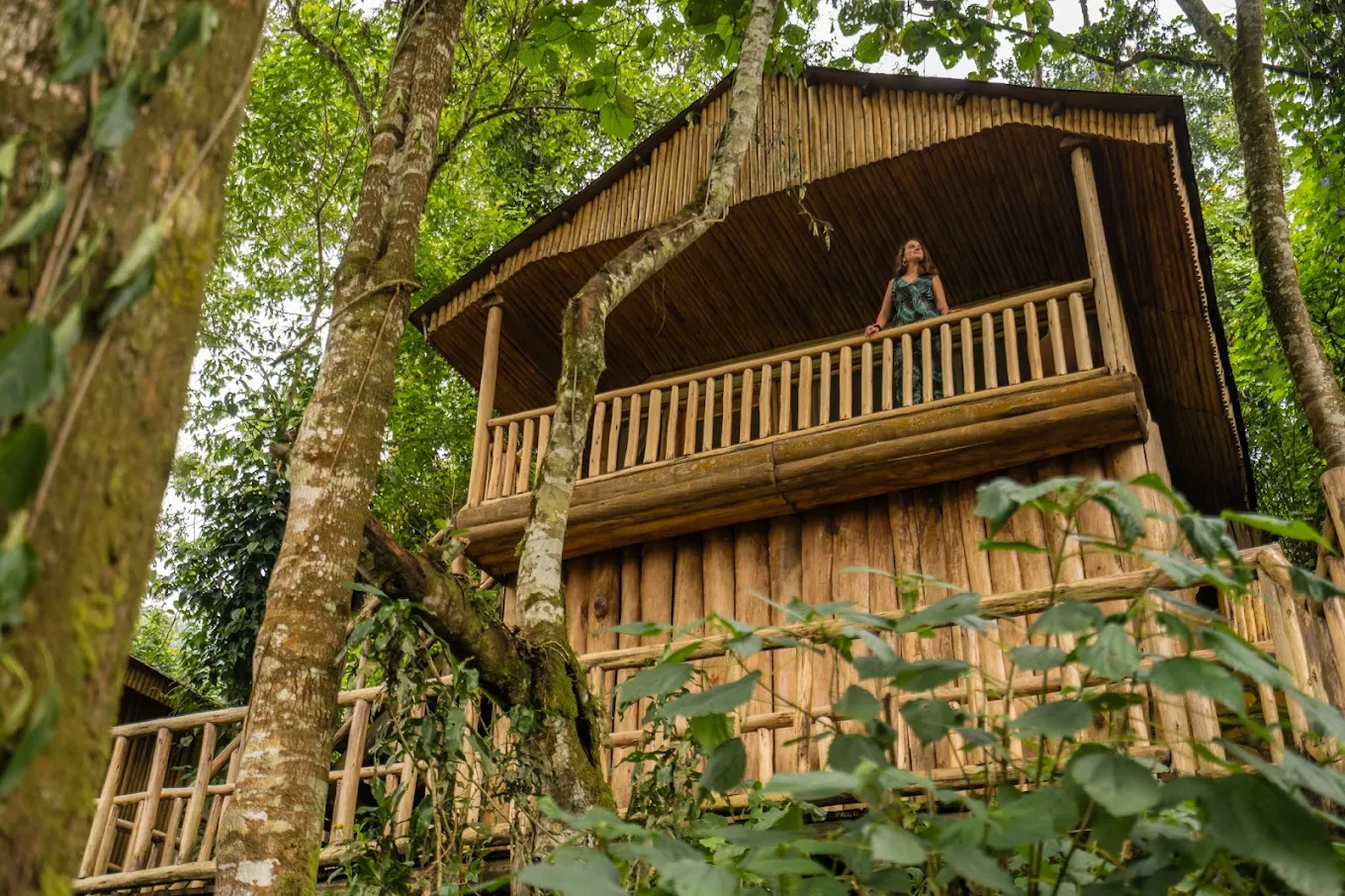
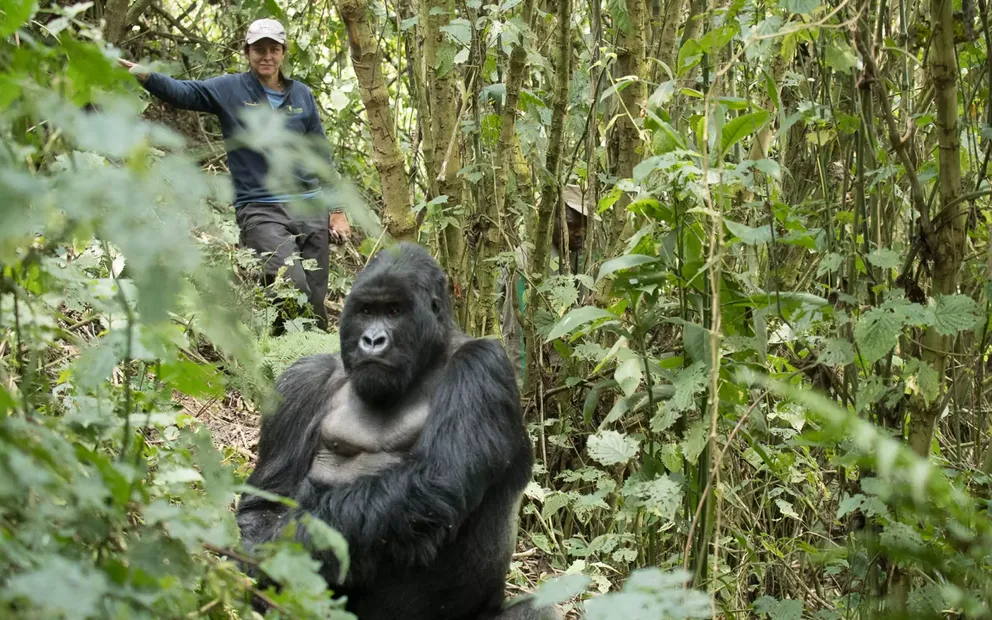
This diversity creates a wider pricing spectrum within the luxury category. Travelers can choose between intimate, forest-edge lodges with exceptional service, larger high-end properties, or ultra-luxury retreats designed for privacy and seclusion. Because there are more lodging options and trekking sectors available, itineraries can be tailored with greater flexibility, both in terms of comfort level and overall journey design.
Uganda’s value advantage becomes most apparent on longer luxury safaris. Bwindi integrates seamlessly into multi-day itineraries that combine gorilla trekking with other high-end wildlife regions, such as savannah parks or private concessions. This allows travelers to spread fixed costs, such as international flights and guiding, across a longer and more varied journey, increasing overall experiential value rather than simply reducing nightly rates.
For travelers seeking depth, flexibility, and the ability to build a longer luxury itinerary around gorilla trekking, Uganda offers a value structure that rewards time and customization.
Rwanda Luxury Gorilla Trekking Cost
In Rwanda, luxury gorilla trekking is concentrated almost entirely within Volcanoes National Park, a compact and tightly managed conservation area in the country’s northwest. Rwanda’s approach to gorilla tourism is deliberately high-value and low-volume, reflected most clearly in higher permit costs and a more concentrated luxury lodge ecosystem.
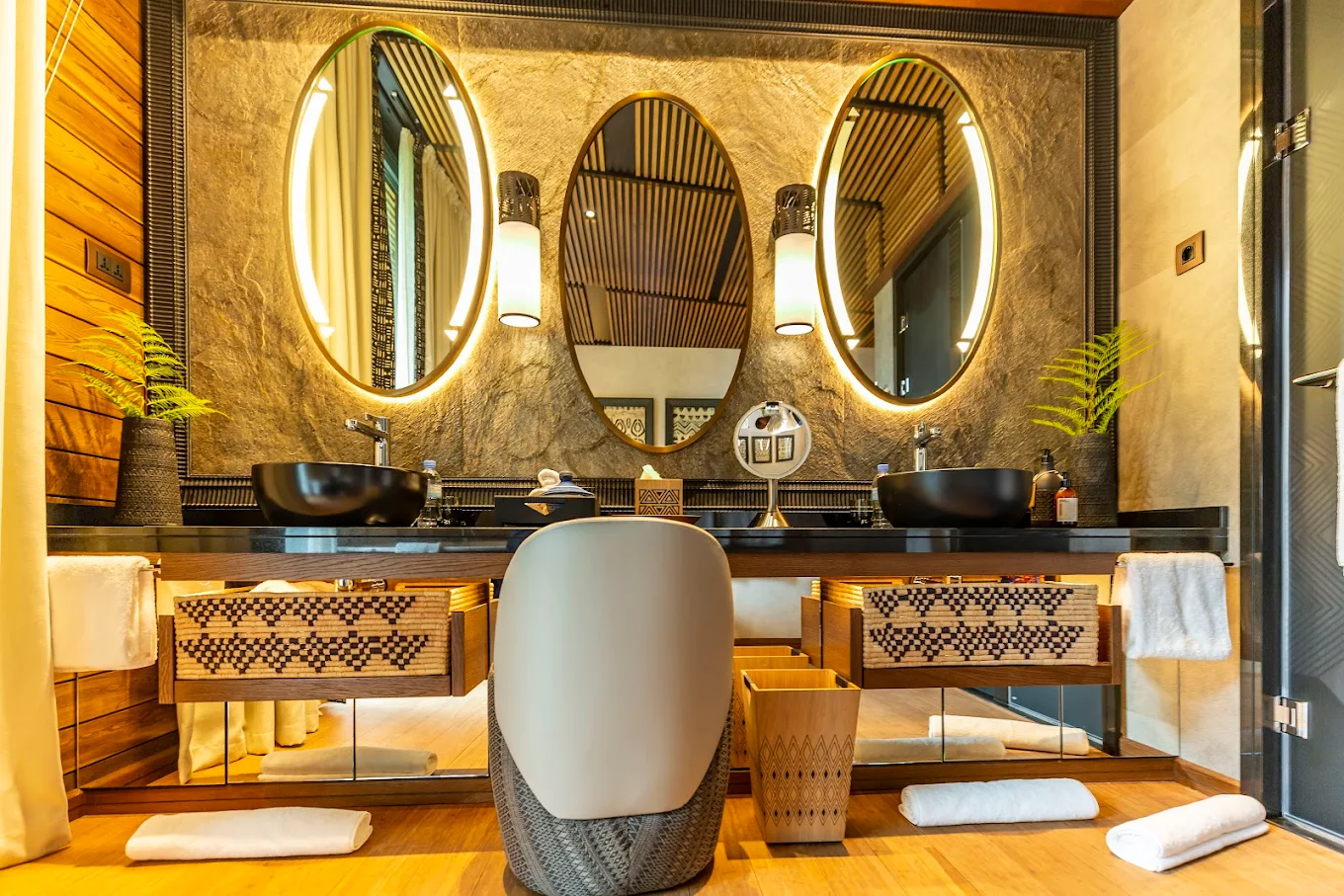


One of Rwanda’s defining advantages is efficiency of access. Volcanoes National Park is located within a relatively short drive from Kigali, allowing travelers to reach their lodge quickly after arrival and minimize time spent in transit. This streamlined logistics model appeals strongly to travelers with limited time, those prioritizing comfort and ease, and couples seeking a refined, low-effort experience.
Rwanda’s luxury gorilla trekking experience is particularly attractive to first-time gorilla trekkers and honeymoon travelers, who value proximity, polished service, and a sense of exclusivity. Lodges around Volcanoes National Park are fewer in number, highly curated, and focused on delivering a consistently premium experience with minimal logistical complexity.
While overall costs are influenced by higher permits and concentrated luxury infrastructure, Rwanda delivers value through simplicity, intimacy, and time efficiency rather than itinerary length.
Understanding the Difference in Value
The difference between luxury gorilla trekking in Uganda and Rwanda is not about one destination being cheaper or more expensive; it is about how value is structured. Uganda offers flexibility, diversity, and scalability for travelers building longer, multi-region luxury safaris. Rwanda offers refinement, ease of access, and a highly curated experience ideal for shorter, focused journeys.
Both destinations deliver exceptional gorilla encounters under strict conservation standards. The right choice depends on whether you prioritize depth and flexibility or efficiency and refinement — a distinction that matters far more than headline price alone.
Sample Luxury Gorilla Trekking Price Scenarios
Luxury gorilla trekking costs are best understood through realistic experience scenarios, rather than abstract price ranges. Each journey is shaped by a different balance of comfort, privacy, and logistical ease, and each price point reflects deliberate choices rather than arbitrary upgrades.
The scenarios below illustrate how luxury gorilla trekking costs translate into tangible differences in experience, helping you understand not only how much a journey may cost, but why that cost makes sense for different travel styles.
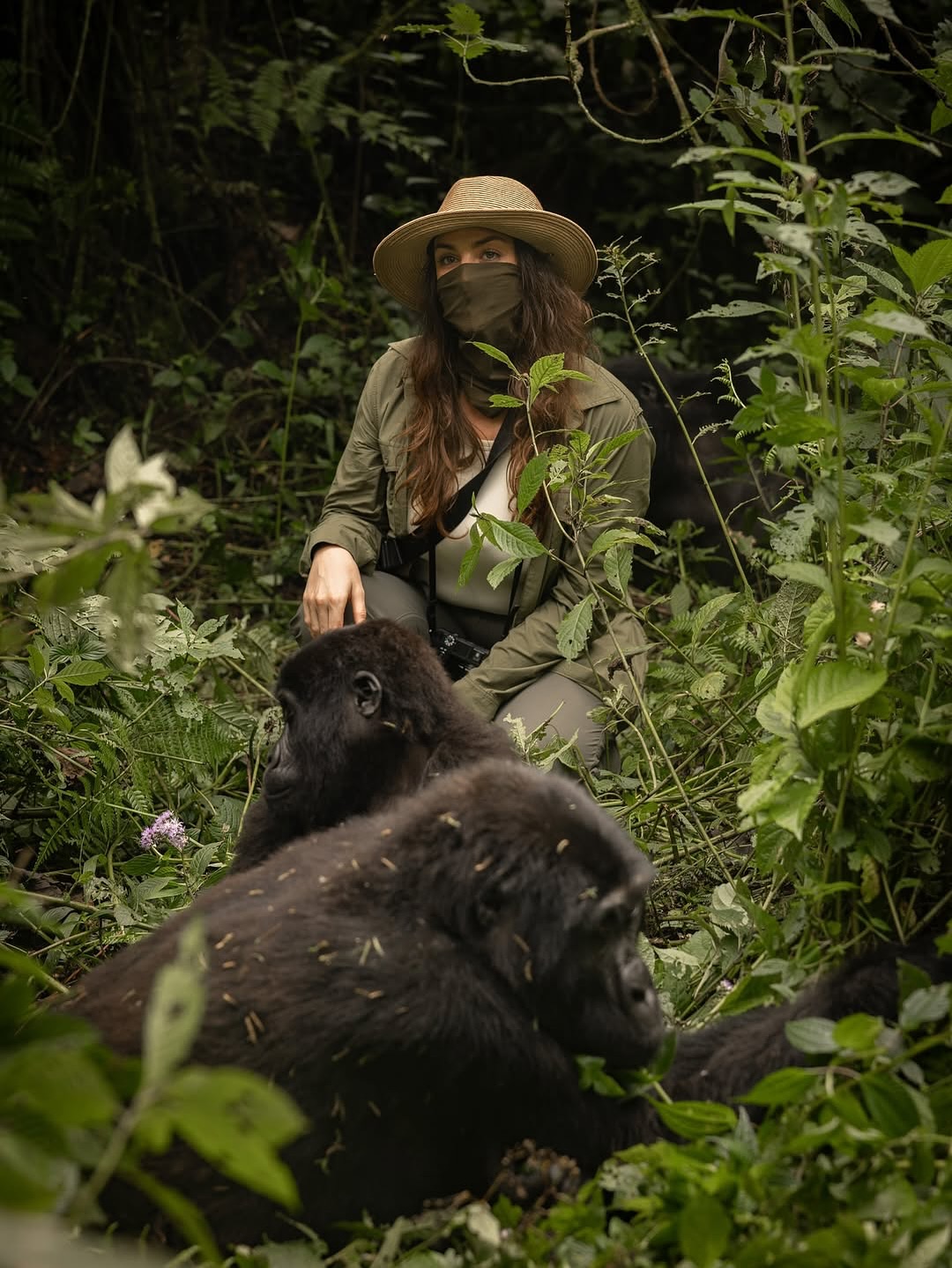
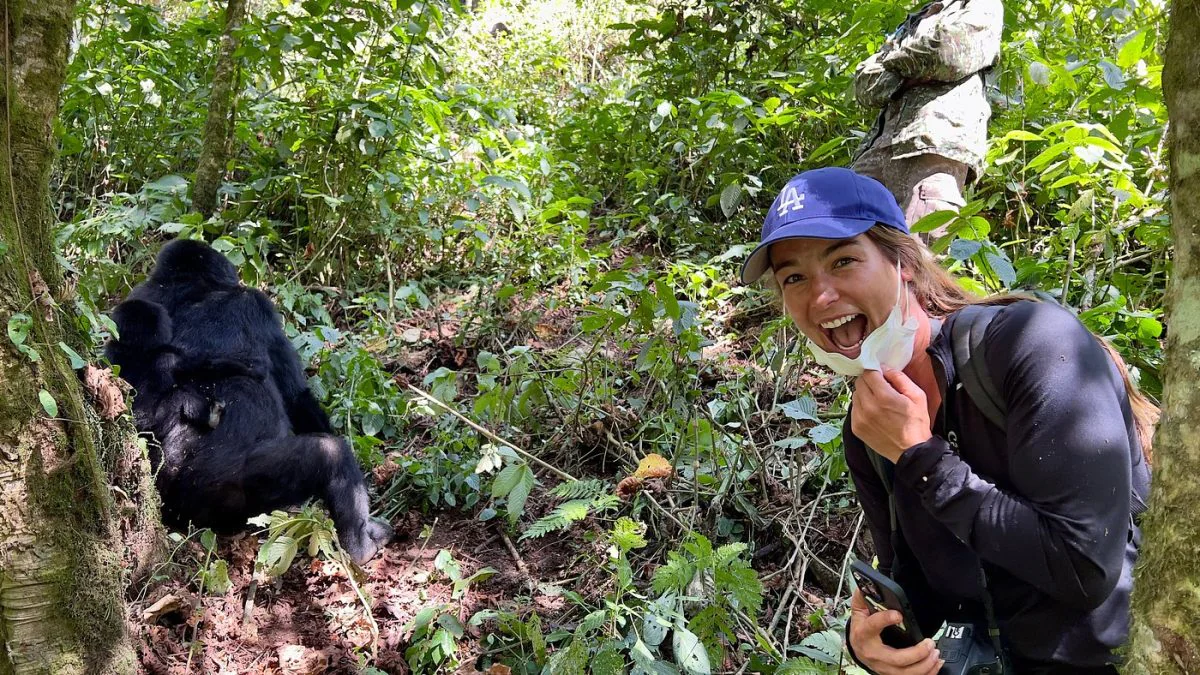
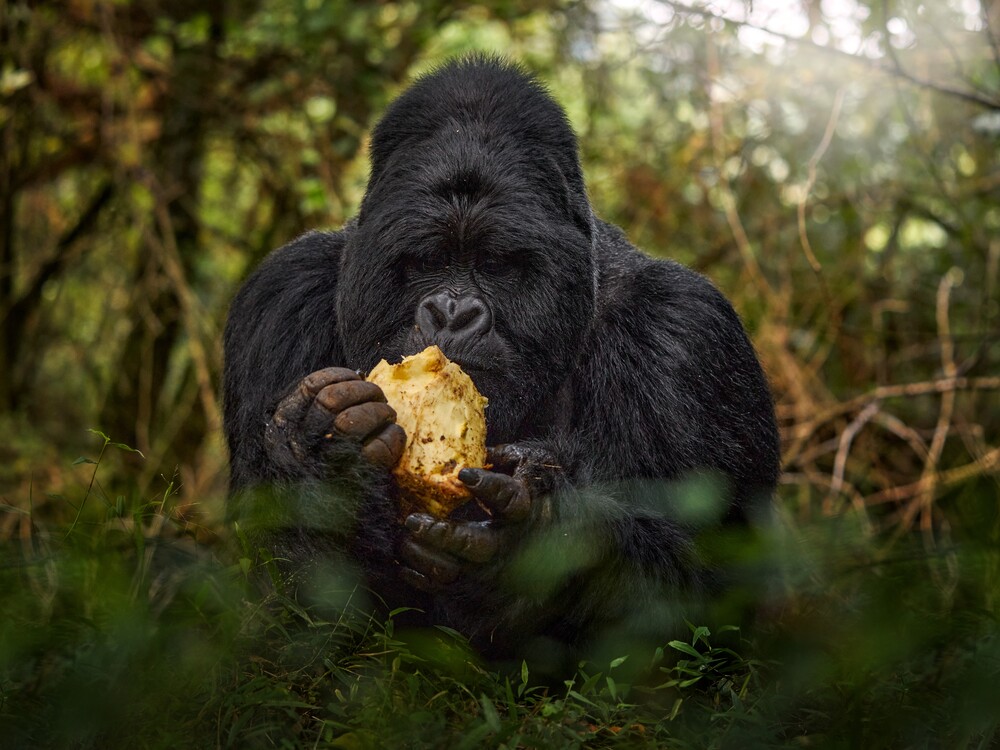
Entry-Luxury Gorilla Trekking Experience
An entry-luxury gorilla trekking experience typically falls toward the lower end of the luxury price range and is designed around a focused, well-executed gorilla encounter without unnecessary complexity. This type of journey usually includes a single gorilla trek, private guiding, and accommodation in a high-quality lodge located within reasonable proximity to the trekking area.
The experience emphasizes comfort, professionalism, and smooth logistics while avoiding excess. Lodges at this level are carefully chosen for their service standards and location rather than for brand prestige alone. Transfers are often handled by road in a private vehicle, allowing for flexibility while keeping costs proportionate to the length of the stay.
This scenario is well suited to travelers who want a genuine luxury gorilla experience without over-engineering, particularly those combining gorilla trekking with other destinations or those upgrading from a standard safari for the first time. The price makes sense because it prioritizes access, permits, and privacy the elements that matter most while keeping the journey streamlined and purposeful.
High-Luxury Gorilla Safari
A high-luxury gorilla safari represents the point at which comfort, location, and experience flow seamlessly together. These journeys typically include premium lodge accommodation positioned as close as possible to the trekking sector, private guiding throughout, and a logistics plan designed to minimize physical strain and travel fatigue.
At this level, lodge selection becomes a central value driver. Properties are chosen for their proximity to the forest, refined service, and ability to adapt to trekking schedules rather than simply for aesthetics. Transfers may include a combination of private road travel and domestic flights, ensuring arrivals and departures feel unhurried and effortless.
High-luxury gorilla safaris appeal to travelers who value ease, refinement, and consistency, including couples, honeymooners, and experienced safari guests who want their gorilla trek to feel calm and unrushed. The price reflects reduced transit time, higher operating costs at prime lodge locations, and a level of service that supports the physical demands of trekking without drawing attention to itself.
Ultra-Luxury / Private Gorilla Journey
An ultra-luxury or private gorilla journey sits at the top of the cost spectrum and is designed around maximum privacy, discretion, and control. These experiences are built with near-total flexibility, often incorporating ultra-exclusive lodges, private transfers by light aircraft or helicopter, and a fully personalized pace from arrival to departure.

This level of travel minimizes shared spaces, waiting times, and logistical friction. Accommodation is selected for seclusion and service depth, guiding is highly personalized, and every movement is planned to preserve energy and privacy. Additional elements, such as private briefings, bespoke dining, or extended stays in a single location, may be included to enhance continuity and calm.
Ultra-luxury gorilla journeys are typically chosen by travelers celebrating once-in-a-lifetime milestones, those seeking complete discretion, or individuals who prioritize comfort and privacy above all else. The cost makes sense not because of extravagance, but because of access to limited infrastructure, private aviation, and the operational complexity required to deliver this level of exclusivity responsibly.
How These Scenarios Fit into the Bigger Picture
Each of these luxury gorilla trekking scenarios delivers the same core experience, a protected, ethical encounter with mountain gorillas but the value lies in how that experience is accessed and supported. Differences in cost reflect variations in lodge location, logistics, privacy, and physical ease, not differences in conservation standards or encounter quality.
Understanding these scenarios allows travelers to evaluate luxury gorilla trekking costs based on personal priorities rather than assumptions. When viewed through this lens, pricing becomes a tool for shaping experience quality, not a barrier to entry.
How This Section Strengthens the Page as a Whole
This scenario-based approach naturally captures long-tail searches such as “luxury gorilla safari cost,” “private gorilla trekking price,” and “ultra-luxury gorilla safari Uganda or Rwanda.” More importantly, it keeps readers engaged by helping them self-identify with an experience rather than fixating on numbers alone.
As part of the full pillar page, this section bridges cost explanation and decision-making — pulling everything above it together and setting up the final trust-building sections that follow.
What Is Included in a Luxury Gorilla Safari Cost?
A properly priced luxury gorilla trekking safari is designed to be comprehensive on the ground, ensuring that once you arrive, the experience unfolds smoothly without unexpected expenses or logistical gaps. When evaluating luxury gorilla safari costs, the following core elements are typically included.
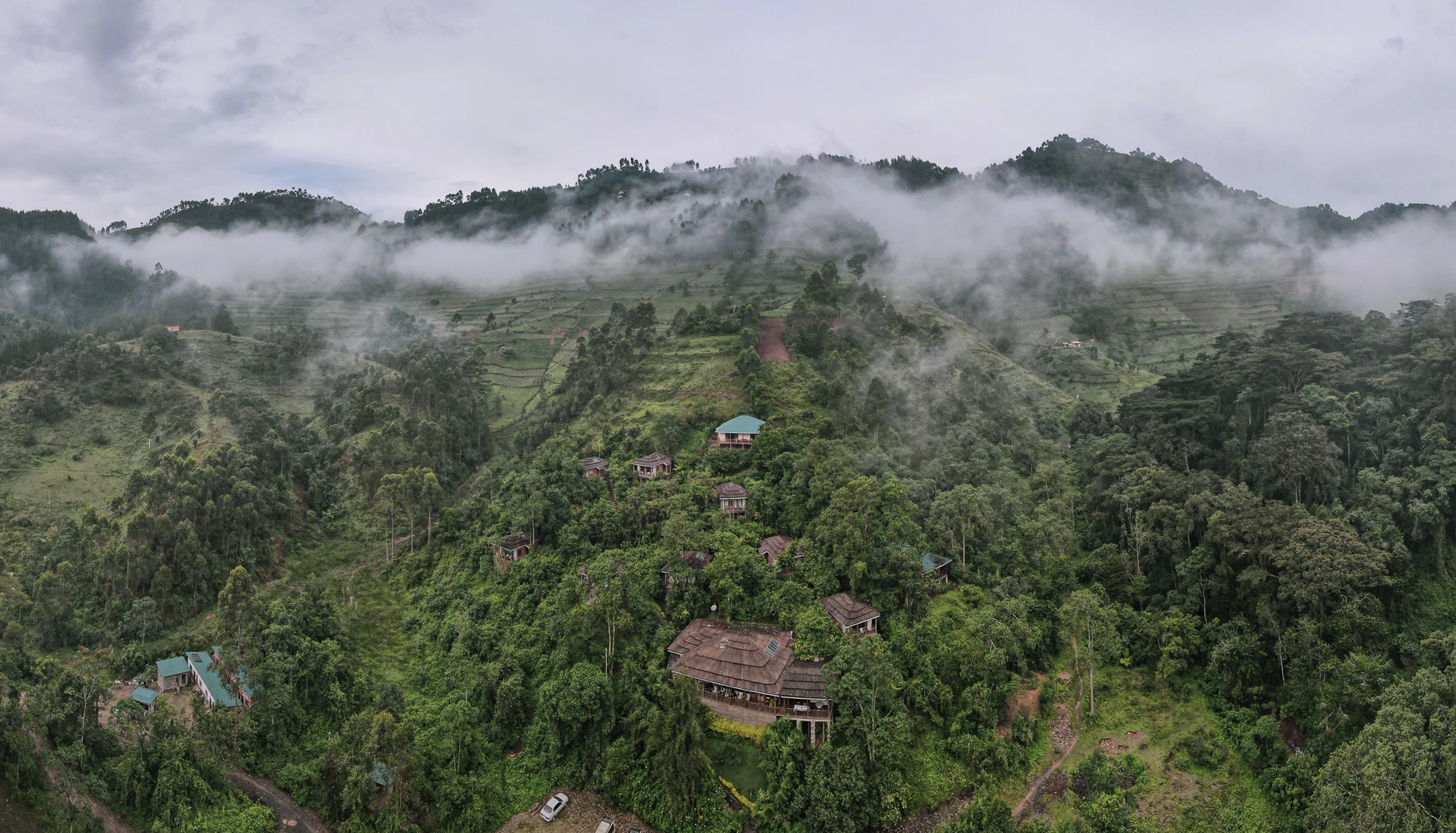
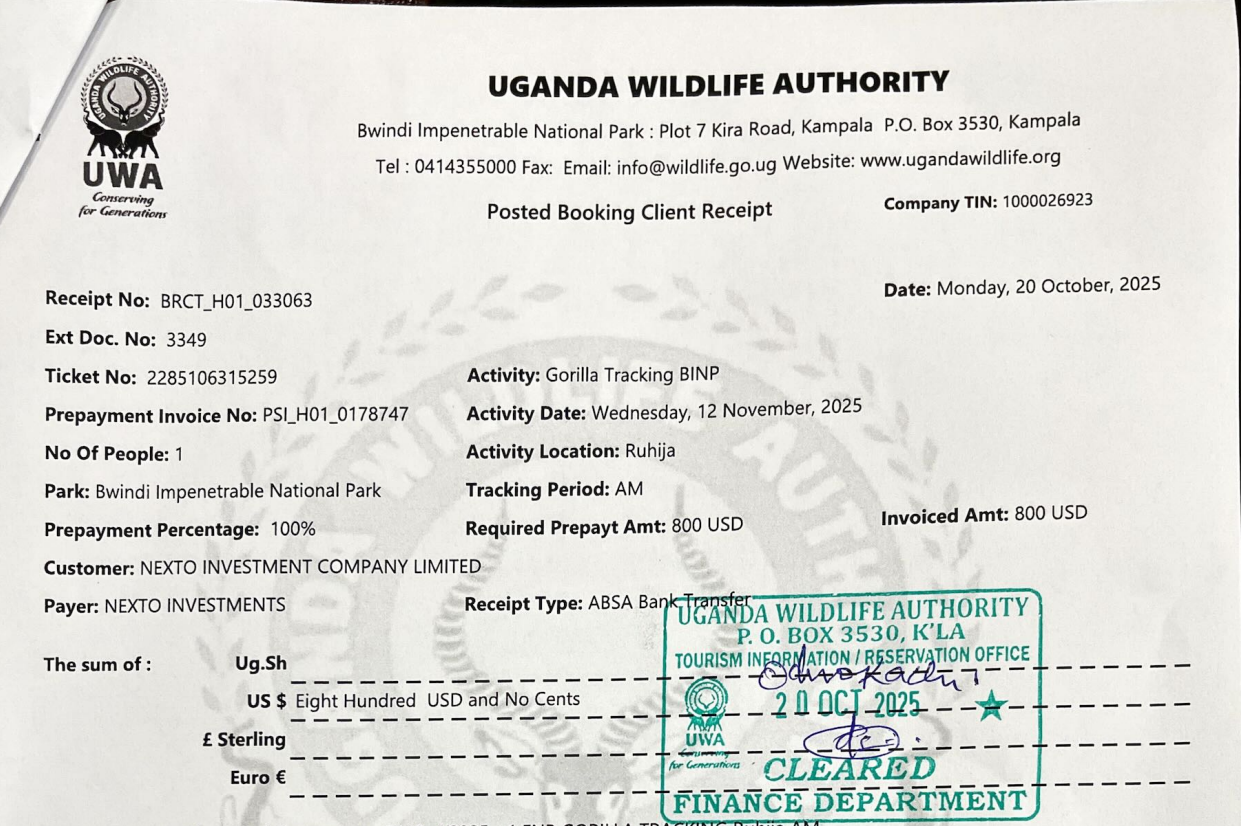
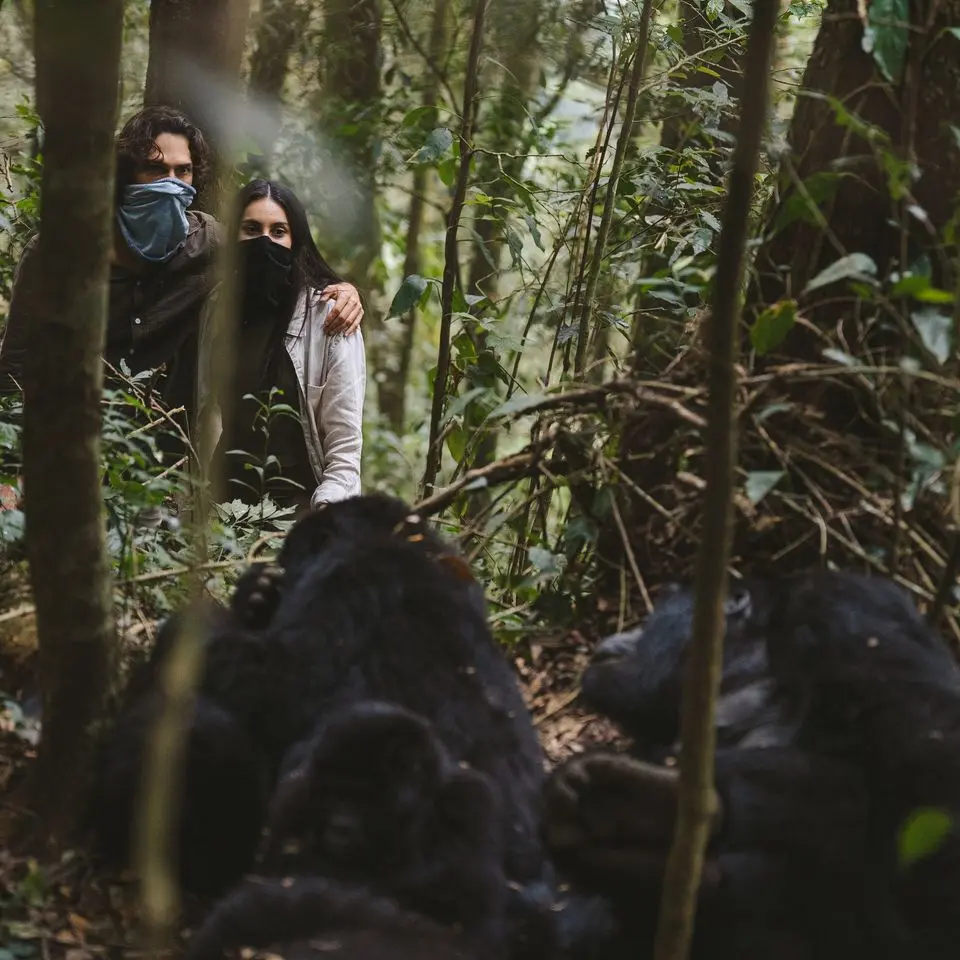
- Gorilla trekking permits, issued by the national wildlife authority, granting access to a strictly regulated, one-hour encounter with a habituated gorilla family. This is a fixed conservation cost and forms a substantial portion of the overall price.
- Luxury or ultra-luxury accommodation on a full-board basis, including breakfast, lunch, and dinner. Lodges are selected based on service quality, location relative to the trekking sector, and their ability to adapt to trekking schedules rather than on branding alone.
- Private guiding throughout the journey, ensuring personalized pacing, clear communication, and flexibility before and after the trek. A dedicated professional guide remains with you rather than rotating between groups.
- All transfers related to the safari, whether by private 4×4 vehicle or domestic flights, depending on the itinerary design. These transfers are planned to minimize fatigue and maintain comfort around trekking days.
- All park entry fees, ranger services, and conservation charges, which are mandatory for accessing protected areas and supporting long-term conservation efforts.
- Concierge-level planning and on-ground coordination, including permit management, lodge coordination, timing optimization, and contingency handling. This behind-the-scenes planning is one of the least visible yet most valuable components of a luxury gorilla safari.
Together, these inclusions ensure that the quoted cost reflects a complete, end-to-end gorilla trekking experience, rather than a base price that expands once travel begins.
What Is Not Included (And Why)
Luxury gorilla safari pricing is intentionally structured to exclude certain items, not to obscure costs, but to allow travelers greater flexibility and personal choice. The following elements are generally not included in the base safari cost.
- International flights to and from East Africa, which vary widely depending on departure city, airline preference, and travel class.
- Entry visas and travel insurance, as requirements differ by nationality and personal coverage preferences.
- Gratuities for guides, rangers, lodge staff, and porters, which are discretionary and depend on service interaction and personal appreciation.
- Personal expenses, such as premium beverages, spa treatments, laundry, souvenirs, or additional activities not specified in the itinerary.
Excluding these elements allows luxury travelers to maintain control over personal spending while keeping safari pricing transparent and comparable. More importantly, this openness builds trust by ensuring that the quoted cost reflects the true value of the safari itself, rather than a bundled figure that conceals variability.
Why These Sections Matter for Rankings
Clear inclusion and exclusion sections directly address high-intent searches such as “what is included in a luxury gorilla safari” and “what does gorilla trekking cost include.” Just as importantly, they reduce uncertainty, increase time on page, and signal transparency all of which contribute to stronger search performance and higher-quality inquiries.
Is Luxury Gorilla Trekking Worth the Cost?
For travelers considering a luxury gorilla trekking safari, the real question is rarely about affordability. It is about value, emotional, experiential, and ethical. When viewed through that lens, luxury gorilla trekking delivers returns that are difficult to measure purely in monetary terms.
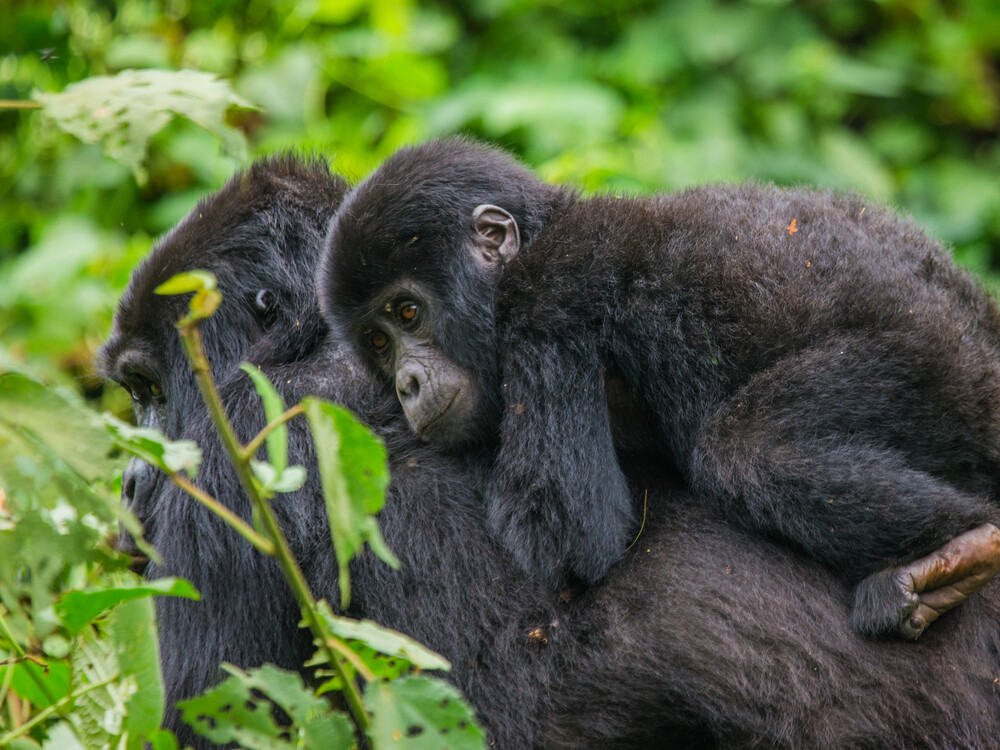
The emotional return on investment is immediate and lasting. Standing a few meters from a wild mountain gorilla family in their natural habitat is an experience that most travelers describe as profoundly moving rather than merely exciting. Unlike traditional wildlife encounters observed from a vehicle, gorilla trekking places you on foot, fully present, and deeply aware of the privilege of the moment. For many, it becomes a defining travel memory rather than a highlight among many.
Exclusivity plays a central role in that value. Gorilla trekking is strictly limited by design, with only a small number of permits issued each day and a single, carefully supervised one-hour encounter per trek. Luxury travel does not increase that hour, but it dramatically improves the conditions surrounding it reducing fatigue, minimizing stress, and allowing travelers to arrive calm, focused, and physically prepared. That difference often determines whether the hour feels rushed and exhausting or meaningful and immersive.
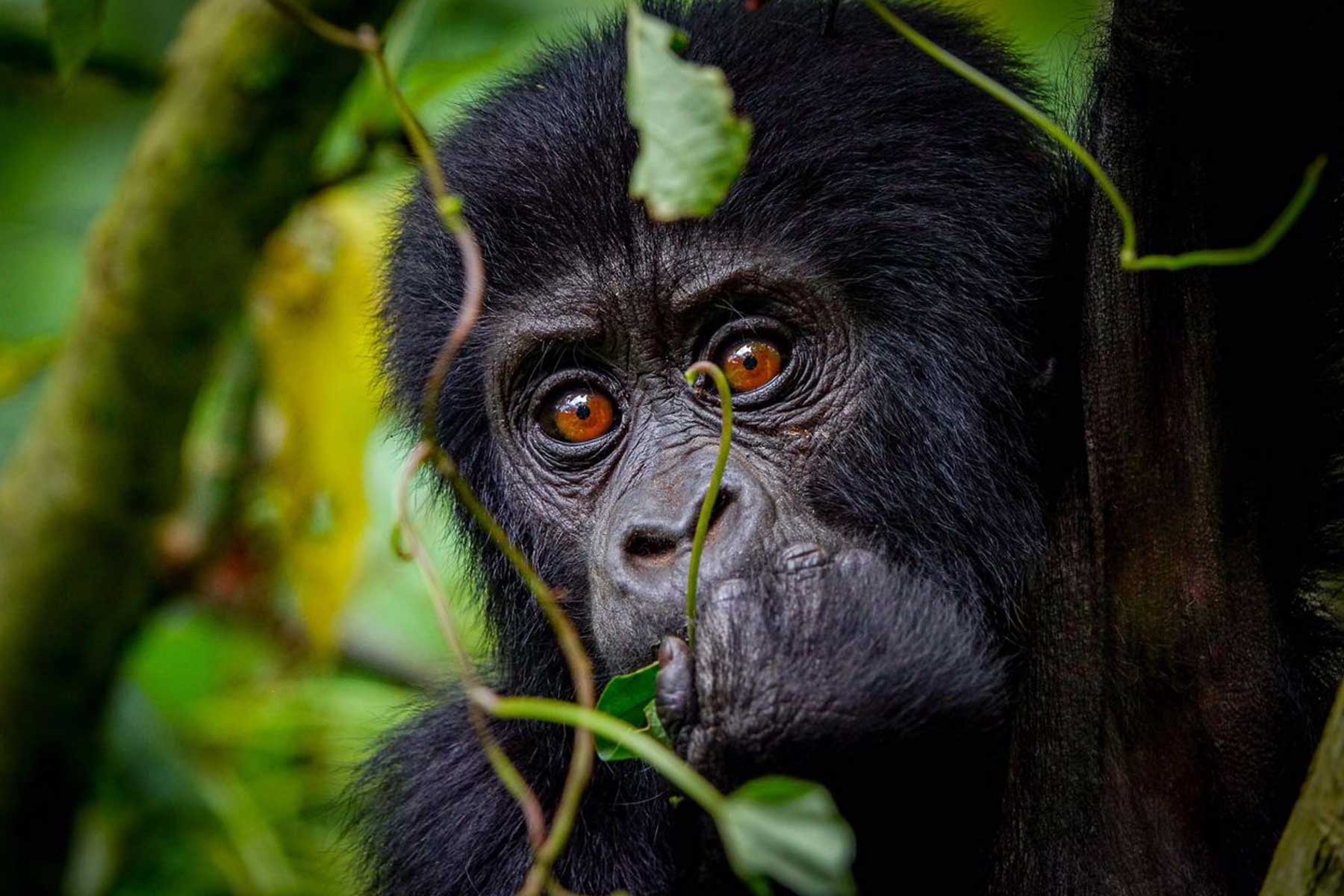
The value of the one-hour encounter itself lies in its intensity rather than its duration. In that hour, travelers witness complex social behavior, family dynamics, and individual personalities at close range. The brevity of the encounter is intentional and protective, reinforcing the sense that this is not entertainment but access granted under strict ethical conditions. For many travelers, the fact that the experience is limited and cannot be repeated casually is precisely what gives it weight.
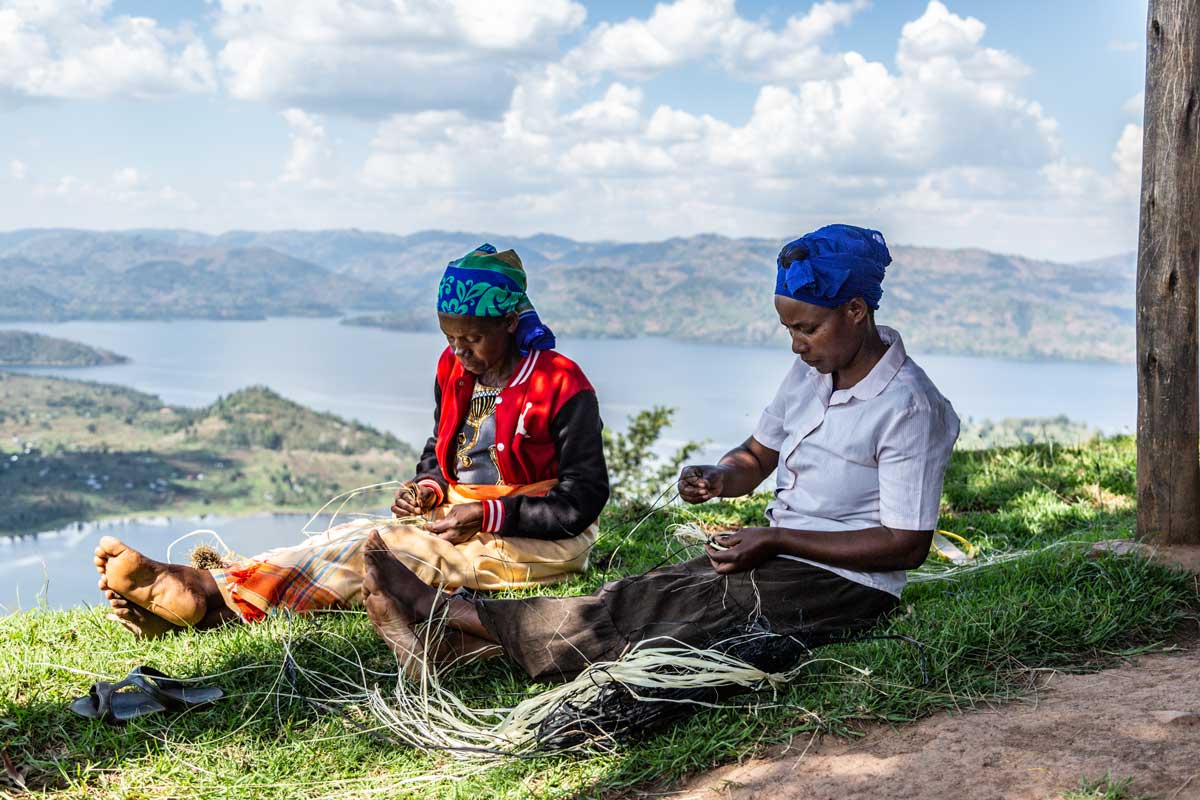
Equally important is the conservation impact embedded in the cost. A significant portion of luxury gorilla trekking fees supports habitat protection, ranger programs, veterinary interventions, and local community initiatives. Luxury travelers are not paying a premium for comfort alone; they are directly contributing to the survival of a species that once stood on the brink of extinction. In this context, cost becomes part of a conservation model rather than a transactional expense.
When assessed holistically, luxury gorilla trekking is worth the cost not because it is extravagant, but because it delivers rare access, deep emotional impact, and measurable conservation value within one of the most carefully protected wildlife environments on the planet.
Frequently Asked Questions About Luxury Gorilla Trekking Costs
How much is a luxury gorilla safari in Rwanda?
A luxury gorilla safari in Rwanda typically costs between USD 4,500 and USD 9,500 per person for a short, high-end journey built around a single gorilla trek. Pricing is influenced by Rwanda’s premium permit fees, lodge exclusivity, and the efficiency of access to Volcanoes National Park from Kigali.
How much is a luxury gorilla safari in Uganda?
A luxury gorilla safari in Uganda generally ranges from USD 3,500 to USD 8,500 per person, depending on lodge choice, logistics, and itinerary length. Uganda’s broader lodge ecosystem around Bwindi Impenetrable National Park allows for greater flexibility and stronger value on longer luxury safaris.
Why is gorilla trekking so expensive?
Gorilla trekking is expensive because it operates under strict conservation controls. Permit numbers are deliberately limited, operating environments are remote and logistically complex, and a significant portion of the cost is directed toward wildlife protection and community programs. Luxury pricing reflects conservation priorities, limited infrastructure, and the need to minimize environmental impact rather than mass tourism.
Is Rwanda or Uganda better for luxury gorilla trekking?
Neither destination is universally better; they deliver different types of value. Rwanda offers streamlined access, refined service, and a highly curated experience ideal for shorter trips, first-time trekkers, and honeymoons. Uganda offers greater lodge diversity, itinerary flexibility, and strong value for travelers planning longer, multi-region luxury safaris.
Can gorilla trekking be private?
Gorilla trekking itself cannot be fully private due to conservation rules, as each trek includes a small group accompanied by park rangers. However, the surrounding experience including guiding, vehicles, accommodation, and logistics can be fully private. Luxury gorilla safaris focus on maximizing privacy and control outside the trek while respecting conservation regulations during the encounter.
Plan Your Luxury Gorilla Trekking Journey
Luxury gorilla safaris are not products — they are carefully balanced journeys between comfort, conservation, and access. Every decision, from permit timing to lodge location and travel logistics, shapes the quality of the experience far more than price alone.
At this level of travel, the difference lies in thoughtful planning, honest guidance, and a deep understanding of what truly matters on the ground. If you are considering a luxury gorilla trekking safari in Uganda or Rwanda and would like clear, tailored advice, a private consultation is the best place to begin.