
Is Gorilla Trekking Safe? Uganda & Rwanda Safety Guide for Luxury Travelers (2026-2030)
For many travelers considering a luxury gorilla safari, the first and most important question is simple: is gorilla trekking safe?
It is a fair question, and a necessary one. Gorilla trekking takes place in remote, mountainous rainforest environments, involves walking on uneven terrain, and brings travelers into close proximity with wild animals. As a result, safety concerns naturally arise, particularly for luxury travelers, first-time visitors to Africa, couples, and older travelers.
The short answer is that gorilla trekking is safe when properly organized and guided. In both Uganda and Rwanda, gorilla trekking operates under some of the strictest wildlife tourism safety protocols in the world, combining trained park rangers, controlled group sizes, medical monitoring of gorillas, and carefully enforced rules for visitor behavior.
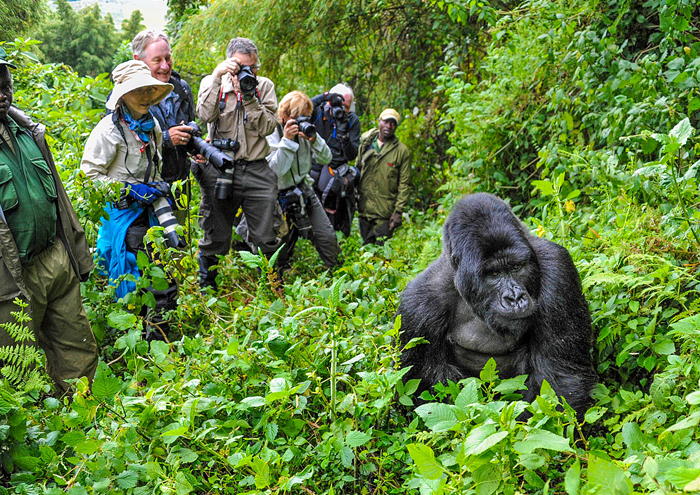
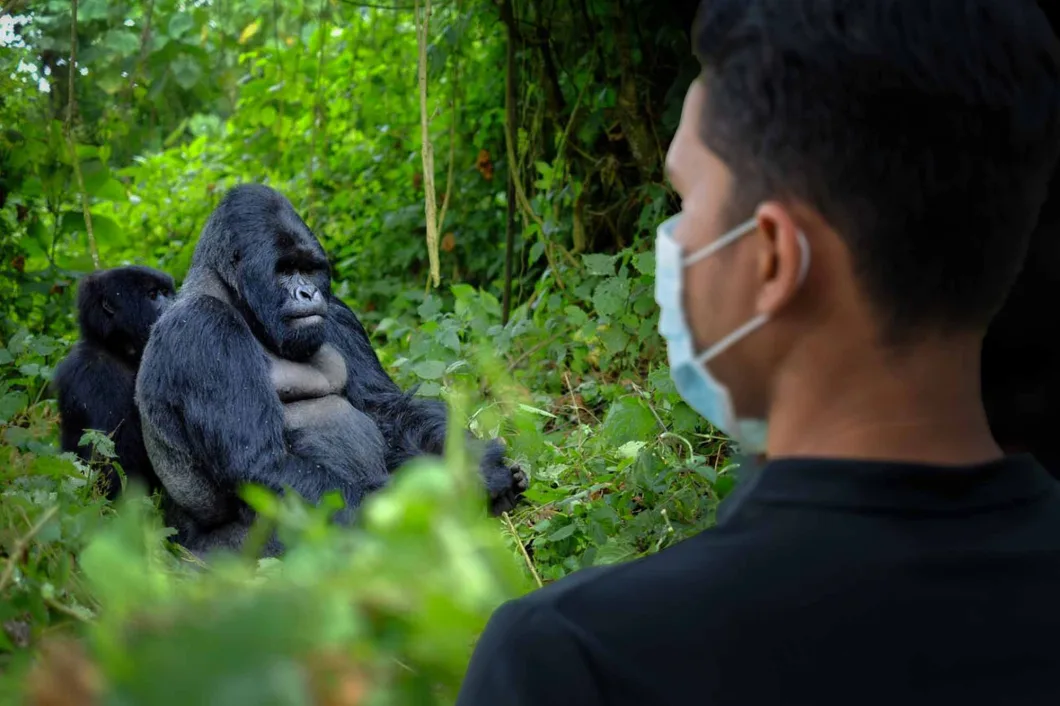
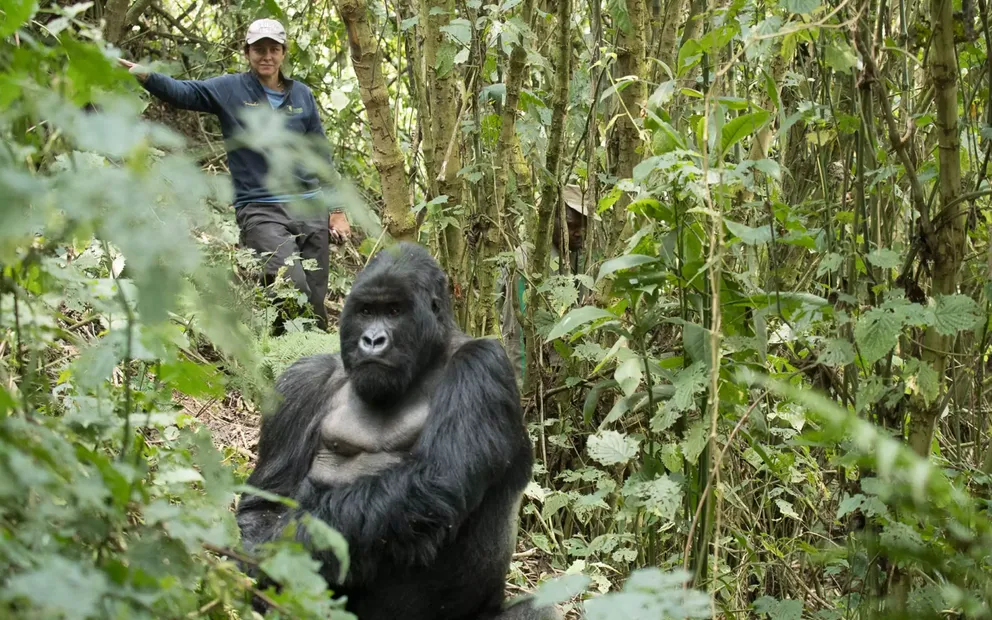
This guide explains how safe gorilla trekking really is, what risks exist, how those risks are managed, and why luxury gorilla trekking experiences are designed specifically to minimize physical strain, health concerns, and uncertainty. By the end of this page, you will understand exactly why gorilla trekking is safe, who it is suitable for, and how safety differs between destinations and travel styles.
How Safe Is Gorilla Trekking in Reality?
When travelers ask “is gorilla trekking safe?”, they are often picturing unpredictable wildlife encounters, sudden animal aggression, or a lack of control in remote environments. This perception is understandable, but it does not reflect how gorilla trekking actually operates on the ground. In reality, gorilla trekking is one of the most carefully regulated and actively managed wildlife experiences in Africa.
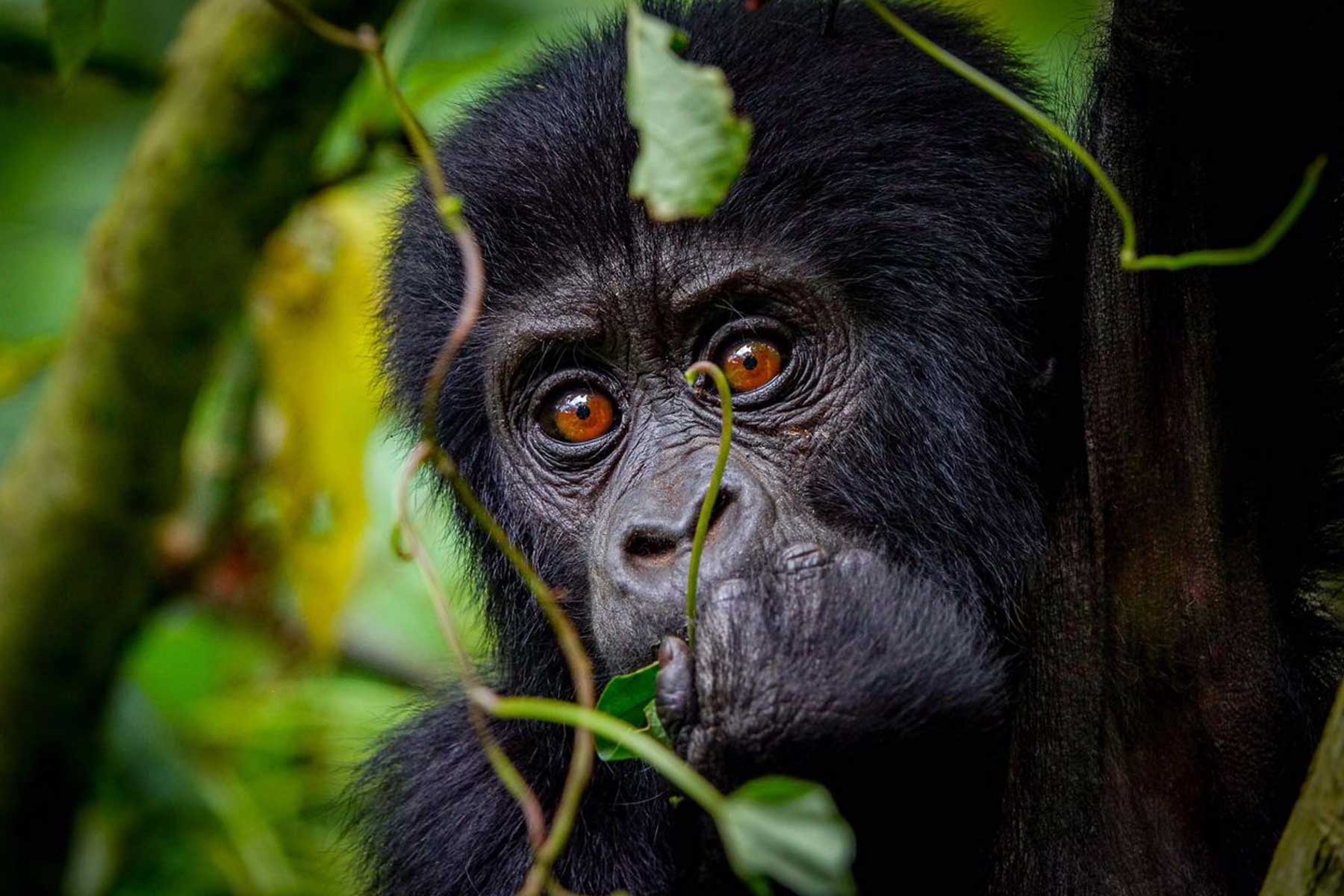
Gorilla families that are visited by travelers are not wild, unmonitored groups. They are fully habituated, meaning they have undergone a long and controlled process often taking several years, during which park authorities gradually accustom them to human presence. This process allows researchers, veterinarians, and rangers to understand individual gorilla behavior patterns in detail, significantly reducing unpredictability during visitor encounters.
Every gorilla trek is led by armed park rangers, professional trackers, and trained guides whose sole responsibility is safety for both visitors and gorillas. Trackers locate gorilla families early each morning and assess conditions before any visitor groups enter the forest. During the trek, guides continuously monitor gorilla behavior, visitor positioning, and environmental factors, adjusting movement and spacing as needed.
Unlike traditional game drives, where animals move freely and encounters are largely observational, gorilla trekking is actively controlled from start to finish. Trek routes are planned daily based on gorilla movements and trail conditions, group sizes are strictly limited to minimize pressure, and strict rules govern distance, behavior, and time spent with the gorillas. If conditions change whether due to weather, gorilla behavior, or visitor fatigue, treks are adjusted or ended without hesitation.
This high level of regulation and real-time decision-making is precisely why, when assessed objectively, gorilla trekking is safe and has an exceptional safety record. The experience is designed around prevention rather than reaction, which is why incidents are exceedingly rare.
Is Gorilla Trekking Safe in Uganda?
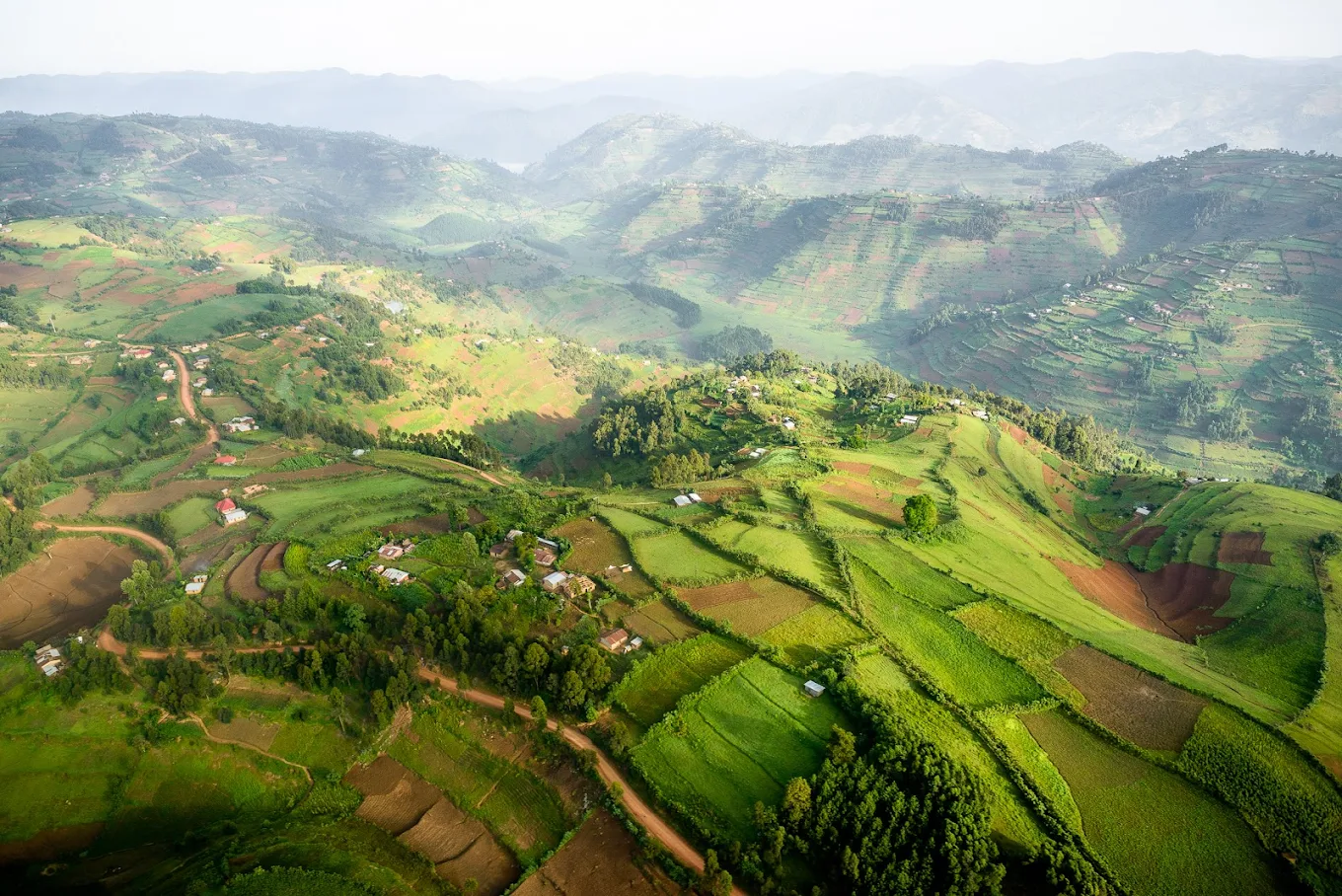
Travelers frequently ask whether gorilla trekking is safe in Uganda, particularly given the dense rainforest terrain and mountainous landscapes associated with the country’s gorilla habitats. Uganda has, however, been conducting gorilla trekking for decades and is home to some of the most experienced conservation and ranger teams in Africa.
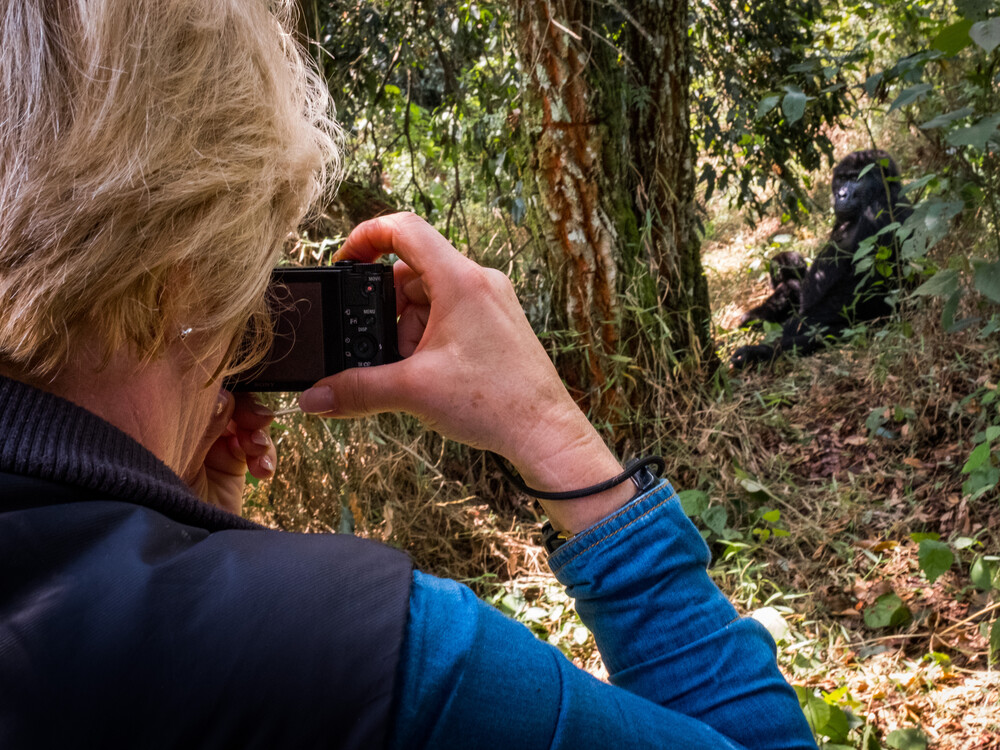
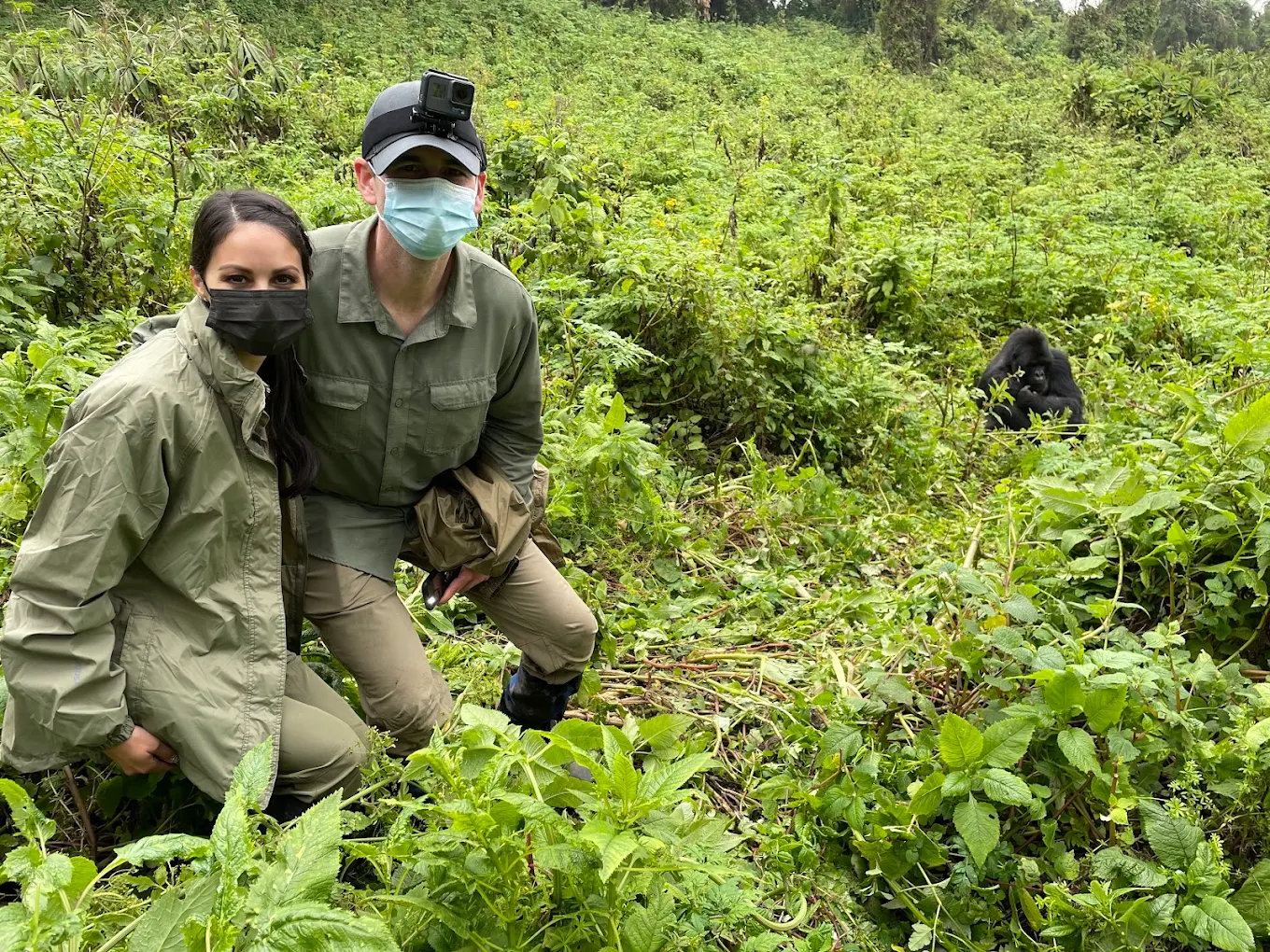
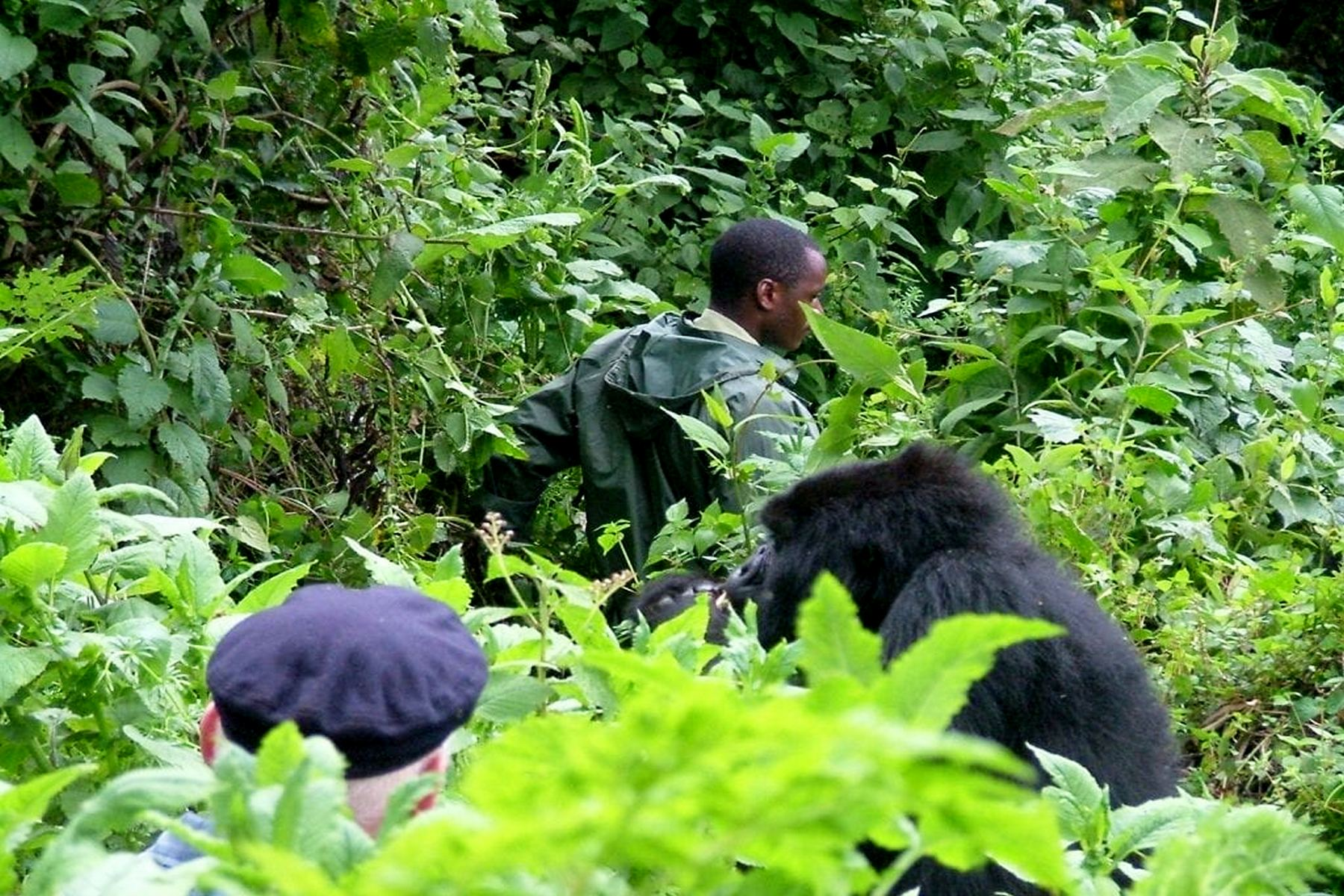
Gorilla trekking in Uganda takes place primarily within Bwindi Impenetrable National Park, a vast and ecologically complex forest that supports multiple gorilla families across several trekking sectors. Safety within Bwindi Impenetrable National Park is maintained through permanent ranger deployment, controlled access points, and daily coordination between trackers, guides, and park management teams.
Before each trek, routes are assessed for trail conditions, weather, and accessibility. Visitors are then assigned to gorilla families not randomly, but based on individual fitness levels and trekking ability, ensuring that no one is pushed beyond a comfortable or safe physical limit. This allocation process plays a crucial role in why gorilla trekking is safe in Uganda, even in challenging rainforest terrain.
Local community involvement further strengthens safety. Communities surrounding Bwindi Impenetrable National Park are closely integrated into conservation efforts, reducing external risks and ensuring rapid communication and support when needed. This collaborative model has been refined over many years and contributes to the stability and reliability of Uganda’s gorilla trekking operations.
For luxury travelers, safety in Uganda is enhanced even further through thoughtful planning choices. Lodge selection close to trekking sectors reduces early-morning travel and fatigue, private guiding ensures controlled pacing and flexibility, and well-structured itineraries allow adequate rest before and after trekking days. These factors may appear subtle, but together they significantly influence how safe and comfortable the experience feels.
When properly organized, gorilla trekking in Uganda is safe, well-managed, and suitable for a wide range of travelers, including those who prioritize comfort, reassurance, and professional oversight.
Is Gorilla Trekking Safe in Rwanda?
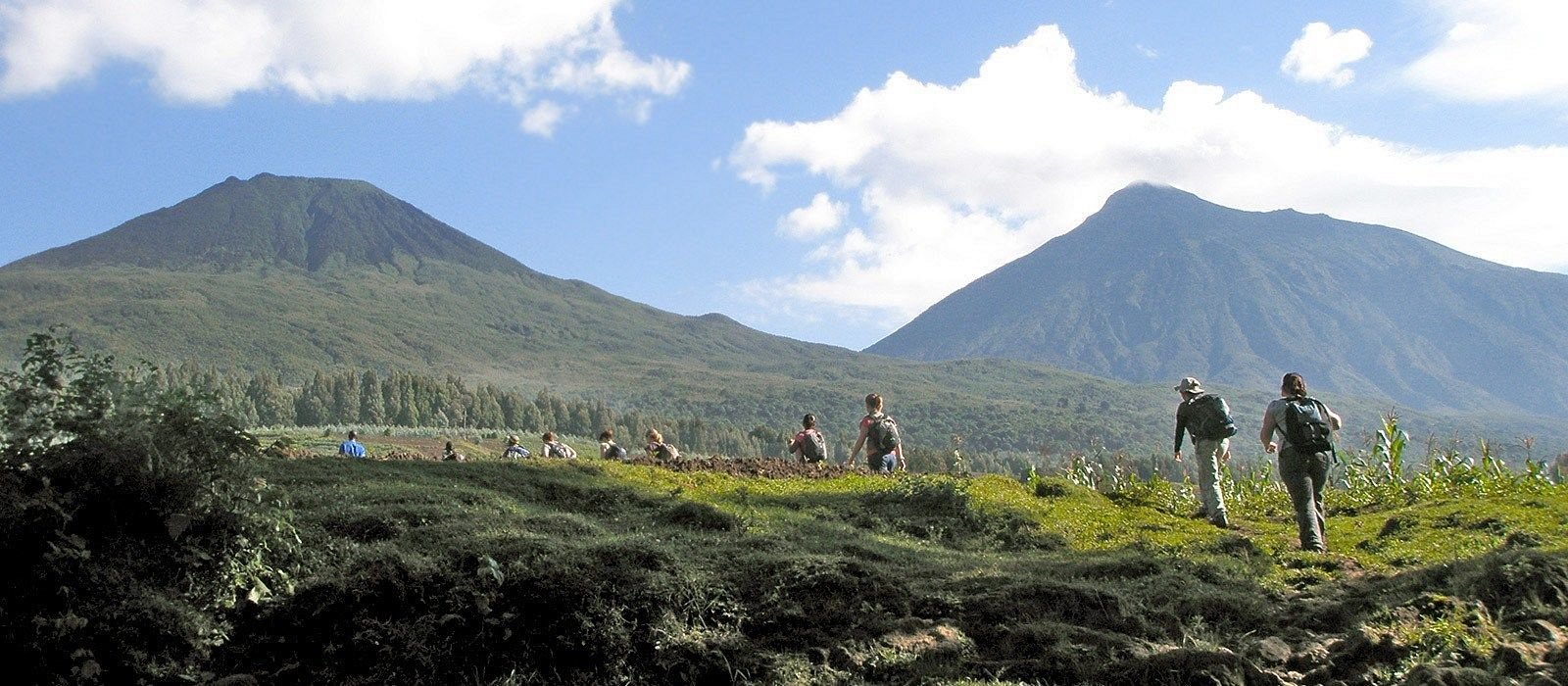
For travelers asking “is gorilla trekking safe in Rwanda?”, the answer is consistently reassuring. Gorilla trekking in Rwanda takes place almost entirely within Volcanoes National Park, a compact, well-managed conservation area in the northwest of the country that has been purpose-designed for high-control, low-impact gorilla tourism.
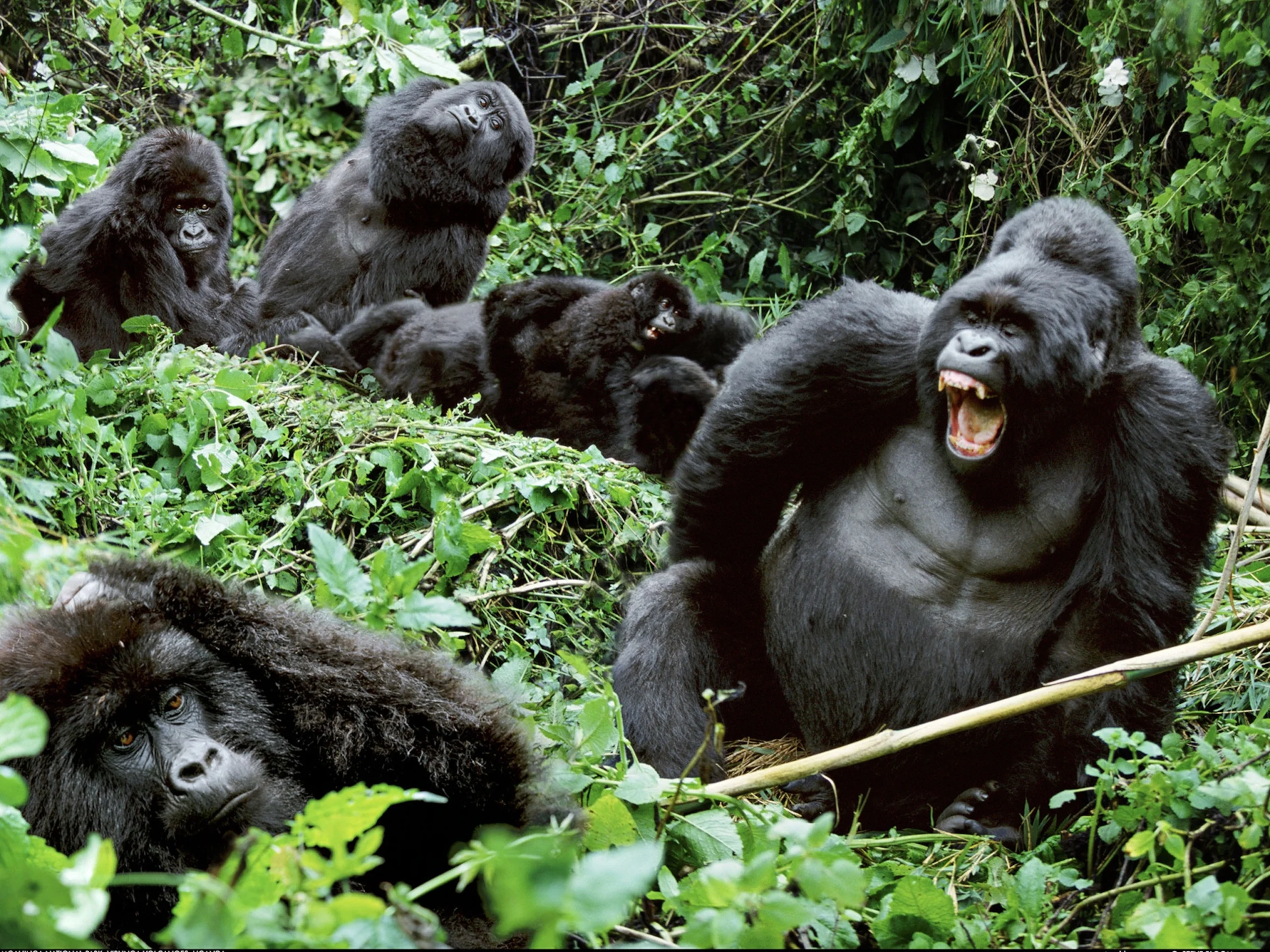
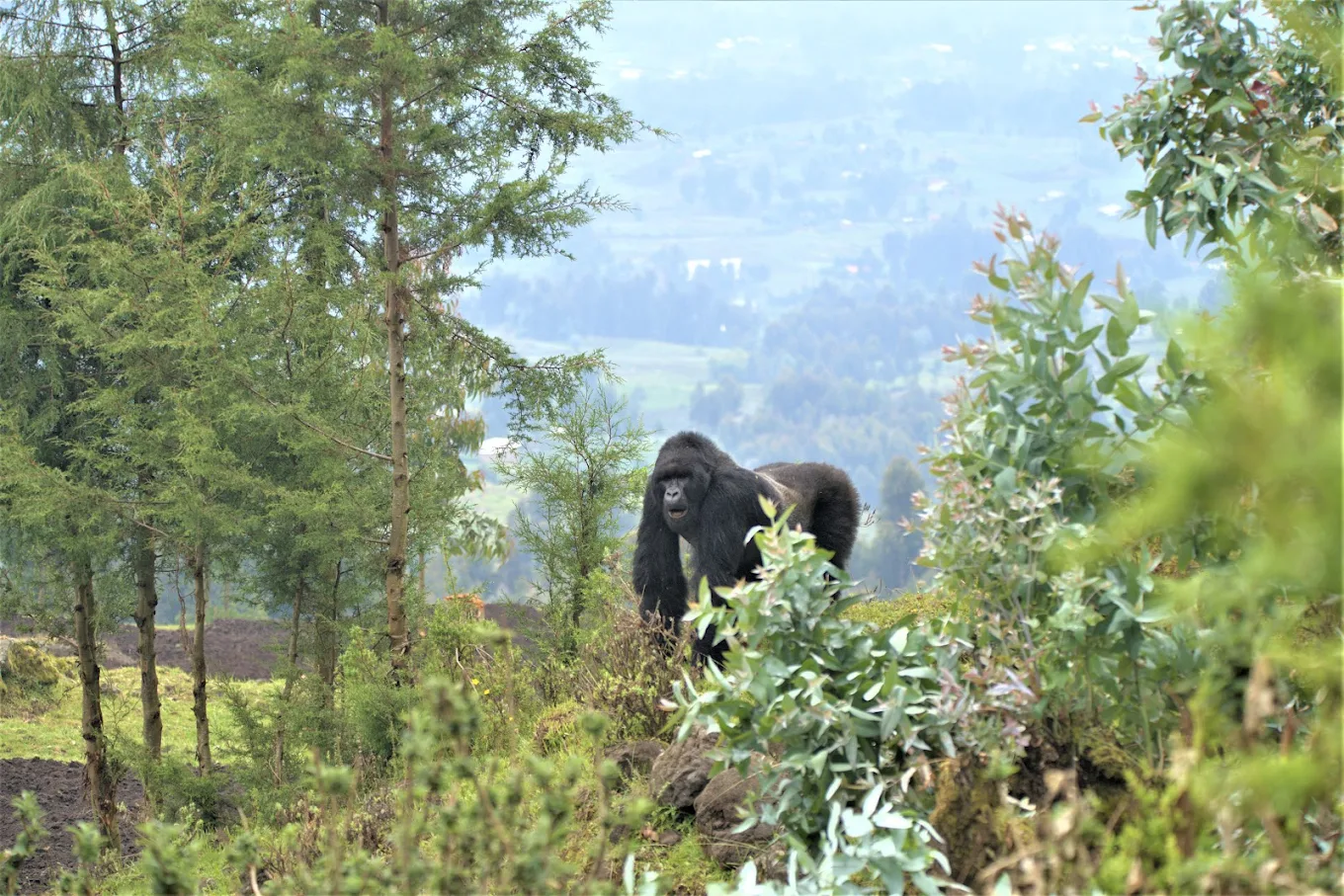
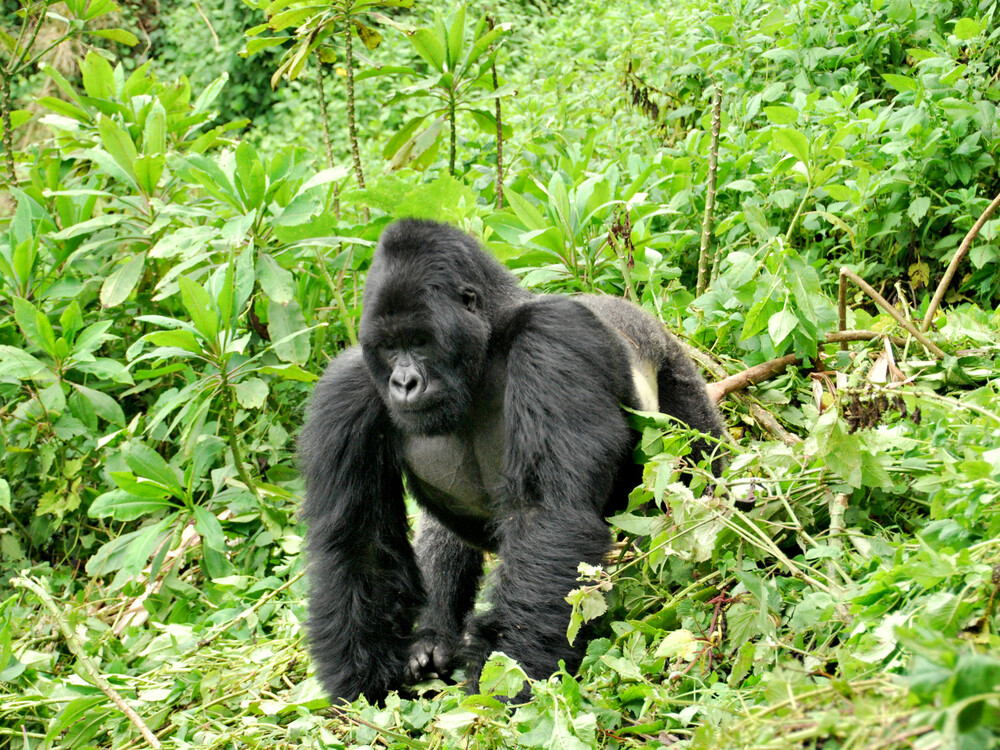
One of Rwanda’s strongest safety advantages lies in proximity and infrastructure. Volcanoes National Park is reached by a relatively short drive from Kigali, which significantly reduces long transfer times and travel fatigue before trekking days. This efficiency allows travelers to arrive rested, focused, and physically prepared, an important but often overlooked factor when evaluating whether gorilla trekking is safe.
Rwanda’s gorilla trekking operations are supported by a high density of trained park rangers, trackers, and guides, all operating under strictly enforced protocols. Trekking routes are assessed daily, visitor movement is tightly controlled, and gorilla families are approached only under conditions deemed appropriate by park authorities. Rules regarding distance, group size, and behavior are applied consistently, with no flexibility that could compromise safety.
Because of this controlled environment, gorilla trekking in Rwanda is particularly appealing to first-time gorilla trekkers, honeymoon travelers, and luxury guests who prioritize predictability, comfort, and reassurance. When organized correctly, gorilla trekking in Rwanda is safe, highly structured, and designed to minimize uncertainty at every stage of the experience.
What Are the Actual Risks of Gorilla Trekking?
When evaluating whether gorilla trekking is safe, it is important to distinguish between perceived risks and actual, measurable ones. Like any activity that takes place in a natural environment, gorilla trekking does involve certain inherent challenges, but these are well understood, anticipated, and actively managed.
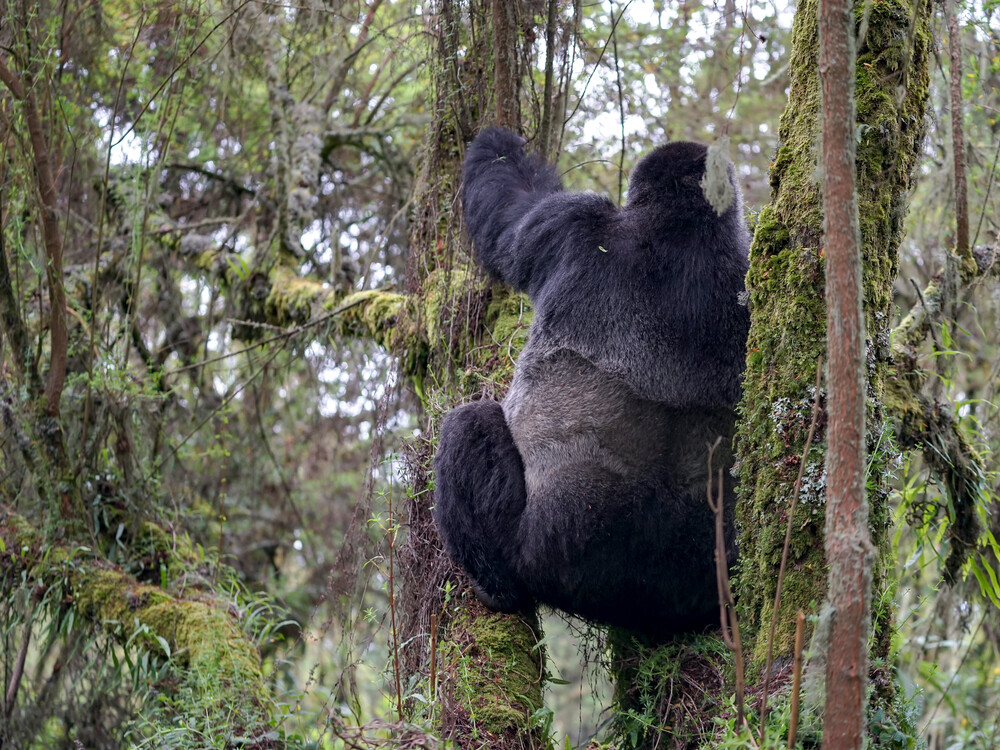
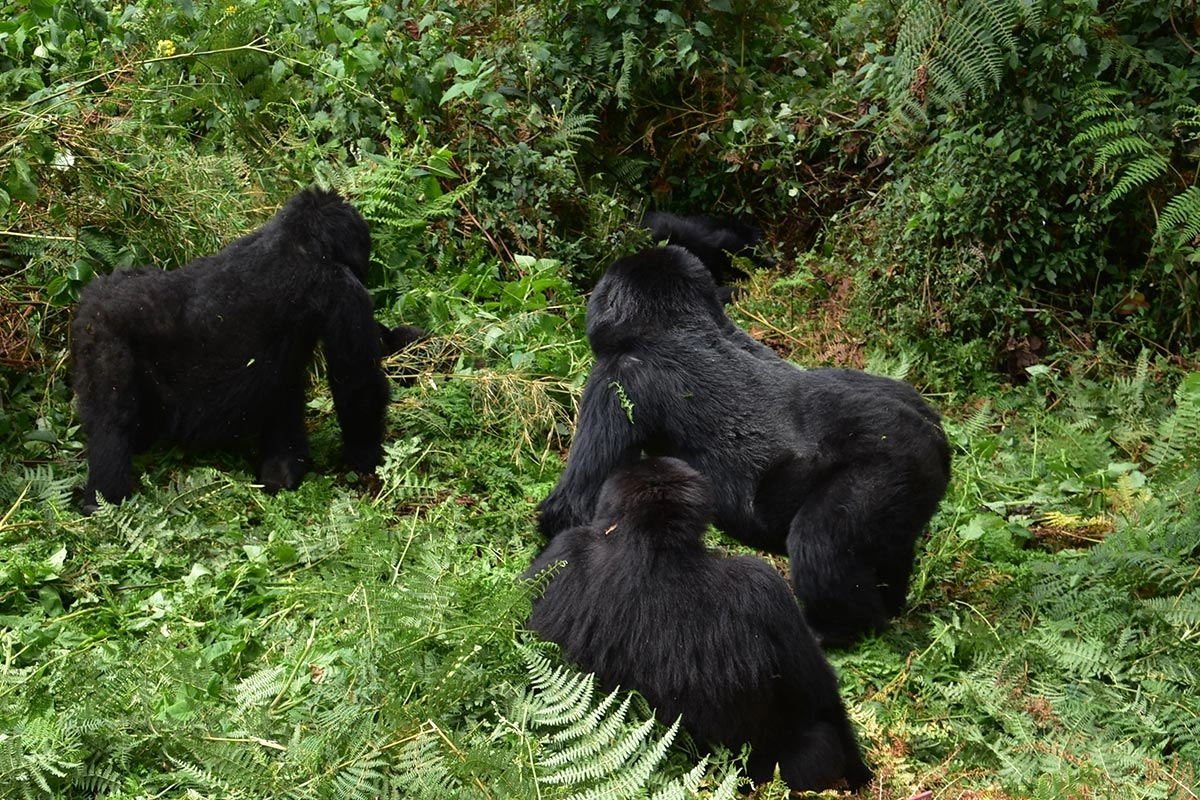
The most common risk relates to terrain and weather. Gorilla trekking occurs in mountainous rainforest environments where trails can be steep, muddy, or uneven, particularly after rainfall. These conditions are not unexpected, and trekking routes are selected daily based on current trail safety and accessibility. Guides adjust pacing and route choice to match group ability, which is a key reason why gorilla trekking is safe when conducted under professional supervision.
Physical exertion is another consideration, especially for travelers unfamiliar with hiking in humid or elevated environments. This risk is managed through trek allocation based on fitness levels, the availability of porters, frequent rest stops, and flexible pacing. Treks are not races; they are guided walks designed to prioritize safety over speed.
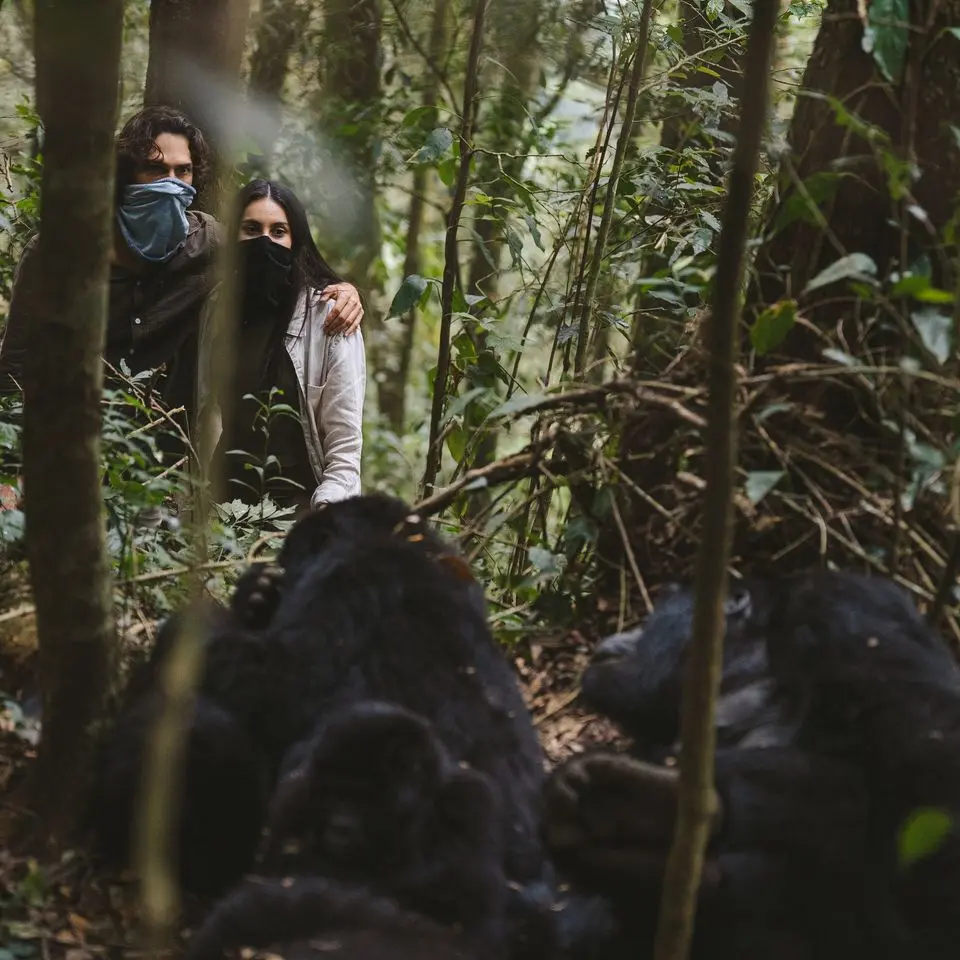
Health protocols are among the most strictly enforced aspects of gorilla trekking. Because gorillas share a high percentage of human DNA, protecting them from illness is a priority — and those same protocols protect visitors as well. Mask usage, minimum distance rules, and health screenings are enforced consistently, reducing the risk of disease transmission in both directions.
Concerns about wildlife proximity are common, but in practice this risk is highly controlled. Gorilla behavior is monitored continuously by trackers who know each family intimately. Visitor positioning is managed at all times, and guides intervene immediately if movement or behavior needs adjustment. These encounters are calm, deliberate, and structured, not spontaneous or uncontrolled.
Taken together, these risks are known, managed, and minimized, which is precisely why gorilla trekking is safe when done correctly and through established, regulated systems.
Why Luxury Gorilla Trekking Is Safer Than Standard Trekking
The level of planning and support surrounding a luxury gorilla safari plays a direct role in why gorilla trekking is safe for discerning travelers. While the core trekking rules apply to everyone, luxury travel design significantly reduces exposure to fatigue, stress, and logistical uncertainty.
Luxury gorilla trekking itineraries rely on private vehicles, ensuring flexible departure times, controlled pacing, and the ability to adapt plans without being constrained by group schedules. This autonomy allows travelers to move at a comfortable rhythm and respond to conditions as they unfold rather than forcing adherence to rigid timelines.
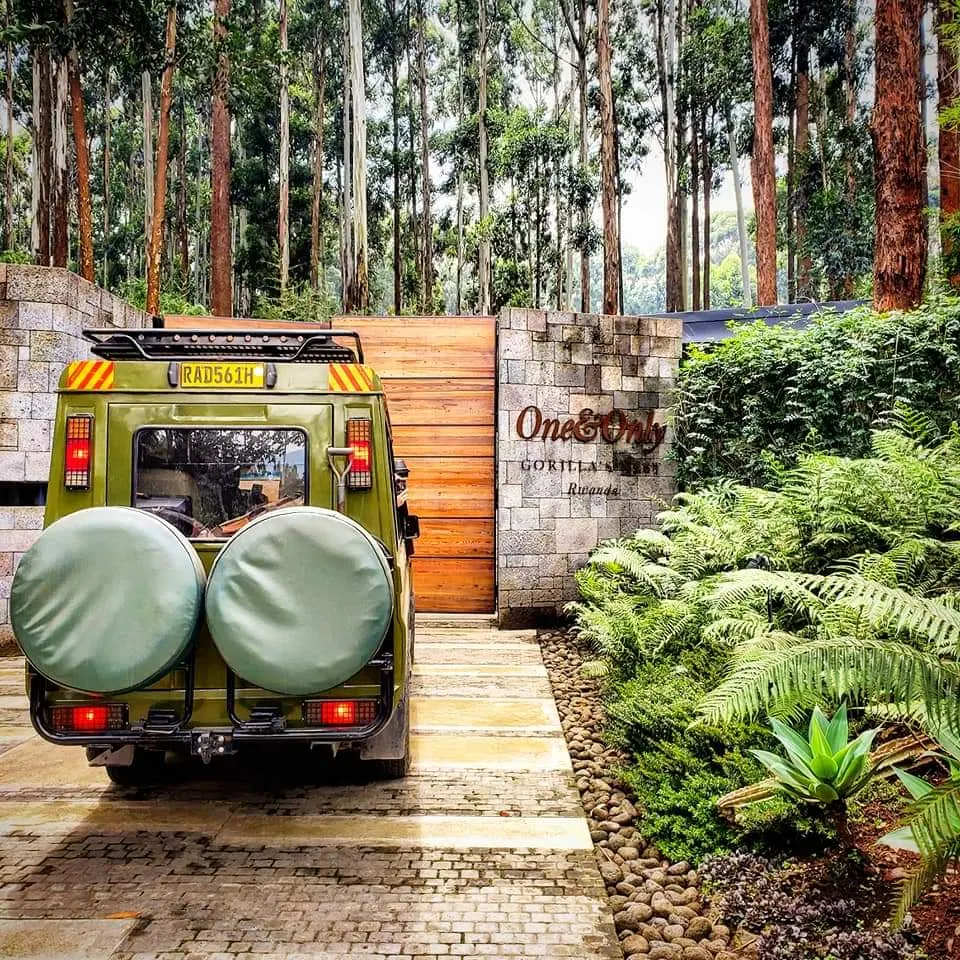
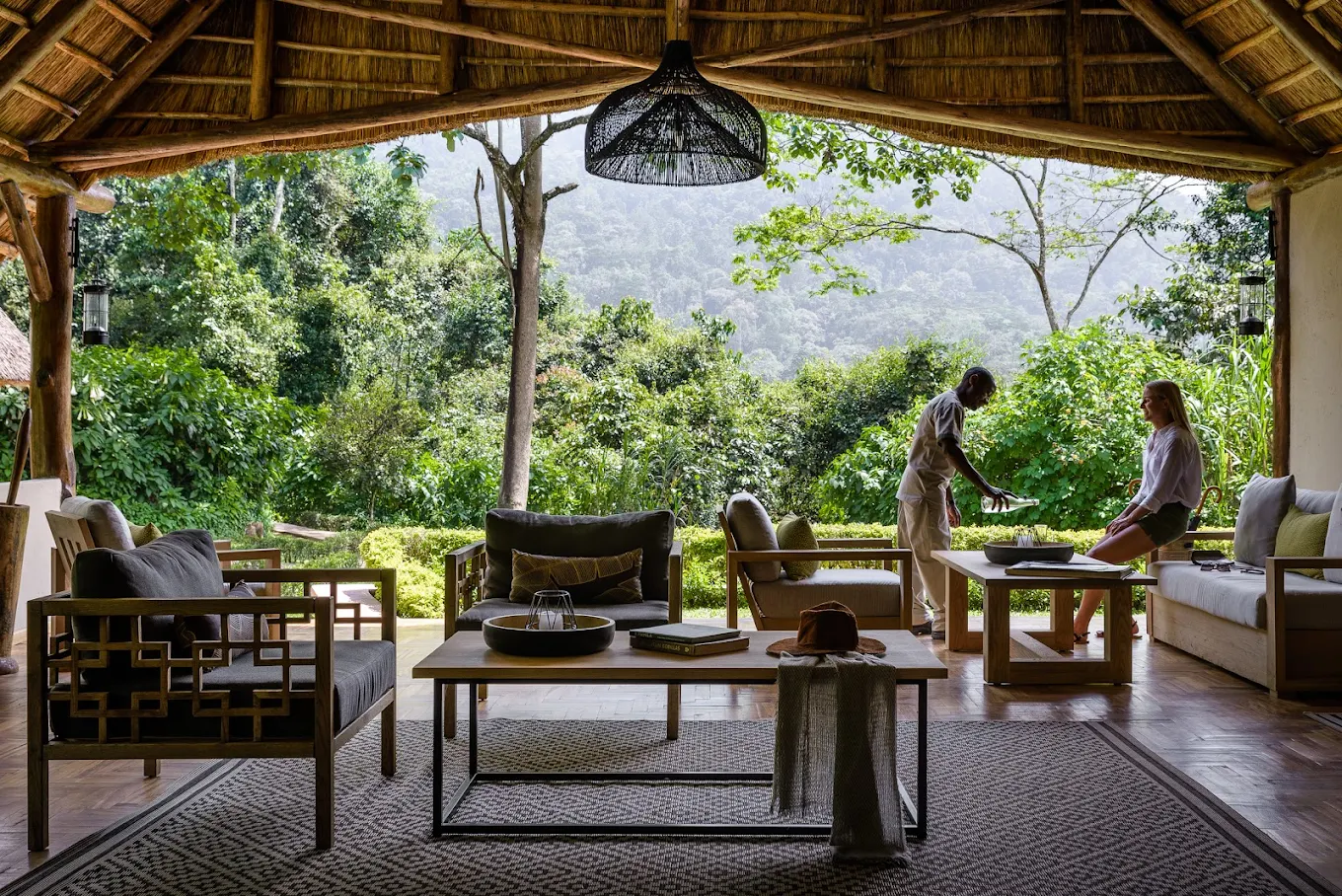
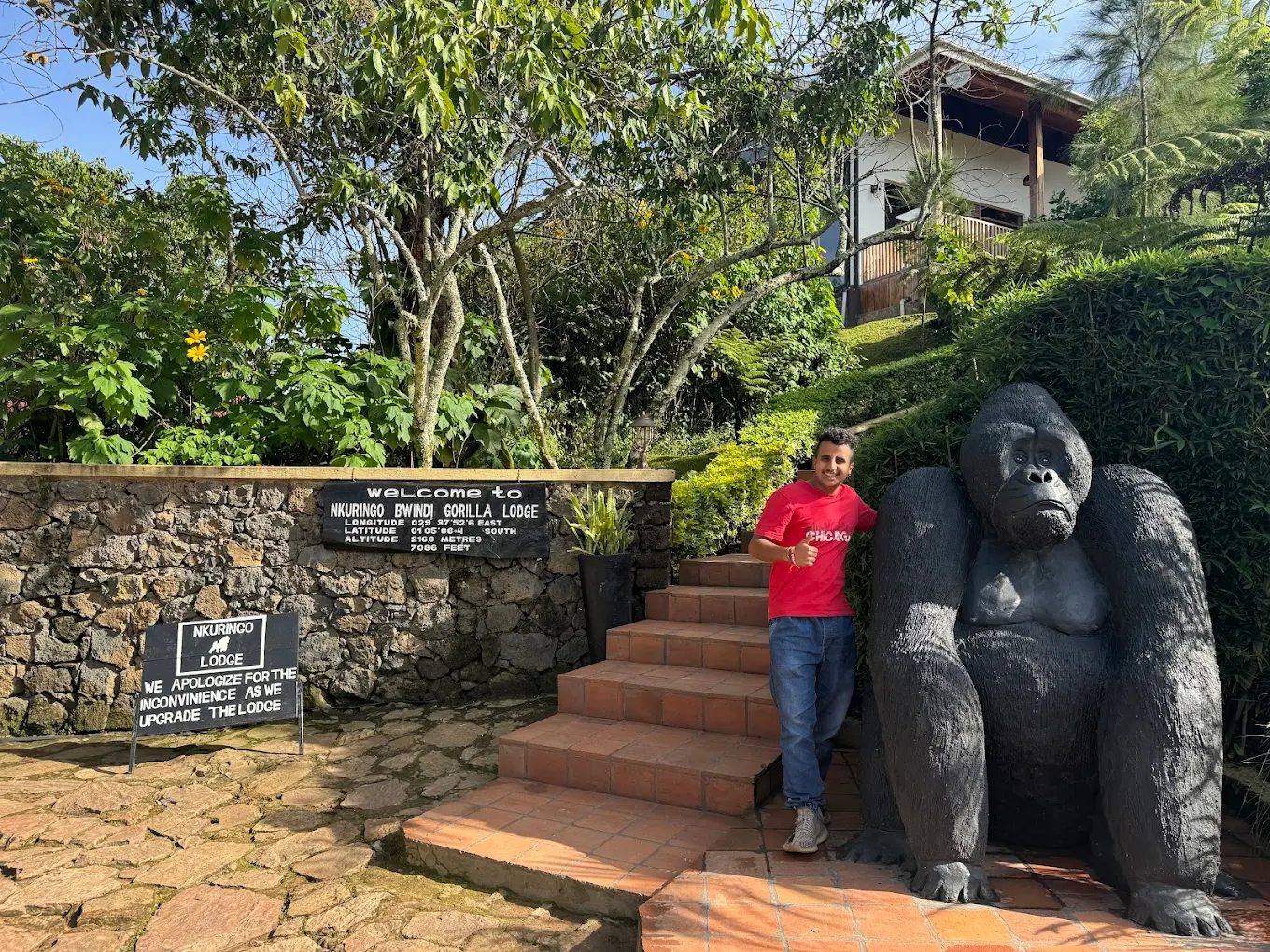
Lodge proximity is another critical safety factor. Carefully selected luxury lodges are positioned close to trekking sectors, reducing early-morning travel and conserving energy for the trek itself. Arriving rested has a direct impact on balance, endurance, and overall comfort, all of which influence how safe the experience feels.
Luxury planning also emphasizes reduced fatigue through smarter logistics, including the use of domestic flights where appropriate and well-spaced itineraries that avoid consecutive physically demanding days. These choices may appear subtle, but they significantly lower risk by preventing exhaustion.
Perhaps most importantly, luxury gorilla trekking is supported by experienced, dedicated guides who remain with guests throughout the journey. This continuity allows guides to understand individual needs, monitor comfort levels, and make informed decisions in real time. Personalized pacing and attentive supervision are central to why gorilla trekking is safe at the luxury level.
In this context, luxury is not about indulgence; it is about control, preparation, and foresight. Luxury planning plays a direct role in why gorilla trekking is safe, comfortable, and reassuring for travelers who value calm, confidence, and expert oversight.
Is Gorilla Trekking Safe for Older Travelers?
For many travelers in their 50s, 60s, and beyond, the key concern is not adventure but reassurance. They want to know, very practically, is gorilla trekking safe for older travelers? When properly planned, the answer is yes and age alone is rarely a limiting factor.
One of the most important safety mechanisms for older travelers is trek allocation. Gorilla trekking groups are not assigned randomly. Each morning, park rangers assess fitness levels and assign visitors to gorilla families based on trekking distance, terrain difficulty, and elevation gain. Shorter, less demanding treks are intentionally matched to those who prefer a gentler pace, which plays a major role in why gorilla trekking is safe for seniors.

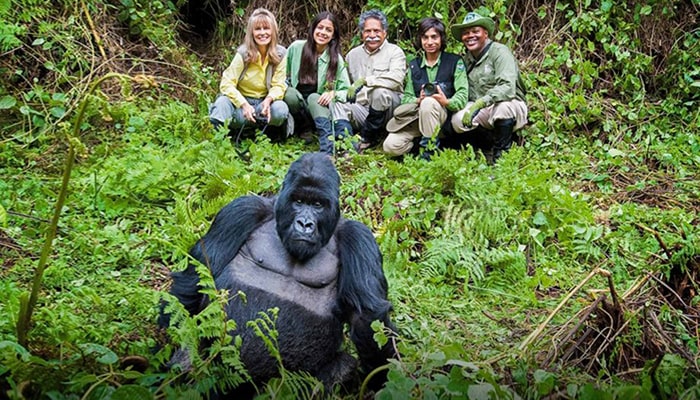
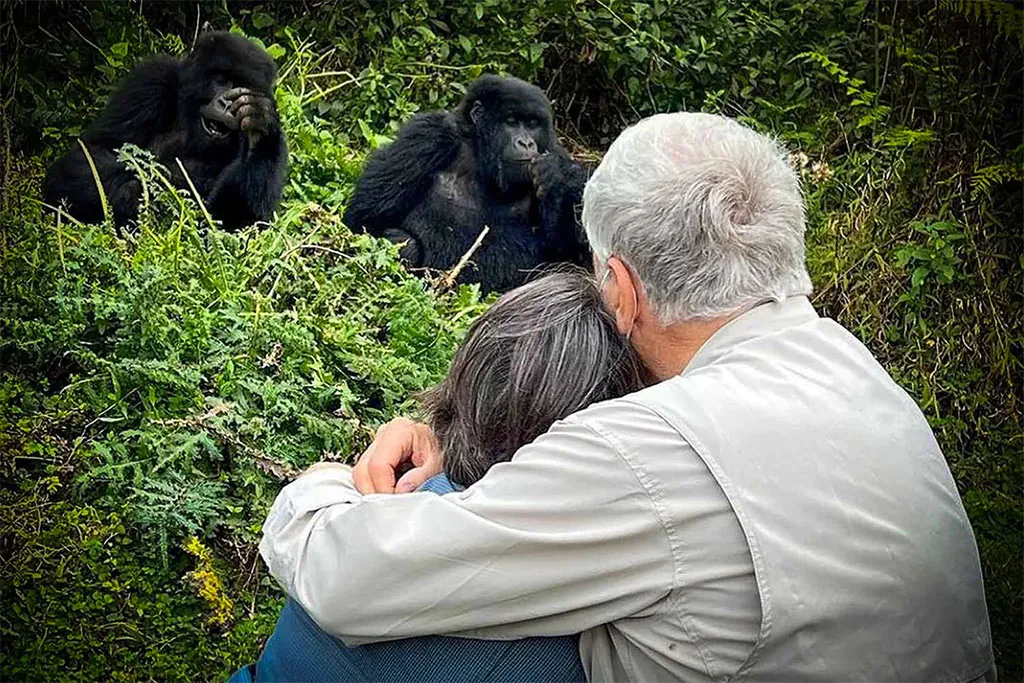
Porters further enhance safety and comfort. By carrying daypacks and offering physical support on steeper sections, porters reduce fatigue, improve balance on uneven ground, and allow travelers to focus on the experience rather than the effort. Their presence is not a sign of weakness; it is a widely used safety and support measure that significantly improves stability and confidence.
Pace control is another critical factor. Gorilla trekking is not time-pressured. Guides regulate speed, build in rest breaks, and adapt the trek in real time based on how guests are feeling. This flexibility is especially important for older travelers, as it reduces strain and lowers the risk of slips or exhaustion.
Finally, medical readiness is addressed proactively. Travelers are advised in advance on fitness expectations, hydration, footwear, and personal medication. On the ground, guides and rangers are trained to recognize early signs of fatigue or discomfort and respond before issues escalate. When these measures are in place, gorilla trekking is safe and accessible to a wide range of older travelers, including retirees and couples celebrating milestone journeys.
Is Gorilla Trekking Safe for Honeymooners and Couples?
For honeymooners and couples, safety concerns often extend beyond physical risk to include comfort, emotional reassurance, and privacy. Many couples ask whether gorilla trekking is safe for a once-in-a-lifetime trip where stress or uncertainty would detract from the experience.
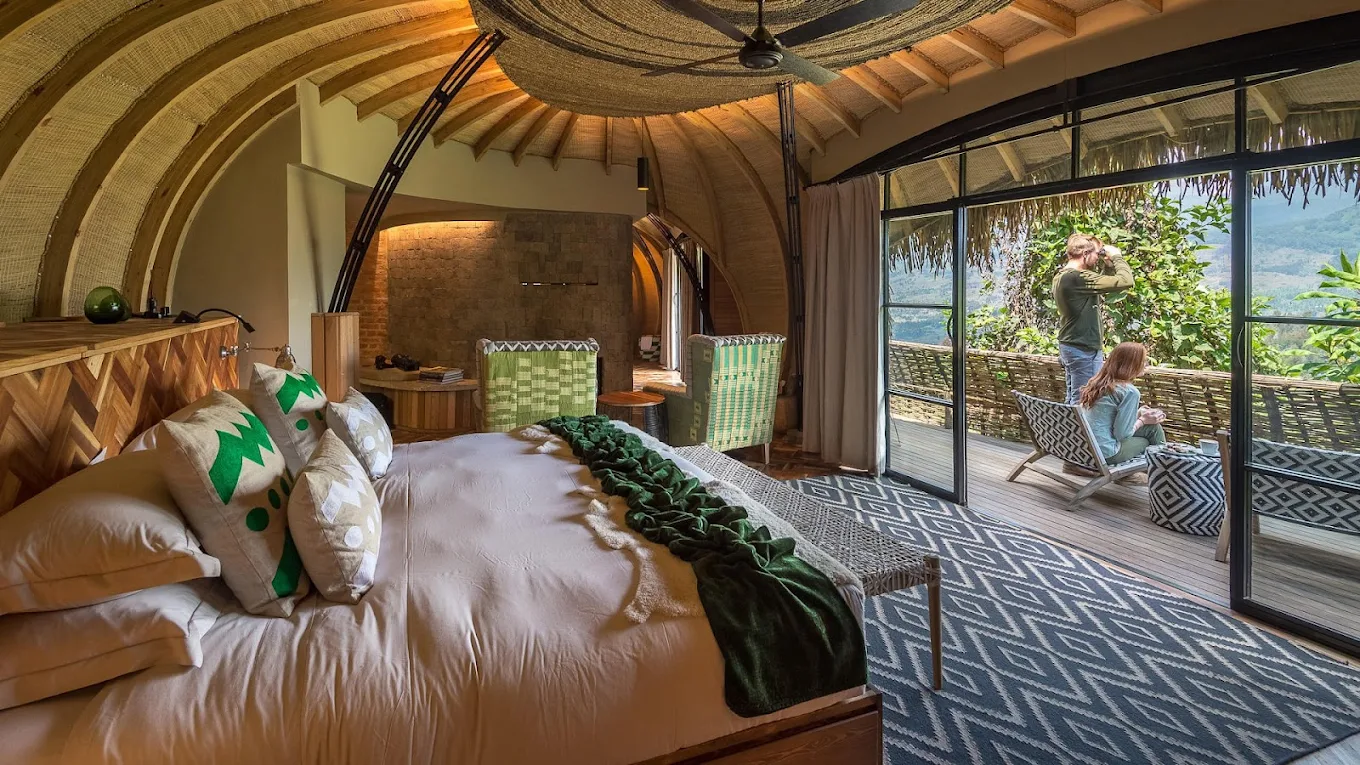
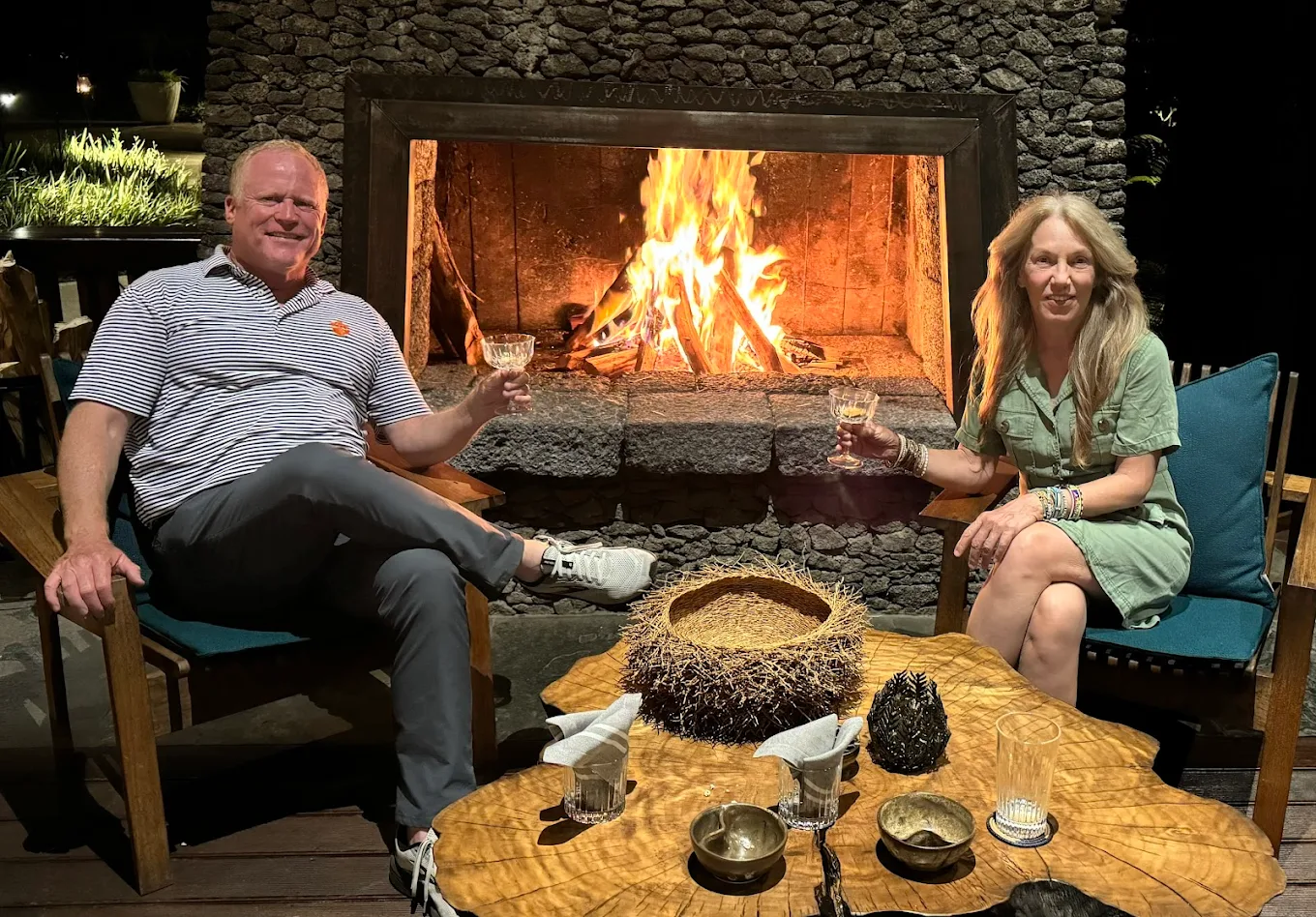
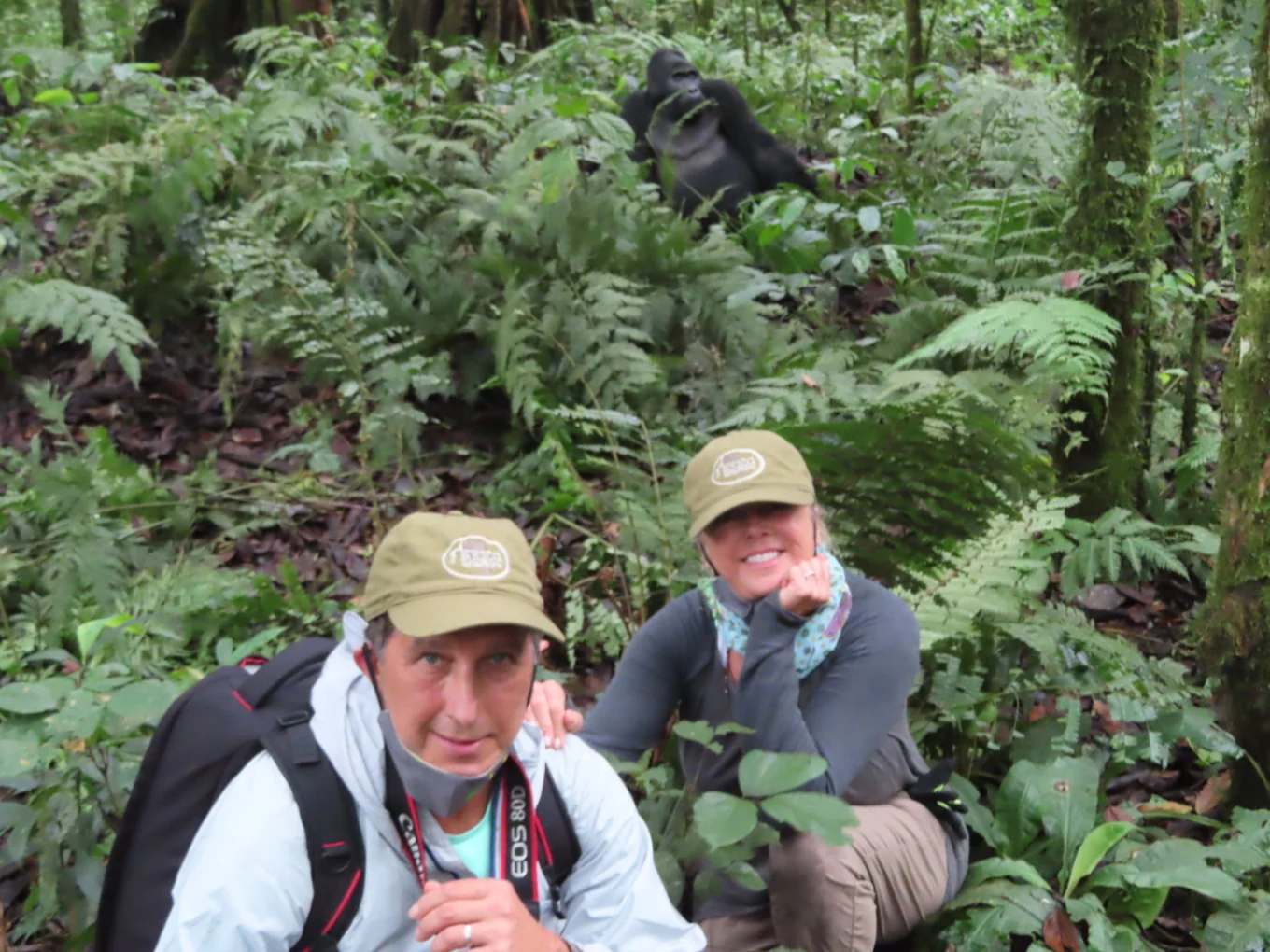
From a physical standpoint, gorilla trekking safety protocols apply equally to couples, with guided treks, controlled group sizes, and constant ranger supervision. Emotionally, however, luxury planning makes a significant difference. Private guiding, carefully selected lodges, and unrushed itineraries help create a calm, supportive environment where couples feel looked after rather than exposed.
Privacy also plays a role in perceived safety. Luxury gorilla safaris are designed to minimize shared logistics outside the trek itself, reducing the sense of crowding or pressure. This allows couples to experience the journey at their own pace, with space to decompress before and after the trek.
For many honeymooners, knowing exactly what to expect from trekking difficulty to timing and recovery time is what transforms concern into confidence. When expectations are aligned and planning is thoughtful, gorilla trekking is safe, reassuring and deeply rewarding for couples, even those new to Africa travel.
Health, Hygiene, and Disease Prevention
Health considerations are central to the question “is gorilla trekking safe?”, and this is an area where gorilla tourism sets some of the highest standards in wildlife travel anywhere in the world.
Because mountain gorillas share a high percentage of human DNA, protecting them from human illness is a priority and those same measures protect visitors. Mask rules are enforced during gorilla encounters to reduce the risk of airborne transmission. This practice, strengthened during the COVID era, has remained in place as a permanent health safeguard.
Distance rules are strictly applied, with visitors required to maintain a minimum distance from the gorillas at all times. Guides actively manage positioning and intervene immediately if spacing needs adjustment. These rules are not symbolic; they are enforced consistently to protect both human and gorilla health.
Daily monitoring is another critical layer of safety. Gorilla families are observed continuously by trackers and veterinarians, and any signs of illness result in immediate changes to visitation plans. Similarly, visitors showing signs of illness are not permitted to trek, protecting the entire ecosystem.
Many of the COVID-era protocols introduced over recent years including health screenings, enhanced hygiene practices, and stricter behavioral enforcement have become permanent fixtures of gorilla trekking operations. Rather than increasing risk, these measures have significantly strengthened confidence in the overall safety of the experience.
From a health perspective, these combined practices are a key reason why gorilla trekking is safe, carefully managed, and widely regarded as a low-risk wildlife experience when undertaken responsibly.
Frequently Asked Questions — Gorilla Trekking Safety
Is gorilla trekking safe?
Yes, gorilla trekking is safe when it is properly organized and guided. It is one of the most regulated wildlife experiences in Africa, with strict rules on group size, distance, behavior, and timing. Treks are led by trained rangers and guides who manage every aspect of the encounter, which is why gorilla trekking has an excellent safety record.
Is gorilla trekking dangerous?
Gorilla trekking is not considered dangerous when done through official national park systems in Uganda or Rwanda. While it takes place in a natural environment, the risks are well understood, actively managed, and minimized through daily route planning, ranger supervision, and controlled access to gorilla families.
Has anyone been injured while gorilla trekking?
Serious injuries during gorilla trekking are extremely rare. Minor issues, such as slips on muddy trails or fatigue, can occur, as with any guided hike, but these are mitigated through careful pacing, porter support, and trek allocation based on fitness. The presence of rangers and guides further reduces risk.
Is gorilla trekking safe for seniors?
Yes, gorilla trekking is safe for seniors when planned appropriately. Trek allocation is based on fitness rather than age, porters are widely available for support, and pacing is fully controlled by guides. Many travelers in their 60s and 70s complete gorilla treks comfortably with proper preparation and guidance.
Is gorilla trekking safe in Uganda and Rwanda?
Yes, gorilla trekking is safe in both Uganda and Rwanda. In Uganda, trekking is conducted primarily in Bwindi Impenetrable National Park, supported by experienced ranger teams and strong community collaboration. In Rwanda, trekking takes place in Volcanoes National Park, a compact and highly secured conservation area with excellent infrastructure and access.
Is gorilla trekking safe for first-time travelers to Africa?
Yes, gorilla trekking is often chosen by first-time Africa travelers because of its high level of structure and supervision. Clear rules, professional guiding, and predictable logistics make it a reassuring introduction to wildlife travel.
Is gorilla trekking safe for honeymooners and couples?
Yes, gorilla trekking is safe for honeymooners and couples, especially when planned as a luxury experience. Private guiding, carefully selected lodges, and unrushed itineraries create a calm and supportive environment that prioritizes comfort, emotional reassurance, and privacy.
Is gorilla trekking safe during the rainy season?
Gorilla trekking remains safe during the rainy season, although trails can be muddier and trekking may be more physically demanding. Rangers adjust routes and pacing based on conditions, and safety protocols remain the same year-round.
Are gorillas aggressive toward humans?
Mountain gorillas visited by trekkers are habituated and closely monitored. Aggressive behavior toward humans is extremely rare. Guides and rangers are trained to read gorilla behavior and manage positioning to prevent stress or confrontation.
How close do you get to the gorillas, and is that safe?
Visitors are required to maintain a minimum distance from gorillas at all times. Guides strictly enforce this rule to protect both visitors and gorillas. This controlled proximity is a key reason gorilla trekking is safe despite the closeness of the encounter.
Is there a health risk when trekking gorillas?
Health risks are minimal due to strict hygiene and disease-prevention protocols. Mask use, distance rules, daily monitoring of gorilla families, and visitor health checks are enforced to reduce any risk of disease transmission.
What happens if conditions are unsafe on trekking day?
If weather, trail conditions, or gorilla behavior make a trek unsafe, park authorities will delay, reroute, or cancel the trek. Safety always takes precedence over completing the experience.
Do luxury gorilla safaris improve safety?
Yes. Luxury planning plays a direct role in why gorilla trekking is safe. Shorter transfers, lodge proximity, private vehicles, experienced guides, and reduced fatigue all contribute to a safer and more comfortable experience.
Is gorilla trekking safe compared to other wildlife activities?
Gorilla trekking is often safer than many classic safari activities, such as walking safaris or unguided hikes, because it is so tightly regulated and actively managed from start to finish.
Plan Your Gorilla Trekking Journey with Confidence
If safety, comfort, and calm planning matter to you, gorilla trekking should never feel uncertain. With the right preparation, experienced guidance, and thoughtful itinerary design, it becomes one of the safest and most meaningful wildlife experiences in Africa.