
If you’ve already done African safaris, this is not a casual question.
You’ve seen wildlife at scale. You’ve watched predators hunt, herds move, and landscapes unfold over days of game drives. You understand what a safari feels like, the rhythm, the anticipation, the repetition, and the quiet satisfaction that comes with experience.
So when you ask Is Gorilla Trekking Worth It If You’ve Done Other African Safaris?, you are not asking out of curiosity. You are asking out of discernment.
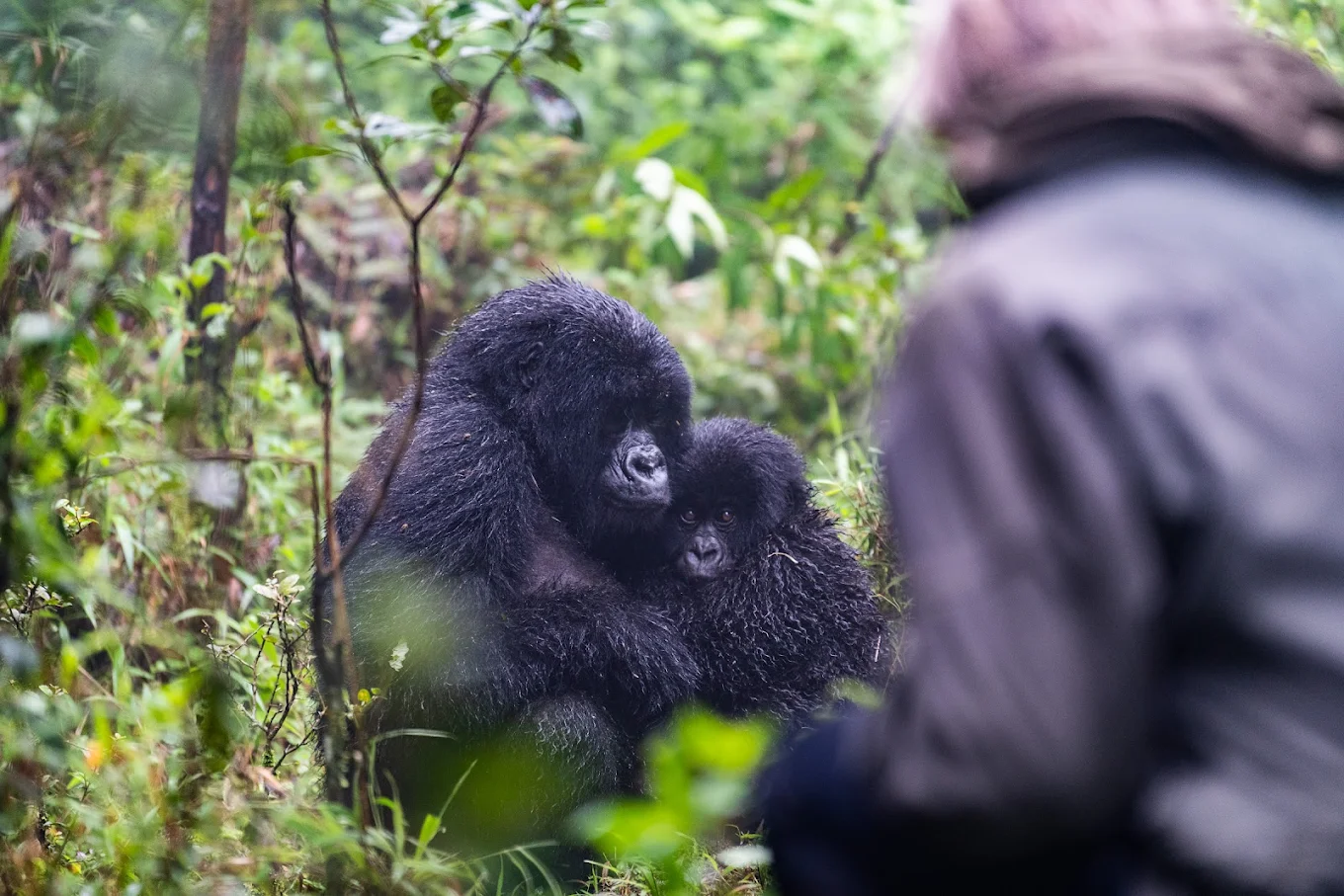
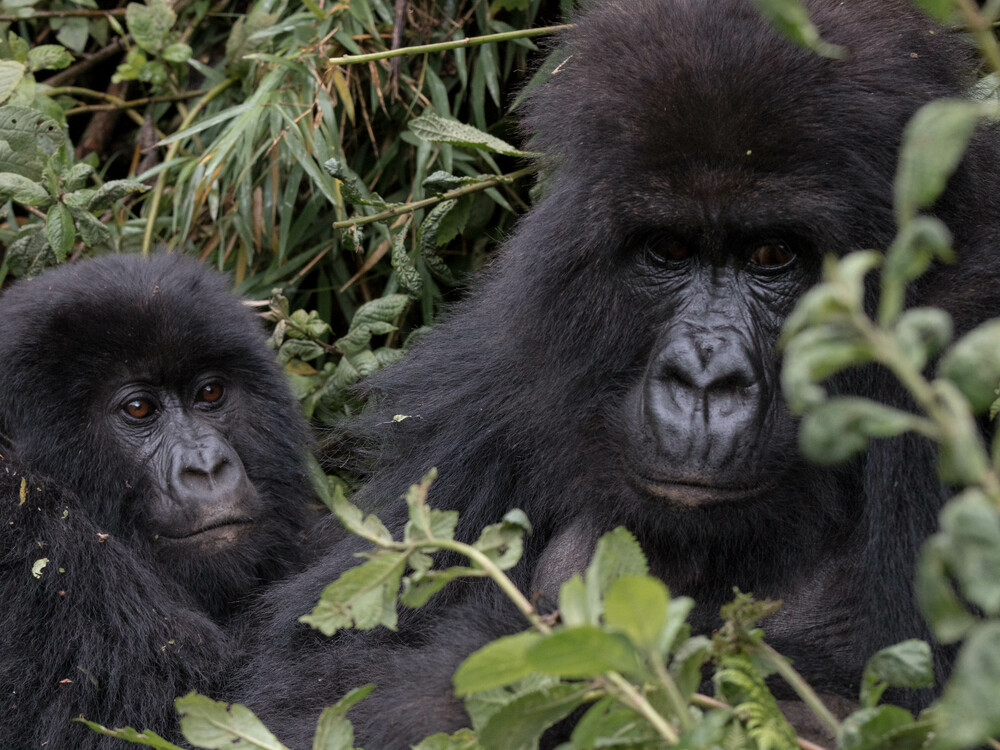

This question usually comes from travelers who are no longer chasing firsts. You are not trying to tick off the Big Five or prove that you’ve “been to Africa.” You are asking whether gorilla trekking offers something meaningfully different something that adds depth rather than redundancy to experiences you already value.
And that is the right question to ask.
For experienced safari travelers, gorilla trekking does not compete with what you’ve already done. It challenges it. It reframes what wildlife encounters can feel like when proximity replaces distance, silence replaces spectacle, and one hour carries more emotional weight than days of observation.
This guide is written specifically for travelers like you, people who already know Africa, who understand safaris, and who are now deciding whether gorilla trekking belongs in the next chapter of their travel story.
Why Experienced Safari Travelers Ask This Question
Travelers who have completed multiple African safaris tend to ask different questions than first-timers. The concern is rarely about safety, logistics, or even cost. Instead, it is about value relative to experience already gained.
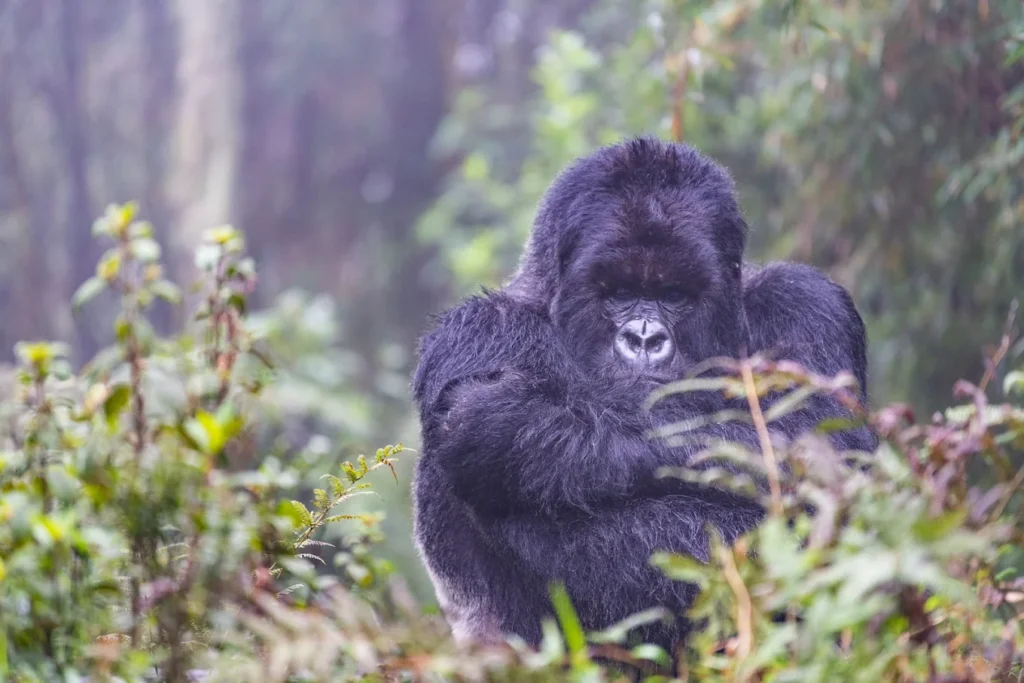
After several safaris, game drives can begin to feel familiar. You still appreciate wildlife, but the sense of discovery changes. Lions are still impressive, elephants still majestic yet the emotional intensity is not always the same as it was the first time. The landscapes may change, but the structure of the experience remains consistent.
This is where comparison naturally arises.
Many travelers start weighing wildlife abundance against emotional intensity. Traditional safaris offer quantity: repeated sightings, varied species, long hours observing from a vehicle. Gorilla trekking offers the opposite: a single encounter, tightly controlled, deeply immersive, and emotionally concentrated.
When experienced travelers search for gorilla trekking vs safari or wonder after doing safari is gorilla trekking worth it, they are really asking whether intensity can outweigh repetition. They are evaluating whether one hour on foot in a forest can deliver something that multiple days in a vehicle cannot.
Another reason this question arises is a shift in motivation. Experienced safari travelers often want something different, not more. They are not trying to replace safaris; they are trying to evolve beyond them. Gorilla trekking enters the conversation precisely because it does not follow the familiar safari template.
This moment of questioning is not hesitation, it is maturity. It signals that the traveler is no longer accumulating experiences, but refining them.
Gorilla Trekking Is Not “Another Safari” — Here’s Why That Matters
The most common mistake when evaluating gorilla trekking after safaris is treating it as a variation of the same experience. It is not.
Gorilla trekking removes many of the core elements that define a traditional safari and that is exactly why it feels so different to experienced travelers.
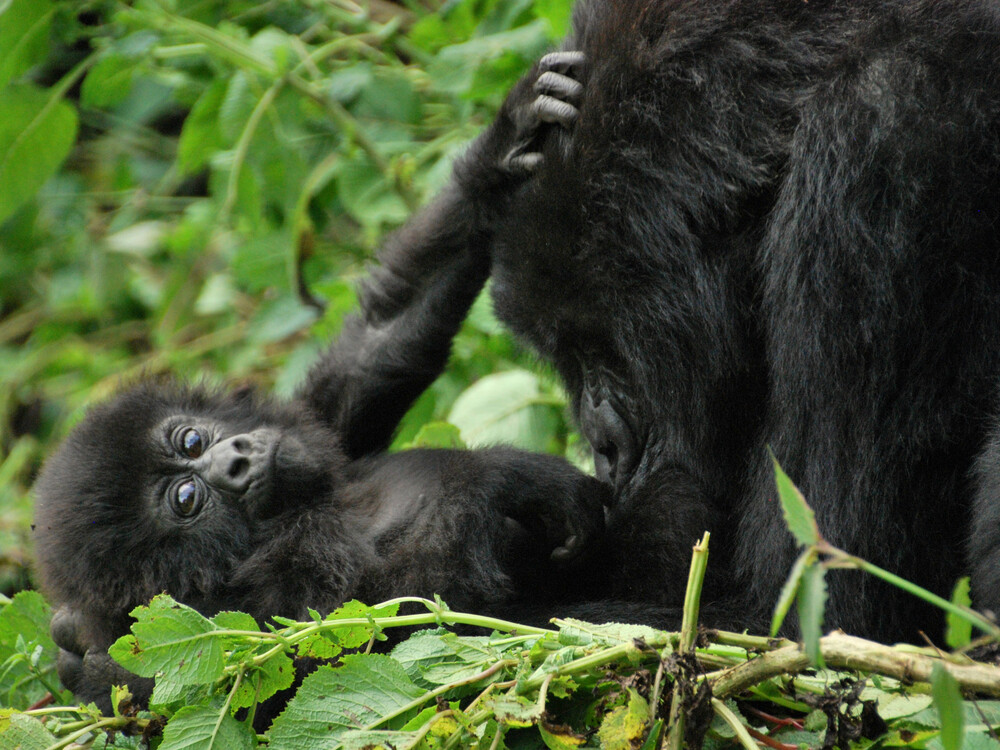
There is no vehicle. You are not observing from a distance or through a lens designed for detachment. You are moving through the environment on foot, at ground level, sharing space rather than surveying it.
There is no distance. On safari, distance is part of the experience. You watch animals across plains, through grass, from the safety and separation of a vehicle. In gorilla trekking, proximity changes everything. The encounter is close, quiet, and direct and that proximity alters how the moment is felt, not just how it is seen.
There is no repetition. Safaris are built on abundance and repetition. You expect to see wildlife multiple times, often over several days. Gorilla trekking is intentionally the opposite. You are given a single encounter, limited in time, with no guarantee of dramatic behavior. That scarcity is not a limitation; it is the point.
And there is no abundance model. Safaris celebrate volume, many animals, many sightings, many moments. Gorilla trekking focuses on one species, one family, one hour. The experience does not try to overwhelm you with scale. It asks you to be fully present.
For experienced safari travelers, this difference is critical. Gorilla trekking should not be evaluated as an upgrade or add-on to safari travel. It belongs in a different category entirely. It is not designed to replace what you’ve already done, but to contrast with it.
That contrast is what makes gorilla trekking compelling for travelers who already know Africa well. It introduces a new emotional dimension, one that does not rely on spectacle or variety, but on intimacy and restraint.
Understanding this distinction early prevents disappointment and sets realistic expectations. Gorilla trekking does not aim to outperform safaris on their own terms. It offers something they deliberately do not.
And once that is clear, the question Is Gorilla Trekking Worth It If You’ve Done Other African Safaris? stops being about comparison and starts being about evolution.
Is Gorilla Trekking Worth It After Classic Safaris Like Serengeti or Masai Mara?
For travelers who have spent time in places like the Serengeti or Masai Mara, the question is not whether gorilla trekking is impressive. You already know Africa can be extraordinary. The real question is whether gorilla trekking offers something that those classic safaris do not.
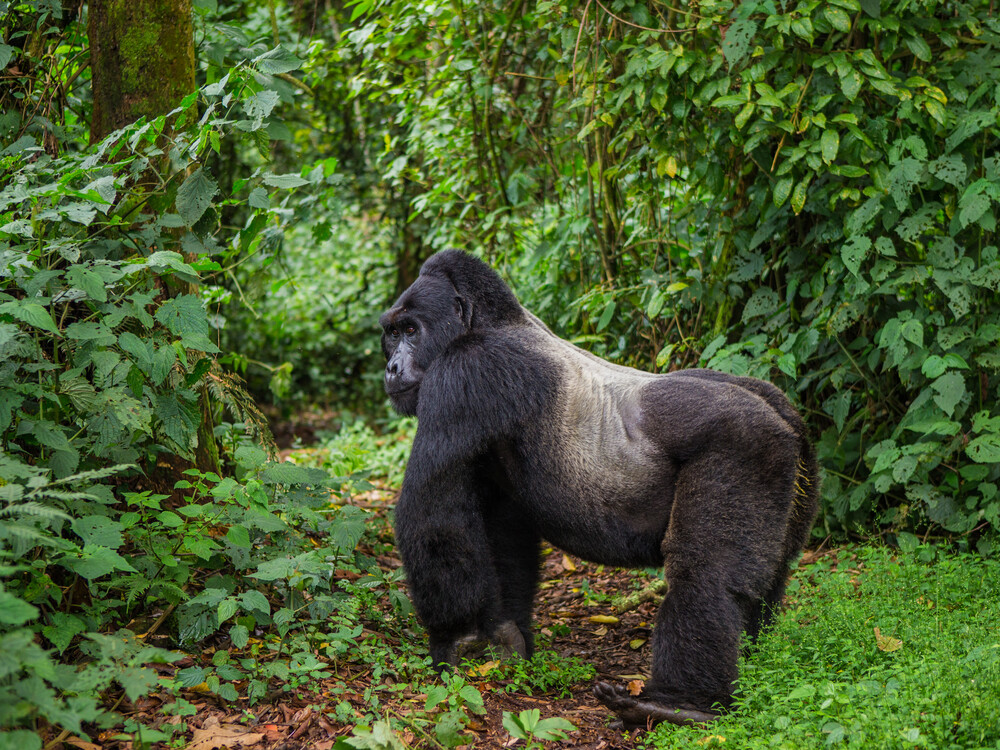
The difference becomes clear almost immediately because the environments could not be more different. Classic safaris unfold in open savannahs where visibility is wide, movement is constant, and wildlife encounters happen at a distance. You observe from a vehicle, scanning the horizon, watching patterns emerge over time. There is spectacle, scale, and repetition and for many travelers, that is precisely the appeal.
Gorilla trekking shifts the entire sensory experience. Forest replaces plains. Enclosure replaces openness. Silence replaces radio chatter and engine noise. You are no longer moving through wildlife territory in a vehicle; you are moving through it on foot, at ground level, guided slowly and deliberately.
This shift changes how intensity is experienced. Instead of many sightings spread across days, gorilla trekking concentrates emotional impact into a single hour. There are no herds passing in the distance, no long sequences of observation. The encounter is close, quiet, and focused. Every movement feels amplified because nothing competes for attention.
For many travelers who’ve done multiple African safaris, this is exactly why gorilla trekking is still worth it. After years of abundance and repetition, intensity becomes more valuable than volume. Gorilla trekking delivers that intensity in a way that classic safaris, by design, do not.
When Gorilla Trekking Feels More Meaningful Than Another Safari
Experienced safari travelers often reach a point where adding “one more safari” feels incremental rather than transformative. The wildlife is still remarkable, but the structure is familiar. Gorilla trekking enters the conversation because it disrupts that familiarity.
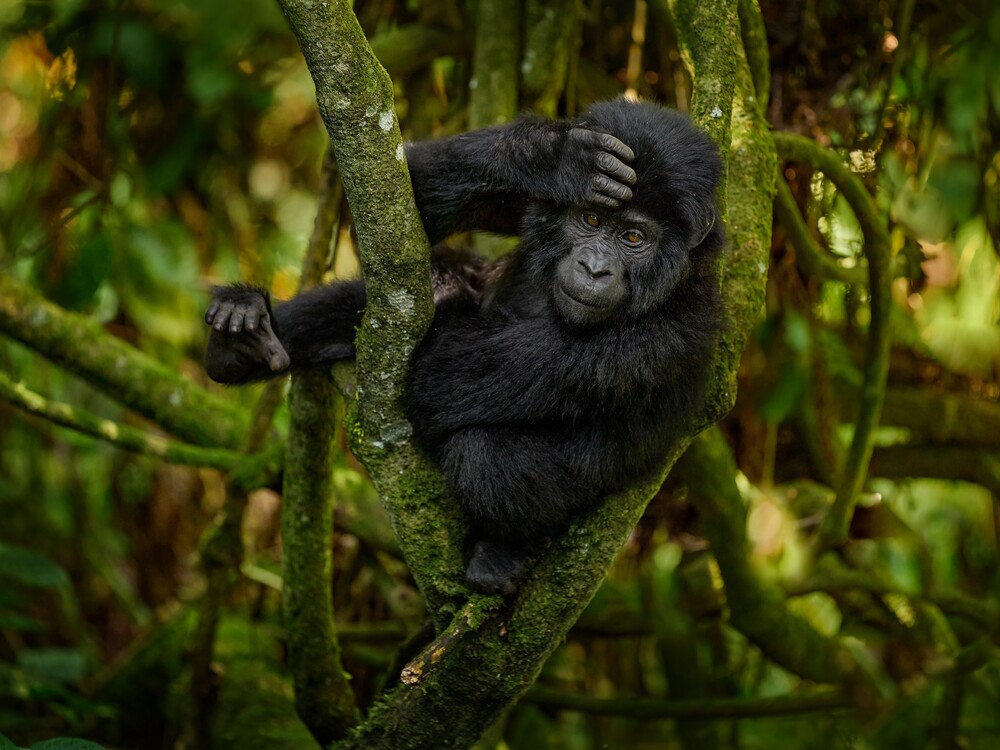
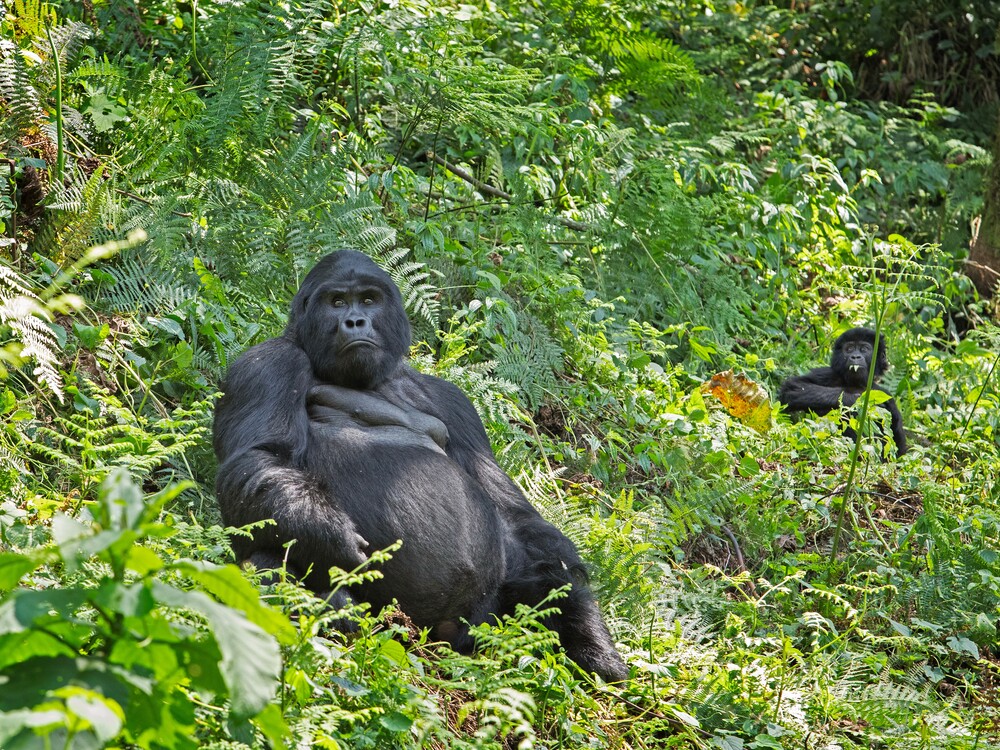
What sets gorilla trekking apart is emotional proximity. On safari, distance creates perspective. You watch animals behave naturally, but there is a clear separation. With gorillas, that separation narrows dramatically. You are not observing from afar; you are sharing space, breathing the same air, moving quietly within their environment.
This shared space creates a different emotional register. The encounter feels less like observation and more like participation without crossing ethical boundaries. You are present without interfering, close without intruding. That balance produces a level of emotional engagement that many experienced travelers find deeply affecting.
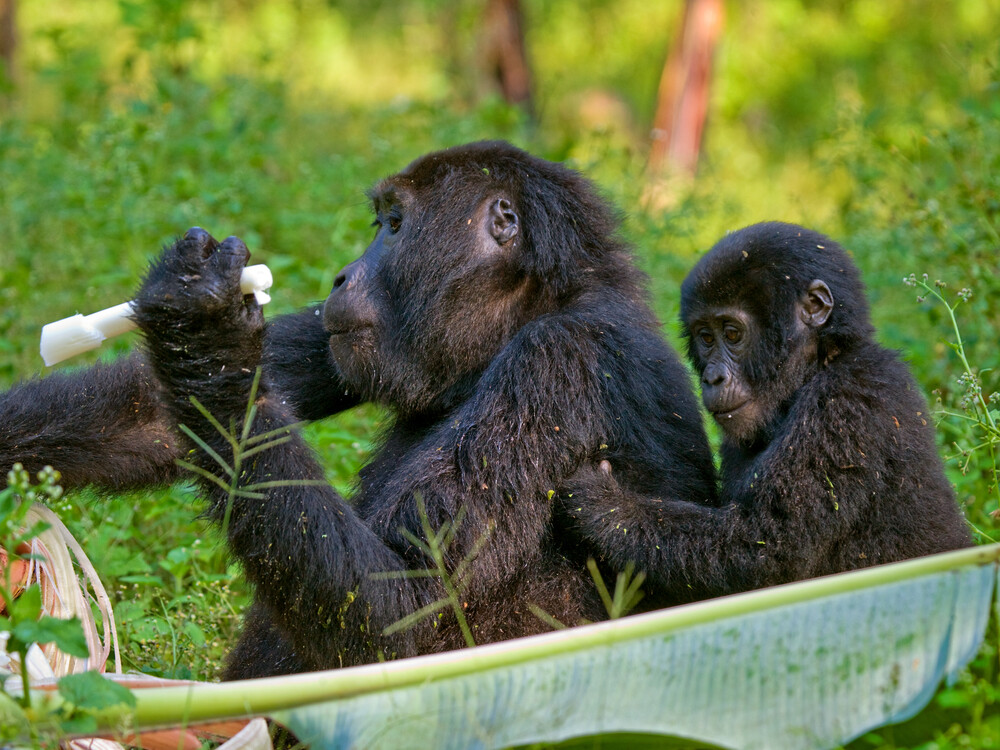
There is also no sense of “watching for the next thing.” Gorilla trekking removes anticipation in the traditional safari sense. You are not waiting for action to unfold somewhere else. The moment is already happening. Subtle gestures, a juvenile shifting position, a silverback adjusting posture carry meaning because your attention is undivided.
This is why many travelers later describe gorilla trekking as more meaningful than another safari, even if they loved their previous trips. It does not replace safaris; it complements them by offering a fundamentally different emotional experience.
For those who search phrases like is gorilla trekking more meaningful than safari or gorilla trekking emotional experience, the answer often lies in this shift from observation to presence.
When Gorilla Trekking May Not Be Worth It for Experienced Safari Travelers
Honesty matters here. Gorilla trekking is not designed to satisfy every experienced safari traveler, and acknowledging that openly increases trust.
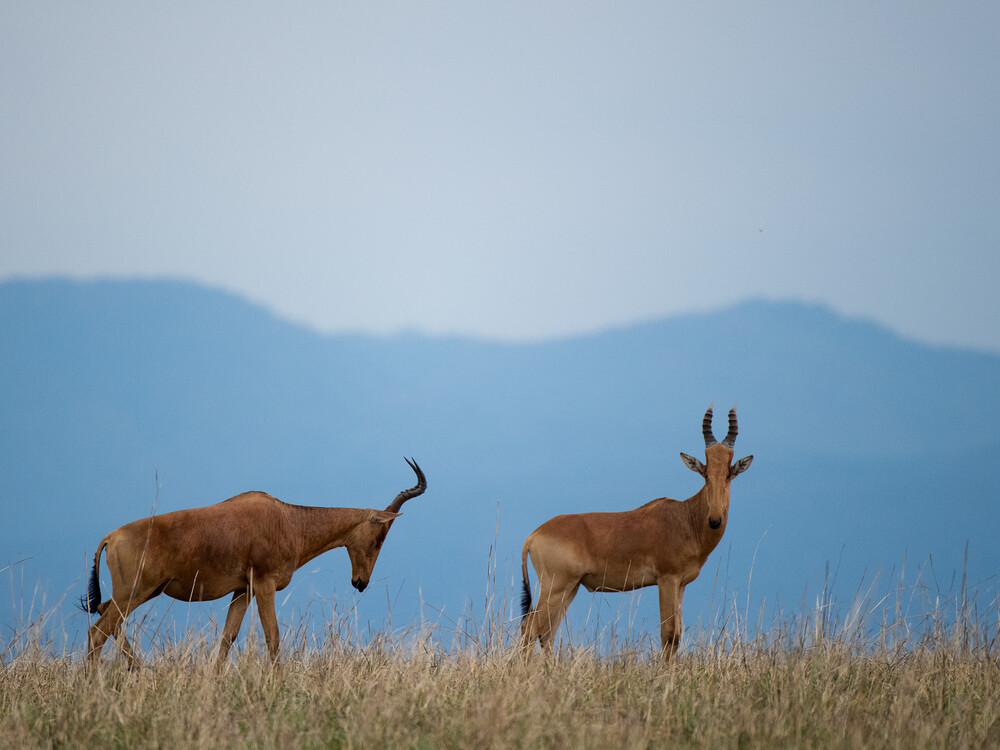
If you value quantity of wildlife above all else, gorilla trekking may feel limiting. Safaris deliver constant variety: multiple species, repeated sightings, and long hours in the field. Gorilla trekking offers a single species and a single encounter. If abundance is your primary measure of value, another safari may align better with your preferences.
If you genuinely love game drives, the rhythm of early mornings, the movement across landscapes, and the anticipation of what might appear next, gorilla trekking will feel very different. There is no cruising, no scanning the horizon, and no extended time in a vehicle. The experience is structured, deliberate, and brief by comparison.
Gorilla trekking may also feel less appealing if you strongly dislike hiking or forest environments. While trekking is manageable for most people, it does involve walking through uneven terrain and dense vegetation. Travelers who prefer the physical ease of vehicle-based safaris may not enjoy this aspect.
If you’re asking Is Gorilla Trekking Worth It If You’ve Done Other African Safaris?, the answer depends on what kind of experience you’re seeking now. Gorilla trekking rewards curiosity, emotional openness, and a willingness to trade quantity for depth. Without that alignment, the experience may not resonate as strongly.
Saying this clearly does not diminish gorilla trekking. It clarifies who it is truly for.
So — Is Gorilla Trekking Worth It If You’ve Done Other African Safaris?
For experienced safari travelers, gorilla trekking is rarely about doing something “better.” It is about doing something different.
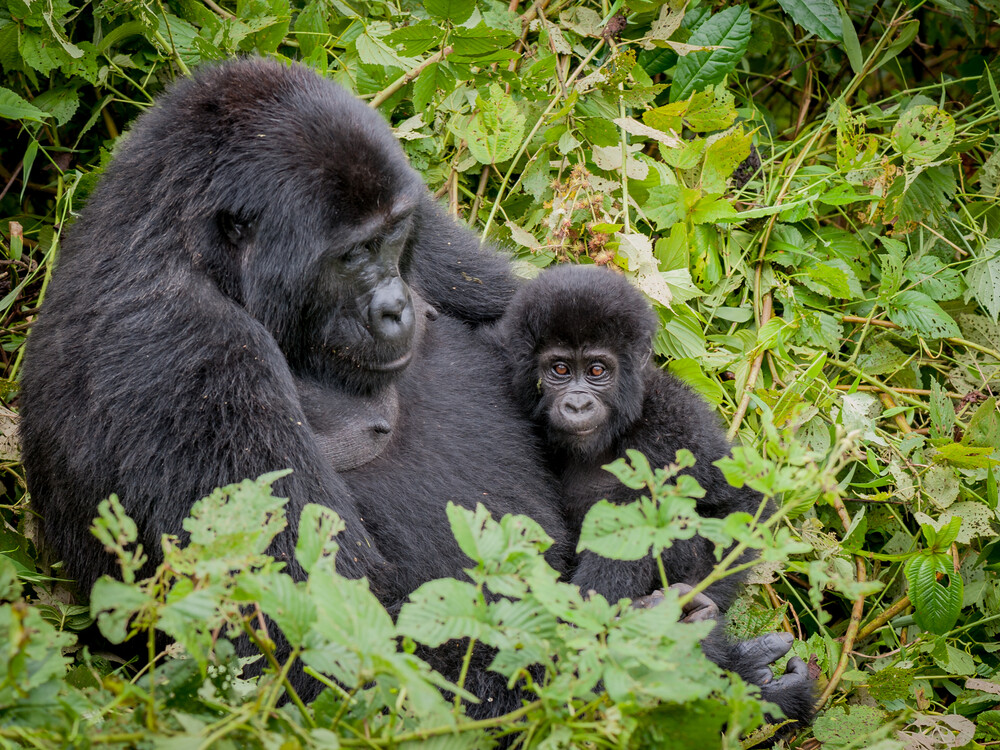
Gorilla trekking does not replace classic safaris, nor does it compete with them on the same terms. Instead, it complements them by offering contrast forest instead of plains, silence instead of spectacle, intimacy instead of abundance.
For many travelers who have already explored Africa’s great safari regions, gorilla trekking becomes the most memorable experience precisely because it breaks the pattern. It asks for presence rather than patience, reflection rather than accumulation.
When expectations are aligned, gorilla trekking often stands apart as the experience that lingers longest after safaris are done. Not because it offers more, but because it offers something else entirely.
And that is why, for the right traveler, the answer is yes.
Frequently Asked Questions — Is Gorilla Trekking Worth It If You’ve Done Other African Safaris?
Is gorilla trekking worth it if I’ve already done African safaris?
For many experienced travelers, gorilla trekking is still worth it after African safaris because it offers a fundamentally different type of wildlife encounter. While safaris focus on observation from a distance over multiple days, gorilla trekking centers on a single, intimate, on-foot experience. For travelers seeking depth rather than repetition, this contrast is often what makes gorilla trekking worth it.
Is gorilla trekking just another safari experience?
No. Gorilla trekking is not another safari experience in the traditional sense. It does not involve game drives, repeated sightings, or wildlife abundance. Instead, it focuses on proximity, silence, and emotional intensity. This is why travelers who compare gorilla trekking vs safari often describe them as complementary rather than interchangeable.
Is gorilla trekking worth it after Serengeti or Masai Mara?
Yes, for many travelers who have visited iconic safari destinations like the Serengeti or Masai Mara, gorilla trekking feels especially meaningful. After open plains and large-scale wildlife encounters, the forest-based, close-contact nature of gorilla trekking provides a powerful contrast that many find unforgettable.
Is gorilla trekking more meaningful than a safari?
Gorilla trekking can feel more meaningful than another safari for travelers who value emotional connection over volume. The shared space, eye-level proximity, and quiet nature of the encounter often create a deeper emotional response than vehicle-based wildlife viewing, even though the experience is much shorter.
Why do experienced safari travelers still consider gorilla trekking?
Experienced safari travelers often reach a point where they want something different rather than more of the same. Gorilla trekking offers a shift from abundance to intensity, from distance to proximity, and from repetition to rarity. This is why many seasoned travelers still ask whether gorilla trekking is worth it after safaris and often conclude that it is.
Is gorilla trekking worth it if I love game drives?
If game drives are the highlight of your travel experience, gorilla trekking may feel very different. There are no vehicles, no long hours scanning landscapes, and no repeated sightings. Travelers who love game drives for their rhythm and variety may prefer another safari over gorilla trekking.
Is gorilla trekking physically harder than a safari?
Gorilla trekking is generally more physically engaging than a traditional safari because it involves walking through forest terrain. However, it is manageable for most travelers with average fitness, and the experience is guided and paced. Physical effort is part of what makes the encounter feel immersive rather than observational.
Is gorilla trekking worth it if I don’t want to hike?
If you strongly dislike walking in forests or uneven terrain, gorilla trekking may not be the best fit. While the trek is manageable, it is an essential part of the experience. Travelers who prefer vehicle-based wildlife viewing may find safaris more enjoyable.
Can gorilla trekking feel underwhelming after many safaris?
It can, if expectations are misaligned. Travelers who expect constant action or multiple sightings may feel the experience is too subtle. Gorilla trekking rewards presence and reflection rather than spectacle. Understanding this beforehand is key to deciding whether it is worth it for you.
Is gorilla trekking worth it for luxury safari travelers?
Many luxury safari travelers find gorilla trekking worth it because of its rarity and emotional return. Luxury planning enhances comfort and confidence around the trek, but the value lies in the experience itself rather than in indulgence. For travelers who value meaning over amenities, gorilla trekking often stands out.
Is gorilla trekking something you only do once?
For most travelers, gorilla trekking is considered a once-in-a-lifetime experience because of its cost, rarity, and emotional impact. Some return, but many feel that one well-planned trek delivers lasting fulfillment without the need for repetition.
So, is gorilla trekking worth it if you’ve done other African safaris?
For the right traveler, yes. Gorilla trekking is not better than safaris, it is different. It complements classic safari experiences by offering intimacy, contrast, and emotional depth. Whether it is worth it depends on what kind of experience you are seeking now.
Decide If Gorilla Trekking Is the Right Next Step for You
If you’ve already experienced African safaris, gorilla trekking should never feel like an automatic add-on or a box to tick. It is a different kind of encounter, and deciding whether it belongs in your journey deserves clarity, not pressure.
A private conversation allows you to explore whether gorilla trekking offers the depth, contrast, and meaning you’re looking for now — or whether another path makes more sense.