
Is Gorilla Trekking Worth the Cost? A Luxury Traveler’s Perspective
For many travelers, the moment they begin researching gorilla trekking, one question surfaces almost immediately: Is Gorilla Trekking Worth the Cost?
It is a fair question and an important one.
Gorilla trekking is not inexpensive, and anyone pretending otherwise is avoiding the real conversation. When travelers pause to ask Is Gorilla Trekking Worth the Cost?, they are not being negative or price-sensitive. They are being thoughtful. They are weighing value, meaning, and long-term satisfaction against a significant investment of both money and expectation.
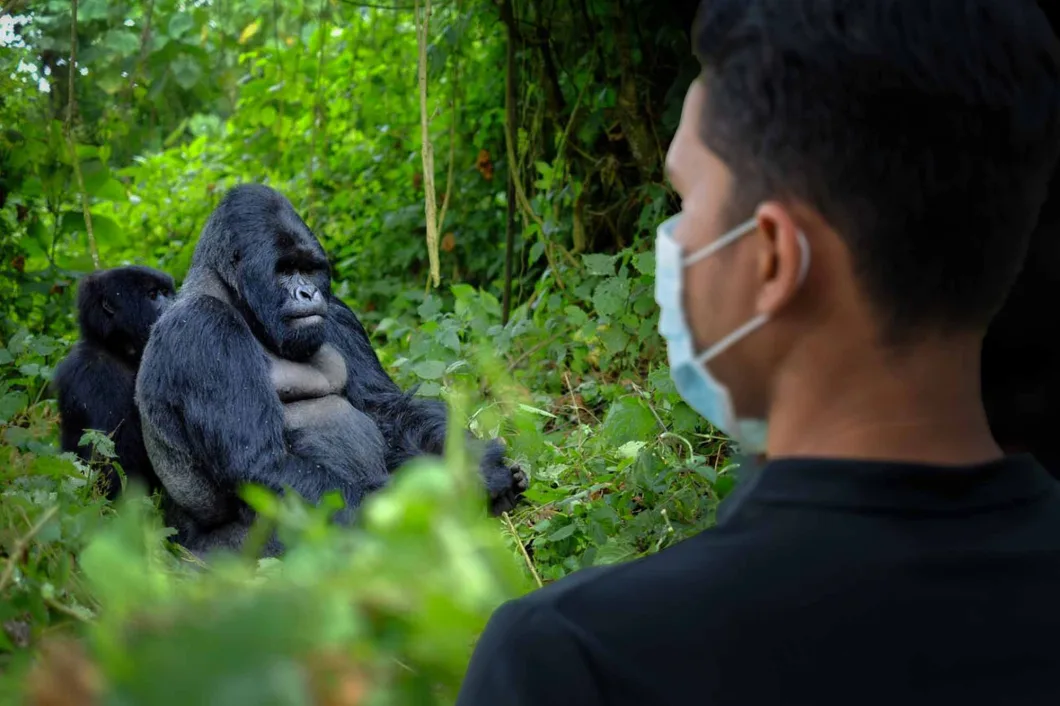
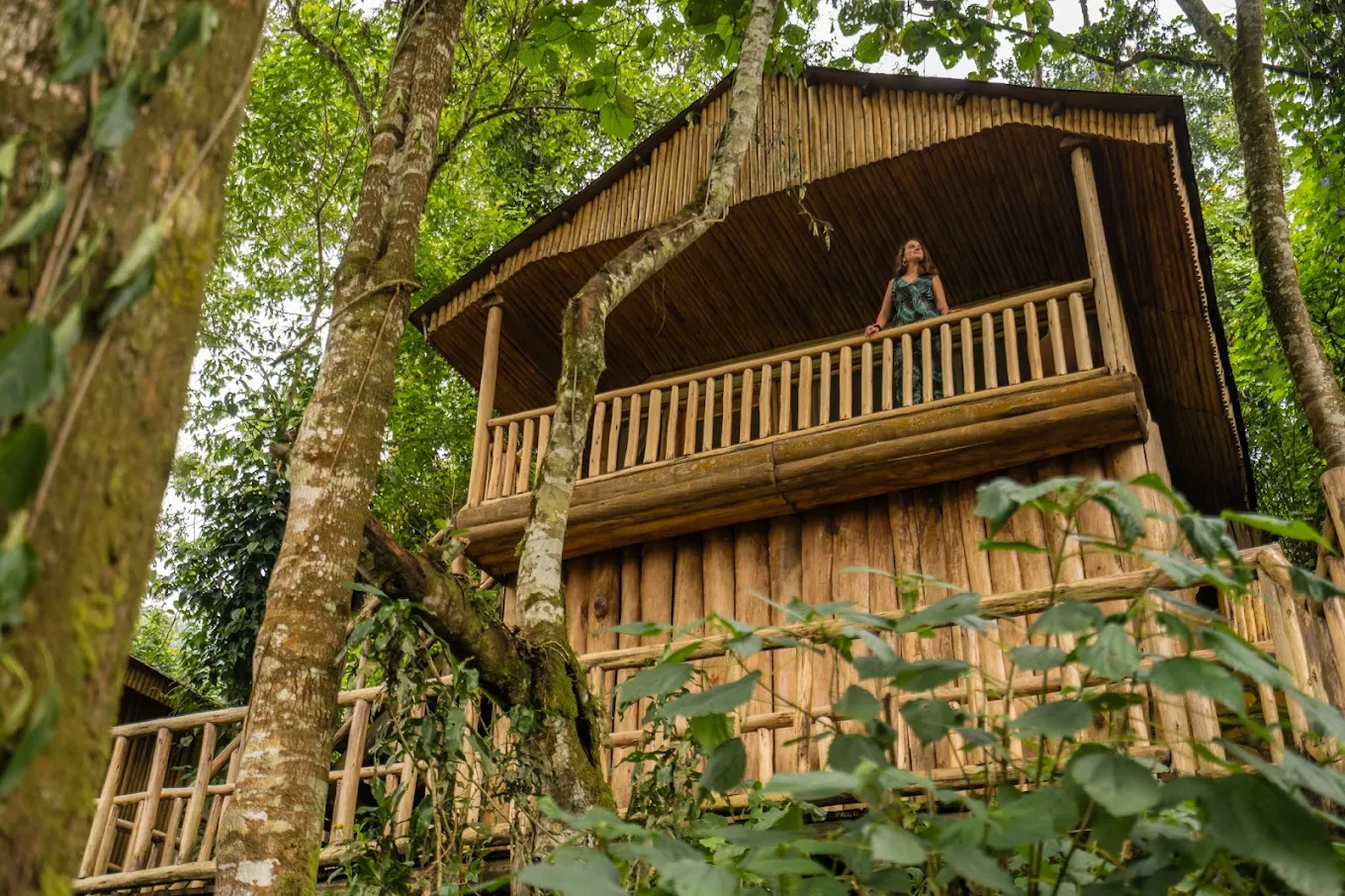
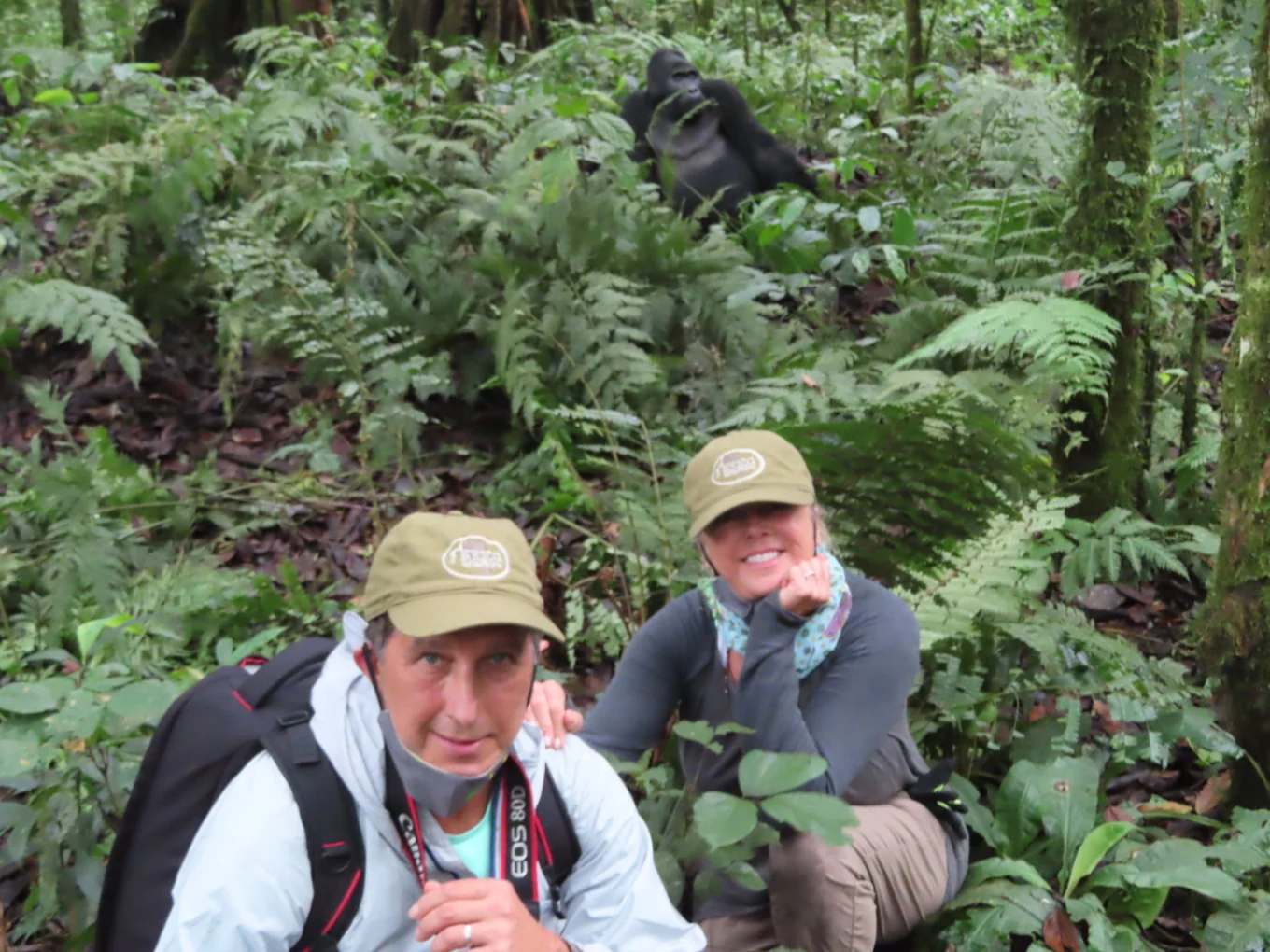
What often complicates the decision is that most online answers focus on numbers, permits, or comparisons, rather than on what the experience actually delivers on a human level. Cost is treated as a hurdle to overcome, rather than as part of a larger equation. That approach rarely helps travelers feel confident about their choice.
This guide takes a different perspective.
Instead of asking how much gorilla trekking costs, it asks what that cost represents emotionally, experientially, and ethically particularly for travelers accustomed to high-quality, well-considered journeys. From a luxury traveler’s perspective, value is not measured only in inclusions or nights spent, but in rarity, depth, and the kind of memories that do not fade with time.
If you are asking Is Gorilla Trekking Worth the Cost?, you are likely not looking for reassurance through hype or pressure. You are looking for clarity. You want to understand whether this experience aligns with how you travel, what you value, and what you will carry with you long after the journey ends.
By the end of this guide, you will not be told what to think. Instead, you will have the context needed to decide for yourself, calmly, honestly and without guilt whether gorilla trekking is worth the cost for you.
Why Do People Ask “Is Gorilla Trekking Worth the Cost?”
When travelers ask Is Gorilla Trekking Worth the Cost?, the question is rarely just about money. It is usually a reflection of uncertainty, comparison, and the desire to avoid disappointment. Gorilla trekking sits in a unique space within luxury travel, and the reasons people question its cost are deeply human.
The first point of friction is often permit shock. Many travelers encounter the permit price early in their research, sometimes before they understand what the experience actually involves. Without context, the number feels abrupt and disproportionate, especially when compared to more familiar travel experiences. This initial reaction can create doubt before any real evaluation of value takes place.
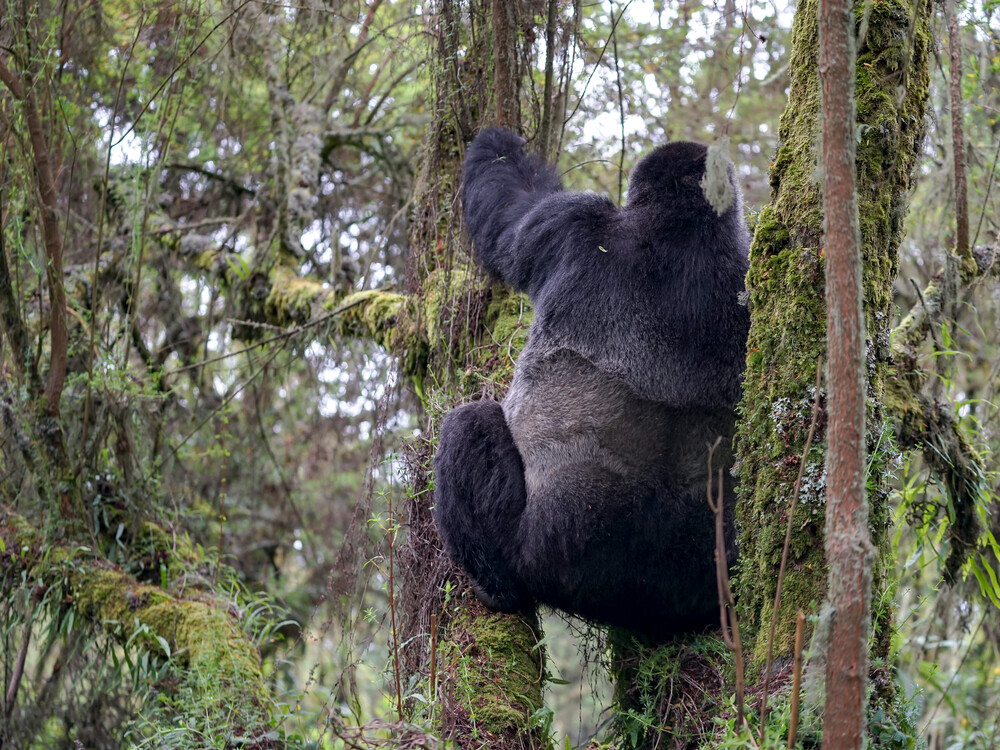
Another reason people question the cost is comparison to other safaris. Classic wildlife safaris are often measured in days, game drives, and visible abundance. Gorilla trekking, by contrast, centers on a single, tightly controlled encounter. When travelers compare the two without understanding the difference in structure and intent, gorilla trekking can appear expensive for what seems like “less time.” This comparison, while understandable, overlooks the fundamental differences between observing wildlife at scale and participating in a rare, highly protected encounter.
There is also the fear of regret. Travelers worry about investing heavily in an experience that might not meet emotional expectations. Unlike repeatable luxury trips, beach resorts, cruises, or even traditional safaris, gorilla trekking is often a once-in-a-lifetime decision. That finality raises the stakes and naturally leads people to ask, again and again, Is Gorilla Trekking Worth the Cost?
Closely tied to this is the fear of being overcharged. The luxury travel space is crowded with exaggerated promises, and travelers are rightly cautious. When prices are high, skepticism increases. People want to know whether the cost reflects genuine value or simply positioning. This skepticism is not a flaw; it is a sign of a discerning traveler trying to make a thoughtful choice.
What all of these concerns share is a need for clarity, not persuasion. Travelers asking Is Gorilla Trekking Worth the Cost? are not looking for discounts or emotional pressure. They are looking to understand why the experience costs what it does, what makes it different, and whether it aligns with their personal definition of value.
By acknowledging these doubts openly, the question becomes less about justifying a price and more about understanding an experience. And once that understanding is in place, the conversation about worth becomes far more meaningful and far less stressful.
What Does the Cost of Gorilla Trekking Really Represent?
When travelers pause to ask Is Gorilla Trekking Worth the Cost?, they are often reacting to the surface price without seeing what that cost is designed to protect. Gorilla trekking is not priced for convenience or volume. It is priced to sustain one of the most sensitive wildlife encounters on the planet.
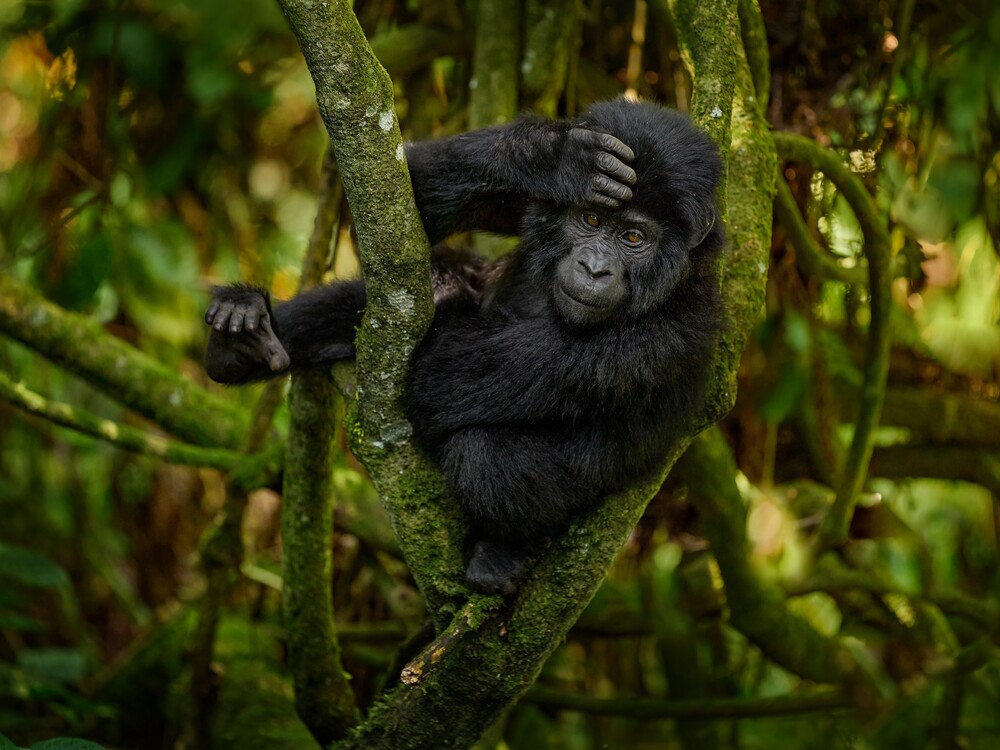
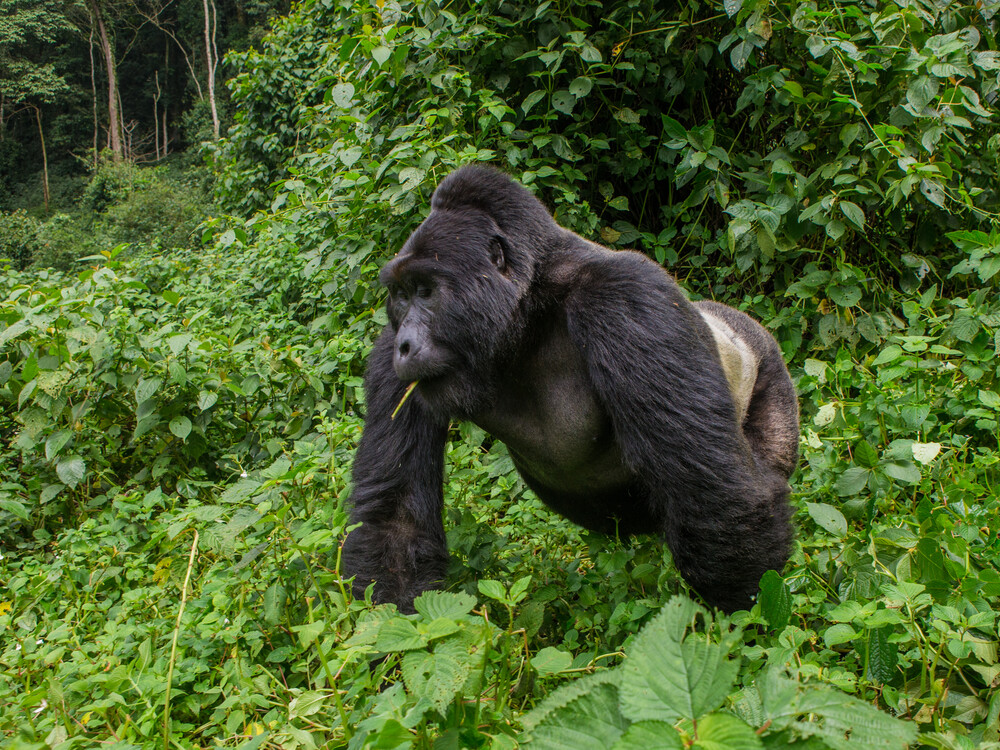
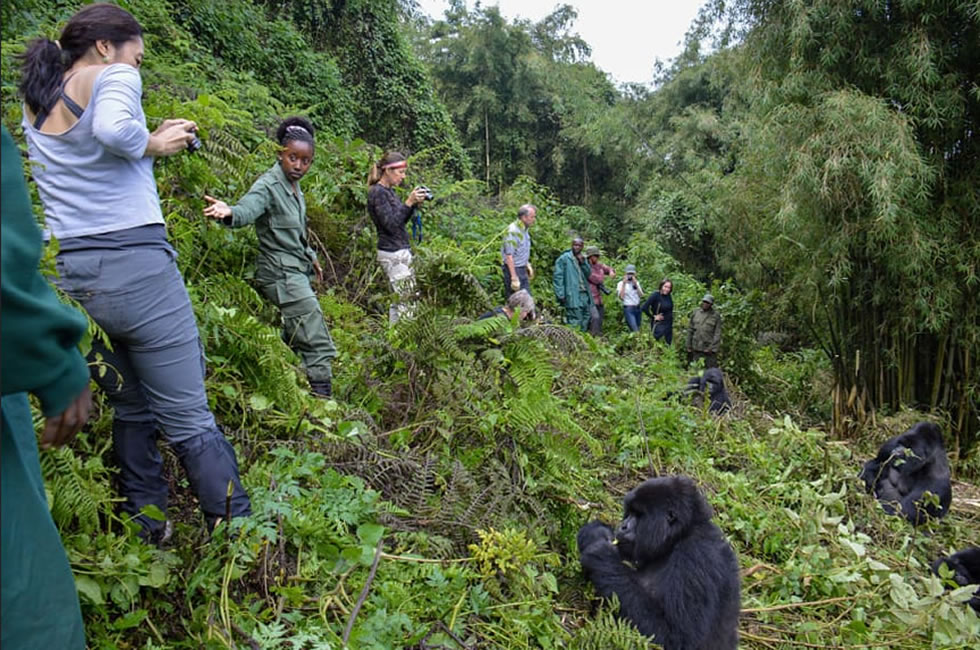
Understanding what the cost truly represents reframes the entire question. Instead of asking whether the experience is expensive, the more accurate evaluation becomes whether the value created by that cost aligns with what the traveler cares about most.
Conservation, Not Convenience
The largest portion of the cost of gorilla trekking is tied directly to conservation, not comfort. Permit limits are deliberately strict, and daily visitor numbers are capped to reduce stress on gorilla families. These limits are non-negotiable and apply equally to all travelers, regardless of travel style.
Revenue from permits funds long-term protection efforts that operate quietly behind the scenes. Veterinary teams monitor gorilla health daily, responding quickly to illness or injury. Rangers patrol protected areas continuously, safeguarding habitats from encroachment and poaching. These systems exist whether visitors are present or not, and they require stable funding to function year after year.
From this perspective, cost is not an obstacle placed in front of travelers. It is a protective mechanism. Without it, access would increase, pressure would rise, and the very experience people are seeking would be diminished. When travelers ask Is Gorilla Trekking Worth the Cost?, the answer depends in part on whether they value the preservation of the experience itself over ease or affordability.
Rarity and Controlled Access
Another essential component of the cost is rarity. Gorilla trekking is defined by scarcity, but not the artificial kind used to create hype. Access is limited because it must be. Each visitor group is allowed only one hour with a habituated gorilla family, and group sizes are intentionally small.
This structure means that gorilla trekking is not something that can be scaled or repeated casually. There is no guarantee of dramatic movement, no scripted moments, and no extensions beyond the allotted time. The encounter unfolds quietly, on the gorillas’ terms, and then it ends.
For many travelers, this is where the evaluation sharpens. When they ask Is Gorilla Trekking Worth the Cost?, they are weighing the value of a brief but deeply concentrated experience against longer, more familiar forms of luxury travel. What often shifts perception is the realization that scarcity here is not a marketing tactic. It is the foundation of authenticity.
The cost reflects the privilege of access under strict conditions, not the duration of entertainment. For those who value rarity and integrity, this distinction matters profoundly.
Human Expertise and Infrastructure
Beyond conservation and rarity, the cost of gorilla trekking also reflects the human expertise required to make the experience possible at all. Every trek involves teams of trackers who locate gorilla families early in the day, rangers who lead and protect visitors, and guides who manage pace, behavior, and safety throughout the encounter.
This coordination is not visible in the final hour with the gorillas, but it is essential. The planning involved in assigning groups, assessing terrain, monitoring weather, and adapting routes is complex and continuous. It requires experience, training and local knowledge built over decades.
Infrastructure also plays a role. Trails, briefing areas, ranger stations, and communication systems are maintained to support safe and controlled access. None of this exists to impress visitors. It exists to ensure that the experience remains possible without compromising the well-being of the gorillas or the people who protect them.
When travelers revisit the question Is Gorilla Trekking Worth the Cost? with this context in mind, the evaluation becomes less transactional. The cost is no longer just a fee for an hour in the forest. It is a contribution to a system that balances access with responsibility, and experience with protection.
Why This Understanding Changes the Answer
Once travelers understand what the cost of gorilla trekking actually represents, the question Is Gorilla Trekking Worth the Cost? often changes shape. It becomes less about comparing prices and more about deciding whether this particular combination of conservation, rarity and expertise aligns with their values.
For some, that answer will be yes without hesitation. For others, it may still be uncertain and that uncertainty is valid. What matters is that the decision is made with clarity rather than confusion.
Is Gorilla Trekking Worth the Cost for Luxury Travelers?
For luxury travelers, value is rarely measured by quantity. It is measured by depth, rarity, and the quality of what lingers long after the journey ends. This is why the question Is Gorilla Trekking Worth the Cost? takes on a very different meaning when viewed through a luxury lens.
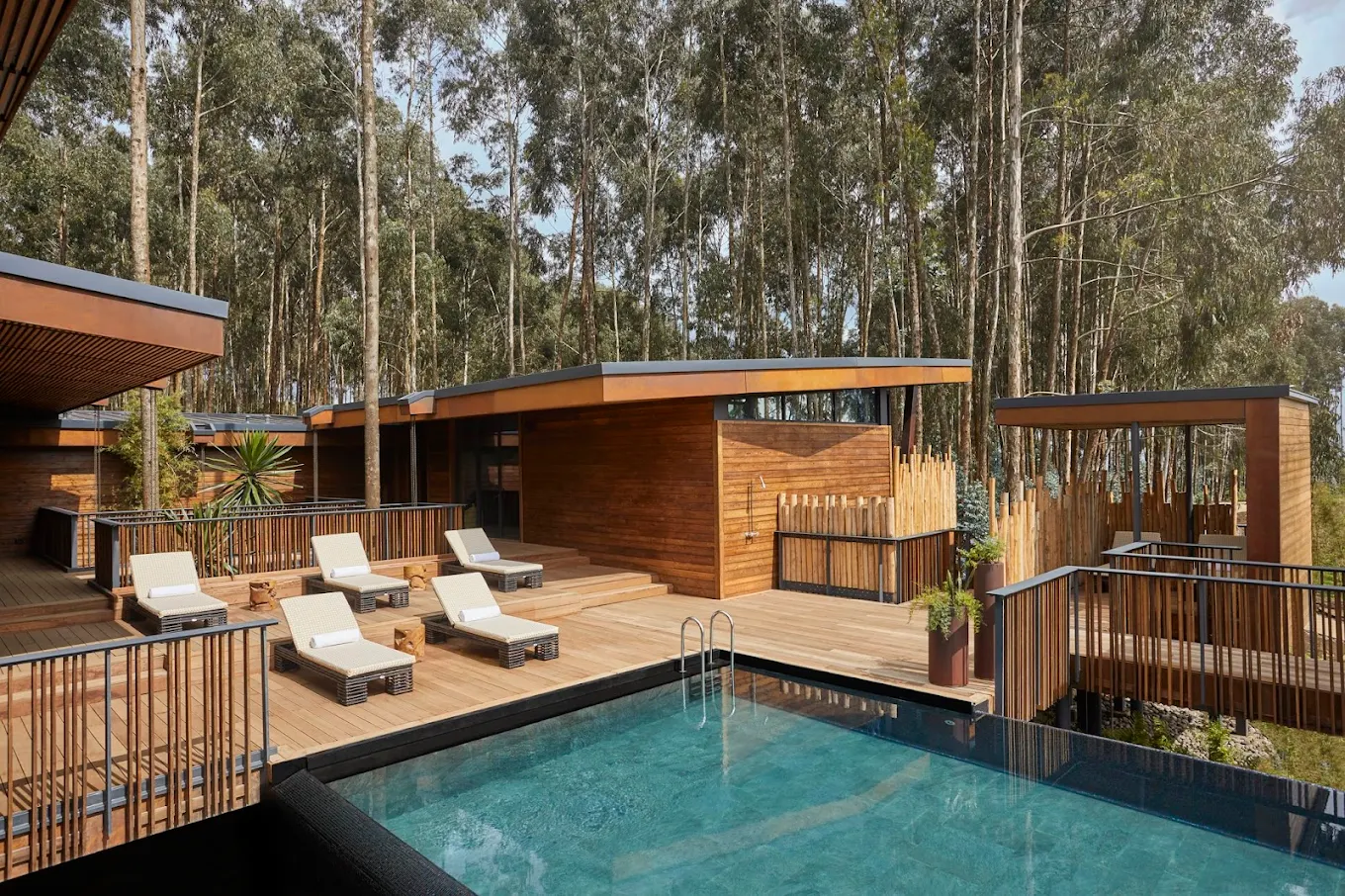
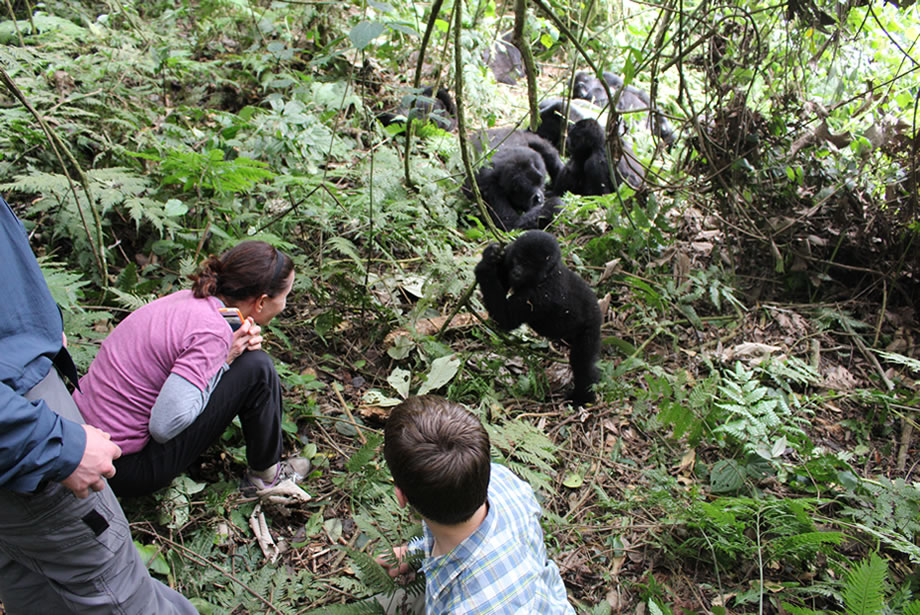

Luxury travelers are accustomed to high standards. They have experienced exceptional hotels, seamless logistics, and refined service across the world. What they seek is not more comfort alone, but experiences that feel singular. Gorilla trekking enters this conversation not as a typical luxury trip, but as a rare intersection of emotion, access, and responsibility.
Emotional ROI vs Material ROI
Luxury purchases often fall into two categories: things that depreciate, and experiences that appreciate in memory. Gorilla trekking firmly belongs to the latter. While material luxury provides immediate gratification, its emotional impact fades over time. Experiences that are rare, immersive, and deeply human tend to grow more valuable the longer one reflects on them.
For many travelers, this is where the answer to Is Gorilla Trekking Worth the Cost? begins to crystallize. The return is not something that can be displayed or replicated. It is the memory of sustained eye contact with a wild gorilla, the silence of the forest, and the awareness of sharing space with a species whose survival depends on restraint and respect.
Luxury travelers often compare this emotional return not to other trips, but to high-value purchases, art, watches or bespoke craftsmanship where worth is tied to meaning rather than utility. In that context, gorilla trekking competes not with vacations, but with experiences that permanently alter perspective.
Exclusivity Without Artificial Luxury
In many luxury markets, exclusivity is manufactured. Private access, VIP shortcuts, and behind-the-scenes privileges are often created to justify higher pricing. Gorilla trekking operates differently.
There are no VIP gorilla encounters. No extended viewing times. No private families reserved for elite guests. Every traveler abides by the same rules, the same limits, and the same respect for the gorillas’ space. This lack of artificial luxury is precisely what makes the experience more valuable.
For discerning travelers, this authenticity matters. When exclusivity is enforced by conservation rather than by branding, it carries credibility. The question Is Gorilla Trekking Worth the Cost? becomes less about what extra privileges are granted and more about whether the integrity of the experience itself is worth protecting.
In this way, gorilla trekking offers something rare in luxury travel: equality of access within scarcity. The cost reflects protection, not preference.
Comfort, Control, and Confidence
Luxury travelers do not seek difficulty for its own sake. They value comfort, control and confidence not as indulgence, but as enablers of deeper engagement. Luxury planning plays a decisive role in how gorilla trekking is perceived and remembered.
Thoughtful logistics reduce fatigue. Lodge proximity preserves energy. Private transfers remove pressure. Experienced guidance eliminates uncertainty. These elements do not change the trek itself, but they transform how it feels.
For many, this is the moment when Is Gorilla Trekking Worth the Cost? becomes a clear yes. Not because the experience is made easier, but because it is made intentional. Luxury planning allows travelers to be fully present during the encounter, rather than distracted by discomfort or logistics.
Gorilla Trekking vs Other Luxury Travel Experiences
When travelers compare gorilla trekking to other forms of luxury travel, the differences are often subtle at first and decisive upon reflection. The question Is Gorilla Trekking Worth the Cost? is frequently answered by understanding what gorilla trekking is not.
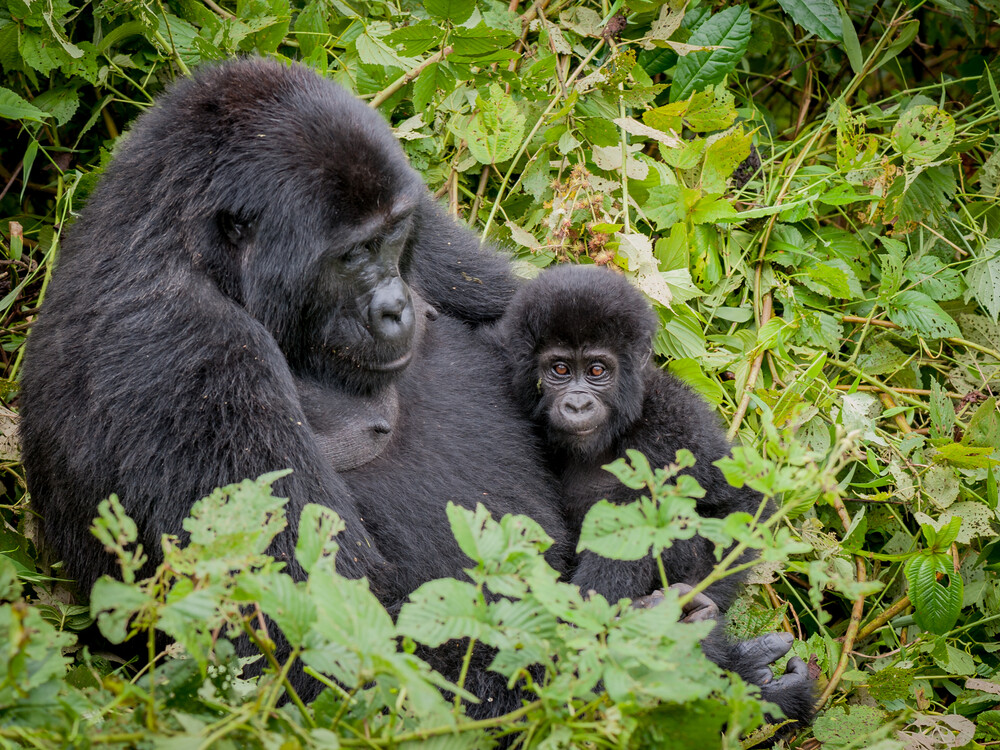
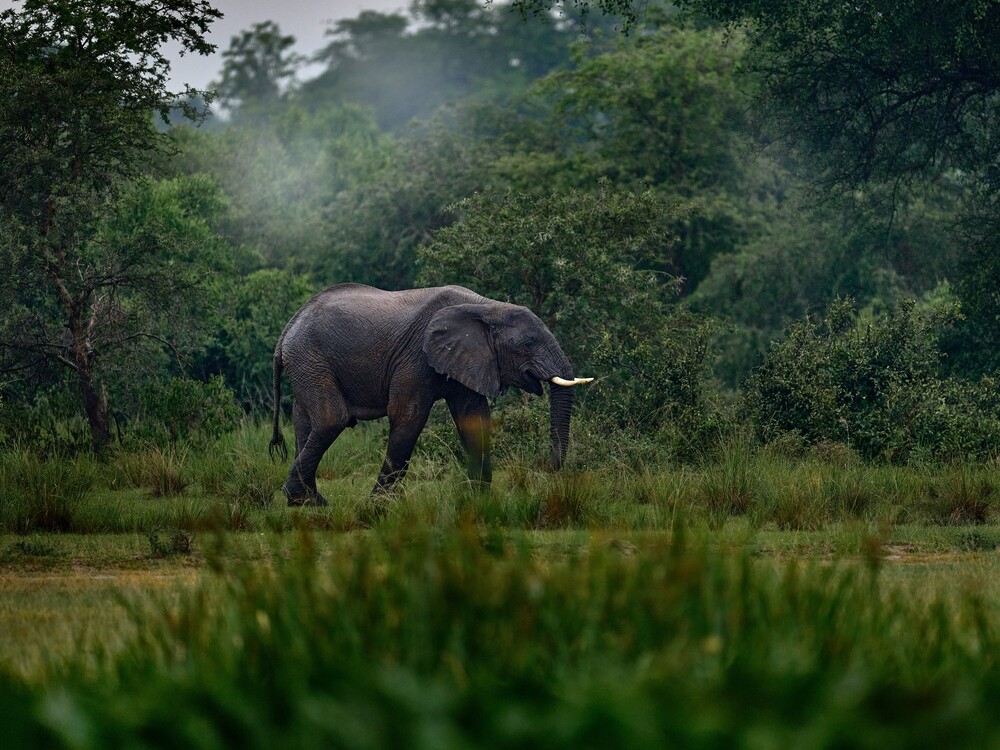

Classic safaris offer abundance. Wildlife appears repeatedly, across days of game drives. The experience is expansive and repeatable, even if no two sightings are identical. Beach resorts deliver relaxation and predictability. Luxury cruises combine comfort with curated discovery. These experiences are valuable, and many travelers return to them multiple times.
Gorilla trekking stands apart because it is intentionally limited. There is no guarantee of drama, no repeat performances, and no opportunity to “do it again next year” in the same way. The encounter is brief, unscripted, and deeply personal.
This is why many luxury travelers find that gorilla trekking occupies a different mental category. It is not compared against holidays, but against defining life experiences. When travelers weigh Is Gorilla Trekking Worth the Cost?, they often realize that the comparison is not between trips, but between moments that can be repeated and those that cannot.
In luxury travel, repetition often signals comfort. In gorilla trekking, irrepeatability signals value. The experience is not designed to entertain repeatedly, but to resonate permanently.
For travelers who measure worth by uniqueness rather than duration, gorilla trekking offers something increasingly rare: an experience that cannot be replicated, scaled, or replaced elsewhere.
Who Finds Gorilla Trekking Worth the Cost — and Who Doesn’t
The most honest answer to the question Is Gorilla Trekking Worth the Cost? is that it depends. Not on budget alone, but on values, expectations, and how a traveler defines a meaningful experience.
Gorilla trekking is not designed to appeal to everyone, and acknowledging that openly is part of what makes the experience credible. When travelers understand whether they are well aligned with what gorilla trekking offers, confidence increases regardless of the final decision.
Who Gorilla Trekking Is Worth the Cost For
Gorilla trekking is often worth the cost for travelers who value depth over volume. Those who are drawn to rare, intimate experiences tend to find that the emotional impact far outweighs the financial investment. The encounter is brief, but it carries a weight that lingers long after the journey ends.
It is also worth it for travelers who prioritize authenticity and integrity. Gorilla trekking does not rely on performance, entertainment, or guaranteed spectacle. The experience unfolds quietly, without staging or enhancement. For travelers who respect that restraint and see value in it, the cost feels justified.
Many first-time Africa travelers also find gorilla trekking worth the cost because of how clearly structured and supported the experience is. Despite taking place in remote environments, the system around gorilla trekking is among the most regulated and carefully managed in wildlife tourism. This structure offers reassurance and clarity, especially for those new to the continent.
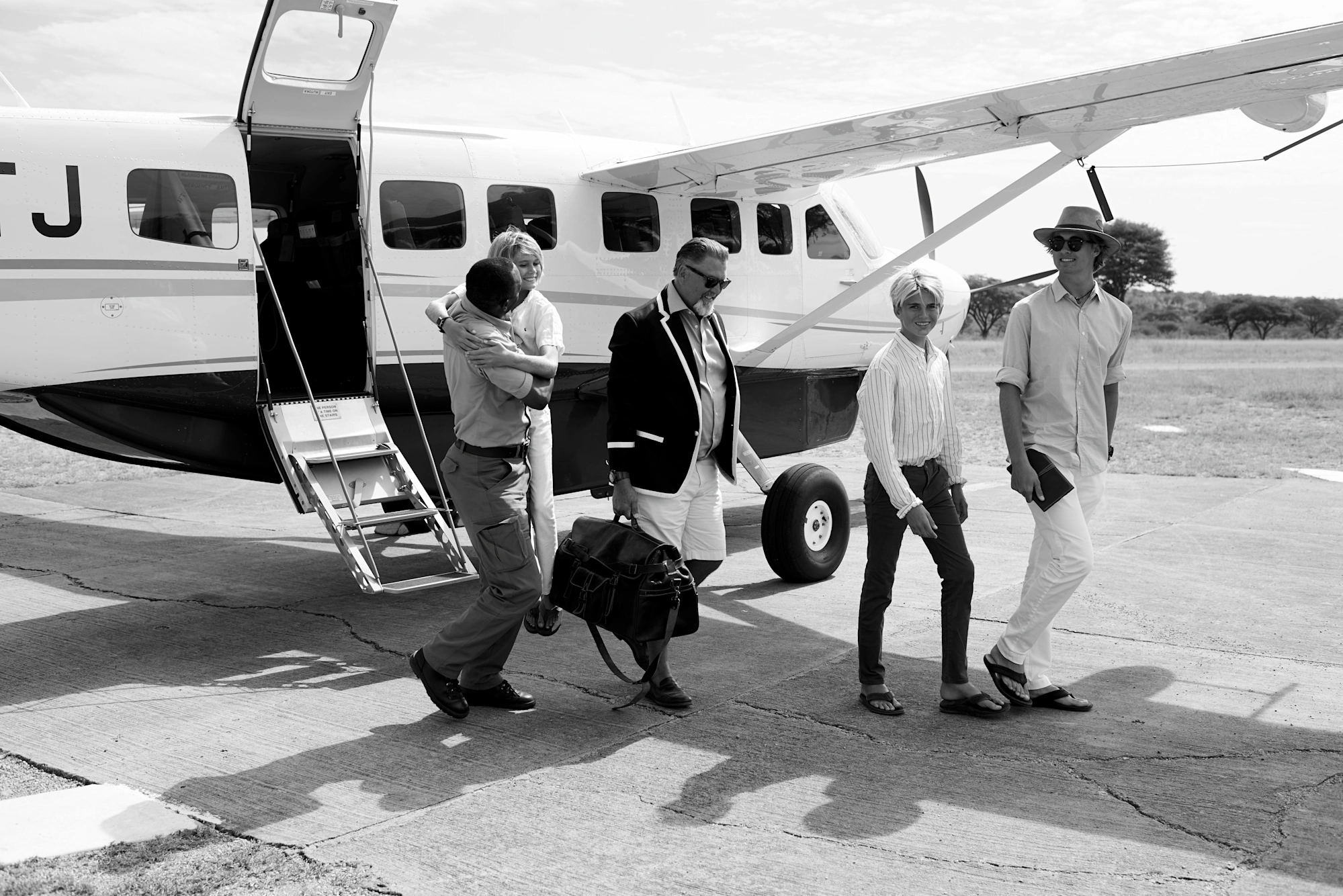
For luxury travelers, gorilla trekking is often worth the cost when comfort, control, and confidence are prioritized. Thoughtful planning, lodge proximity, and experienced guidance allow travelers to engage fully with the encounter rather than managing logistics or uncertainty. In this context, the cost supports presence rather than indulgence.
Finally, gorilla trekking resonates strongly with travelers who value impact. Knowing that permit fees and tourism revenue directly support conservation and local communities adds a layer of meaning that many luxury experiences lack. For these travelers, worth is tied not only to personal experience, but to contribution.
Who Gorilla Trekking May Not Be Worth the Cost For
Equally important is understanding who may not find gorilla trekking worth the cost and that this does not reflect poor judgment or insufficient appreciation.
Travelers who prioritize duration and repetition may feel underwhelmed. Gorilla trekking centers on a single, limited encounter. Those who expect days of continuous activity or frequent sightings may find the experience too brief relative to the investment.
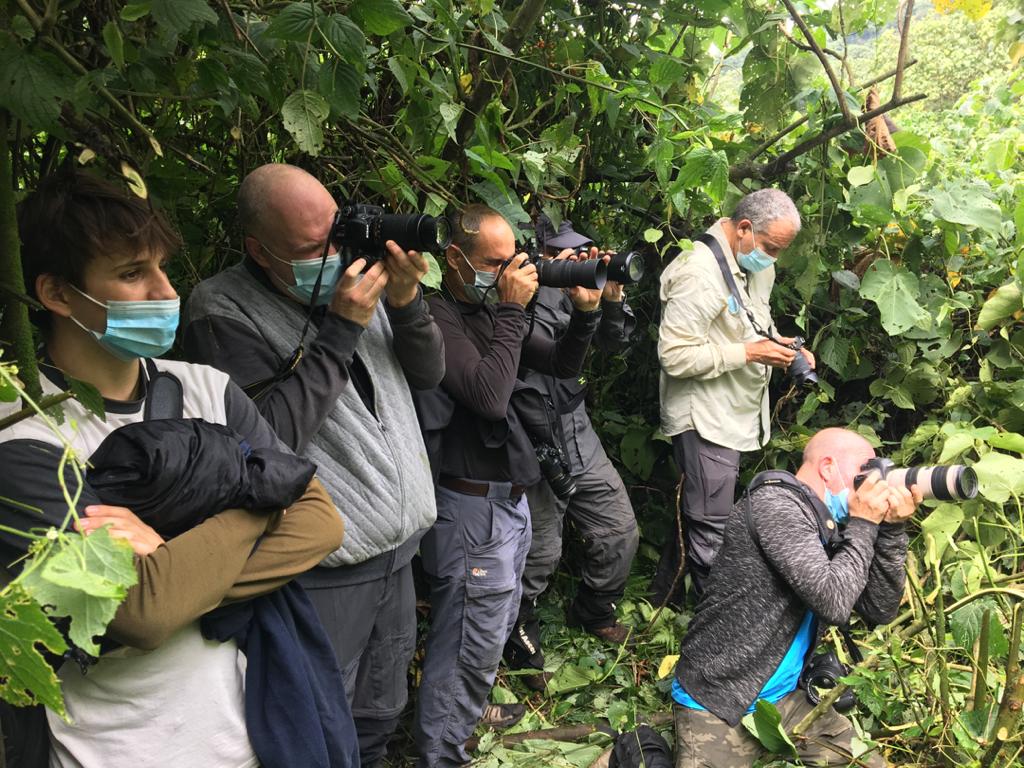
It may also feel less worthwhile for travelers seeking predictable luxury. Gorilla trekking involves natural environments, changing conditions, and moments of uncertainty. While the experience is carefully managed, it is not scripted. Travelers who prefer guaranteed outcomes and highly curated entertainment may feel more satisfied elsewhere.
Those who approach travel primarily as relaxation may also question the value. Gorilla trekking requires physical effort and emotional engagement. It is rewarding, but it is not passive. For travelers seeking rest rather than reflection, other forms of luxury travel may align more closely with their goals.
Finally, gorilla trekking may not be worth the cost for travelers who are uncomfortable with ethical complexity. The experience asks visitors to confront questions of conservation, privilege and responsibility. While many find this enriching, others may prefer experiences that feel lighter or less reflective.
Making the Question Personal
If you’re asking Is Gorilla Trekking Worth the Cost?, the answer ultimately depends on what you value most. Gorilla trekking is not universally appealing, and it does not need to be. Its worth emerges when expectations align with reality.
For those who find alignment, the experience often exceeds its cost in ways that are difficult to articulate but impossible to forget. For those who do not, recognizing that early is a form of clarity, not loss.
Honest evaluation leads to better decisions and better experiences regardless of the outcome.
What Gorilla Trekking Is — and What It Is Not
Gorilla trekking rewards travelers who arrive with realistic expectations. Much of the hesitation behind the question Is Gorilla Trekking Worth the Cost? comes from imagining the experience as something it is not.
Gorilla trekking is not a theme park experience. There are no guaranteed moments, no choreography, and no effort to manufacture excitement. The forest sets the pace, the gorillas determine their own behavior, and visitors are guests rather than spectators. This lack of performance is not a flaw; it is the foundation of authenticity.
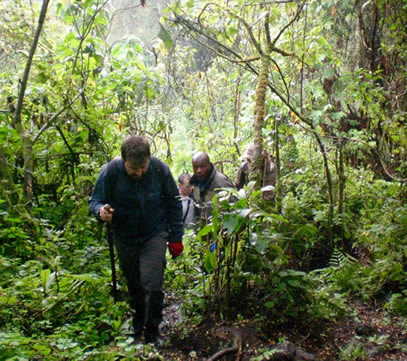
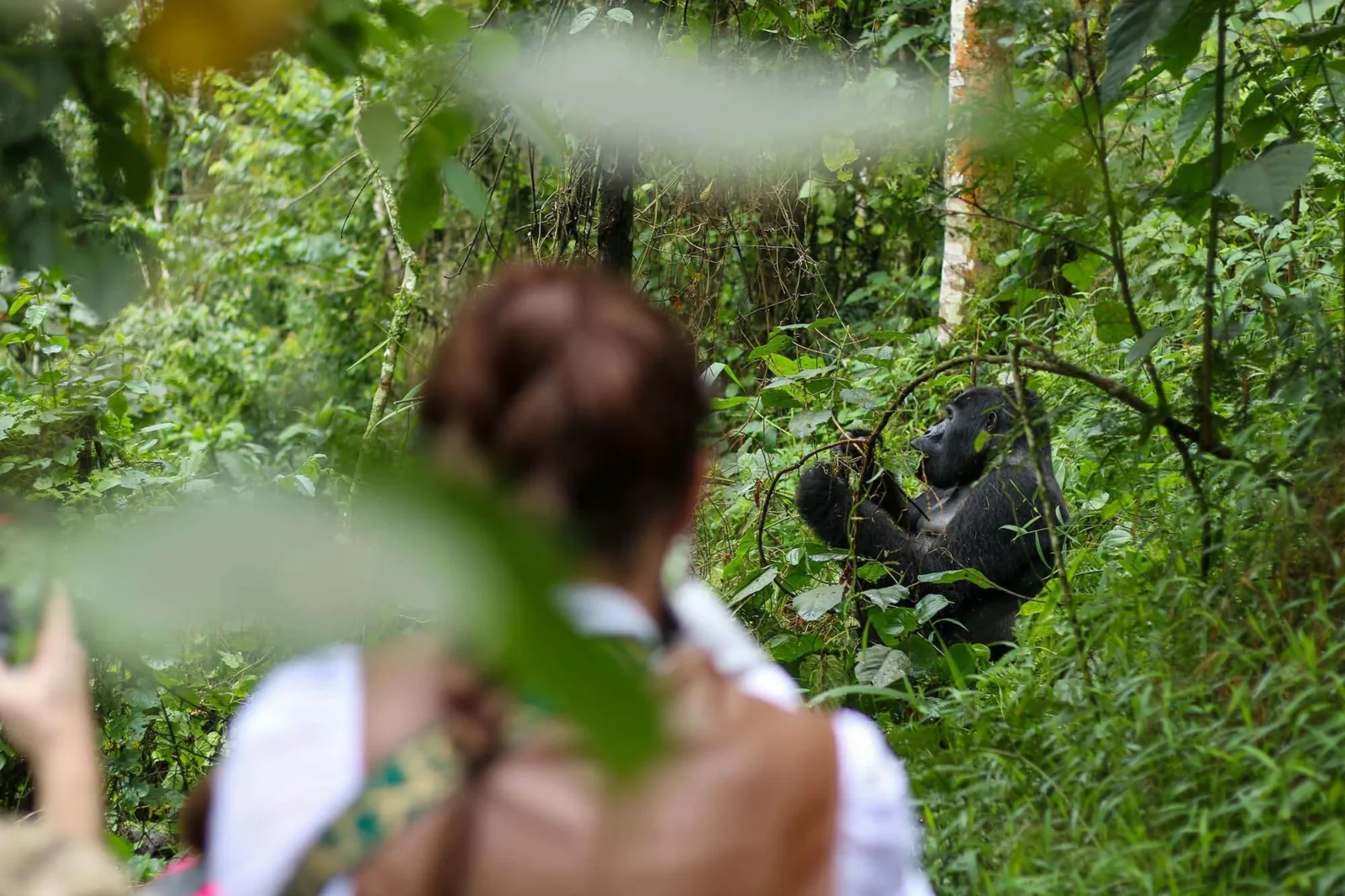
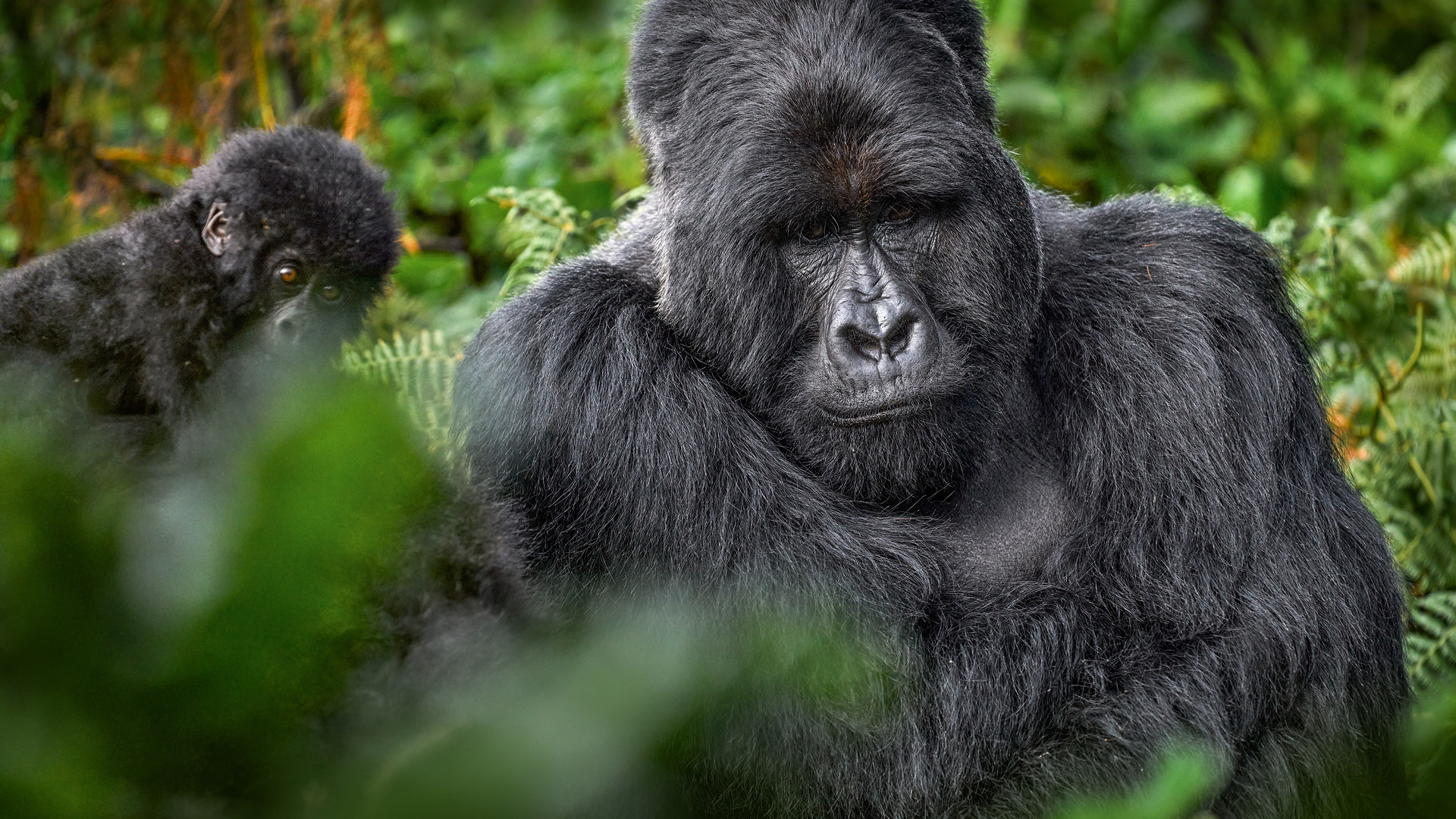
It is also not guaranteed drama. Gorillas may be resting, feeding quietly, or moving slowly through vegetation. There may be long stretches of stillness. For travelers accustomed to constant stimulation, this can feel unfamiliar. For others, it becomes the most powerful aspect of the experience. The value lies in presence, not spectacle.
Above all, gorilla trekking is quiet, emotional, and subtle. The encounter unfolds without narration or fanfare. Eye contact can feel profound. Small gestures, a juvenile playing, a silverback shifting position carry meaning precisely because nothing is exaggerated. The experience invites reflection rather than reaction.
Understanding this ahead of time dramatically reduces post-booking regret. Travelers who expect entertainment may feel conflicted. Travelers who expect connection often feel transformed. Knowing which category you fall into is essential when evaluating Is Gorilla Trekking Worth the Cost?
Gorilla trekking does not try to impress you. It invites you to meet it on its own terms.
So, Is Gorilla Trekking Worth the Cost?
After considering conservation, rarity, emotional return, and realistic expectations, the question returns naturally to where it began: Is Gorilla Trekking Worth the Cost?
There is no universal answer and that is intentional.
For travelers who value depth over volume, authenticity over performance, and meaning over repetition, gorilla trekking is often worth far more than its cost. The experience does not fade quickly. It settles quietly into memory and often reshapes how people think about wildlife, travel, and responsibility.
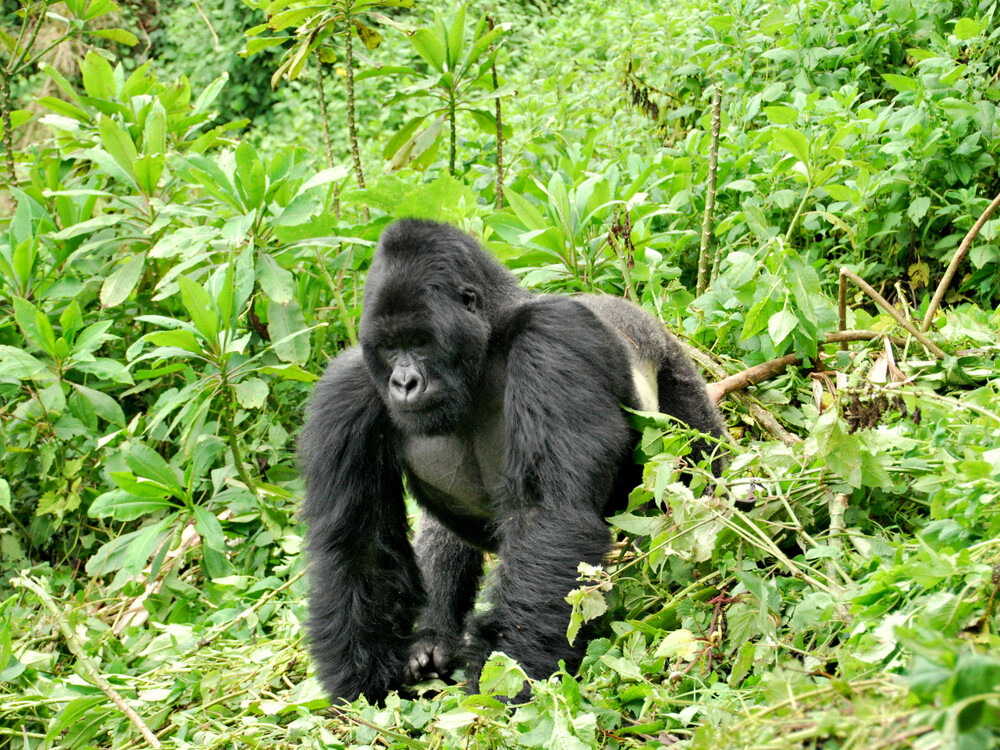
For others, the experience may feel too subtle, too brief, or too emotionally demanding to justify the investment. Recognizing that is not a failure of appreciation. It is clarity.
This guide does not exist to persuade or pressure. It exists to help travelers reach a decision they can stand behind. When the answer is yes, it is grounded in understanding rather than impulse. When the answer is no, it is informed rather than uncertain.
If you are still asking Is Gorilla Trekking Worth the Cost?, that question itself is a sign of discernment. The most valuable luxury experiences are not those that everyone agrees on, but those that resonate deeply with the right traveler.
And when gorilla trekking resonates, it rarely needs justification afterward.
Frequently Asked Questions — Is Gorilla Trekking Worth the Cost?
Is gorilla trekking really worth the money?
Whether gorilla trekking is really worth the money depends on what a traveler values most. For those who value rare, meaningful encounters over volume or entertainment, the experience often exceeds its cost. Gorilla trekking offers a brief but deeply emotional connection with one of the world’s most endangered species, something that cannot be replicated elsewhere. For travelers seeking depth rather than duration, many conclude that gorilla trekking is worth the cost.
Why does gorilla trekking cost so much?
Gorilla trekking costs reflect conservation, protection, and controlled access rather than convenience or luxury branding. Permit fees fund ranger patrols, veterinary care, habitat protection, and community programs. Visitor numbers are intentionally limited, and each trek requires trained rangers, trackers, and infrastructure. When travelers ask Is Gorilla Trekking Worth the Cost?, understanding that the price protects the experience itself is often key to answering that question.
Is gorilla trekking worth it for first-time travelers?
Yes, gorilla trekking can be worth the cost for first-time travelers, especially when planned carefully. Despite taking place in remote environments, gorilla trekking is one of the most regulated wildlife experiences in Africa. Clear rules, professional guidance, and structured planning make it accessible even for travelers new to Africa or to safari travel. For many first-time visitors, the experience becomes a defining moment of their journey.
Is gorilla trekking better than a safari?
Gorilla trekking is not better or worse than a safari, it is fundamentally different. Traditional safaris focus on variety, repetition and observation over time. Gorilla trekking centers on a single, intimate encounter. When comparing the two, travelers often return to the question Is Gorilla Trekking Worth the Cost? because the value lies in emotional impact rather than quantity of sightings. Many travelers find both experiences complementary rather than comparable.
Plan Your Gorilla Trekking Journey with Clarity
If cost is a question, clarity is the answer. Gorilla trekking is a rare experience, and understanding whether it aligns with your values is more important than rushing a decision.
A private consultation allows you to explore the experience calmly, honestly, and without pressure — so you can decide with confidence.