
Luxury Gorilla Photography Tours – Professional Guided Trips
Professionally guided gorilla encounters designed for photographers seeking time, positioning, and ethical access in Uganda and Rwanda’s most iconic forests.
Quietly expert. Ethically focused. Photographer-first.
Our luxury gorilla photography tours are built around one principle: creating the conditions for exceptional wildlife imagery without compromising conservation or experience quality. Every journey is guided by specialists who understand gorilla behavior, forest light, terrain and timing, allowing photographers to work patiently, responsibly, and with purpose.
These are not standard gorilla treks adapted for cameras. They are professionally guided photography-focused journeys, paced and planned to support meaningful visual storytelling in some of Africa’s most challenging and rewarding environments.
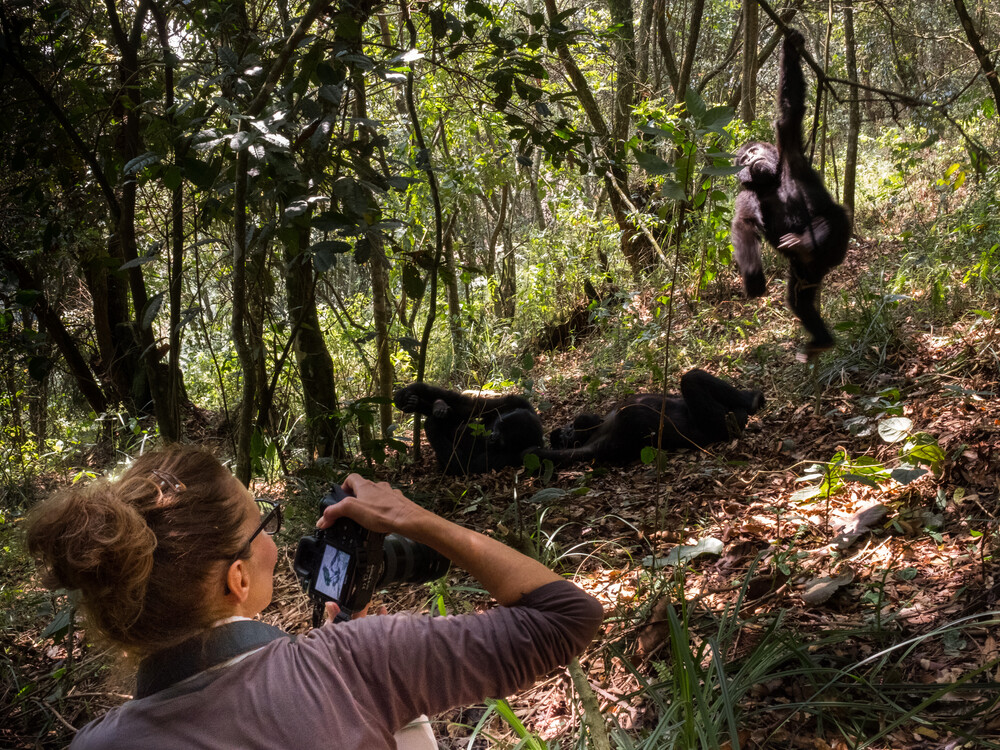
6 Days Luxury Gorilla Photography Tour in Uganda
A focused luxury gorilla photography journey designed for photographers seeking immersive forest encounters and controlled shooting conditions.
Request a Quote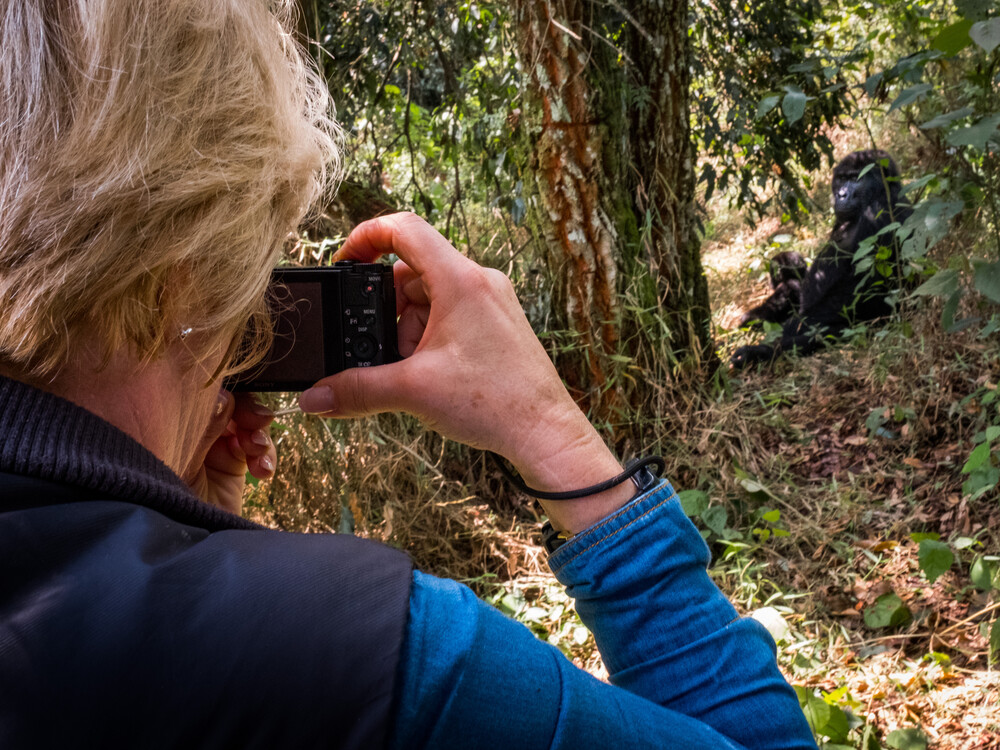
7 Days Bwindi Luxury Gorilla Photography Safari
Dedicated gorilla photography time in Bwindi Impenetrable Forest with professional guiding and photographer-first logistics.
Request a Quote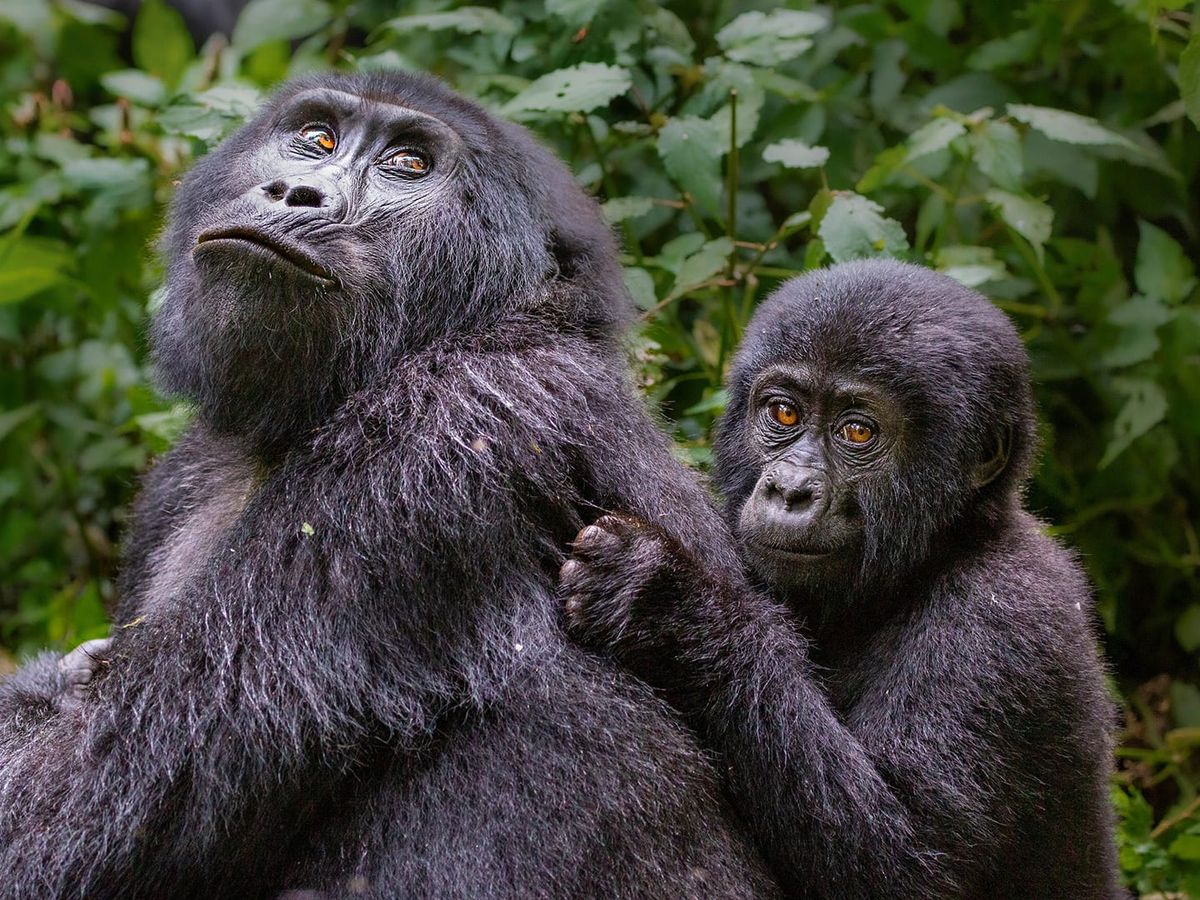
8 Days Luxury Gorilla Photography Experience
An extended gorilla photography experience allowing time, patience, and depth for expressive wildlife storytelling.
Request a Quote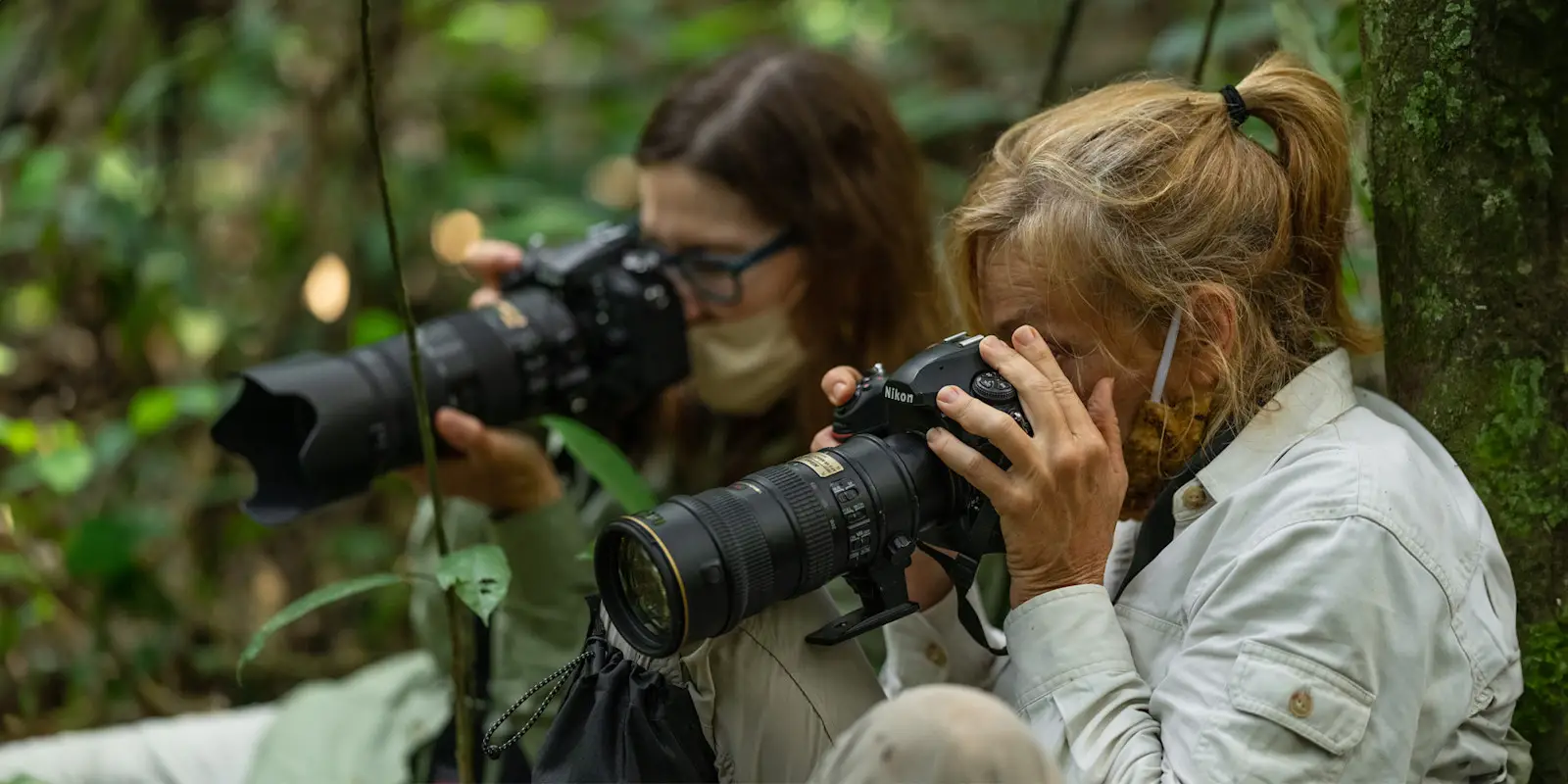
9 Days Uganda Luxury Primate Photography Tour
Combining gorilla and chimpanzee photography in Uganda’s most iconic forest habitats.
Request a Quote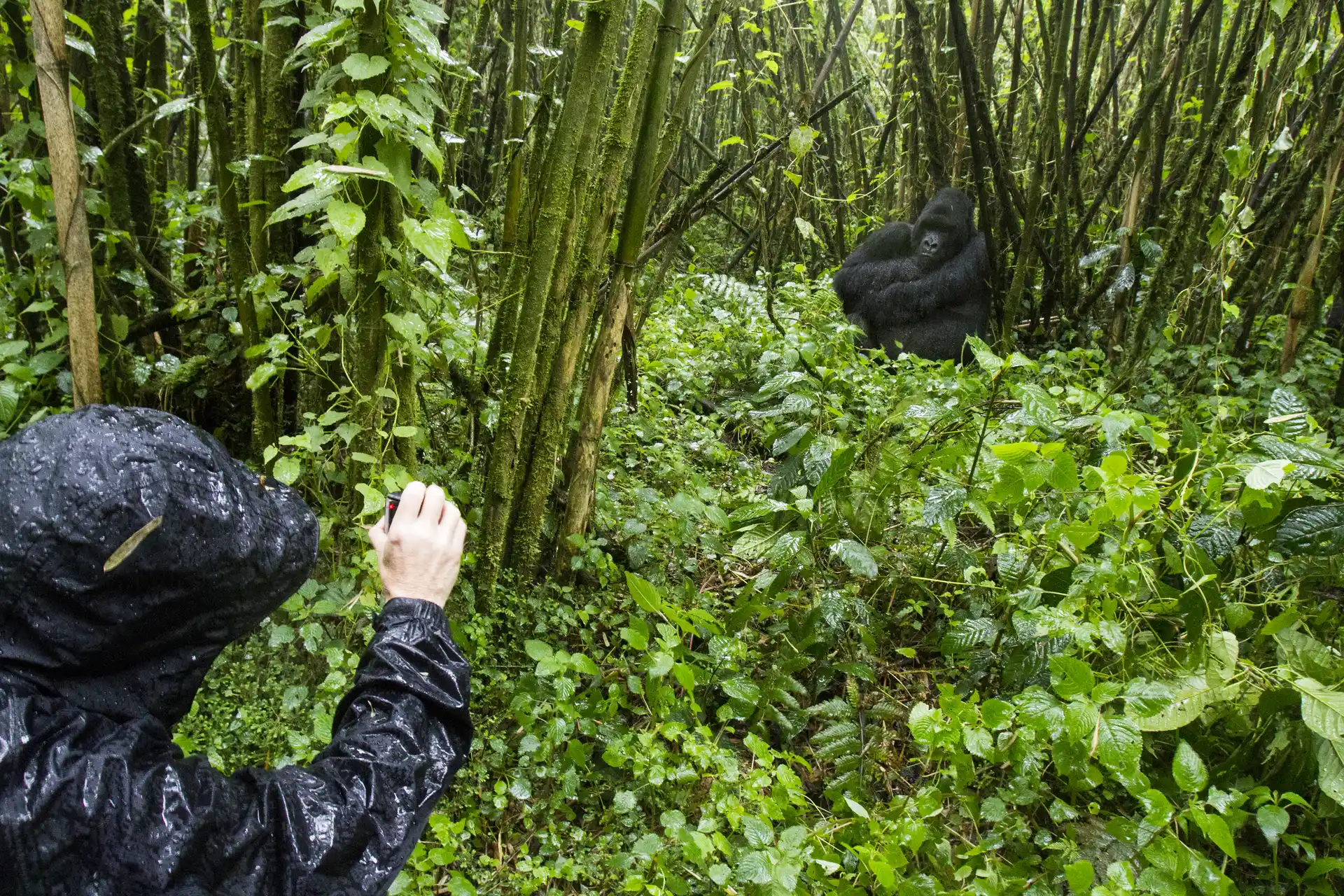
7 Days Rwanda Luxury Gorilla Photography Tour
Photographer-led gorilla encounters in Volcanoes National Park with refined access and structured trekking.
Request a Quote
8 Days Private Luxury Gorilla Photography Safari
A private, photography-focused gorilla safari designed for serious photographers seeking space and flexibility.
Request a Quote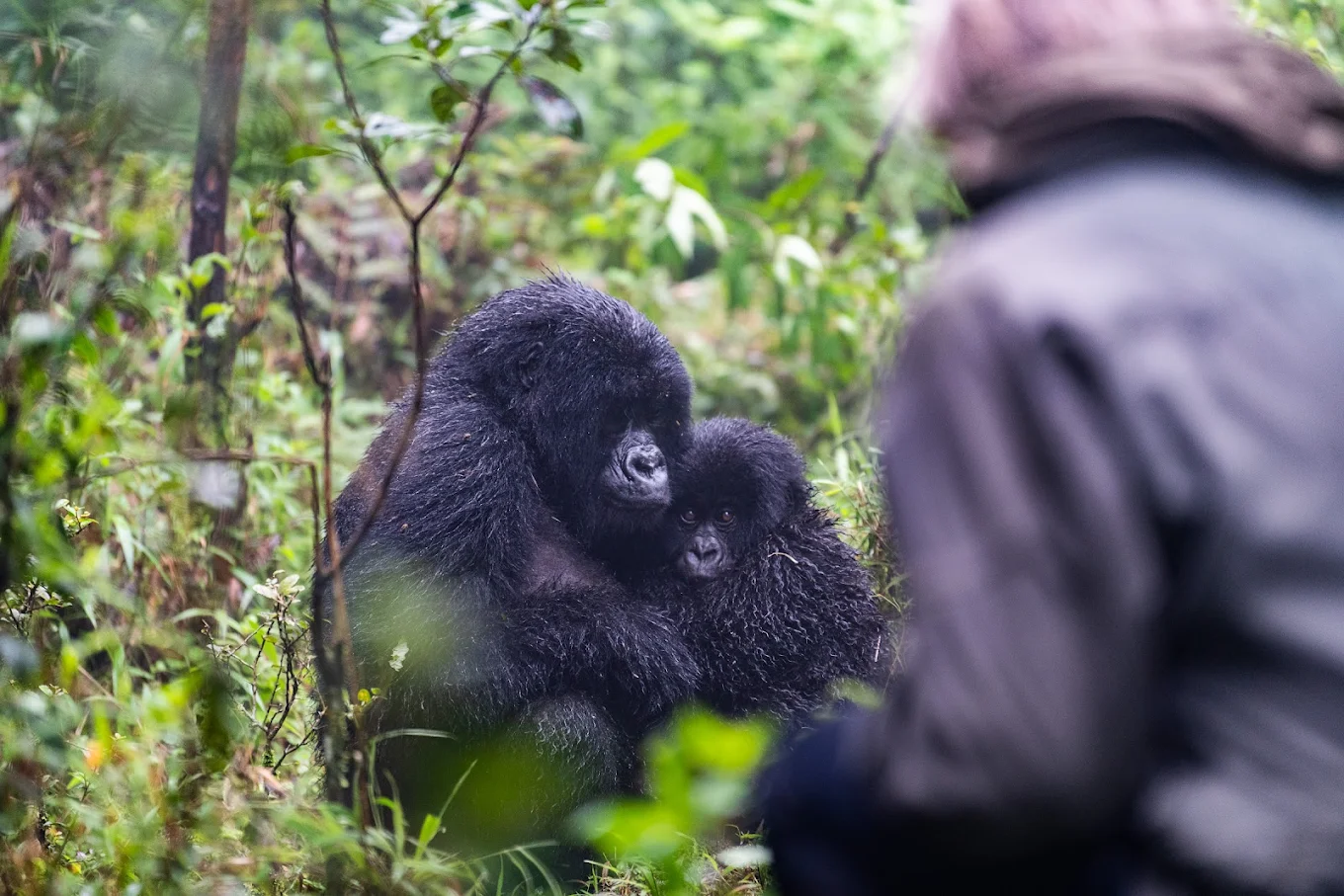
9 Days Professional Guided Gorilla Photography Tour
Expert-led gorilla photography with ethical positioning, behavioral insight, and controlled pacing.
Request a Quote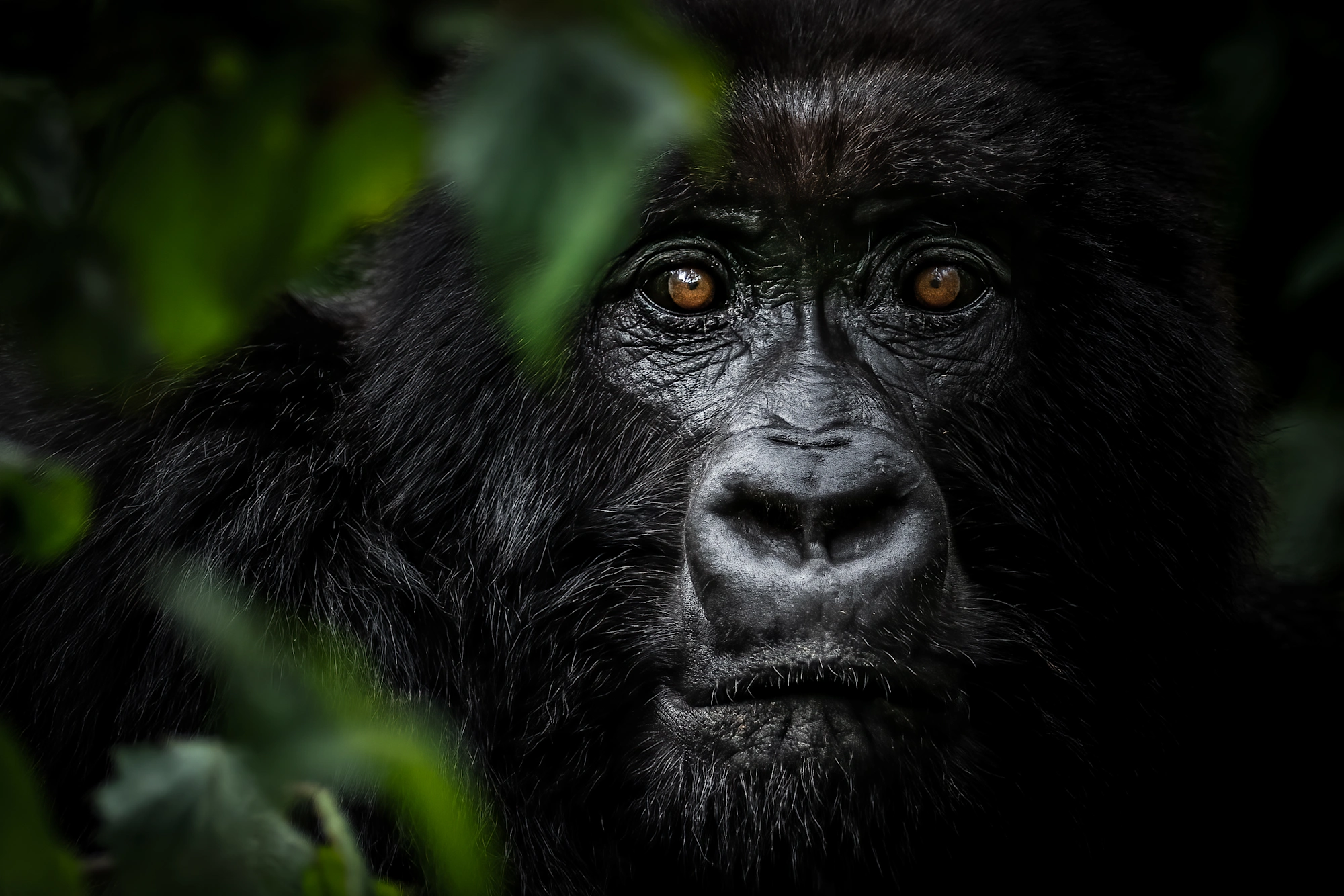
10 Days Mountain Gorilla Luxury Photography Safari
A deep-focus gorilla photography safari designed for photographers building a meaningful portfolio.
Request a Quote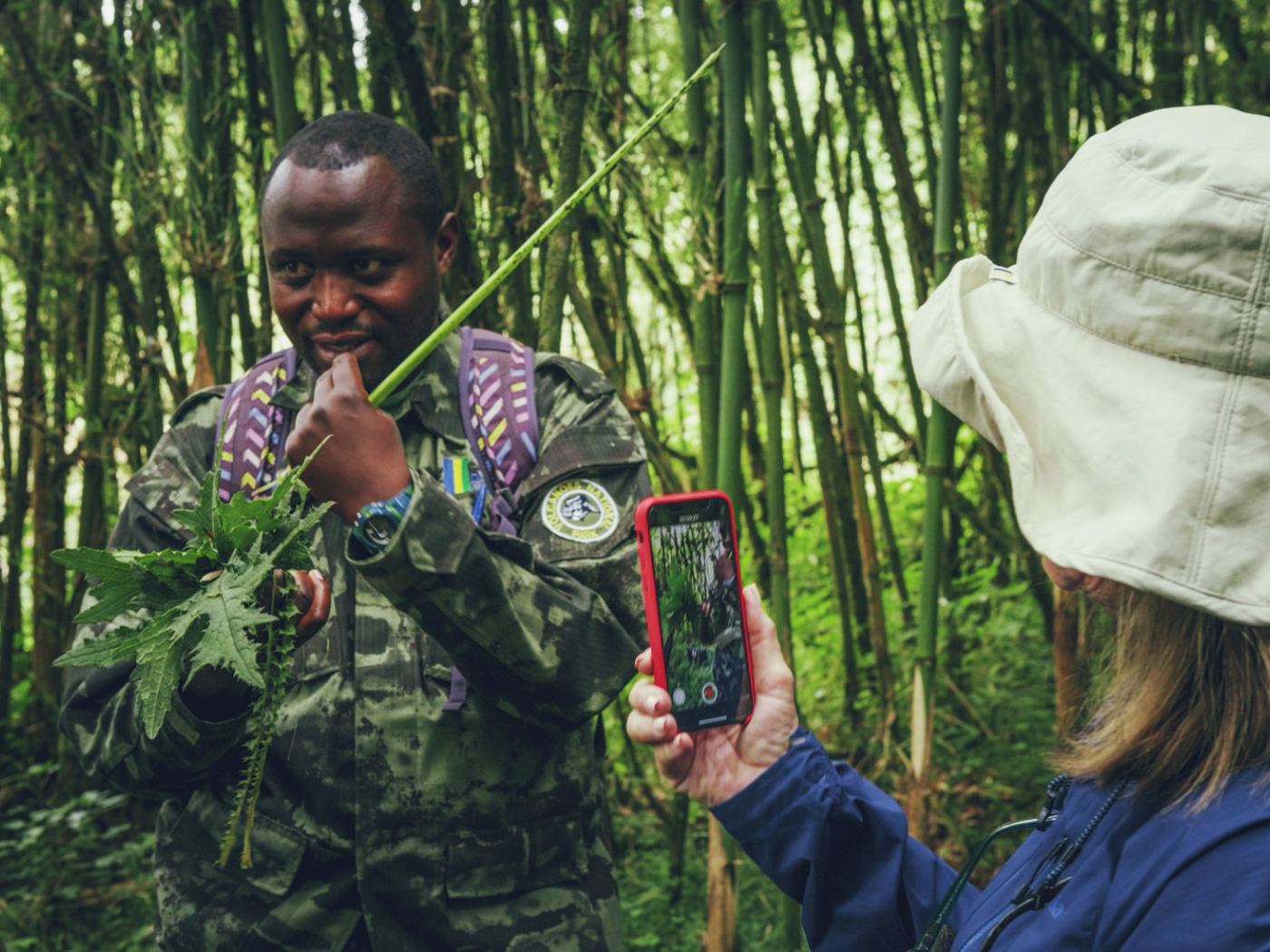
10 Days Uganda & Rwanda Luxury Gorilla Photography Tour
A cross-border luxury photography journey capturing gorillas in contrasting forest and volcanic landscapes.
Request a QuoteWhy Gorillas Are a Photographer’s Dream
For serious wildlife photographers, few subjects offer the depth, intimacy, and emotional resonance of mountain gorillas. A gorilla photography experience is not defined by spectacle or speed, but by presence by the rare opportunity to observe a highly intelligent, socially complex species at close range, within a controlled and ethical framework.
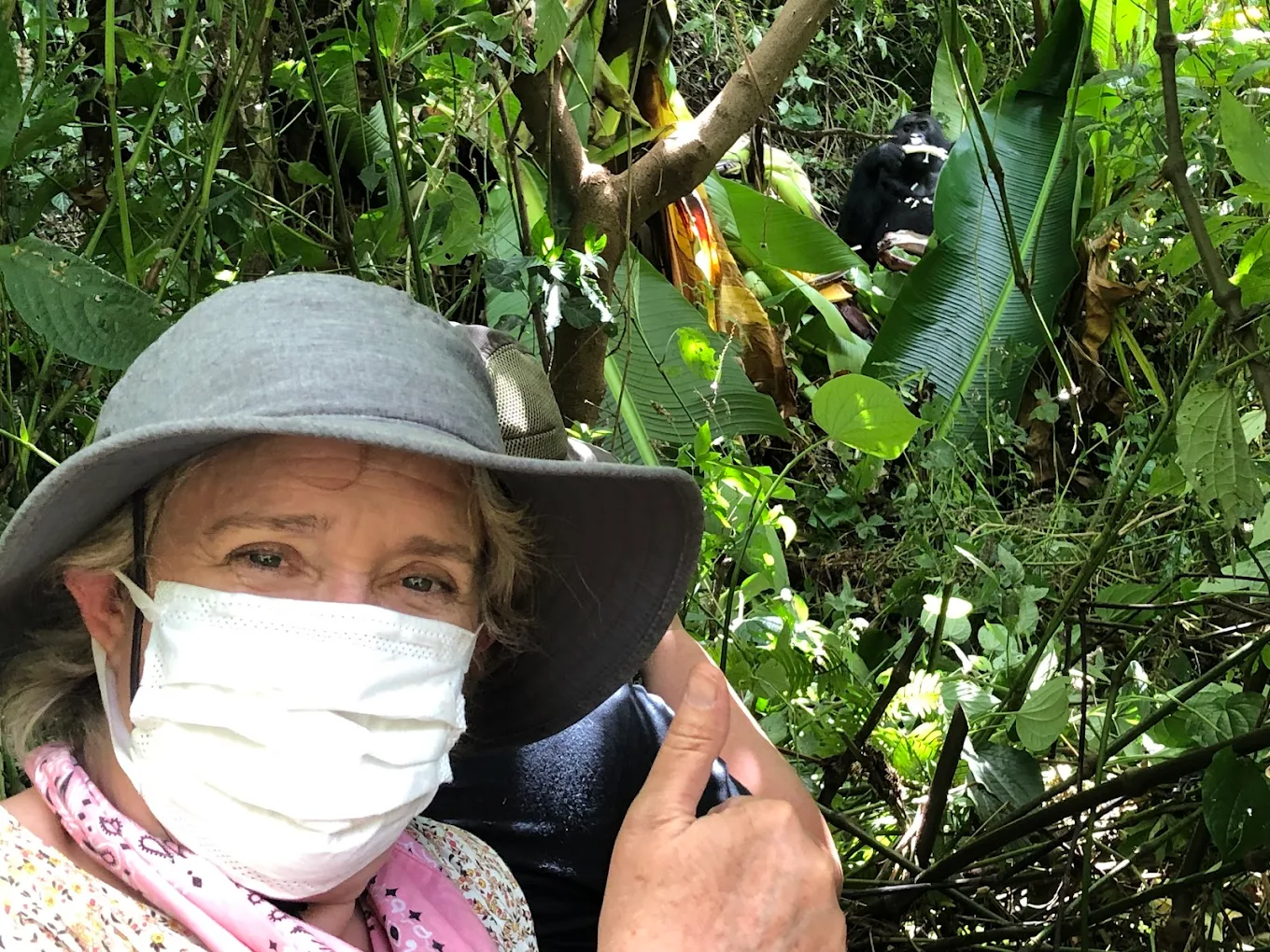
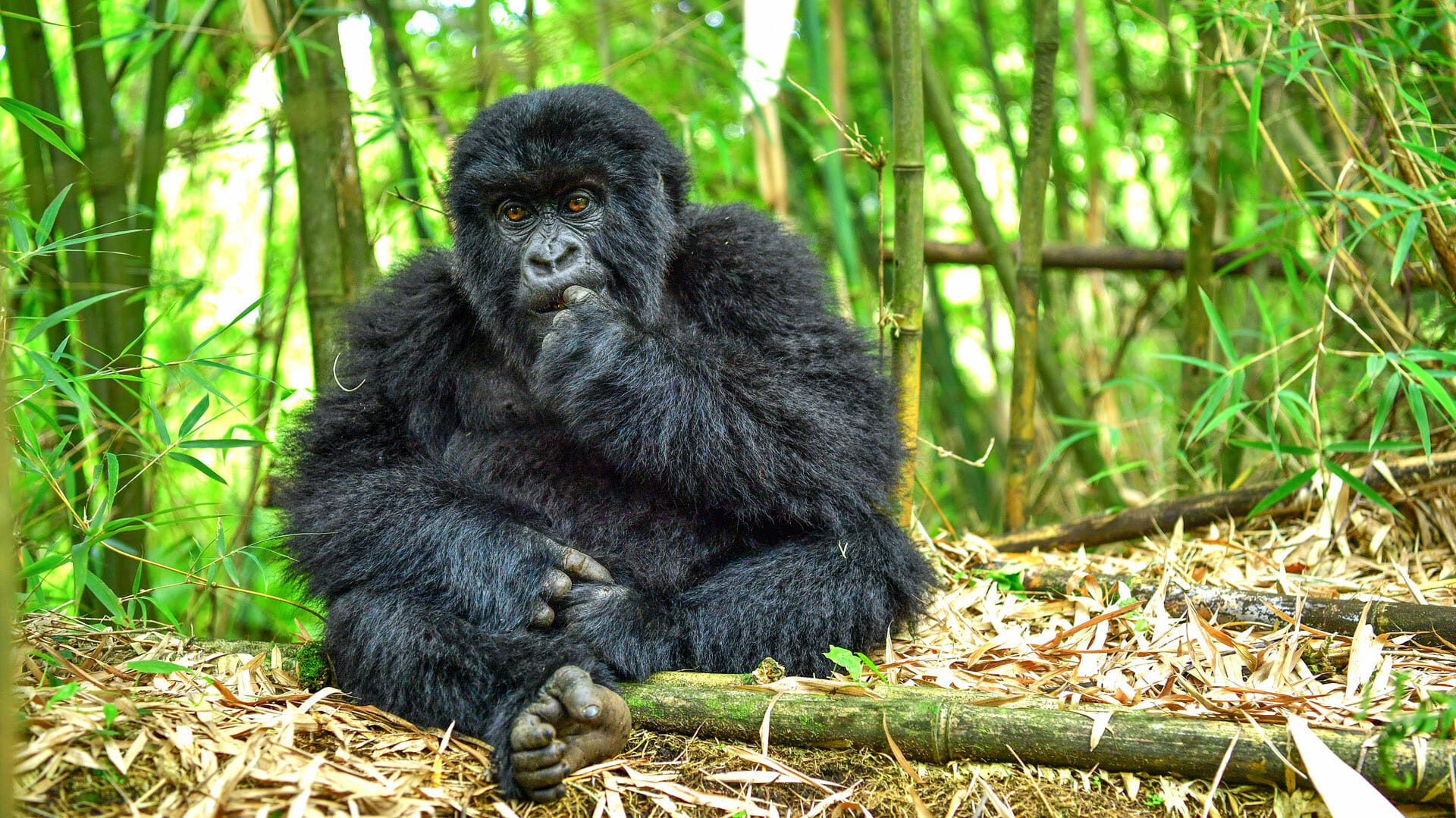
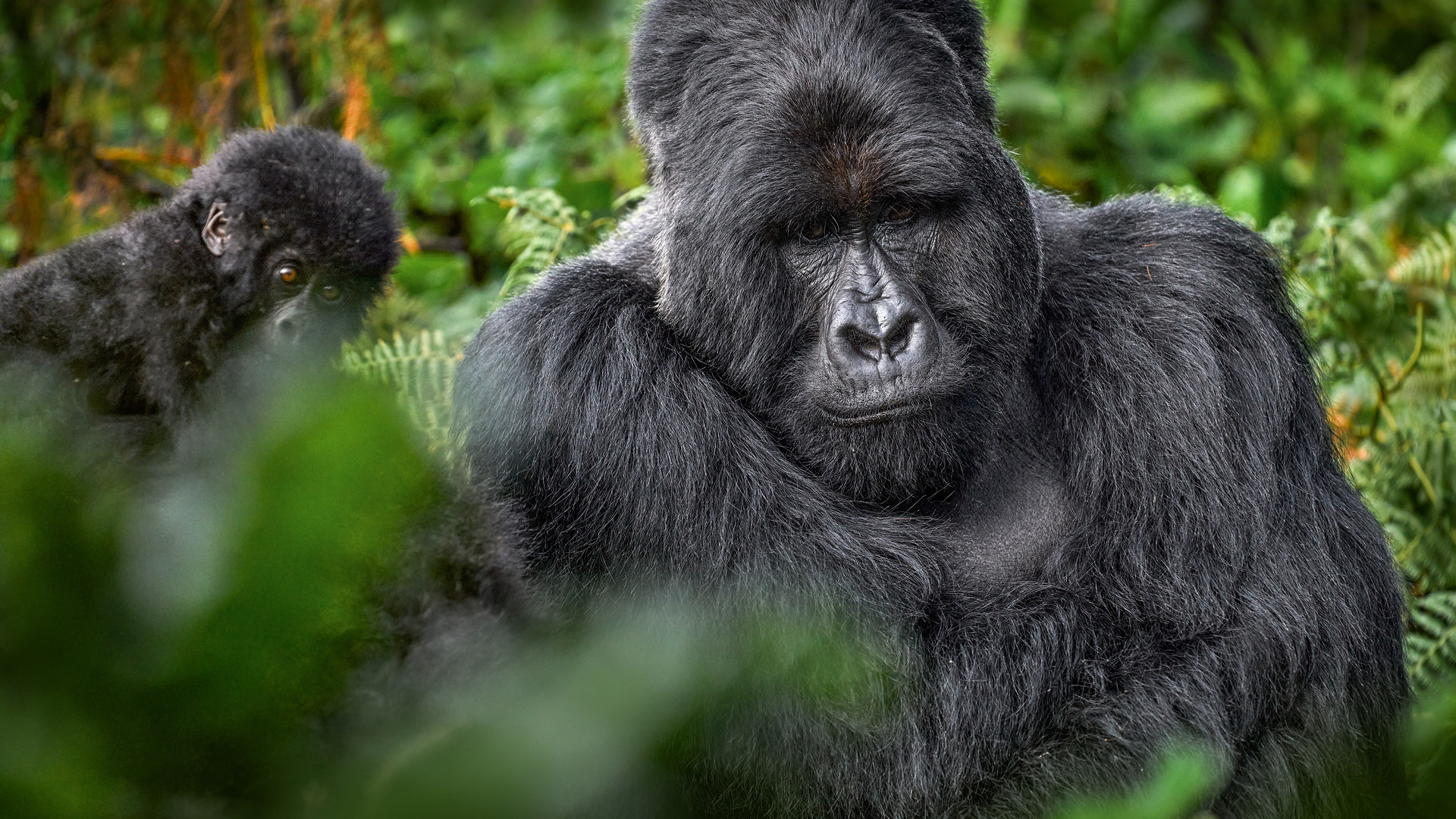
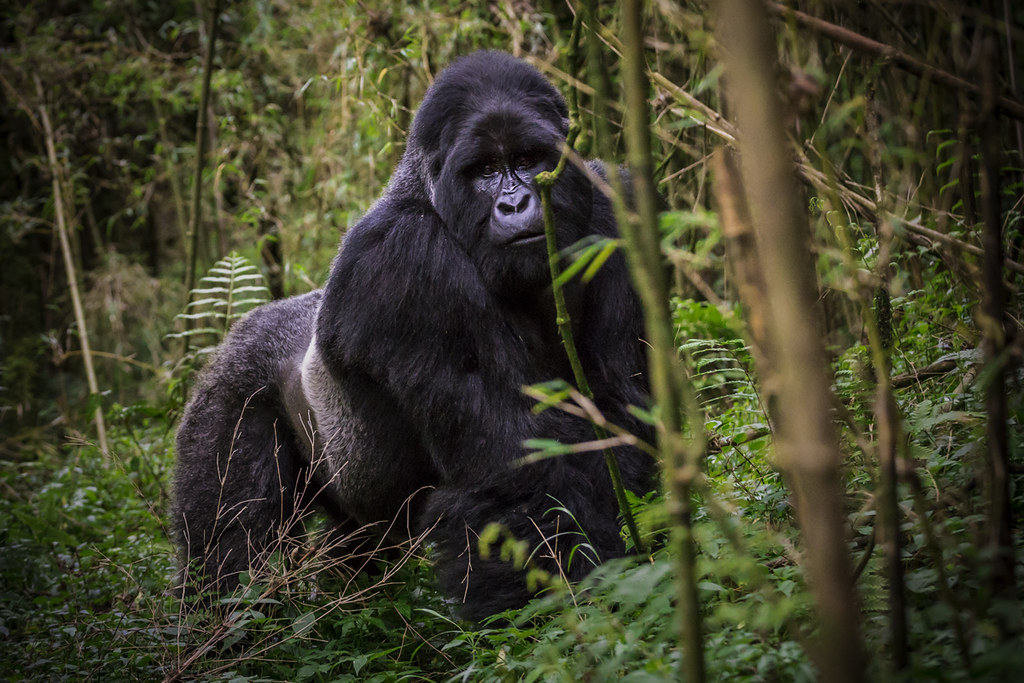
What sets mountain gorilla photography apart is eye contact. Gorillas meet the lens with a level of awareness that is uncommon in wildlife photography. Their gaze is steady, expressive, and unmistakably sentient, creating images that feel personal rather than observational. These moments are not fleeting; when conditions are right, photographers have time to work patiently, refining composition and waiting for expression rather than reacting impulsively.
Equally compelling are the family dynamics that unfold quietly within a gorilla group. Interactions between mothers and infants, dominant silverbacks and younger males, or siblings at play reveal layers of narrative that reward photographers who understand behavior and timing. These relationships allow for storytelling images frames that go beyond portraits to convey connection, hierarchy, and tenderness.
The forest itself is an essential part of the visual language. Gorilla habitats are dense, atmospheric environments where light filters softly through canopy layers, creating natural vignettes, muted highlights, and rich tonal depth. Mist, rain, and shifting cloud cover are not obstacles here; they are part of the aesthetic. Photographers who work comfortably in low light and variable conditions often find these forests produce their most evocative images.
Ethical distance rules play a crucial role in shaping the photographic experience. Minimum distance regulations are strictly enforced, not as a limitation, but as a safeguard for gorillas and for the integrity of the encounter. These guidelines encourage photographers to work deliberately, using focal length, framing, and anticipation rather than proximity. The result is imagery that feels respectful and authentic, aligned with conservation standards and long-term access.
Perhaps most importantly, access itself is rare. Mountain gorillas exist in limited numbers, in only a handful of protected forests worldwide. Photography opportunities are tightly regulated, time-bound, and guided by conservation priorities. This rarity is precisely what gives gorilla photography its value. Each frame carries weight because it is earned, through patience, planning and an understanding of both subject and environment.
For photographers seeking more than surface-level wildlife images, gorillas offer a subject that challenges technique while rewarding sensitivity. It is this combination of emotional depth, technical complexity, and ethical access that makes gorillas one of the most compelling subjects in contemporary wildlife photography.
What Makes a Luxury Gorilla Photography Tour Different
A luxury gorilla photography tour is defined not by accommodation alone, but by how the entire experience is structured around the needs of photographers. The difference becomes apparent long before the camera is raised and it is this underlying design that separates Elevana’s approach from standard gorilla trekking itineraries.

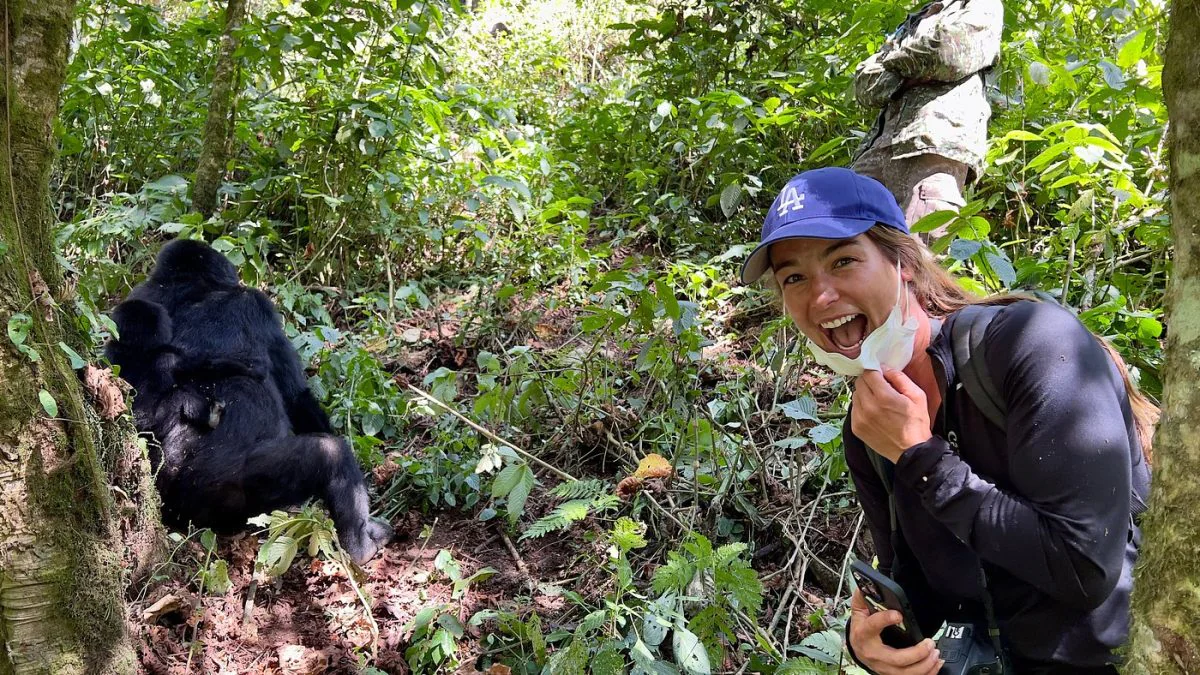
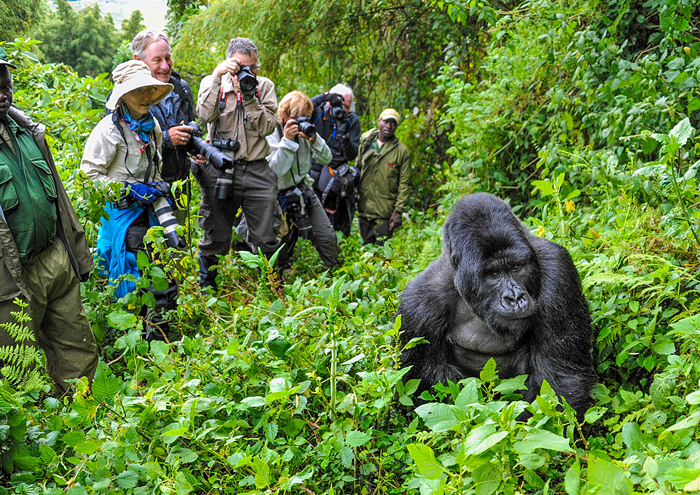
Time at sightings is the first and most critical distinction. On generic gorilla tours, the focus is often on reaching the group and returning efficiently. On a photography-led journey, the emphasis shifts to working within the permitted viewing window deliberately and calmly. Guides position photographers to observe behavior patterns, anticipate movement, and wait for moments of expression, rather than rushing from frame to frame. This measured approach allows for refinement, adjusting angles, backgrounds, and light as scenes unfold naturally.
Group size and access also shape the photographic outcome. Luxury gorilla photography tours are typically organized with small groups or private arrangements, reducing visual clutter and allowing greater freedom of movement. Fewer people in the forest means fewer distractions, quieter encounters, and more consistent shooting conditions. Where possible, permits and logistics are aligned to maintain this intimacy without compromising conservation protocols.
Pace control extends beyond the encounter itself. Photography-focused itineraries are built with flexible daily rhythms, allowing extra time for rest, preparation, and review. Trek starts, walking speed, and return timing are managed with the understanding that physical energy directly affects photographic concentration. By avoiding rushed schedules and long transfer days around trekking, photographers remain alert and responsive when it matters most.
Porter support plays an often underestimated role. In dense, humid forest terrain, carrying equipment can quickly become limiting. Dedicated porter assistance allows photographers to move more freely, protect sensitive gear, and maintain balance on uneven ground. This support is not about convenience; it is about enabling stability, safety, and sustained focus throughout the trek.
Finally, photographer-first logistics define the overall experience. Transport is planned to minimize fatigue before trekking days, lodge locations are chosen for proximity to trekking sectors, and guides understand how terrain, weather, and light affect photographic opportunity. Every element is aligned to support the act of photographing quietly and without unnecessary friction.
Together, these factors transform the experience. A luxury gorilla photography tour is not simply a gorilla trek with better hotels; it is a purpose-built photographic environment. By prioritizing time, space, and thoughtful pacing, Elevana creates conditions in which photographers can work ethically, comfortably, and with intention, delivering images that reflect both technical mastery and genuine connection.
Uganda Vs Rwanda for Gorilla Photography
Choosing between Uganda and Rwanda for gorilla photography is less about which is “better” and more about which photographic conditions best suit your style. Both destinations offer extraordinary access to mountain gorillas, but they differ in terrain, light, vegetation, and trekking dynamics differences that matter deeply to serious photographers.


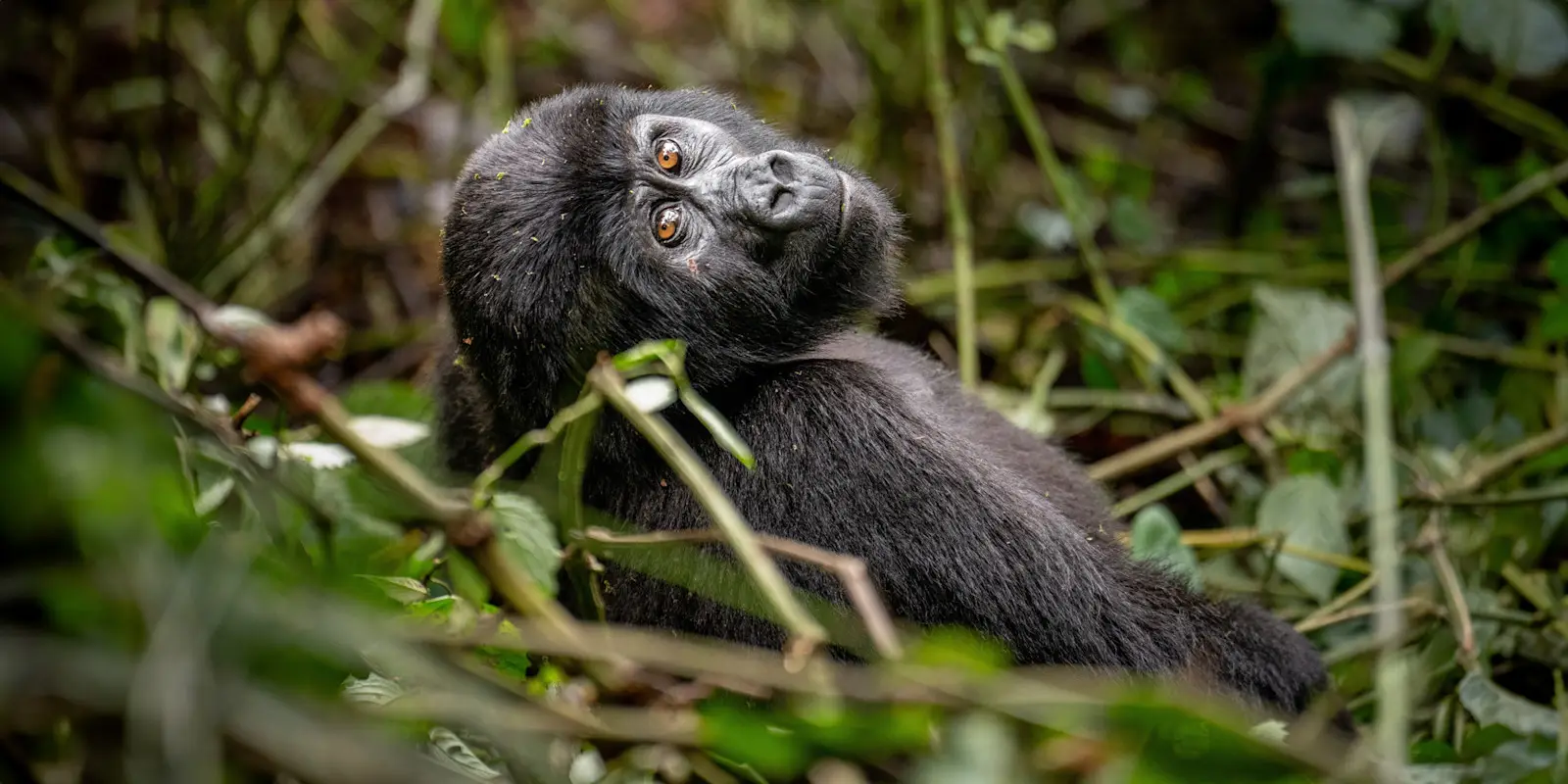
In Uganda, gorilla photography takes place primarily in Bwindi Impenetrable Forest, a vast, ancient rainforest defined by steep slopes, dense undergrowth, and layered canopy. Treks here often feel exploratory. Distances to gorilla families can vary, and encounters may unfold in visually complex environments where framing requires patience and anticipation. The reward is atmosphere: textured backgrounds, dramatic depth, and intimate forest scenes that emphasize mood and context. Light in Bwindi Impenetrable Forest is typically soft and diffused, filtered through thick foliage ideal for expressive portraits and storytelling images that convey place as much as subject.
Rwanda offers a contrasting photographic environment in Volcanoes National Park. The terrain is more open, shaped by volcanic slopes, bamboo zones, and alpine vegetation. Treks are generally shorter and more predictable, with quicker access to gorilla families. For photographers, this often translates into cleaner sightlines, more consistent backgrounds, and slightly brighter natural light. The volcanic landscape introduces graphic elements, repeating stems, open clearings, and strong lines—that lend themselves well to composition-driven imagery.
Vegetation density is one of the most noticeable differences. Bwindi’s forest can be visually dense, requiring photographers to work carefully with foreground elements and shallow depth of field to isolate subjects. Rwanda’s vegetation, while still lush, tends to be more forgiving, allowing for clearer separation between gorillas and their surroundings. Neither is inherently superior; each simply demands a different approach.
Trek duration and physical effort also influence photographic readiness. In Uganda, longer and more variable treks can add to the sense of immersion but require careful energy management to ensure focus at the encounter. In Rwanda, shorter treks mean photographers often arrive fresher, which can be advantageous when working quickly with changing light or active groups.
Permit styles and management further shape the experience. Uganda’s approach reflects the scale and diversity of Bwindi Impenetrable National Park, with a wide range of trekking sectors and conditions. Rwanda’s system is highly structured and efficient, emphasizing predictability and smooth logistics. From a photography perspective, this affects pacing, preparation time, and overall rhythm rather than access itself.
For many photographers, the most compelling choice is not Uganda or Rwanda, but Uganda and Rwanda together. Experiencing both forests within a single journey provides a broader visual portfolio and a deeper understanding of how environment shapes subject. It also removes uncertainty for buyers, replacing hesitation with clarity, an essential step for photographers planning a once-in-a-lifetime gorilla photography experience.
Professional Guiding & Photography Support
(Expert-Led · Ethical · Unobtrusive)
A guided gorilla photography tour is defined by the quality of its guiding. In environments as sensitive and dynamic as mountain gorilla habitats, professional support is not about directing outcomes, but about creating the right conditions for photographers to work responsibly and effectively.


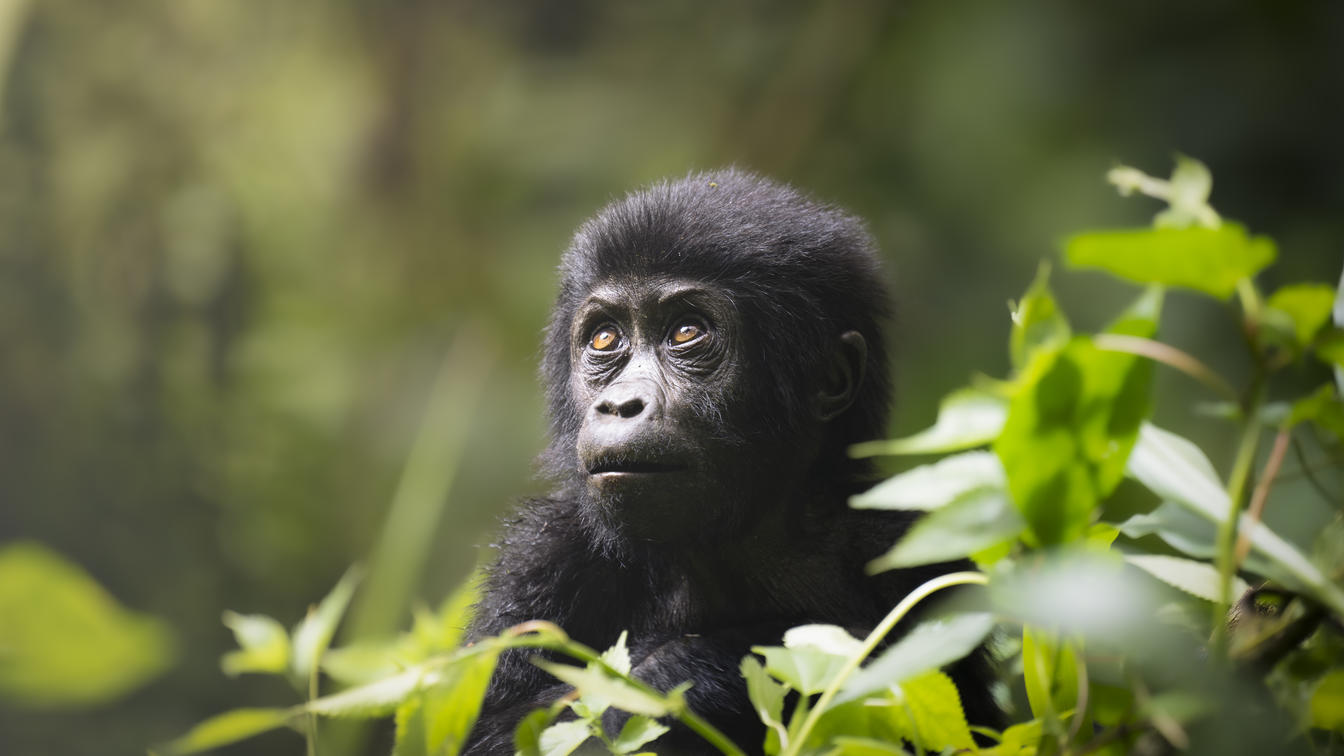
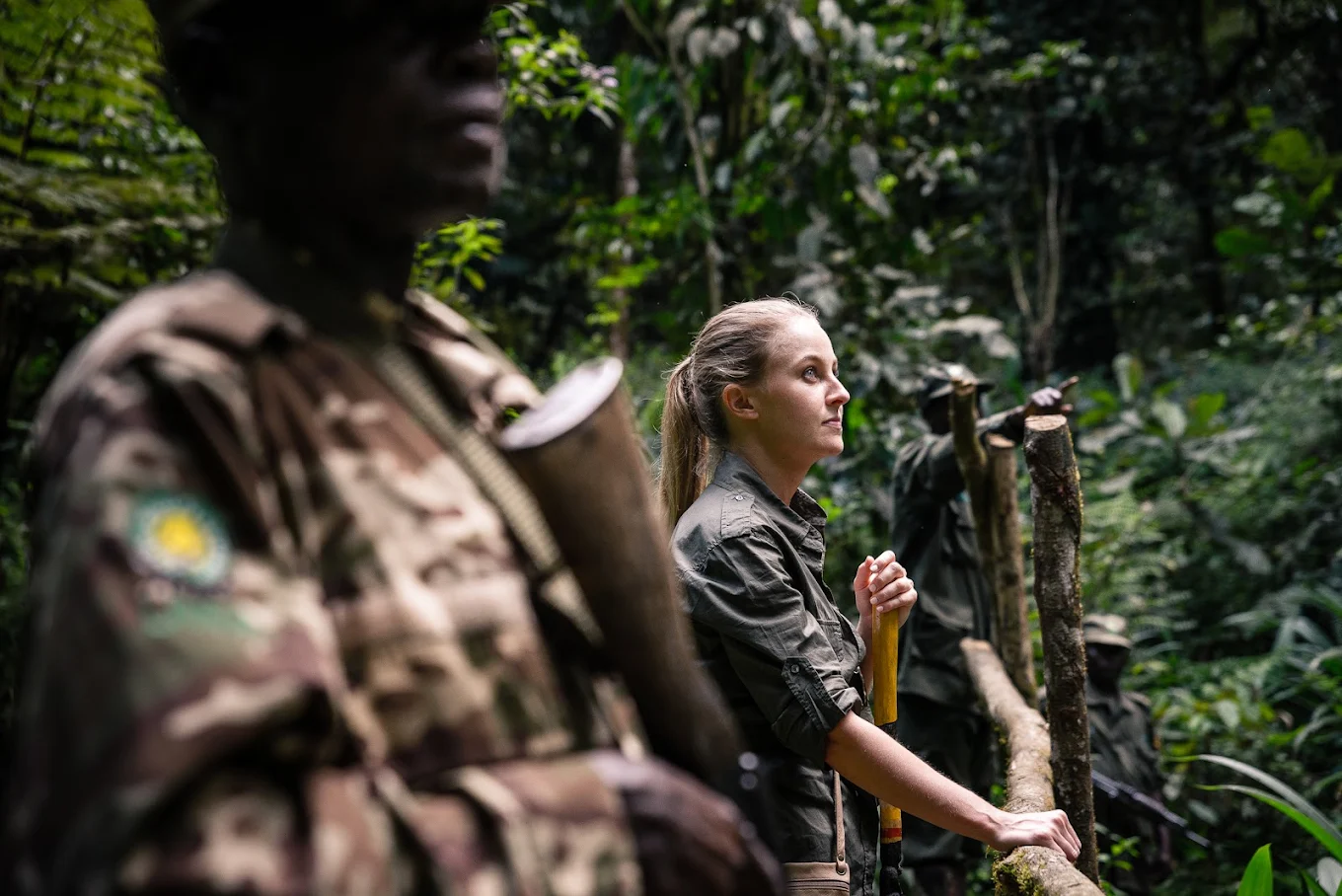
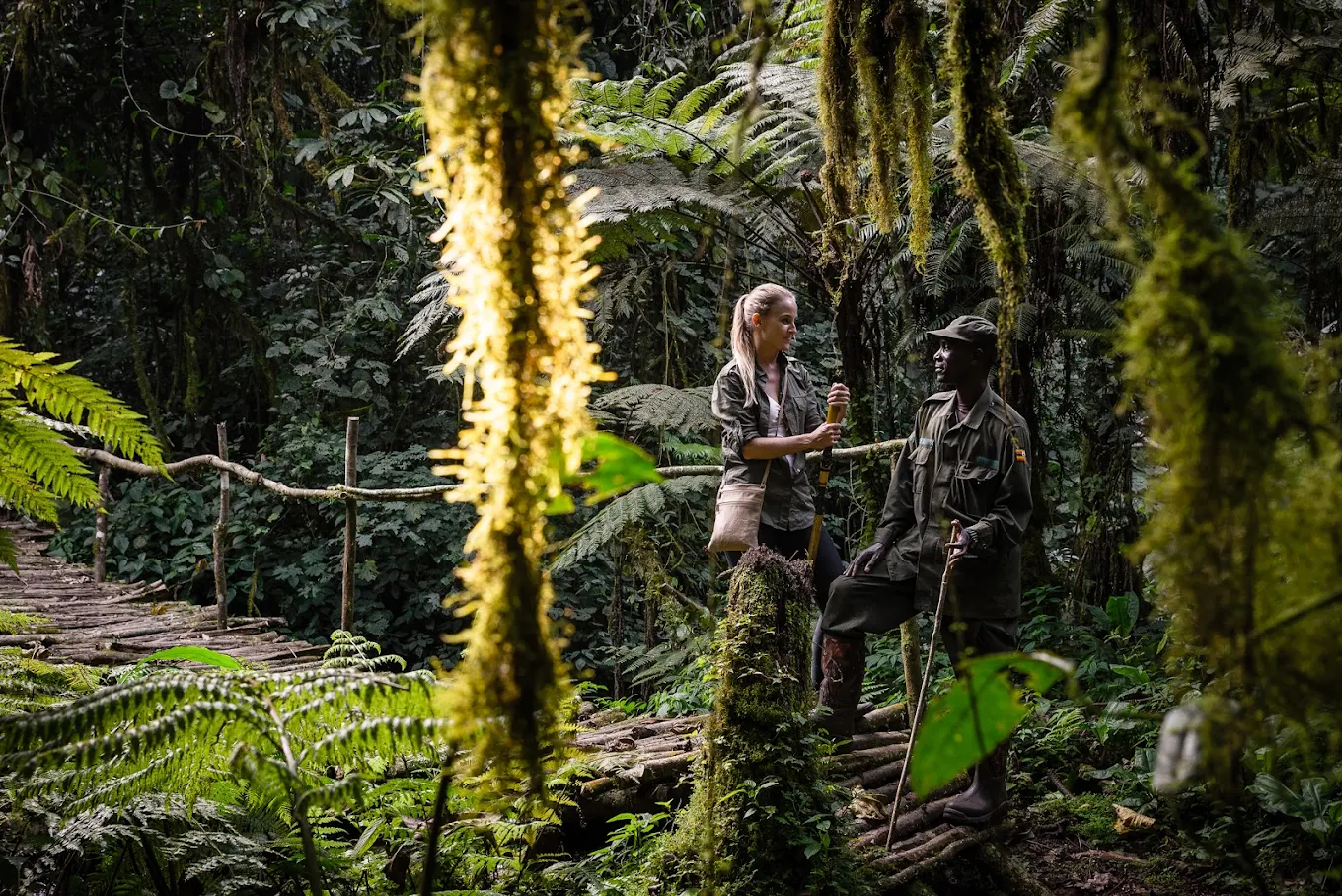
Elevana’s luxury gorilla photography tours are led by specialist guides with deep field experience in gorilla tracking and forest navigation. Their expertise lies in understanding gorilla behavior over time recognizing feeding patterns, resting phases, and subtle cues that signal movement. This allows photographers to prepare mentally and technically, positioning themselves with intention rather than reacting under pressure.
Ethical positioning is central to every encounter. Guides provide quiet, situational advice on where to stand, when to pause, and how to maintain appropriate distance without disrupting the group. These decisions are made in real time, always within conservation regulations, ensuring that photography remains respectful and aligned with long-term protection efforts.
Movement anticipation is another key component of professional support. Gorillas rarely remain static; they shift gradually through the forest as they feed or interact. Experienced guides read these transitions early, helping photographers adjust framing and lens choices before moments unfold. This foresight supports fluid shooting rather than hurried repositioning.
Forest environments present unique challenges for light and weather. Canopy density, mist, rain, and shifting cloud cover can change conditions within minutes. Guides factor these elements into the pace of the trek and the positioning of the group, helping photographers adapt to low-light scenarios without compromising safety or ethics. This awareness is especially important for maintaining composure and consistency in demanding photographic conditions.
Throughout the experience, support remains deliberately non-intrusive. There are no instructions to stage scenes, no attempts to influence behavior, and no assurances of specific outcomes. Instead, logistics, timing, and group coordination are managed quietly in the background, allowing photographers to focus entirely on observation, composition, and storytelling.
This level of professional, understated guidance is what elevates a standard trek into a luxury gorilla photography tour one that prioritizes integrity, expertise, and the photographer’s craft above all else.
Camera Gear, Settings & Field Conditions
(Practical Insight · Field Reality · Photographer-Focused)
A luxury gorilla photography tour places unique demands on both equipment and technique. Forest environments, close-range encounters, and strict ethical guidelines mean that success depends less on extreme gear and more on appropriate preparation and adaptability. Understanding these field realities allows photographers to arrive confident and work efficiently when opportunities arise.
Lens choice is best approached by focal range rather than brand. In dense forest, flexibility matters more than reach. Mid-range telephoto lenses are often the most practical, allowing photographers to frame portraits and behavioral scenes without constant repositioning. Wider focal ranges also have value for environmental context, particularly when gorillas are moving through vegetation or interacting within family groups. Ultra-long lenses are rarely necessary and can be restrictive in close quarters.
Low-light conditions are an unavoidable part of gorilla photography. Canopy cover, mist, and shifting weather reduce available light even during midday hours. Photographers should be prepared to work comfortably at higher ISO settings and to rely on image stabilization rather than fast shutter speeds alone. Patience and an understanding of when to prioritize expression over absolute sharpness are key skills in this environment.
Weather protection is essential. Rain can arrive quickly, and humidity is constant. Simple, reliable protection for cameras and lenses, such as rain covers or weather-sealed bags, helps prevent disruption during encounters. Clothing choices also matter; quick-drying layers and gloves with tactile control support comfort without interfering with camera handling.
Carrying comfort is another critical consideration. Gorilla treks often involve uneven terrain, steep inclines, and narrow paths. Compact camera bags that allow easy access without constant removal are preferred. Porter support is available and strongly recommended, enabling photographers to conserve energy and focus on movement, framing, and timing rather than weight management.
Battery and storage planning should reflect the reality of remote forest locations. Charging opportunities may be limited between lodges and trekking areas, so carrying sufficient spare batteries is essential. High-capacity memory cards reduce the need for mid-trek changes, allowing photographers to remain fully engaged during the encounter. Keeping equipment simple and organized minimizes distraction at critical moments.
By preparing for these conditions, photographers position themselves to work calmly and effectively in one of wildlife photography’s most demanding settings. This practical awareness combined with professional guiding ensures that a luxury gorilla photography tour supports both creative focus and ethical field practice, rewarding those who value preparation as much as opportunity.
Sample Luxury Gorilla Photography Itineraries
(Illustrative · Flexible · Photographer-Led)
The following examples illustrate how luxury gorilla photography tours can be structured around time, access, and photographic intent. They are not fixed packages. Each journey is refined around your experience level, creative goals, preferred pace, and the seasonal conditions at the time of travel.
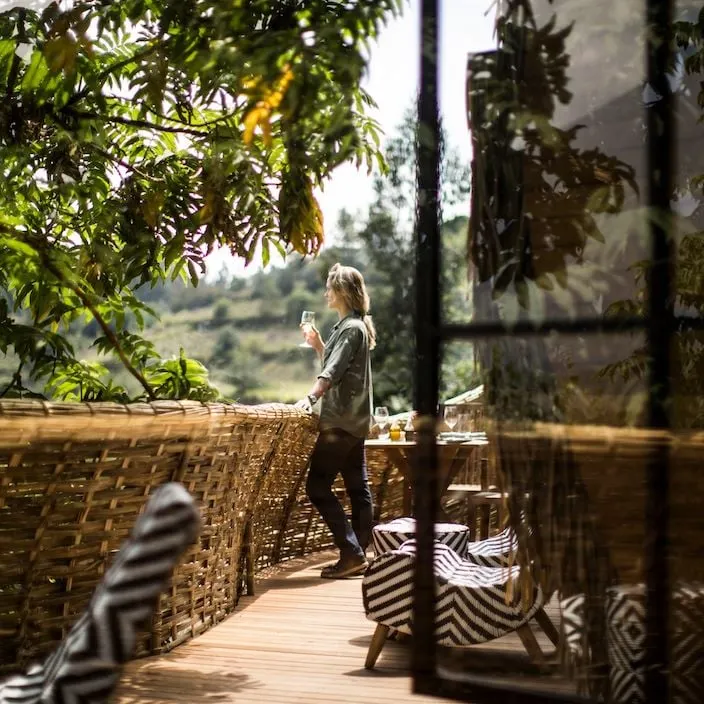
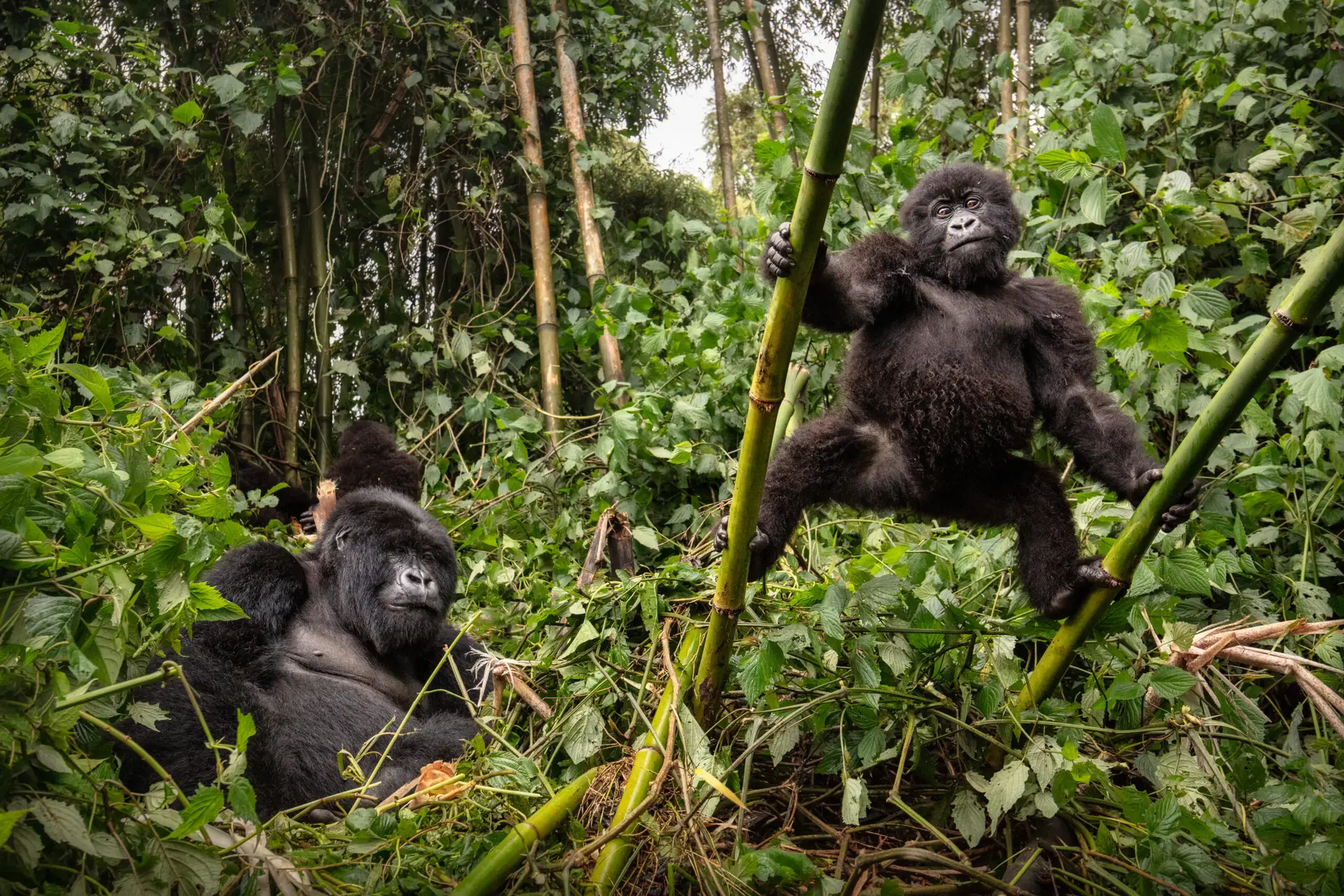
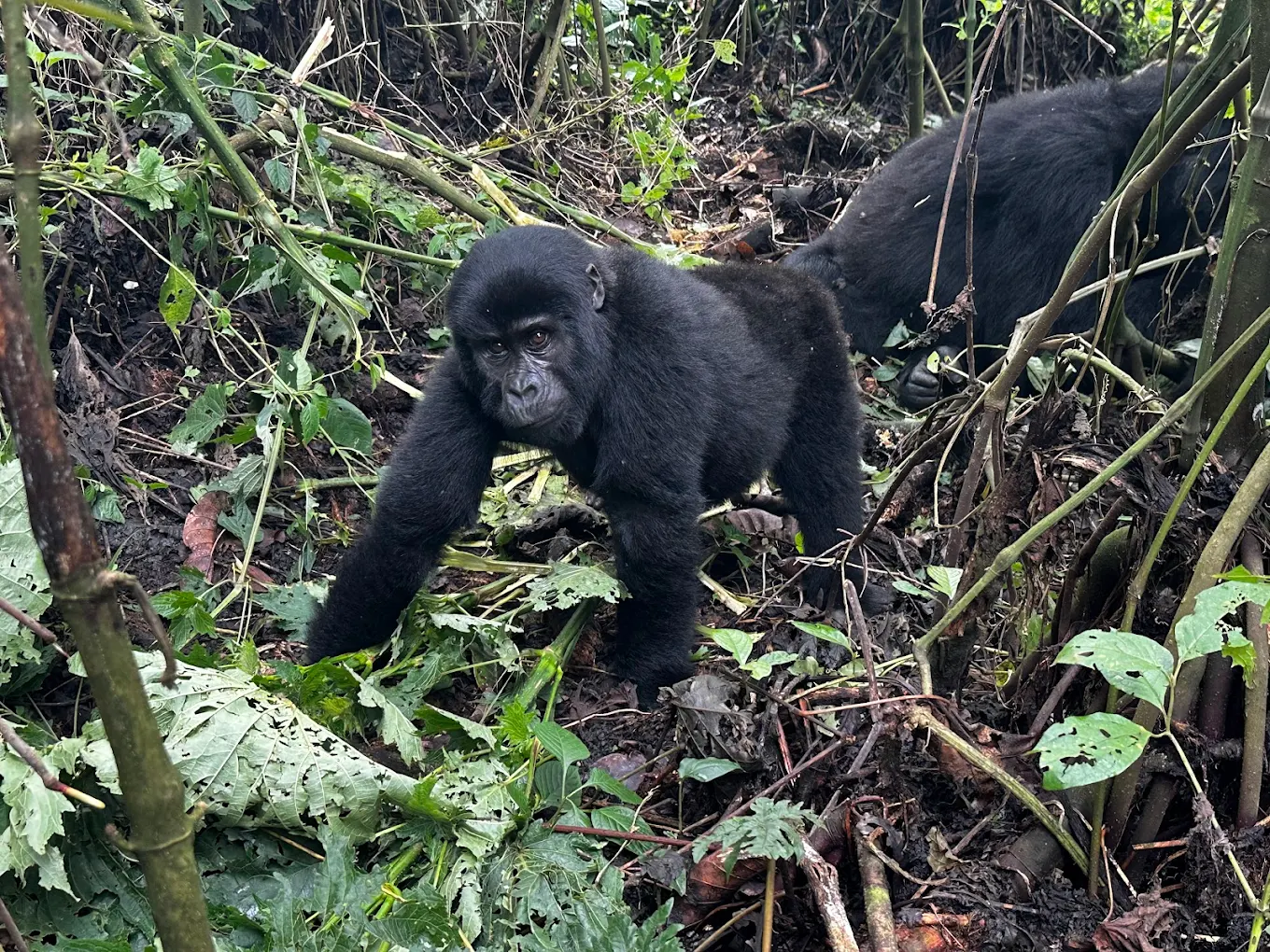
5–6 Day Focused Gorilla Photography Tour
This short-format itinerary is designed for photographers whose primary objective is intensive gorilla photography. Travel is streamlined to reduce transit time, with lodge positioning close to trekking sectors and minimal distractions between shooting days.
The focus is on preparation, patience and repetition, allowing photographers to work within forest conditions, refine technique, and respond to behavior over consecutive encounters. This format suits professionals, workshop participants, or serious hobbyists seeking depth rather than variety.
8–10 Day Uganda or Rwanda Photography Safari
A longer, single-country photography safari provides balance between gorilla encounters and complementary primate or wildlife experiences. In Uganda, this may include gorillas in Bwindi Impenetrable National Park paired with chimpanzee photography in Kibale National Park, offering contrasting forest environments and behavioral opportunities.
In Rwanda, gorilla photography can be combined with golden monkeys or forest landscapes, with compact distances allowing for relaxed pacing and consistent light management. This structure is ideal for photographers who want a cohesive body of work from one destination, without the pressure of constant relocation.
Uganda + Rwanda Combined Photography Journey
For photographers seeking the fullest perspective, a combined Uganda and Rwanda itinerary delivers contrast and comparison within a single journey. Dense rainforest environments in Uganda are paired with Rwanda’s more open volcanic terrain, creating diverse visual outcomes and a broader portfolio.
This format emphasizes thoughtful sequencing using flights and efficient transfers to preserve energy and allows photographers to experience how terrain, vegetation, and light influence gorilla imagery across regions. It is particularly well suited to storytellers and conservation-focused photographers aiming to document context as well as subject.
Each of these sample itineraries demonstrates how a luxury gorilla photography tour can be shaped around photographic priorities rather than rigid schedules. Duration, lodge selection, and daily structure remain flexible, ensuring the final journey supports creative intent, ethical practice, and sustained focus in the field.
Best Time for Gorilla Photography
(Seasonal Insight · Light · Atmosphere)
A luxury gorilla photography tour can be undertaken throughout the year, but seasonal changes in Uganda and Rwanda directly affect light quality, forest density, and the overall photographic mood. Understanding these variations allows photographers to plan around creative priorities rather than assumptions about “good” or “bad” seasons.
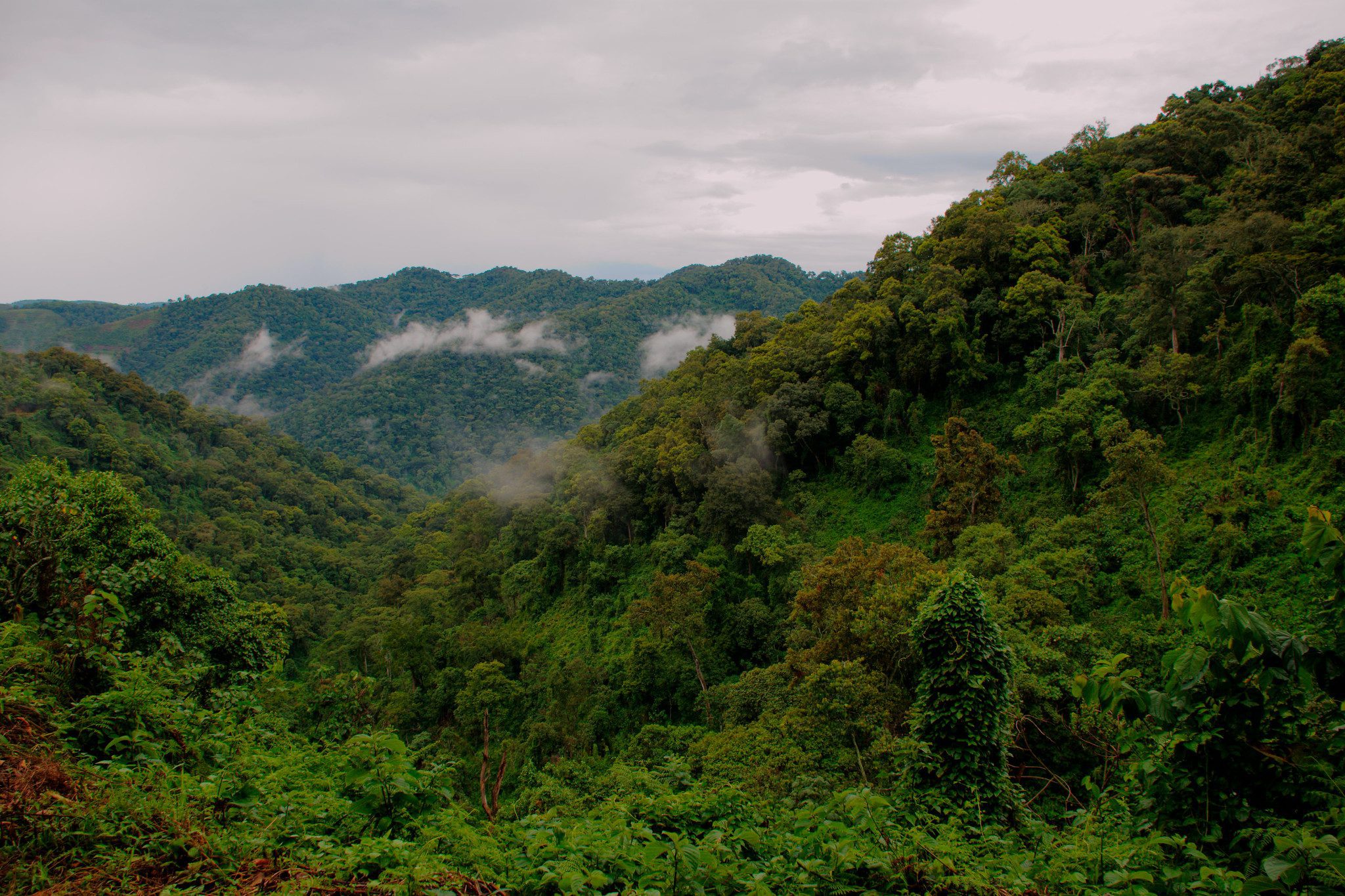
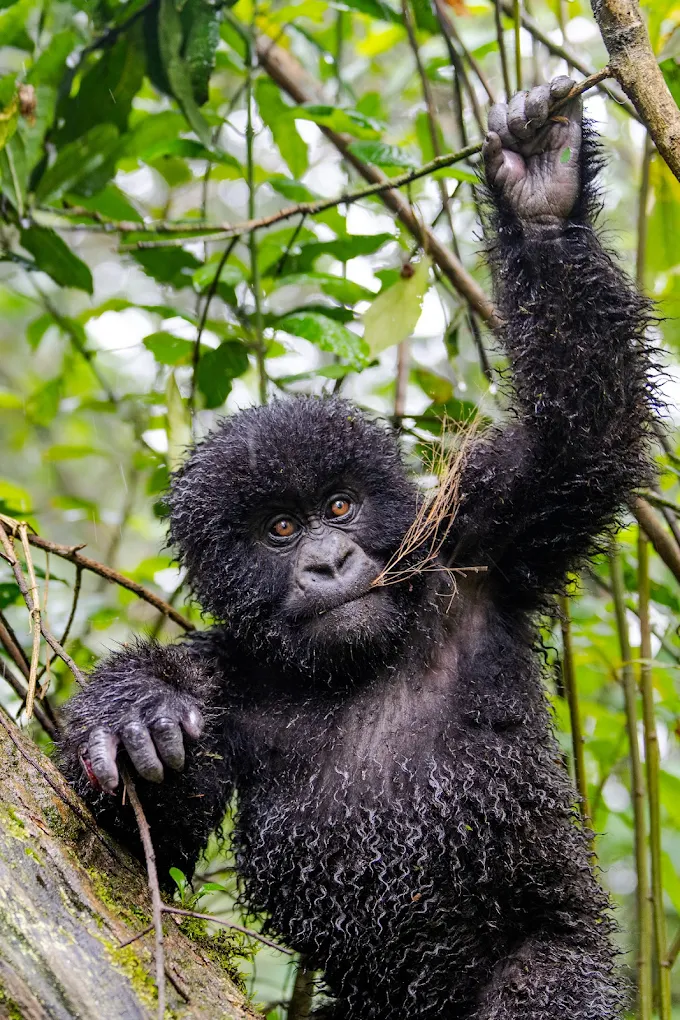
January – February | Dry Season Clarity
These months offer relatively stable weather and easier forest access. Trails are drier, and canopy cover is slightly thinner, allowing for marginally brighter conditions in the forest. Light remains soft and diffused, well suited to expressive portraits and detail work. Visitor numbers are moderate, and permit demand is steady, making this a reliable period for photographers seeking consistency.
March – May | Long Rains & Atmospheric Depth
The long rainy season transforms gorilla habitats into rich, layered environments. Rainfall increases forest density, deepens greens, and introduces mist and low cloud that add mood and texture to images. While light levels drop, the atmosphere becomes more cinematic. Fewer visitors on the trails allow for calmer encounters, and permit availability improves, offering greater flexibility in planning.
June – August | Peak Dry Season & Predictability
This period is the most popular for gorilla trekking and photography. Conditions are generally drier, with more predictable access and stable footing. Forests are slightly less dense, providing clearer sightlines. Light remains subdued under the canopy, but consistency benefits photographers who prefer controlled conditions. Higher visitor numbers mean permits and lodges must be secured well in advance.
September – October | Transitional Balance
As light rains return, forests regain vibrancy without becoming overly dense. This transition period offers a balance between atmospheric conditions and manageable trekking. Crowds thin compared to peak season, and photographers often benefit from refreshed landscapes paired with workable light and improved permit availability.
November – December | Green Season & Visual Richness
Short rains bring renewed life to the forest, enhancing texture, color, and background depth. Mist and moisture contribute to evocative imagery, particularly for photographers drawn to storytelling and environmental context. While light levels remain low, careful exposure and timing reward patient shooters. Permit demand is generally lower outside holiday periods.
Permit Demand & Planning Considerations
Gorilla photography access is regulated year-round, with permit availability influenced by season and destination. Peak dry months require early planning, while green and shoulder seasons offer greater flexibility and fewer distractions in the field. Forest density and light conditions change gradually across the year, affecting not only aesthetics but also the pace at which images can be captured.
For photographers, the best time is ultimately defined by creative intent. Whether seeking clarity, atmosphere, or contrast, each season offers distinct opportunities within a well-planned luxury gorilla photography tour.
Who These Tours Are Ideal For
(Clear Fit · Buyer Qualification · Intent Filtering)
These luxury gorilla photography tours are designed for travelers who approach wildlife photography with purpose and patience.
They are particularly well suited to professional photographers who require time, control, and ethical access to work deliberately in challenging forest environments. The structure supports focus, consistency, and the ability to respond thoughtfully to behavior rather than chasing moments.
Serious hobbyists with a strong technical foundation will find these tours equally rewarding. With professional guiding, realistic pacing, and photographer-first logistics, experienced enthusiasts are able to deepen their craft and return with work that reflects growth rather than chance.
For wildlife storytellers, gorillas offer narrative depth expression, interaction, and context that go beyond isolated portraits. These journeys are designed to support that storytelling, allowing images to emerge organically within intact habitats.
Conservation photographers value the ethical framework of these tours. Access is regulated, behavior is respected, and encounters are conducted in alignment with long-term protection goals ensuring imagery is created responsibly and with integrity.
Finally, repeat Africa travelers seeking something more nuanced than traditional safari experiences will appreciate the focus, restraint, and depth of a photography-led primate journey. This is not about ticking destinations, but about engaging fully with one of wildlife photography’s most demanding subjects.
Why Elevana for Gorilla Photography
(Quiet Confidence · Experience-Led)
Elevana designs photography journeys with an understanding that access alone does not create meaningful images. What matters is preparation, pacing, and professional support that respects both subject and photographer. From specialist guides to carefully sequenced logistics, every element is aligned to reduce friction and allow photographers to work calmly and ethically in the field.
Our role is not to promise outcomes, but to create the conditions in which strong images can emerge consistently, responsibly, and without compromise.
A Word from the Field
“Working with Elevana felt considered and unforced. The guiding was discreet, the pace was right, and the experience allowed space for observation rather than urgency.”
These luxury gorilla photography tours are designed to be tailored, not templated, shaped around your photographic goals, experience level, and preferred pace.