
Eco-Luxury Gorilla Trekking – Sustainable High-End Travel in Uganda and Rwanda
For many travelers, the words luxury and sustainability still feel like opposites. Luxury is often associated with excess, while sustainability is framed as restraint. Eco-Luxury Gorilla Trekking challenges that outdated assumption entirely.
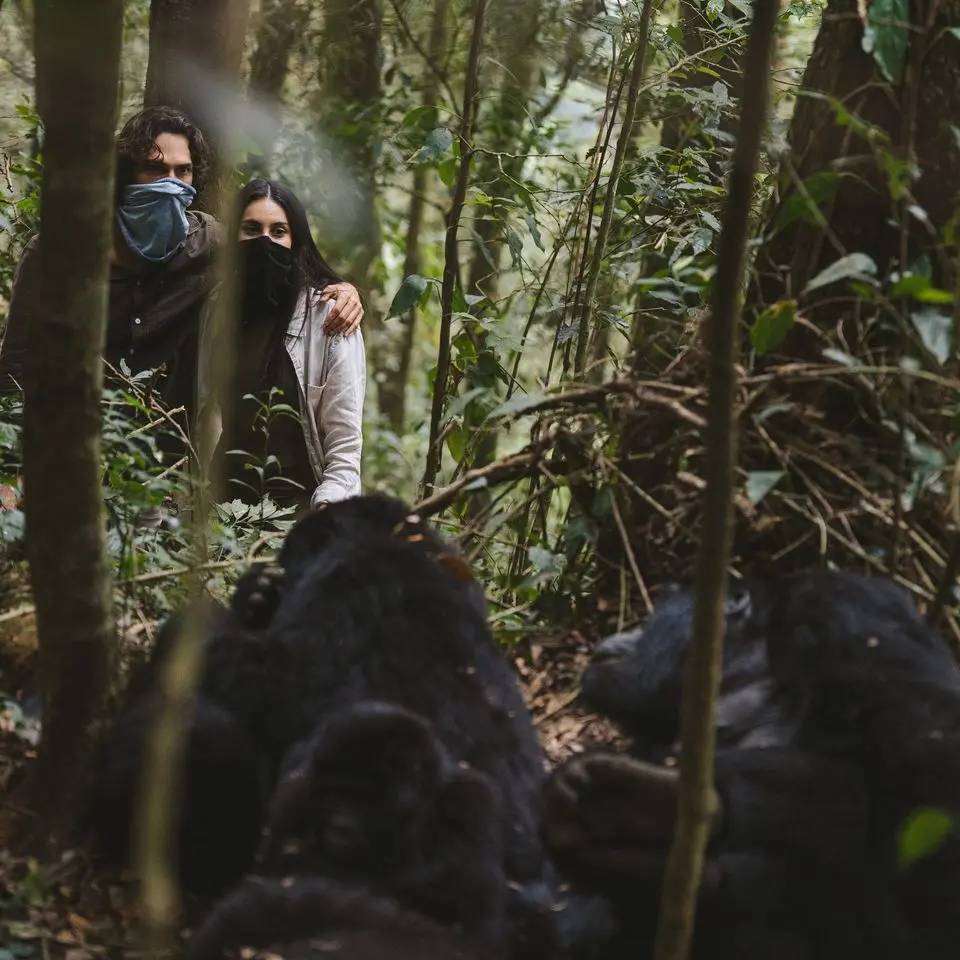
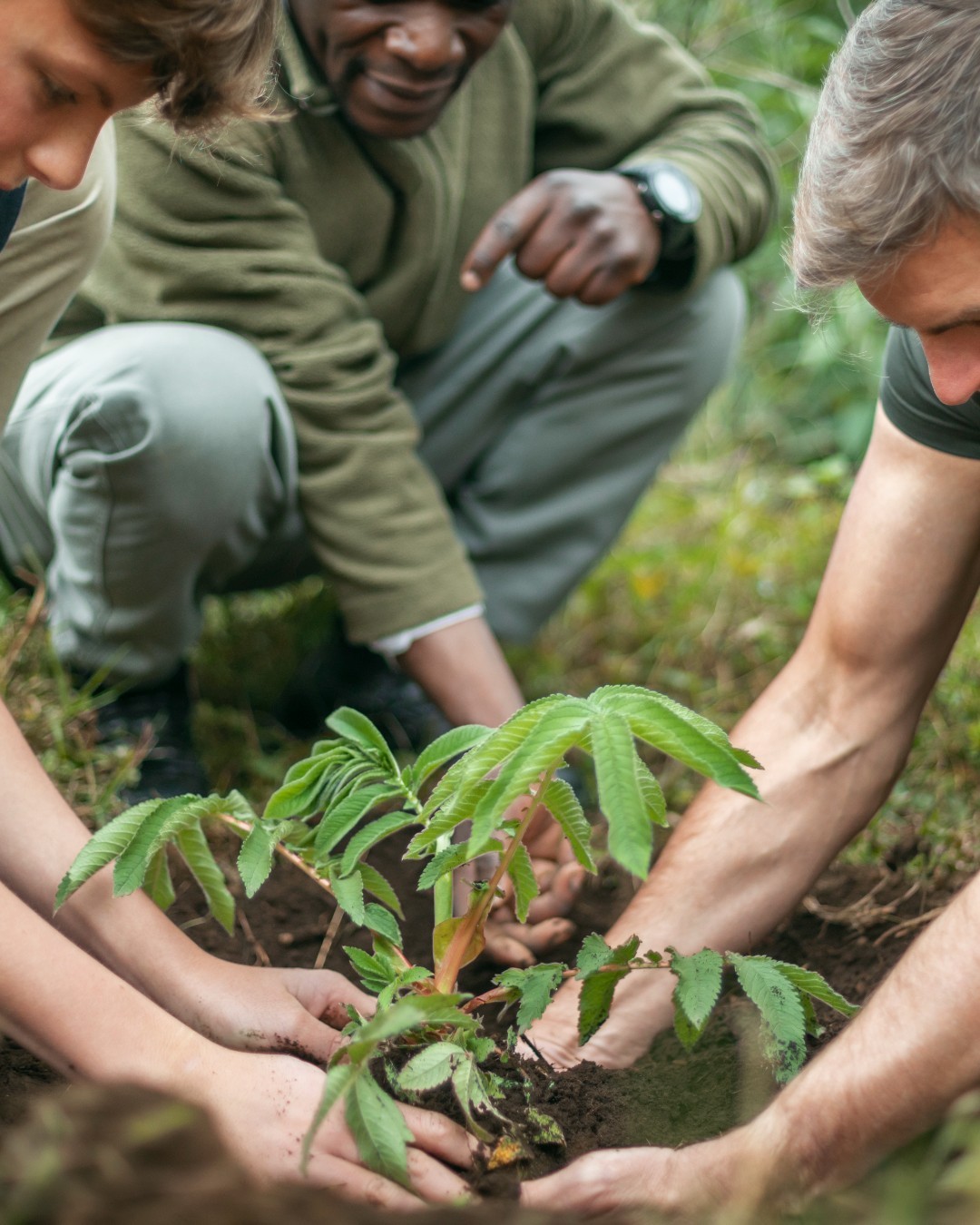
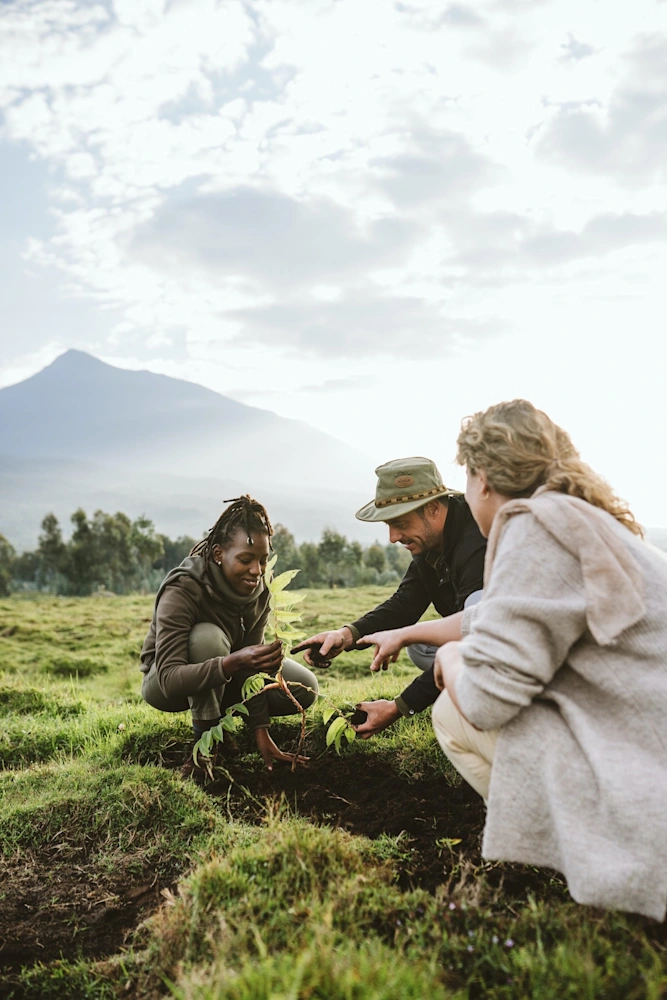
In the forests of Uganda and Rwanda, luxury and sustainability do not compete with one another — they depend on each other. The very survival of mountain gorillas, the protection of ancient forests, and the wellbeing of surrounding communities are funded through carefully controlled, high-value travel. Comfort exists not despite conservation, but because of it.
Eco-Luxury Gorilla Trekking is not about consuming less comfort. It is about creating more value with less impact. It is intentional travel designed for guests who want refined experiences that actively protect what they have come to see.
This Eco-Luxury Gorilla Trekking guide explains what Eco-Luxury Gorilla Trekking truly means, why it has become a global model for sustainable tourism, and why Uganda and Rwanda now stand at the center of responsible high-end travel in Africa.
Eco-Luxury Gorilla Trekking & Sustainable High-End Safaris in Uganda and Rwanda
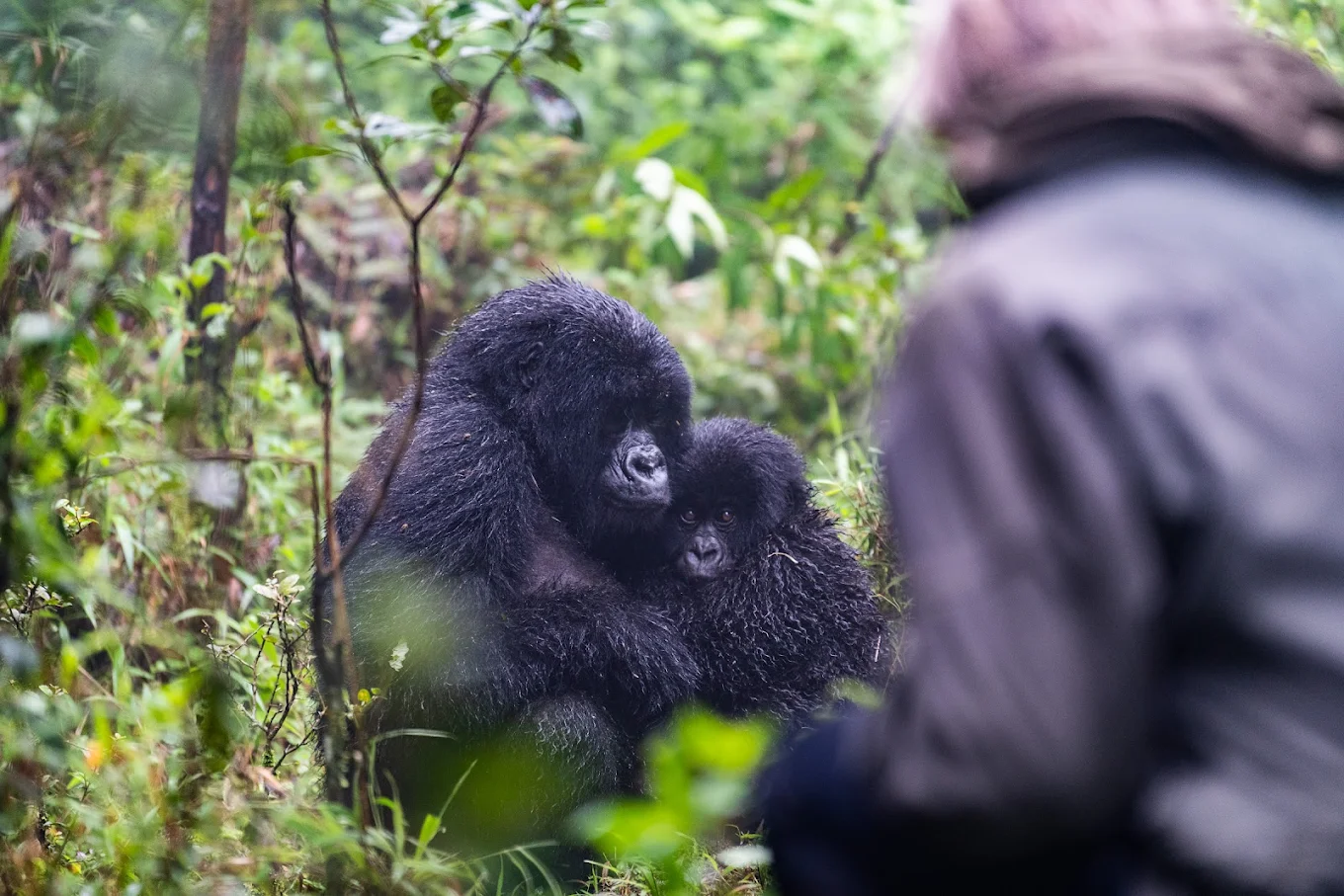
Eco-Luxury Gorilla Trekking in Uganda
A responsible high-end gorilla trekking journey focused on conservation, low-impact travel, and ethical wildlife encounters in Bwindi.
Request a Quote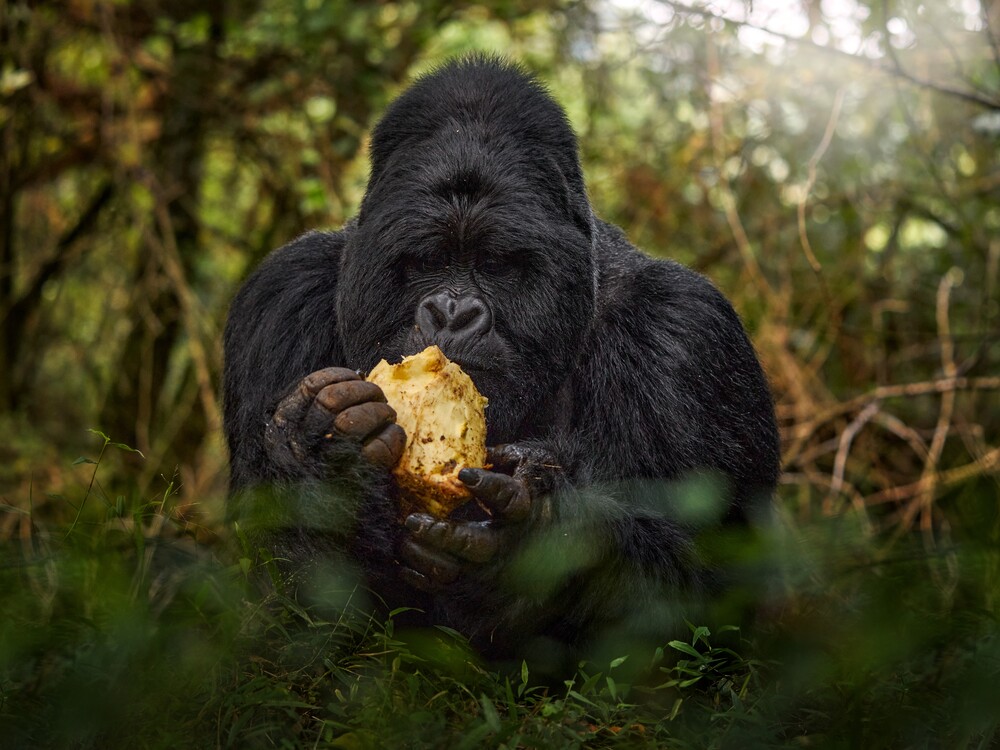
Sustainable Luxury Gorilla Safaris – Uganda
Designed for conscious travelers seeking luxury gorilla trekking that actively supports forest conservation and local livelihoods.
Request a Quote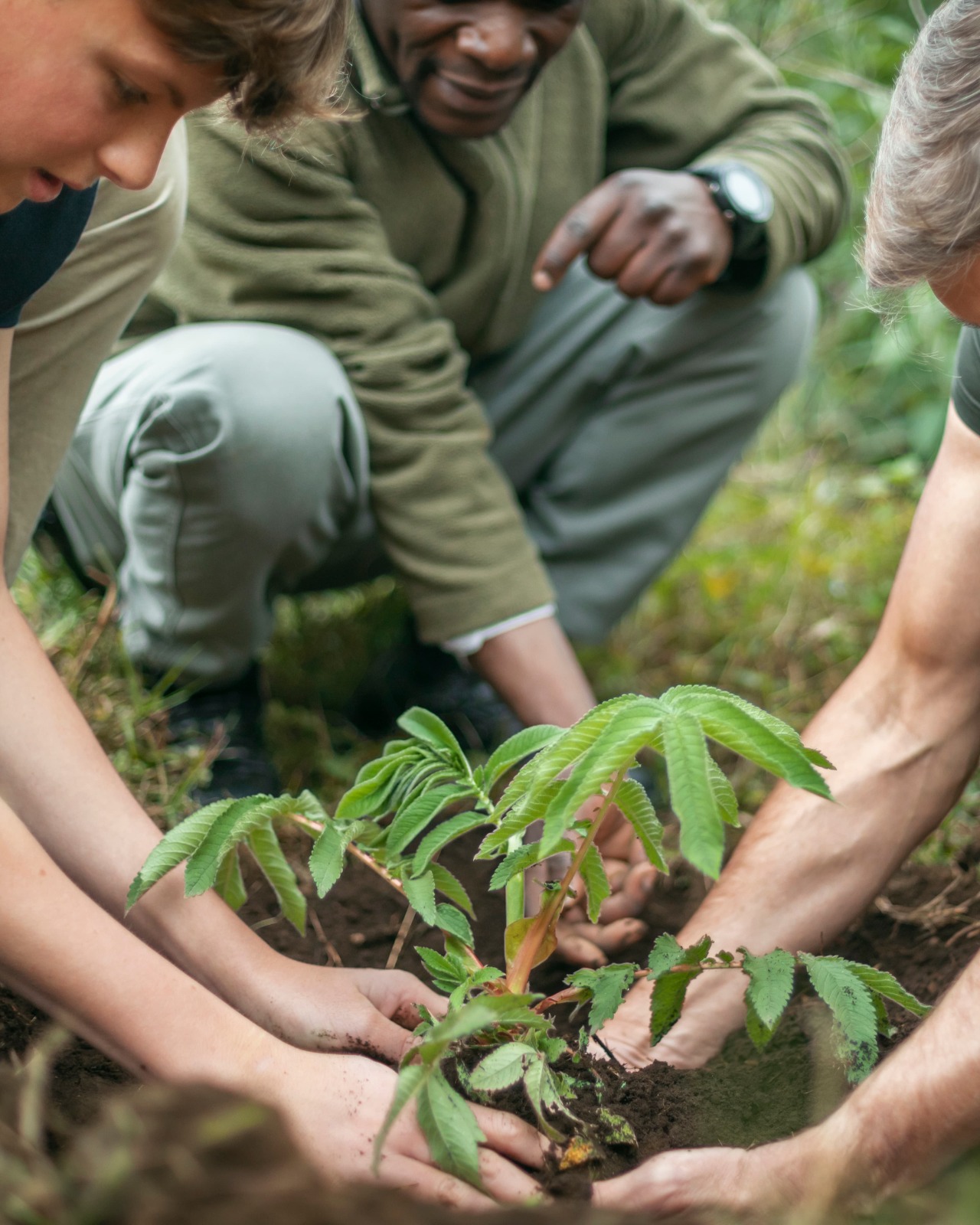
Low-Impact Gorilla Trekking Experiences
Carefully curated eco-luxury safaris that minimize environmental footprint while maximizing meaningful wildlife engagement.
Request a Quote
Conservation-Led Luxury Gorilla Trekking
Travel with purpose on gorilla safaris that directly contribute to conservation programs and habitat protection.
Request a Quote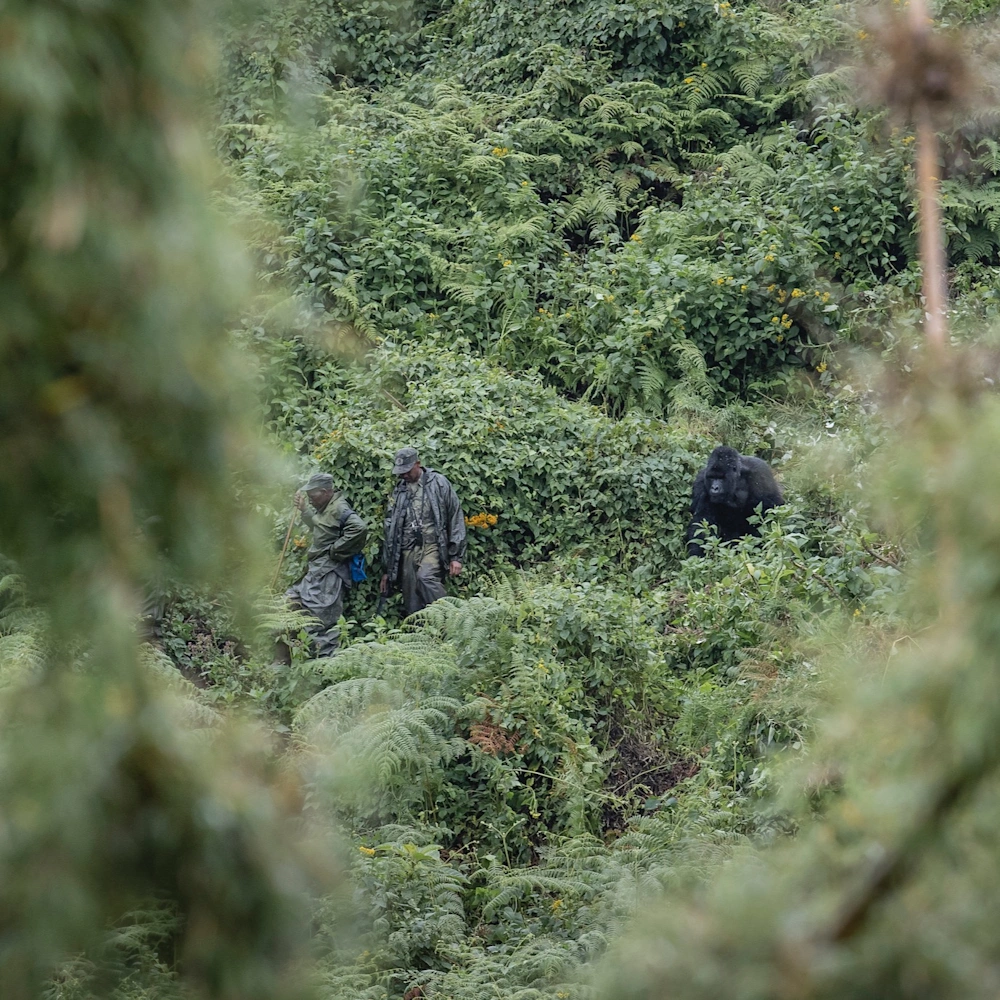
Eco-Friendly Gorilla Trekking in Bwindi
An immersive eco-luxury experience inside Bwindi Impenetrable Forest, balancing comfort with environmental responsibility.
Request a Quote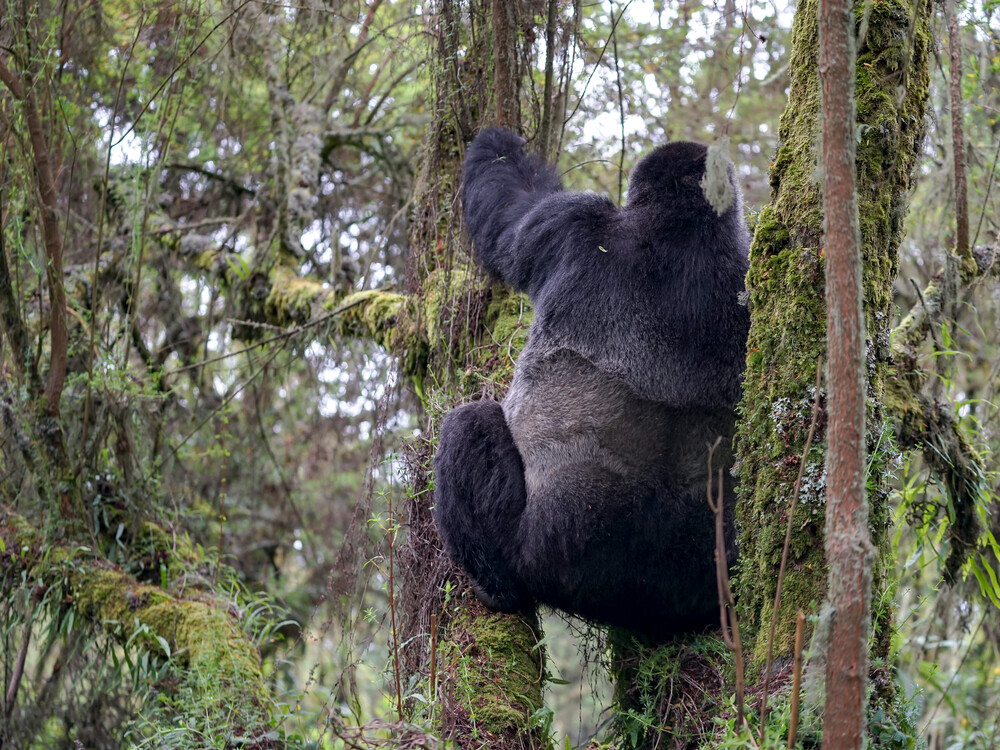
Sustainable Gorilla Honeymoon – Rwanda
A refined eco-luxury honeymoon experience combining gorilla trekking, privacy, and sustainability in Volcanoes National Park.
Request a Quote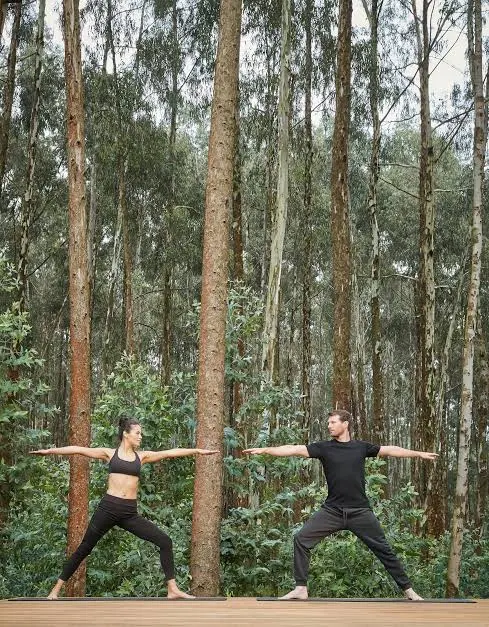
Eco-Luxury Gorilla Lodges in Rwanda
Stay at conservation-focused luxury lodges that blend architectural excellence with environmental stewardship.
Request a Quote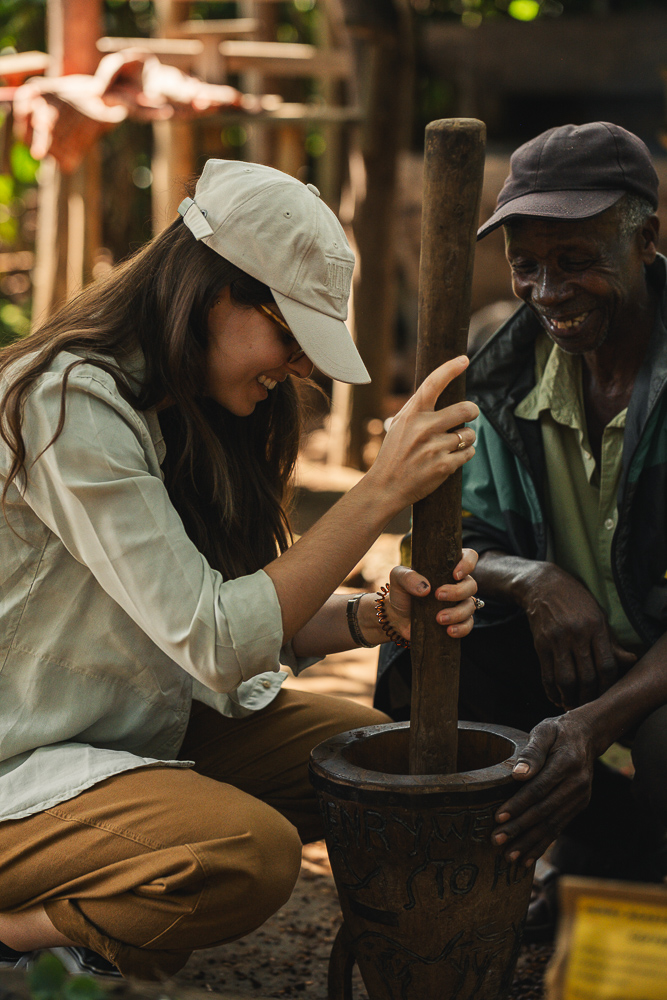
Community-Based Luxury Gorilla Safaris
Eco-luxury journeys that support local communities through ethical tourism partnerships and cultural engagement.
Request a Quote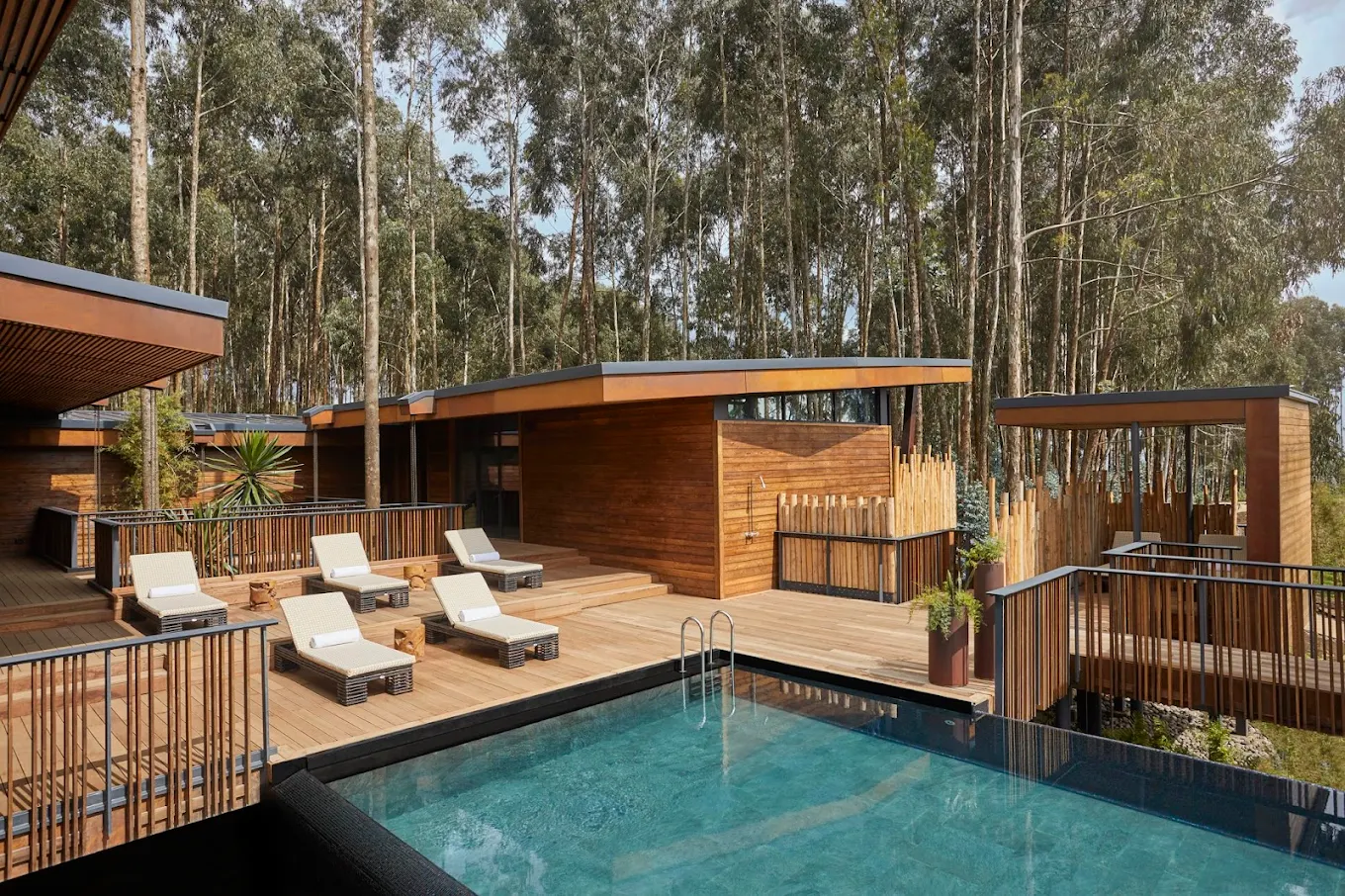
Responsible Luxury Gorilla Trekking – Rwanda
A high-end gorilla trekking experience built on sustainability, conservation funding, and ethical tourism practices.
Request a Quote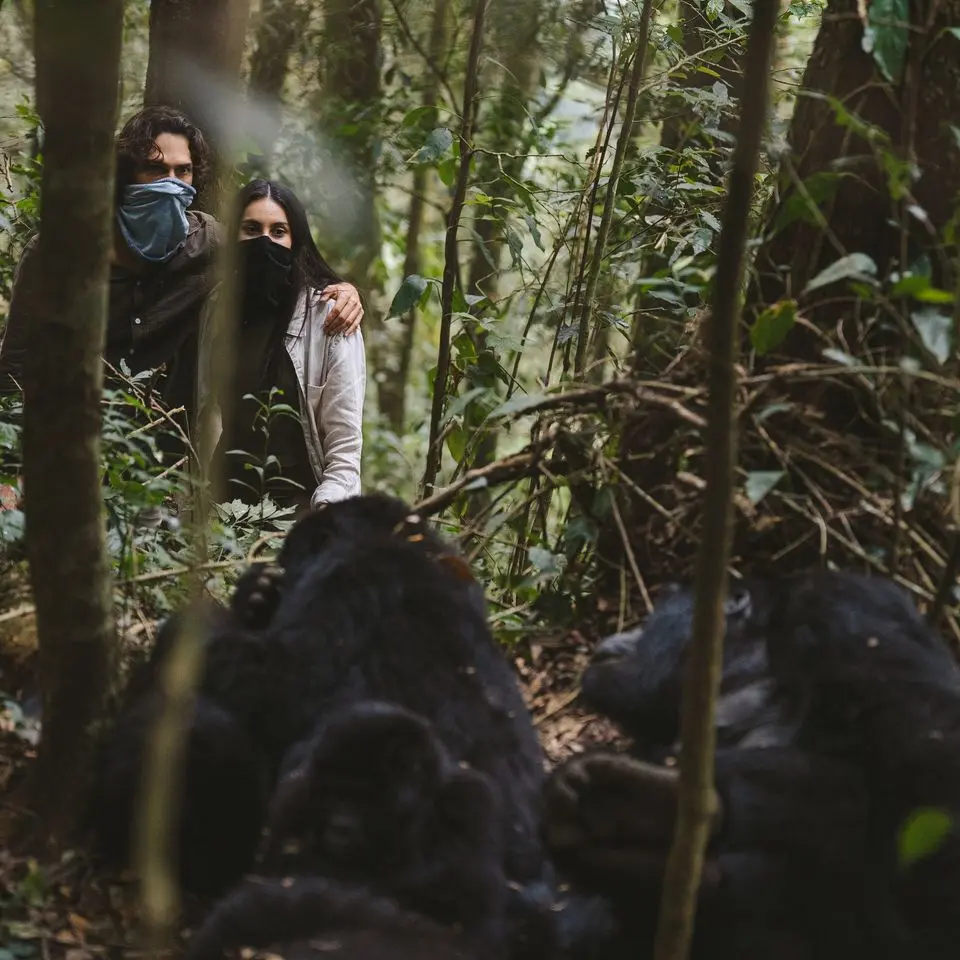
Eco-Luxury Gorilla Safaris for Families
Thoughtfully designed family-friendly gorilla safaris that emphasize education, conservation, and responsible travel.
Request a Quote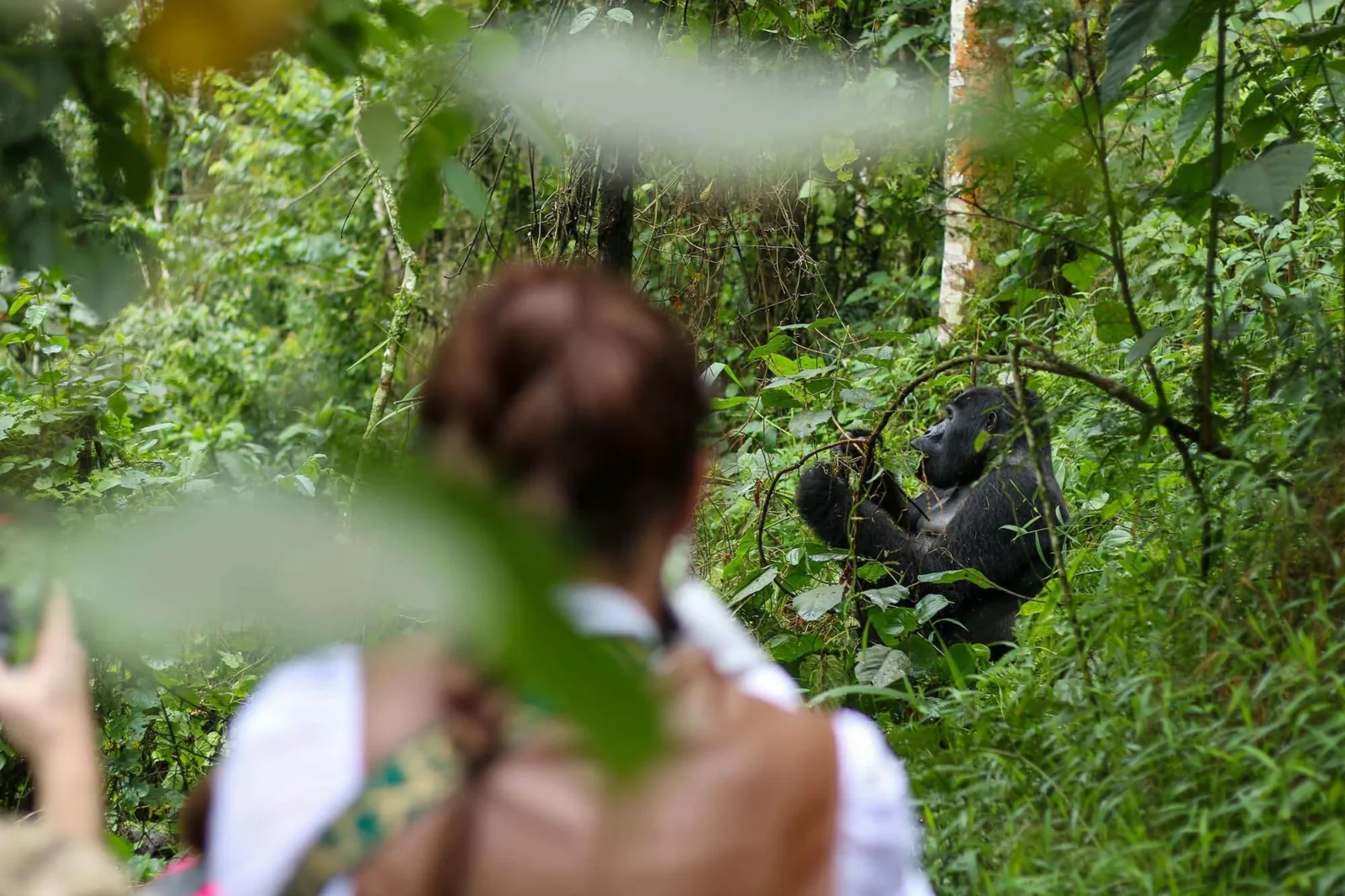
Ethical Wildlife Viewing Gorilla Trekking
Experience gorillas responsibly through strict ethical guidelines that protect wildlife and preserve natural behavior.
Request a Quote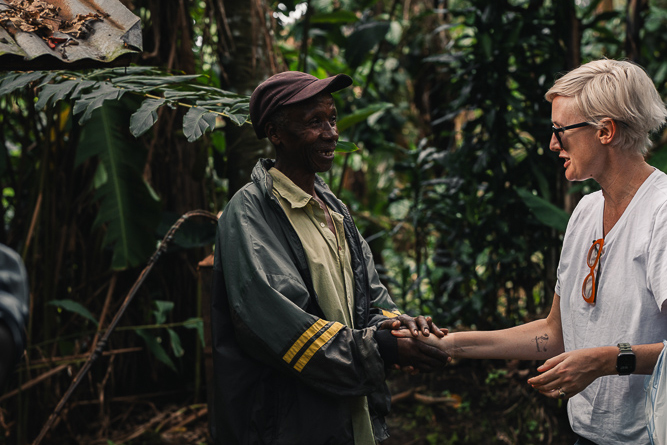
Sustainable High-End Gorilla Safaris
The pinnacle of eco-luxury travel, combining responsible gorilla trekking, conservation impact, and refined comfort.
Request a QuoteWhat Is Eco-Luxury Gorilla Trekking?
Eco-Luxury Gorilla Trekking is a form of high-end travel built on conservation first, comfort second, and impact always. Unlike traditional luxury tourism, where sustainability is often added as an afterthought, Eco-Luxury Gorilla Trekking is structured from the ground up around protection, regulation, and responsibility.
The difference between standard luxury travel and eco-luxury lies in intention. Standard luxury focuses on exclusivity through amenities. Eco-luxury focuses on exclusivity through restraint — fewer visitors, limited access, and strict controls that preserve fragile environments. In gorilla trekking, this restraint is not symbolic; it is enforced daily through permit caps, group size limits, and non-negotiable conservation rules.
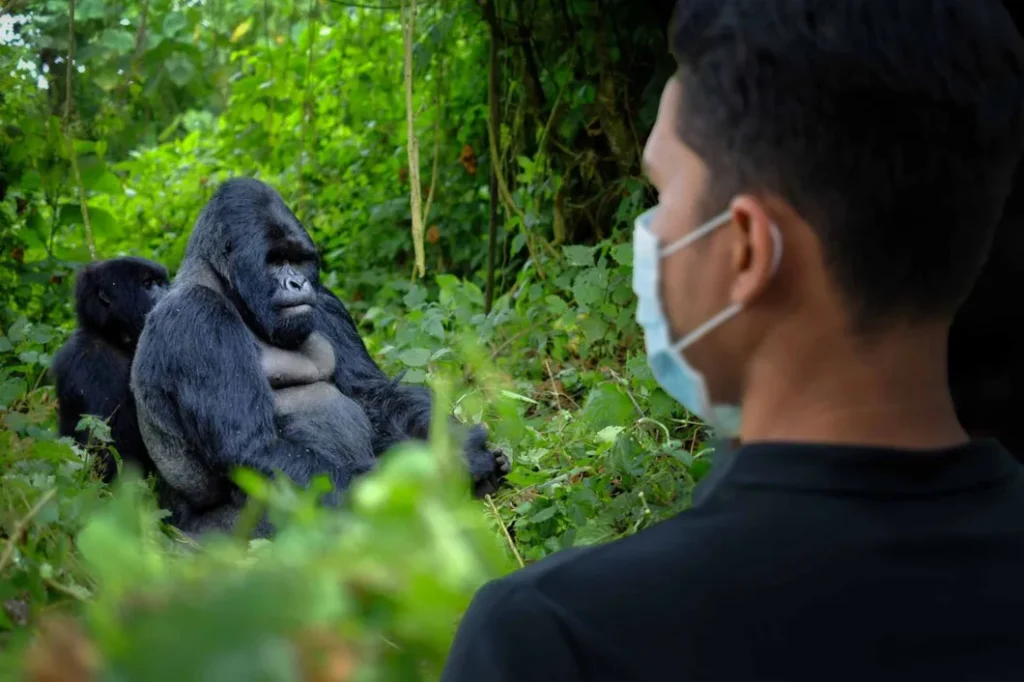
Gorilla trekking is inherently conservation-led. Every visitor enters the forest under strict supervision, follows established protocols, and contributes directly to the survival of the species through permit fees and park revenue. This makes Eco-Luxury Gorilla Trekking one of the rare travel experiences where sustainability is not a marketing layer, but the operational core.
Luxury in this context is not about excess. It is about thoughtful logistics, professional guiding, quiet comfort, and the confidence that comes from knowing your presence supports protection rather than pressure.
Why Gorilla Trekking Is the Foundation of Sustainable Tourism in Uganda and Rwanda
Few wildlife experiences in the world demonstrate sustainable tourism as clearly as gorilla trekking. In both Uganda and Rwanda, gorilla trekking has shaped national conservation strategies, community livelihoods, and global perceptions of responsible travel.
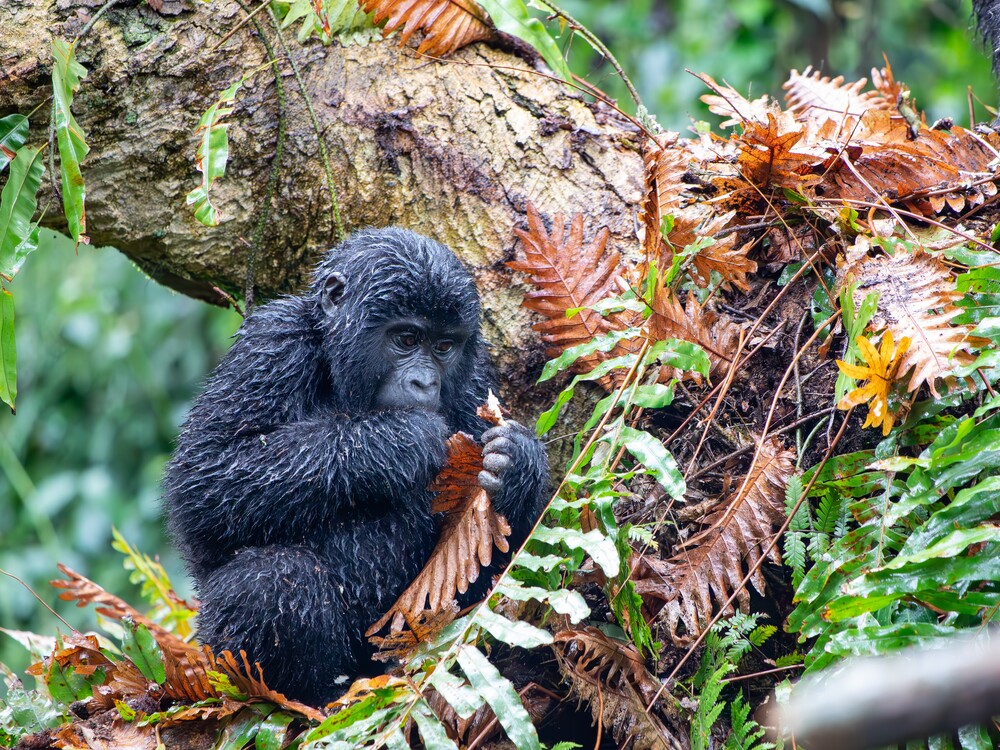
At the heart of Eco-Luxury Gorilla Trekking is strict limitation. Daily permit caps control how many people can visit gorilla families, ensuring that tourism never overwhelms wildlife. Unlike mass tourism models that rely on volume, gorilla trekking relies on value per visitor, allowing fewer travelers to generate meaningful conservation revenue.
Community revenue sharing is another cornerstone of sustainable tourism in Uganda and Rwanda. A portion of every gorilla permit directly supports local communities living near protected areas. These funds are used for schools, health centers, infrastructure, and employment, creating a tangible incentive for conservation at the local level. When communities benefit from protecting forests, wildlife protection becomes a shared goal rather than an external imposition.
Long-term conservation models in both countries have proven that controlled luxury tourism can reverse decline. Mountain gorilla populations are one of the few great conservation success stories in Africa, and Eco-Luxury Gorilla Trekking has played a decisive role in that recovery. This is why sustainable tourism in Uganda and sustainable tourism in Rwanda are so closely associated with gorilla trekking on the global stage.
For travelers seeking meaningful impact, Eco-Luxury Gorilla Trekking offers transparency: the cost of the experience directly supports the systems that make it possible.
How Eco-Luxury Gorilla Trekking Protects Gorillas, Forests, and Communities
Eco-Luxury Gorilla Trekking works because protection is funded through quality, not quantity. Every element of the experience is designed to reduce pressure while increasing long-term benefit.
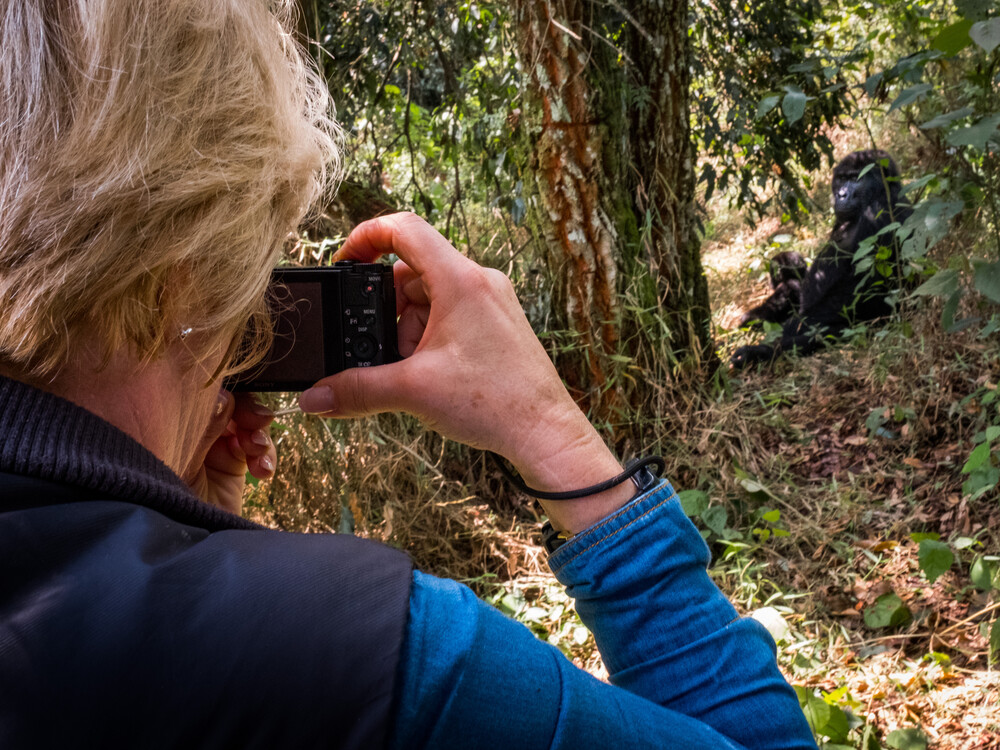
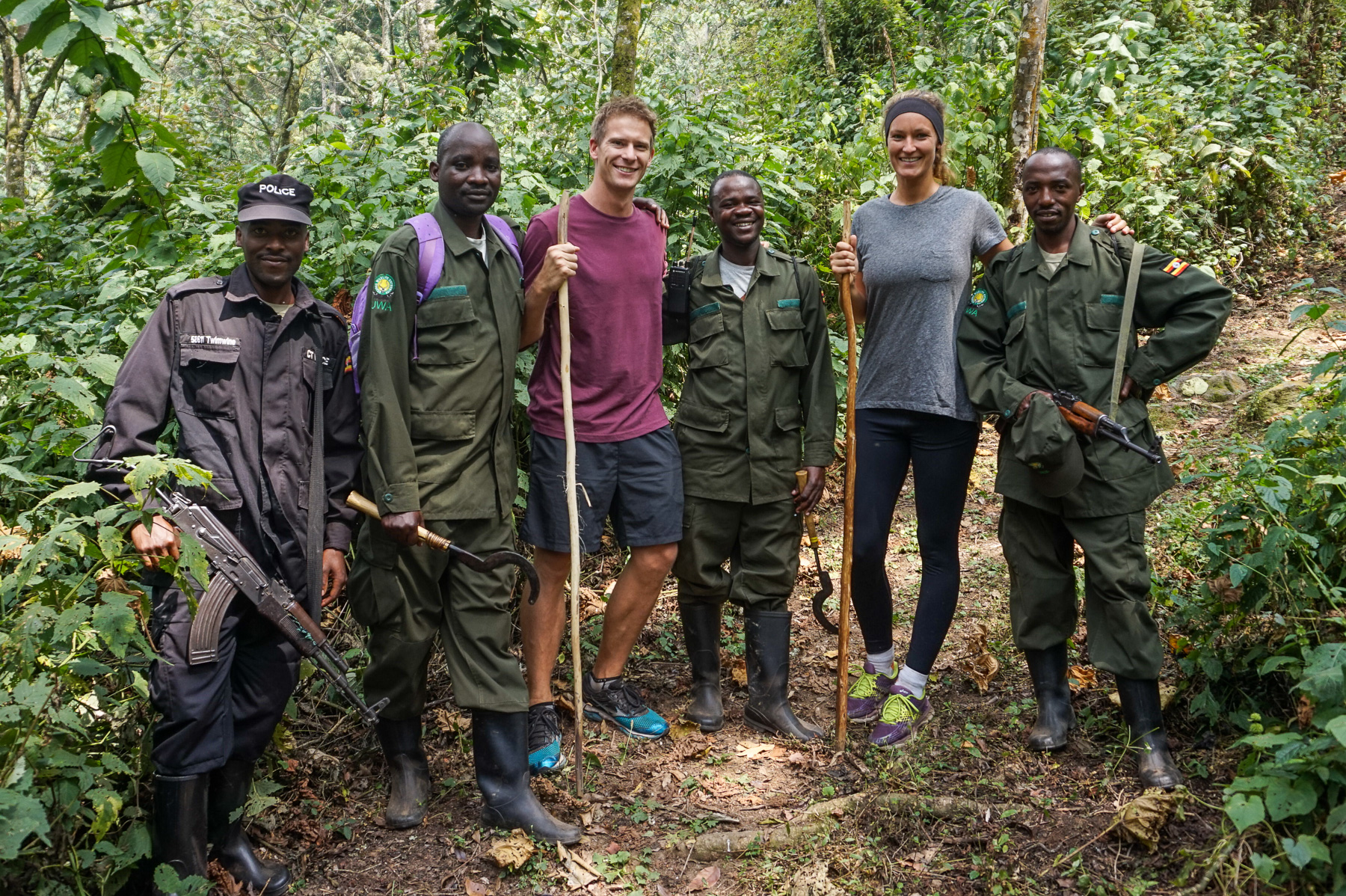
Veterinary programs are a critical part of this system. Dedicated wildlife health teams monitor gorilla families daily, responding to illness or injury and preventing the spread of disease between humans and gorillas. These programs are expensive, continuous, and entirely dependent on tourism revenue generated through eco-luxury models.
Ranger employment is another essential pillar. Gorilla trekking supports thousands of professional rangers, trackers, and guides whose livelihoods depend on conservation. Their presence ensures constant monitoring of gorilla movements, rapid response to threats, and strict enforcement of park rules. Without eco-luxury tourism, maintaining this level of protection would be financially impossible.
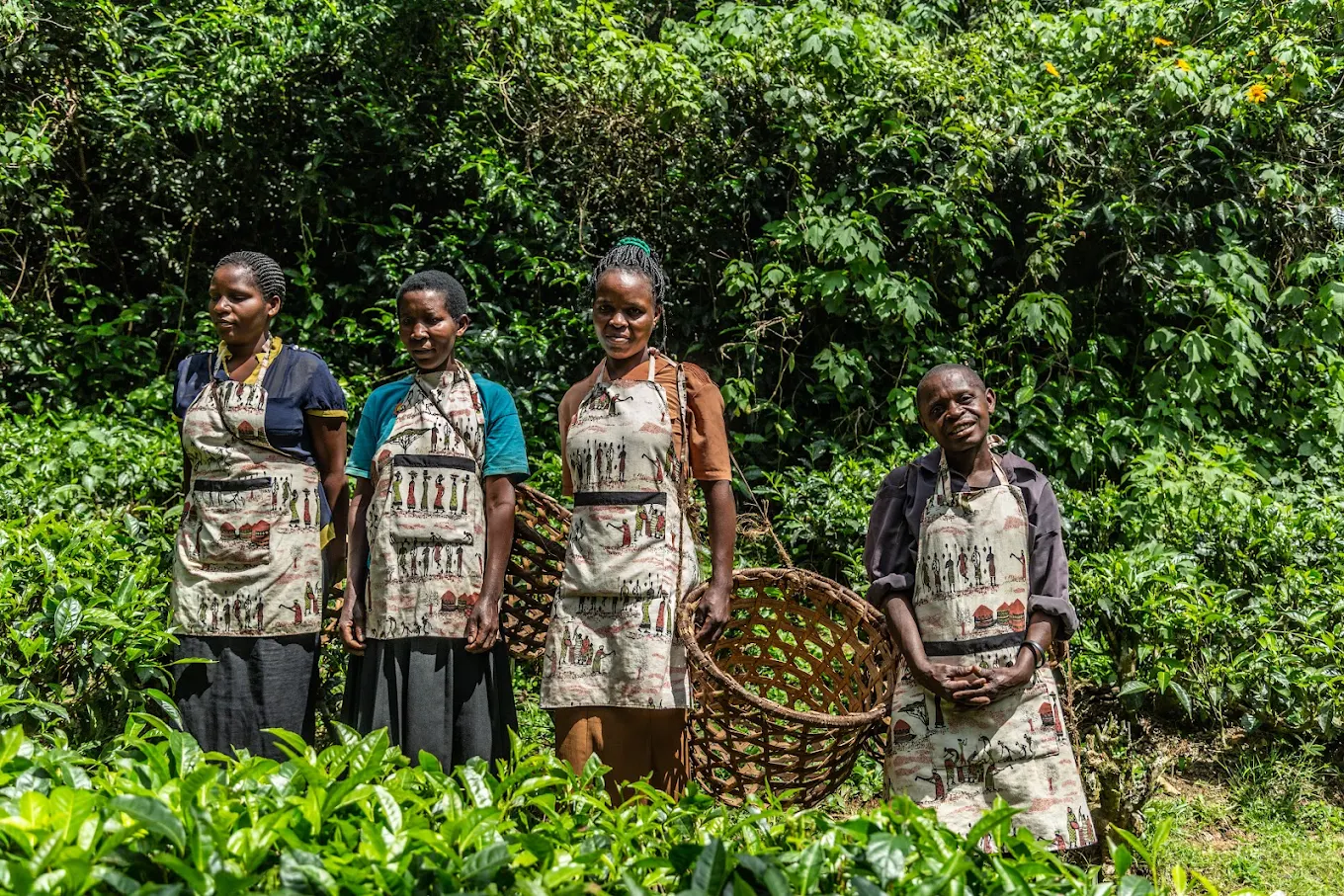
Local ownership and benefit complete the circle. Eco-Luxury Gorilla Trekking creates long-term incentives for communities to protect forests rather than convert them to agriculture or development. When livelihoods are linked to conservation, sustainability becomes self-reinforcing.
In this way, Eco-Luxury Gorilla Trekking protects ecosystems not through slogans, but through structure. Fewer travelers, higher value, and strict regulation allow forests to remain intact while communities thrive.
Uganda vs Rwanda — Two Leaders in Eco-Luxury Gorilla Trekking
Although Uganda and Rwanda share a commitment to sustainable tourism, their approaches to Eco-Luxury Gorilla Trekking reflect different national strategies both effective, both globally respected.
Uganda’s model emphasizes community integration. Gorilla trekking here is closely tied to local ownership, cultural inclusion, and regional development. Lodges often work directly with surrounding villages, sourcing staff, food, and services locally. This creates a deeply rooted conservation economy where benefits are widely distributed.
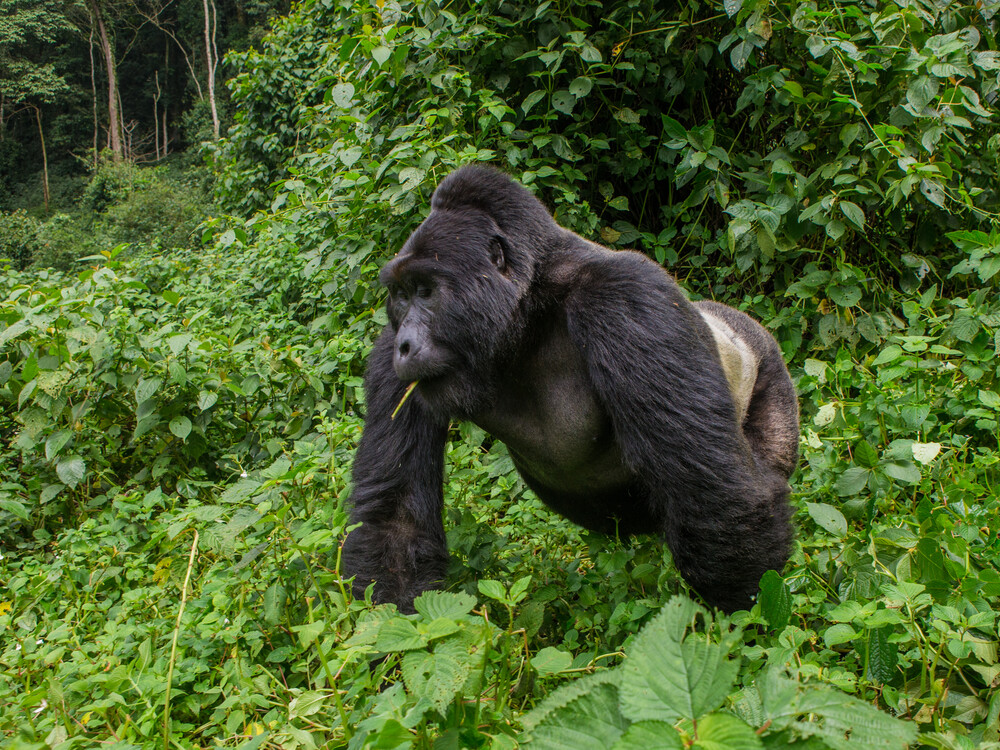
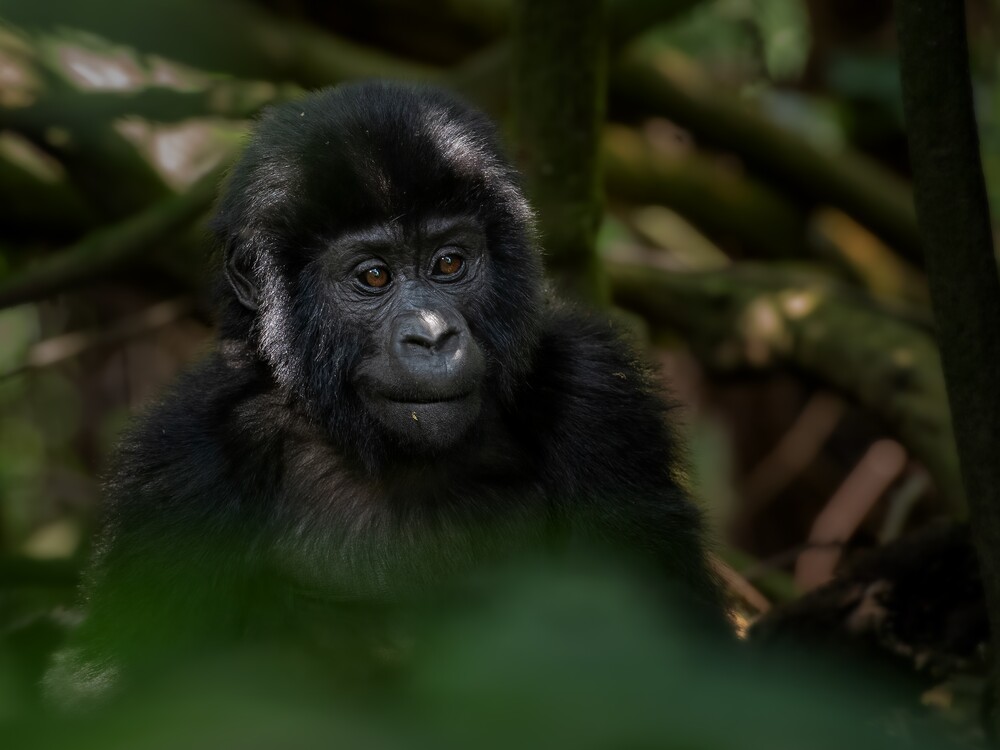
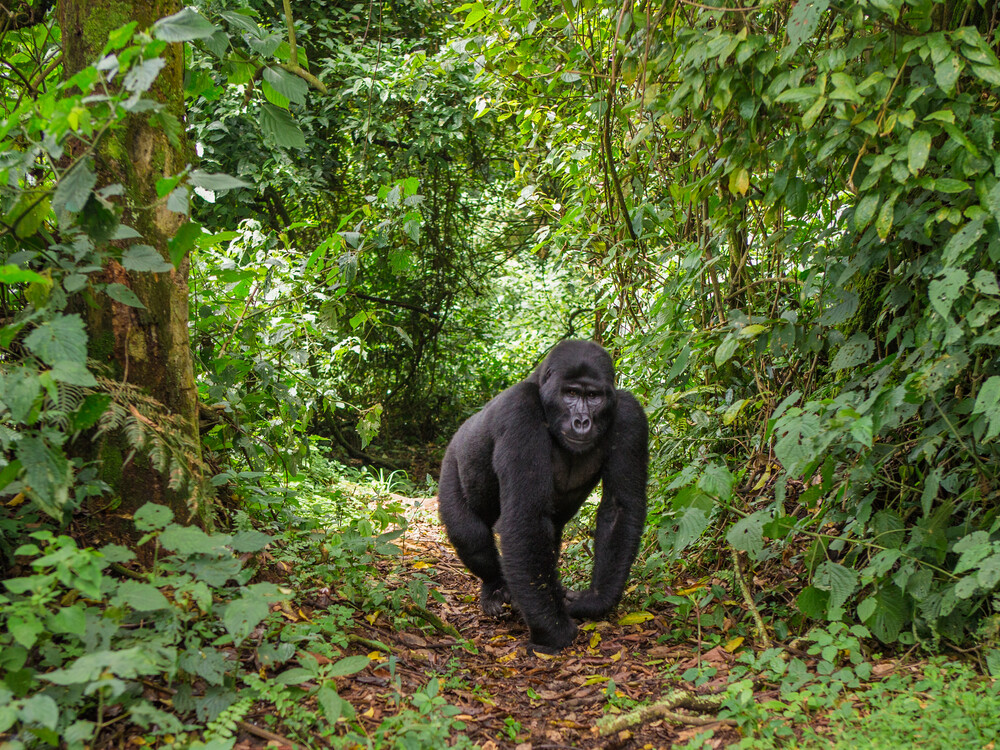
Rwanda’s approach focuses on high-value regulation. The country has positioned Eco-Luxury Gorilla Trekking as a premium conservation product with some of the highest permit costs in Africa. This strategy deliberately limits visitor numbers while maximizing revenue per guest, allowing for intensive protection, infrastructure investment, and rapid response capacity.
Different approaches, same sustainability goal.
Together, Uganda and Rwanda have demonstrated that Eco-Luxury Gorilla Trekking can support wildlife recovery, economic development, and world-class travel experiences simultaneously. Their leadership has turned gorilla trekking into a global reference point for how sustainable tourism should function at the highest level.
What Makes a Gorilla Trek Truly Eco-Luxury?
Eco-Luxury Gorilla Trekking is not defined by aesthetics alone. It is defined by systems invisible to many travelers, but essential to sustainability. What makes a gorilla trek truly eco-luxury is not a single feature, but the way every element works together to reduce impact while preserving comfort and confidence.
Low-impact lodge design is the starting point. Eco-luxury lodges near gorilla habitats are intentionally small, carefully sited, and designed to blend into the surrounding landscape rather than dominate it. The goal is not visual drama, but quiet presence. Buildings are positioned to avoid sensitive wildlife corridors, limit deforestation, and preserve natural drainage patterns.
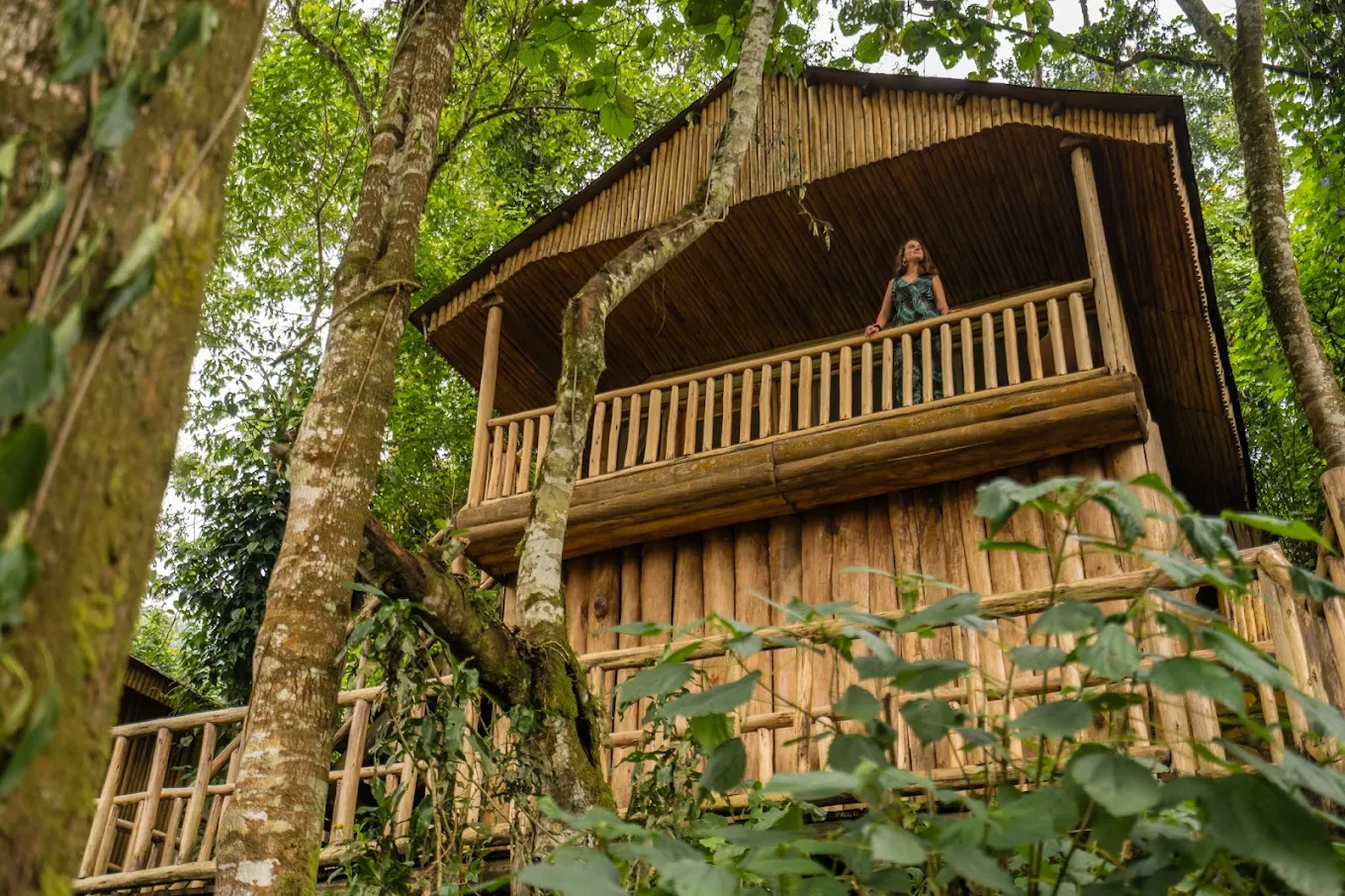


Energy, water, and waste systems further separate eco-luxury from conventional luxury. Solar power, gravity-fed water systems, rainwater harvesting, and advanced waste management reduce dependence on fragile local resources. These systems are not compromises; they are long-term investments that allow tourism to exist without degrading the very environments it depends on.
Ethical supply chains complete the structure. Eco-Luxury Gorilla Trekking prioritizes local sourcing, fair employment, and long-term partnerships with surrounding communities. Food, staffing, guiding, and support services are integrated locally wherever possible, ensuring that economic benefits circulate within the region rather than leaking outward.
Quiet, small-scale operations are the final and most important element. Eco-Luxury Gorilla Trekking deliberately avoids volume. Fewer guests, fewer vehicles, fewer disturbances, all supported by higher value per traveler. This restraint is what allows gorilla trekking to remain one of the most carefully managed wildlife experiences on the continent.
Taken together, these systems transform Eco-Luxury Gorilla Trekking from a label into a functioning conservation model.
Eco-Luxury Lodges and Low-Impact Design in Gorilla Regions
Eco-luxury lodges in gorilla regions are built around permanence, not trend. Unlike large resorts designed for rapid turnover, these lodges are conceived as long-term stewards of the land they occupy.
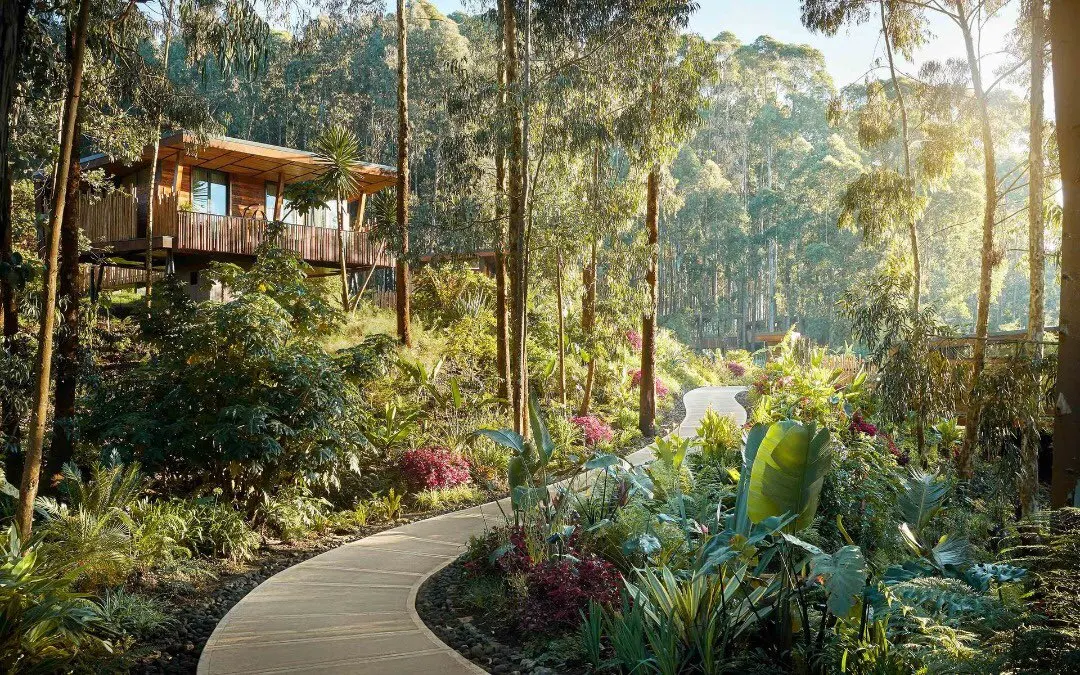
Architecture plays a central role. Structures are typically low-rise, open-air, and designed to follow natural contours rather than reshape them. Rooflines echo forest canopies, and layouts prioritize views without clearing unnecessary vegetation. This approach minimizes visual intrusion while enhancing the sense of immersion that defines Eco-Luxury Gorilla Trekking.
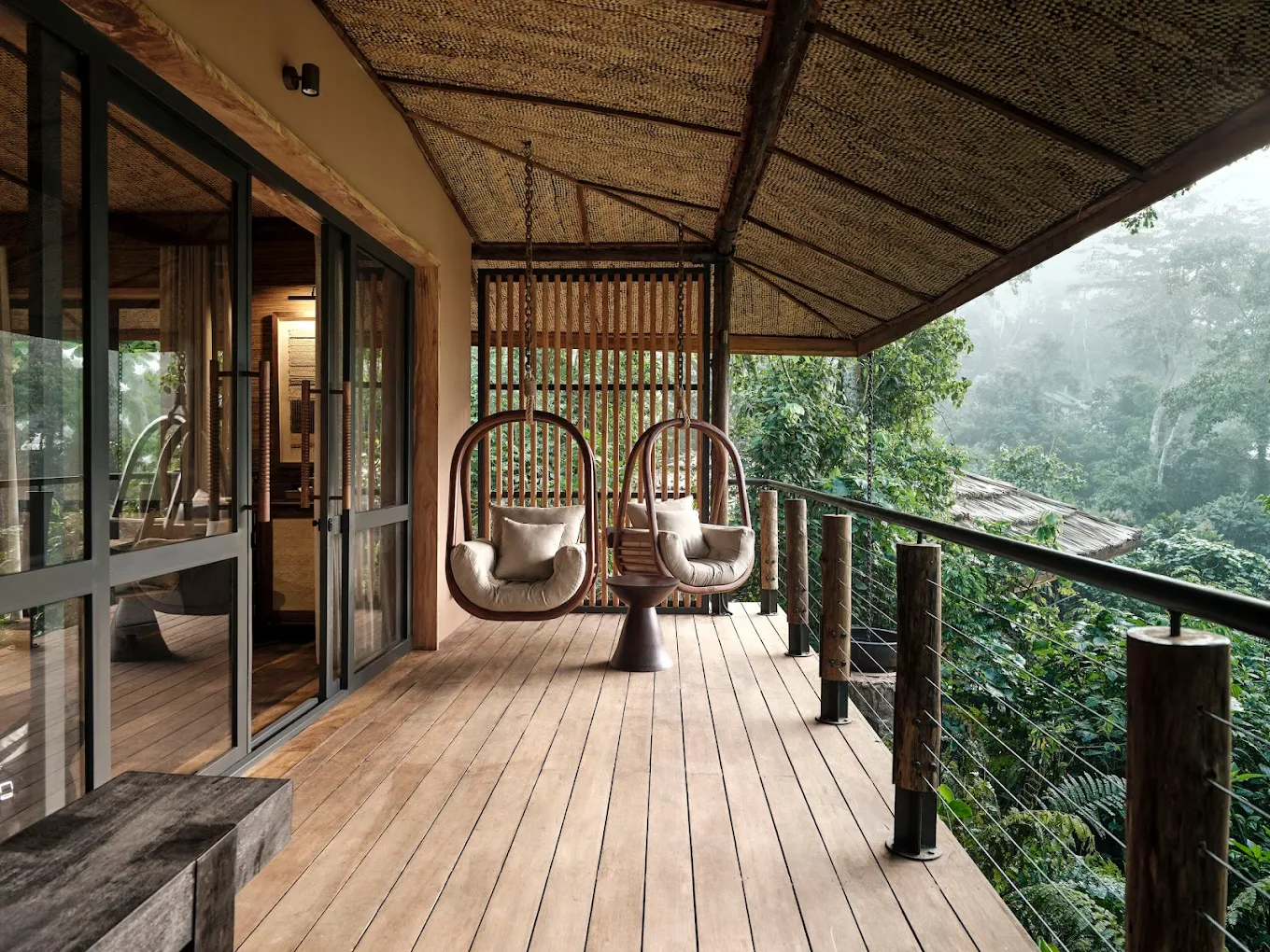
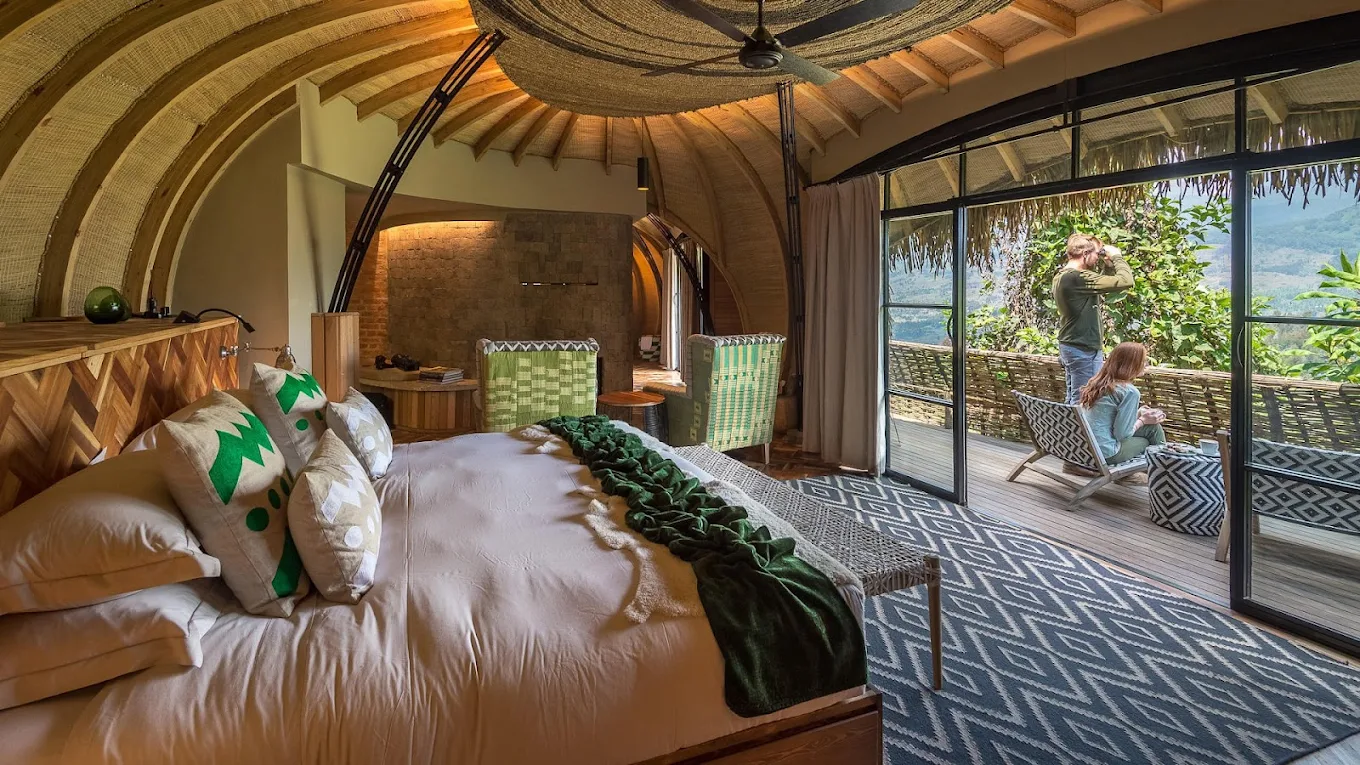
Local materials are another defining feature. Stone, timber, clay, and handcrafted elements sourced nearby reduce transport emissions and support traditional craftsmanship. More importantly, these materials age naturally, allowing lodges to weather into their surroundings rather than stand apart from them.
A minimal footprint is not only physical, but operational. Pathways are kept narrow, lighting is subdued to protect nocturnal wildlife, and noise levels are intentionally low. In eco-luxury environments, silence is treated as an asset rather than an absence.
Long-term land stewardship ties everything together. Eco-luxury lodges often operate under conservation agreements or long-term leases that incentivize forest protection rather than land conversion. Their success depends on maintaining healthy ecosystems over decades, not seasons.
This is why searches for eco luxury lodges Uganda and sustainable luxury lodges Rwanda increasingly surface properties linked to gorilla trekking. The model demands responsibility at every level.
Who Eco-Luxury Gorilla Trekking Is Best For
Eco-Luxury Gorilla Trekking attracts a specific type of traveler not defined by budget alone, but by values and intent.
Conservation-minded luxury travelers are a natural fit. These are guests who expect comfort, but not at the expense of ethics. They want transparency about where their money goes and reassurance that their presence contributes positively. For them, Eco-Luxury Gorilla Trekking aligns luxury with purpose.
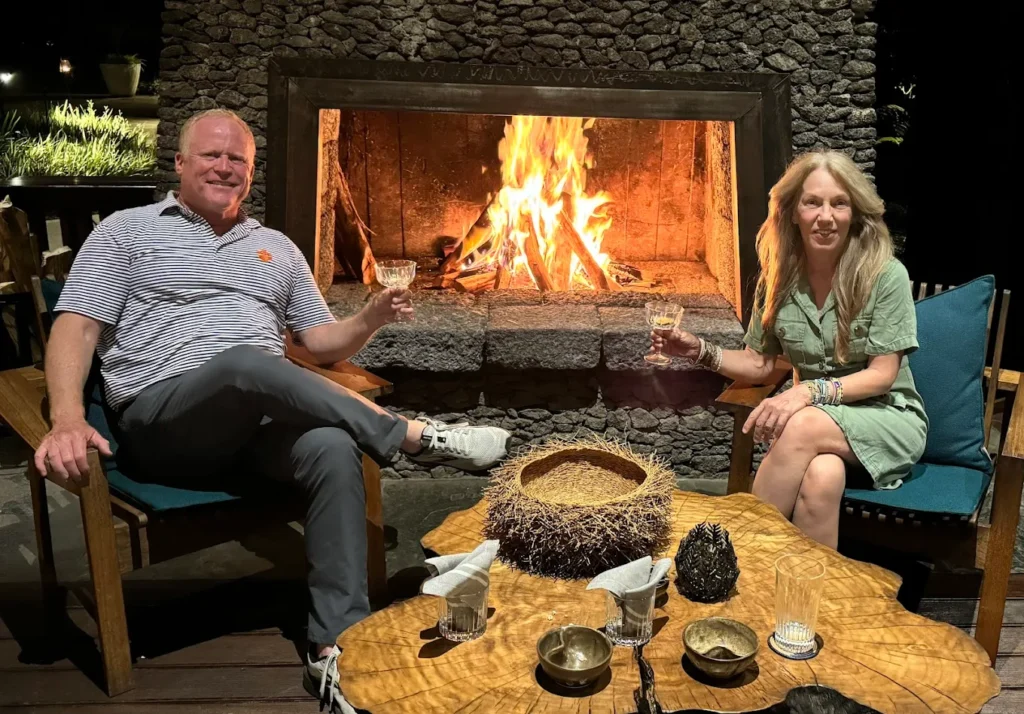
Honeymooners who value ethics are another key audience. Increasingly, couples are choosing experiences that reflect shared values rather than traditional extravagance. Eco-luxury gorilla trekking offers intimacy, exclusivity, and meaning without excess, making it especially appealing to travelers who see their journey as symbolic rather than indulgent.
Repeat Africa travelers seeking meaning are often drawn to eco-luxury after years of classic safaris. Having already experienced abundance, they now look for depth. Eco-Luxury Gorilla Trekking offers that depth through proximity, silence, and emotional engagement.
NGOs, foundations, and purpose-driven travelers also gravitate toward eco-luxury models. These guests understand sustainability systems and often evaluate experiences through impact rather than amenities. For many, Eco-Luxury Gorilla Trekking represents the future of responsible travel, a model where tourism actively funds protection rather than merely coexisting with it.
Is Eco-Luxury Gorilla Trekking Worth the Cost?
Cost is an unavoidable part of the conversation, especially in high-end travel. Eco-Luxury Gorilla Trekking often comes with a higher price point than conventional tourism, but the question is not whether it is expensive, it is whether it is valuable.
From a sustainability perspective, higher cost enables lower impact. Fewer travelers generating more revenue allows conservation systems to function without overuse. This structure funds ranger patrols, veterinary programs, community development, and habitat protection at a scale that mass tourism cannot achieve responsibly.
From an experiential perspective, eco-luxury enhances confidence and comfort without diluting authenticity. Thoughtful planning reduces fatigue, minimizes logistical stress, and allows travelers to engage fully with the experience rather than manage it.
The emotional and ethical return is where many travelers find the strongest justification. Knowing that your journey directly supports gorilla survival, forest protection and local livelihoods changes how the experience is perceived. For many guests, this alignment between values and action makes Eco-Luxury Gorilla Trekking not only worth the cost, but deeply satisfying.
This evaluation connects directly to broader discussions around value and meaning explored in your “Is Gorilla Trekking Worth the Cost?” pillar, reinforcing topical authority across the site.
What Eco-Luxury Gorilla Trekking Is — and What It Is Not
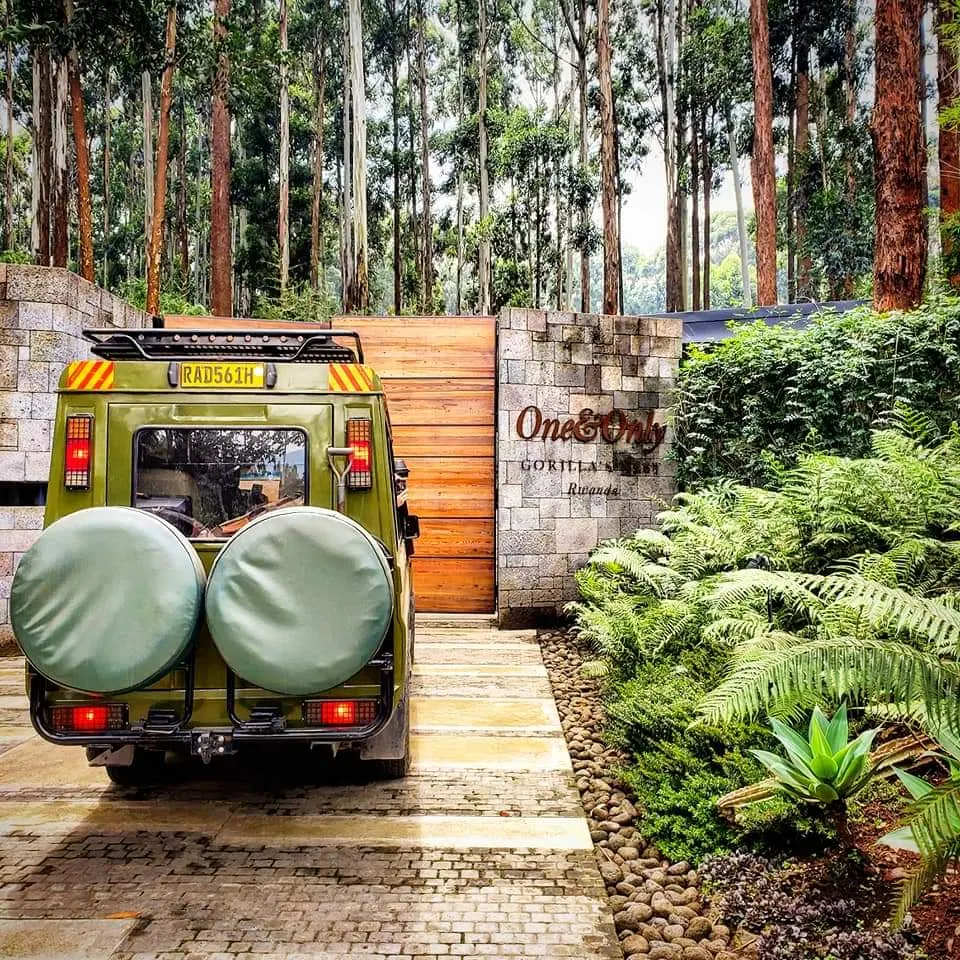
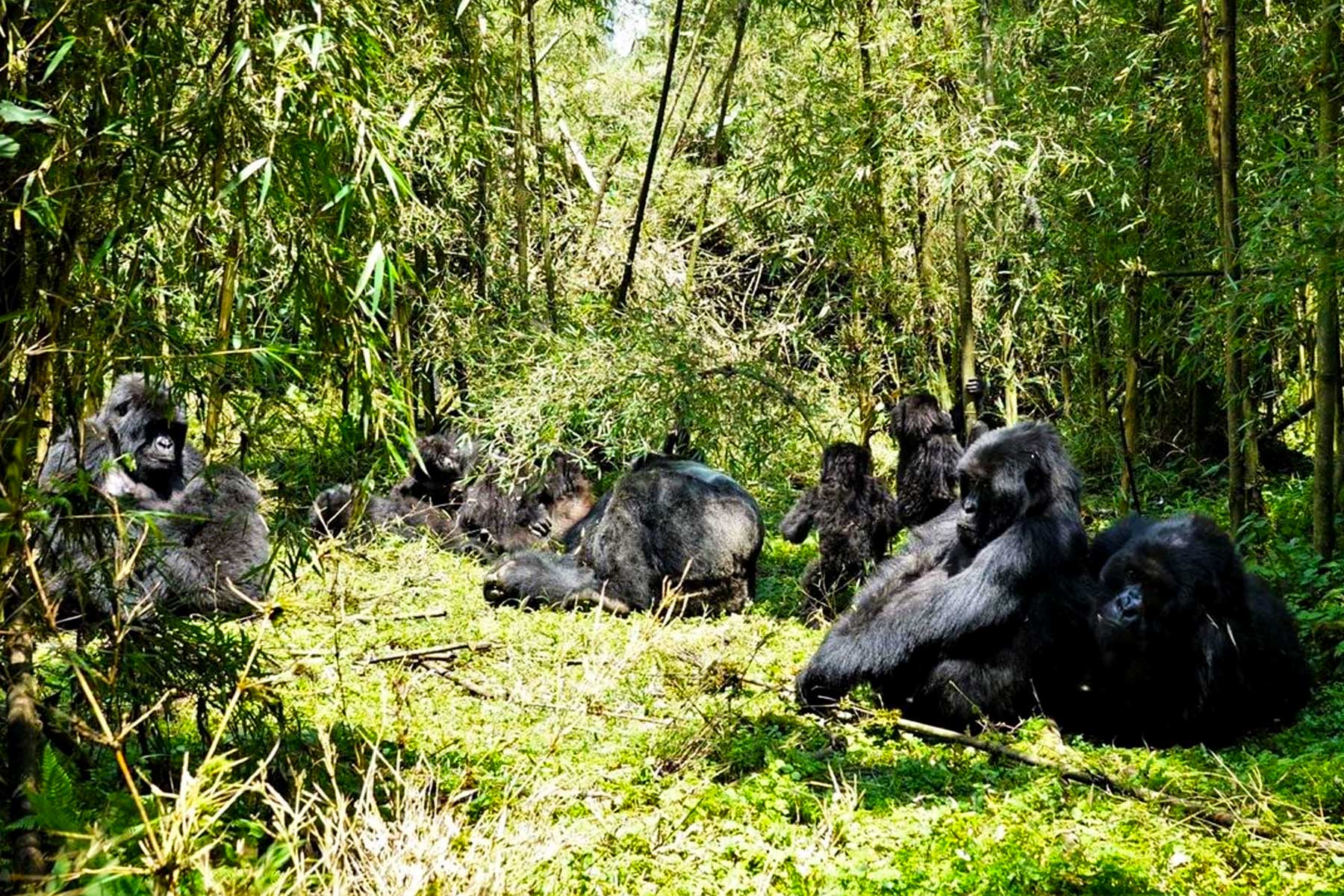
It is not mass tourism. Visitor numbers are intentionally limited, access is controlled, and growth is measured. Eco-luxury succeeds precisely because it resists scale.
It is not budget travel. Eco-Luxury Gorilla Trekking prioritizes protection, professional expertise, and long-term sustainability, all of which require investment. Lower costs achieved through volume or shortcuts would undermine the very systems that make the experience possible.
It is not performative eco-branding. Eco-luxury is not about symbolic gestures or superficial green claims. It is about measurable impact, enforced regulation, and accountability. Travelers who value substance over slogans recognize this distinction immediately.
By stating what Eco-Luxury Gorilla Trekking is not, expectations are aligned, and the experience remains credible.
The Future of Sustainable Luxury Travel in Africa
Eco-Luxury Gorilla Trekking is increasingly viewed as a blueprint for the future of high-end travel in Africa. It demonstrates that luxury tourism can generate significant revenue without sacrificing ecosystems, wildlife, or community wellbeing.
As global travelers become more conscious of impact, eco-luxury is moving from niche to standard. Experiences that cannot demonstrate sustainability are beginning to lose relevance among discerning guests.
Uganda and Rwanda lead this shift because their conservation frameworks are enforceable, transparent, and proven. Gorilla trekking has shown that when wildlife is protected through controlled access and high value, tourism becomes a force for regeneration rather than depletion.
This is why Eco-Luxury Gorilla Trekking attracts not only travelers, but attention from conservationists, policymakers, and global institutions. It represents a model where protection, prosperity and experience reinforce one another.
As sustainable luxury travel continues to evolve, the principles refined through gorilla trekking are likely to shape how wildlife tourism is practiced far beyond East Africa.
Frequently Asked Questions — Eco-Luxury Gorilla Trekking
What is eco-luxury gorilla trekking?
Eco-Luxury Gorilla Trekking is a form of high-end travel that combines strict conservation protection with refined comfort. It is designed to deliver exceptional experiences while minimizing environmental impact and directly supporting gorilla conservation, forest protection, and local communities in Uganda and Rwanda.
How is eco-luxury gorilla trekking different from regular luxury safaris?
Unlike traditional luxury safaris that focus primarily on comfort and exclusivity, Eco-Luxury Gorilla Trekking is built around sustainability systems. Visitor numbers are strictly limited, lodges operate with low environmental footprints, and a significant portion of costs directly fund conservation and community development.
Is eco-luxury gorilla trekking truly sustainable or just marketing?
Eco-Luxury Gorilla Trekking is one of the most regulated and measurable forms of sustainable tourism in Africa. Permit caps, veterinary monitoring, ranger patrols, and revenue-sharing models ensure that sustainability is enforced by policy, not promoted through branding alone.
How does eco-luxury gorilla trekking help protect mountain gorillas?
Eco-Luxury Gorilla Trekking funds daily ranger protection, long-term habitat preservation, veterinary care, and anti-poaching operations. By limiting visitor numbers and maintaining high permit values, gorilla populations are protected from overexposure while conservation remains financially viable.
Does eco-luxury gorilla trekking benefit local communities?
Yes. Sustainable tourism in Uganda and Rwanda is structured so that communities living near gorilla habitats receive direct benefits. These include employment, education funding, healthcare infrastructure, and long-term economic incentives tied to conservation rather than land exploitation.
Are eco-luxury gorilla trekking lodges environmentally friendly?
Eco-luxury lodges near gorilla parks are designed to minimize impact through small scale development, renewable energy use, responsible water management, and waste reduction systems. Many are built using local materials and operate under long-term conservation agreements.
Is eco-luxury gorilla trekking ethical for wildlife?
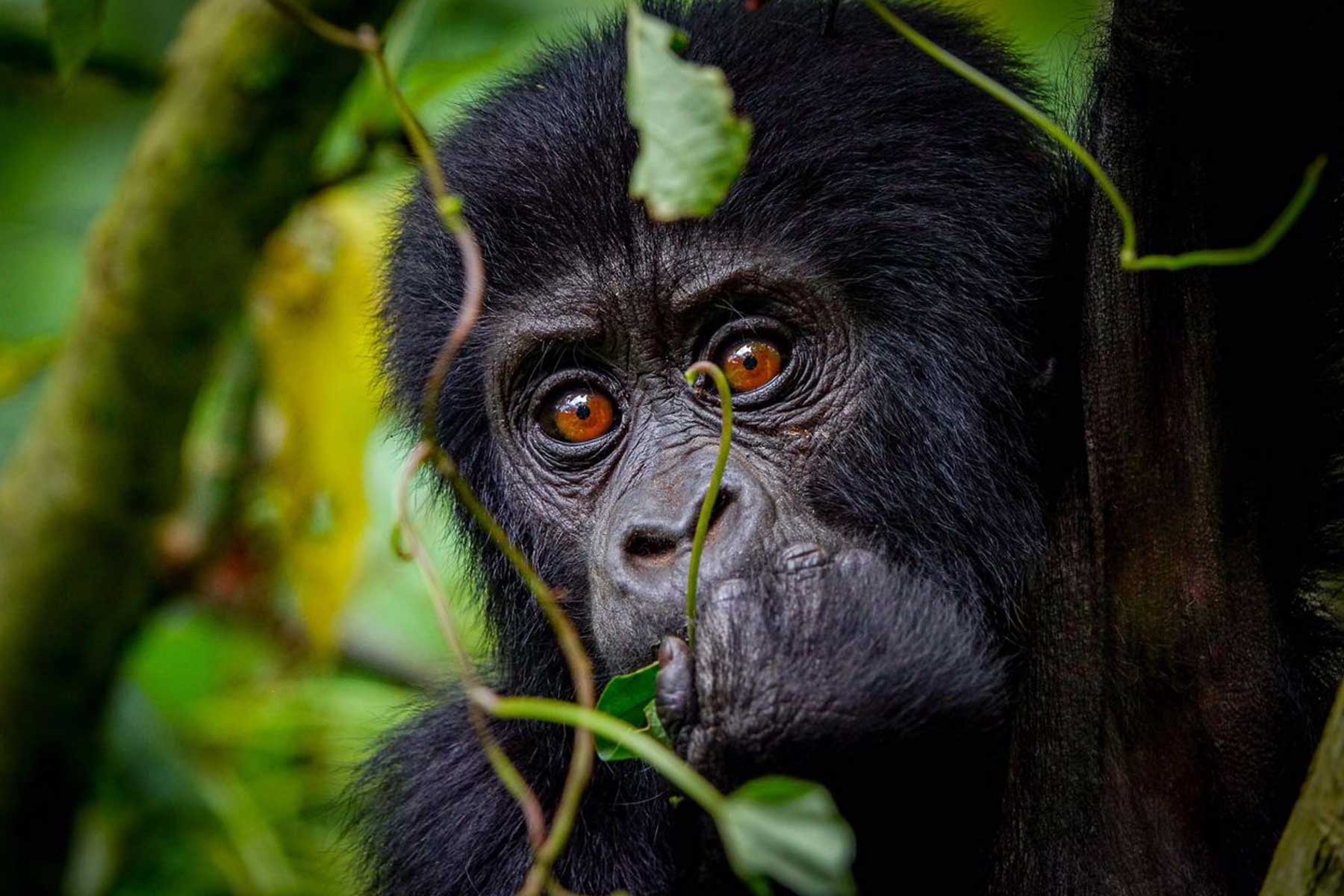
Yes. Gorilla trekking is considered ethical because it is non-invasive, strictly controlled, and guided by wildlife authorities. Encounters are time-limited, group sizes are small, and human behavior is regulated to prioritize gorilla health and natural behavior.
Is eco-luxury gorilla trekking suitable for environmentally conscious travelers?
Eco-Luxury Gorilla Trekking is especially well suited for travelers who prioritize sustainability, ethics, and long-term impact alongside comfort. It appeals to guests who want their travel choices to align with conservation values without sacrificing quality or professionalism.
Why is eco-luxury gorilla trekking more expensive than standard tourism?
Higher costs allow fewer travelers to generate sufficient revenue to fund conservation, reduce environmental pressure, and maintain strict protection systems. In eco-luxury models, higher value replaces higher volume, which is essential for sustainability.
Is eco-luxury gorilla trekking available in both Uganda and Rwanda?
Yes. Uganda and Rwanda are global leaders in Eco-Luxury Gorilla Trekking, each offering distinct but highly effective conservation models. Both countries demonstrate how sustainable tourism can support wildlife protection and high-end travel simultaneously.
Can eco-luxury gorilla trekking be combined with other sustainable experiences?
Absolutely. Eco-Luxury Gorilla Trekking often forms part of broader sustainable itineraries that include low-impact safaris, community visits, cultural experiences, and conservation-focused travel across East Africa.
Is eco-luxury gorilla trekking the future of sustainable travel in Africa?
Many conservationists and travel experts view Eco-Luxury Gorilla Trekking as a global model for sustainable tourism. It proves that high-end travel can protect ecosystems, support communities, and deliver meaningful experiences without compromise.
Plan an Eco-Luxury Gorilla Trekking Journey with Purpose
Sustainable travel deserves thoughtful planning. Eco-Luxury Gorilla Trekking is not about doing more — it is about doing what matters, responsibly and with intention.
A private consultation allows you to explore how your journey can balance comfort, conservation, and meaningful impact — ensuring your travel choices support the places and wildlife you value.