
Essential Gorilla Trekking Etiquette for Luxury Travelers
Gorilla trekking is one of the most exclusive wildlife experiences on Earth, offering the rare opportunity to encounter endangered mountain gorillas in their natural habitat. While luxury travelers often enjoy exceptional accommodations, personalized guiding services, helicopter transfers, and world-class hospitality, the experience itself requires a deep respect for wildlife, conservation principles, local communities, and the fragile rainforest ecosystems that support mountain gorillas. Understanding Gorilla Trekking Etiquette for Luxury Travelers is essential for ensuring a meaningful, responsible, and unforgettable encounter while helping protect these remarkable animals for future generations.
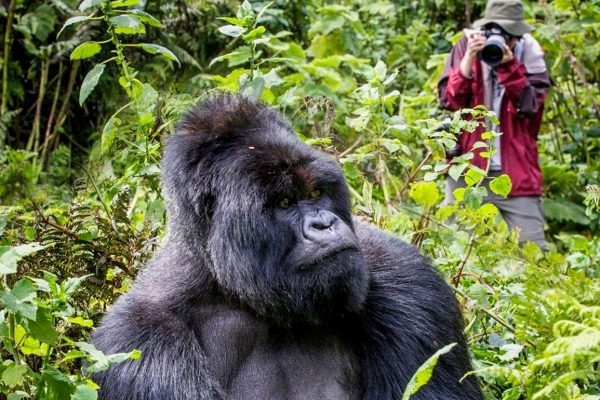
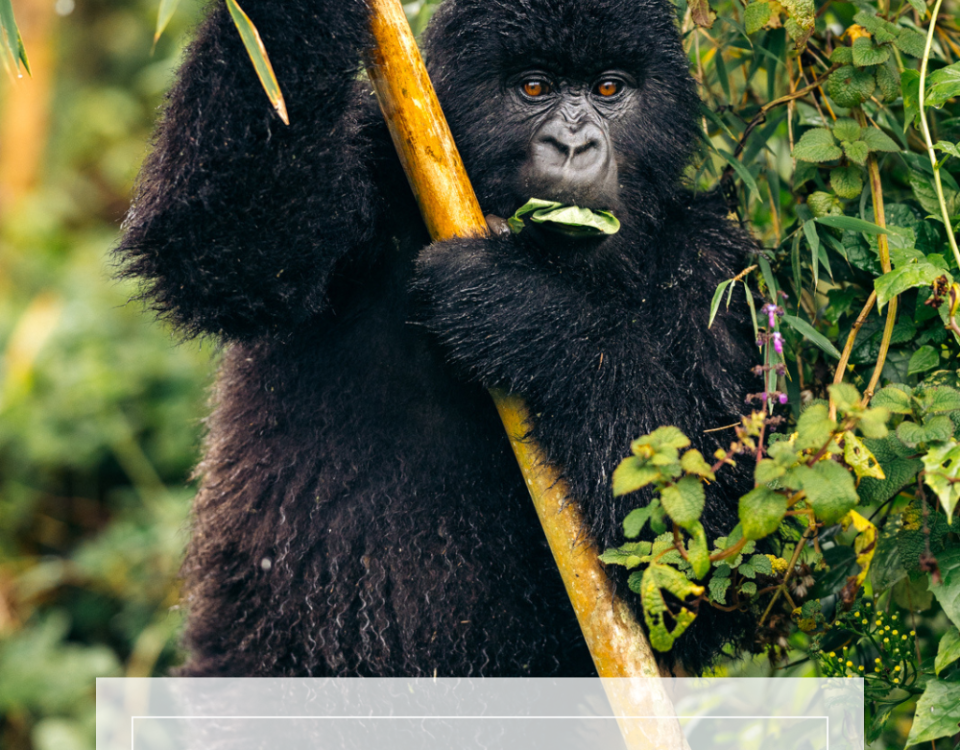
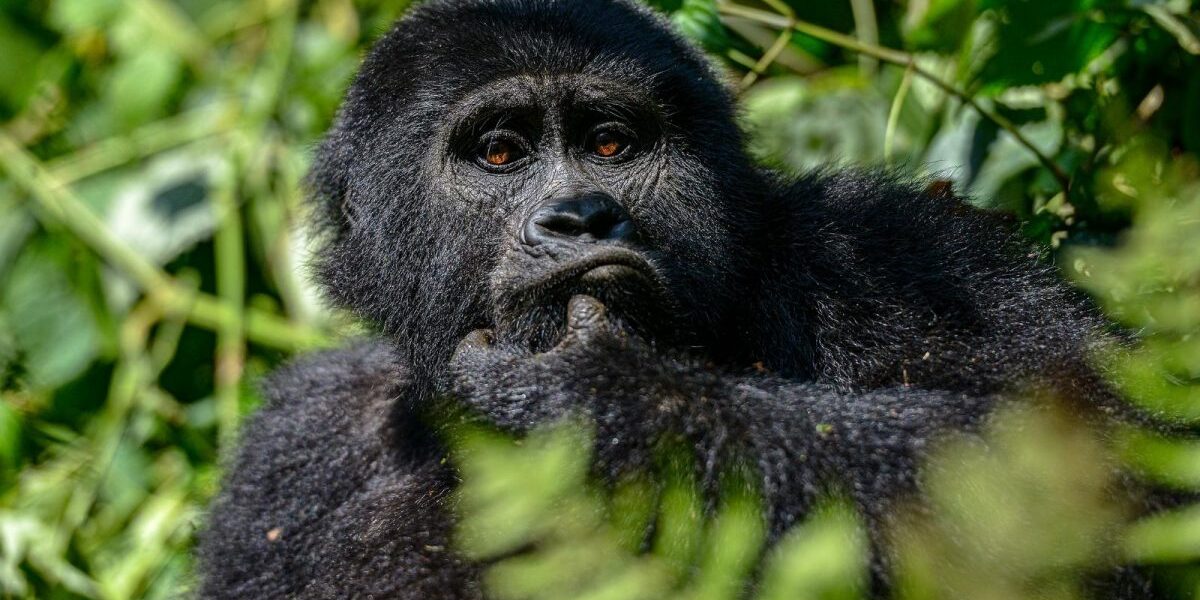
Unlike many luxury travel experiences where comfort and exclusivity are the primary focus, gorilla trekking places conservation at the center of every interaction. Mountain gorillas are wild animals living within protected habitats in Uganda and Rwanda, and every visitor has a responsibility to minimize their impact. Proper etiquette not only protects gorilla families but also enhances the quality of the experience by allowing travelers to observe authentic gorilla behavior in a natural setting.
At Elevana Luxury Gorilla Holidays, we ensure that every guest understands the importance of responsible tourism and follows the highest standards of Gorilla Trekking Etiquette for Luxury Travelers throughout their safari journey.
Understanding the Privilege of Visiting Mountain Gorillas
One of the most important aspects of Gorilla Trekking Etiquette for Luxury Travelers is recognizing that seeing mountain gorillas is a rare privilege rather than a guaranteed tourist attraction. With only a limited number of permits available each day and a relatively small global population of mountain gorillas, every encounter is a special opportunity made possible through decades of conservation efforts.
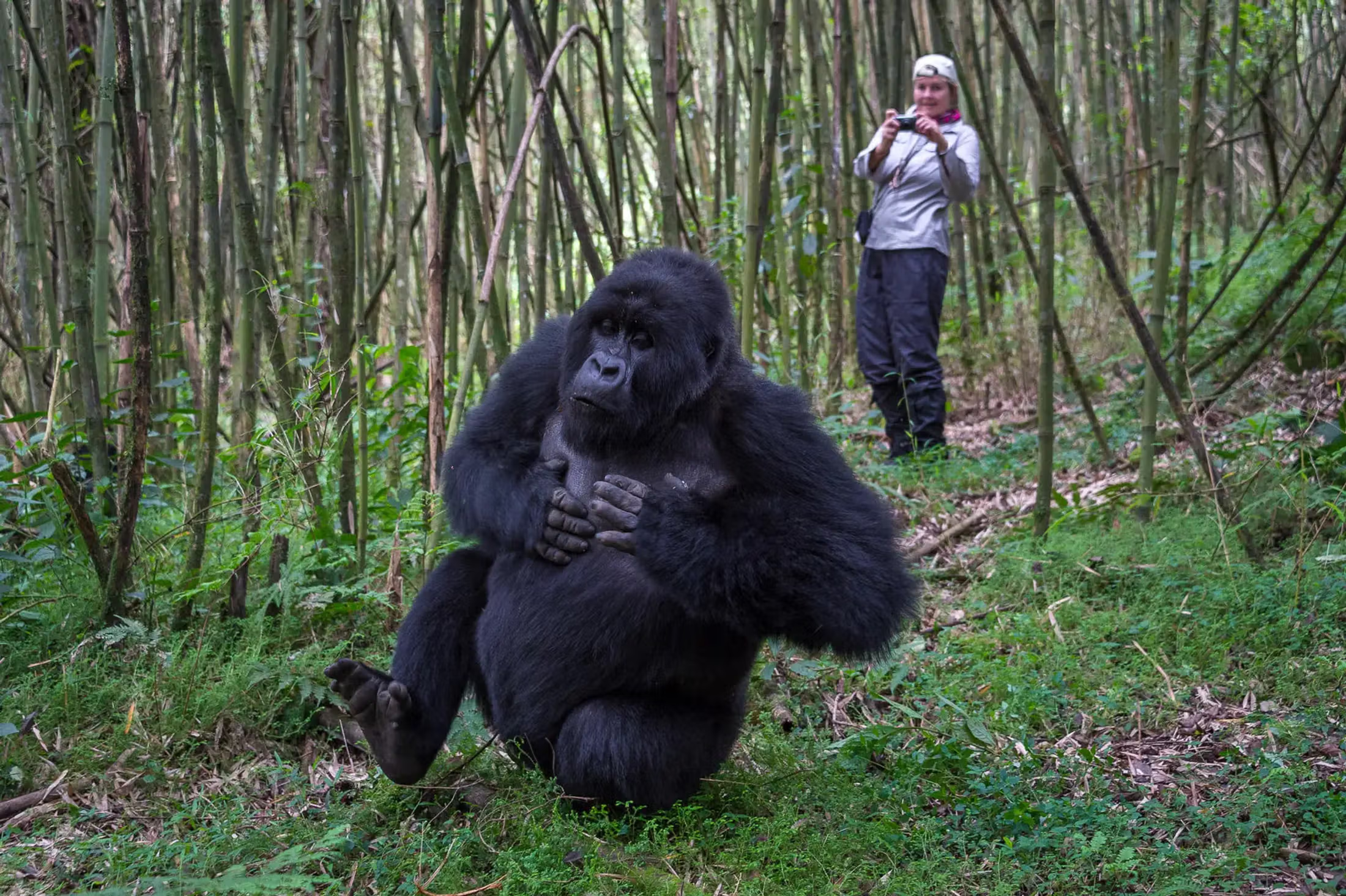
Approaching the experience with humility and appreciation creates a deeper connection with both the wildlife and the conservation programs that protect them. Luxury travelers often discover that the most meaningful part of the journey is not simply seeing gorillas but understanding their significance within Africa’s natural heritage.
Viewing the experience through a conservation lens helps create a more rewarding and respectful encounter.
Respecting the Rainforest Environment
Mountain gorillas inhabit some of Africa’s most biologically important forests, including the ancient rainforests of Bwindi Impenetrable National Park, the montane forests of Mgahinga Gorilla National Park, and the volcanic forests of Volcanoes National Park. These ecosystems support thousands of plant and animal species and play a critical role in regional biodiversity.
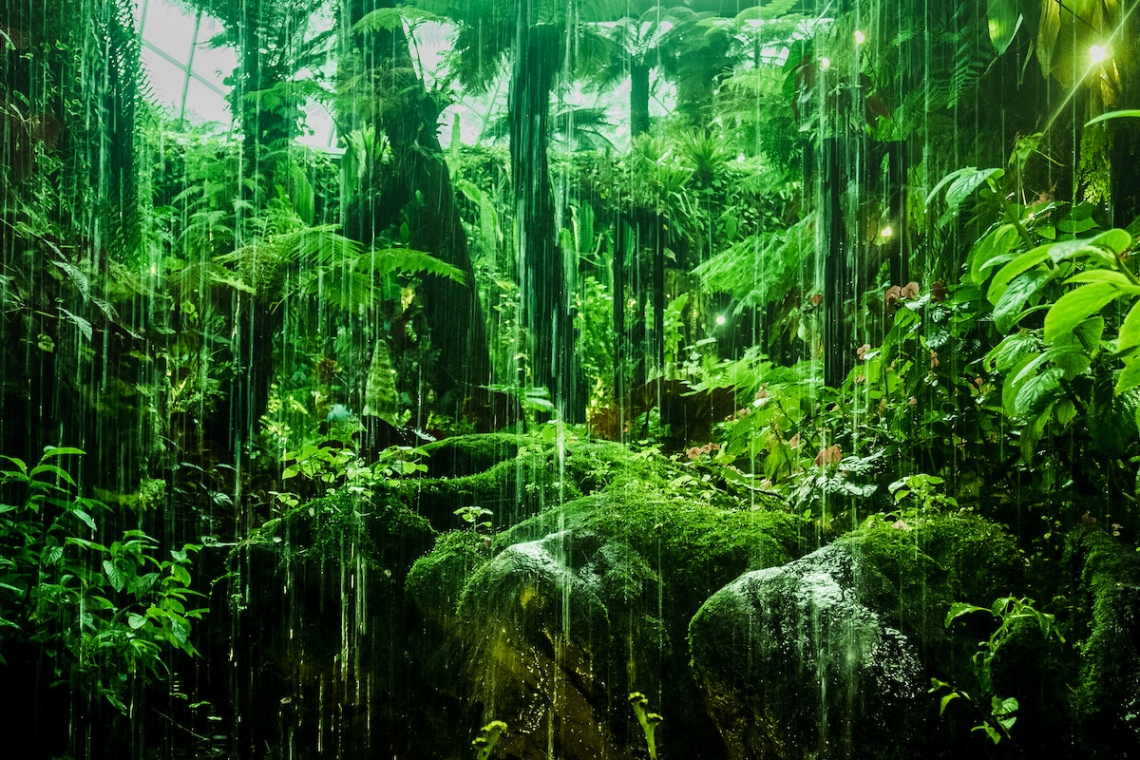
Gorilla Trekking Etiquette for Luxury Travelers includes respecting these fragile environments by avoiding littering, minimizing disturbance to vegetation, and following designated trekking routes whenever possible. Every traveler has a responsibility to leave the forest exactly as they found it.
Luxury travel increasingly emphasizes sustainability, and respecting the rainforest is an important part of responsible luxury tourism.
Listening to Guides and Rangers
Professional guides and rangers are among the most valuable resources during a gorilla trekking experience. Their extensive knowledge of gorilla behavior, conservation practices, rainforest ecology, and safety procedures helps ensure a successful and enjoyable encounter.
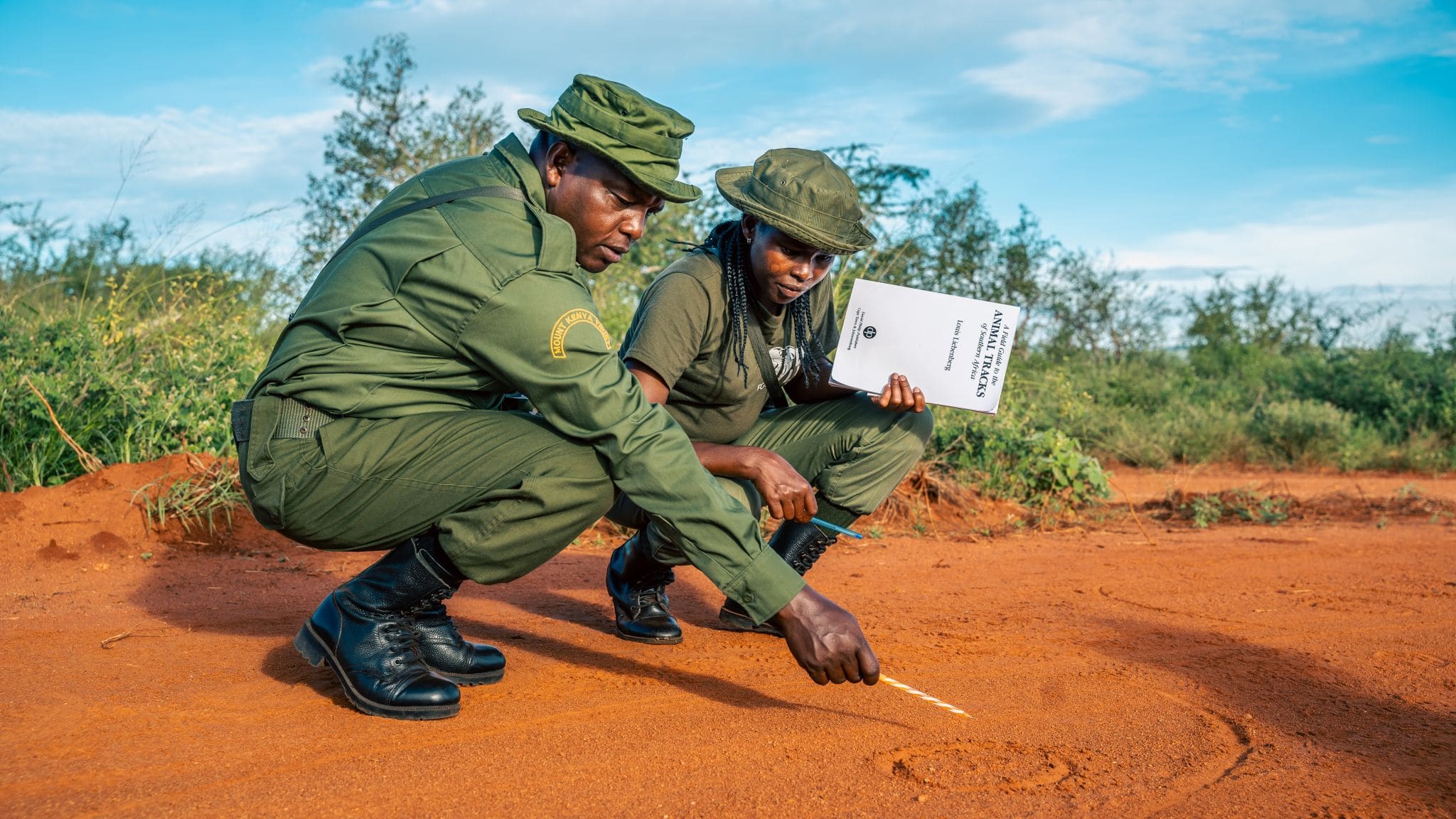
Following guide instructions at all times is a fundamental element of Gorilla Trekking Etiquette for Luxury Travelers. Guides understand how to interpret gorilla behavior and can advise travelers on appropriate actions during the encounter. Their expertise helps protect both visitors and wildlife while enhancing the overall experience.
Trusting and respecting your guide’s instructions contributes significantly to a safe and meaningful trek.
Maintaining a Respectful Distance
Maintaining an appropriate distance from mountain gorillas is one of the most important rules and etiquette guidelines during trekking. Visitors are generally required to remain at least seven meters away from gorillas whenever possible.
This distance helps reduce the risk of disease transmission while minimizing stress and behavioral disruption within gorilla families. Although curious gorillas occasionally move closer to visitors, travelers should never attempt to approach, touch, or follow the animals.
Respecting personal space allows gorillas to behave naturally while protecting their health and well-being.
Remaining Calm and Quiet
Mountain gorillas are generally peaceful animals, but loud noises and sudden movements can cause unnecessary stress or alarm. Gorilla Trekking Etiquette for Luxury Travelers emphasizes calm, quiet, and respectful behavior throughout the encounter.
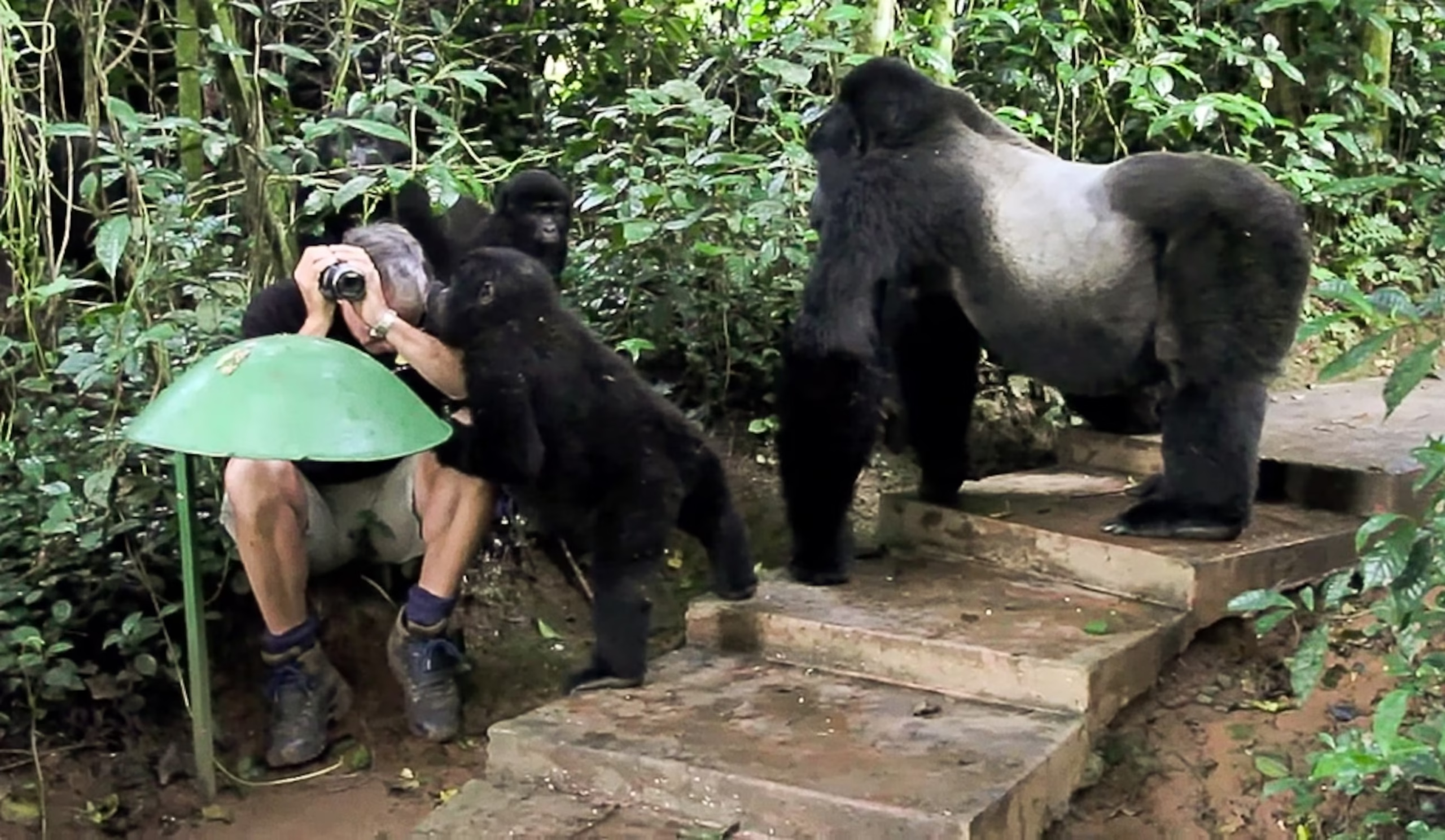
Visitors should speak softly, move slowly, and avoid sudden gestures while observing the gorillas. Remaining calm allows travelers to appreciate subtle interactions within the gorilla family and contributes to a more authentic wildlife experience.
The quieter and more respectful the group remains, the more natural the encounter tends to be.
Responsible Photography Practices
Photography is often one of the highlights of a luxury gorilla safari. Capturing images of mountain gorillas in their natural habitat provides lasting memories and opportunities for storytelling. However, responsible photography is an important component of Gorilla Trekking Etiquette for Luxury Travelers.
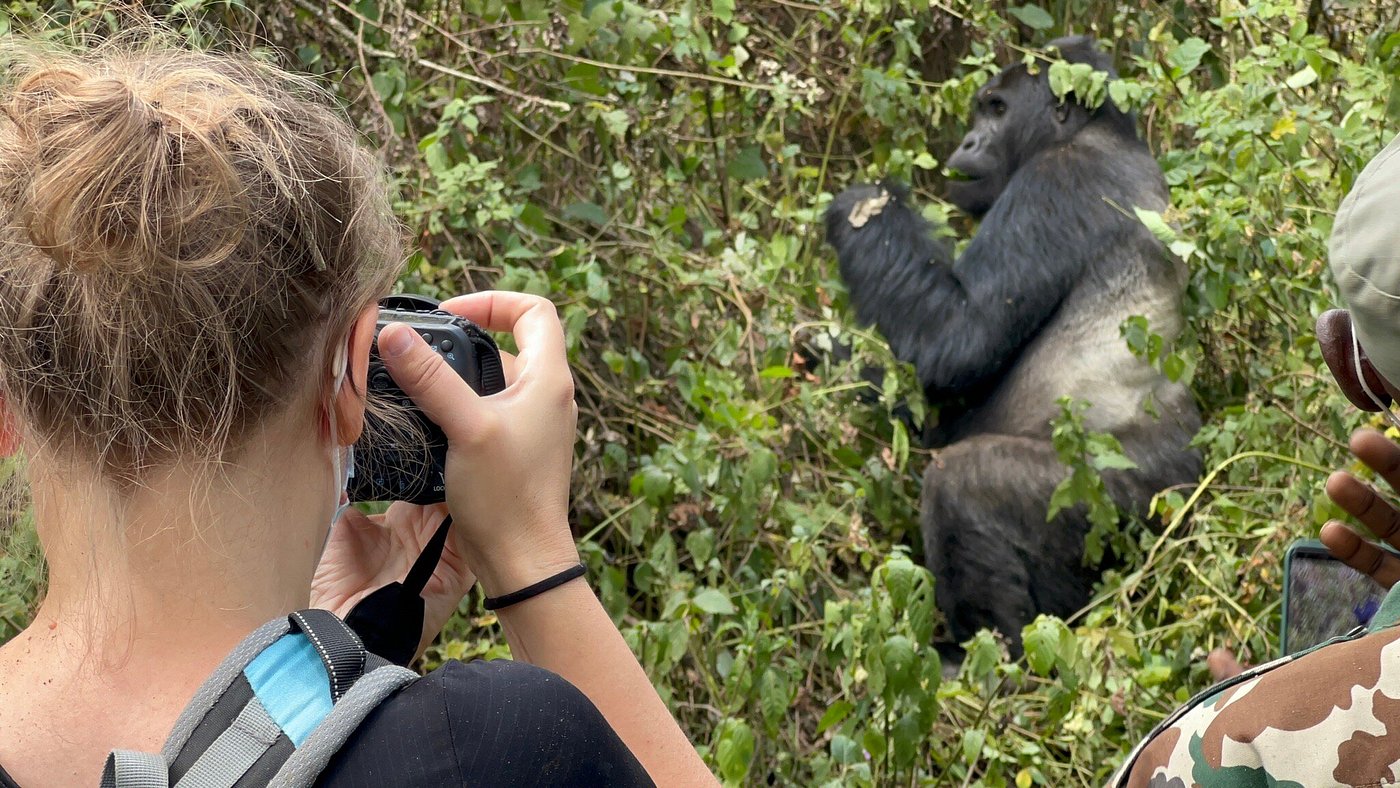
Flash photography is strictly prohibited because it can startle and disturb the gorillas. Travelers should use natural lighting and follow guide recommendations regarding positioning and camera use. Photographers should also remain aware of other visitors, ensuring that equipment does not obstruct views or interfere with the experience.
Responsible photography balances creativity with conservation and respect for wildlife.
Respecting Other Travelers
Luxury gorilla trekking groups are intentionally kept small to enhance conservation and visitor experiences. Even in exclusive settings, travelers should remain considerate of others sharing the encounter.
Allowing fellow visitors opportunities to observe and photograph the gorillas, avoiding unnecessary conversation, and maintaining a cooperative attitude contribute to a positive group experience. Respecting others is an important aspect of Gorilla Trekking Etiquette for Luxury Travelers and helps create a harmonious environment during the trek.
Shared experiences often become even more memorable when everyone contributes positively.
Supporting Local Communities Respectfully
Many communities surrounding gorilla habitats play a critical role in conservation and tourism. Luxury travelers frequently have opportunities to engage with local guides, porters, artisans, and community members during their safari.

Approaching these interactions with genuine curiosity, respect, and cultural sensitivity enriches the travel experience while supporting sustainable tourism. Purchasing locally made products, participating in community experiences, and recognizing the contributions of local people helps strengthen the connection between conservation and community development.
Responsible luxury travel extends beyond wildlife encounters to include meaningful cultural engagement.
Appreciating the Role of Porters
Porters are an essential part of many gorilla trekking experiences and deserve recognition for their hard work and professionalism. They assist with carrying equipment, navigating difficult terrain, and supporting travelers throughout the trek.
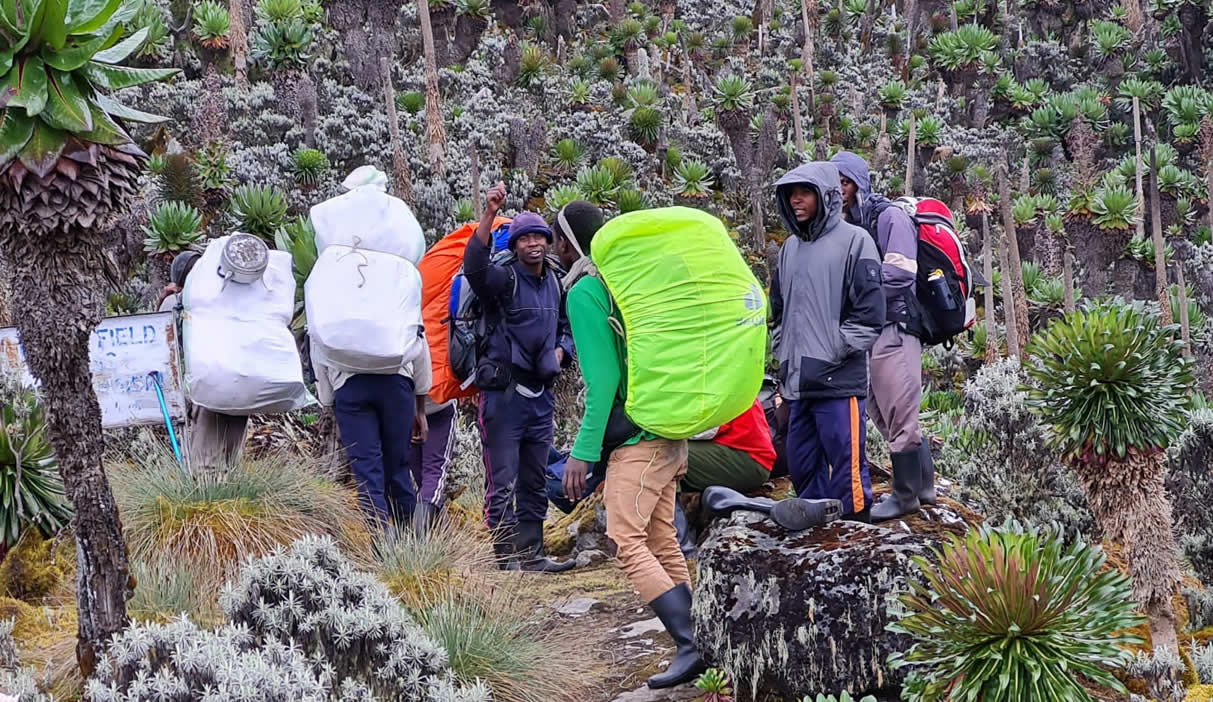
Hiring a porter not only enhances comfort but also contributes directly to local livelihoods. Treating porters with respect and appreciation reflects the values of responsible tourism and is an important part of Gorilla Trekking Etiquette for Luxury Travelers.
Many travelers consider their porters among the most memorable individuals they meet during their safari.
Understanding Conservation Responsibilities
Luxury travelers play an important role in gorilla conservation simply by participating responsibly. Permit fees support national parks, anti-poaching programs, veterinary care, wildlife monitoring, community development, and habitat protection.
Understanding how tourism contributes to conservation encourages travelers to view gorilla trekking as more than a wildlife activity. Every respectful action taken during the trek helps protect mountain gorillas and their ecosystems for future generations.
Responsible tourism is one of the reasons mountain gorilla populations have shown encouraging recovery in recent decades.
Etiquette During Close Gorilla Encounters
One of the most exciting moments during trekking occurs when gorillas move unexpectedly close to visitors. While these encounters can be thrilling, proper etiquette remains essential.
Travelers should remain calm, avoid direct eye contact with dominant silverbacks, refrain from touching the gorillas, and allow guides to manage the situation. Maintaining composure helps ensure that the interaction remains peaceful and safe.
Following these principles allows visitors to fully appreciate the encounter while respecting gorilla behavior and social dynamics.
Why Etiquette Enhances the Luxury Experience
Many travelers assume etiquette rules limit their experience, but in reality they enhance it. Gorilla Trekking Etiquette for Luxury Travelers helps create an environment where gorillas behave naturally, allowing visitors to witness authentic interactions within the family group.
Respectful behavior reduces stress on wildlife, supports conservation goals, and often leads to more meaningful and memorable encounters. The combination of luxury hospitality and responsible wildlife tourism creates a travel experience that is both exclusive and deeply rewarding.
Etiquette transforms gorilla trekking from a simple wildlife activity into a genuine conservation experience.
The Lasting Impact of Responsible Gorilla Trekking
One of the most remarkable aspects of Gorilla Trekking Etiquette for Luxury Travelers is that its impact extends far beyond the few hours spent in the rainforest. Many travelers arrive expecting an exciting wildlife adventure but leave with a much deeper understanding of conservation, sustainability, and the delicate relationship between people and nature. Observing mountain gorillas in their natural habitat often creates a powerful emotional connection that inspires greater appreciation for wildlife protection and environmental stewardship. For many guests, the experience becomes a turning point that changes the way they view conservation and responsible travel for years to come.
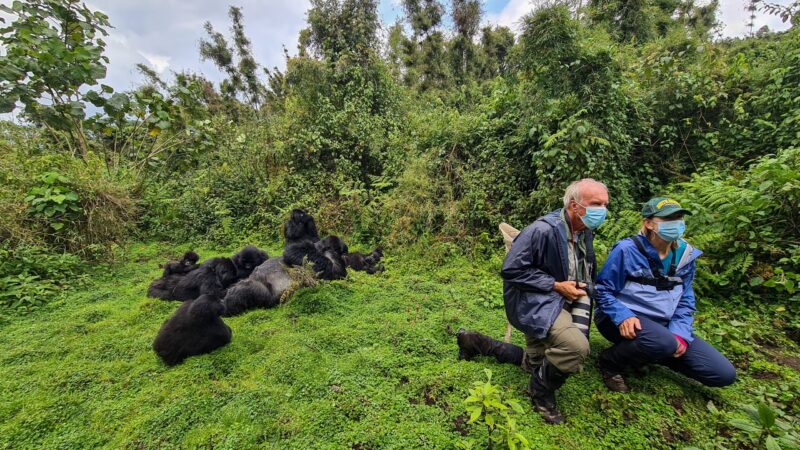
Responsible gorilla trekking also demonstrates how luxury tourism can directly support wildlife conservation when managed sustainably. Through gorilla permits and responsible visitor practices, travelers contribute to the protection of mountain gorillas in forests such as Bwindi Impenetrable National Park, Mgahinga Gorilla National Park, and Volcanoes National Park. Tourism revenue supports anti-poaching initiatives, ranger patrols, veterinary programs, scientific research, habitat conservation, and community development projects. By following proper gorilla trekking etiquette and respecting conservation guidelines, luxury travelers become active participants in one of the world’s most successful wildlife conservation models, helping ensure that future generations will also have the opportunity to experience these extraordinary animals.
The personal impact of gorilla trekking often lasts long after travelers return home. Many visitors describe their encounter with mountain gorillas as one of the most meaningful and transformative experiences of their lives. The intelligence, social behavior, and emotional presence of gorillas leave a lasting impression, encouraging travelers to become advocates for conservation and sustainable tourism. This combination of adventure, education, conservation, and personal inspiration is what makes gorilla trekking far more than a safari activity. It becomes a life-changing journey that creates unforgettable memories while contributing directly to the future survival of one of Africa’s most iconic and endangered species.
Frequently Asked Questions About Gorilla Trekking Etiquette for Luxury Travelers
1. What is Gorilla Trekking Etiquette for Luxury Travelers?
Gorilla Trekking Etiquette for Luxury Travelers refers to the guidelines and responsible behaviors that help protect mountain gorillas, preserve their habitats, and ensure a safe and respectful wildlife experience.
2. Why is gorilla trekking etiquette important?
Proper etiquette minimizes disturbance to gorillas, reduces disease transmission risks, supports conservation efforts, and enhances the overall trekking experience.
3. How close can I get to mountain gorillas?
Visitors should maintain a minimum distance of seven meters from the gorillas whenever possible to protect both human and gorilla health.
4. What should I do if a gorilla approaches me?
Remain calm, avoid sudden movements, do not touch the gorilla, and follow the instructions of your guide or ranger.
5. Can I touch a mountain gorilla?
No. Touching gorillas is strictly prohibited because it can transmit diseases and disrupt natural gorilla behavior.
6. Why are visitors not allowed to trek when sick?
Mountain gorillas are highly susceptible to human illnesses, particularly respiratory infections, which can have serious consequences for gorilla families.
7. Is flash photography allowed during gorilla trekking?
No. Flash photography is prohibited because it can startle and stress the gorillas.
8. Can I bring professional photography equipment?
Yes. Professional cameras and lenses are allowed, provided they are used responsibly and do not interfere with the experience.
9. How should I behave around gorillas?
Visitors should remain calm, speak quietly, move slowly, and avoid sudden gestures or loud noises.
10. Why are gorilla trekking groups limited in size?
Small group sizes help reduce stress on gorillas and create more intimate, sustainable wildlife encounters.
11. How many people can visit a gorilla family each day?
Typically, only eight visitors are allowed to visit a habituated gorilla family per day.
12. How long can I spend with the gorillas?
Visitors are permitted to spend a maximum of one hour observing a habituated gorilla family.
13. What should I wear for gorilla trekking?
Long-sleeved shirts, long trousers, waterproof jackets, sturdy hiking boots, gloves, and comfortable outdoor clothing are recommended.
14. Is hiring a porter part of good gorilla trekking etiquette?
Yes. Hiring a porter supports local communities while making the trek more comfortable and manageable for travelers.
15. How should I interact with local communities?
Travelers should be respectful, culturally sensitive, and supportive of local businesses, guides, artisans, and community tourism initiatives.
16. Why is respecting the rainforest important?
Mountain gorillas live in fragile forest ecosystems that support countless species. Responsible behavior helps preserve these important habitats.
17. Can I eat or drink near the gorillas?
Eating near gorillas is discouraged because it may attract their attention and increase the risk of disease transmission.
18. What should I do if a silverback gorilla displays dominance behavior?
Remain calm, avoid direct eye contact, do not run, and follow the instructions of your guide immediately.
19. How does good trekking etiquette support conservation?
Responsible behavior helps protect gorillas, preserve habitats, reduce stress on wildlife, and support sustainable tourism programs.
20. Are luxury travelers required to follow the same rules as everyone else?
Yes. All visitors, regardless of safari package or accommodation level, must follow the same conservation and etiquette guidelines.
21. What national parks require gorilla trekking etiquette?
Gorilla trekking etiquette applies in Bwindi Impenetrable National Park, Mgahinga Gorilla National Park, and Volcanoes National Park, where mountain gorillas are protected.
22. Can poor behavior affect the gorilla trekking experience?
Yes. Disruptive behavior can stress gorillas, affect group dynamics, and reduce the quality of the wildlife encounter for everyone.
23. How do permit fees contribute to conservation?
Permit fees help fund ranger patrols, anti-poaching programs, veterinary care, research, habitat protection, and community development projects.
24. Why is responsible tourism important in gorilla trekking?
Responsible tourism helps ensure that mountain gorillas, local communities, and protected forests benefit from tourism while minimizing environmental impacts.
25. Why book with Elevana Luxury Gorilla Holidays?
Elevana Luxury Gorilla Holidays combines luxury travel with responsible conservation, offering expertly guided gorilla safaris, luxury lodges, personalized itineraries, and comprehensive guidance on Gorilla Trekking Etiquette for Luxury Travelers to ensure an exceptional and meaningful wildlife experience.
Book a Responsible Luxury Gorilla Safari
At Elevana Luxury Gorilla Holidays, we believe that exceptional luxury travel and responsible conservation go hand in hand. Our expertly designed gorilla safaris combine world-class accommodations, personalized service, private guiding, and unforgettable wildlife encounters while promoting the highest standards of Gorilla Trekking Etiquette for Luxury Travelers.
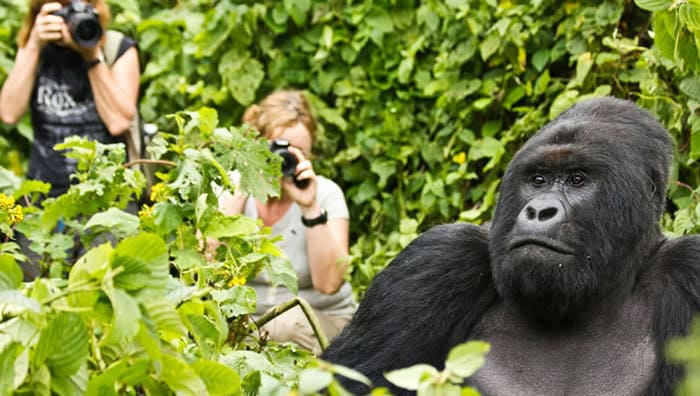
By traveling responsibly and embracing proper gorilla trekking etiquette, you become part of one of Africa’s greatest conservation success stories. Elevana Luxury Gorilla Holidays invites you to experience the privilege of meeting mountain gorillas in their natural habitat while contributing directly to wildlife conservation, community development, and sustainable tourism. Book your luxury gorilla safari today and discover how responsible travel can create memories that last a lifetime while helping protect these extraordinary animals for future generations.
Whether you choose Uganda, Rwanda, or a combined East African itinerary, our luxury gorilla safaris provide extraordinary opportunities to encounter mountain gorillas while contributing directly to their conservation. By embracing responsible trekking practices, travelers enjoy a richer, more meaningful, and truly unforgettable safari experience.