
Essential Gorilla Trekking Rules for Luxury Travelers
Gorilla trekking is one of the most exclusive and rewarding wildlife experiences in the world, offering travelers the rare opportunity to spend time with endangered mountain gorillas in their natural habitat. While luxury travelers enjoy exceptional accommodations, personalized services, helicopter transfers, private guides, and bespoke safari experiences, gorilla trekking itself is governed by strict conservation regulations designed to protect both visitors and the gorillas. Understanding the Gorilla Trekking Rules for Luxury Travelers is essential for ensuring a safe, respectful, and unforgettable encounter while contributing to the long-term survival of these remarkable primates.
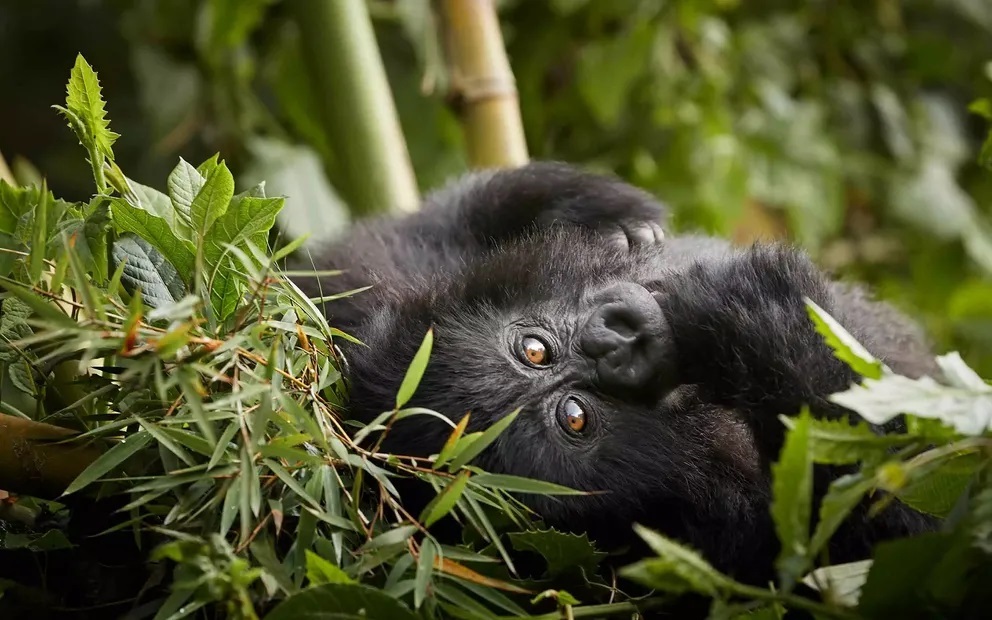

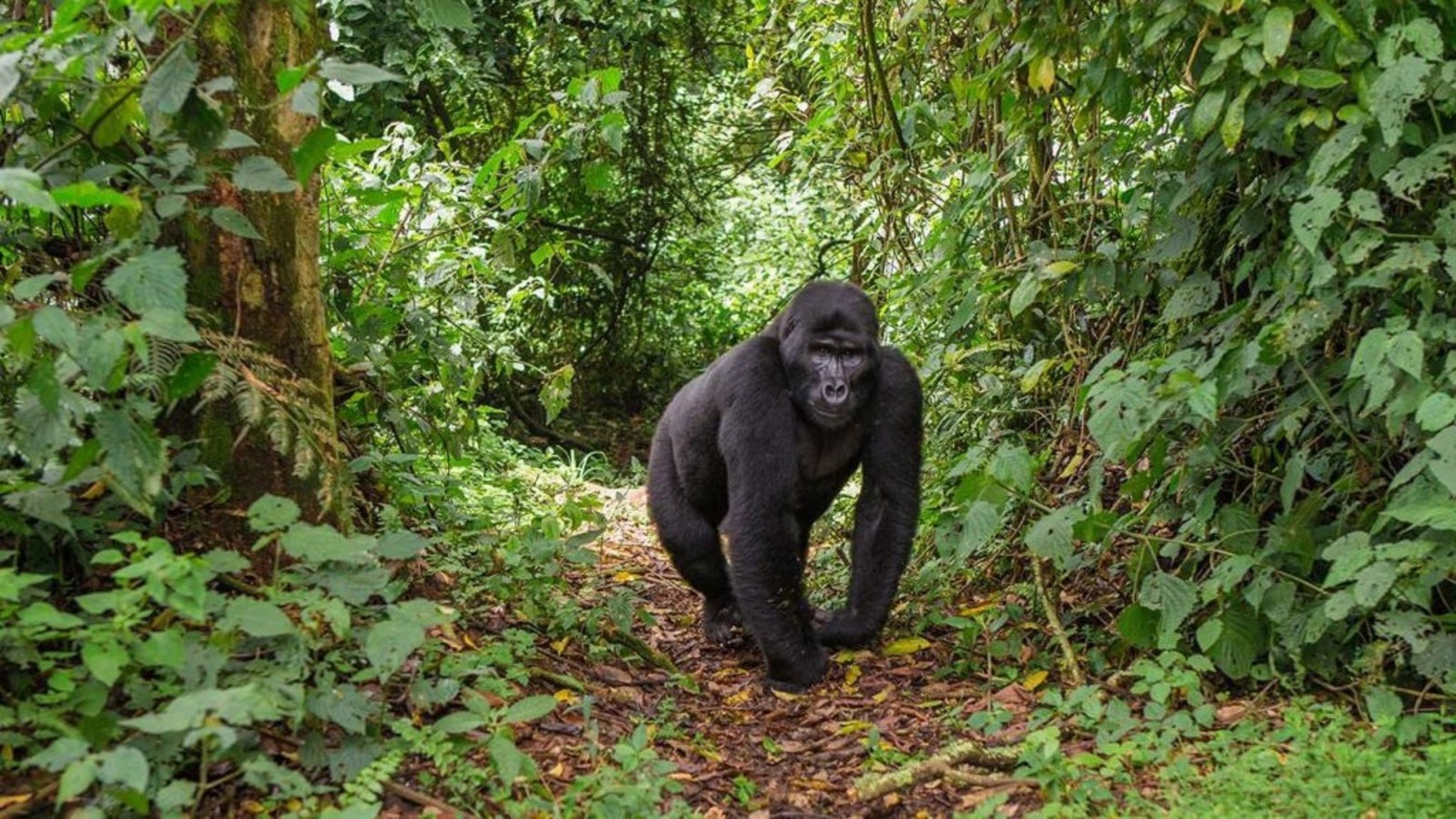
Mountain gorillas share approximately 98 percent of their DNA with humans, making them highly susceptible to many human diseases. The rules established by wildlife authorities in Uganda and Rwanda are designed to minimize health risks, reduce stress on gorilla families, protect their habitat, and ensure that tourism remains sustainable. For luxury travelers, following these guidelines not only demonstrates responsible travel practices but also enhances the overall quality of the gorilla trekking experience.
At Elevana Luxury Gorilla Holidays, we ensure that every guest is fully briefed on the Gorilla Trekking Rules for Luxury Travelers before entering the forest, allowing them to enjoy this extraordinary wildlife encounter with confidence and respect.
Why Gorilla Trekking Rules Are Important
The rules governing gorilla trekking are based on decades of conservation research and wildlife management. Mountain gorillas remain endangered, and although conservation efforts have led to population growth in recent years, they remain vulnerable to disease, habitat loss, and human disturbance.
Responsible tourism has become one of the most important tools for gorilla conservation. Revenue generated from gorilla permits directly supports wildlife protection, anti-poaching programs, community development initiatives, and habitat conservation. By following established trekking rules, luxury travelers help ensure that gorilla tourism continues to benefit both wildlife and local communities.
These regulations also help create a more natural and authentic experience by minimizing human impact on gorilla behavior and maintaining the integrity of their environment.
The Minimum Age Requirement
One of the fundamental Gorilla Trekking Rules for Luxury Travelers is the minimum age requirement. Participants must be at least 15 years old to take part in gorilla trekking activities. This rule exists because younger children may struggle with the physical demands of trekking and may find it difficult to follow important conservation guidelines consistently.
Luxury family safaris can still be arranged for travelers with younger children by incorporating alternative wildlife activities and cultural experiences while eligible family members participate in gorilla trekking.
The age restriction helps ensure the safety of both visitors and gorillas while maintaining a controlled and responsible tourism environment.
Maintaining a Safe Distance from Gorillas
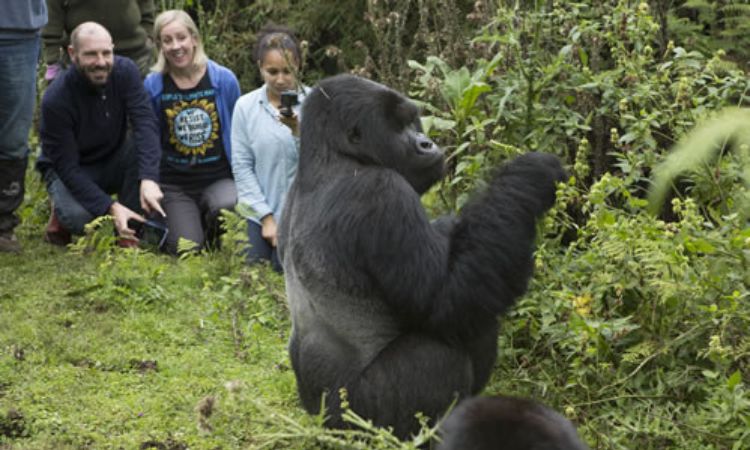
A critical rule during gorilla trekking is maintaining a minimum distance of seven meters from the gorillas at all times. This distance helps reduce the risk of disease transmission while minimizing stress and disruption to the gorillas’ natural behavior.
In some situations, curious gorillas may choose to approach visitors. When this occurs, travelers should remain calm, avoid sudden movements, and follow the instructions of their guide. Luxury travelers are often surprised by how close gorillas may come, but it is important to remember that visitors should never intentionally move closer to the animals.
Respecting this distance is one of the most important Gorilla Trekking Rules for Luxury Travelers and plays a vital role in conservation efforts.
Health Requirements Before Trekking
Because mountain gorillas are highly vulnerable to human illnesses, anyone experiencing symptoms such as flu, cough, fever, sore throat, or other contagious conditions should not participate in gorilla trekking. Even minor illnesses can pose serious risks to gorilla populations.
Luxury travelers are encouraged to monitor their health before their safari and communicate openly with guides or safari operators if they feel unwell. Alternative arrangements may sometimes be available to protect both travelers and gorillas.
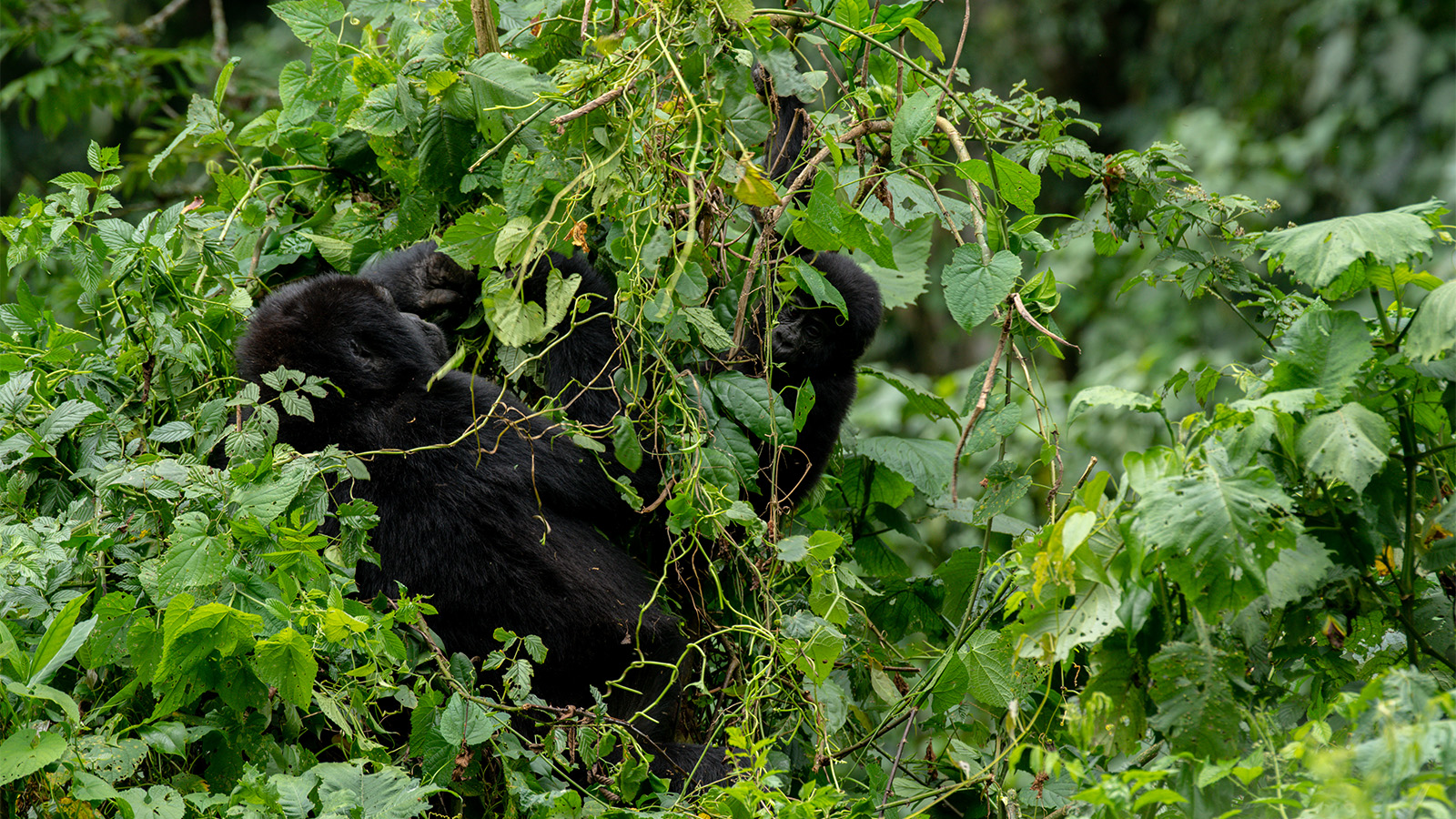
This rule demonstrates the close connection between human health and wildlife conservation and is essential for maintaining healthy gorilla populations.
Limiting Time with Gorilla Families
One of the most well-known Gorilla Trekking Rules for Luxury Travelers is the one-hour limit spent with habituated gorilla families. Once a gorilla group is located, visitors are permitted to spend a maximum of one hour observing and photographing the animals.
This time limit helps minimize stress on the gorillas while allowing them to continue their natural activities without prolonged human presence. Although one hour may seem brief, most travelers find the experience incredibly powerful and memorable.
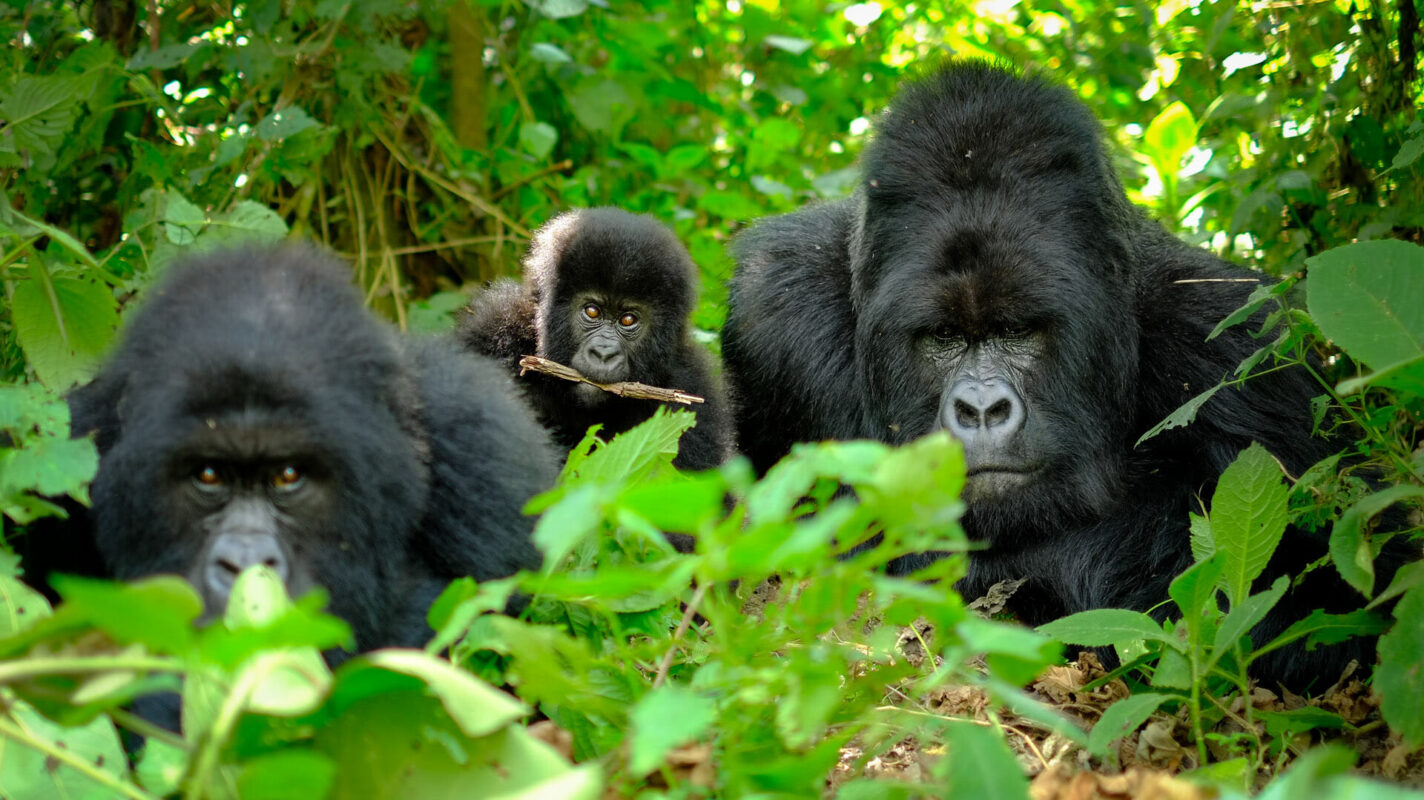
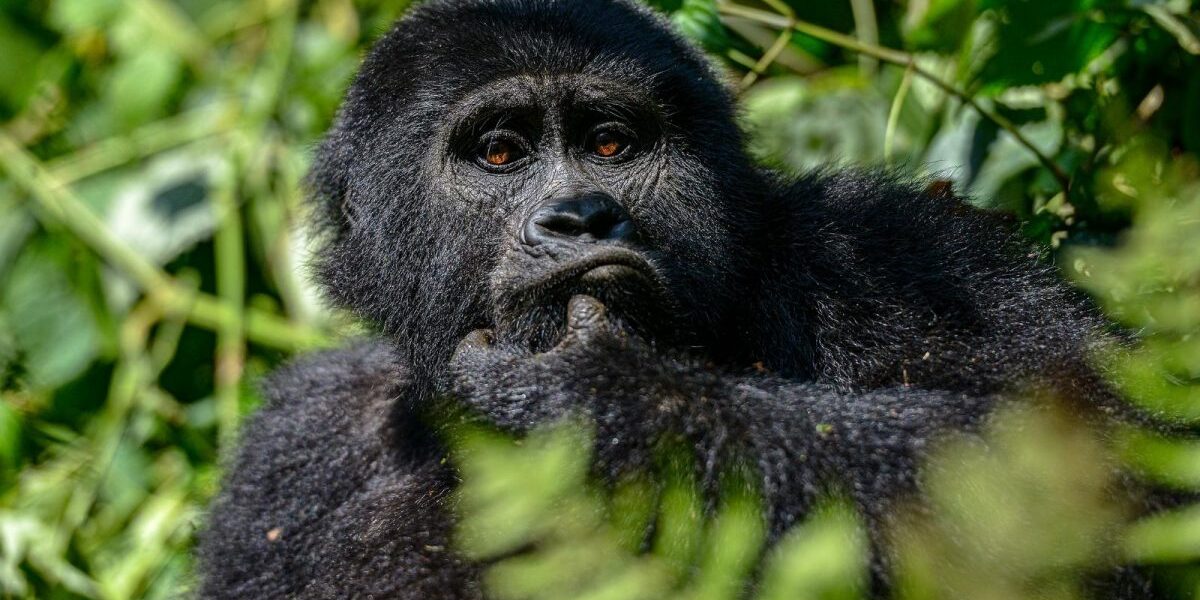
For those seeking more extended encounters, gorilla habituation experiences in Uganda offer opportunities to spend up to four hours with semi-habituated gorilla groups under special permits.
Proper Behavior Around Gorillas
Luxury travelers are expected to behave calmly and respectfully throughout the gorilla encounter. Loud noises, sudden movements, running, shouting, or disruptive behavior are strictly prohibited because they may frighten or stress the gorillas.
Visitors should move slowly, speak quietly, and follow guide instructions at all times. If a gorilla displays signs of agitation, travelers must remain calm and allow guides to manage the situation appropriately.
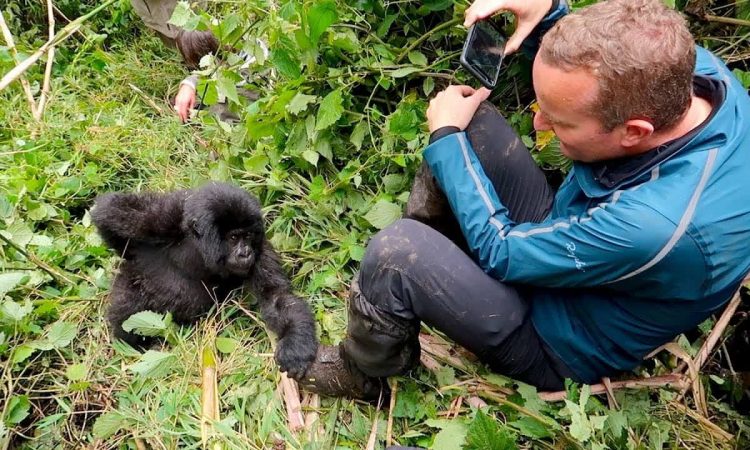
Maintaining respectful behavior helps ensure that the encounter remains safe, enjoyable, and beneficial for both visitors and wildlife.
Photography and Filming Guidelines
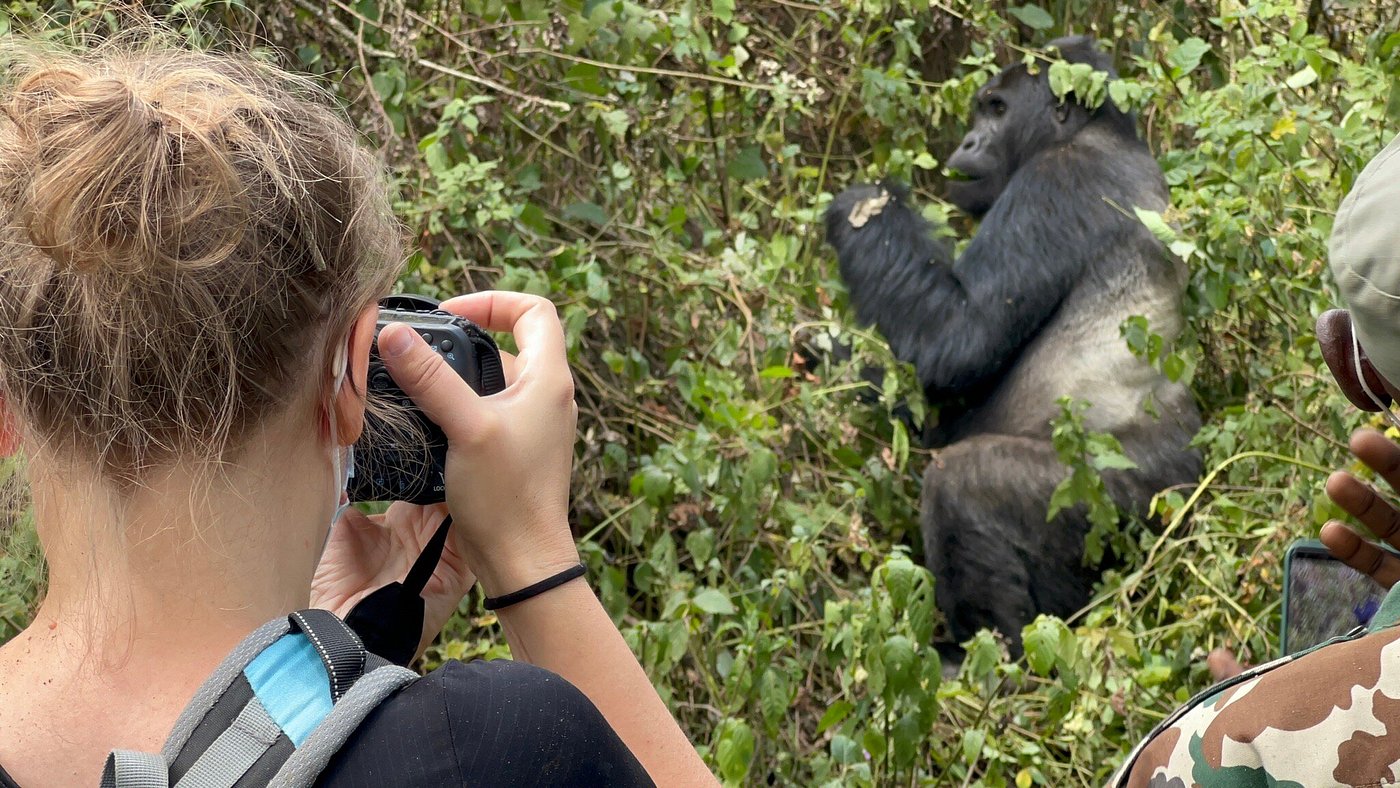
Photography is one of the highlights of gorilla trekking, particularly for luxury travelers and wildlife enthusiasts. However, specific guidelines must be followed to protect the animals and maintain a natural environment.
Flash photography is strictly prohibited because it can disturb and startle gorillas. Travelers are encouraged to use natural light and adjust camera settings accordingly. Professional photography equipment is welcome, but visitors should ensure that equipment does not interfere with the experience or obstruct other trekkers.
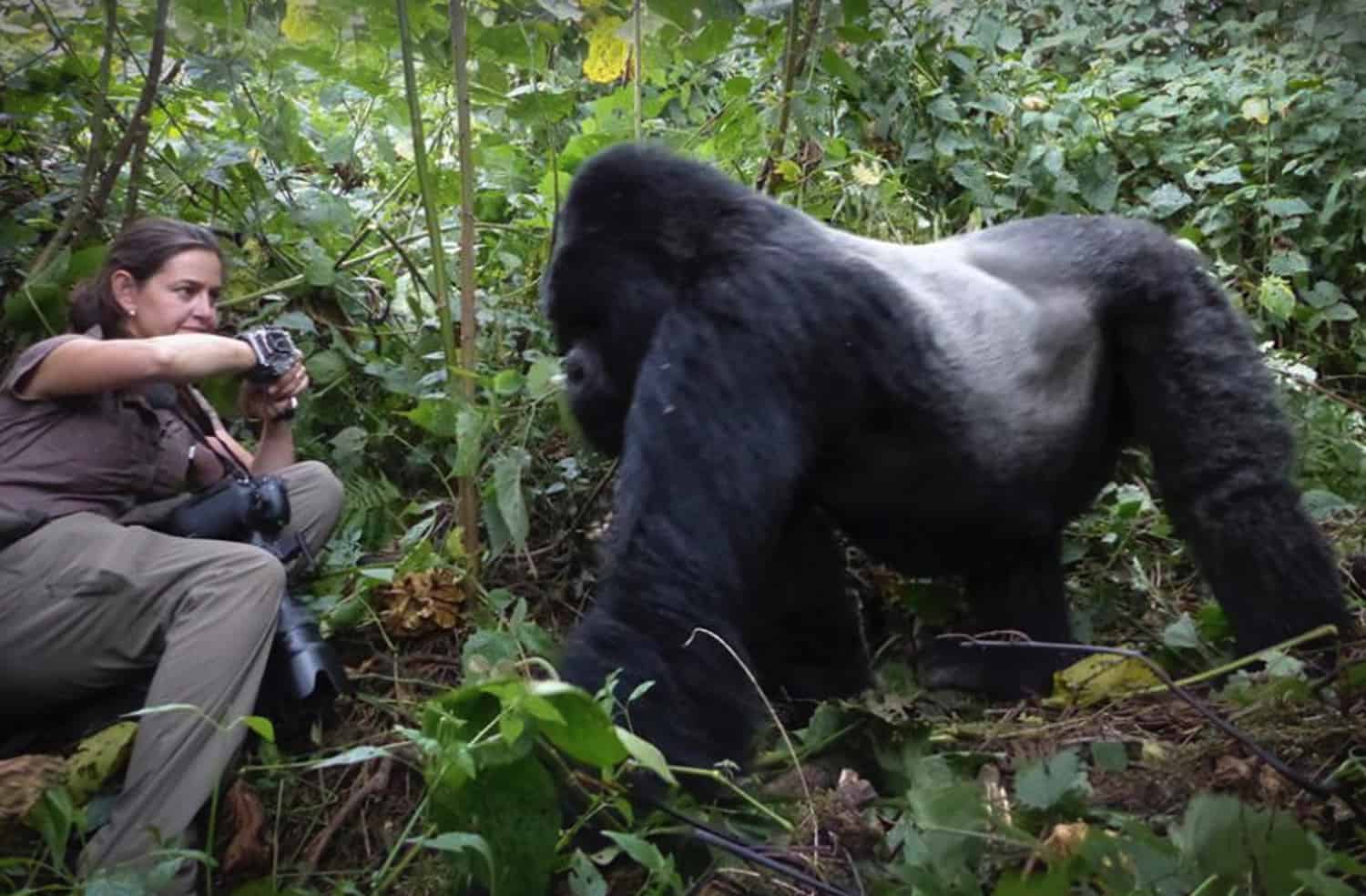
Following photography guidelines allows guests to capture extraordinary images while respecting gorilla welfare and conservation principles.
Group Size Restrictions
Another important Gorilla Trekking Rule for Luxury Travelers involves limiting the number of visitors who can visit a gorilla family each day. Typically, only eight visitors are permitted to trek a single habituated gorilla family per day.
This restriction reduces pressure on gorilla groups while maintaining a high-quality visitor experience. Smaller group sizes allow travelers to enjoy more intimate wildlife encounters and create opportunities for better photography and observation.
Luxury travelers often appreciate the exclusivity that these limits naturally provide.
Respecting the Natural Environment
Gorilla trekking takes place within some of Africa’s most important rainforest ecosystems. Visitors are expected to respect the environment by avoiding littering, damaging vegetation, or disturbing wildlife habitats Gorilla Trekking Rules for Luxury Travelers.
All waste must be removed from the forest, and travelers should remain on designated routes whenever possible. Responsible environmental behavior helps preserve the fragile ecosystems that support mountain gorillas and countless other species.
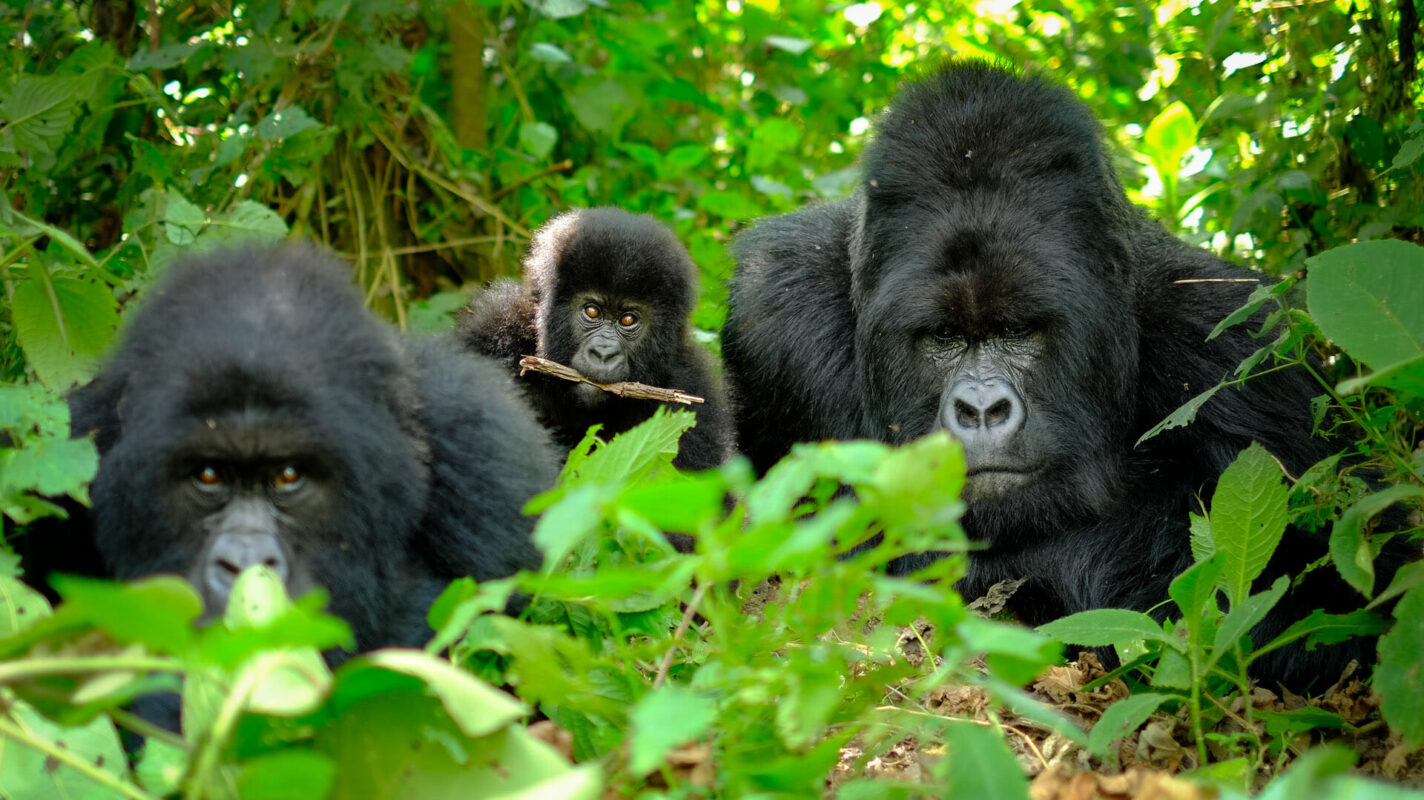
Luxury travel and sustainability increasingly go hand in hand, making environmental responsibility an essential part of the overall experience.
Listening to Guides and Rangers
Professional guides and armed rangers accompany all gorilla trekking groups and play a vital role in ensuring safety, conservation compliance, and visitor education. Their instructions must be followed at all times.
Gorilla Trekking Rules for Luxury Travelers Guides possess extensive knowledge of gorilla behavior, rainforest ecology, and safety procedures. They also help visitors interpret gorilla interactions and understand the significance of conservation efforts throughout the region.
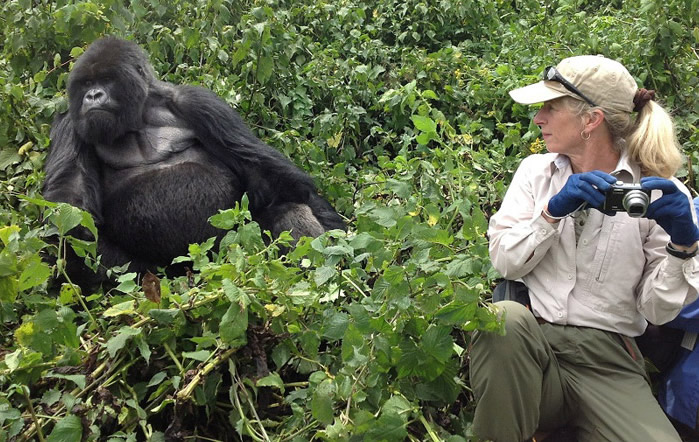
For luxury travelers, expert guiding services greatly enhance the quality and depth of the gorilla trekking experience.
What Luxury Travelers Should Wear
Appropriate clothing is an important aspect of Gorilla Trekking Rules for Luxury Travelers. Long-sleeved shirts, long trousers, waterproof jackets, hiking boots, gloves, and gaiters are recommended to protect against vegetation, insects, and changing weather conditions.
Even travelers staying in ultra-luxury lodges must be prepared for rainforest conditions. Proper clothing improves comfort and safety while ensuring a more enjoyable trekking experience.
Luxury safari operators typically provide detailed packing guidance before departure.
Gorilla Trekking Etiquette for Luxury Travelers
Luxury travel often emphasizes exclusivity and personalized experiences, but gorilla trekking requires a shared commitment to conservation and respect. Travelers should avoid viewing gorillas as tourist attractions and instead appreciate them as wild animals living within fragile ecosystems.
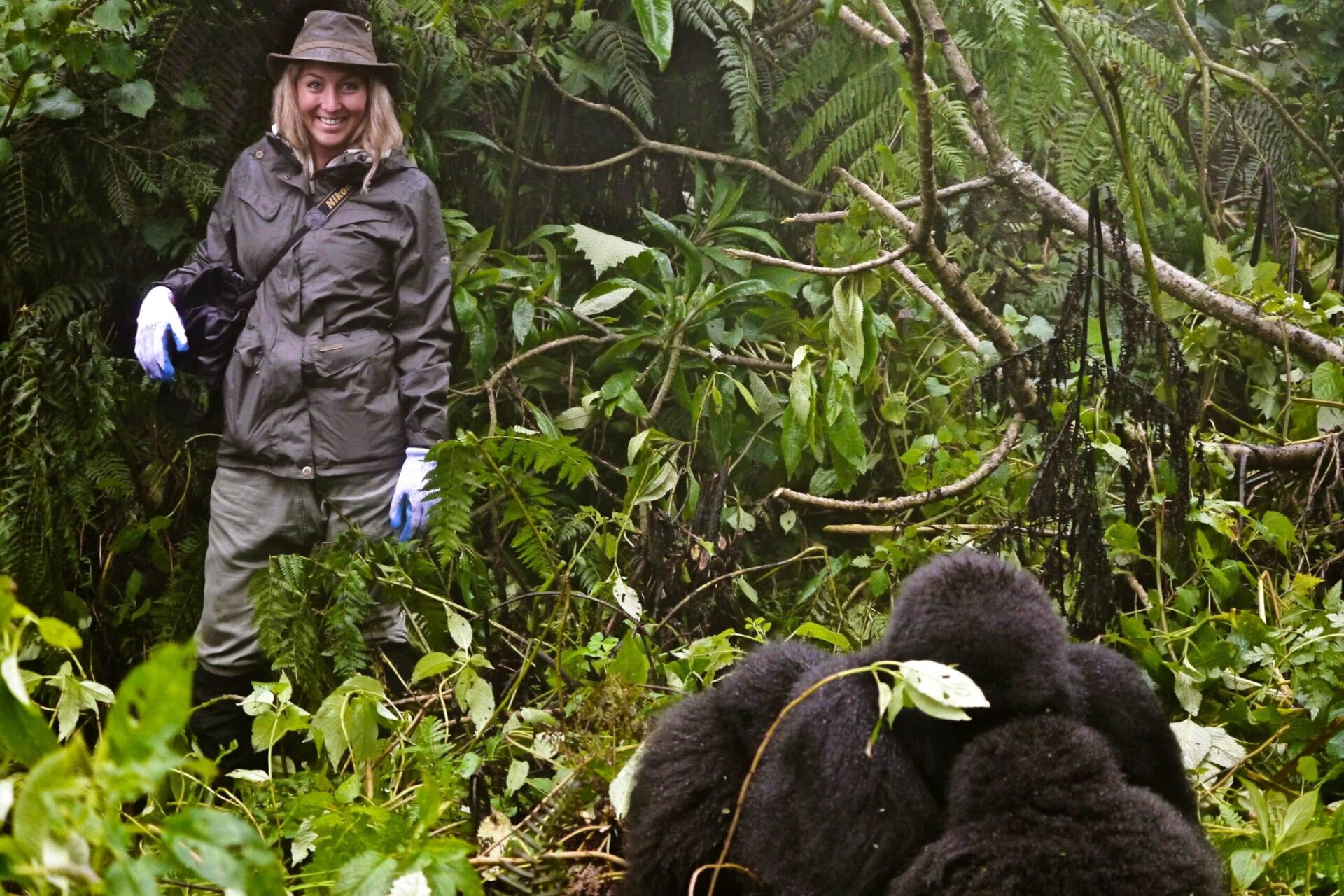
Patience, humility, and respect are key elements of responsible gorilla trekking etiquette. Guests who approach the experience with a conservation-minded perspective often find the encounter more meaningful and rewarding Gorilla Trekking Rules for Luxury Travelers.
The combination of luxury hospitality and responsible wildlife tourism creates an experience that is both extraordinary and sustainable.
How Gorilla Trekking Rules Support Conservation
The Gorilla Trekking Rules for Luxury Travelers are far more than simple visitor guidelines; they are essential conservation tools that have played a significant role in the recovery and protection of mountain gorilla populations over the past several decades. Every rule, from maintaining a safe distance to limiting the time spent with gorilla families, has been carefully developed by conservation experts, wildlife authorities, veterinarians, and researchers to ensure that tourism contributes positively to gorilla survival rather than threatening it. These regulations help create a balance between providing unforgettable wildlife experiences and safeguarding one of the world’s most endangered primates.
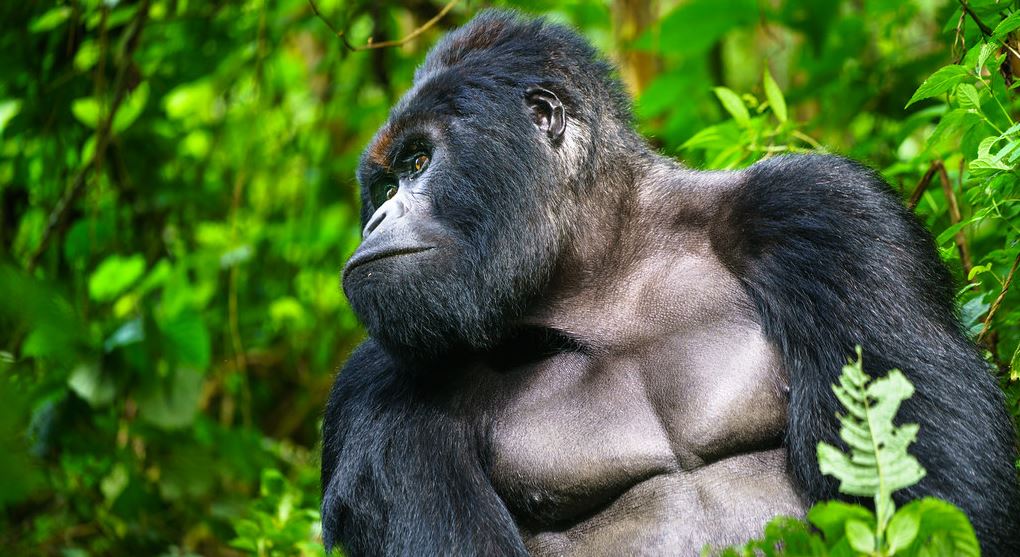
One of the most important conservation objectives of gorilla trekking rules is reducing the risk of disease transmission within protected gorilla habitats such as Bwindi Impenetrable National Park, Mgahinga Gorilla National Park, and Volcanoes National Park. Because mountain gorillas share approximately 98 percent of their DNA with humans, they are highly vulnerable to many human illnesses, including respiratory infections, influenza, and other contagious diseases. Rules requiring visitors to remain at least seven meters away from gorillas and preventing sick individuals from trekking are essential safeguards that help protect gorilla families from potentially devastating outbreaks. By following these health protocols, luxury travelers contribute directly to maintaining healthy gorilla populations across these protected national parks and ensuring their long-term survival.
The regulations also help minimize stress and behavioral disruption among gorilla families living within these conservation areas. Limiting visits to small groups of eight people and restricting viewing time to one hour allows gorillas in Bwindi, Mgahinga, and Volcanoes National Park to continue their daily activities with minimal interference. These measures reduce the likelihood of habituated gorillas becoming overly dependent on human presence while preserving their natural behaviors, social structures, and ecological roles within their rainforest habitats. As a result, future generations of travelers can continue to enjoy authentic wildlife encounters while conservationists maintain the integrity of these globally important ecosystems.
Gorilla trekking rules also support broader conservation efforts throughout the national parks where mountain gorillas are protected. Revenue generated through gorilla permits provides vital funding for park management, anti-poaching patrols, ranger salaries, habitat protection programs, veterinary interventions, wildlife monitoring, scientific research, and conservation education. In Uganda and Rwanda, gorilla tourism has become one of Africa’s most successful conservation models, creating strong economic incentives to preserve forests within Bwindi Impenetrable National Park, Mgahinga Gorilla National Park, and Volcanoes National Park rather than allowing habitat degradation or unsustainable land use. Every traveler who purchases a gorilla permit directly contributes to these conservation initiatives.
Gorilla Trekking Rules for Luxury Travelers Local communities surrounding these national parks also benefit significantly from responsible gorilla tourism. A portion of permit revenue supports schools, health centers, clean water projects, community infrastructure, and employment opportunities in areas neighboring the parks. Professional guides, porters, trackers, lodge staff, drivers, conservation workers, and local entrepreneurs all benefit from tourism linked to mountain gorilla conservation. By creating sustainable livelihoods connected to wildlife protection, gorilla trekking helps reduce pressures such as poaching, illegal logging, agricultural encroachment, and habitat destruction while encouraging local communities to actively support conservation efforts.
For luxury travelers, Gorilla Trekking Rules for Luxury Travelersunderstanding the conservation impact of their safari adds greater meaning to the overall experience. Every responsible decision made during a trek in Bwindi, Mgahinga, or Volcanoes National Park—from following guide instructions and maintaining safe distances to respecting wildlife and minimizing environmental impact—contributes to one of the world’s greatest conservation success stories. Luxury travel becomes more than a personal adventure; it becomes a direct contribution to protecting endangered mountain gorillas, preserving critical rainforest habitats, and supporting the communities that help safeguard these remarkable animals.
Ultimately, the Gorilla Trekking Rules for Luxury Travelers demonstrate how carefully managed tourism within national parks can become a powerful force for conservation. By following these guidelines, travelers not only enjoy one of the most extraordinary wildlife encounters on Earth but also help ensure that mountain gorillas continue to thrive in Bwindi Impenetrable National Park, Mgahinga Gorilla National Park, and Volcanoes National Park for generations to come.
Why Following Gorilla Trekking Rules Enhances the Experience
Many first-time visitors assume that rules restrict the experience, but the opposite is often true. The Gorilla Trekking Rules for Luxury Travelers create an environment where gorillas feel secure and behave naturally, resulting in more authentic and meaningful encounters.
By respecting the rules, travelers enjoy better wildlife viewing opportunities, contribute to conservation success, and become part of one of the world’s most successful wildlife tourism models. The result is a rare experience that combines luxury, adventure, education, conservation, and emotional connection.
Frequently Asked Questions About Gorilla Trekking Rules for Luxury Travelers
1. What are the Gorilla Trekking Rules for Luxury Travelers?
The Gorilla Trekking Rules for Luxury Travelers are conservation guidelines designed to protect mountain gorillas, their habitat, and visitors while ensuring a safe and responsible wildlife experience.
2. Why are gorilla trekking rules important?
These rules help prevent disease transmission, reduce stress on gorilla families, protect fragile ecosystems, and support long-term conservation efforts.
3. How close can I get to mountain gorillas?
Visitors must maintain a minimum distance of seven meters from the gorillas whenever possible to reduce health risks and disturbance.
4. What happens if a gorilla approaches me?
If a gorilla approaches, remain calm, avoid sudden movements, and follow your guide’s instructions. Never attempt to touch or move toward the gorilla.
5. How much time can I spend with the gorillas?
Standard gorilla trekking permits allow visitors to spend a maximum of one hour with a habituated gorilla family.
6. Can I spend longer than one hour with gorillas?
Yes. Gorilla habituation experiences in Uganda allow visitors to spend up to four hours with a semi-habituated gorilla family.
7. Is there an age limit for gorilla trekking?
Yes. The minimum age for gorilla trekking is 15 years in both Uganda and Rwanda.
8. Can I trek if I have a cold or flu?
No. Anyone with contagious illnesses such as flu, cough, fever, or respiratory infections should not participate in gorilla trekking.
9. Why can’t sick people trek gorillas?
Mountain gorillas are highly susceptible to human diseases, which can have serious consequences for their populations.
10. Is flash photography allowed?
No. Flash photography is strictly prohibited because it can startle and disturb the gorillas.
11. Can I bring professional camera equipment?
Yes. Professional cameras and lenses are permitted, provided they are used responsibly and without disrupting the experience.
12. How many people visit a gorilla family each day?
Generally, only eight visitors are allowed to visit a habituated gorilla family per day.
13. Why are group sizes limited?
Smaller groups reduce stress on gorillas and help maintain a more natural and sustainable wildlife experience.
14. What should I wear during gorilla trekking?
Long trousers, long-sleeved shirts, waterproof jackets, sturdy hiking boots, gloves, and gaiters are recommended.
15. Can I hire a porter?
Yes. Hiring a porter is highly recommended, especially for luxury travelers, seniors, and photographers.
16. Are luxury travelers exempt from gorilla trekking rules?
No. All visitors, regardless of accommodation level or safari package, must follow the same conservation regulations.
17. Can children participate in gorilla trekking?
No. Only individuals aged 15 years and above are permitted to trek mountain gorillas.
18. What should I do if a gorilla displays aggressive behavior?
Remain calm, avoid eye contact, do not run, and follow your guide’s instructions immediately.
19. Can I eat or drink near gorillas?
Eating near gorillas is generally discouraged because it can attract attention and increase the risk of disease transmission.
20. Why should I avoid littering during the trek?
Litter can harm wildlife, damage the environment, and introduce diseases into fragile gorilla habitats.
21. Are private gorilla trekking experiences available?
While gorilla trekking follows park regulations, luxury travelers can arrange private guides, luxury transportation, and personalized safari services.
22. Can I combine gorilla trekking with luxury safaris?
Yes. Many travelers combine gorilla trekking with Big Five safaris, chimpanzee tracking, helicopter tours, and luxury beach holidays.
23. How do gorilla permits support conservation?
Permit fees directly fund wildlife protection, ranger patrols, veterinary programs, community development projects, and habitat conservation.
24. What is the most important Gorilla Trekking Rule for Luxury Travelers?
Maintaining a safe distance, respecting guide instructions, and protecting gorilla health are among the most important rules.
25. Why book with Elevana Luxury Gorilla Holidays?
Elevana Luxury Gorilla Holidays provides expertly planned luxury gorilla safaris with private guides, luxury lodges, helicopter transfers, personalized service, and comprehensive guidance on all Gorilla Trekking Rules for Luxury Travelers, ensuring a safe, responsible, and unforgettable wildlife experience.
Book a Responsible Luxury Gorilla Safari
At Elevana Luxury Gorilla Holidays, we design exceptional gorilla safaris that combine world-class luxury with responsible wildlife tourism. Our experienced guides provide comprehensive briefings on all Gorilla Trekking Rules for Luxury Travelers, ensuring that every guest enjoys a safe, comfortable, and conservation-focused experience.
Whether you choose Uganda or Rwanda, our luxury gorilla safaris feature premium lodges, private guides, helicopter transfers, personalized itineraries, and unforgettable encounters with mountain gorillas. By following established trekking guidelines, you not only enjoy one of Africa’s most extraordinary wildlife experiences but also contribute directly to the protection of these remarkable animals for generations to come.